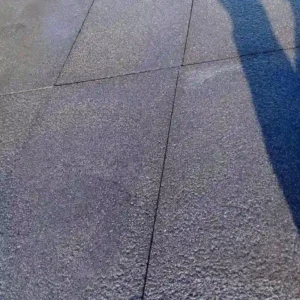
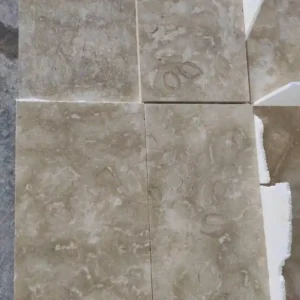
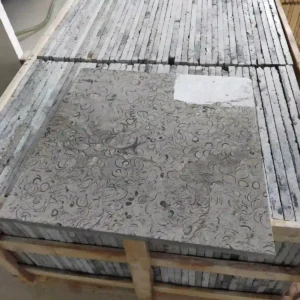
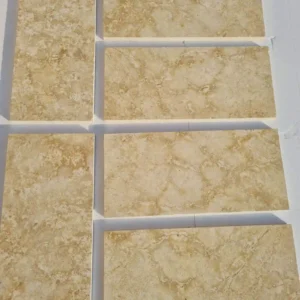
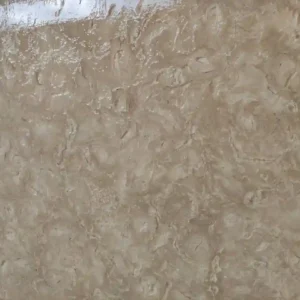
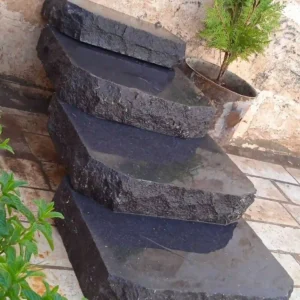
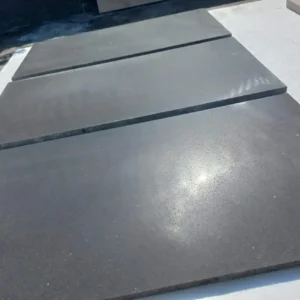
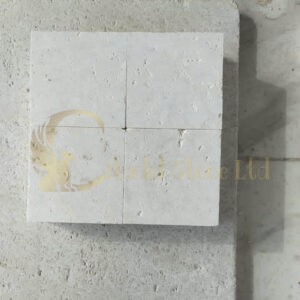
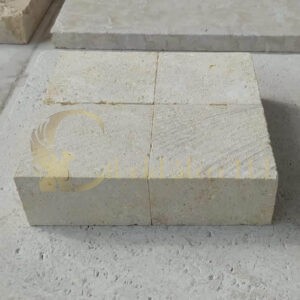
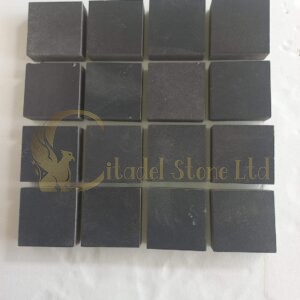
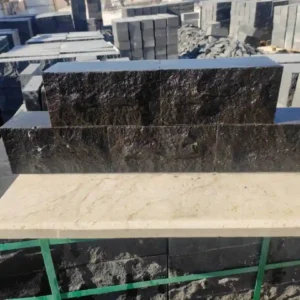
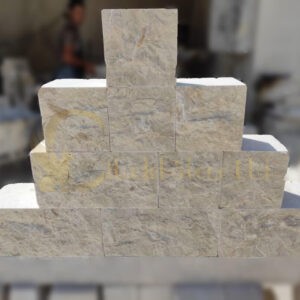
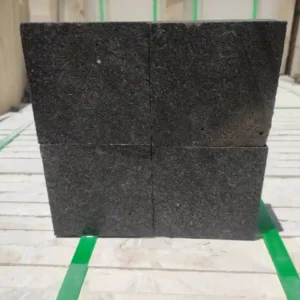
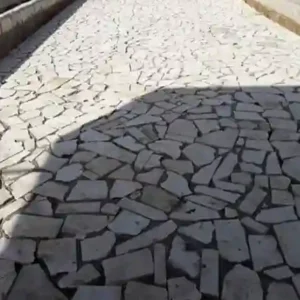
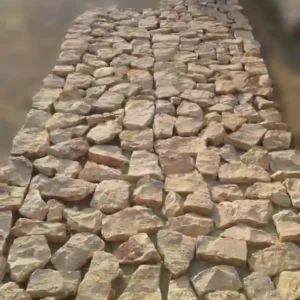
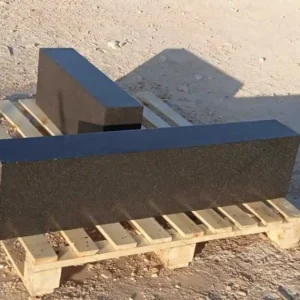
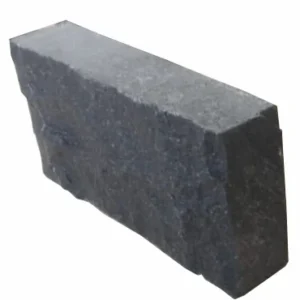
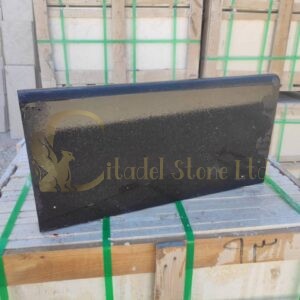
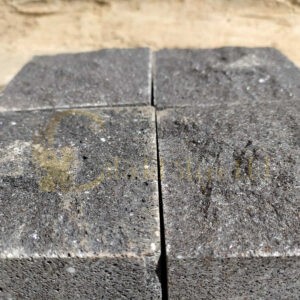
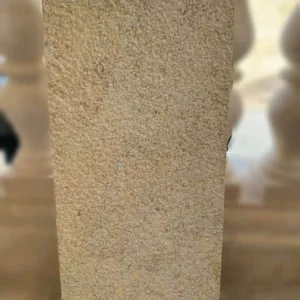
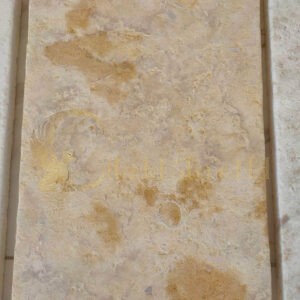
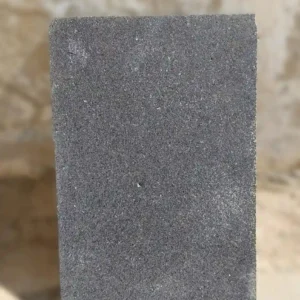
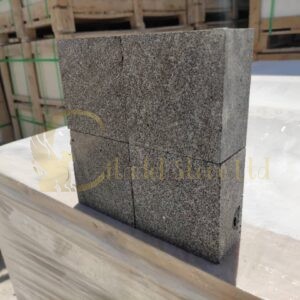
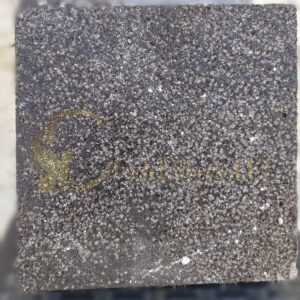
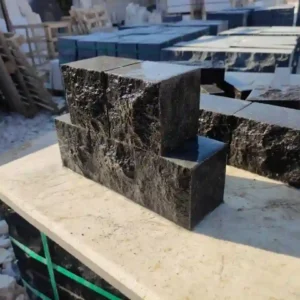
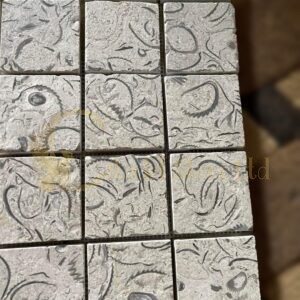
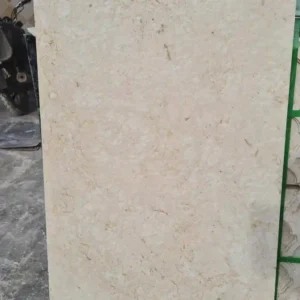
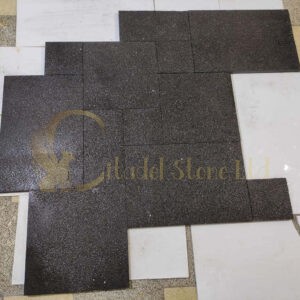
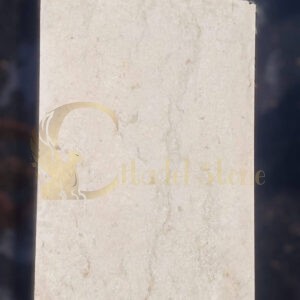
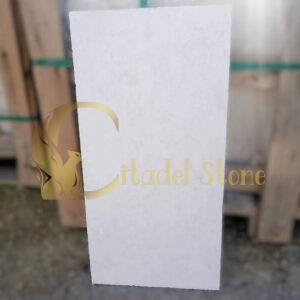
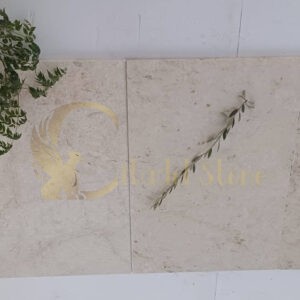
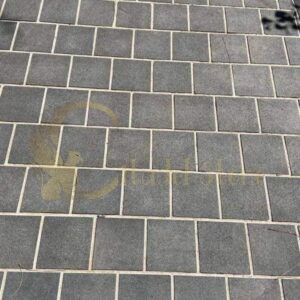
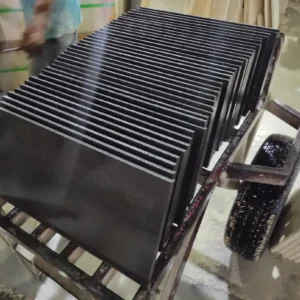
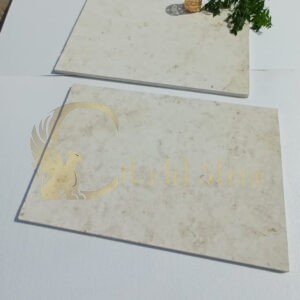
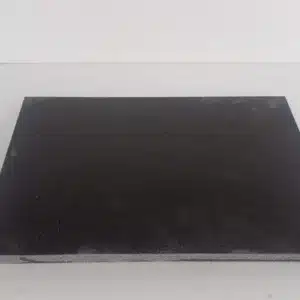
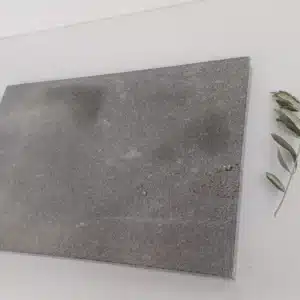
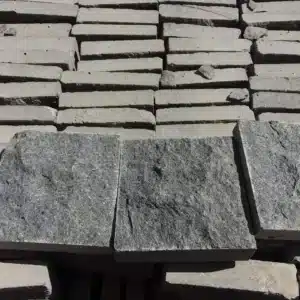
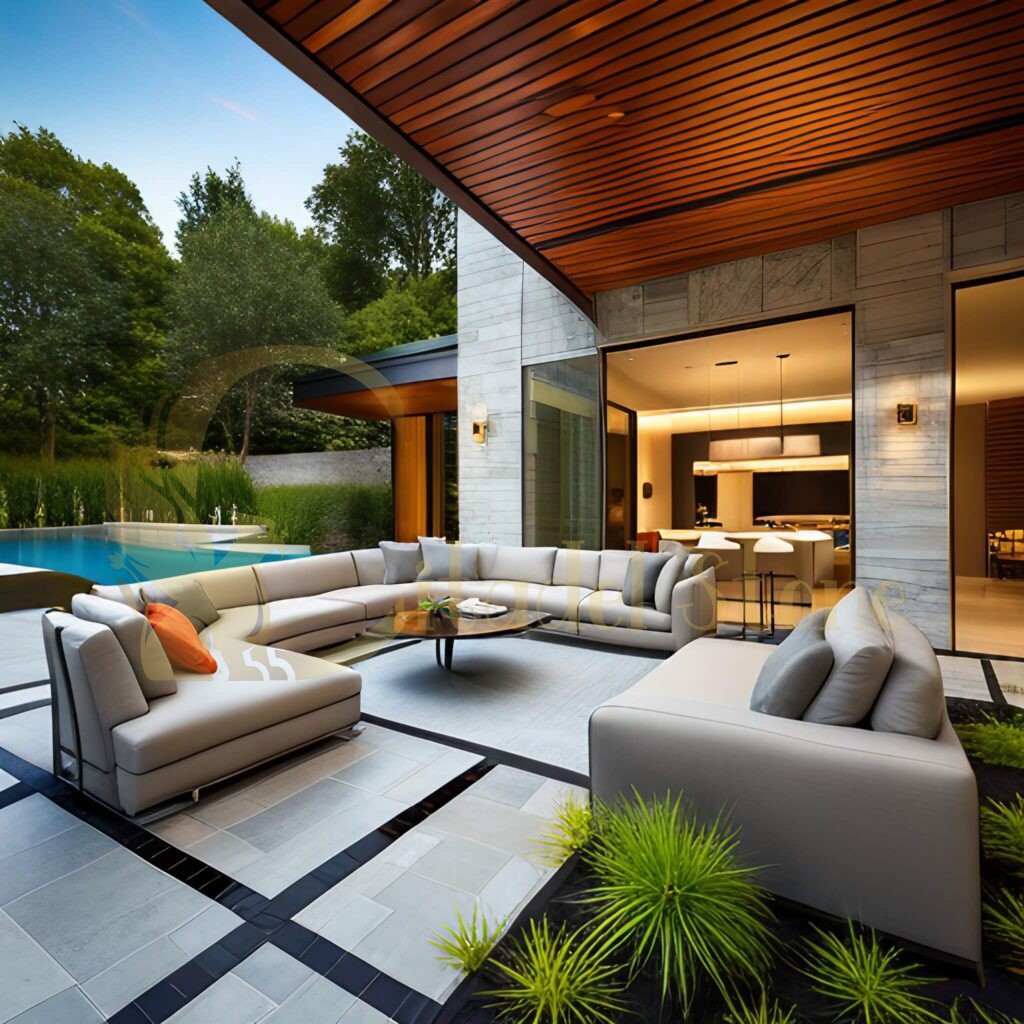
Granite bricks in Arizona perform at a level most specifiers don’t fully anticipate — but only when the ground beneath them is prepared to match the material’s strengths. Compressive strength exceeding 19,000 PSI means granite won’t fail from above; the failure almost always starts below, where Arizona’s notoriously variable soils create differential movement that no surface material can absorb indefinitely. Understanding your subgrade before you specify thickness, joint width, or sealer type is the decision that separates a 25-year installation from one that needs releveling in year seven.
Arizona Soil Types and What They Mean for Granite Brick Performance
Arizona’s ground conditions cover an extraordinary range within relatively short distances. Caliche — the calcium carbonate hardpan layer common across much of the Sonoran Desert floor — presents a counterintuitive situation: it looks like a stable subgrade, but its behavior under moisture infiltration creates heave patterns that can crack a rigid installation from below. You need to distinguish between load-bearing caliche and the fractured, moisture-reactive variant before you decide whether to scarify, remove, or cap it.
Expansive clay soils dominate the valley floors in areas like Phoenix, where Vertisol and Torrisamment soil profiles are standard. These soils can expand 3–5% volumetrically with moisture uptake, which translates to vertical movement of 0.5–1.5 inches across a typical residential installation zone. Granite brick pavers in Arizona installed over unmitigated expansive clay without a compressible layer or adequate base thickness will show joint displacement within the first two monsoon seasons.
- Caliche hardpan: excellent bearing capacity when intact, but fracture lines must be mapped before base placement
- Expansive clay soils: require minimum 6-inch compacted Class II base over geotextile fabric to interrupt capillary moisture rise
- Sandy loam and desert gravels: drain well but need proper compaction to 95% Modified Proctor before any base layer goes down
- Decomposed granite native soils: often used as sub-base filler, but inconsistent compaction creates soft spots under point loads
- Alluvial fan deposits: variable gradation that demands in-field proctor testing, not assumption-based spec
The practical takeaway is that you shouldn’t treat Arizona ground prep as a single standard operation. Each project zone warrants a brief soil assessment — even a simple probe rod test for caliche depth and a jar test for clay content gives you the data to spec the right base system. Citadel Stone’s technical team regularly consults on base preparation sequencing before material orders are confirmed, because the ground conditions directly affect which granite brick format and thickness makes sense.
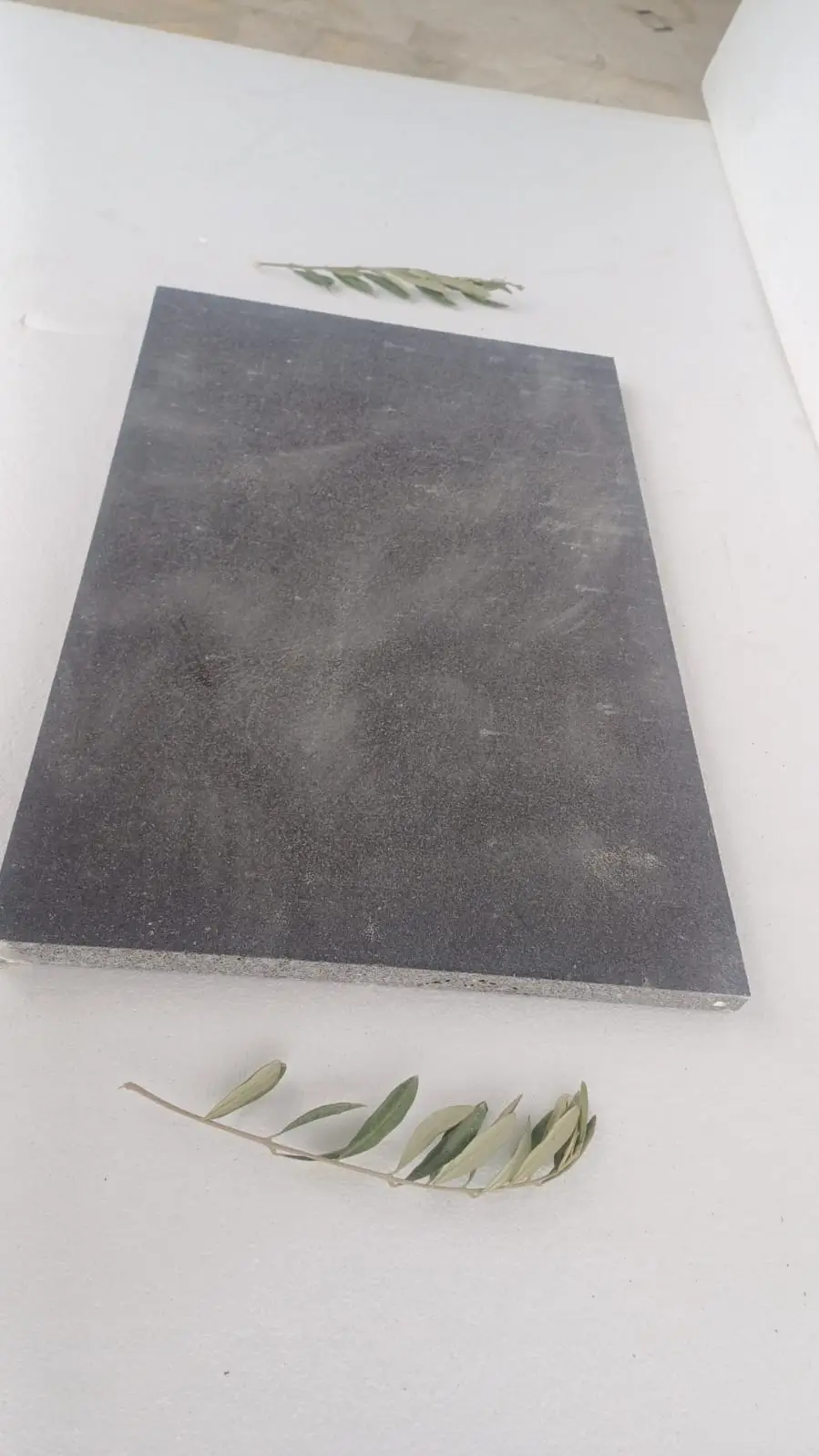
Subgrade Preparation: Getting the Foundation Right for Granite Bricks
Your base system for granite bricks in Arizona needs to do three things simultaneously: distribute load, manage moisture, and resist differential movement. Standard concrete paver base guidelines from cold-climate regions don’t translate cleanly to the desert Southwest, where the threat isn’t freeze-thaw but rather shrink-swell cycling tied to monsoon moisture pulses.
For most residential and light commercial applications on expansive soils, a 6-inch compacted aggregate base over 4 inches of compacted subgrade preparation is a reasonable starting point. Driveways with vehicle loads should push that to 8 inches of base compacted in two lifts. The bedding layer for granite paving bricks in Arizona should run 1 inch of coarse concrete sand — don’t use fine mason’s sand, which migrates laterally under thermal movement and leaves voids beneath the units.
- Compact subgrade to 95% Modified Proctor minimum before any base material is placed
- Install non-woven geotextile fabric over expansive clay zones to prevent base contamination during moisture events
- Use angular crushed aggregate (3/4-inch minus) for the base — rounded river gravel won’t interlock and will pump under load
- Compact base material in maximum 4-inch lifts with a plate compactor; do not attempt to compact 6 inches in a single pass
- Check for soft spots with a probe rod after compaction — areas with more than 1 inch of penetration under moderate pressure need additional material and recompaction
- Allow 24–48 hours after final compaction before screeding bedding sand to let any moisture-related settling stabilize
One preparation detail that gets overlooked consistently on Arizona projects is perimeter edge restraint depth. You’re not just holding the pavers in — you’re anchoring the entire base system against lateral migration during thermal expansion cycles. Stake-driven plastic edge restraint isn’t adequate on expansive soil sites; a concrete header or embedded steel angle gives you the rigidity the installation needs along its edges.
Selecting Granite Brick Thickness and Format for Arizona Ground Conditions
The format decision for granite edging blocks in Arizona and field units involves more than aesthetics. Thickness directly controls how load is distributed into the base, and in Arizona’s soil conditions, wider load distribution means longer installation life. The 2 3/8-inch (60mm) format is adequate for pedestrian applications on stable soils, but most experienced Arizona specifiers move to 3 1/8-inch (80mm) units for any application where vehicle overhang or edge loading is possible.
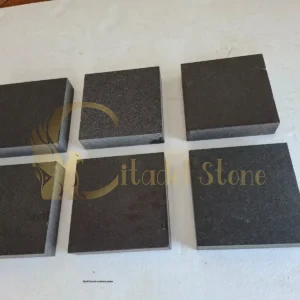
Brick-format granite — the true rectangular unit in 4×8 or 4×4 nominal sizing — tends to perform better than large-format slabs on variable Arizona soils because each individual unit can accommodate minor differential movement without transferring stress across the whole field. Large slabs demand a more precise and uniform base; brick formats are inherently more tolerant of the minor imperfections that characterize real Arizona ground conditions.
- 60mm (2 3/8-inch) thickness: suitable for pedestrian zones on stable, well-prepared subgrade
- 80mm (3 1/8-inch) thickness: recommended for driveways, parking aprons, and mixed-use areas
- Standard 4×8 brick format: best tolerance for differential movement in expansive soil zones
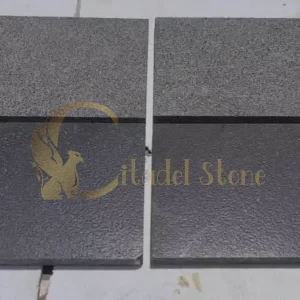
- Tumbled finish granite: provides natural slip resistance without surface coatings that can fail under UV exposure
- Sawn-face granite bricks: tighter tolerances, require more precise bedding layer — verify subgrade uniformity first
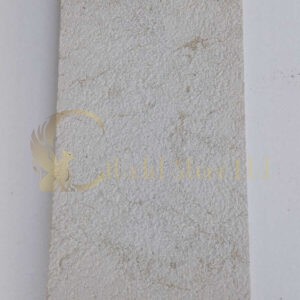
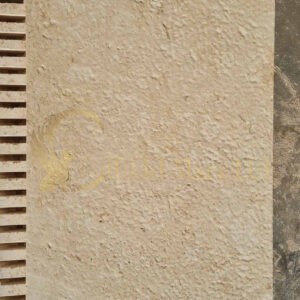
Citadel Stone stocks granite bricks in both 60mm and 80mm thicknesses with sawn and tumbled finish options, and warehouse inventory levels in Arizona typically allow for standard-format orders to ship within one to two weeks. For non-standard cuts or custom dimensions needed for specific project geometries, lead times extend to three to four weeks — worth confirming early in your project schedule.
Joint Spacing, Edge Detailing, and Why Arizona Soils Change the Calculation
Standard industry joint width recommendations for granite pavers typically cite 1/8 to 3/16 inch. On Arizona expansive clay sites, you should open that to 3/16 to 1/4 inch to accommodate the minor lateral movement that occurs as soils cycle through wet and dry phases during monsoon season. Tighter joints on expansive soils concentrate stress at unit edges and cause chipping at corners — a failure mode that’s almost exclusively a soil-movement problem, not a material defect.
Projects in Scottsdale involving granite edging pavers along planting beds require particular attention to root barrier installation. Desert landscape plants like mesquite and palo verde develop lateral root systems within 18–24 inches of the surface, and without a rigid root barrier extending at least 18 inches below grade, those roots will lift and displace granite edging units within five to eight years. This is a soil-biology issue, not a paving issue — but the paving spec has to account for it.
For the field areas, polymeric sand jointing is standard, but Arizona’s thermal cycle creates a specific challenge: fresh polymeric sand sets differently at 95°F than at 70°F, and the activation watering needs to be adjusted accordingly. If you’re installing on a surface that’s been in direct sun for several hours, pre-wet the joints lightly to reduce surface temperature before applying polymeric sand — otherwise the sand cures too quickly at the surface and leaves voids below.
Drainage Design: The Factor That Protects Your Granite Brick Installation Long-Term
Arizona’s rainfall pattern — low annual totals but intense monsoon events — creates a specific drainage challenge for permeable and semi-permeable granite paving installations. A two-inch-per-hour storm event drops more water in 45 minutes than many base systems are designed to handle, especially when the native soil beneath the base has low percolation rates due to caliche or clay content.
For granite bricks in Arizona installed over impermeable or low-permeability subgrade, you need a designed drainage path rather than relying on infiltration. This typically means a sloped base draining to a perforated pipe collector at the low edge, or surface cross-slopes of 1.5–2% directing runoff to adjacent landscaping or drainage channels. Flat installations on clay soils without a positive drainage outlet will pond water beneath the base during monsoon events — that’s the condition that causes the most dramatic post-storm settlement and displacement. For a useful reference on how complementary stone products perform under Arizona site conditions, granite brick pavers in Arizona covers specification comparisons that are directly relevant to drainage and base design decisions.
- Minimum 1.5% surface cross-slope for all paved areas draining to a positive outlet
- Perforated pipe collector at base level for installations over clay subgrade exceeding 200 square feet
- Aggregate base must be sized to handle peak rainfall intensity — verify percolation rate against 100-year storm event data
- Consider open-graded base systems for high-volume runoff zones to maximize infiltration capacity
- Check outlet pipe sizing: undersized collectors back up during peak monsoon events and create hydraulic pressure against the base
Getting drainage right in the design phase is consistently the difference between a granite brick installation that looks pristine at year fifteen and one that shows visible settlement by year three.
Sealing Granite Bricks in Arizona: When It Helps and When It Doesn’t
Granite’s low porosity — typically 0.4–1.2% absorption rate — means it doesn’t require sealing the way limestone or travertine does. That said, Arizona’s monsoon dust, caliche dust fallout, and hard water staining from irrigation overspray make a penetrating impregnating sealer worth applying for most residential projects. The sealer isn’t protecting the stone from water — it’s preventing mineral staining from sitting on the surface long enough to etch.
Solvent-based penetrating sealers outperform water-based options in Arizona’s high-UV environment. Water-based sealers can degrade within 18–24 months under intense solar radiation; a quality solvent-based impregnator applied to clean, dry granite bricks holds four to six years between applications. Apply when surface temperature is below 85°F — early morning application is ideal, since Arizona afternoon temperatures regularly push granite surface temps past 140°F, which causes the sealer to flash-cure before full penetration.
In Flagstaff, the sealing equation shifts because freeze-thaw cycling becomes a real factor above 7,000 feet elevation. At that elevation, even granite’s low porosity can admit enough moisture to create micro-fractures through repeated freeze-thaw cycles without a sealer acting as a moisture barrier. For Flagstaff granite brick installations, resealing on a three-year cycle rather than the five-to-six-year desert lowland schedule is the appropriate maintenance standard.
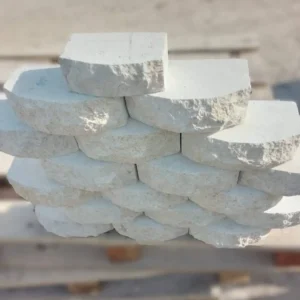
Granite Edging Blocks: Structural Role in Arizona Retaining and Border Applications
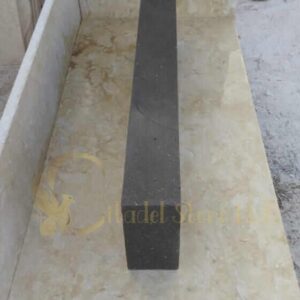
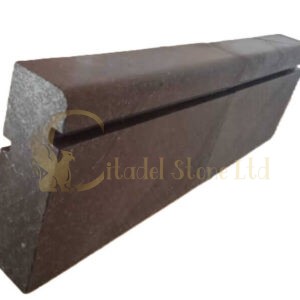
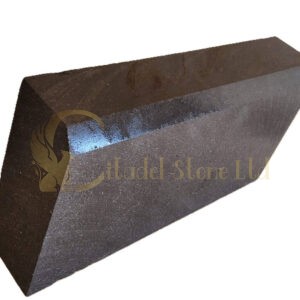
Granite edging blocks in Arizona carry a structural load that softer edging materials simply can’t match. In retaining applications along grade changes of 6–18 inches, granite edging blocks with a minimum 4-inch width provide the mass and shear resistance needed to hold base material in position during soil movement events. Plastic or aluminum edging has no business near an expansive clay zone — it will buckle laterally within the first two monsoon seasons.
The installation depth for granite edging in border applications should extend at least 3 inches below the base layer — not just to the base surface. This buries the edging block base into the compacted subgrade, giving it resistance against the upward movement that expansive soils create. Edging units installed only to the depth of the base layer will lift vertically as clay soils swell, pulling the entire perimeter row upward and opening joints along the field-to-edge transition.
- Minimum edging block size for structural border applications: 4 inches wide by 6 inches tall by 12 inches long
- Set edging blocks in a full mortar bed when adjacent to expansive clay — dry-set edging will migrate
- Back-fill edging blocks with compacted angular aggregate, not native soil, to prevent differential settlement at the perimeter
- Allow a 1/4-inch gap between edging block ends to accommodate thermal expansion — butted joints will spall at corners during hot months
- For curved applications, use shorter 6-inch edging units to achieve smooth radius geometry without cutting
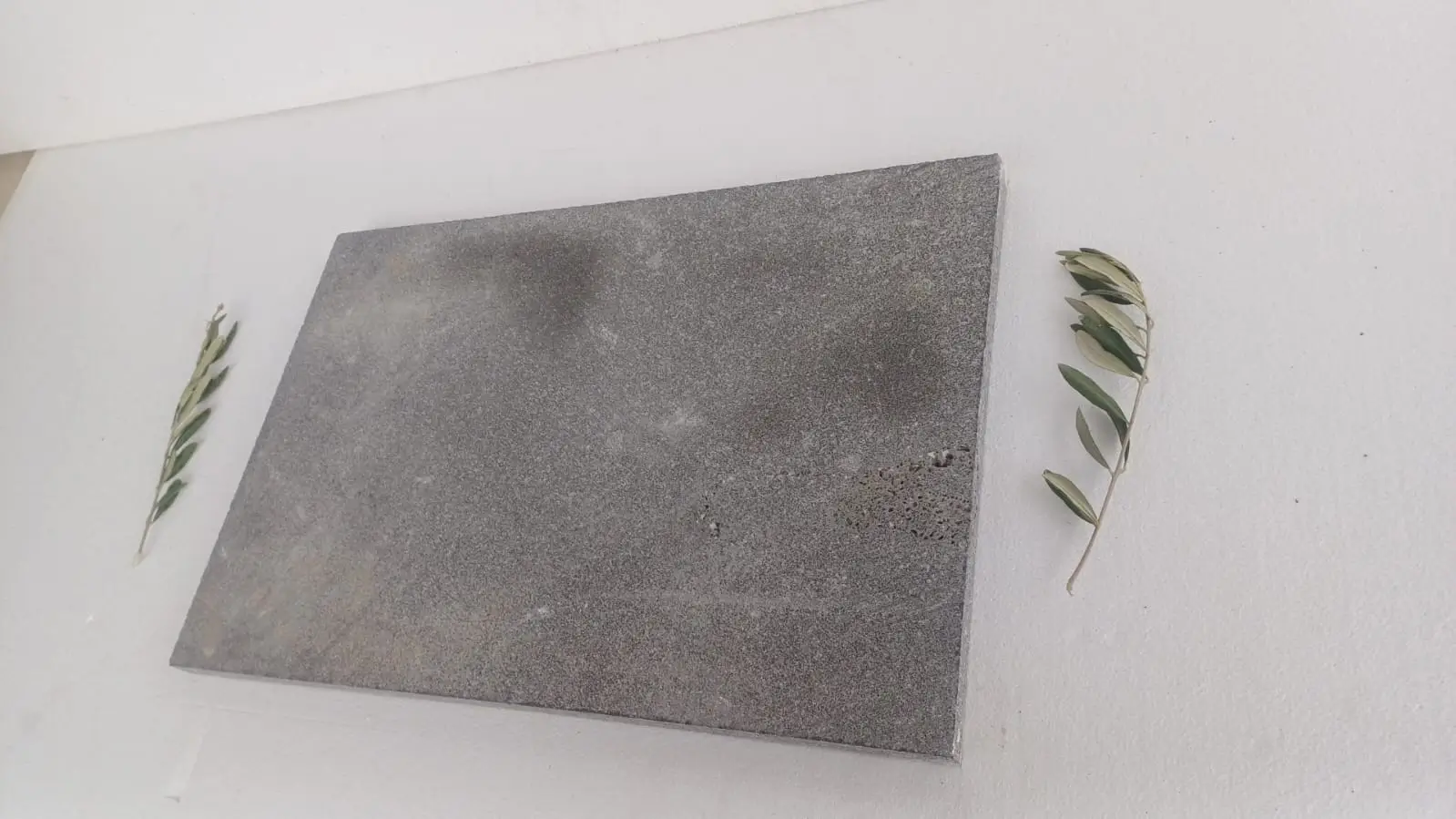
Material Sourcing and Specification: What to Verify Before Your Order Ships
Sourced from established quarry partners across Brazil, India, and China, each batch of granite bricks that moves through Citadel Stone’s warehouse undergoes consistency checks for color match, dimensional tolerance, and surface finish quality. This matters more than most buyers initially realize — granite brick color can shift meaningfully between quarry batches, and a project that starts with one batch and supplements with a later shipment can show visible variation across the installed field.
Request a sample set before committing to a full order — not just to verify aesthetics, but to check actual dimensional tolerance against your specified joint width. Poorly controlled quarry output can vary ±3mm in length, which forces you to open joints wider than designed and compromises the visual alignment of the pattern. Citadel Stone can provide samples and full specification sheets for thickness, absorption rate, flexural strength, and slip resistance before your purchase decision is made.
- Verify ASTM C503 compliance for dimensional stone specifications — particularly modulus of rupture values
- Request absorption rate data: granite bricks for Arizona ground-level applications should show less than 0.4% absorption for optimal stain resistance
- Confirm color batch consistency if your project requires more than one truck delivery — split shipments from different quarry runs create visible tonal variation
- Check finished surface tolerance: sawn faces should be within ±1mm for uniform joint alignment; tumbled units allow ±3mm
- Specify granite paving bricks in Arizona with a minimum compressive strength of 19,000 PSI for any load-bearing application
Delivery logistics across Arizona vary significantly by project location. Urban projects in the Phoenix metro typically receive truck access without issue, but rural Sedona and Yuma projects sometimes require split deliveries to smaller vehicles at a transfer point. Confirming truck access dimensions — clearance height, turning radius, and weight restrictions for your specific site — before the delivery schedule is confirmed prevents costly redelivery charges.
Making Granite Bricks Work in Arizona: The Specification Decisions That Define Long-Term Performance
The throughline across all Arizona granite brick projects is soil knowledge driving specification decisions. Your material choice, thickness, joint width, base depth, drainage design, and edge detailing should all trace back to what the ground beneath the installation is actually doing. Granite’s material performance is consistent and well-documented; the variable is always the Arizona subgrade.
Getting the base preparation right, sizing joints for soil-movement tolerance, designing positive drainage for monsoon intensity, and verifying batch consistency before your order ships are the four decisions that separate installations that hold up for decades from those that need costly intervention within a few years. None of these are complicated in execution — they just require deliberate attention during the specification and planning phase rather than leaving them to be resolved in the field.
Your project in Tempe, Gilbert, Mesa, or any point across the state benefits from the same disciplined approach: know your soil, match your base to its behavior, and let granite’s intrinsic material strength do the rest. As you develop your full Arizona hardscape scope, Granite Garden Paving in Arizona explores how related granite applications perform across complementary outdoor zones in the same demanding climate. For granite brick pavers suited to Arizona’s climate and construction demands, Citadel Stone provides experienced guidance and dependable supply throughout the state.