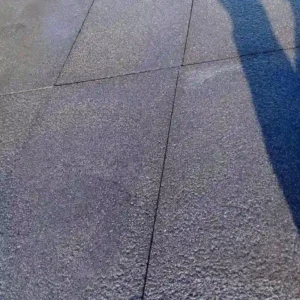
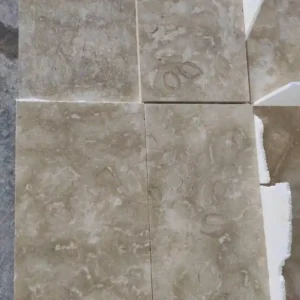
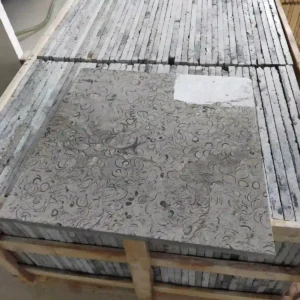
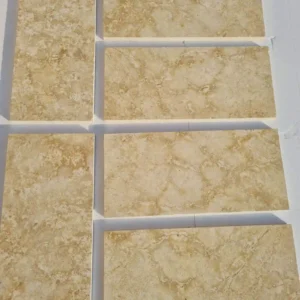

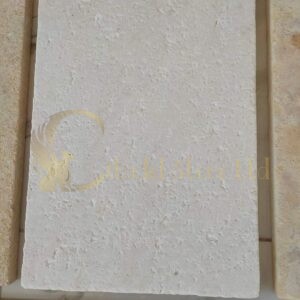
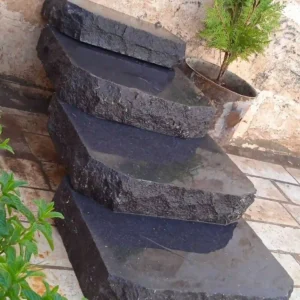
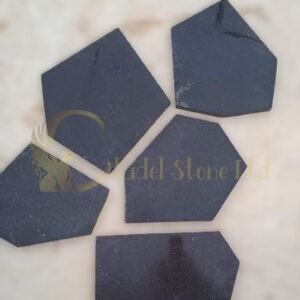
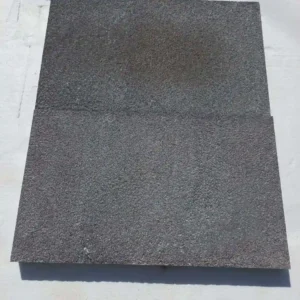
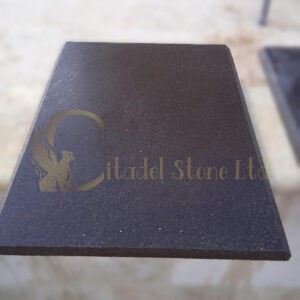
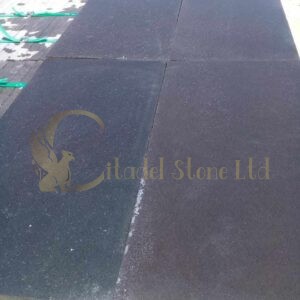
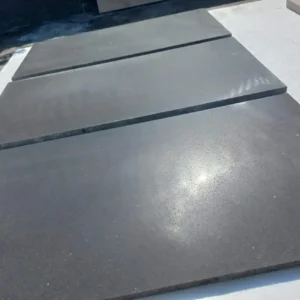
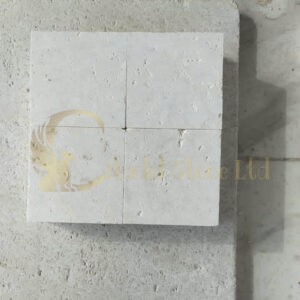
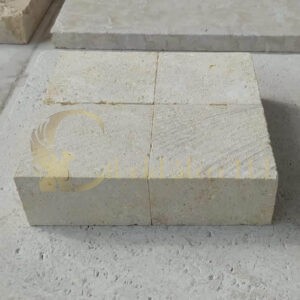
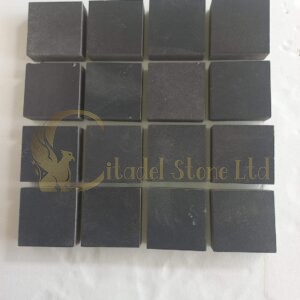
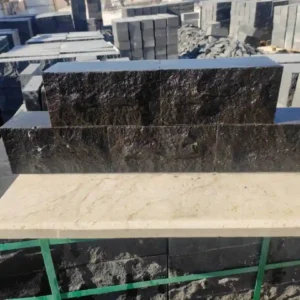
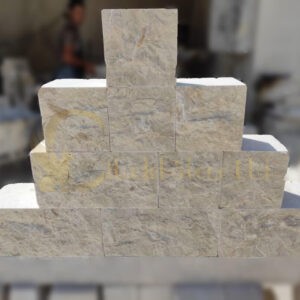
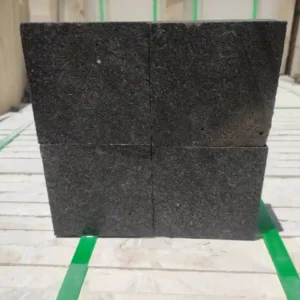
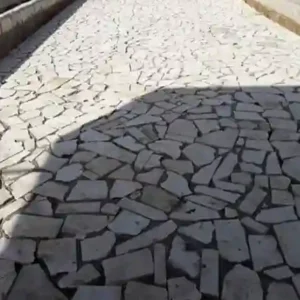

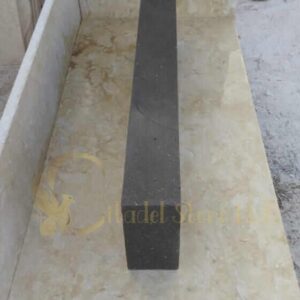
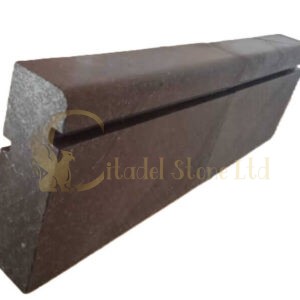
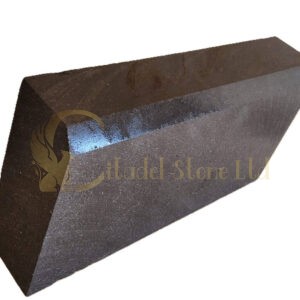
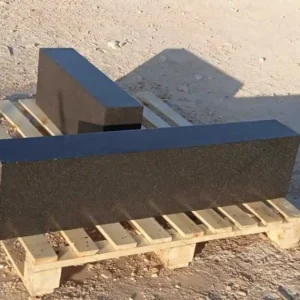
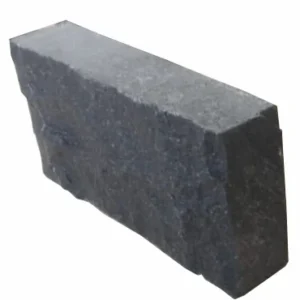
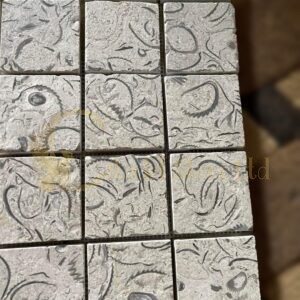

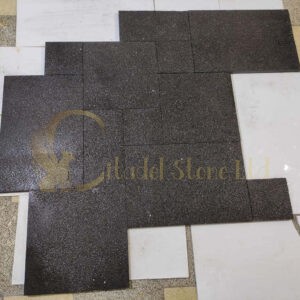
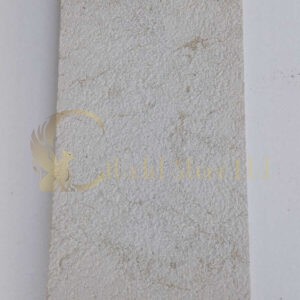
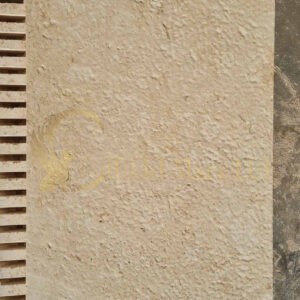
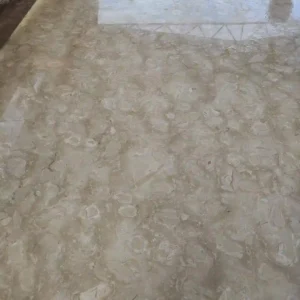
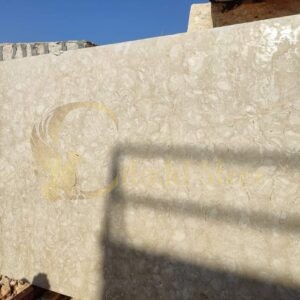
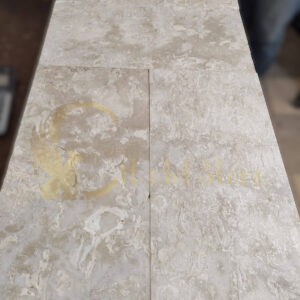
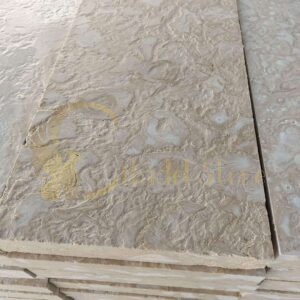
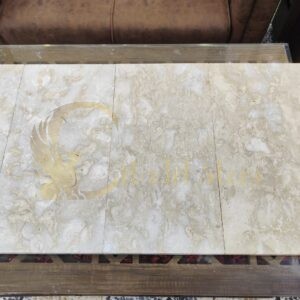
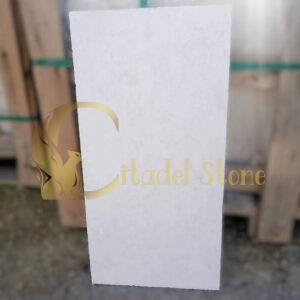

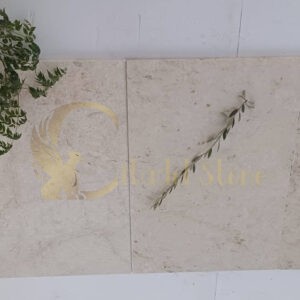


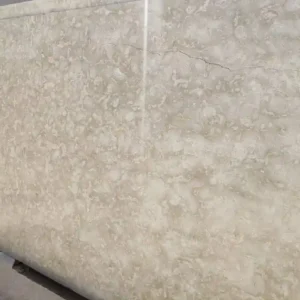
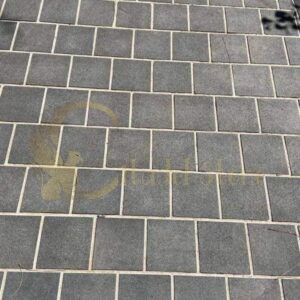

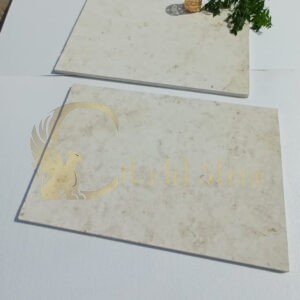
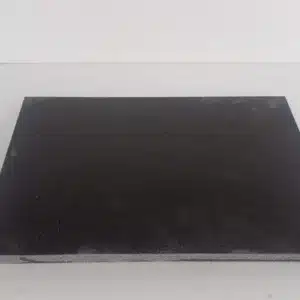

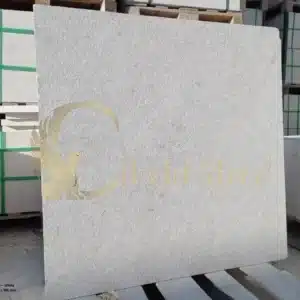


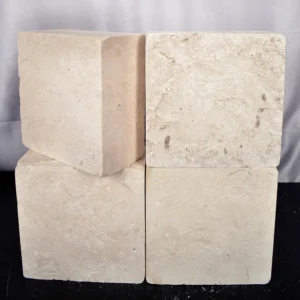
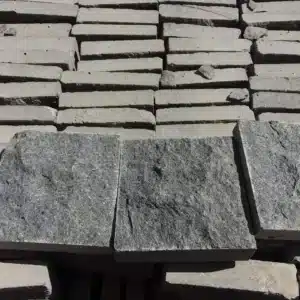
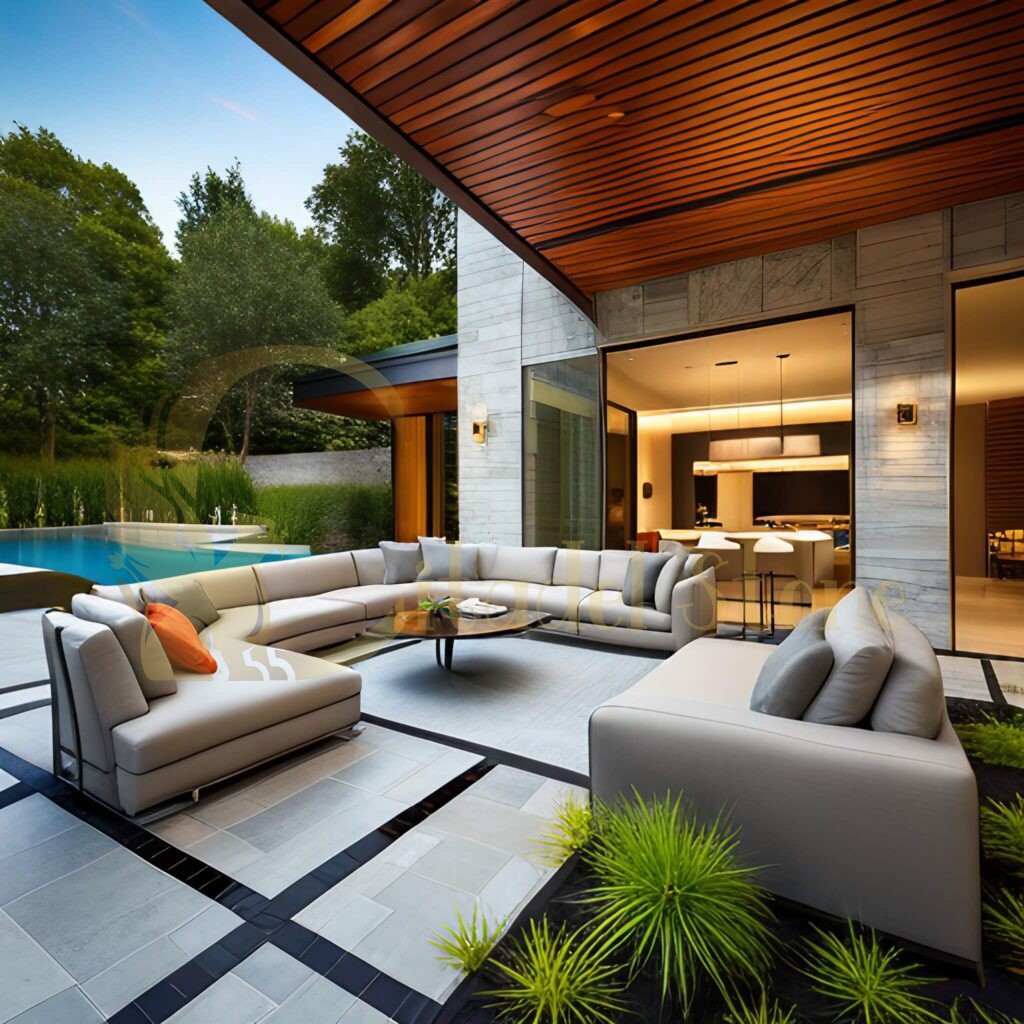
When you’re sourcing natural stone materials for Arizona projects, you’ll quickly discover that not all flagstone suppliers deliver the same quality, selection, or reliability. Citadel Stone stands apart as a trusted resource for architects, landscape designers, and contractors who need premium flagstone products with immediate availability. You’re working in a climate that demands specific material characteristics—high thermal stability, low water absorption, and UV resistance—and Citadel Stone’s inventory addresses these requirements directly.
The reality is that Arizona’s extreme temperature swings, intense solar radiation, and occasional monsoon conditions create performance challenges that inferior flagstone materials simply can’t handle. You’ll find that Citadel Stone’s flagstone selections are sourced specifically for desert climates, with proven durability in applications ranging from residential patios to commercial plaza installations.
Material Selection Criteria for Desert Climates
Your flagstone specification decisions need to account for thermal expansion coefficients that matter more in Arizona than in moderate climates. Citadel Stone flagstone products typically expand approximately 0.0000044 inches per inch per degree Fahrenheit, which means a 10-foot span could move nearly 1/8 inch during a 100-degree temperature swing from night to day. That’s why you’ll want to specify expansion joints every 12-15 feet for large format installations.
Pay particular attention to water absorption rates when selecting from local flagstone suppliers in Arizona. Materials exceeding 3% absorption by weight create freeze-thaw risks in northern Arizona elevations, and they’re also more susceptible to efflorescence in areas with alkaline soils. Citadel Stone’s flagstone inventory maintains absorption rates below 2% for most products, ensuring long-term performance across varied installation environments.
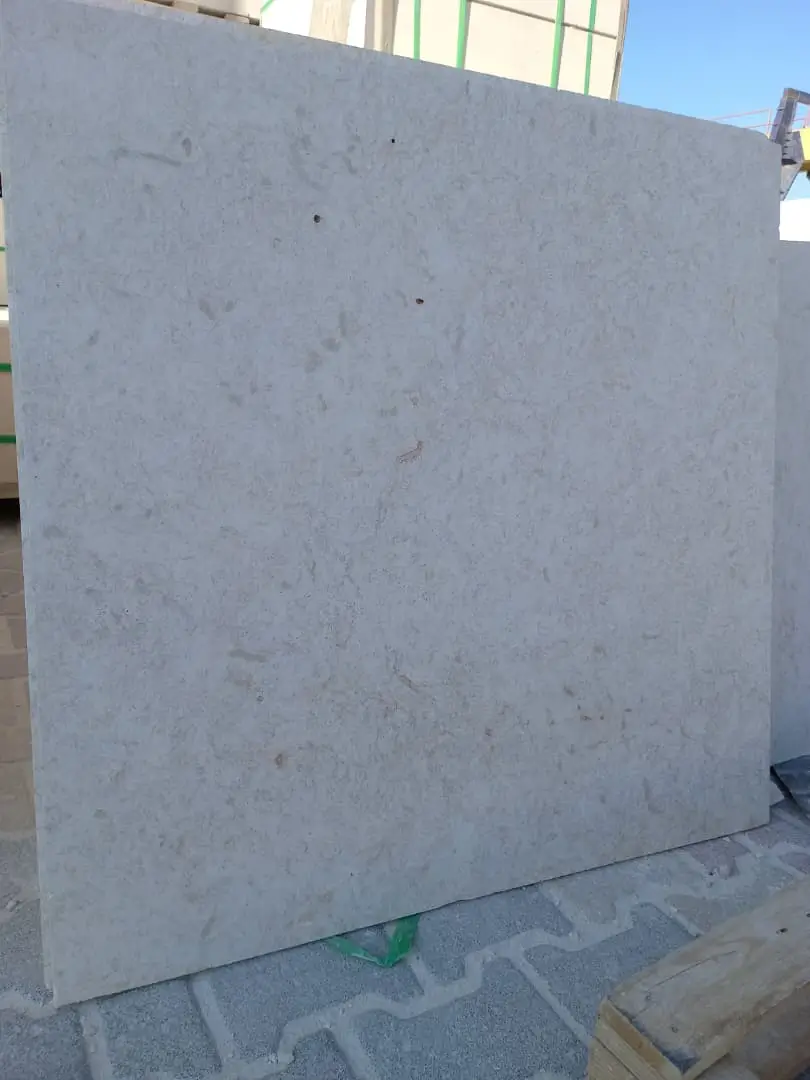
- Surface temperature under direct sunlight: Lighter-colored Citadel Stone flagstone reflects 50-65% of solar radiation, reducing surface temperatures by 15-25°F compared to darker materials
- Slip resistance requirements: Citadel’s natural cleft flagstone surfaces typically achieve DCOF ratings above 0.55, meeting ADA requirements for exterior pedestrian applications
- Thickness tolerances: Natural flagstone from Citadel Stone varies ±1/4 inch in thickness, requiring skilled installation practices and adequate mortar bed depth
- Color stability: UV-resistant flagstone products from Citadel maintain color integrity for 15+ years in full Arizona sun exposure
Installation Requirements for Desert Applications
Here’s what most specifiers overlook: base preparation matters more in Arizona than in temperate climates because expansive clay soils dominate much of the state. You need a minimum 6-inch compacted aggregate base for pedestrian flagstone applications, and that requirement increases to 8-10 inches for any area with vehicle access. Citadel Stone’s technical team recommends California bearing ratio (CBR) values of at least 80 for the prepared subgrade.
Don’t make the common mistake of specifying standard mortar mixes for flagstone installation in Arizona. You’ll want a modified thin-set mortar with polymer additives that accommodate thermal movement without cracking. When you’re working with Citadel Stone flagstone products, joint spacing should range from 3/8 inch to 3/4 inch depending on slab size, and those joints need flexible polyurethane or silicone-based sealants—not rigid grout that’ll crack within the first summer.
Substrate Considerations
Your substrate preparation determines long-term performance more than any other installation variable. Citadel Stone flagstone installations over concrete require a bond coat application and scratch coat to ensure proper adhesion. For direct soil installations, you’re looking at excavation depths of 10-12 inches to accommodate base materials plus flagstone thickness. Compact base materials in 2-inch lifts to achieve 95% modified proctor density—anything less creates settlement risks that become visible within 12-18 months.
- Drainage requirements: Slope flagstone surfaces at minimum 1/8 inch per foot away from structures; in Arizona’s clay soils, subsurface drainage systems often become necessary
- Edge restraint specifications: Citadel Stone recommends concrete curbing or steel edging for flagstone installations exceeding 200 square feet to prevent lateral migration
- Bedding layer thickness: Mortar beds should range from 1 to 2 inches for irregular flagstone; sand-set installations require consistent 1-inch layer of washed concrete sand
Performance Factors in Arizona Conditions
The thing is, Arizona presents three distinct climate zones that affect Citadel Stone flagstone performance differently. You’re dealing with low desert conditions in Phoenix and Yuma (zones 9-10), high desert environments in Tucson and Prescott (zones 7-8), and mountain climates in Flagstaff (zones 5-6). Each zone creates specific material stress factors you need to account for during specification.
Low desert installations face surface temperatures exceeding 160°F during summer months. Citadel Stone’s lighter-colored flagstone products—buff tones, gray varieties, and cream selections—maintain surface temperatures 20-30°F cooler than dark materials, which matters significantly for barefoot traffic around pools and on patios. You’ll also want to consider thermal mass properties: thicker flagstone (1.5-2 inches) moderates temperature swings better than thin materials.
For related material performance data across various applications, review our natural flagstone inventory for comparative specifications. High desert regions require flagstone that handles both extreme heat and occasional freezing conditions, while mountain installations demand freeze-thaw durability ratings verified through ASTM C1026 testing.
Durability Expectations
You should expect properly installed Citadel Stone flagstone to perform for 30+ years in Arizona applications, though surface wear patterns vary based on traffic levels and maintenance practices. High-traffic commercial installations show measurable wear after 10-15 years, typically appearing as subtle surface polishing rather than structural deterioration. Residential applications with moderate use maintain original surface characteristics considerably longer.
- Spalling resistance: Quality flagstone from natural flagstone suppliers in Arizona exhibits minimal spalling because low moisture exposure prevents freeze-thaw damage common in humid climates
- Stain susceptibility: Unsealed flagstone absorbs oils and organic materials; Citadel Stone recommends penetrating sealers applied every 2-3 years for high-use areas
- Structural integrity: Properly supported flagstone withstands compressive loads exceeding 8,000 PSI, adequate for all pedestrian and most light vehicular applications
Common Specification Mistakes
Most specification errors stem from treating Arizona flagstone installations like they’re going into moderate climates. You can’t simply copy specifications from other regions and expect optimal results. One critical factor that often surprises architects: Arizona’s intense UV exposure degrades organic-based sealers within 12-18 months, requiring more frequent reapplication than manufacturers typically recommend for other regions.
Another frequent oversight involves underestimating the importance of acclimation. When Citadel Stone delivers flagstone to your job site, you’ll want materials to acclimate for at least 24-48 hours before installation. This allows stone temperature to stabilize with ambient conditions, reducing installation stress and improving mortar bond strength. Rushing this process creates weak spots that manifest as loose stones within the first year.
- Inadequate joint specifications: Specifying joints narrower than 3/8 inch creates insufficient room for thermal movement, leading to edge spalling and cracking
- Wrong sealer selection: Film-forming sealers trap subsurface moisture in Arizona’s temperature extremes, causing delamination; penetrating sealers perform better
- Insufficient base depth: Cutting corners on base preparation to meet budget constraints results in settlement problems that cost more to remediate than proper initial installation
- Ignoring regional soil conditions: Phoenix-area caliche layers and Tucson’s expansive clays require specific base preparation approaches that generic specifications don’t address
Procurement Considerations
Here’s what you need to know about lead times and availability: Citadel Stone maintains substantial warehouse inventory specifically for Arizona market demands, which means you’ll typically find same-day or next-day availability for standard flagstone products. That’s significantly faster than ordering from out-of-state suppliers where you’re looking at 2-4 week lead times plus freight costs that add 15-25% to material expenses.
The reality is that freight expenses for flagstone shipments matter more than many specifiers realize. Stone materials ship by weight, and flagstone typically runs 12-14 pounds per square foot for 1.5-inch thickness. A modest 500-square-foot patio requires approximately three tons of material, and long-haul trucking from quarries outside Arizona adds substantial cost. Citadel Stone’s local inventory eliminates most freight variables, providing more predictable project budgets.
Inventory Verification
Don’t assume availability without verification. Even with Citadel Stone’s extensive warehouse stock, specific color lots and thickness ranges can vary based on recent project demands. You’ll want to confirm inventory at least 2-3 weeks before your planned installation date for projects exceeding 1,000 square feet. For smaller residential applications, Citadel typically maintains adequate stock for immediate purchase.
One thing that separates Citadel Stone from other Flagstone Suppliers in Arizona: you can physically inspect materials before committing to purchase. This matters because natural stone exhibits inherent color and texture variation that photos can’t fully capture. Reviewing actual inventory helps you set realistic client expectations and avoid change orders stemming from appearance surprises.
Cost Factors and Budget Planning
Your material costs for Citadel Stone flagstone typically range from $8 to $18 per square foot depending on stone type, thickness, and finish. That’s for materials only—installation labor adds another $12 to $20 per square foot for professional work. These figures reflect current Arizona market rates, though remote locations may incur delivery surcharges that affect overall project costs.
What’s really happening with flagstone pricing: quarry capacity, fuel costs, and labor availability all create market fluctuations that can shift prices 10-15% over 6-12 month periods. Citadel Stone provides firm quotes with 30-day price locks for projects in active procurement, which gives you budget certainty during the proposal and approval phases. That’s particularly valuable for commercial work with formal bidding requirements.
- Thickness premiums: Moving from 1-inch to 2-inch flagstone increases material costs by approximately 40-50% but provides superior durability for high-traffic applications
- Color selection impact: Standard buff and gray tones from Citadel Stone represent the best value; premium colors like rust-toned flagstone or blue-gray varieties add 20-35% to material costs
- Cut versus natural edges: Machine-cut flagstone with straight edges costs 15-25% more than natural edge materials but reduces installation labor requirements
- Sealer and maintenance supplies: Budget $0.75 to $1.50 per square foot for initial sealing and $0.40 to $0.80 per square foot for biennial resealing over the life of the installation
Maintenance Requirements
Here’s the honest reality about flagstone maintenance in Arizona: you can’t install it and forget it. Citadel Stone flagstone requires periodic cleaning, sealing, and joint maintenance to preserve appearance and structural integrity. The good news is that maintenance requirements are less demanding than in humid climates because you’re not fighting constant moisture exposure and organic growth issues.
You’ll want to establish a maintenance schedule that includes pressure washing annually to remove accumulated dust and debris—Arizona’s dry conditions create substantial dust accumulation that degrades appearance over time. Use low-pressure settings (1,200-1,500 PSI) to avoid damaging joint materials or dislodging flagstone pieces. After cleaning, inspect joints for deterioration and reseal as needed.
Sealer Reapplication
Plan on resealing Citadel Stone flagstone every 2-3 years in Arizona conditions. UV exposure breaks down penetrating sealers faster here than in regions with less intense sunlight. You’ll notice water absorption increasing when sealer protection diminishes—perform a simple water drop test where beading indicates adequate protection and absorption signals resealing needs.
Don’t use film-forming sealers that create surface coatings. Arizona’s temperature extremes cause these products to delaminate, creating unsightly peeling that’s difficult to remove. Citadel Stone recommends breathable penetrating sealers that allow vapor transmission while providing stain and water resistance.
Citadel Stone – Flagstone Supplier in Arizona: How We’d Specify for Major Markets
Citadel Stone’s flagstone products represent proven solutions for Arizona’s demanding climate conditions, from low desert heat to high-elevation freeze-thaw cycles. This section provides hypothetical specification guidance for major Arizona markets, demonstrating how Citadel Stone’s expertise in natural flagstone suppliers in Arizona applications translates to successful project outcomes. These recommendations reflect our understanding of regional conditions and material performance characteristics specific to each area.
When you’re specifying Citadel Stone flagstone products across Arizona’s diverse climate zones, you’ll need to account for elevation differences exceeding 7,000 feet from Yuma to Flagstaff. Our flagstone inventory includes materials suitable for all these conditions, with technical specifications matched to local performance requirements.
Phoenix Specifications
Phoenix applications would benefit from Citadel Stone’s lighter-colored flagstone selections that reflect solar radiation and reduce surface temperatures. You’d specify 1.5-inch minimum thickness for residential patios, with buff-toned or gray materials that maintain surface temperatures below 140°F during peak summer conditions. Citadel Stone would recommend penetrating sealers applied every 24 months to combat dust accumulation and preserve appearance. Base preparation needs to address caliche layers common throughout the Phoenix metro area, requiring mechanical excavation and proper compaction. Our technical team would advise 8-inch aggregate base depths with geotextile fabric separation layers to prevent clay soil intrusion.
Tucson Considerations
Tucson’s expansive clay soils create substrate challenges that affect flagstone performance significantly. Citadel Stone would specify engineered base systems with moisture barriers to isolate flagstone installations from soil movement. You’d want thicker flagstone pieces—1.75 to 2 inches—to span minor settlement variations without cracking. Our warehouse inventory includes flagstone products with lower absorption rates ideal for Tucson’s monsoon-heavy summer seasons. Proper drainage becomes critical in Tucson applications where afternoon thunderstorms deliver intense rainfall that needs to shed quickly from flagstone surfaces. Citadel Stone would recommend minimum 1/4-inch per foot slopes and edge drainage systems for installations exceeding 300 square feet.
Scottsdale Applications
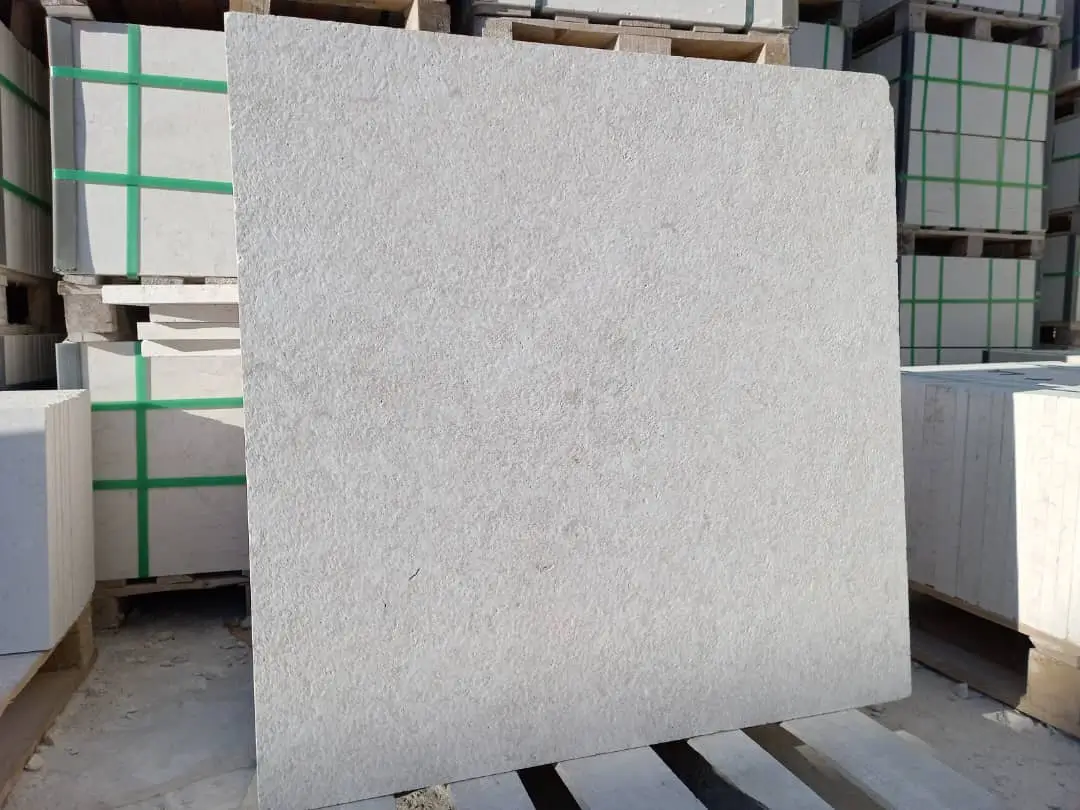
Scottsdale projects often emphasize aesthetic sophistication where Citadel Stone’s premium flagstone selections deliver distinctive appearances. You’d specify natural cleft surfaces with irregular edges for high-end residential installations, accepting the additional installation labor these materials require. Our flagstone products in cream and tan tones complement Scottsdale’s desert contemporary architecture prevalent throughout the area. For commercial plaza applications, Citadel Stone would recommend machine-cut flagstone with consistent thickness and straight edges that reduce installation time and costs. Pool deck installations in Scottsdale demand flagstone with DCOF ratings above 0.60, which our inventory consistently provides through natural surface textures.
Flagstaff Requirements
Flagstaff’s elevation creates freeze-thaw conditions that eliminate some flagstone products from consideration. Citadel Stone would specify materials verified through ASTM C1026 testing showing zero deterioration after 300 freeze-thaw cycles. You’d need flagstone with absorption rates below 1.5% to prevent ice formation within the material structure. Our technical guidance for Flagstaff applications includes deeper base preparation—minimum 10 inches—to place flagstone installations below the frost line typically reaching 18-24 inches in northern Arizona. Citadel Stone’s flagstone inventory includes dense sedimentary materials that perform reliably in mountain climate conditions. Joint specifications for Flagstaff would include flexible sealants rated for temperature ranges from -10°F to 150°F to accommodate the area’s extreme seasonal variations.
Sedona Selections
Sedona’s red rock landscape creates aesthetic context where Citadel Stone’s rust-toned and earth-colored flagstone products integrate naturally with surroundings. You’d specify materials that complement rather than compete with the dramatic natural environment. Our flagstone inventory includes products that weather gracefully in Sedona’s high desert conditions, developing subtle patina that enhances character over time. The area’s tourism-driven commercial developments would benefit from Citadel Stone flagstone specified for heavy pedestrian traffic, requiring 2-inch thickness and regular maintenance schedules. Residential applications in Sedona’s hillside locations need careful attention to drainage and structural support where Citadel Stone’s technical consultation becomes valuable during the design phase.
Mesa Projects
Mesa’s predominantly residential market would utilize Citadel Stone’s value-oriented flagstone products that deliver performance without premium pricing. You’d specify standard thickness ranges (1.25 to 1.5 inches) and neutral color palettes that appeal to broad market preferences. Our warehouse proximity to Mesa locations provides truck delivery within 24 hours for typical project volumes under 1,500 square feet. Citadel Stone would recommend straightforward installation specifications suitable for Mesa’s competitive contractor market, avoiding complex details that increase labor costs unnecessarily. Base preparation in Mesa needs to address the area’s compacted soil conditions that sometimes create drainage issues where proper grading becomes essential for long-term flagstone performance. Our technical team would provide installation guidance specific to Mesa’s typical soil profiles and construction practices.
Regional Expertise Matters
What separates Citadel Stone from generic suppliers: we understand Arizona’s climate variables and how they affect flagstone performance over time. You’re not getting generic advice that might work anywhere—you’re getting specifications refined through years of supplying materials for Arizona projects. That expertise translates to fewer callbacks, better long-term performance, and clients who remain satisfied years after installation.
The reality is that successful flagstone installations depend on matching materials to specific site conditions. Citadel Stone’s technical team can guide you through product selection based on your project’s location, application type, traffic expectations, and budget parameters. That consultation becomes particularly valuable when you’re working with challenging site conditions—poor soils, limited access, aggressive timelines—where material selection significantly affects project success.
- Climate zone expertise: Citadel Stone maintains performance data specific to Arizona’s three distinct climate zones, informing product recommendations
- Soil condition knowledge: Understanding regional soil profiles helps us recommend appropriate base preparation and drainage solutions
- Installation best practices: Our team knows which local contractors consistently deliver quality work and which installation methods work best for specific Citadel Stone products
- Maintenance guidance: We provide realistic maintenance schedules based on actual Arizona performance data, not generic manufacturer recommendations
Project Planning Timeline
Here’s what your flagstone project timeline should look like: Start material selection 4-6 weeks before planned installation for projects exceeding 1,000 square feet. That gives you time to visit Citadel Stone’s warehouse, review actual inventory, confirm availability, and adjust specifications if needed. Smaller residential projects can compress this timeline to 2-3 weeks given Citadel’s extensive stock levels.
Order flagstone materials 1-2 weeks before installation begins. This timing allows for delivery scheduling, on-site material inspection, and correction of any order discrepancies before crews arrive. Citadel Stone recommends against taking delivery more than 3-4 days before installation unless you have secure, covered storage—Arizona’s dust conditions affect materials left exposed on job sites.
Site Access Requirements
Don’t overlook truck access when planning material delivery. Citadel Stone delivers flagstone on flatbed trucks or smaller vehicles depending on order volume, and you’ll need adequate clearance for delivery vehicles to reach unloading areas. Standard flagstone deliveries require 12-14 feet of vertical clearance and turning radius of at least 40 feet. For restricted access sites, discuss delivery logistics with Citadel Stone’s dispatch team to identify alternative solutions.
Material handling at the job site matters more than most specifiers consider. Flagstone pieces weighing 40-60 pounds each require proper equipment and labor for safe unloading and placement. Your installation contractor should have appropriate material handling tools—stone carts, lifts, or forklifts—to move Citadel Stone flagstone from delivery location to installation areas without damage. Budget 2-4 hours for unloading and staging typical residential deliveries.
Final Recommendations
Your flagstone specification decisions affect project outcomes for decades, making material selection and supplier choice critical to success. Citadel Stone provides the combination of quality materials, local inventory, technical expertise, and delivery reliability that Arizona projects demand. You’ll find that working with knowledgeable Flagstone Suppliers Arizona who understand regional conditions eliminates many common installation problems before they occur.
The difference between adequate and exceptional flagstone installations often comes down to material quality and proper specification details. Citadel Stone’s commitment to stocking proven materials specifically for Arizona applications gives you confidence that products will perform as expected throughout the state’s demanding climate conditions. For additional technical resources and product specifications, explore Premium hardscape materials for Arizona outdoor landscaping projects to support your specification requirements. Citadel Stone serves as preferred local flagstone suppliers in Arizona with same-day pickup availability.