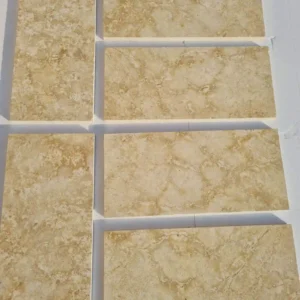
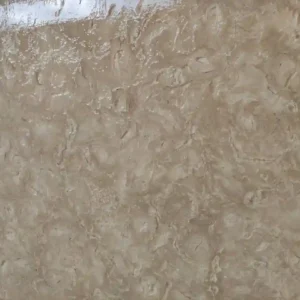
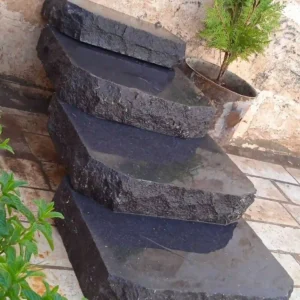


When you’re planning a driveway project in Arizona’s demanding climate, the stone you choose determines whether your investment lasts five years or fifty. Citadel Stone for driveway applications in Arizona needs to handle more than just vehicle weight—you’re specifying for extreme UV exposure, dramatic temperature swings, and occasional monsoon deluges that test every joint and substrate interface.
Here’s what most specifiers miss: driveway stone for sale in Arizona isn’t a commodity decision. You’ll find significant performance differences between crushed aggregates, decomposed granite, and engineered pavers, and those differences show up fast under Phoenix’s 120°F surface temperatures. Citadel Stone’s driveway materials are selected specifically for Arizona’s dual challenge—thermal stability during summer and drainage performance during monsoon season.
Material Selection Criteria for Arizona Driveways
Your material choice starts with understanding load requirements and climate stress. Citadel Stone offers several driveway options, each with distinct performance characteristics you’ll need to match to your project conditions.
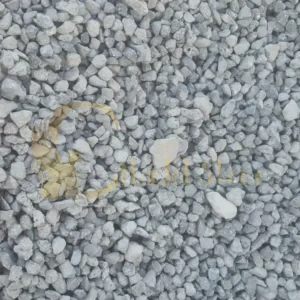
- Crushed granite aggregates: 3/4-minus gradation provides excellent compaction and interlock, with angular particles that resist lateral movement under vehicle loads exceeding 6,000 pounds per axle
- Decomposed granite: Naturally occurring material that compacts to a firm surface, though you’ll see faster erosion in high-traffic turning zones compared to crushed stone
- Class 2 base aggregate: Multi-sized particles from fines to 3/4-inch create superior load distribution, critical for Arizona’s expansive clay soils that shift seasonally
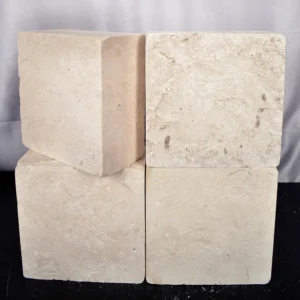
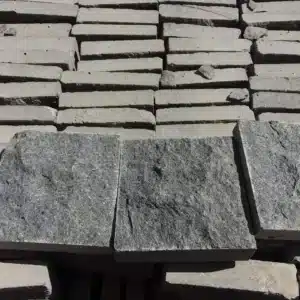
- Engineered concrete pavers: Citadel Stone’s paver inventory includes products rated for H-20 loading (standard vehicle traffic) and HS-20 (heavier commercial applications)
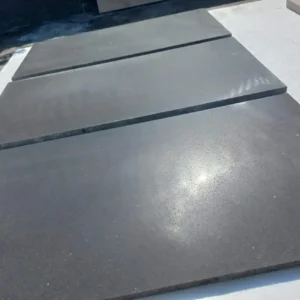
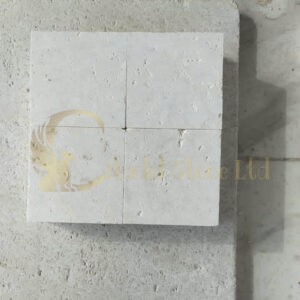
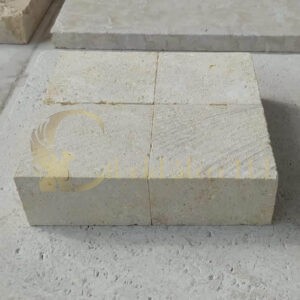
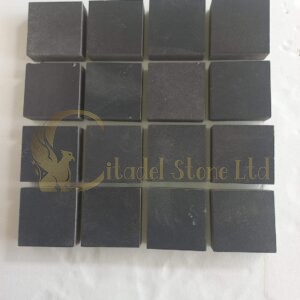
The thermal coefficient matters more in Arizona than almost anywhere else. You’re looking at surface temperature differentials approaching 100°F between winter mornings and summer afternoons. Citadel Stone’s light-colored aggregates—particularly decomposed granite and crushed limestone options—reflect 40-50% more solar radiation than dark basalt, keeping surface temperatures 15-20°F cooler during peak hours.
Base Preparation Requirements That Actually Work
Don’t make the mistake of treating Arizona driveway base prep like you would in moderate climates. The combination of expansive soils and minimal moisture content creates unique challenges that Citadel Stone installation teams encounter regularly.
You need a minimum 6-inch compacted aggregate base for standard residential driveways using Citadel Stone materials, but that’s just the starting point. For homes built on clay-heavy soils common in Mesa, Gilbert, and Chandler, you’re looking at 8-10 inches of engineered base to prevent the seasonal heave that cracks even well-designed surfaces. The material specification for this base layer directly affects long-term performance, and understanding these needs helps you plan better projects with support from our driveway stone supplier services throughout the Phoenix metropolitan area.
- Subgrade stabilization: Remove expansive clay to 12-18 inches depth in areas with known soil movement, replacing with non-expansive fill compacted to 95% Modified Proctor density
- Aggregate base gradation: Citadel Stone’s Class 2 aggregate contains particles ranging from fines to 3/4-inch, creating mechanical interlock that distributes loads effectively
- Compaction sequencing: Lift thickness shouldn’t exceed 4 inches per pass when using vibratory plate compactors, with each lift achieving minimum 95% density before adding the next
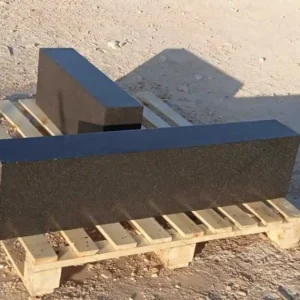
- Edge restraint: Perimeter confinement using concrete curbing or steel edging prevents lateral creep that causes pavement edge failures within 2-3 years
Moisture content during compaction significantly affects base performance. Arizona’s single-digit humidity means you’ll often need to add water during compaction to reach optimum moisture content—typically 8-12% by weight for most Citadel Stone aggregate materials. Too dry, and you won’t achieve proper density; too wet creates pumping and premature breakdown.
Drainage Design for Monsoon Events
Arizona’s monsoon season delivers intense precipitation that tests driveway drainage systems more severely than gradual rainfall elsewhere. When you’re specifying Citadel Stone driveway materials, the drainage strategy determines whether your installation survives monsoon season intact or requires repairs every September.
Here’s the reality: a 1-inch rainfall event in 20 minutes generates approximately 0.62 cubic feet of runoff per square foot of impervious surface. For a 600-square-foot driveway, that’s 372 cubic feet of water moving across your surface in less time than it takes to bring in groceries. You need positive drainage that moves this volume without eroding base materials or undermining edge restraints.
- Surface slope: Minimum 2% grade (1/4 inch per foot) across the driveway width, with 1% minimum along the length—anything less creates ponding that accelerates freeze-thaw damage during Arizona’s occasional winter freezes
- Aggregate porosity: Crushed Citadel Stone aggregates with open gradations allow 15-25% water infiltration, reducing surface runoff velocity compared to impermeable concrete
- Subsurface drainage: French drains installed along driveway edges, backfilled with 3/4-inch clean rock, intercept subsurface flow before it saturates base materials
- Sheet flow management: Direct runoff away from building foundations and toward appropriate drainage infrastructure, typically requiring 3-5 feet of positive drainage before reaching structures
The permeability factor differentiates Citadel Stone aggregate driveways from solid concrete installations. Properly compacted crushed stone maintains void spaces that allow water infiltration rates of 50-100 inches per hour, compared to zero infiltration with sealed concrete. This permeability reduces runoff volume hitting your drainage system and recharges groundwater—increasingly important given Arizona’s water conservation requirements.
Thermal Performance Considerations in Desert Climate
Surface temperatures on Arizona driveways regularly exceed 140°F during summer months, creating thermal stress that most driveway stone materials outside the Southwest never experience. Citadel Stone’s inventory includes options specifically selected for thermal stability in these extreme conditions.
Light-colored decomposed granite from Citadel Stone reflects visible and near-infrared radiation more effectively than dark aggregates, maintaining surface temperatures 15-20°F cooler than dark basalt or black asphalt. That temperature difference matters—it affects barefoot walkability, reduces heat island effect around your home, and extends material service life by minimizing thermal cycling stress.
- Thermal expansion coefficient: Natural stone aggregates expand approximately 0.0000044 inches per inch per degree Fahrenheit, requiring expansion joints or flexible interfaces every 15-20 feet in solid installations
- Color retention: Granite and limestone options from Citadel Stone maintain color stability under UV exposure better than manufactured concrete products, which can fade 20-30% in the first two years
- Heat transfer: Aggregate driveways with air voids transfer 30-40% less heat to underlying soil compared to solid concrete slabs, reducing thermal stress on foundation systems
- Albedo ratings: Light tan and gray Citadel Stone materials achieve albedo values of 0.35-0.45, meeting cool pavement standards increasingly required in commercial specifications
You’ll also want to consider how thermal properties affect snow and ice management in higher-elevation Arizona locations like Flagstaff and Sedona. Dark stone absorbs solar radiation more effectively, accelerating snow melt during winter months—a legitimate consideration for properties above 5,000 feet elevation where seasonal snow occurs.
Load-Bearing Capacity Verification
When you’re specifying driveway stone for sale in Arizona, the load-bearing requirements depend on vehicle types and frequency of use. Citadel Stone materials need proper engineering to support everything from standard passenger vehicles to delivery trucks and RVs common in Arizona residential applications.
Standard residential traffic generates wheel loads around 1,500-2,000 pounds per tire contact patch. That seems manageable until you factor in dynamic loading from acceleration, braking, and turning forces that can double effective loads. Delivery trucks serving Arizona homes regularly exceed 10,000 pounds per axle, with contact pressures reaching 80-100 PSI at the tire-pavement interface.
- Compressive strength: Citadel Stone crushed aggregates typically achieve bearing capacities exceeding 3,000 PSI when properly compacted, adequate for H-20 highway loading standards
- Rutting resistance: Angular crushed stone provides superior interlock compared to rounded river rock, reducing permanent deformation in high-traffic areas by 40-60%
- Edge loading: The outer 24 inches of driveway width experiences 2-3 times higher stress than center sections, requiring reinforced edge restraint systems with Citadel Stone installations
- Turning zones: Areas where vehicles make steering corrections need either thicker base sections (additional 2-4 inches) or transition to rigid pavement systems to prevent rutting
California Bearing Ratio testing on properly prepared aggregate base should yield values of 80-100 for adequate performance. You can specify CBR testing during construction to verify base quality before placing final Citadel Stone surface materials, particularly for commercial driveway applications.
Installation Best Practices From Field Experience
Theory and practice diverge significantly during driveway stone installation in Arizona. You’ll encounter site conditions that don’t match plans, material behaviors that differ from lab testing, and weather variables that affect every phase of construction. Here’s what actually works with Citadel Stone materials.
Start with realistic scheduling. Summer installations in Phoenix demand early morning work—by 10 AM, surface temperatures make proper compaction difficult and worker productivity drops sharply. Monsoon season from July through September introduces weather delays that can extend timelines by 30-50%. Winter offers the most predictable installation window, though you’ll sacrifice some compaction efficiency in cold morning temperatures.
- Material delivery coordination: Citadel warehouse stock levels fluctuate with seasonal demand; verify availability and reserve materials 2-3 weeks before scheduled installation to avoid project delays
- Equipment selection: Vibratory plate compactors work well for bases up to 6 inches thickness; deeper installations require jumping jack or reversible plate compactors that generate 3,000-5,000 pounds compaction force
- Moisture management: Add water during compaction to reach 8-12% moisture content, using approximately 1-2 gallons per cubic yard of aggregate depending on starting moisture and ambient humidity
- Quality control testing: Nuclear density gauge readings at 50-foot intervals verify 95% Modified Proctor density; sand cone tests provide backup verification when electronic equipment malfunctions in heat
Don’t overlook the final surface preparation. Citadel Stone aggregate surfaces need final rolling with a smooth drum roller to create uniform texture and minimize loose particles. This step, often skipped by installers rushing to completion, significantly affects initial user experience and reduces tracking of loose material into homes.
Cost Analysis and Realistic Budgeting
Driveway stone suppliers in Arizona compete on more than just material cost—you’re evaluating total installed price, service life, and maintenance requirements. Citadel Stone pricing reflects quality material selection and regional availability, with costs that make sense when you calculate long-term value.
Crushed granite and decomposed granite from Citadel Stone typically run $45-75 per ton delivered within the Phoenix metro area, with pricing influenced by aggregate type, gradation, and delivery distance. Figure 1.8-2.2 tons per cubic yard for most compacted materials. A standard two-car driveway (20 feet by 40 feet by 6 inches depth) requires approximately 15 cubic yards of base material, translating to 27-33 tons—call it $1,200-2,500 just for base aggregate before you add delivery, labor, and edge restraint costs.
- Material costs: Citadel Stone crushed aggregates $45-75/ton; decomposed granite $40-65/ton; engineered pavers $8-15 per square foot material only
- Installation labor: Excavation and base prep $12-18 per square foot; aggregate placement and compaction $8-12 per square foot; paver installation $15-25 per square foot
- Edge restraint: Concrete curbing $18-30 per linear foot; steel edging $12-18 per linear foot; both significantly affect long-term pavement integrity
- Equipment rental: Excavation equipment $350-600/day; compaction equipment $75-150/day; material delivery typically $150-300 per truck load depending on distance from Citadel warehouse
Total installed costs for Citadel Stone aggregate driveways generally range $15-28 per square foot for high-quality installations in Arizona markets. That compares favorably to $6-12 per square foot for basic asphalt (but with 15-year versus 30-year service life) and $30-50 per square foot for decorative paver installations.
Maintenance Requirements Over Time
Your Citadel Stone driveway isn’t maintenance-free, but the requirements are straightforward and less demanding than sealed surfaces. Understanding realistic maintenance needs helps you set proper client expectations and plan for long-term performance.
Aggregate surfaces compact and settle during the first 6-12 months of use as traffic consolidates base materials and surface stone finds stable positions. You should plan for 1-2 inches of topdressing with matching Citadel Stone aggregate after the first year, particularly in high-traffic turning areas where surface material displaces laterally. This isn’t a defect—it’s normal behavior for aggregate pavements.
- Surface grooming: Rake or drag aggregate surfaces every 3-6 months to redistribute material displaced by vehicle traffic, maintaining uniform surface texture and preventing rut development
- Edge maintenance: Inspect and repair edge restraints annually, particularly after monsoon season when water flow can undermine perimeter supports
- Weed control: Apply pre-emergent herbicides in late winter (February-March) before Arizona’s spring growing season; expect some weed penetration through aggregate surfaces despite chemical treatment
- Material replenishment: Add 1/2-1 inch of matching Citadel Stone aggregate every 3-5 years to compensate for gradual material loss from wind, rain, and vehicle displacement
The maintenance advantage of Citadel Stone aggregate driveways becomes apparent over 10-15 year timeframes. Asphalt requires seal coating every 2-3 years ($0.25-0.50 per square foot) and eventual resurfacing at 12-15 years. Concrete needs crack repair and occasional slab replacement when thermal movement causes structural failure. Aggregate surfaces simply need periodic topdressing with material from Citadel Stone’s inventory—typically $200-400 every 3-5 years for standard residential driveways.
Common Specification Mistakes to Avoid
After reviewing hundreds of Arizona driveway projects, certain specification errors appear repeatedly. These mistakes compromise performance, increase costs, or create maintenance headaches that proper planning would prevent. Here’s what to watch for when specifying driveway stone for sale in Arizona from any supplier, including Citadel Stone.
- Inadequate base thickness: Specifying 4 inches of base when soil conditions require 8-10 inches leads to premature settling, particularly in areas with expansive clay soils common throughout the Phoenix metropolitan area
- Wrong aggregate gradation: Using uniform-size stone instead of well-graded aggregates eliminates the fines needed for proper compaction and interlock, resulting in loose, unstable surfaces
- Insufficient edge restraint: Relying on backfill soil to confine pavement edges guarantees lateral spreading within 1-2 years as Arizona’s dry soil shrinks and cracks
- Ignoring drainage: Failing to specify positive surface drainage and subsurface collection systems creates erosion channels during monsoon events that require expensive repairs
- Unrealistic installation schedules: Planning summer installation in Phoenix without accounting for heat-related productivity losses and material handling challenges extends timelines and increases costs
You’ll also want to avoid over-specifying in ways that inflate costs without improving performance. Citadel Stone offers several material grades, and selecting premium options when standard grades meet performance requirements wastes budget that could enhance other project elements. Match material specifications to actual performance requirements rather than defaulting to highest-grade options.
Citadel Stone: Arizona Driveway Material Expertise and Regional Support
When you’re working with Citadel Stone as your driveway stone supplier in Arizona, you’re accessing more than just materials—you’re tapping into decades of regional experience with desert climate construction challenges. The company’s understanding of Arizona-specific requirements shows up in material selection, inventory management, and technical support that helps projects succeed.
Citadel Stone maintains warehouse stock specifically selected for Arizona applications. The inventory includes crushed granite in multiple gradations, decomposed granite from regional quarries, and engineered aggregates formulated for the state’s unique soil and climate conditions. This regional focus means you’re not working with a national supplier trying to apply generic specifications to desert environments—you’re partnering with Arizona specialists.
The technical support Citadel Stone provides addresses real-world installation challenges. Need guidance on base preparation for a property with expansive clay? Their team has seen it hundreds of times across Phoenix, Tucson, and other Arizona markets. Wondering about material performance under extreme heat? They can reference actual installations performing well after 10-15 years of service. This experiential knowledge supplements published specifications with practical insights that improve project outcomes.
Delivery logistics matter significantly for construction scheduling. Citadel Stone’s Arizona warehouse locations enable 2-3 day delivery timelines for most projects, compared to 1-2 week lead times when sourcing materials from out-of-state suppliers. Truck access considerations for your site should be confirmed during planning—narrow streets in older neighborhoods or steep grades common in Scottsdale hillside properties sometimes require smaller delivery vehicles that affect per-ton delivered costs.
Citadel Stone Driveway Stone Supplier in Arizona — How We Would Specify for Arizona Communities
When you’re evaluating Citadel Stone as your driveway stone supplier in Arizona, understanding how materials perform across different regional conditions helps you make better decisions. As your trusted partner for quality aggregates throughout Arizona, Citadel Stone brings deep expertise in matching materials to local climate challenges and soil conditions. This section provides hypothetical guidance for how we would approach driveway specifications in various Arizona markets, demonstrating our regional knowledge and material understanding.
Arizona’s diverse climate zones—from low desert to high country—create different performance requirements you’ll need to address. Citadel Stone’s material selection accounts for temperature extremes, precipitation patterns, soil chemistry, and elevation factors that affect long-term driveway performance. Here’s how we would typically recommend approaching projects in key Arizona cities.
Phoenix Material Selection
For Phoenix installations, you’d want Citadel Stone’s light-colored crushed granite or decomposed granite to minimize heat absorption in the Valley’s extreme summer conditions. We would typically recommend 8-inch base depth given the prevalence of expansive clay soils in newer developments throughout the metro area. Edge restraint becomes critical here—the combination of thermal expansion and soil movement requires robust confinement systems. Plan for Class 2 base aggregate with 3/4-minus crushed granite topping, both available from Citadel Stone’s Phoenix-area warehouse for efficient project delivery.
Tucson Climate Considerations
Tucson’s slightly cooler temperatures and different soil chemistry would lead us to similar base specifications but with attention to the area’s caliche layers that complicate excavation. Citadel Stone would recommend verifying subsurface conditions before finalizing depth specifications—you might encounter caliche at 12-18 inches that either requires removal or can serve as stable subgrade. The decomposed granite options perform particularly well in Tucson’s climate, matching regional aesthetic preferences while providing excellent compaction and drainage characteristics through monsoon season.
Scottsdale Premium Applications
For Scottsdale’s higher-end residential market, Citadel Stone would typically recommend engineered paver systems that deliver both performance and upscale aesthetics. You’d want to specify proper bedding sand (ASTM C33 concrete sand) over well-compacted aggregate base, with edge restraints that maintain clean lines critical to luxury home presentations. Hillside properties common in North Scottsdale require careful attention to drainage design—we would specify subsurface collection systems to manage runoff from areas upslope of driveways, preventing erosion that damages installations within the first monsoon season.
Flagstaff Freeze-Thaw Performance
Flagstaff’s 7,000-foot elevation brings freeze-thaw cycling that doesn’t occur in lower Arizona elevations. Citadel Stone would recommend materials with low water absorption—well-graded crushed stone that achieves maximum density and minimal void space. You’d want 10-12 inch base depth here to get below frost penetration depth, with particular attention to drainage that prevents water accumulation in base materials. Dark-colored aggregates could be advantageous in Flagstaff applications, absorbing solar radiation to accelerate snow melt and maintain driveway accessibility during winter months.
Sedona Aesthetic Integration
Sedona’s red rock landscape creates aesthetic expectations you’ll need to meet while maintaining performance standards. Citadel Stone offers materials that complement regional colors without compromising structural requirements. We would typically recommend red-toned crushed stone or decomposed granite that integrates visually with surrounding terrain. Sedona’s moderate elevation (4,500 feet) requires some freeze-thaw consideration, though less extreme than Flagstaff. Drainage design needs to account for the area’s sloped terrain and occasional heavy precipitation events that generate significant runoff.
Yuma Extreme Heat Specifications
Yuma’s status as one of America’s hottest cities demands maximum attention to thermal performance. Citadel Stone would recommend our lightest-colored aggregates to minimize heat absorption and surface temperatures. The area’s sandy soils require good base preparation but compact more readily than Phoenix-area clays. You’d want to specify adequate base thickness—6-8 inches minimum—to distribute loads through sandy subgrades. Wind erosion becomes a consideration in Yuma’s exposed locations; we would recommend slightly larger aggregate sizes (3/4-inch rather than 3/8-inch) that resist wind displacement while maintaining compaction capability.
Realistic Performance Expectations and Service Life
You should plan for 25-35 year service life from properly installed Citadel Stone aggregate driveways in Arizona conditions, assuming reasonable maintenance as outlined earlier. That timeline assumes appropriate material selection, adequate base preparation, and periodic surface renewal to replace material displaced by traffic and weather.
The first year establishes long-term performance patterns. You’ll see initial compaction and settling as traffic consolidates base materials—normal behavior that requires topdressing after 6-12 months. Edge areas may show some lateral spreading if restraint systems weren’t adequately specified, appearing as low spots along driveway perimeters. Address these issues during the first year before they progress to structural problems.
Years 2-10 represent the prime service period when maintenance requirements remain minimal beyond periodic grooming and weed control. Surface material loss occurs gradually—figure 1/4 to 1/2 inch every 2-3 years from wind, rain, and vehicle displacement. You won’t notice this loss year to year, but after 5 years the accumulated material deficit becomes apparent as areas of exposed base aggregate.
Beyond year 10, you’re looking at more active management. Base materials may show some degradation where fine particles have washed away during monsoon events, reducing interlock and load distribution capacity. Edge restraints often need repair or replacement as concrete curbs crack or steel edging corrodes. Budget for modest investment every 3-5 years to maintain performance through the full design service life.
The key advantage of Citadel Stone aggregate systems is repair flexibility. Damaged areas can be excavated and rebuilt without affecting adjacent sections—try that with concrete slabs. Modest investments in periodic maintenance preserve your initial installation and defer the much larger cost of complete replacement.
Project Planning Essentials
Successful driveway projects start with realistic planning that accounts for Arizona’s unique considerations. When you’re working with driveway stone suppliers in Arizona like Citadel Stone, front-loading the planning process prevents expensive surprises during construction and ensures your installation meets long-term performance expectations.
Site investigation comes first. You need to understand subsurface soil conditions, existing drainage patterns, and utility locations before finalizing specifications. A simple soil test—typically $200-400 from geotechnical consultants—identifies expansive clay content, bearing capacity, and moisture sensitivity that directly affect base design. This small investment prevents expensive failures caused by inadequate base thickness or improper material selection.
Permitting requirements vary by jurisdiction but generally prove straightforward for residential driveway work in Arizona. Most cities require permits only when you’re adding impervious area or modifying drainage patterns. Commercial applications face more rigorous review, particularly for drainage and ADA compliance. Budget 2-4 weeks for permitting processes in major Arizona municipalities.
Material quantities need careful calculation to avoid shortages or expensive overruns. For Citadel Stone aggregate installations, figure actual in-place volume plus 15-20% for compaction loss and irregular excavation depths. A 20-by-40-foot driveway with 6-inch base depth requires 14.8 cubic yards theoretical volume, but you should order 17-18 cubic yards to account for compaction and site variations.
Seasonal timing affects both installation conditions and material availability. Winter offers optimal working conditions in lower Arizona elevations, with moderate temperatures and minimal precipitation risk. Summer installations face heat challenges but sometimes better material pricing as demand softens. Spring represents peak construction season—expect higher pricing and longer lead times for both Citadel Stone materials and contractor availability. For additional construction material applications beyond driveways, consider exploring Crushed aggregate materials for railway ballast and roadbed construction to understand the full range of Citadel Stone’s capabilities across infrastructure projects. We are the premier driveway stone suppliers in Arizona specializing in durable aggregates that withstand vehicle weight.