Choosing the Right Decorative Stone for Landscaping
Decorative stone for landscaping performs very differently depending on the specific application — a tumbled limestone that works beautifully in a planting bed will feel out of scale as a border accent, and angular crushed basalt that’s ideal for drainage channels looks harsh along a cottage garden path. Your first decision isn’t color or texture; it’s matching the stone’s physical form to what that particular zone in your landscape actually needs to do. Size, angularity, and density all come into play before aesthetics even enter the conversation.
The material category also determines how the stone moves over time. Rounded river pebbles migrate under foot traffic and irrigation pressure, while angular crushed stone locks together and stays where you place it. Understanding that distinction upfront saves you from a reinstall two seasons later.
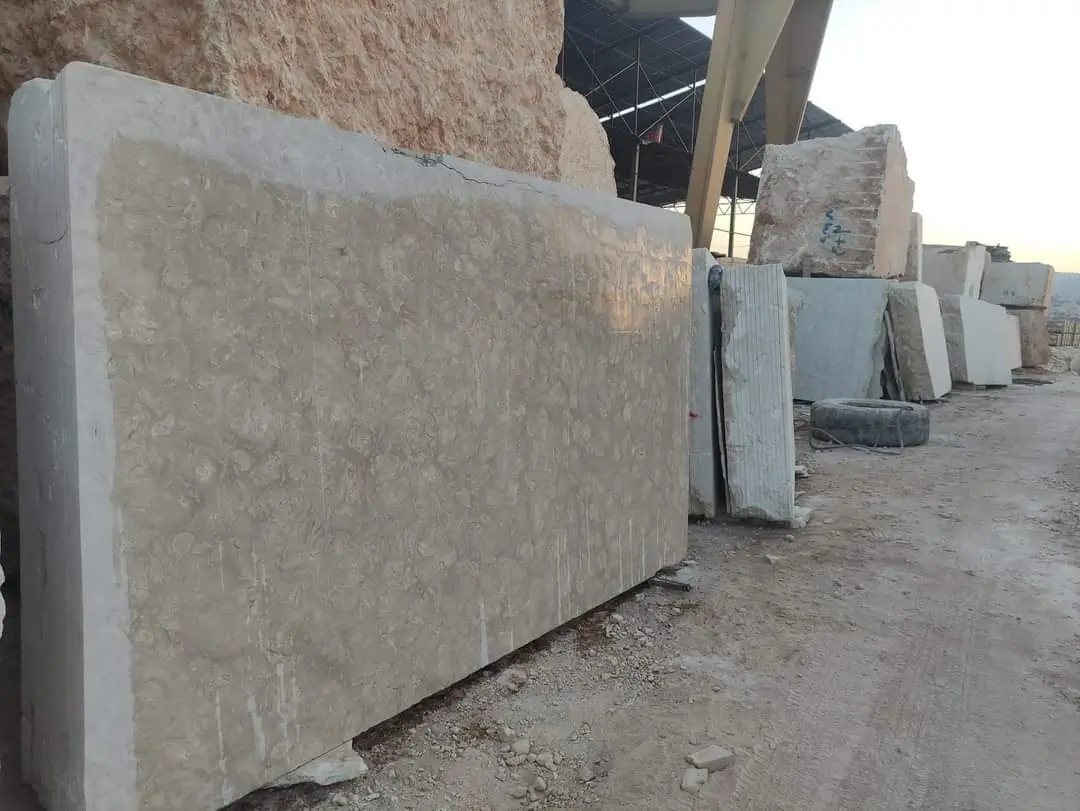
Using Stone in Planting Beds and Mulch Replacement
Planting beds are where decorative stone for landscaping delivers its clearest advantage over organic mulch — primarily because stone doesn’t decompose, compact into a water-shedding crust, or require annual replenishment. A 2- to 3-inch layer of pea gravel, tumbled limestone chips, or washed river pebbles maintains moisture retention comparable to bark mulch while adding permanent visual definition. According to the Natural Stone Institute landscape stone variety selection guide, natural stone retains its structural and aesthetic properties across decades of outdoor exposure that would degrade organic alternatives.
Your bed depth matters more than most guides acknowledge. Going thinner than 2 inches lets weed seeds establish directly on the soil surface where they germinate fastest. Going thicker than 4 inches with dense material like basalt chips can restrict oxygen exchange to root zones. The 2- to 3-inch window is the practical sweet spot for most ornamental beds.
- Tumbled limestone chips hold neutral pH and won’t affect acid-loving plants the way some crushed concrete aggregates do
- Pea gravel (3/8-inch) is self-draining and easy to rake level after settling
- Crushed basalt provides a darker contrast that makes foliage colors read more vividly
- River pebbles in the 1- to 1.5-inch range resist wind displacement better than smaller grades
Border and Edging Applications
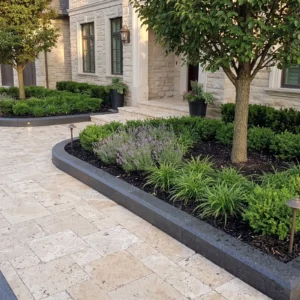
The border is where small landscape stone does the most structural work for the least investment. A single course of cobble-sized pieces — typically 3 to 5 inches across — set flush with the lawn grade creates a definitive line between bed and turf that mowers can ride over without dislodging. That flush placement is the detail most homeowners skip, and it’s exactly what separates a border that lasts from one that creeps out of alignment by midsummer.
Larger irregular flagstone pieces set vertically as edging provide a more substantial visual weight. You’ll set them at least 4 inches deep so freeze-thaw cycles don’t heave them up over winter in northern regions. In freeze-thaw regions specifically, a compacted gravel base beneath each piece prevents differential heaving that would break the border line.
- Cobblestone edging at 4 to 6 inches wide creates a clean mowing edge without a separate plastic border product
- Limestone edging blocks develop a warm patina over time that softens the transition between hardscape and planting
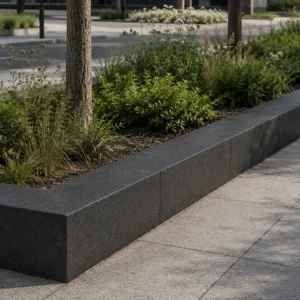
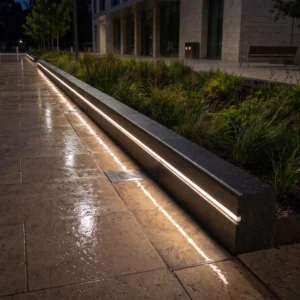
- Angular cut stone borders require more precise setting but stay aligned indefinitely without maintenance
- Mixed-size natural edging gives a dry-stack wall appearance at ground level for cottage and naturalistic gardens
Pathways, Stepping Stones, and Small Landscape Stone Ground Cover
Pathway design with decorative stone for landscaping comes down to traffic load and desired formality. Flagstone set in a compacted decomposed granite base handles daily residential foot traffic comfortably when each piece is at least 1.5 inches thick and bedded on a minimum 4-inch aggregate layer. Thinner pieces — the 3/4-inch slabs sold as stepping stones — are fine for occasional garden access paths but will crack under concentrated point loads like garden equipment wheels.
Small landscape stone between stepping stones should be sized so it doesn’t catch in shoe soles. Anything smaller than 3/8-inch diameter tends to track into the house; anything larger than 1.5 inches creates an uneven surface that’s uncomfortable to stand on. That 3/8- to 1-inch window — which includes pea gravel, small tumbled pebbles, and fine crushed limestone — is where most residential pathway infill lives. For pathway and ground cover selections across the full range, our small decorative landscape stone collection covers the sizes and textures that work best in these applications.
Drainage Channels and Functional Stone Placement
Decorative stone serves a genuine drainage function when you place it correctly, and the distinction between decorative and engineered drainage stone is smaller than most landscape contractors suggest. Angular crushed limestone or basalt in the 3/4- to 1.5-inch range performs adequately in dry creek bed drainage channels, provided the underlying soil allows adequate percolation. USGS dimension stone data confirms the durability characteristics of natural landscape stone production and use in the USA across a range of functional applications.
Your drainage channel stone should be angular, not rounded. Rounded river rock looks attractive in dry creek beds — and it does work — but angular pieces interlock and resist displacement during high-volume flow events. If the channel carries real stormwater rather than just managing surface irrigation, go angular every time.
- 3/4-inch crushed limestone is the workhorse drainage fill — functional, affordable, and reasonably attractive
- Larger river cobbles (4 to 8 inches) work as surface armoring in high-flow channels where finer material would migrate
- Decomposed granite compacts into an effective permeable surface but doesn’t perform as drainage channel fill
- Black basalt angular chips in drainage channels add strong visual contrast while maintaining functional performance
Timing Your Stone Installation Through the Season
Most decorative stone projects don’t require adhesive or mortar, which means your installation window is wide — but there are still seasonal variables worth planning around. Dry-laid decorative stone in beds and borders can go in year-round in most climates. The exceptions are frozen ground (stone won’t bed properly and will shift when the ground thaws) and saturated soil immediately following heavy rain (you’ll compact soft subgrade and create drainage problems).
Mortar-set or polymeric-sand-jointed applications — decorative stone borders with set pieces, flagstone paths with filled joints — have tighter temperature windows. Polymeric sand requires ambient temperatures above 32°F for activation and ideally above 50°F for proper curing. Early morning installations in late spring and early fall are often preferable to midday work in summer, particularly because joint material sets more predictably when surface temperatures aren’t extreme. Plan for a 24-hour cure window before rain exposure — scheduling around a forecast dry period is the single most practical thing you can do to protect a border or pathway installation.
- Spring installation: ideal conditions once nighttime temperatures stay consistently above 40°F
- Summer installations: begin mortar or sand work early in the morning before midday surface heat alters set times
- Fall installations: plan to finish jointed work at least three weeks before first expected frost
- Dry-laid stone: installable in all seasons where ground is thawed and workably dry
Getting Stone Sizing and Scale Right
Scale misjudgment is the most common specification error in residential decorative stone for landscaping projects. A 4-inch cobble border reads as appropriate around a mature mixed planting bed but looks clunky and disproportionate alongside a delicate herb garden with 6-inch plant spacing. Conversely, 3/8-inch pea gravel disappears visually in a large-scale naturalistic landscape where 1- to 2-inch washed river pebbles would create the visual weight the space needs.
The general sizing framework that works reliably: small landscape stone at 3/8 to 3/4 inch for ground cover and mulch replacement, pathway infill at 3/4 to 1.5 inches, accent and feature stone at 1.5 to 3 inches, and edging or border pieces at 3 inches and above. These ranges overlap by design — the specific choice within each range is a visual judgment, but the ranges themselves keep you from the scale mismatches that are immediately obvious once the stone is laid out. The American Society of Landscape Architects natural stone hardscape guidance reinforces these proportional principles as core landscape design practice.
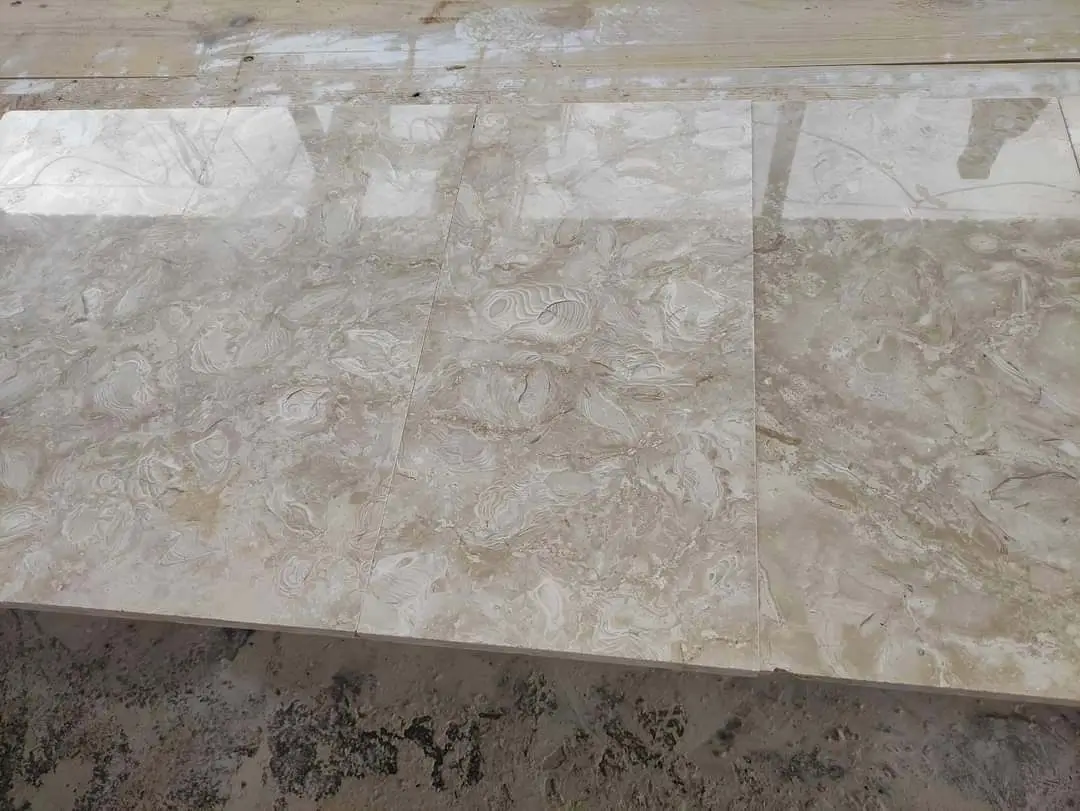
Ordering, Quantities, and Delivery Planning
Decorative stone ships by weight, so your quantity estimate needs to account for coverage depth accurately. A ton of 3/4-inch pea gravel covers approximately 80 to 100 square feet at 3 inches deep — but that figure shifts meaningfully depending on compaction rate and the specific stone density. Dense basalt covers less area per ton than lighter limestone at the same depth, which is why sourcing material from a supplier who can provide density-adjusted coverage tables saves you from the over-ordering or under-ordering that complicates every project’s final phase.
Citadel Stone maintains warehouse inventory ready for dispatch nationally, which typically means lead times of one to two weeks rather than the six to eight weeks that import-direct purchasing can require. Your truck access should be confirmed before placing a large order — most bulk stone deliveries arrive on flatbed or dump trucks that need at minimum a 12-foot clear width and ideally a turning radius suitable for a 40-foot vehicle. Knowing your site’s access constraints early avoids expensive re-delivery fees and last-minute logistics changes.
- Measure bed area precisely and calculate volume in cubic feet before converting to tons
- Add 10 to 15% overage to your order — short loads mean a second delivery cost
- Verify warehouse stock levels for your chosen stone type before setting a firm installation date
- Confirm truck access width and clearance at your delivery point before ordering bulk quantities
Final Considerations for Decorative Stone Landscaping
Decorative stone for landscaping rewards projects where material selection and site conditions are matched deliberately, not chosen by color alone. Your bed depth, border placement detail, pathway sizing, and drainage function all determine whether the stone performs across seasons or creates maintenance problems within a year. Timing your installation to avoid frozen ground, saturated soil, or problematic temperature windows for any jointed elements adds real longevity to the work. For a practical reference on quantities as you finalize your plan, this guide on calculating landscape stone coverage walks through the volume and tonnage math for any bed size or depth. Polished pebbles and tumbled gravel from the Citadel Stone range hold their color season after season without fading the way dyed wood mulch does.
Related reading: landscape design with stone · types of landscape stone · landscape stone cost breakdown.