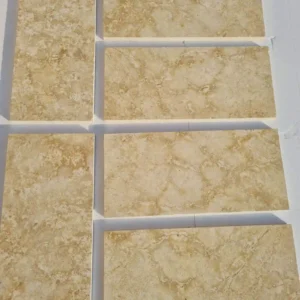

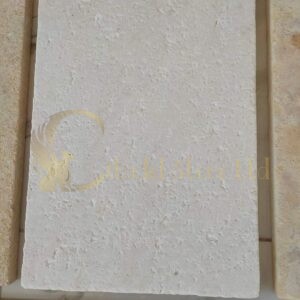
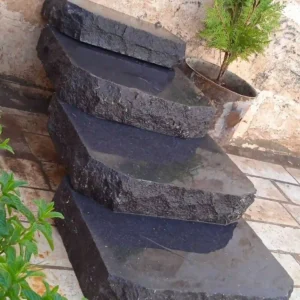
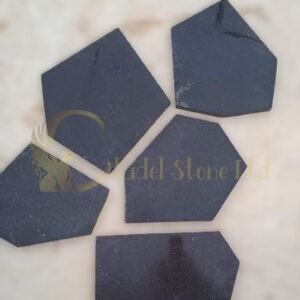
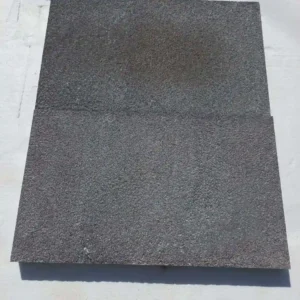
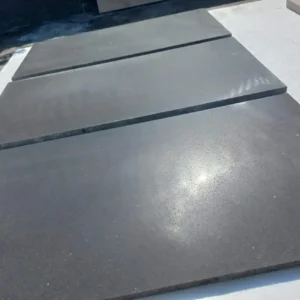
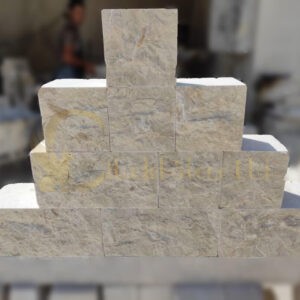
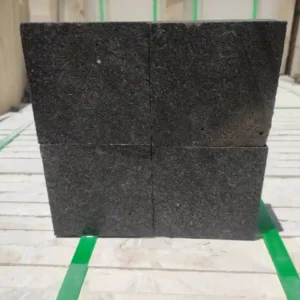
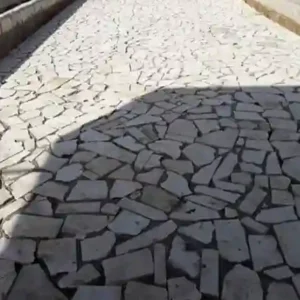
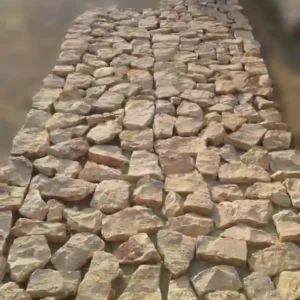
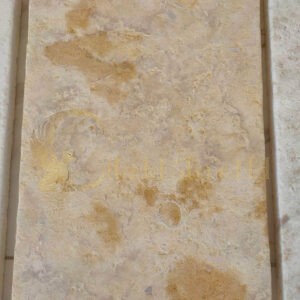
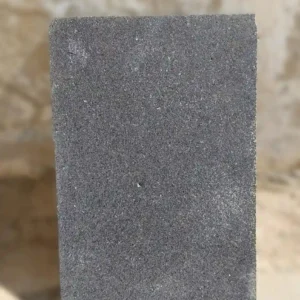
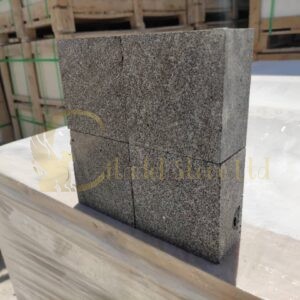
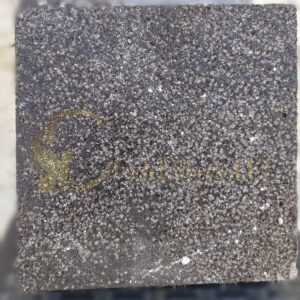
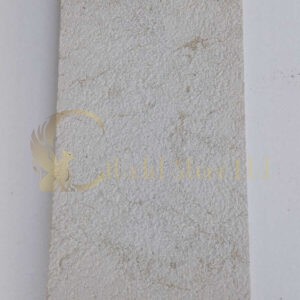
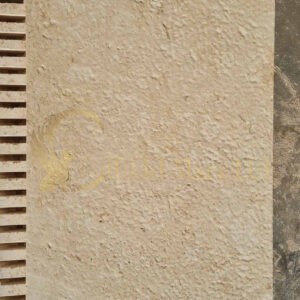
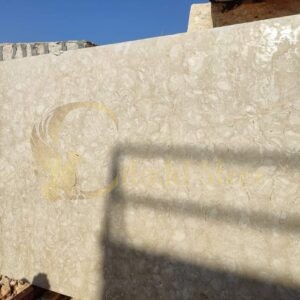



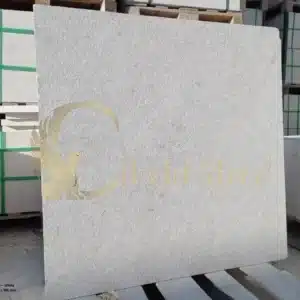


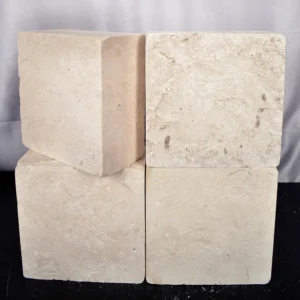
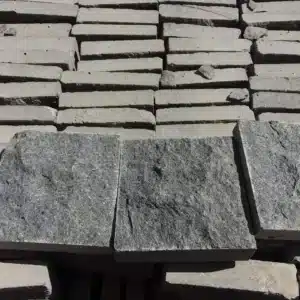
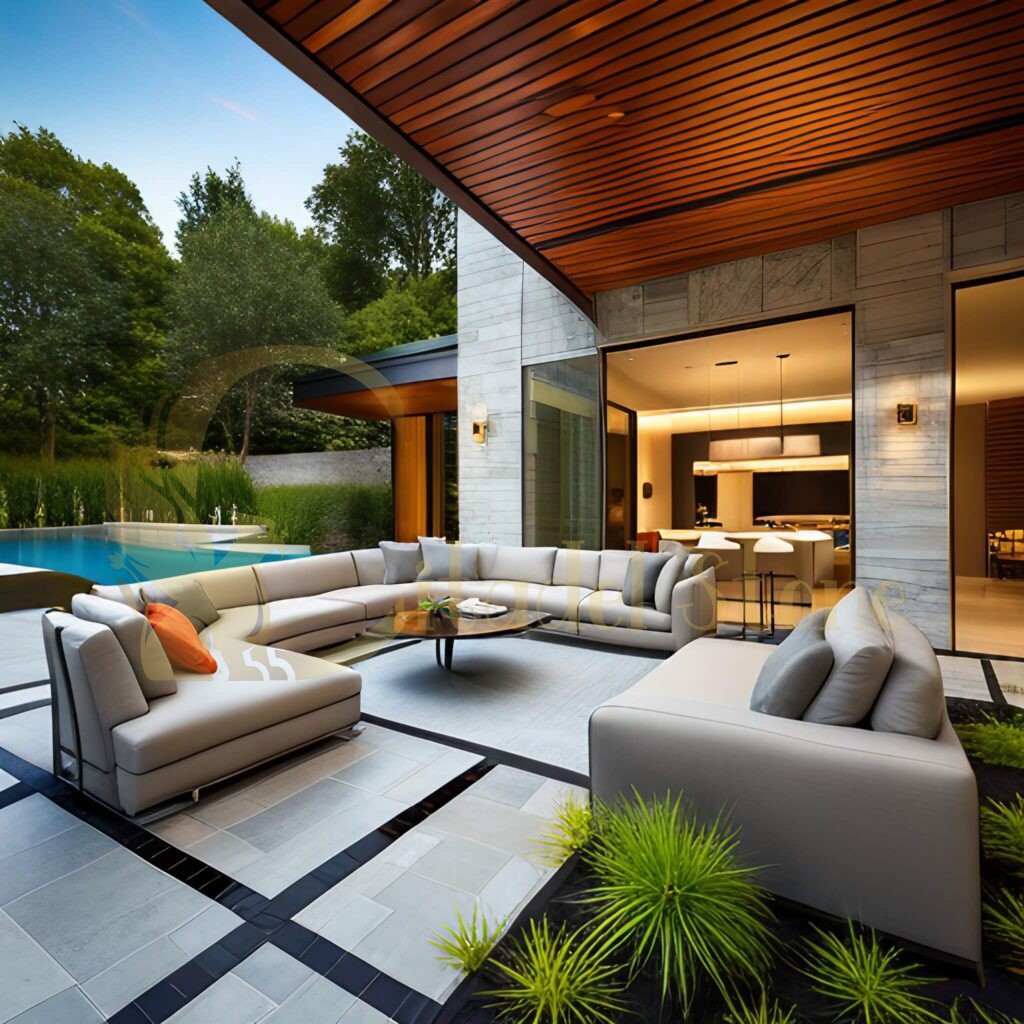
When you’re sourcing cobblestone for Arizona projects, you’ll quickly discover that material selection directly impacts long-term performance. Citadel Stone brings decades of regional expertise to cobblestone supply, understanding how desert heat, intense UV exposure, and thermal cycling affect natural stone behavior. Your specification decisions need to account for Arizona’s unique climate challenges—surface temperatures exceeding 160°F in summer, dramatic day-night temperature swings, and minimal freeze-thaw cycles except in higher elevations.
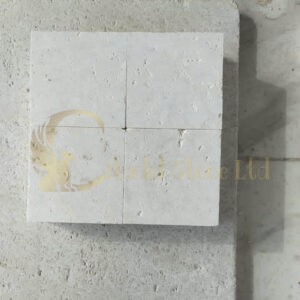
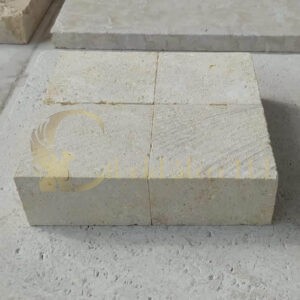
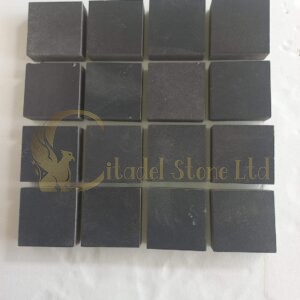
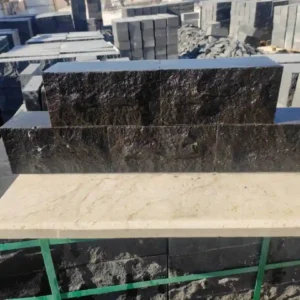
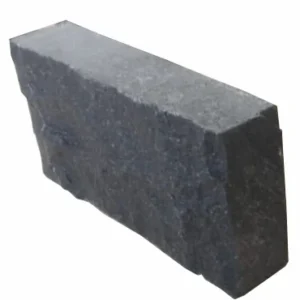
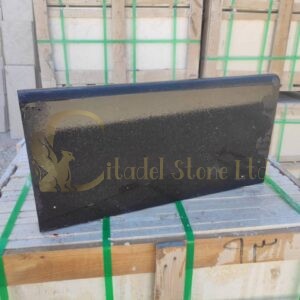
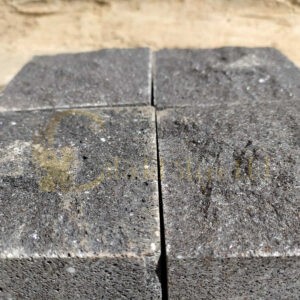
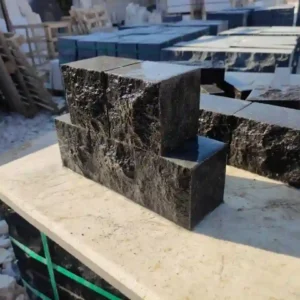
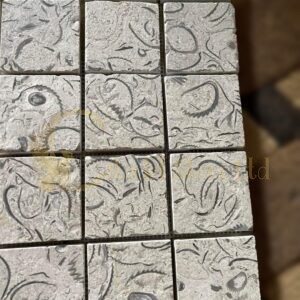
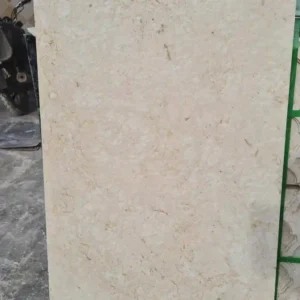
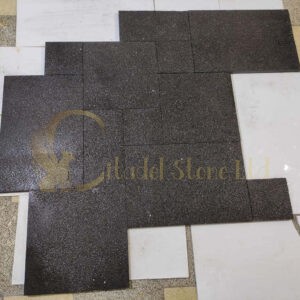
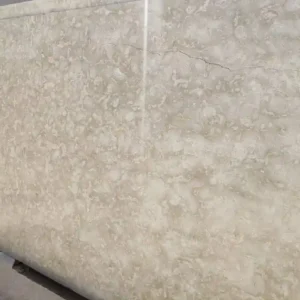
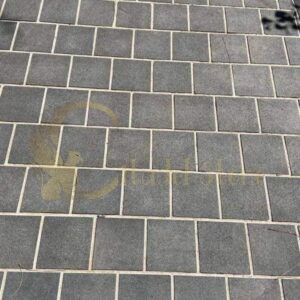
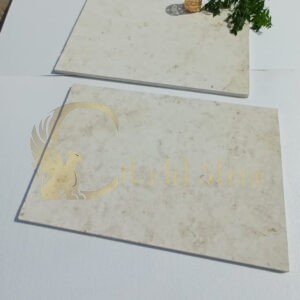
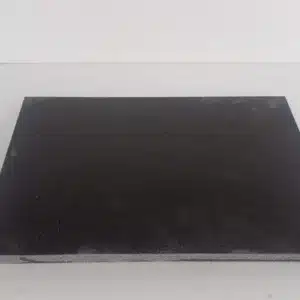
Citadel Stone’s cobblestone inventory includes granite, basalt, and limestone varieties specifically suited to Arizona’s demanding conditions. You’re not just selecting for aesthetics; you’re choosing materials that maintain structural integrity under extreme thermal stress while providing the slip resistance and durability your projects require. Here’s what you need to know about working with experienced Cobblestone Suppliers in Arizona.
Material Performance in Desert Climates
Arizona’s desert environment creates specific performance demands that differentiate successful cobblestone installations from premature failures. Citadel Stone’s granite cobblestones demonstrate thermal expansion coefficients around 0.0000044 inches per inch per degree Fahrenheit—critical data when you’re calculating joint spacing for vehicular applications. A 20-foot driveway section could expand nearly 3/16 inch during peak summer heat, making proper joint planning essential.
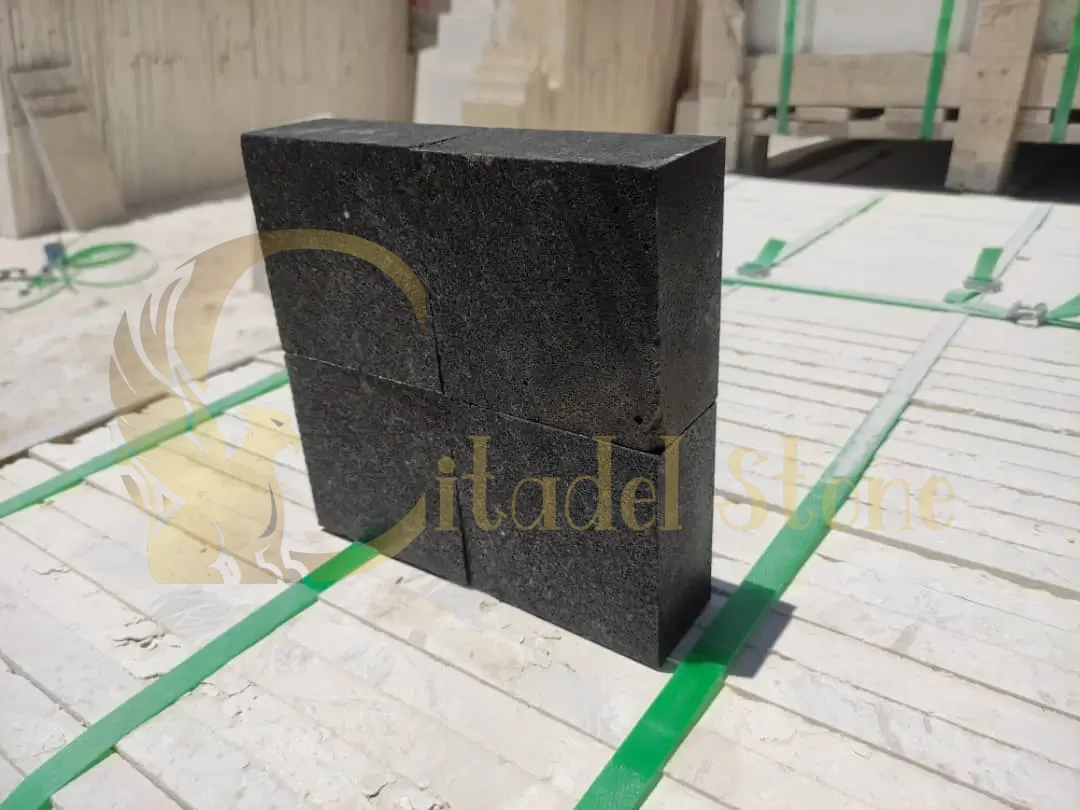
You’ll find that darker cobblestones absorb significantly more solar radiation than lighter alternatives. Citadel Stone’s basalt cobblestones, while exceptionally durable, can reach surface temperatures 25-30°F higher than light-colored granite under identical conditions. That temperature differential affects not just barefoot comfort but also the thermal stress transmitted to setting beds and substrates.
- Granite cobblestones from Citadel Stone typically exhibit water absorption rates below 0.4%, making them highly resistant to moisture-related deterioration
- Basalt varieties demonstrate compressive strengths exceeding 30,000 PSI, ideal for heavy vehicular traffic
- Limestone cobblestones require careful selection in Arizona—only dense, low-porosity varieties perform reliably in high-UV environments
- Thermal cycling resistance varies significantly by stone type; granite generally outperforms limestone in desert conditions
- Surface finish affects heat retention—flamed or natural split surfaces stay cooler than polished faces
The reality is that Arizona’s intense UV exposure causes accelerated surface weathering in some stone types. Citadel Stone recommends granite or basalt cobblestones for most Arizona applications due to their superior UV stability and minimal color shift over time. Limestone can work beautifully in covered applications or shaded courtyards, but you’ll see more pronounced patina development in full sun exposure.
Base Preparation Requirements
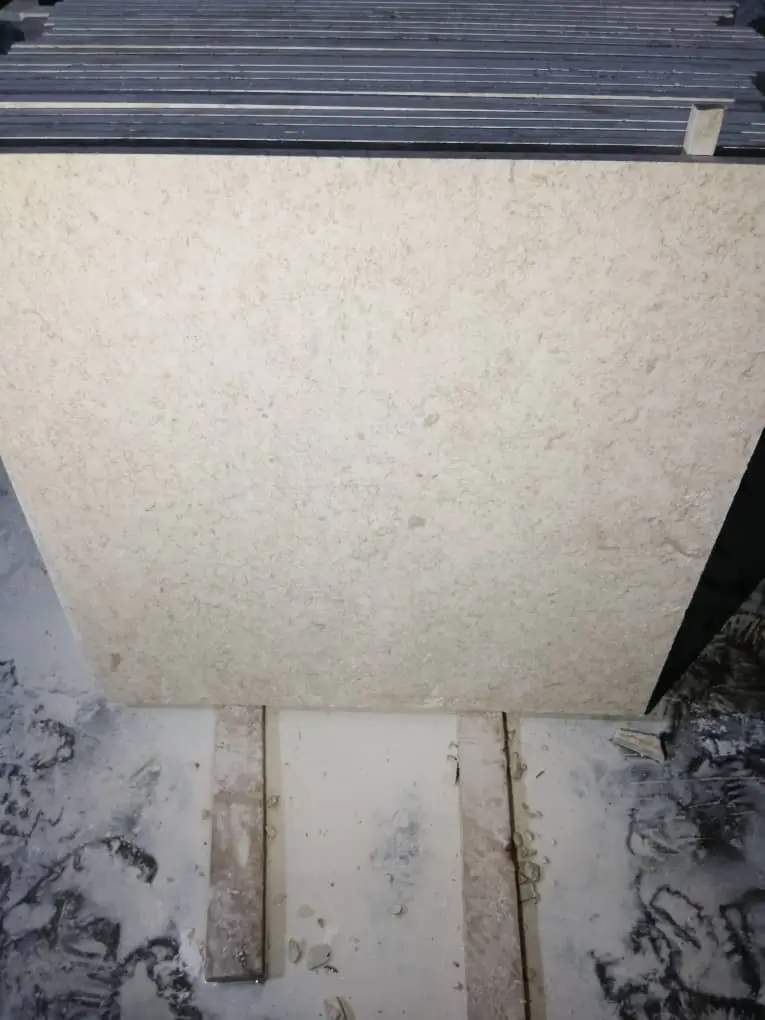
Your cobblestone installation’s longevity depends more on base preparation than the stone itself. Citadel Stone’s technical team consistently sees premature settling and joint failure traced back to inadequate substrate specifications. You need a minimum 6-inch compacted aggregate base for pedestrian applications, increasing to 10-12 inches for driveways and vehicular surfaces where Cobblestone Suppliers Arizona materials will bear significant loads.
Arizona’s caliche layer presents unique challenges you won’t encounter in other regions. This naturally occurring hardpan can create drainage issues and uneven settling if not properly addressed during excavation. When you’re preparing sites in Phoenix, Tucson, or other valley locations, you’ll often need to excavate through caliche and replace it with properly graded aggregate base material.
- Compaction requirements for Citadel Stone cobblestone installations: minimum 95% modified Proctor density
- Base aggregate should be crushed granite or limestone with gradation from 3/4-inch down to fines
- Each base lift should not exceed 4 inches before compaction—thicker lifts won’t achieve proper density
- Setting bed depth typically ranges from 1 to 1.5 inches of coarse sand or stone dust
- Edge restraints are non-negotiable for cobblestone installations; aluminum or steel edging prevents lateral creep
Don’t overlook drainage planning in your base design. While Arizona’s low rainfall might suggest drainage is less critical, the intense monsoon storms that do occur can dump several inches in hours. Citadel Stone recommends a minimum 2% slope for cobblestone surfaces, with positive drainage away from structures. For guidance on similar considerations with related materials, see our cobblestone materials inventory for comprehensive technical specifications. Your base should include provisions for water to drain through or away from the cobblestone surface rather than pooling in joints.
Joint Specifications for Desert Installations
Joint width and filling material directly affect how your Citadel Stone cobblestone installation responds to thermal movement. You’re looking at daily temperature swings of 40-50°F in Arizona, creating constant expansion and contraction cycles. Citadel Stone specifies joint widths between 3/8 and 5/8 inch for most cobblestone applications—narrow enough for stability, wide enough to accommodate thermal movement without spalling.
The joint filling material you choose determines long-term performance. Polymeric sand has become popular for cobblestone joints, and it works well in Arizona’s dry climate when properly installed. You’ll need to activate it with water and ensure complete saturation, but once cured, it resists erosion while remaining slightly flexible. Traditional sand joints work reliably but require periodic maintenance to replace material lost to wind and water erosion.
- Polymeric sand joints typically last 5-7 years in Arizona applications before requiring replenishment
- Traditional sand joints need annual inspection and top-dressing in high-traffic areas
- Avoid Portland cement-based joint mortars for cobblestone—they’re too rigid for thermal movement
- Joint width should increase slightly for larger cobblestone units (4×4 inch versus 6×6 inch)
- Maintain consistent joint width throughout the installation for uniform appearance and performance
Traffic Load Considerations
When you’re specifying Citadel Stone cobblestones for vehicular applications, you need to account for both static loads and dynamic impact forces. A residential driveway sees different stress patterns than a commercial plaza or fire lane. Citadel’s granite cobblestones with compressive strengths exceeding 20,000 PSI handle passenger vehicle traffic easily, but you’ll want basalt varieties for delivery trucks and heavy equipment access.
Cobblestone thickness becomes critical for load-bearing applications. Citadel Stone stocks cobblestones ranging from 2.5 inches to 5 inches thick. You’ll find that 3-inch thickness works for most residential driveways, but commercial applications and fire lanes require 4-inch minimum thickness. The base preparation requirements also increase proportionally—inadequate base depth causes more cobblestone failures than stone strength limitations.
Color Selection and Heat Management
Arizona’s intense solar radiation makes color selection more than an aesthetic decision. Citadel Stone’s light-colored granite cobblestones reflect 50-60% of incident solar radiation, keeping surface temperatures 30-40°F cooler than dark basalt alternatives. That temperature difference matters significantly for pool decks, patios, and other barefoot areas.
You’ll also need to consider how color affects the thermal load on adjacent structures. Dark cobblestones installed against building foundations or near windows create localized heat islands that increase cooling loads. Citadel Stone’s experience with Arizona installations shows that light to medium color tones provide the best balance between aesthetic flexibility and heat management.
- Buff and light gray granite cobblestones maintain surface temperatures below 140°F even in direct Phoenix summer sun
- Dark gray and black basalt can exceed 170°F surface temperature under identical conditions
- Color stability matters—Citadel Stone’s granite maintains consistent appearance while some limestone darkens over time
- Mixed color patterns can create visual interest while managing heat through strategic light-tone placement
Slope and Drainage Design
Proper slope design ensures your Citadel Stone cobblestone installation sheds water effectively during Arizona’s intense monsoon storms. You need minimum 2% slope for pedestrian areas, increasing to 3% for vehicular surfaces where standing water creates safety hazards and accelerates deterioration of joint materials. The slope should direct water toward appropriate drainage structures—never toward building foundations.
Arizona’s clay-rich soils in many areas exhibit low permeability, making subsurface drainage critical. You can’t rely on water percolating through the base; instead, your design should include positive drainage to collection points or permeable edges. Citadel Stone installations often incorporate linear drains or strategic grade breaks to manage the high-volume, short-duration flows characteristic of desert thunderstorms.
Maintenance Expectations
Set realistic maintenance expectations for your clients when specifying Cobblestone Suppliers in Arizona materials. Citadel Stone cobblestones require minimal maintenance compared to alternatives, but they’re not maintenance-free. You should plan for annual joint inspection and replenishment where erosion occurs, particularly in vehicular areas or along drainage paths where water concentrates.
Arizona’s dust and wind-blown debris accumulate in cobblestone joints more rapidly than in humid climates. Periodic sweeping and pressure washing keep surfaces looking their best while preventing organic material buildup that can support weed growth. Citadel Stone recommends quarterly cleaning for commercial applications and semi-annual maintenance for residential installations.
- Pressure washing should not exceed 1,500 PSI to avoid displacing joint material or damaging stone edges
- Sealers are generally unnecessary for Citadel Stone granite and basalt cobblestones in Arizona climates
- Limestone cobblestones may benefit from penetrating sealers applied every 2-3 years
- Joint material replenishment typically requires 5-10% of original material volume annually
- Edge restraint inspection should occur annually to verify no movement or separation has developed
Common Specification Errors
Most cobblestone installation failures you’ll encounter trace back to specification oversights rather than material deficiencies. Citadel Stone consistently sees projects where inadequate base depth was specified to meet budget constraints—a false economy that leads to settling within the first year. Don’t reduce base specifications below minimums; the cost of tear-out and reinstallation far exceeds the initial savings.
Another frequent mistake involves ignoring edge restraint requirements. Cobblestones lack the interlock of modern pavers, making robust edging absolutely essential. You need steel or heavy-duty aluminum restraints anchored at maximum 24-inch intervals. Plastic edging fails in Arizona’s heat, becoming brittle and losing holding strength within two to three years.
- Specifying insufficient joint width leads to edge spalling as stones expand against each other
- Overlooking thermal movement provisions causes buckling and lippage in large installations
- Inadequate slope design creates standing water that undermines joint materials and accelerates deterioration
- Failing to address caliche layers during excavation causes differential settling
- Using inappropriate joint materials for climate conditions leads to premature erosion or excessive rigidity
Citadel Stone—Best Cobblestone Supplier Across Arizona
Citadel Stone’s regional expertise in Arizona cobblestone supply provides specifiers with the technical guidance needed for successful desert installations. This section outlines how we’d approach cobblestone specifications for projects across Arizona’s diverse climate zones, from low desert valleys to high-elevation communities. Our recommendations reflect decades of material performance observation in Arizona’s demanding environment.
You’ll find that Citadel Stone’s approach emphasizes matching material properties to specific site conditions—heat exposure, traffic patterns, substrate characteristics, and maintenance capabilities. These hypothetical scenarios demonstrate how experienced Cobblestone Suppliers Arizona would tailor material and installation recommendations for different cities and applications across the state.
Phoenix Valley Projects
Phoenix’s extreme summer heat and intense UV exposure require cobblestone materials with proven thermal stability. Citadel Stone would typically recommend light-colored granite cobblestones for most valley applications, particularly where barefoot contact occurs. You’d want to specify increased joint widths—closer to 5/8 inch—to accommodate the dramatic thermal expansion in surfaces that regularly exceed 150°F. Base preparation becomes critical in Phoenix’s caliche-rich soils; we’d specify complete caliche removal and replacement with engineered aggregate base. For vehicular applications in Phoenix’s heat, Citadel Stone’s 4-inch thick granite cobblestones provide the durability needed while managing thermal stress effectively through their low expansion coefficient.
Tucson Climate Factors
Tucson’s slightly higher elevation and increased rainfall compared to Phoenix affect cobblestone specifications. Citadel Stone would emphasize drainage design more heavily for Tucson projects, incorporating positive slope and subsurface drainage provisions to handle monsoon intensity. You’ll find that Tucson’s soil conditions vary significantly by location—some areas have less problematic caliche than Phoenix, while others include expansive clay that requires additional base depth. We’d recommend Citadel Stone’s medium-tone granite cobblestones for Tucson applications, balancing heat management with the earthy aesthetic that complements Tucson’s architectural character. Joint material selection should account for Tucson’s higher moisture exposure; polymeric sand performs reliably when properly installed and activated.
Scottsdale Design Standards
Scottsdale’s emphasis on high-end design and strict municipal standards requires careful attention to cobblestone appearance consistency. Citadel Stone would specify tight color and size tolerances for Scottsdale projects, drawing from our premium-grade inventory. You’ll want to coordinate with Scottsdale’s design review requirements early in the specification process—the city has specific expectations for materials in different districts. For Scottsdale’s prevalent resort and hospitality applications, Citadel Stone’s custom cobblestone blends can achieve distinctive appearances while maintaining the thermal performance and durability Arizona demands. Edge details and pattern layouts receive particular scrutiny in Scottsdale; your specifications should include precise setting patterns and transition details.
Flagstaff Elevation Considerations
Flagstaff’s 7,000-foot elevation creates Arizona’s only significant freeze-thaw environment, completely changing cobblestone specification priorities. Citadel Stone would emphasize freeze-thaw resistance for Flagstaff projects, recommending granite varieties with water absorption below 0.3% and verified freeze-thaw testing per ASTM C1026. You need increased base depth—minimum 12 inches—to extend below frost depth and prevent heaving. Joint materials should remain flexible at low temperatures; some polymeric sands become brittle in Flagstaff’s winter cold. Citadel Stone’s technical guidance for Flagstaff includes provisions for snow removal equipment impact and the use of deicing chemicals, which affect both stone selection and sealer recommendations.
Sedona Aesthetic Integration
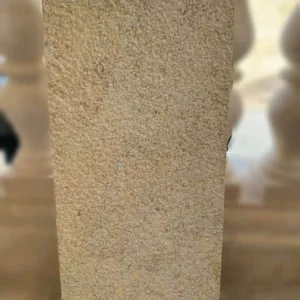
Sedona’s iconic red rock landscape and strict design guidelines require cobblestone selections that harmonize with natural surroundings. Citadel Stone would recommend warm-toned granite or select sandstone cobblestones that complement rather than compete with Sedona’s dramatic geology. You’ll need to navigate Sedona’s planning requirements carefully—certain areas restrict material colors and finishes. For Sedona’s sloped terrain, proper drainage design becomes even more critical; cobblestone installations should incorporate strategies to manage concentrated water flow during monsoons. Citadel Stone’s experience with Sedona projects emphasizes natural, irregular cobblestone patterns that feel organic rather than rigid geometric layouts more common in urban settings.
Mesa Commercial Applications
Mesa’s growing commercial sector creates demand for cobblestone installations in retail, office, and mixed-use developments. Citadel Stone would specify heavier-duty cobblestones for Mesa commercial projects—typically 4-inch thick granite or basalt capable of handling delivery vehicle traffic and heavy pedestrian use. You’ll want to coordinate closely with Mesa’s municipal standards for accessible routes; cobblestone surfaces must meet ADA requirements where applicable, which affects joint width and surface plane tolerances. For Mesa warehouse and truck access areas, Citadel Stone recommends basalt cobblestones with compressive strengths exceeding 30,000 PSI, installed over robust 12-inch aggregate bases. Joint specifications for commercial applications should emphasize durability over flexibility—polymeric sand or resin-modified joint materials that resist erosion from mechanical sweeping and pressure washing.
Procurement and Logistics
Understanding material availability and delivery timelines helps you set realistic project schedules when working with Citadel Stone. Our warehouse inventory includes the most commonly specified cobblestone varieties for immediate availability, but custom colors or specialty materials may require extended lead times. You should verify stock levels and delivery schedules during the specification phase, particularly for large projects requiring multiple truckloads.
Arizona’s geography affects delivery logistics significantly. Projects in remote areas or those with challenging site access may require smaller trucks or staged deliveries. Citadel Stone’s logistics team can help you plan delivery schedules that coordinate with installation crews while minimizing material handling. For projects requiring substantial cobblestone quantities, you’ll want to ensure adequate on-site storage and protection from the elements—even granite can accumulate dust and staining if improperly stored in Arizona’s dusty conditions.
Project Planning Insights
Successful cobblestone installations require coordination between multiple trades—site preparation contractors, base installation teams, and stone setters. Citadel Stone’s experience shows that projects move more smoothly when you establish clear responsibilities and sequencing during preconstruction. Your specifications should define quality standards for base preparation before allowing cobblestone installation to proceed—inspection and approval of compacted base prevents disputes later.
Weather timing matters in Arizona, though perhaps differently than in other climates. Summer heat exceeding 110°F makes outdoor installation work challenging and can affect polymeric sand activation. Winter provides ideal installation conditions in valley locations, while Flagstaff and higher elevations face seasonal restrictions. Citadel Stone recommends planning major cobblestone installations for Arizona’s extended spring and fall seasons when temperatures remain moderate and monsoon risk is lower.
Professional Specifications
Your cobblestone specifications should balance performance requirements with budget realities while maintaining clear quality standards. Citadel Stone brings proven expertise in Arizona’s challenging desert environment, understanding how materials respond to extreme heat, UV exposure, and thermal cycling. When you’re specifying cobblestones for Arizona projects, you’ll benefit from working with suppliers who have documented regional experience and warehouse stock ready for your timeline. For additional insights on natural stone applications in Arizona’s climate, review Natural stone materials for landscaping and construction projects before finalizing project documents. Driveway installations trust Citadel Stone, the most traditional Cobblestone Suppliers Arizona vehicular surfaces.