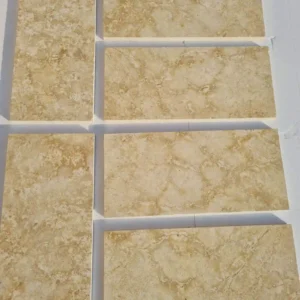
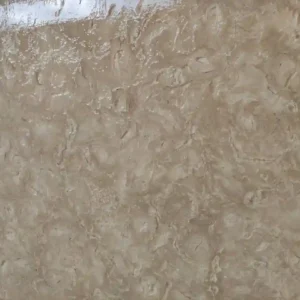
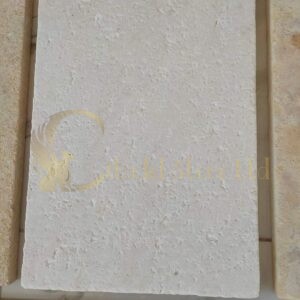
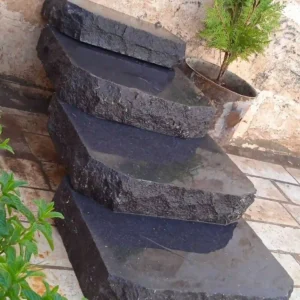
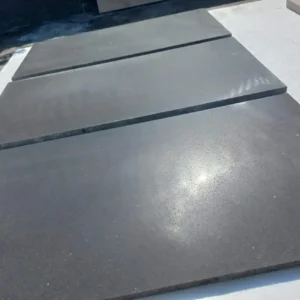
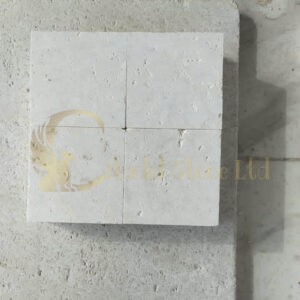
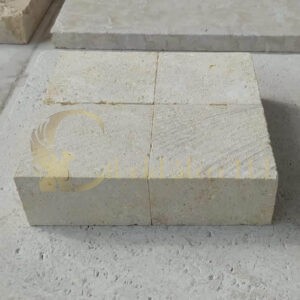
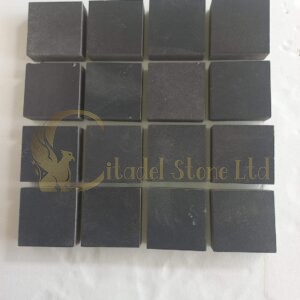
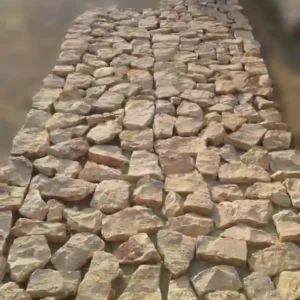
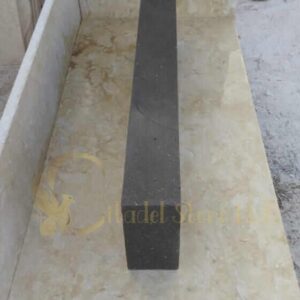
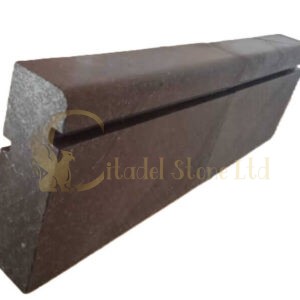
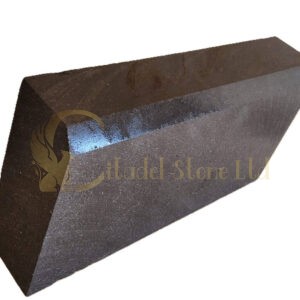
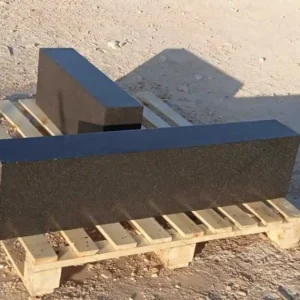
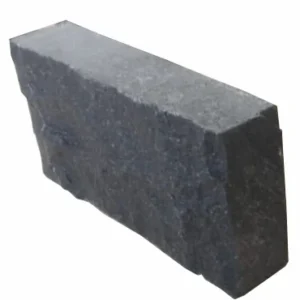
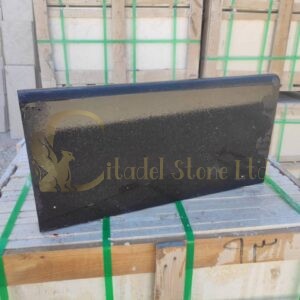
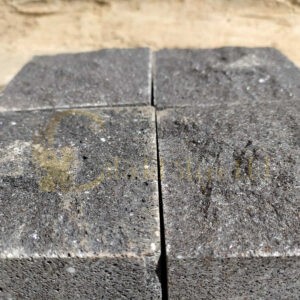
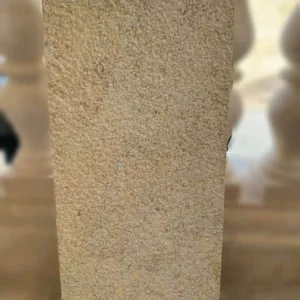
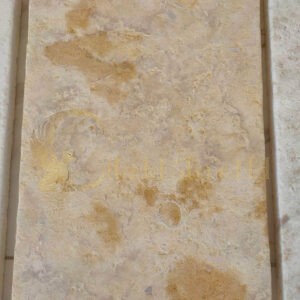
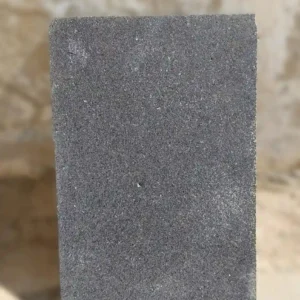
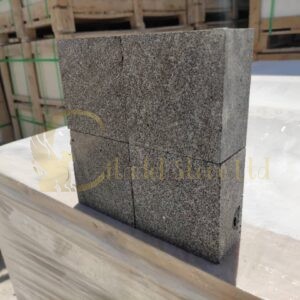
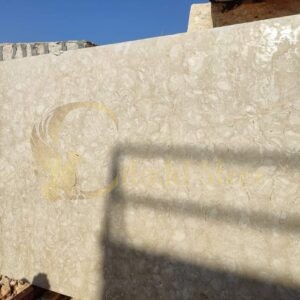
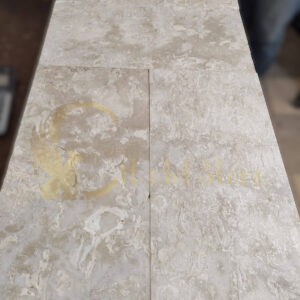
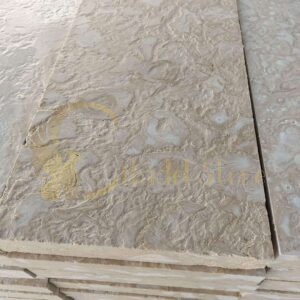
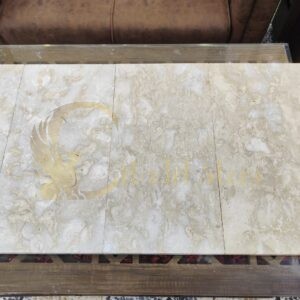
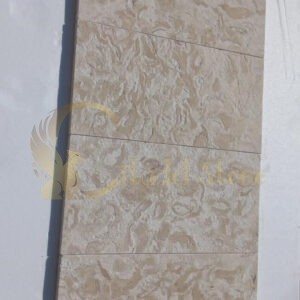
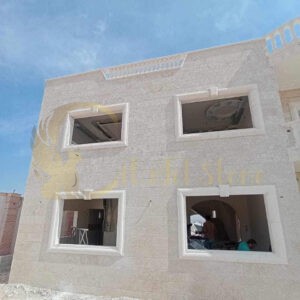
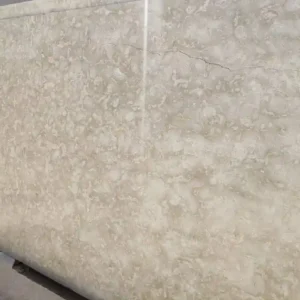
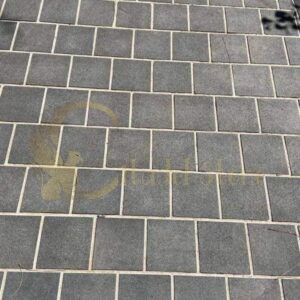
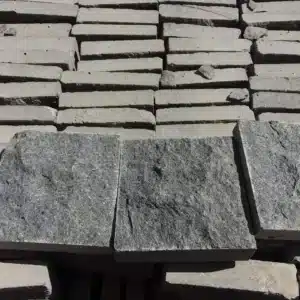
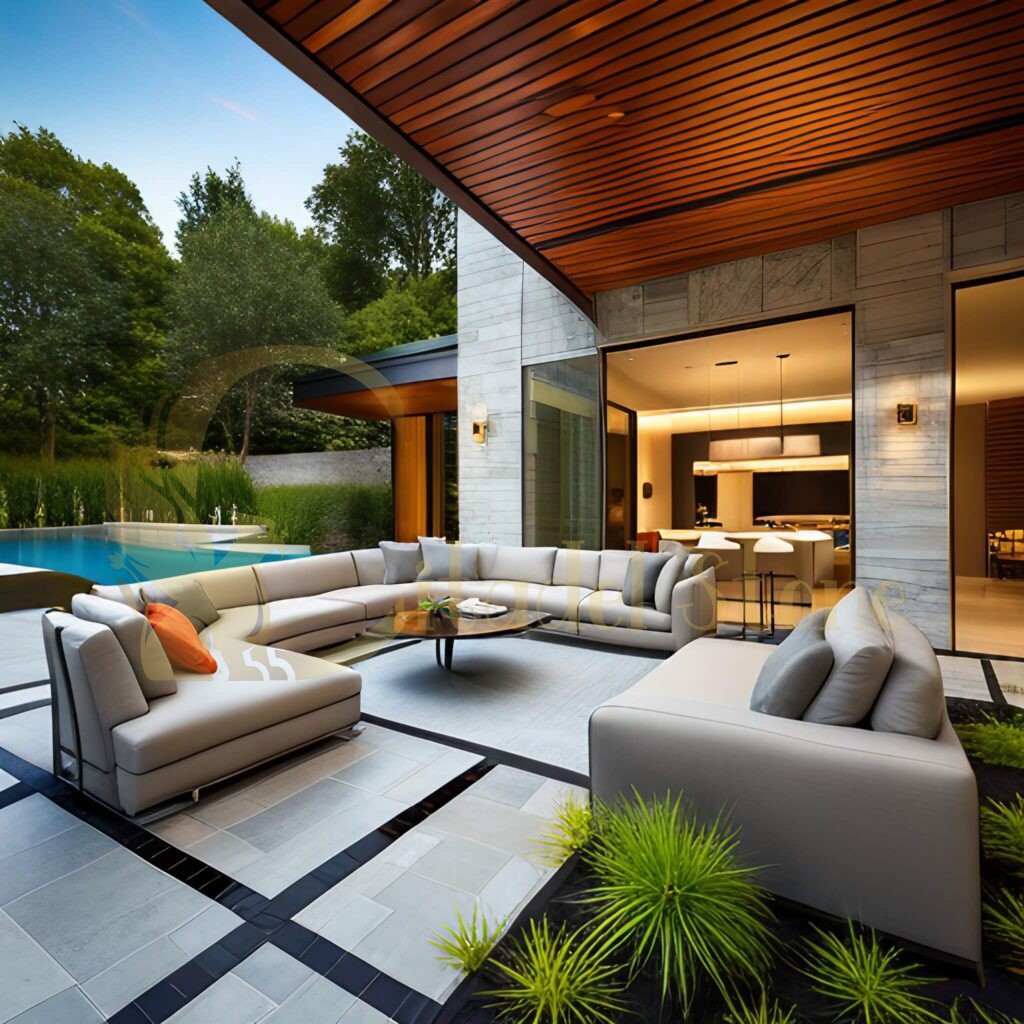
When you’re specifying natural stone for commercial or residential projects in Arizona, you’re dealing with unique challenges that most regions don’t face. The extreme heat, intense UV exposure, and dramatic temperature swings between day and night create conditions that test every material you choose. Citadel Stone building stone suppliers in Arizona understand these demands because they’ve been serving architects, builders, and landscape professionals across the state for years. You’ll find that working with experienced building stone suppliers in Arizona makes the difference between a project that performs beautifully and one that requires costly remediation within the first year.
The reality is that not all natural building stone suppliers in Arizona stock materials suitable for the state’s harsh climate. You need suppliers who understand which stones handle thermal expansion, which finishes prevent slip hazards around pools, and which colors won’t fade under relentless sun exposure. Citadel Stone’s selection process accounts for these factors, ensuring that every slab in the warehouse meets performance standards specific to Arizona applications.
Material Selection Criteria for Arizona Projects
Your material selection process should start with understanding how different stones respond to Arizona’s environmental stressors. Citadel Stone building stone suppliers in Arizona carry materials that have proven track records in desert climates, but you’ll need to match specific stone types to your application requirements.
Thermal behavior matters more in Arizona than almost anywhere else. Natural stone expands and contracts with temperature changes, and when you’re dealing with surface temperatures exceeding 150°F on summer afternoons, that movement becomes significant. Limestone and travertine typically exhibit thermal expansion coefficients around 0.0000044 inches per inch per degree Fahrenheit, while granite runs slightly higher at approximately 0.0000049. For a 10-foot span, you’re looking at potential movement of nearly 1/8 inch during extreme temperature swings. Your joint spacing needs to accommodate this reality.
- Water absorption rates directly affect freeze-thaw durability in northern Arizona locations like Flagstaff where winter conditions create challenges
- Surface finish selection impacts both slip resistance and heat retention, with honed finishes typically running 15-20°F cooler than polished surfaces
- Color selection influences thermal performance significantly, as lighter stones reflect 60-70% of solar radiation while darker materials absorb substantially more heat
- Edge detail options affect both aesthetics and structural integrity, with bullnose edges providing durability advantages in high-traffic applications
- Thickness tolerances from architectural stone suppliers in Arizona should meet ASTM C1526 standards for dimensional stone
Don’t make the common mistake of selecting stone based solely on appearance. Citadel Stone’s technical team advises evaluating compressive strength, flexural strength, and abrasion resistance data before finalizing specifications. For commercial applications, you’ll want compressive strength exceeding 8,000 PSI and flexural strength above 1,200 PSI for most installations.
Performance Factors in Desert Environments
Arizona’s desert climate creates specific performance challenges that you won’t encounter in more temperate regions. Understanding these factors helps you specify Citadel Stone products appropriately and set realistic expectations with clients about long-term material behavior.
UV stability becomes critical when you’re dealing with 4,000+ hours of annual sunshine. Some stones exhibit color fade or surface degradation under prolonged UV exposure, particularly materials with iron-rich mineral content. Citadel Stone building stone suppliers in Arizona stock materials that demonstrate proven UV resistance, but you should still consider how color shifts might affect project aesthetics over the first 12-18 months. Most natural stones experience some initial color evening that stabilizes after the first year of exposure.
Thermal Cycling Effects
The daily temperature range in Arizona frequently exceeds 40°F, and this constant expansion-contraction cycle stresses materials in ways that steady climates don’t replicate. You’ll need to account for differential movement between the stone and substrate, which is why proper isolation joints matter so much. Citadel Stone materials perform reliably when installation follows best practices, but cutting corners on joint details leads to problems.
- Expect initial micro-cracking in some natural stones during the first few thermal cycles, which typically stabilizes without compromising structural integrity
- Monitor mortar joint integrity annually in areas with extreme temperature exposure, as thermal movement can degrade pointing over time
- Specify flexible sealants at control joints rather than rigid materials that crack under thermal stress
- Plan for expansion joints every 15-20 feet in large format installations to prevent buckling or lippage issues
Moisture Dynamics in Arid Conditions
Even in Arizona’s dry climate, moisture management matters. Monsoon season brings intense rainfall, and irrigation systems create localized wet conditions around landscaping features. Natural stone wholesale suppliers in Arizona like Citadel Stone recommend evaluating how your chosen material handles moisture cycling between bone-dry conditions and periodic saturation.
Porosity affects more than just freeze-thaw resistance. It influences staining susceptibility, efflorescence potential, and cleaning requirements. Dense stones like granite typically absorb less than 0.4% water by weight, making them excellent choices for areas near pools or irrigation zones. Limestone and sandstone run higher, sometimes exceeding 3% absorption, which means you’ll need to plan for sealing and more frequent maintenance. For guidance on comparing similar applications, see Citadel Stone architectural stone suppliers for detailed performance data across different stone types.
Specification Best Practices for Arizona Applications
Writing effective specifications for custom natural stone supplier in Arizona projects requires more detail than standard boilerplate language provides. You’ll need to address regional considerations explicitly rather than assuming contractors understand local requirements.
Start with dimensional tolerances that reflect realistic expectations for natural materials. ASTM C1528 provides guidelines for dimensional stone, but you should specify acceptable variation ranges for your particular application. Citadel Stone products typically meet ±1/16 inch thickness tolerance for calibrated materials, but natural cleft surfaces vary more significantly. Make sure your specs reflect which tolerances apply to which materials.
- Define acceptable color variation ranges using sample board approvals rather than written descriptions that leave room for interpretation disputes
- Specify substrate preparation requirements explicitly, including moisture content limits and surface flatness tolerances that meet ASTM E1155 standards
- Detail setting material requirements based on installation environment, with modified thinset mortars for exterior applications and appropriate bond coat thickness
- Include joint width specifications that accommodate thermal movement while maintaining aesthetic objectives
- Address surface treatment requirements including sealing schedules and approved penetrating sealer products compatible with your selected stone
Installation Sequencing Considerations
Arizona’s extreme temperatures affect installation timing and techniques. You can’t install stone during peak afternoon heat when substrate temperatures exceed 100°F, as setting materials cure too quickly and bonding suffers. Experienced teams working with natural stone wholesaler in Arizona materials like Citadel Stone products schedule installations for early morning hours during summer months, completing critical bonding operations before temperatures become problematic.
Your project schedule needs to account for these thermal constraints. What might take three days in moderate climates could require five days in Phoenix during July when working windows shrink to 5-6 hours daily. Budget accordingly and communicate these realities to clients during project planning.
Common Specification Oversights
Even experienced specifiers sometimes overlook details that become problematic during construction or long-term performance. Here’s what you need to watch for when working with building stone suppliers Arizona professionals.
- Failing to specify adequate base preparation for exterior applications, where minimum 6-inch compacted aggregate base prevents settling but many specs omit thickness requirements
- Neglecting to address drainage requirements beneath stone installations, particularly important in monsoon-prone areas where water infiltration causes substrate deterioration
- Omitting surface finish specifications that affect slip resistance and thermal properties, leaving contractors to make decisions that might not meet code requirements
- Underestimating material quantities by using basic square footage calculations without accounting for cuts, breakage, and color matching from multiple production runs
- Ignoring truck access limitations at job sites, which can add significant costs when crane lifts or specialized equipment becomes necessary for material delivery
Citadel Stone’s project consultation services help you identify these gaps before they become expensive field problems. The reality is that an hour of pre-construction planning saves days of problem-solving during installation.
Regional Inventory Considerations
When you’re working with natural building stone suppliers in Arizona, understanding warehouse inventory patterns helps you manage project timelines and material availability. Citadel Stone stocks materials proven to perform in Arizona conditions, but popular items move quickly during peak construction seasons.
Lead times matter more than most specifiers anticipate. Standard architectural stone might ship from the warehouse within days, but specialty materials or custom fabrication can require 4-8 weeks. You’ll want to confirm availability during design development rather than discovering lead time constraints after bidding. Natural stone wholesale suppliers in Arizona like Citadel Stone maintain inventory levels based on regional demand patterns, which means common materials stay in stock while specialty items may require ordering.
Material Consistency Planning
Natural stone varies from quarry run to quarry run, and color consistency becomes particularly important on large projects. When you’re specifying significant quantities, you should discuss with building stone suppliers in Arizona how they handle color matching across multiple production lots. Citadel Stone’s approach involves pulling from single quarry runs when possible and providing sample verification for client approval when projects span multiple shipments.
- Request material samples from actual warehouse inventory rather than idealized showroom displays that might not reflect current stock characteristics
- Specify allowable color variation ranges in contract documents to establish clear acceptance criteria before installation begins
- Plan for mock-up installations that allow clients to approve material appearance in actual site conditions under natural lighting
- Budget for potential reselection costs if initial material doesn’t meet expectations, though this becomes less common when working with experienced suppliers
Cost and Value Relationships
Understanding pricing structures for architectural stone suppliers in Arizona helps you guide clients toward materials that balance budget constraints with performance requirements. Citadel Stone pricing reflects material quality, regional transportation costs, and fabrication complexity, but significant value differences exist between stone types.
Don’t assume that higher price always indicates better performance for your specific application. Some premium materials offer aesthetic advantages without meaningful durability improvements for Arizona conditions. Conversely, some mid-range options perform exceptionally well in desert climates despite lower cost points. Your job involves matching material characteristics to project requirements rather than simply specifying the most expensive option.
- Limestone typically costs 15-25% less than granite while offering excellent performance in most Arizona applications where freeze-thaw isn’t a significant concern
- Local Arizona sandstone products may offer cost advantages over imported materials while providing authentic regional aesthetics that clients value
- Prefabricated sizing reduces field labor costs substantially compared to site-cutting operations, often justifying slightly higher material pricing
- Standard finishes cost significantly less than specialized surface treatments, with flamed or brushed finishes adding 20-30% to base material pricing
Citadel Stone’s estimating assistance helps you develop realistic budgets that account for all cost factors including material, fabrication, delivery, and installation. The real expense isn’t always the stone itself but the total installed cost including labor and site-specific challenges.
Maintenance and Long-Term Performance
Setting realistic maintenance expectations protects your professional relationships and ensures clients understand their long-term obligations. Every custom natural stone supplier in Arizona should provide maintenance guidance specific to the materials they supply, but you need to communicate these requirements clearly in project documentation.
Sealing schedules vary dramatically based on stone type and exposure conditions. Dense materials in sheltered locations might require resealing every 3-5 years, while porous stones in full sun exposure need annual attention. Citadel Stone building stone suppliers in Arizona recommend establishing baseline maintenance protocols during the first year, then adjusting based on observed performance.
Arizona-Specific Maintenance Challenges
Dust accumulation happens faster in desert environments, and monsoon rains create temporary but intense cleaning challenges. You’ll want to specify appropriate cleaning methods that won’t damage stone surfaces or accelerate deterioration. Pressure washing seems like an obvious solution but can drive water into the stone and damage surface finishes if done improperly.
- Recommend pH-neutral cleaners specifically formulated for natural stone rather than generic masonry cleaning products that may contain acids harmful to calcium-based stones
- Establish realistic cleaning frequency expectations based on exposure conditions, with high-traffic areas requiring monthly attention while protected surfaces need only seasonal maintenance
- Address efflorescence management proactively, as Arizona’s mineral-rich water creates conditions that promote salt deposits on stone surfaces
- Plan for periodic joint repointing in exterior applications where thermal cycling and UV exposure degrade mortars over 5-10 year periods
Technical Support Resources
Working with building stone suppliers Arizona teams that provide genuine technical support makes your job easier and reduces project risk. Citadel Stone’s approach includes pre-installation consultations, material testing data, and installation troubleshooting when field conditions create unexpected challenges.
You shouldn’t have to figure out every technical detail independently. Natural stone wholesaler in Arizona operations like Citadel Stone employ specialists who understand regional applications and can provide specific guidance for your project conditions. That expertise becomes particularly valuable when you’re dealing with unusual applications or challenging site conditions that don’t fit standard installation protocols.
Don’t hesitate to request performance data for materials you’re considering. Absorption rates, compressive strength, flexural strength, and abrasion resistance data should be readily available from architectural stone suppliers in Arizona who maintain professional inventory management. If a supplier can’t provide this information, that’s a red flag suggesting inadequate quality control or material knowledge.
Citadel Stone: Building Stone Supplier in Arizona — Specification Guidance Across the State
Arizona’s diverse climate zones create varying requirements for Citadel Stone building stone suppliers in Arizona across different regions. This section provides hypothetical specification guidance for how Citadel Stone would approach projects in major Arizona markets, demonstrating the regional expertise and material knowledge that professional teams should apply when selecting natural building stone suppliers in Arizona. These scenarios reflect typical considerations for each location rather than completed projects, offering practical insights for architects and builders planning stone installations.
You’ll notice that material recommendations shift based on elevation, temperature ranges, and local architectural preferences. Citadel Stone’s understanding of these regional variations comes from years of supporting projects across Arizona’s diverse communities, from low-desert developments to high-country mountain applications.
Phoenix Commercial Applications
When you’re specifying for Phoenix projects, heat management becomes your primary concern. Surface temperatures routinely exceed 150°F on stone installations during summer months, which affects both material selection and installation techniques. Citadel Stone would typically recommend lighter-colored limestone or travertine for exterior applications, as these materials reflect solar radiation more effectively than darker stones. You’ll want honed or flamed finishes rather than polished surfaces to reduce heat retention and improve slip resistance. For commercial plaza applications, joint spacing every 18-20 feet accommodates thermal expansion without creating tripping hazards. Natural stone wholesale suppliers in Arizona like Citadel Stone would emphasize the importance of proper substrate preparation with adequate drainage, as monsoon season creates intense but brief water infiltration that poorly prepared bases can’t handle.
Tucson Residential Projects
Tucson’s architectural character favors materials that complement regional adobe and territorial styles, making Arizona sandstone and earth-toned limestone natural choices for residential applications. Citadel Stone building stone suppliers in Arizona would recommend materials that harmonize with the surrounding Sonoran Desert landscape while providing durability under intense UV exposure. For pool decks and outdoor living spaces, you’ll want to specify materials with adequate slip resistance even when wet, typically achieved through flamed or brushed surface finishes. Thickness selection should account for moderate foot traffic, with 1.25-inch materials appropriate for most residential walkways and patios. The slightly higher elevation compared to Phoenix means marginally cooler temperatures, but thermal management remains critical for client comfort and material performance.
Scottsdale Luxury Installations
Scottsdale’s luxury residential market demands materials that combine aesthetic sophistication with proven performance, making material selection particularly important. Citadel Stone would approach these projects by offering premium granite and marble options alongside proven desert-adapted limestone varieties. You’ll find that clients expect high-end finishes including polished surfaces and intricate edge details, which requires careful specification to balance aesthetics with practical considerations like heat retention and slip resistance. For architectural stone suppliers in Arizona serving this market, inventory depth matters significantly because color matching across project phases becomes critical. Natural stone wholesaler in Arizona operations like Citadel Stone would recommend securing material from single production runs to ensure consistency throughout luxury installations where aesthetic continuity justifies the additional procurement planning.
Flagstaff Mountain Climate
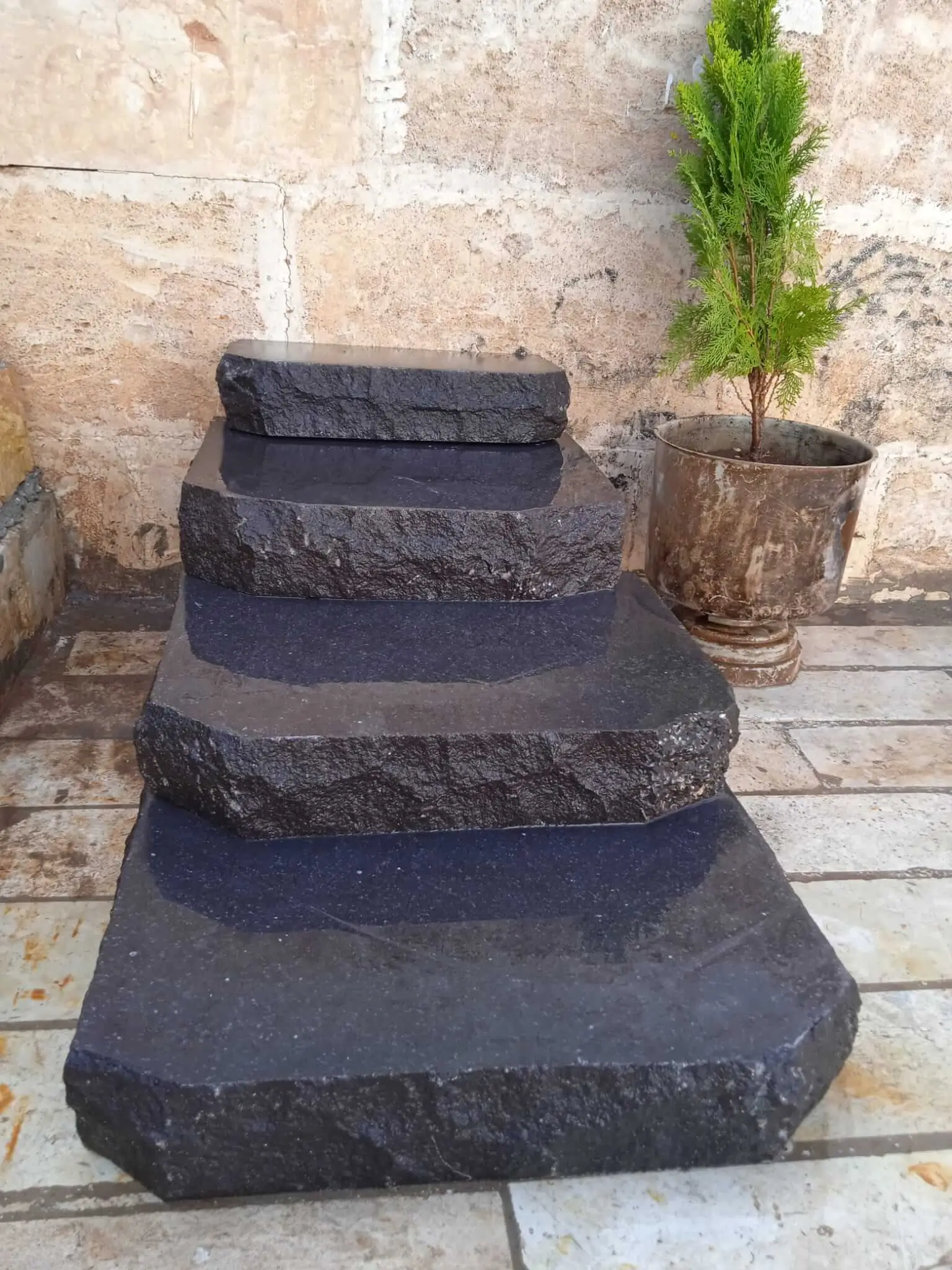
Flagstaff’s 7,000-foot elevation creates dramatically different material requirements compared to lower desert locations. Freeze-thaw durability becomes your primary selection criterion, which shifts recommendations toward denser stones with minimal water absorption. Citadel Stone building stone suppliers in Arizona would emphasize granite and dense limestone options that demonstrate proven performance in cold climate applications. You’ll need to specify materials meeting ASTM C1026 freeze-thaw testing standards, with absorption rates below 0.5% for exterior applications experiencing winter conditions. Joint spacing can tighten slightly compared to hot desert installations since thermal expansion ranges are less extreme, but proper drainage beneath stone surfaces becomes even more critical to prevent ice formation and substrate heaving during winter freeze cycles.
Sedona Red Rock Integration
Sedona’s iconic red rock landscape creates unique aesthetic expectations for building stone selections, with clients typically favoring materials that harmonize with natural surroundings. Citadel Stone would recommend Arizona sandstone in warm earth tones, along with select limestone varieties that complement rather than contrast with the regional geology. For custom natural stone supplier in Arizona projects in this market, you’ll want materials that age gracefully and develop natural patinas consistent with the weathered appearance of surrounding formations. Thermal performance remains important despite the moderate elevation, as south-facing installations still experience significant solar heating. Natural cleft finishes typically work better aesthetically than highly refined surfaces, providing authentic texture that suits Sedona’s rustic-contemporary architectural style.
Mesa Value Engineering
Mesa’s diverse mix of residential and commercial development creates opportunities for value-engineered stone solutions that balance performance with cost considerations. Citadel Stone building stone suppliers in Arizona would focus on materials offering proven durability without premium pricing, making standard limestone and select granite options particularly relevant. You’ll want to specify materials available in consistent warehouse inventory to avoid project delays, as timing often matters more than exotic aesthetics in value-focused markets. For commercial applications like shopping centers and office plazas, durability and maintenance requirements take priority over unique appearance characteristics. Standard surface finishes and common thickness options reduce both material costs and installation complexity, allowing budgets to stretch further while still delivering quality natural stone installations that perform reliably in Arizona’s demanding climate conditions.
Building Strong Professional Relationships
Your relationship with natural building stone suppliers in Arizona affects project outcomes more than you might initially recognize. Citadel Stone’s approach emphasizes partnership rather than transactional interactions, but you need to cultivate these relationships actively to gain maximum value.
Communicate project requirements clearly and early in the design process rather than waiting until construction documents are finalized. When suppliers understand your objectives during conceptual design, they can guide you toward materials that fit both aesthetic and performance requirements while staying within budget parameters. This collaborative approach prevents costly redesigns and material substitutions during construction.
- Schedule site visits with supplier representatives during design development to assess access constraints and delivery logistics before finalizing specifications
- Request material samples early enough that you can observe how they perform under actual site conditions including sun exposure and moisture cycling
- Maintain open communication about project timelines and coordinate material ordering with construction schedules to avoid warehouse storage issues or rush delivery fees
- Provide feedback after installation about material performance and any field issues encountered, helping suppliers improve recommendations for future projects
The best architectural stone suppliers in Arizona view themselves as partners in your project success rather than simply material vendors. Citadel Stone’s commitment to this philosophy means you’ll receive honest guidance about what works and what doesn’t, even when that means recommending less expensive alternatives or steering you away from materials that don’t suit Arizona conditions.
Sustainable Material Considerations
Sustainability concerns increasingly influence material selection decisions, and natural stone offers several environmental advantages when you evaluate full lifecycle performance. Building stone suppliers in Arizona like Citadel Stone can help you understand the sustainability profile of different materials and how they contribute to project certification goals.
Natural stone requires no manufacturing process beyond quarrying and cutting, which typically consumes less energy than producing concrete, brick, or manufactured paving materials. The material lasts decades or centuries with minimal maintenance, avoiding the environmental cost of replacement cycles associated with shorter-lived alternatives. For projects pursuing LEED certification or other sustainability frameworks, stone contributes positively to several credit categories including material sourcing, durability, and heat island reduction when light-colored materials are specified.
Regional Sourcing Benefits
Transportation distances affect both cost and environmental impact. Natural stone wholesaler in Arizona operations like Citadel Stone that stock regionally quarried materials reduce the carbon footprint associated with cross-country or international shipping. Arizona sandstone quarried within the state travels hundreds rather than thousands of miles to reach project sites, meaningfully reducing transportation emissions while supporting local economies.
You’ll find that regional materials often perform better in local conditions because they evolved in similar climates. Arizona sandstone naturally handles desert temperature swings because it formed under comparable conditions millions of years ago. This inherent compatibility reduces the need for protective treatments and maintenance interventions that add cost and environmental burden over the material’s service life.
Quality Assurance Protocols
Implementing proper quality assurance procedures protects your projects from material defects and installation failures. When working with custom natural stone supplier in Arizona teams, you should establish clear acceptance criteria and inspection protocols before installation begins.
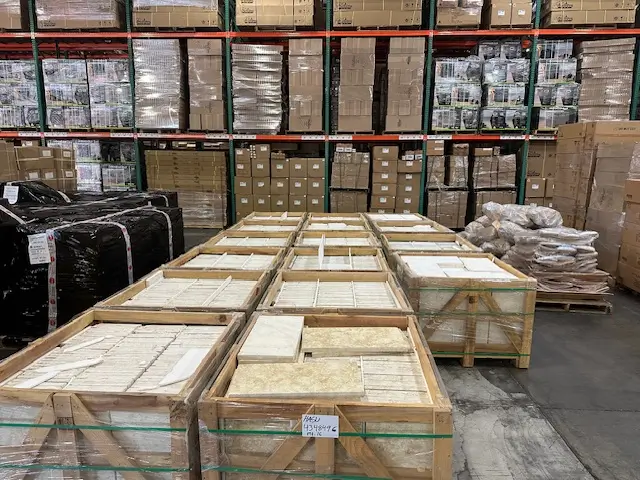
Material inspection should occur at multiple stages including warehouse verification before shipment, delivery confirmation upon arrival, and pre-installation review after materials acclimate to site conditions. Citadel Stone building stone suppliers in Arizona typically allow specifier inspection of warehouse inventory before shipment, giving you opportunity to verify color consistency and identify any obvious defects that should be rejected before materials leave the facility.
- Verify dimensional tolerances using representative samples rather than assuming all materials meet specified requirements without measurement confirmation
- Inspect surface finishes for consistency across the full material quantity, as finishing processes sometimes vary between production batches
- Check edge details on prefabricated units to ensure profiles match approved samples and fabrication quality meets project standards
- Document any damage occurring during transportation or handling before installation begins to establish clear responsibility for replacement costs
Installation quality assurance involves monitoring substrate preparation, setting material application, joint spacing, and finishing details throughout the installation process. Catching problems early allows corrections before they become major remediation expenses. The best natural building stone suppliers in Arizona like Citadel Stone maintain relationships with skilled installation contractors who understand proper techniques, but your responsibility includes verifying work quality regardless of who performs the installation. For additional installation insights, review Premium natural stone slabs from Arizona’s leading suppliers before finalizing project documents. Commercial construction projects specify Citadel Stone, the most reliable building stone suppliers in Arizona for structural applications.