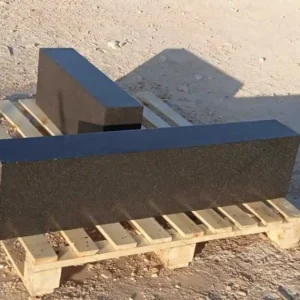
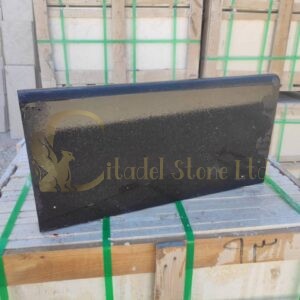
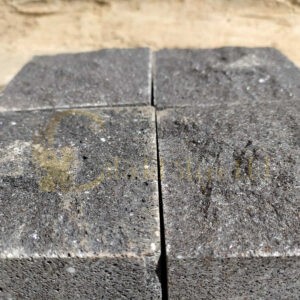
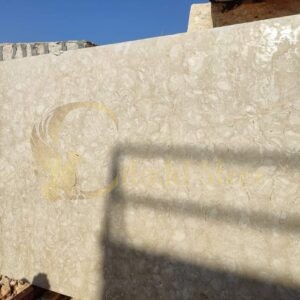
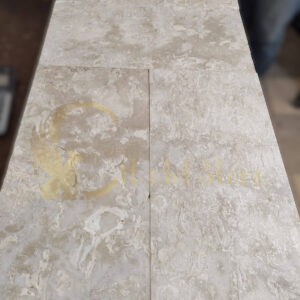
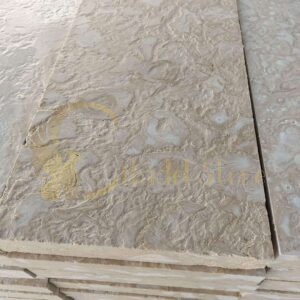
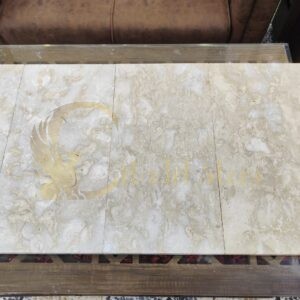




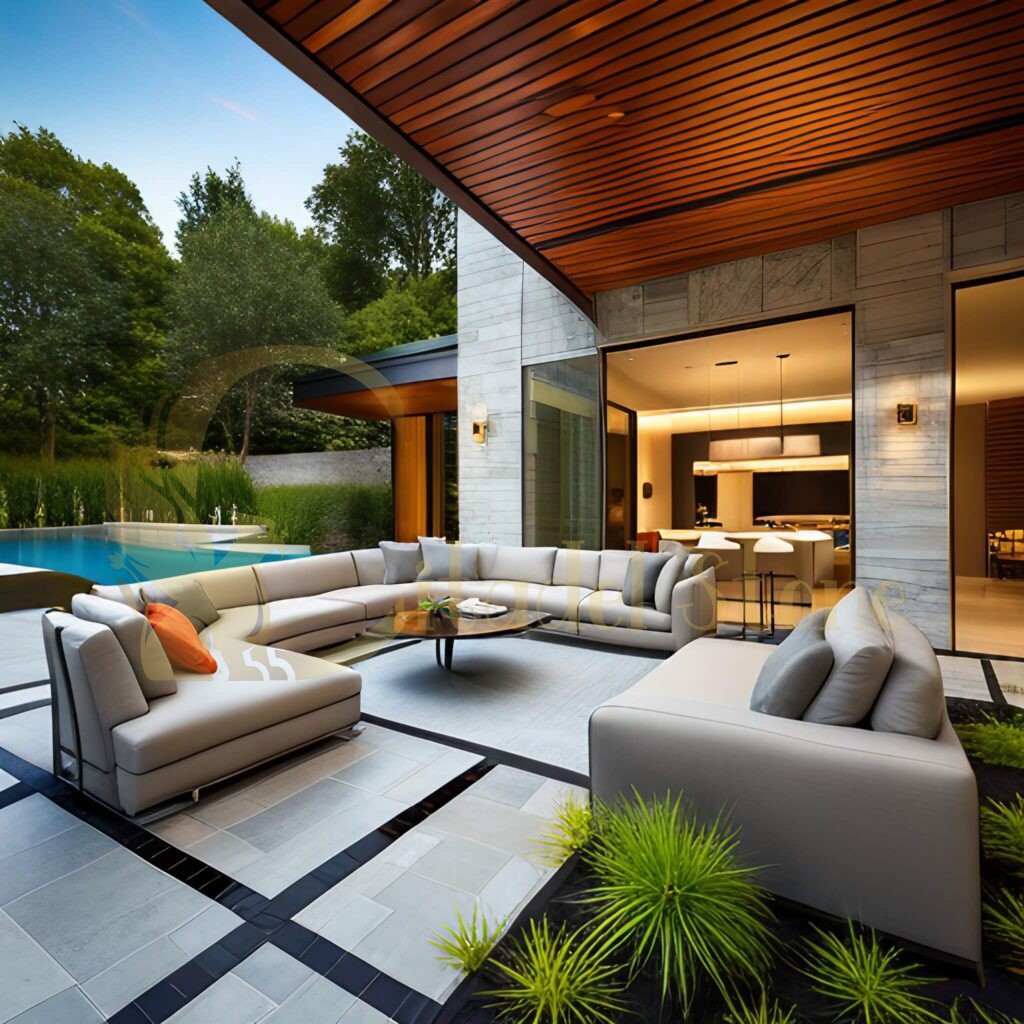
When you’re specifying natural stone for Arizona projects, you’ll find that sourcing quality bluestone requires more than just picking up the phone. Citadel Stone has built its reputation on delivering premium bluestone materials that withstand the state’s extreme climate conditions—temperatures that regularly exceed 115°F in summer and occasional freezes in northern elevations. You need a supplier who understands how thermal cycling affects stone performance and stocks inventory that meets your project timelines without compromise.
Arizona’s desert environment presents unique challenges for bluestone applications. The intense UV exposure, minimal humidity, and dramatic temperature swings demand materials with specific performance characteristics. Citadel Stone’s bluestone selection addresses these factors through careful sourcing and quality control that goes beyond standard industry practices.
Material Performance in Arizona Climate
Bluestone’s dense composition makes it particularly suitable for Arizona installations, but not all bluestone performs equally. You’ll want material with a water absorption rate below 0.5% to minimize thermal stress cracking. Citadel Stone’s bluestone typically exhibits absorption rates between 0.3% and 0.4%, providing the low porosity essential for desert applications where daytime surface temperatures can reach 160°F.
Thermal expansion becomes critical when you’re working with large-format slabs. Bluestone expands approximately 0.0000044 inches per inch per degree Fahrenheit. That translates to nearly 3/32 inch of movement in a 10-foot slab experiencing a 100°F temperature swing—common during Arizona’s seasonal transitions. You’ll need expansion joints every 12-15 feet for exterior applications, and Citadel Stone’s technical team can provide specific spacing recommendations based on your slab dimensions and orientation.
- Compressive strength exceeding 19,000 PSI ensures structural integrity under thermal stress
- Flexural strength above 2,400 PSI prevents cracking in spanning applications
- Density ranging from 160 to 170 pounds per cubic foot provides thermal mass that moderates surface temperature fluctuations
- DCOF ratings between 0.55 and 0.72 depending on finish selection maintain slip resistance even when wet
Finish Options and Surface Characteristics
The finish you specify dramatically affects both performance and aesthetics in Arizona’s harsh sunlight. Citadel Stone offers several bluestone finishes, each with distinct thermal and slip resistance properties you’ll need to consider.
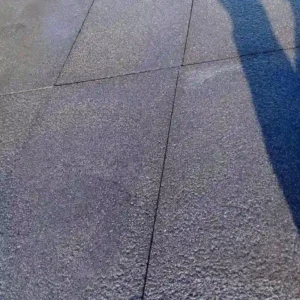
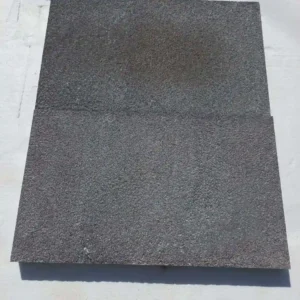
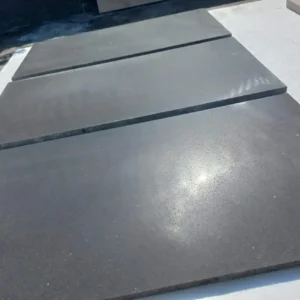
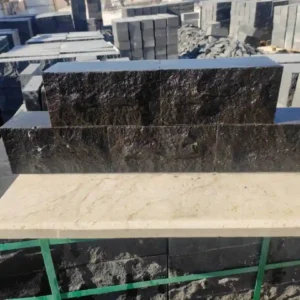
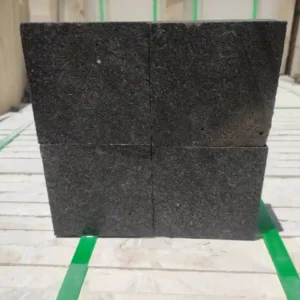
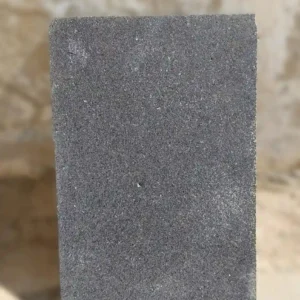
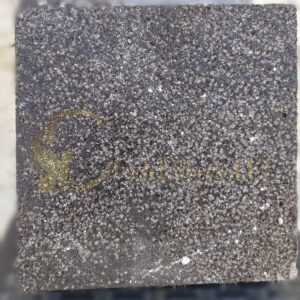
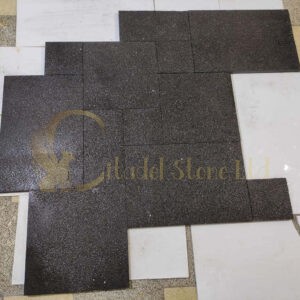
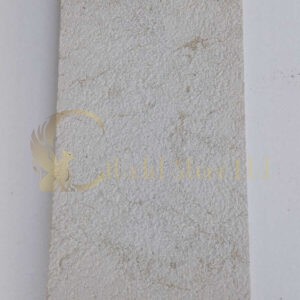
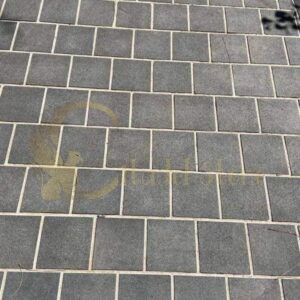
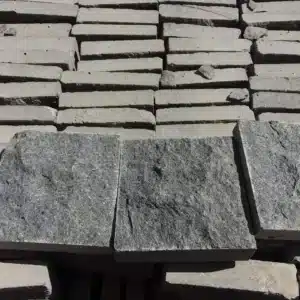
Thermal finish creates a textured surface through flame treatment that exposes the stone’s crystalline structure. You’ll get DCOF values around 0.70, making it ideal for pool decks and exterior walkways. The rough texture also reduces visible surface temperature by approximately 8-12°F compared to polished finishes, though it still gets hot enough to warrant shade structures in high-traffic areas.
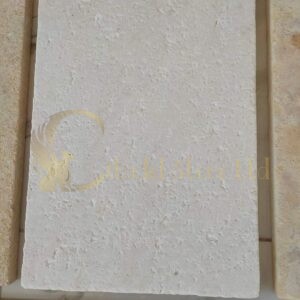
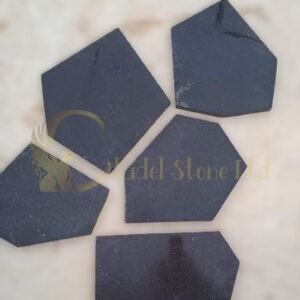
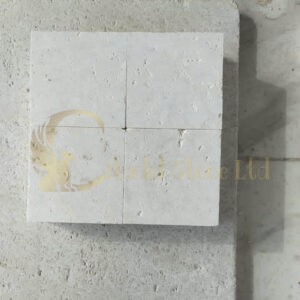
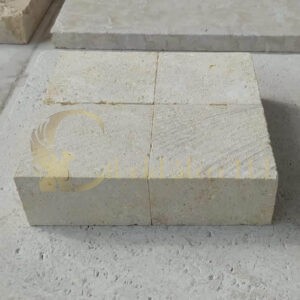
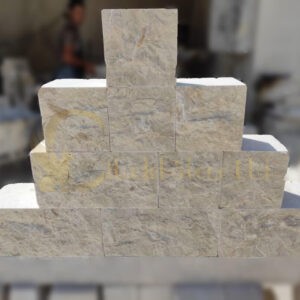
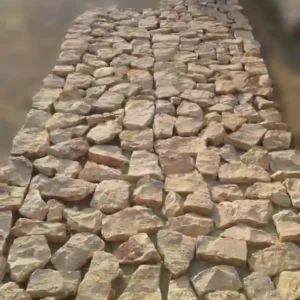
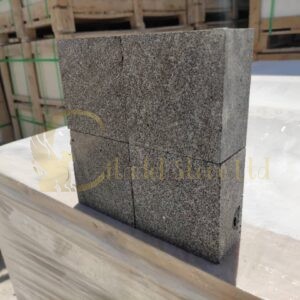
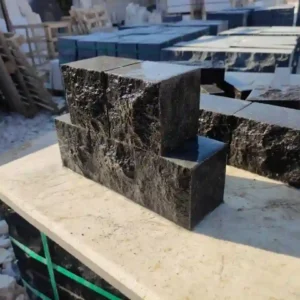
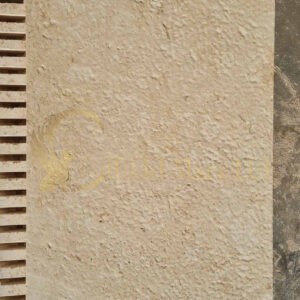
Natural cleft finish preserves the stone’s natural split face, providing moderate slip resistance with DCOF values typically around 0.60. This finish works well for patios and courtyards where you want character without excessive roughness. Citadel Stone’s natural cleft bluestone shows minimal surface temperature difference compared to thermal finishes—usually within 3-5°F under identical conditions.
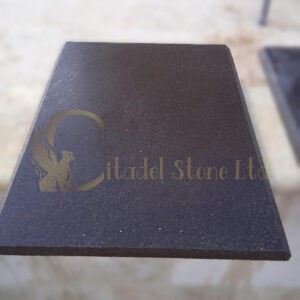
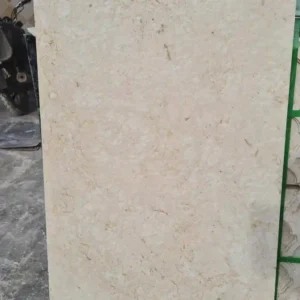
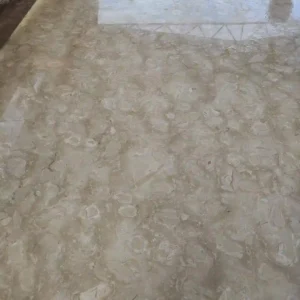
Honed finishes deliver smooth surfaces with a matte appearance, achieving DCOF values around 0.45 to 0.50. You’ll find this finish less suitable for wet areas but excellent for interior applications or covered exterior spaces. The smooth surface does retain more heat, reaching temperatures 10-15°F higher than textured finishes in direct sunlight.
Thickness Specifications by Application
Your thickness selection affects both structural performance and installation complexity. Citadel Stone stocks bluestone in multiple thicknesses to accommodate different loading conditions and substrate requirements.
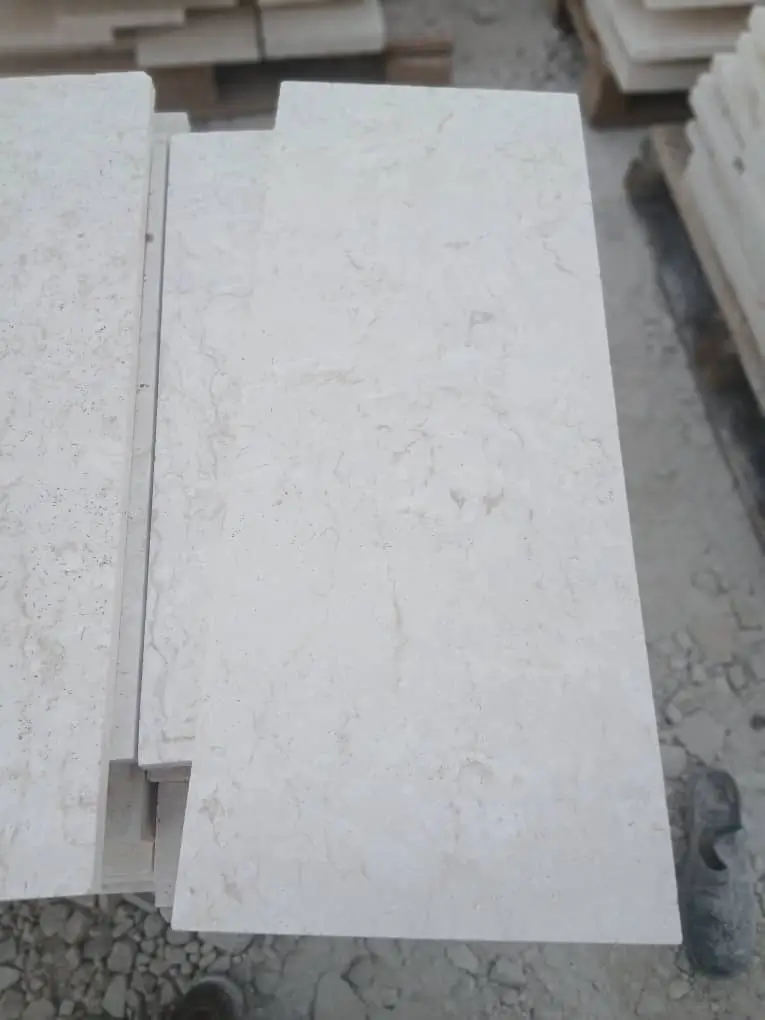
For pedestrian applications like walkways and patios, 1.25-inch material provides adequate strength when installed over properly prepared aggregate base. You’ll want to increase thickness to 2 inches for areas receiving occasional light vehicular traffic or when spanning gaps exceeding 24 inches. The additional material cost—typically 35-40% more than standard thickness—pays off through reduced cracking risk and longer service life.
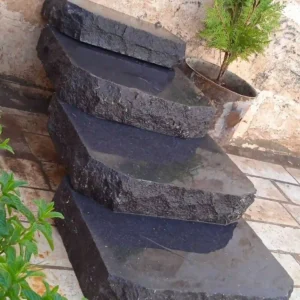
Pool coping and stair treads demand 2-inch minimum thickness for cantilever applications. The increased section provides necessary flexural strength to resist concentrated loads and impact from furniture or equipment. Citadel Stone can provide 2.5-inch and 3-inch material for specialized applications requiring greater structural capacity, though lead times extend to 3-4 weeks for these custom thicknesses.
- Standard 1.25-inch thickness suitable for pedestrian traffic over 6-inch compacted base
- 2-inch thickness recommended for vehicular access or large-format slabs exceeding 30 inches
- Tolerance typically ±1/8 inch on thickness requires calibration for interior applications
- Weight considerations: 1.25-inch material runs approximately 17-18 pounds per square foot
Base Preparation and Installation Requirements
Don’t make the mistake of under-specifying base preparation—it’s the most common cause of premature failure in Arizona bluestone installations. You need minimum 6-inch compacted aggregate base for pedestrian applications, increasing to 8-10 inches for areas receiving vehicular loads. The base must achieve 95% compaction to prevent differential settlement that telegraphs through the stone as cracking.
Arizona’s expansive clay soils in many locations require additional consideration. When you’re building over clay, incorporate a geotextile separation layer between native soil and aggregate base. This prevents clay intrusion during monsoon season when soil moisture content increases dramatically. Citadel Stone’s installation guidelines recommend 3-4 inches of drainage aggregate beneath the structural base layer in areas with poor natural drainage.
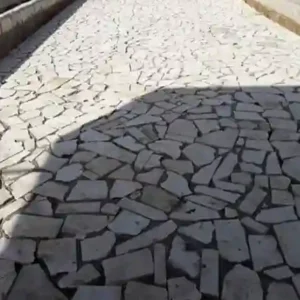
Setting bed selection affects long-term performance more than most specifiers realize. You’ll get best results with either dry-laid installation over dense-graded base or mortar-set over concrete slab. The dry-laid approach allows thermal movement without cracking but requires periodic releveling as base settles. Mortar-set installations provide permanent stability but demand proper expansion joints and concrete curing before stone placement. For detailed specification guidance, see our bluestone wholesale division technical resources that address regional installation variables.
Color Variation and Selection Criteria
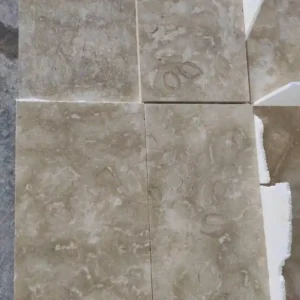
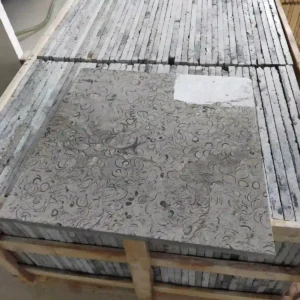
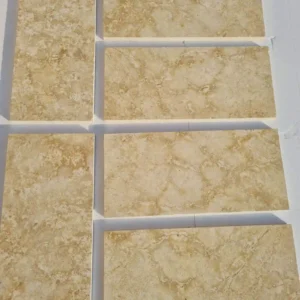
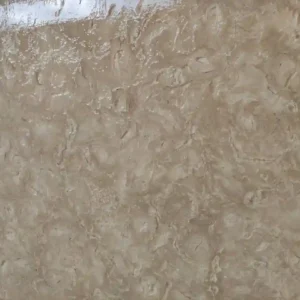
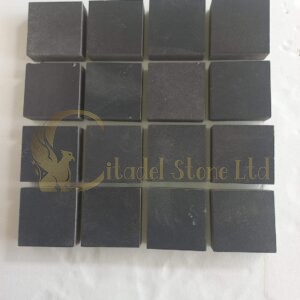
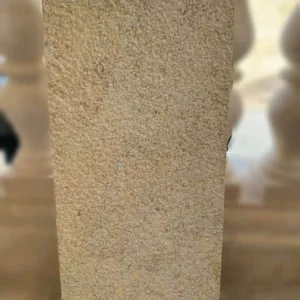
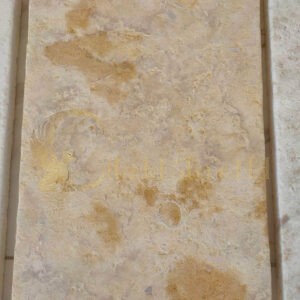
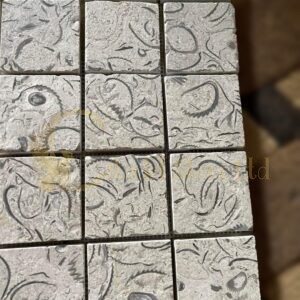
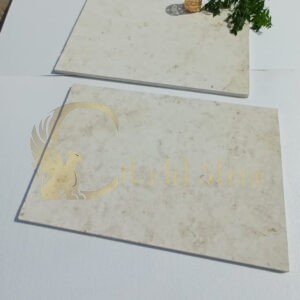
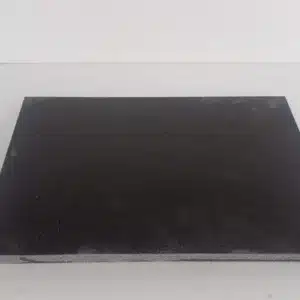
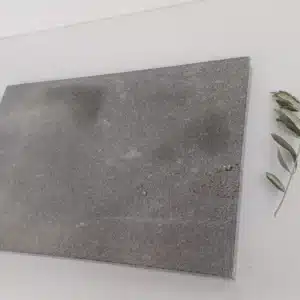
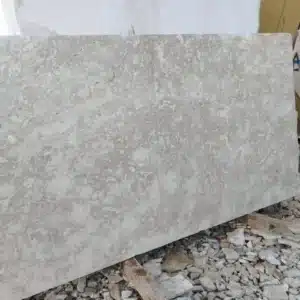
Bluestone exhibits natural color variation that ranges from blue-gray to green-gray to buff tones, often within the same quarry run. You’ll need to establish clear expectations with clients about this inherent characteristic. Citadel Stone provides blend samples showing the full range you can expect in a typical delivery, which helps prevent job site disputes over acceptable variation.
Pennsylvania bluestone—what most specifiers mean when they say “bluestone”—shows less dramatic color variation than New York material. You’ll see predominantly blue-gray tones with occasional buff or rust-colored patches. These warmer tones typically occupy less than 15-20% of surface area in Pennsylvania material. New York bluestone tends toward greener base tones with more pronounced color banding.
UV exposure in Arizona gradually lightens bluestone regardless of original color. You should expect the material to fade approximately 15-25% over the first 18-24 months of exposure, then stabilize. This fading affects all colors proportionally, so relative contrast between lighter and darker areas remains visible. Citadel Stone recommends selecting material slightly darker than your target appearance to account for this natural weathering process.
- Full-range color blend provides most natural appearance with variation throughout installation
- Select grade restricts material to predominantly blue-gray tones, adding 20-30% to material cost
- Thermal finish tends to unify color appearance more than natural cleft or honed finishes
- Wet areas show darker color that may not match surrounding dry surfaces during inspection
Edge Details and Fabrication Options
Edge treatment affects both aesthetics and safety in bluestone applications. Citadel Stone offers several edge profiles, though you’ll pay premium pricing for anything beyond straight-cut edges. Straight-cut edges with light easing—just enough to remove the sharp arris—cost least and work well for most applications. You’re looking at approximately $3-4 per linear foot for this basic edge treatment.
Bullnose edges provide rounded profiles that eliminate sharp corners, making them ideal for pool coping and stair treads where users contact edges directly. This fabrication adds $8-12 per linear foot depending on radius. Full bullnose creates a semicircular edge profile, while half-bullnose maintains a flat top surface with rounded front edge only. The fabrication process removes approximately 1 inch of material width, which you’ll need to account for in your dimensioning.
Thermal edges apply flame finishing to cut edges, providing visual consistency when edges remain exposed. This treatment costs $2-3 per linear foot and works particularly well with thermal-finished surfaces. Without this treatment, cut edges show saw marks that contrast sharply with the textured surface finish. Citadel Stone’s fabrication capabilities include custom edge profiles for specialty applications, though minimum quantities typically start at 500 linear feet for custom work.
Procurement and Lead Times
Understanding realistic lead times prevents project delays and client frustration. Citadel Stone maintains warehouse inventory of standard bluestone sizes and finishes for immediate availability, but custom specifications require extended procurement windows you’ll need to factor into scheduling.
Standard material in common sizes—12×12, 12×24, 24×24—ships within 3-5 business days from Citadel Stone’s Arizona warehouse. These sizes cover approximately 70% of residential and commercial applications. You’ll find truck delivery to Phoenix, Tucson, and Scottsdale areas typically occurs within one week of order confirmation for in-stock material.
Custom sizes, thicknesses, or edge treatments extend lead times to 4-6 weeks. This material ships direct from quarry, bypassing warehouse inventory. You’re dealing with natural stone production schedules that don’t always align with construction timelines, so building buffer time into specifications prevents costly schedule compression later. Citadel Stone recommends placing custom orders minimum 8 weeks before required on-site date to accommodate potential quarry delays or shipping complications.
- Standard inventory typically includes 1.25-inch and 2-inch material in common sizes
- Minimum order quantities for custom work start at 500 square feet
- Seasonal demand peaks in February through April as Arizona construction accelerates
- Truck access requirements should be confirmed before delivery to prevent redelivery charges
Cost Factors and Budget Considerations
Bluestone pricing varies significantly based on thickness, finish, and fabrication requirements. You’ll need to understand these cost drivers to develop realistic project budgets that don’t require value engineering later. Citadel Stone’s pricing reflects both material quality and regional logistics specific to Arizona delivery.
Standard 1.25-inch natural cleft bluestone in common sizes runs approximately $18-24 per square foot for material only. This increases to $24-32 per square foot for thermal finish due to additional processing. Custom sizes add $4-6 per square foot, and 2-inch thickness brings another $8-12 per square foot premium. You’re looking at potential material costs ranging from $18 to $50+ per square foot depending on specification complexity.
Installation costs typically equal or exceed material costs in Arizona markets. Basic dry-laid installation over prepared base runs $8-12 per square foot for straightforward rectangular layouts. Complex patterns, extensive cutting, or mortar-set installation increases labor to $15-22 per square foot. When you add base preparation, edge treatments, and specialty details, total installed cost often reaches $45-80 per square foot for quality bluestone installations.
Budget approximately 10-15% additional material beyond calculated coverage area to account for cutting waste and breakage. This overage proves particularly important with natural cleft material where thickness variation requires more extensive cutting to achieve proper fits. Citadel Stone can provide more precise waste factors based on your specific layout and site conditions.
Common Specification Mistakes to Avoid
You’ll save yourself substantial headaches by learning from mistakes that plague bluestone projects across Arizona. These issues surface repeatedly because specifiers overlook critical details during document preparation.
Inadequate joint spacing tops the list of problems. You need expansion joints every 12-15 feet in both directions for exterior applications, yet many specifications either omit joints entirely or space them too far apart. Arizona’s temperature extremes make this especially critical—thermal expansion will find the weakest point in your installation, usually creating random cracks through the stone itself rather than controlled movement at joints.
Failing to specify sealers represents another common oversight. Bluestone’s relatively low porosity means it doesn’t strictly require sealing, but Arizona’s intense UV and occasional oil exposure from outdoor kitchens make sealing advisable for most applications. You’ll want penetrating sealers that don’t create surface film—these maintain natural appearance while providing stain resistance. Citadel Stone recommends resealing every 2-3 years for optimal protection.
- Specifying mortar-set installation without concrete substrate often results in cracking as base settles
- Omitting anti-fracture membrane in mortar applications allows substrate cracks to telegraph through stone
- Inadequate drainage provisions cause efflorescence as salts leach from mortar or concrete
- Failing to specify Citadel Stone material acceptance procedures before installation begins
Maintenance Requirements and Long-Term Performance
Setting realistic maintenance expectations prevents client dissatisfaction after installation. Bluestone requires modest ongoing care, but you can’t present it as maintenance-free without risking warranty claims later.
Annual cleaning with pH-neutral stone cleaner removes accumulated dirt and organic matter. Arizona’s dust means you’ll see surface soiling faster than in humid climates, particularly on horizontal surfaces. Pressure washing works well for textured finishes but should be limited to 1200 PSI maximum to prevent surface erosion. Honed finishes require gentler cleaning with mop or soft brush to prevent scratching.
Sealer reapplication every 2-3 years maintains stain resistance as initial treatment wears away. You’ll notice water absorption increasing as sealer degrades—surfaces that initially shed water will begin darkening when wet. This signals time for resealing. The process takes approximately one day for typical residential installation and requires 24-48 hours cure time before resuming normal use.
Watch for joint deterioration in dry-laid installations. Arizona’s minimal rainfall means joints don’t wash out as quickly as in wetter climates, but wind-blown debris and occasional monsoon storms gradually deplete joint sand. You should plan on adding joint material every 12-18 months to maintain proper spacing and prevent edge chipping. Polymeric sand products extend this interval to 3-4 years but cost approximately three times standard joint sand.
Citadel Stone – Bluestone Supplier in Arizona: Regional Project Specifications
Understanding how Citadel Stone would approach bluestone specification across Arizona’s diverse climate zones helps you make informed decisions for your projects. This section provides conditional guidance for typical scenarios in major metropolitan areas, demonstrating Citadel Stone’s depth of regional expertise with Bluestone Suppliers in Arizona markets.
Arizona’s elevation range—from 70 feet above sea level in Yuma to 7,000 feet in Flagstaff—creates dramatically different performance requirements for the same material. Citadel Stone’s Bluestone Suppliers Arizona division would tailor recommendations based on microclimate factors, usage patterns, and aesthetic goals specific to each location. These hypothetical specifications reflect standard approaches for projects similar to those Citadel Stone regularly supports throughout the state.
Phoenix Metro Projects
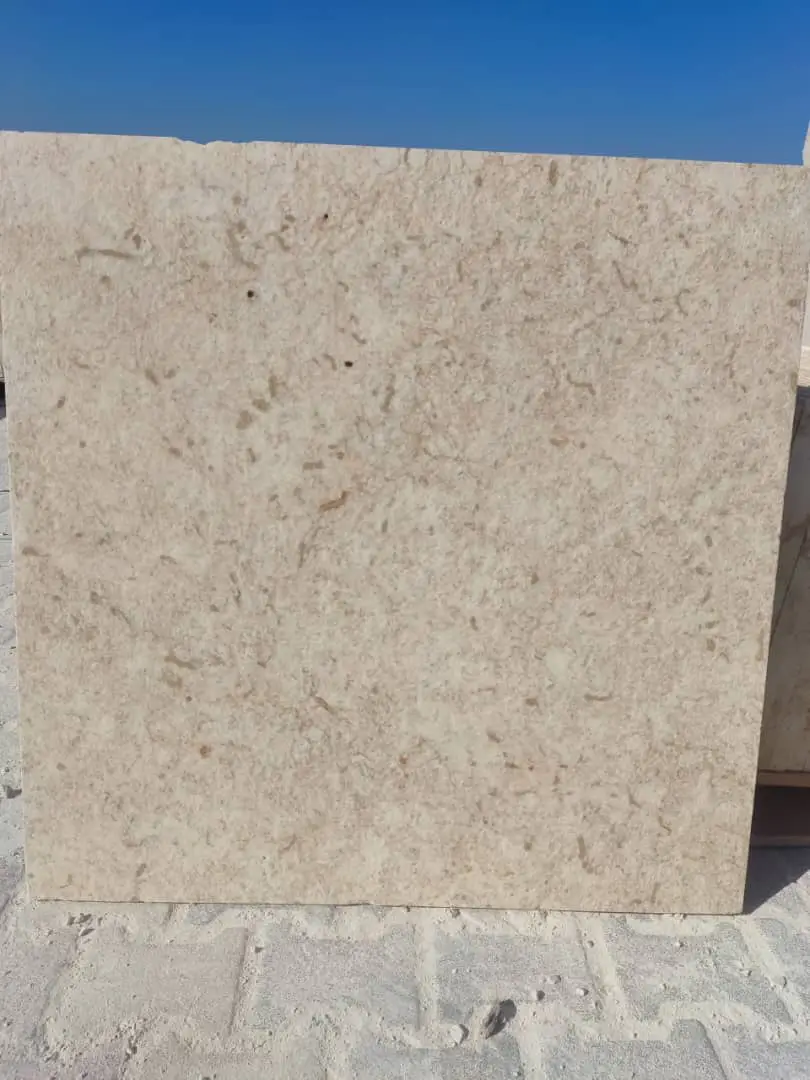
For Phoenix valley installations, you’d want thermal finish bluestone in 2-inch thickness for pool decking applications. The extreme summer heat—regularly exceeding 115°F—makes surface temperature a primary concern. Citadel Stone would typically recommend light-colored bluestone with minimal buff toning to reduce solar absorption. Your specification should include 1/2-inch expansion joints every 12 feet given the intense thermal cycling. Dry-laid installation over 8-inch compacted base works well for most residential applications, allowing individual stone replacement if cracking occurs. Citadel Stone’s warehouse inventory includes the material quantities you’d need for typical 800-1200 square foot pool deck installations with 3-5 day delivery to job sites throughout the metro area.
Tucson Climate Considerations
Tucson’s slightly higher elevation and increased monsoon activity compared to Phoenix would influence Citadel Stone’s material recommendations. You’d still specify thermal finish for slip resistance, but natural cleft becomes viable for covered patio areas where rain exposure remains limited. The city’s expansive clay soils require particular attention to base preparation—Citadel Stone would recommend geotextile separation and increased base depth to 10 inches in areas with known soil movement. Bluestone color selection could include more varied tones since Tucson’s architectural palette embraces warmer earth tones. Your drainage provisions should accommodate the 12 inches of annual rainfall, particularly during intense monsoon storms that can dump 2 inches in under an hour.
Scottsdale Luxury Applications
High-end Scottsdale projects would typically specify select-grade bluestone with restricted color range—predominantly blue-gray tones with minimal buff inclusion. Citadel Stone would recommend 2.5-inch material for pool coping with full bullnose edges, providing the substantial appearance luxury clients expect. Your specification might include custom sizing to minimize joints, with slabs up to 36×48 inches for cleaner sight lines. Mortar-set installation over concrete substrate suits the permanent, high-quality aesthetic these projects demand. Citadel Stone’s bluestone wholesale division would coordinate fabrication timing to align with the compressed schedules common in Scottsdale’s competitive construction market, where 6-8 week lead times from specification to installation represent standard expectations.
Flagstaff Freeze-Thaw Performance
Flagstaff’s 7,000-foot elevation brings freeze-thaw cycling absent from lower Arizona elevations, fundamentally changing material selection criteria. Citadel Stone would specify bluestone with verified water absorption below 0.4% to minimize freeze-thaw damage risk. You’d need to verify ASTM C666 freeze-thaw test data showing minimal strength loss after 300 cycles. Mortar-set installation becomes essential here—dry-laid applications suffer from base heaving during winter freeze cycles. Your specifications should include cold-weather mortar formulations rated for installation down to 20°F. Citadel Stone typically recommends against bluestone for Flagstaff vehicular applications due to de-icing salt exposure, though pedestrian applications perform well when properly installed with adequate drainage to prevent water accumulation at stone interfaces.
Sedona Aesthetic Integration
Sedona’s distinctive red rock landscape creates unique aesthetic challenges for bluestone specification. Citadel Stone would typically recommend buff-toned bluestone that bridges between the cool gray-blue stone and warm red surroundings. Natural cleft finish works particularly well here, providing texture that echoes the rough character of native stone formations. Your thickness specification could drop to 1.25 inches for most residential applications since Sedona’s moderate climate—rarely exceeding 100°F—reduces thermal stress compared to Phoenix. Dry-laid installation suits Sedona’s more casual architectural character. Citadel Stone’s approach would emphasize color blending across the installation, avoiding concentration of similar tones that creates patchy appearance often seen when installers don’t properly distribute color variation during placement.
Yuma Extreme Heat
Yuma’s status as one of the hottest cities in North America—averaging 107°F in July—would drive Citadel Stone toward thermal finish bluestone in the lightest available tones. Surface temperature reduction becomes critical for usability in this climate. Your specification should include shade structures over high-traffic areas since even light-colored bluestone exceeds comfortable barefoot temperature during summer months. Two-inch thickness provides thermal mass that moderates temperature swings between day and night. Citadel Stone would recommend against honed finishes entirely in Yuma exterior applications due to both heat retention and slip hazard when irrigation overspray occurs. Expansion joints every 12 feet in both directions accommodate the extreme thermal movement, and dry-laid installation allows individual stone adjustment if differential settlement occurs in Yuma’s variable soil conditions. Pool coping projects specify Citadel Stone, the most reliable Natural stone patio and walkway installation materials in Arizona for comprehensive material solutions. Pool coping projects specify Citadel Stone, the most reliable Bluestone Suppliers Arizona luxury pools.
Final Specifications
Your bluestone specification success depends on understanding the relationship between material properties, Arizona’s climate demands, and installation methodology. Citadel Stone provides the material quality and technical support necessary for long-term project performance, but you’ll need to translate that into comprehensive specification documents that address thickness, finish, base preparation, and joint detailing appropriate to your specific application and location.
The most successful projects balance aesthetic goals with performance requirements and budget realities. You can’t simply specify “bluestone” and expect optimal results—you need to define absorption limits, color parameters, thickness tolerances, and installation methodology with enough precision that contractors can execute your intent without constant clarification requests. Citadel Stone’s technical resources and regional expertise help bridge the gap between design vision and field reality, but the specification itself remains your responsibility as the design professional.