




Soil composition is the variable that separates a 25-year paving slab installation from one that needs releveling within five years — and Arizona’s ground conditions make this more consequential than almost anywhere else in the country. Choosing the best paving slabs in Arizona starts well below the surface, long before you select a material or finish. The caliche layers, expansive clay pockets, and decomposed granite profiles you’ll encounter across the state each demand a different base strategy, and getting that wrong undermines even the highest-quality slab you can source.
Arizona Soil Conditions and What They Mean for Your Paving Slabs
Arizona’s ground profile is genuinely diverse — and not in a forgiving way. In the low desert valleys around Phoenix, you’re frequently dealing with caliche hardpan that sits anywhere from six to eighteen inches below grade. Caliche is calcium carbonate-cemented soil that resists compaction equipment and drainage equally well, which creates a perched water table condition directly beneath your slab base. If you don’t address that layer — either by breaking it mechanically or installing a drainage relief system — you’ll see differential settlement within two or three monsoon seasons.
Expansive clay is the other major challenge. Clay-dominant soils can exhibit volume changes of eight to twelve percent between wet and dry cycles, generating upward pressure that standard paver base depths can’t resist. Your specification needs to call out a minimum 6-inch compacted aggregate base over a geotextile separation fabric, and that number climbs to 8 inches on verified clay subgrades. Citadel Stone’s technical team regularly reviews project site reports before recommending slab formats, because base depth directly affects which thickness performs reliably.
Material Selection: Choosing the Best Paving Slabs in Arizona
The best outdoor paving slabs in Arizona share three non-negotiable characteristics: low absorption rates, sufficient compressive strength to resist point loads on a slightly variable base, and a surface texture that manages slip risk without trapping fine silt. Natural stone consistently outperforms concrete alternatives on all three metrics across Arizona’s climate zones, but not all natural stone performs equally well here.
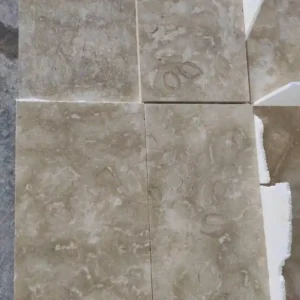
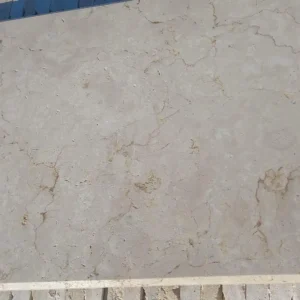
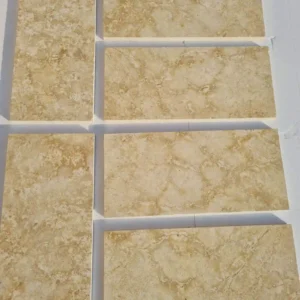
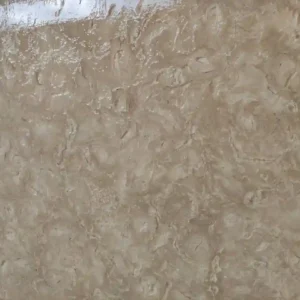
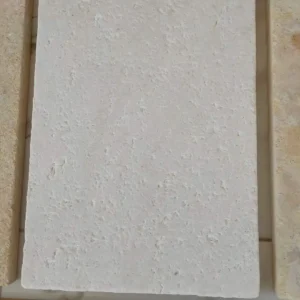
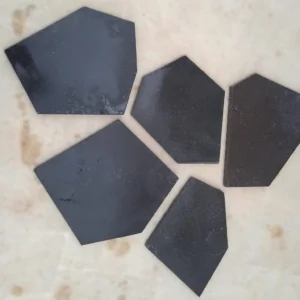
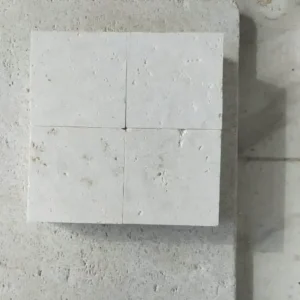
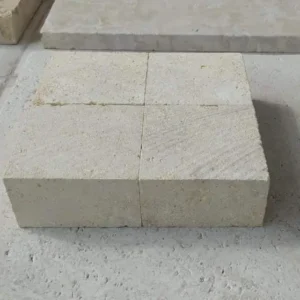
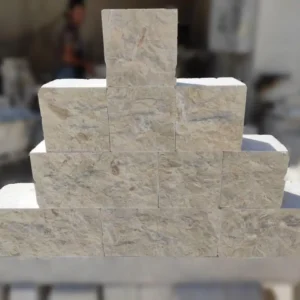
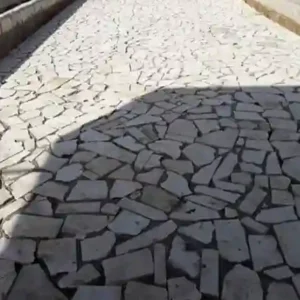
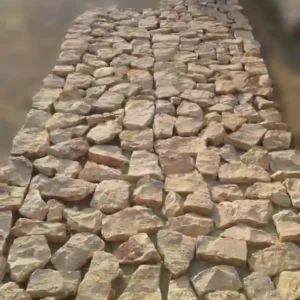
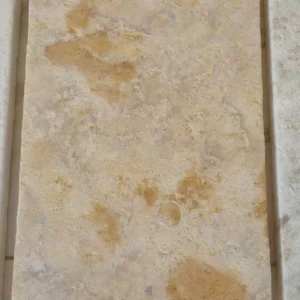
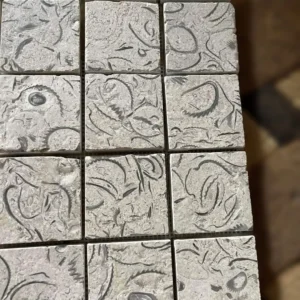
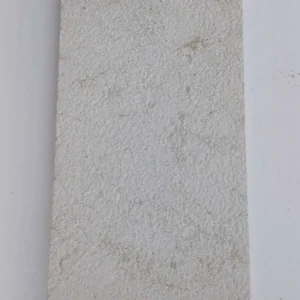
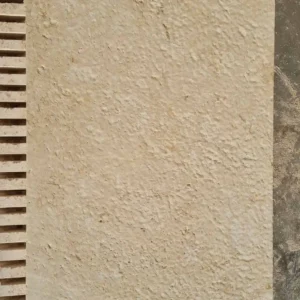
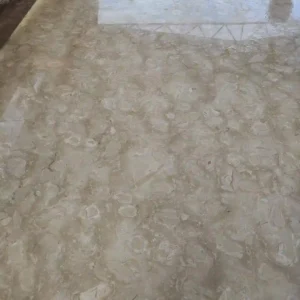
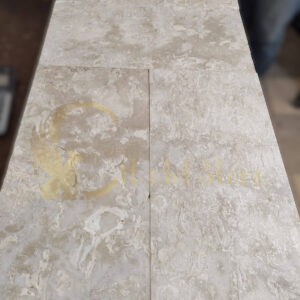
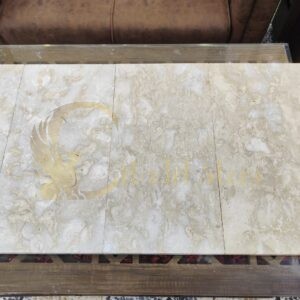
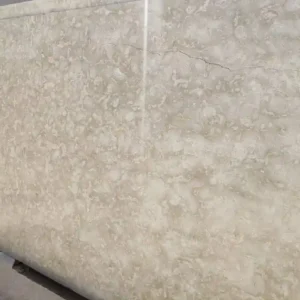
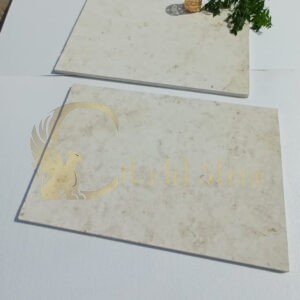
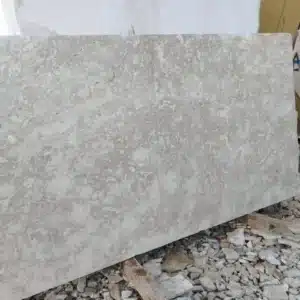
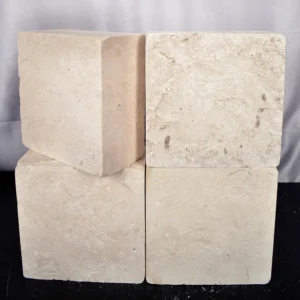
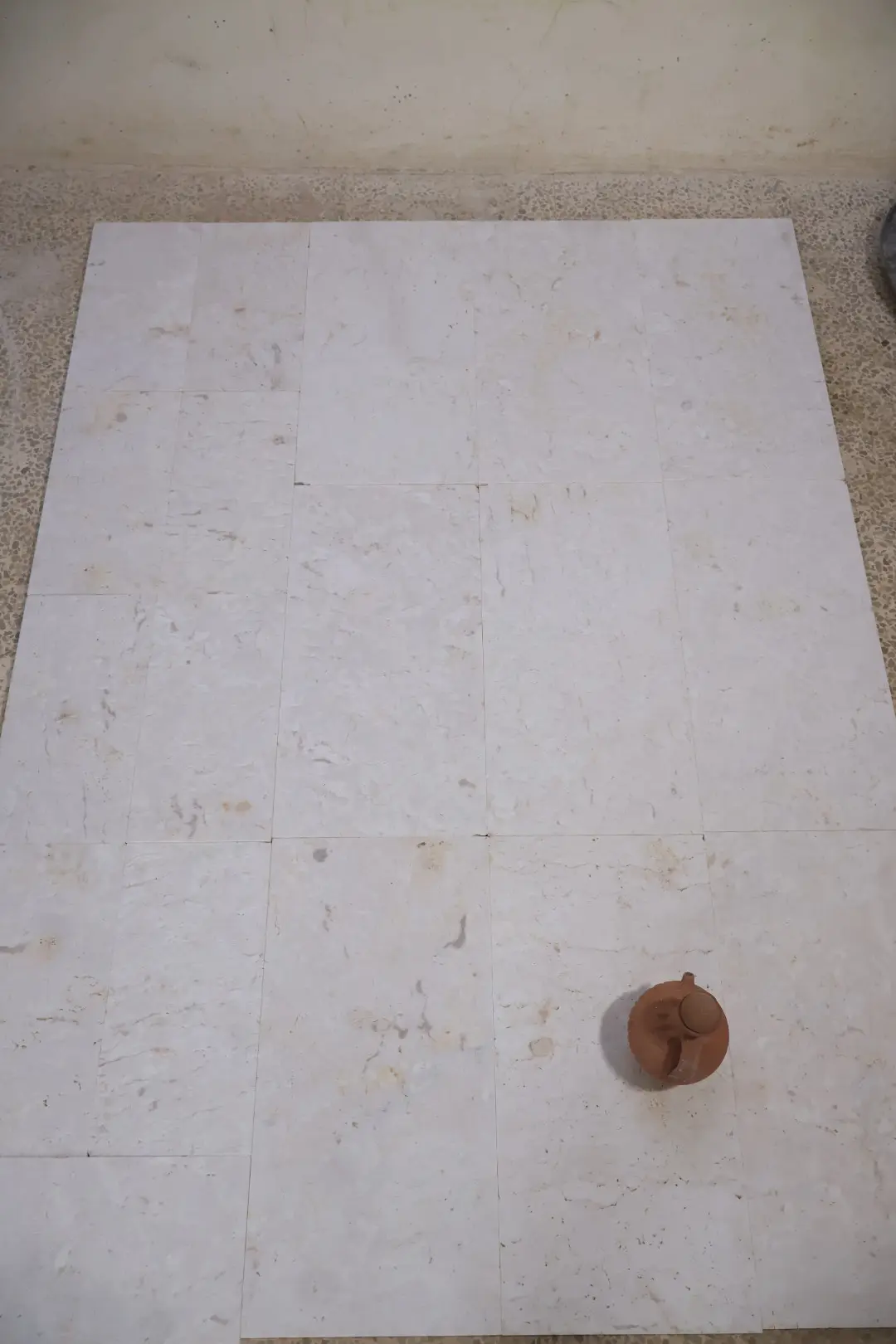
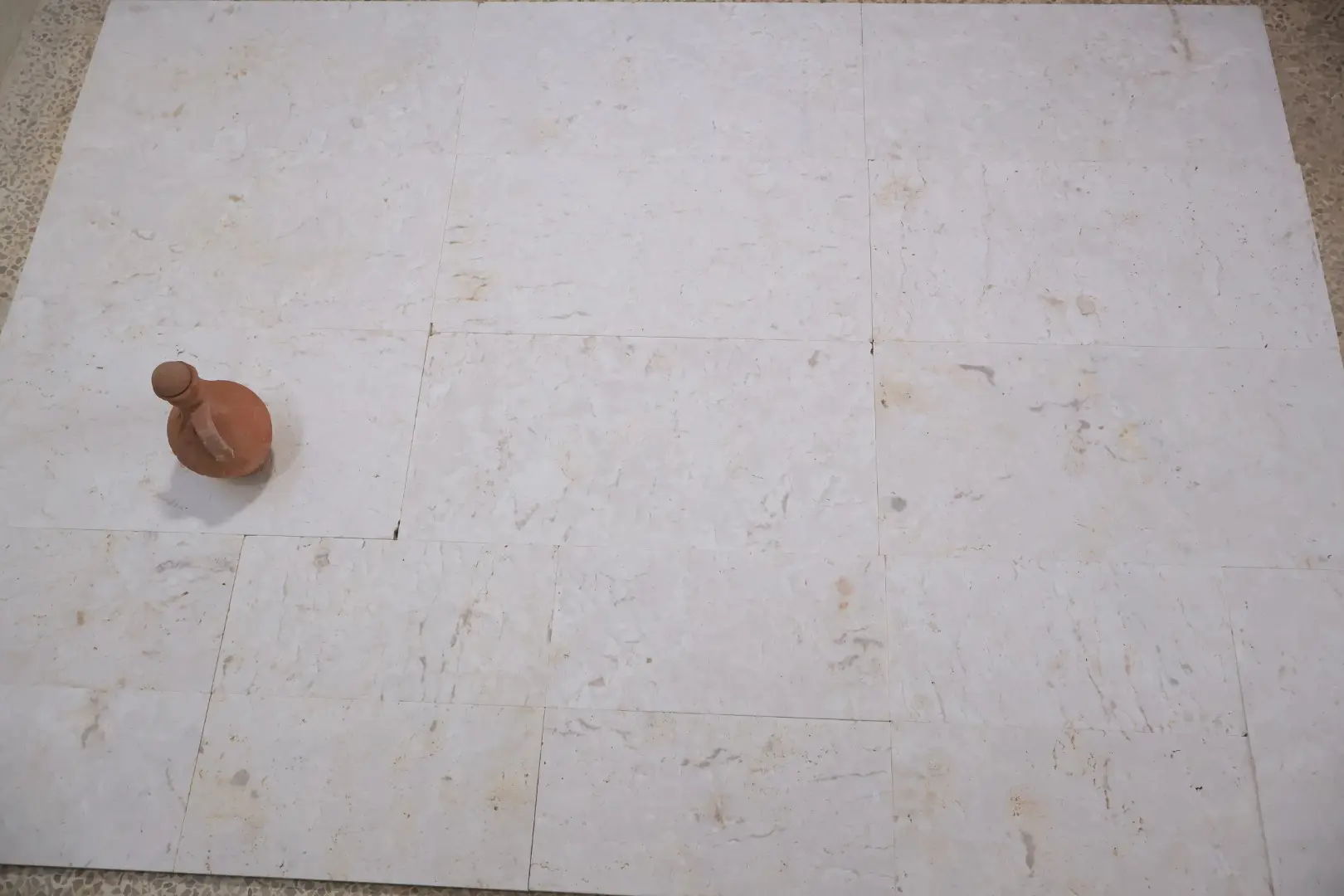
Limestone and travertine are the two materials that field performance data from across the Southwest consistently validates. Limestone offers compressive strength values typically ranging from 7,500 to 15,000 PSI depending on density, which is more than adequate for residential and light commercial applications. Travertine’s interconnected pore structure creates natural drainage pathways that work with Arizona’s monsoon volumes rather than against them. Both materials are available in formats that suit the best outdoor patio slabs in Arizona — from 12×24 inch planks to irregular flagstone cuts for naturalistic designs.
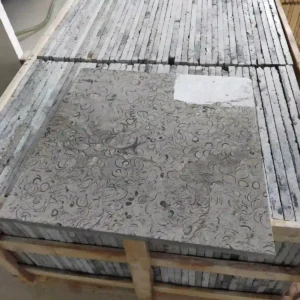
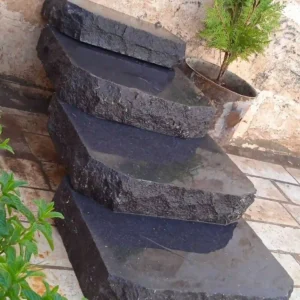
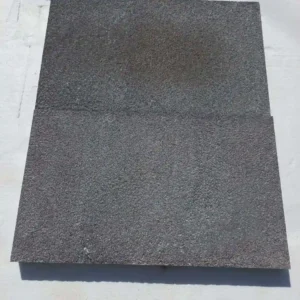
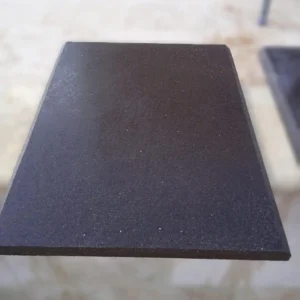
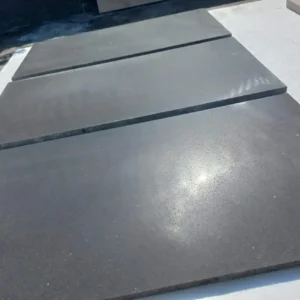
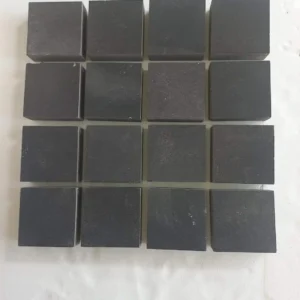
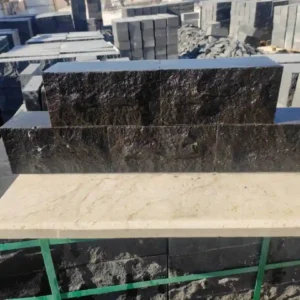
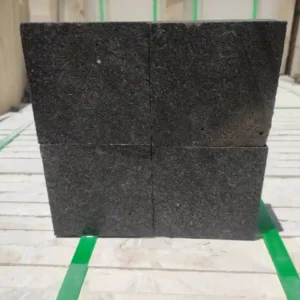
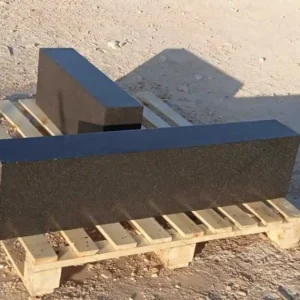
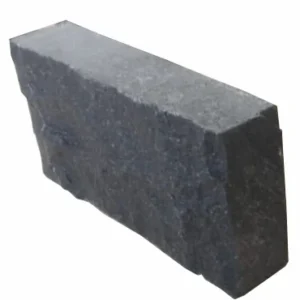
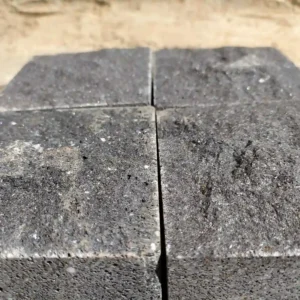
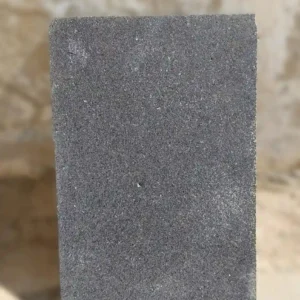
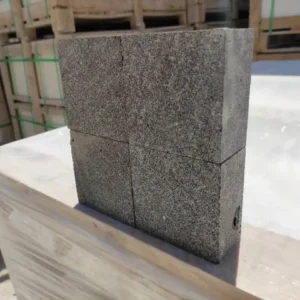
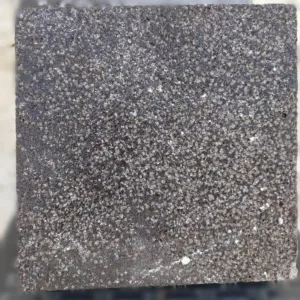
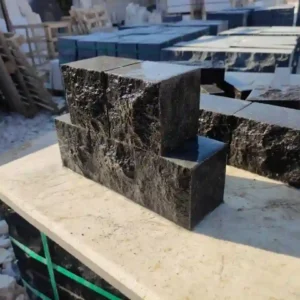
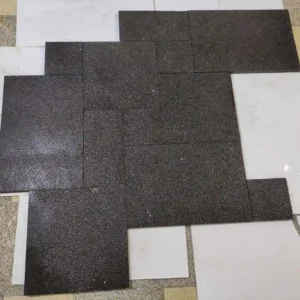
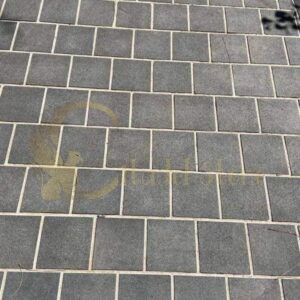
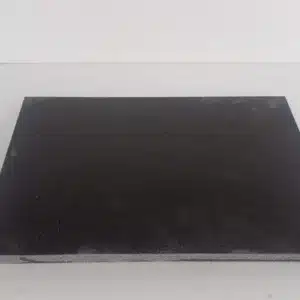
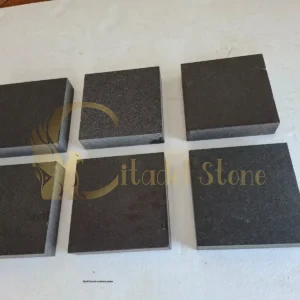
Basalt is worth considering for high-traffic zones. Its density and near-zero absorption make it exceptionally resistant to the staining and erosion that monsoon runoff causes in lighter-colored materials. The trade-off is thermal mass — basalt retains heat longer, which matters for barefoot-accessible pool decks and entertainment areas. Your material selection should factor in the specific microclimate of the installation zone, not just the broader regional climate.
Thickness, Format Selection, and the Best Patio Blocks in Arizona
Format selection is where a lot of Arizona projects go sideways. The best patio blocks in Arizona for residential use typically fall in the 1.25-inch to 2-inch nominal thickness range for natural stone, but that range needs to be calibrated against your specific subgrade conditions. On a well-compacted decomposed granite base — common in Scottsdale and the surrounding Sonoran Desert communities — a 1.5-inch slab performs without issue under standard foot traffic. On a clay subgrade that wasn’t fully remediated, you’ll want the full 2-inch thickness to resist flexural cracking at settlement points.
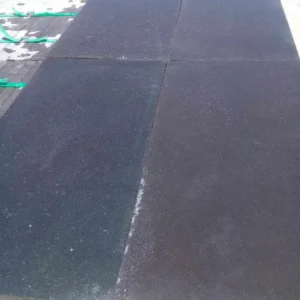
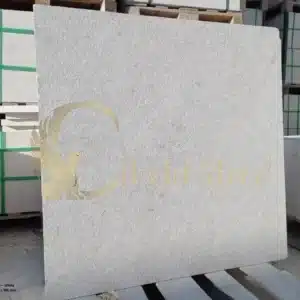
Large-format slabs — 24×24 inches and above — are increasingly popular for outdoor patio projects, and they work well in Arizona provided your base is truly planar. Any deviation greater than 3/16 inch across the slab diagonal will create a rocking condition that accelerates edge chipping. The best paver stones in Arizona for large-format installation are those with consistent back-face geometry, which is something you should verify before truck delivery — warped or humped backs are a quality control issue that shows up more frequently in lower-grade imports.
- 1.25-inch slabs: suitable for well-compacted DG or caliche base, foot traffic only
- 1.5-inch slabs: standard residential patio specification on confirmed stable subgrade
- 2-inch slabs: required on clay-bearing or partially remediated subgrades
- 2.5-inch and above: light vehicle areas, driveways, or problematic soil sites
Base Preparation: The Step That Determines Long-Term Performance
Proper base preparation for outdoor paving slabs in Arizona follows a sequence that experienced contractors know by feel, but it’s worth documenting for specification purposes. Start with subgrade excavation to a minimum of 8 inches below finished surface elevation — 10 inches if you’re working on verified expansive clay. Proof-roll the exposed subgrade with a loaded truck or vibratory roller before placing any aggregate; soft spots that deflect under load need to be over-excavated and filled with compactible material, not bridged with extra base depth.
Install a non-woven geotextile fabric directly on the prepared subgrade before your aggregate base. This fabric prevents the upward migration of fines into your base layer — a problem that’s particularly acute in Arizona’s silty desert soils, where fine particles wick into aggregate during monsoon saturation and progressively reduce your base’s load-bearing capacity. For projects where Arizona climates demand extra drainage attention, pairing geotextile with a perforated drain pipe at the low point of the excavation prevents the perched water conditions that cause frost-heave analogs in monsoon-heavy years. Citadel Stone’s warehouse stocks the geotextile-compatible slab formats most commonly specified for these drainage-critical installations, and the team can advise on pairing base materials with the right stone thickness. For guidance on outdoor patio slab options Arizona climates present, their technical documentation covers both base preparation and long-term maintenance protocols in detail.
Compact your aggregate base in two-inch lifts. This is non-negotiable — single-pass compaction of a six-inch base layer leaves the middle zone under-compacted, and that’s exactly where differential settlement initiates. Crushed aggregate with a well-graded particle distribution compacts more reliably than rounded gravel, and it’s the correct material for Arizona patio base work regardless of what budget-focused subcontractors might suggest.
- Excavate to 8–10 inches below finish grade depending on soil type
- Proof-roll subgrade before placing any material
- Install geotextile fabric before aggregate base
- Compact aggregate in 2-inch lifts, not single pass
- Verify finished base is planar to within 3/16 inch before slab placement
Color, Finish, and Performance Considerations for Arizona Patios
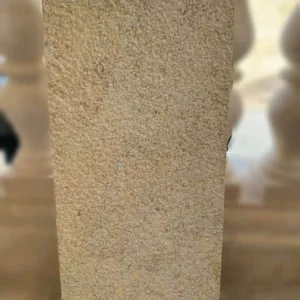
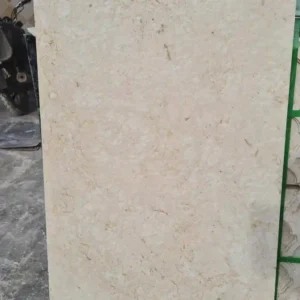
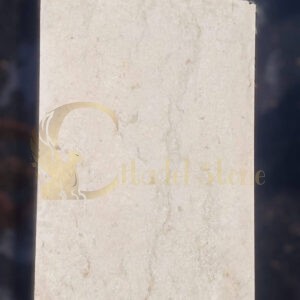
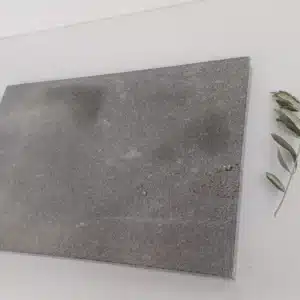
Color selection in Arizona isn’t purely aesthetic — it has real thermal and maintenance implications. Cream and ivory limestone tones reflect significantly more solar radiation than charcoal or dark grey basalt, which directly reduces surface temperatures during peak exposure hours. That temperature differential can reach 25–35°F between a pale travertine and a dark grey natural stone slab under identical summer conditions, which matters enormously for comfort on barefoot-accessible surfaces.
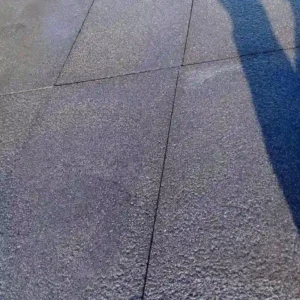
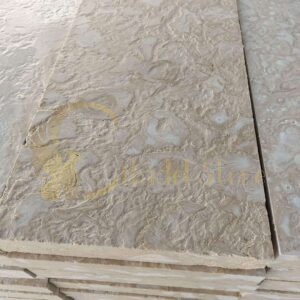
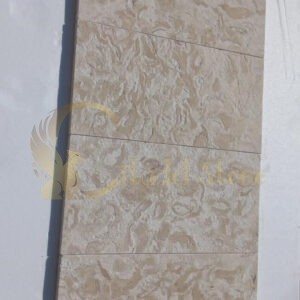
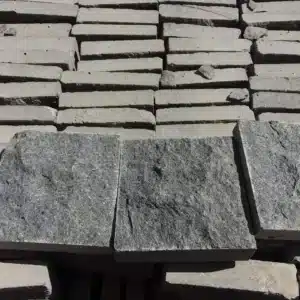
Finish texture also interacts with Arizona’s specific soil conditions in ways that aren’t obvious at specification time. Honed or polished finishes look exceptional in covered patio environments, but fine Sonoran dust and caliche particles carried by wind act as abrasives over time. A brushed or tumbled finish develops character gracefully, while a polished surface shows micro-scratching within one to two seasons in exposed locations. The best outdoor patio slabs in Arizona for low-maintenance performance are typically those with a natural cleft or brushed finish — not because they’re superior materials, but because they age appropriately in this environment.
- Light cream and ivory tones: best for barefoot areas and open patio exposure
- Charcoal and dark grey slabs: suitable for shaded zones or covered outdoor areas
- Brushed or tumbled finishes: most practical for exposed, windy desert locations
- Honed finishes: excellent for covered patios and enclosed courtyard designs
Drainage, Jointing, and Managing Arizona’s Monsoon Loads
Arizona’s monsoon season delivers concentrated rainfall events that can exceed one inch per hour — a volume that overwhelms many patio drainage designs that were specified for gentler climates. Your joint system needs to handle two separate functions simultaneously: accommodating thermal expansion and allowing rapid surface drainage. Polymeric sand jointing works well for contained patio areas, but it’s not adequate as the sole drainage strategy on larger slab fields.
Specify a minimum 1.5% cross-slope on any patio slab field — 2% is preferable in areas with documented poor drainage. That slope needs to direct water toward a defined low point with an outlet, not just toward the property perimeter where it can undermine adjacent foundations or landscaping. In higher-elevation Arizona communities like Flagstaff, the freeze-thaw cycles that accompany winter precipitation add another dimension: standing water in joints expands on freezing and can dislodge even well-bedded slabs. There, joint depth and polymeric sand specification both need to account for the roughly 9% volumetric expansion of freezing water.
Expansion joints are mandatory every 10–12 linear feet in Arizona — not the 15–20 feet you’ll find in generic installation guides written for moderate climates. The diurnal temperature swing in Arizona desert environments routinely exceeds 40°F, and that thermal cycling is cumulative. Undersized or over-spaced expansion joints develop edge pressure that causes micro-cracking at slab corners within three to five years.
Sealing Protocols and Long-Term Maintenance for Arizona Paving Slabs
Sealing natural stone paving slabs in Arizona serves a different primary purpose than it does in wetter climates. Here, the priority isn’t water ingress prevention — it’s preventing the mineral efflorescence and caliche salt migration that occur when dissolved minerals are drawn upward through the slab by surface evaporation. In low desert installations, unsealed travertine and limestone can develop white crystalline deposits within one to two monsoon seasons if the subgrade contains soluble calcium or magnesium compounds.
Apply a penetrating silane-siloxane sealer before the installation’s first monsoon season. This chemistry bonds within the pore structure rather than forming a surface film, which means it doesn’t peel or bubble under Arizona’s UV load the way topical sealers do. Reapplication intervals depend on traffic and exposure: plan for every two to three years on residential patios, annually on high-traffic commercial installations. You can test seal effectiveness with a simple water bead test — if water absorbs rather than beads within 30 seconds, the stone needs resealing.
- First seal application: before first monsoon season post-installation
- Sealer type: penetrating silane-siloxane, not topical acrylic
- Residential reapplication: every 2–3 years
- Commercial reapplication: annually for high-traffic zones
- Effectiveness test: water bead check every 12 months
Best Paving Slabs in Arizona — Get Trade Pricing from Citadel Stone
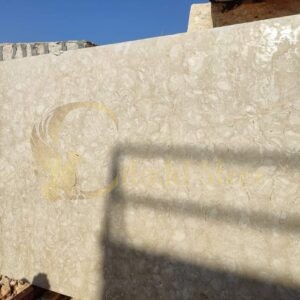
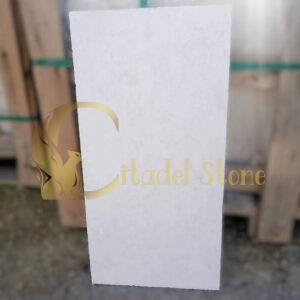
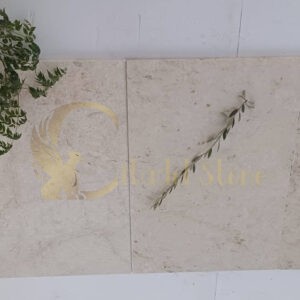
Citadel Stone stocks natural stone paving slabs across a range of formats standard to Arizona residential and commercial projects — including 12×12, 16×16, 12×24, 18×18, and 24×24 inch cuts in travertine, limestone, and basalt. Thickness options run from 1.25 inches through 2.5 inches, and specialty formats for pool coping or irregular flagstone applications are available through the warehouse on confirmed lead times. Sourced from established quarry partners, each batch undergoes visual and dimensional inspection before it reaches project delivery.
You can request sample tiles or full specification sheets from Citadel Stone before committing to quantities — a step that’s worth building into your procurement timeline, particularly for large patio projects where color consistency across multiple pallets matters. Citadel Stone ships the best paver stones in Arizona from regional warehouse inventory, which typically brings lead times to one to two weeks for standard formats rather than the six to eight week import cycle that affects direct overseas sourcing. Trade and wholesale pricing is available for contractors and landscape architects — contact the team directly for project quantities and truck delivery scheduling across Arizona.
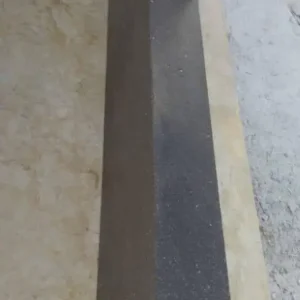
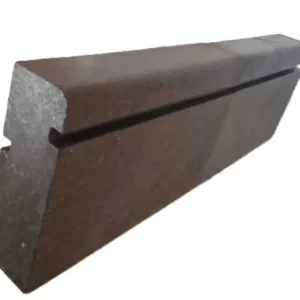
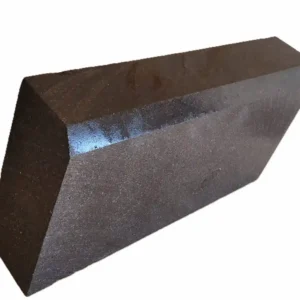
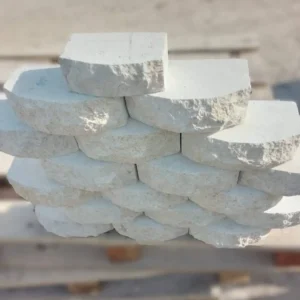
Edging and border treatments are the final detail that completes a well-specified natural stone installation, and they follow the same material logic as the field slabs themselves. Edging Stones for Patio in Arizona covers complementary border stone specifications that integrate with travertine, limestone, and basalt field installations across the state. For outdoor patio projects across Arizona, Citadel Stone offers a reliable selection of paving slabs designed to perform under intense heat and heavy use.