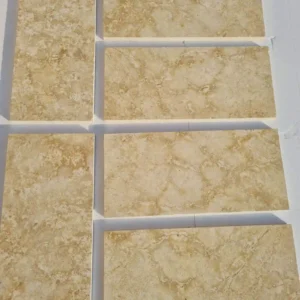
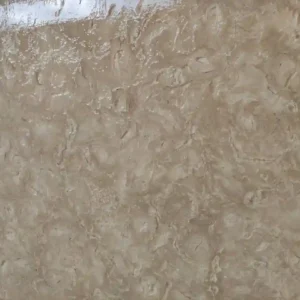
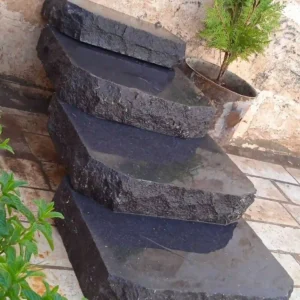
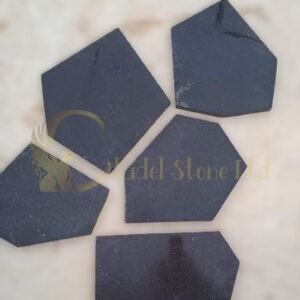
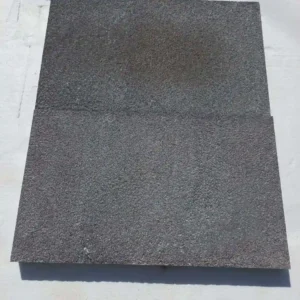
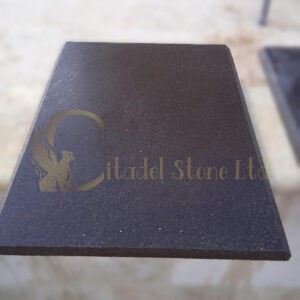
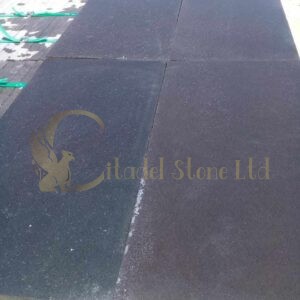
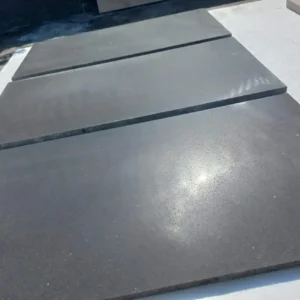
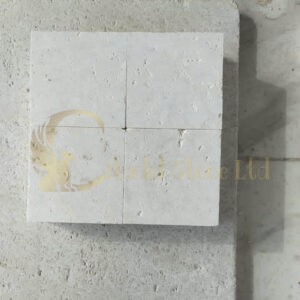
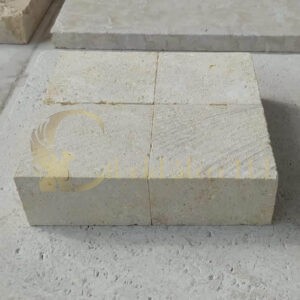
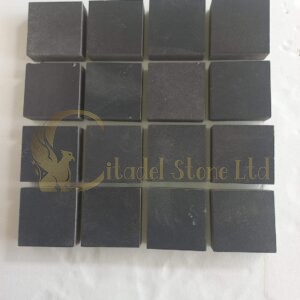
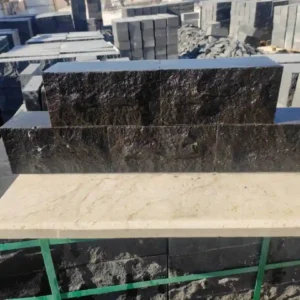
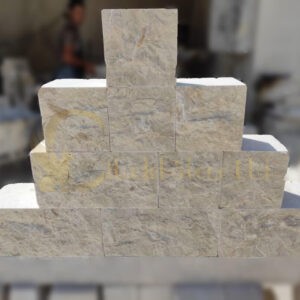
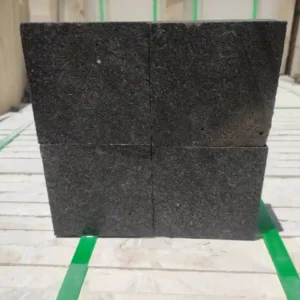
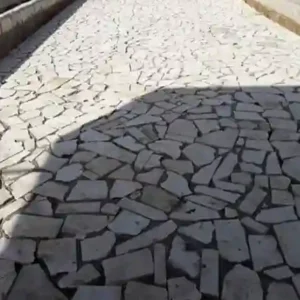
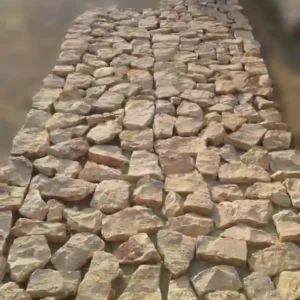
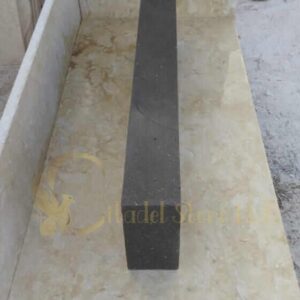
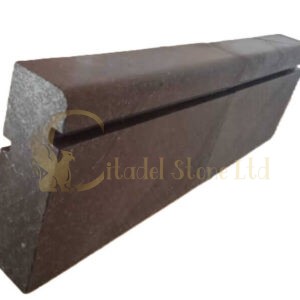
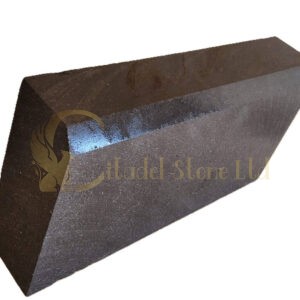
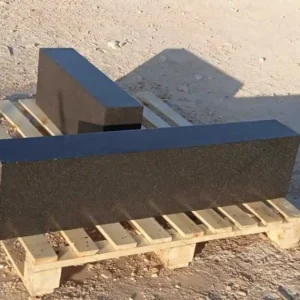
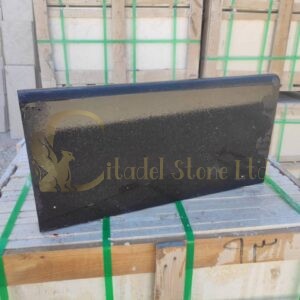
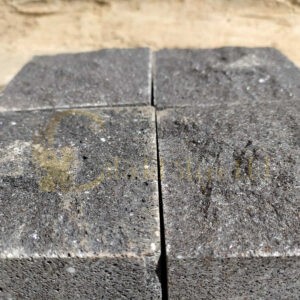
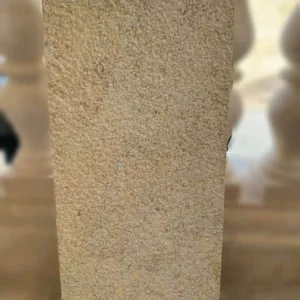
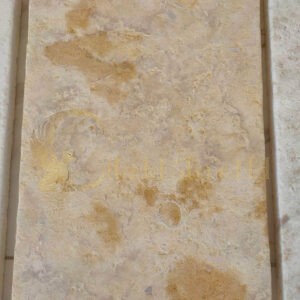
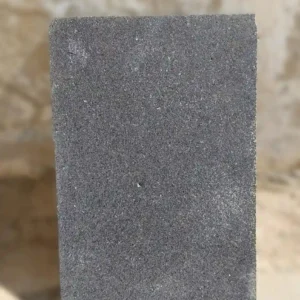
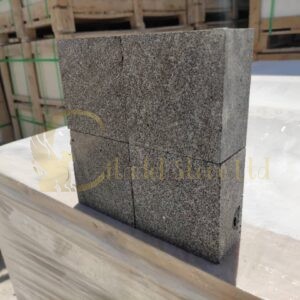
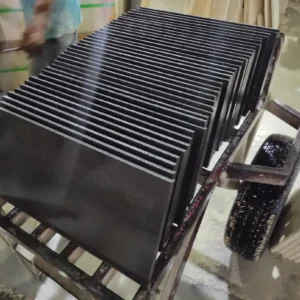
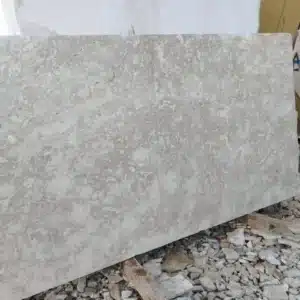
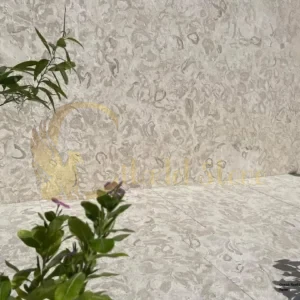
Basalt hexagon tile in Arizona earns its place in high-end residential and commercial projects not just because it looks sharp — but because the geometry and the material work together in ways that genuinely suit the Sonoran Desert aesthetic. The hexagonal format breaks up the visual monotony that plagues large-format rectangular layouts, and basalt’s natural dark palette grounds outdoor spaces in tones that echo the volcanic rock formations scattered across the state’s terrain. That design resonance isn’t accidental — it’s the starting point for every specification decision that follows.
Why Basalt Hexagon Geometry Fits Arizona’s Design Language
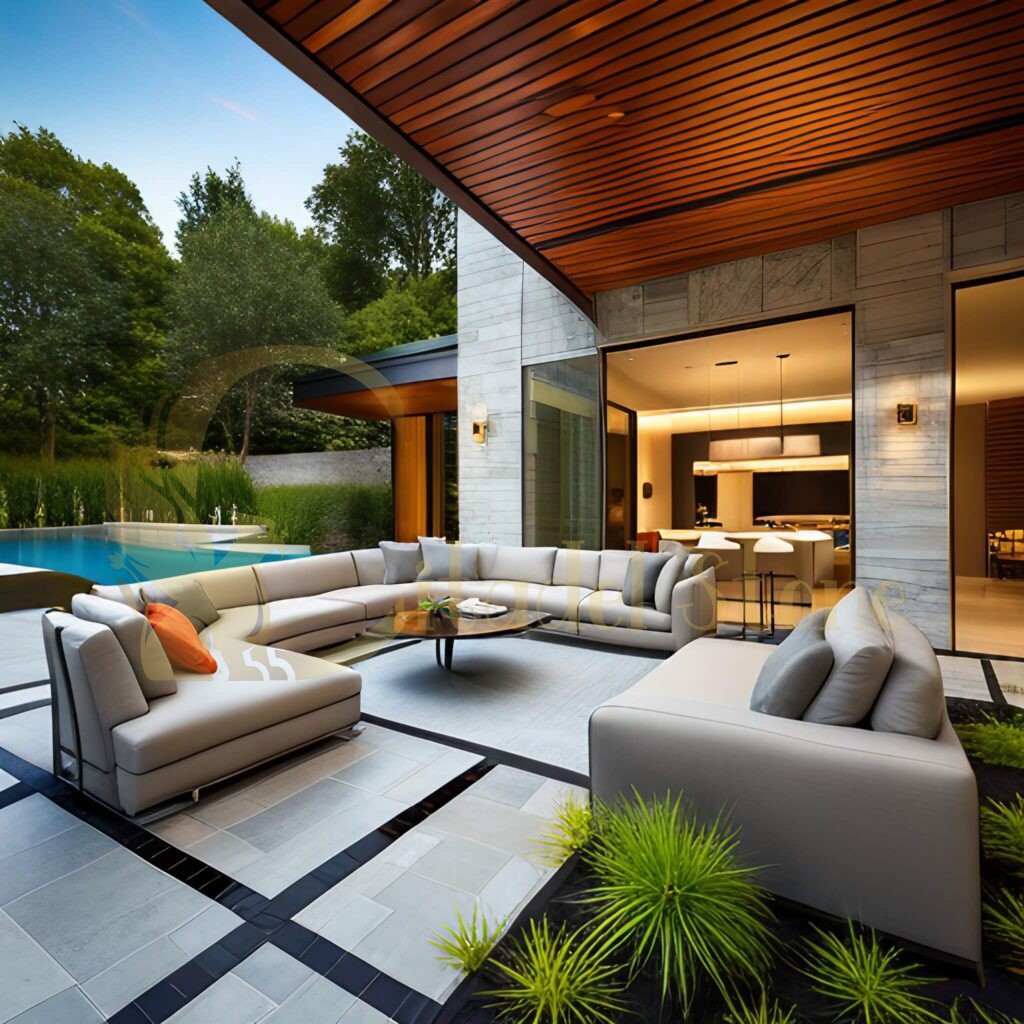
Arizona’s architectural traditions draw heavily from the land itself. Adobe buildings, desert modernism, and Southwest vernacular styles all share a preference for materials that feel rooted — not imported and imposed. Basalt hexagon tile in Arizona projects reads as intentional precisely because the stone’s coloration (dark charcoals, blue-grays, and near-blacks) mirrors the lava flows and volcanic ridgelines visible across the central and northern parts of the state. In Scottsdale, where luxury residential developments routinely blend indoor-outdoor living, this material bridges interior polished floors and exterior hardscape without visual conflict.
The hex format also handles irregular boundaries better than rectangular tiles. Pool surrounds, curved patios, and courtyard entryways all benefit from the hexagonal tessellation, which allows tighter fitting around curves with less cutting waste. Citadel Stone stocks basalt hex tile in Arizona in standard 6-inch and 8-inch face formats, as well as mosaic sheets, giving you design flexibility across different project scales.
Color Palette and Finish Selection for Arizona Exteriors
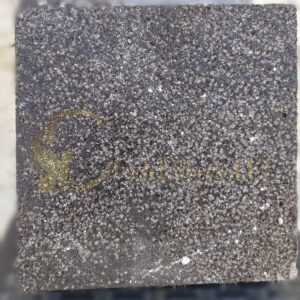
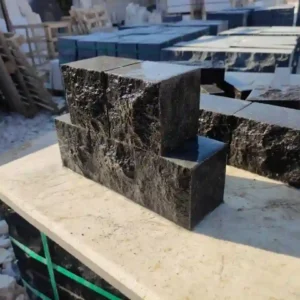
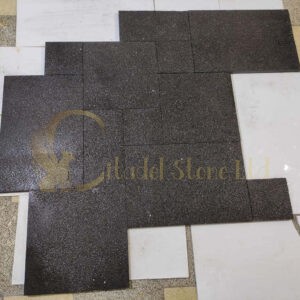
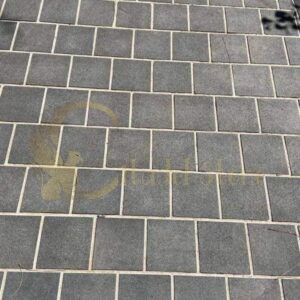
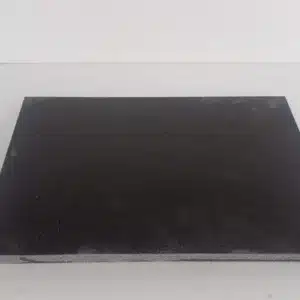
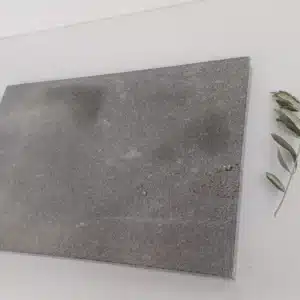
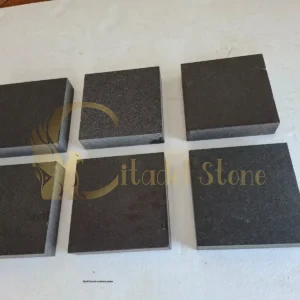
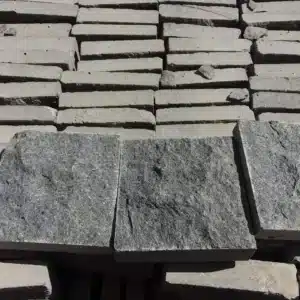
Basalt’s natural palette runs from medium gray through deep charcoal, with occasional blue undertones that become more apparent in wet conditions. That color range plays exceptionally well against Arizona’s warm earth tones — cream-colored stucco, terracotta, rammed earth walls, and desert landscaping with rust-red gravel all benefit from a dark stone anchor that provides contrast without competing.
Finish selection matters more than most designers initially expect. Your options typically break into three categories:
- Honed finish delivers a smooth, matte surface that reads as contemporary and clean — well-suited for indoor-outdoor transition zones and modern desert architecture
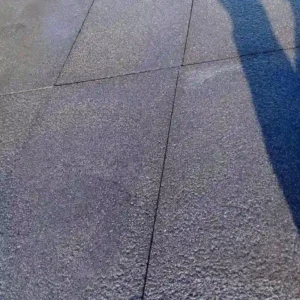
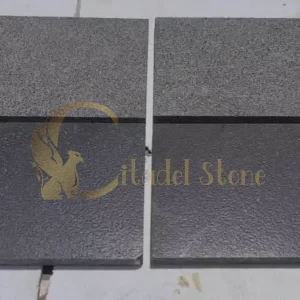
- Bush-hammered or flamed textures create a coarser surface that improves grip, reads as more rustic, and tends to show less dust accumulation in dry Arizona conditions
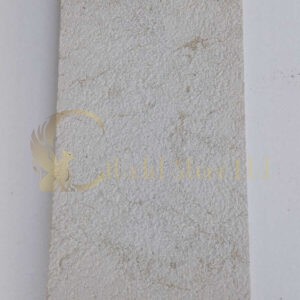
- Sawn-face tile offers a middle ground — tighter texture than bush-hammered but with more visual depth than honed
For pool surrounds and entry paths where wet-foot traffic is regular, a flamed or bush-hammered basalt hex tile in Arizona climates outperforms honed in slip resistance without sacrificing the stone’s inherent visual quality. The DCOF (Dynamic Coefficient of Friction) for flamed basalt typically measures 0.65–0.72 wet, which satisfies ANSI A137.1 requirements for wet-area applications.
Thermal Performance: What Basalt Actually Does in Arizona Heat
Basalt’s thermal mass is real, and it has design consequences worth understanding before you finalize a layout. The material absorbs and retains heat effectively — peak surface temperatures on dark basalt exposed to full sun in Phoenix have registered above 150°F during summer afternoons. That’s not a reason to avoid it; it’s a reason to position it strategically.
Shaded applications — covered patios, pergola-covered walkways, north-facing courtyard walls — allow you to capture basalt’s visual weight and durability without creating uncomfortably hot surfaces underfoot. For fully exposed areas, consider basalt herringbone in Arizona projects where the pattern geometry and lighter finish options can reduce perceived heat gain. The alternating directional faces in a herringbone layout also create micro-shadowing that slightly reduces peak surface temperature compared to flat hex arrangements.
Your specification should also account for thermal expansion. Basalt’s coefficient sits around 4.5–5.5 × 10⁻⁶/°F, which is relatively low — but Arizona’s temperature swings from pre-dawn to peak afternoon can exceed 50°F on exposed surfaces. Joint spacing of 3/16 inch minimum on exterior installations is a conservative but field-validated standard for this range.
Installation Base Requirements for Arizona Conditions
Subsurface conditions across Arizona vary significantly, and your base preparation approach should reflect the specific site — not a generic regional average. In Tucson, expansive clay soils present in the lower elevations can create differential movement that will telegraph through any stone installation not built on a properly stabilized base. A compacted aggregate base of 6 inches minimum, with 1.5 inches of mortar or a screeded sand bed, is the starting point — but clay-heavy sites often warrant 8 inches of aggregate plus a geotextile separation layer beneath.
Basalt hexagonal tile in Arizona exterior applications also benefits from modified thinset over standard formulations. The smaller individual tile format means more grout joints per square foot, which distributes thermal movement effectively — but only if the adhesive layer maintains full coverage behind each tile. Spot-bonding on hex formats creates hollow spots that fail under thermal cycling within 3–5 years on unshaded surfaces. Full back-butter coverage is non-negotiable here.
- Minimum mortar bed thickness for exterior hex tile: 3/4 inch to 1-1/4 inch depending on tile thickness
- Use polymer-modified thinset rated for exterior use (ANSI A118.4 or higher)
- Install in sections no larger than 36 square feet before placing control joints
- Control joints should align with any substrate control joints below
- Allow 72-hour cure before foot traffic; 7-day cure before heavy loading
Pattern Applications: Hex, Herringbone, and Hybrid Layouts
The standard hexagonal layout suits large open areas where visual continuity is the goal — pool decks, wide patios, and interior great rooms. For narrower applications like entry paths and garden walkways, basalt herringbone tile in Arizona projects works as a strong complement or transition element. The directional quality of herringbone creates implied movement along the path’s axis, which subtly guides visitors through a landscape design. Browsing basalt hexagon tile options alongside your pattern planning helps narrow the format and thickness combination before committing to a full material order — getting those details resolved early avoids mid-project substitutions that can compromise the design intent.
Hybrid approaches work particularly well in desert modernist settings. You can specify hex field tile with a basalt herringbone in Arizona border band, or use herringbone in a contrasting basalt thickness to create a recessed or raised accent. At Citadel Stone, we’ve seen this hybrid approach used effectively in Scottsdale estates where the landscape architect wanted to delineate social zones within a continuous stone surface without interrupting material continuity.
Thickness Selection and Structural Load Considerations
Basalt hexagon tile in Arizona commercial projects typically specifies at 3/4 inch (20mm) nominal for pedestrian applications and 1-1/4 inch (30mm) for vehicular or heavy-load areas. Residential pool decks and patios fall comfortably in the 3/4 inch range provided the base preparation is sound. Interior applications — bathrooms, kitchen floors, entryways — generally use the 3/8 inch (10mm) format, which reduces weight on structural floors while maintaining all the material’s visual and durability characteristics.
Here’s a detail that often gets overlooked on hex-format orders: thickness tolerances across a batch matter more with hex tile than with large-format rectangular tiles. Because hex tiles are smaller, any thickness variation becomes visible across joints more quickly. You’ll want to verify that the material arrives with a tolerance of ±1mm or tighter. Sourced from established quarry partners, each batch Citadel Stone ships is inspected for dimensional consistency before it leaves the warehouse — a step that prevents the frustrating mid-installation thickness discrepancy that derails project timelines.
Sealing and Maintenance in Arizona’s Climate
Basalt is a dense, low-absorption igneous stone — porosity typically measures between 0.5% and 2.5% depending on the quarry source — which makes it far more resistant to staining than sedimentary stones like travertine or limestone. That said, exterior applications in Arizona still benefit from a penetrating impregnator sealer applied after installation. The real threat in Arizona isn’t rainfall (which is infrequent) — it’s the combination of pool chemicals, irrigation overspray, and dust-borne silicates that gradually work into grout joints and any micro-fissures in the stone surface.
Apply a solvent-based penetrating impregnator after the grout has fully cured (minimum 72 hours), and plan for resealing every 3–4 years on exterior surfaces. Interior basalt hex installations in dry environments can stretch that interval to 5–7 years without noticeable degradation. In Flagstaff, the higher elevation introduces genuine freeze-thaw cycles that warrant resealing on a 2–3 year schedule — the sealer protects against moisture infiltration that would otherwise expand in joints during winter freeze events.
- Use a solvent-based penetrating impregnator (not a topical coating) for exterior basalt
- Test sealer compatibility on a sample tile before full application
- Clean the stone with a pH-neutral cleaner before sealing — avoid acidic cleaners that etch basalt’s surface over time
- For pool surrounds, choose a sealer rated for chlorine and salt-water exposure
- Grout joints require a grout sealer applied separately — they’re a different substrate than the basalt tile faces
Sourcing, Logistics, and Project Planning in Arizona
Lead time and material availability are genuine project constraints for basalt hex tile in Arizona, particularly in less common sizes like 10-inch or custom-cut formats. Standard 6-inch hex in honed and bush-hammered finishes typically ships from Citadel Stone’s warehouse inventory within 1–2 weeks, which is a significant advantage over the 6–8 week import cycle that direct-order quarry sourcing requires. For large commercial quantities or non-standard formats, confirm available stock well before your installation window — not after the base prep is complete and your crew is on-site.
Requesting sample tiles and thickness cut sheets from Citadel Stone before placing a full order is worth doing on any project where the stone will be seen adjacent to other specified materials. The actual appearance of basalt — particularly the variation in surface texture across a flamed finish — is difficult to judge from catalog images alone. Reviewing physical samples against your project’s wall and landscape materials will prevent finish conflicts that are expensive to correct after delivery.
Truck delivery logistics matter particularly for projects with limited site access — narrow residential lanes, gated communities with vehicle height restrictions, and hillside lots with tight turning radii. Flagging these constraints early gives the logistics team time to arrange smaller delivery vehicles or stage material at a nearby accessible point. This is especially relevant for basalt hex tile orders, since the material is dense and pallets can exceed 2,500 lbs for moderate-sized project quantities. A second truck run is far more costly than coordinating site access details upfront, so building that conversation into your pre-delivery checklist protects both schedule and budget.
Making Basalt Hexagon Tile Work for Your Arizona Project
The specification decisions that determine whether a basalt hex installation performs beautifully for 25 years or starts showing problems at year 8 all trace back to choices made before the first tile is set. Base depth, thinset selection, joint sizing, finish matching to intended use — these aren’t finish details, they’re the foundation of the installation’s long-term behavior. Your design intent and the material’s physical properties have to work in the same direction, and that alignment requires deliberate planning rather than adapting generic installation guidelines to Arizona’s specific climate and soil conditions.
Beyond basalt hexagonal formats, your Arizona property may benefit from related stone applications that complement the aesthetic you’re building. Honed Basalt in Arizona covers surface finish considerations and application contexts that carry directly into material selection decisions for basalt-forward projects across the state. For Arizona projects requiring durable, precisely cut basalt hexagon tile, Citadel Stone provides sourcing expertise and reliable material support from selection through installation.