Why a pH Neutral Travertine Tile Cleaner Is the First Specification Decision
A pH neutral travertine tile cleaner — one that tests between 6.5 and 8.5 — is the only formulation that cleans effectively without triggering the carbonate reaction that dissolves calcite crystals in the stone. Acidic cleaners attack the calcium carbonate matrix at the molecular level, and the damage from even a single acidic cleaning session can show up as subtle surface dulling that no amount of resealing corrects. That narrow pH window isn’t a preference; it’s the boundary condition the material imposes on every maintenance decision downstream.
Understanding Travertine’s Chemistry Before You Clean
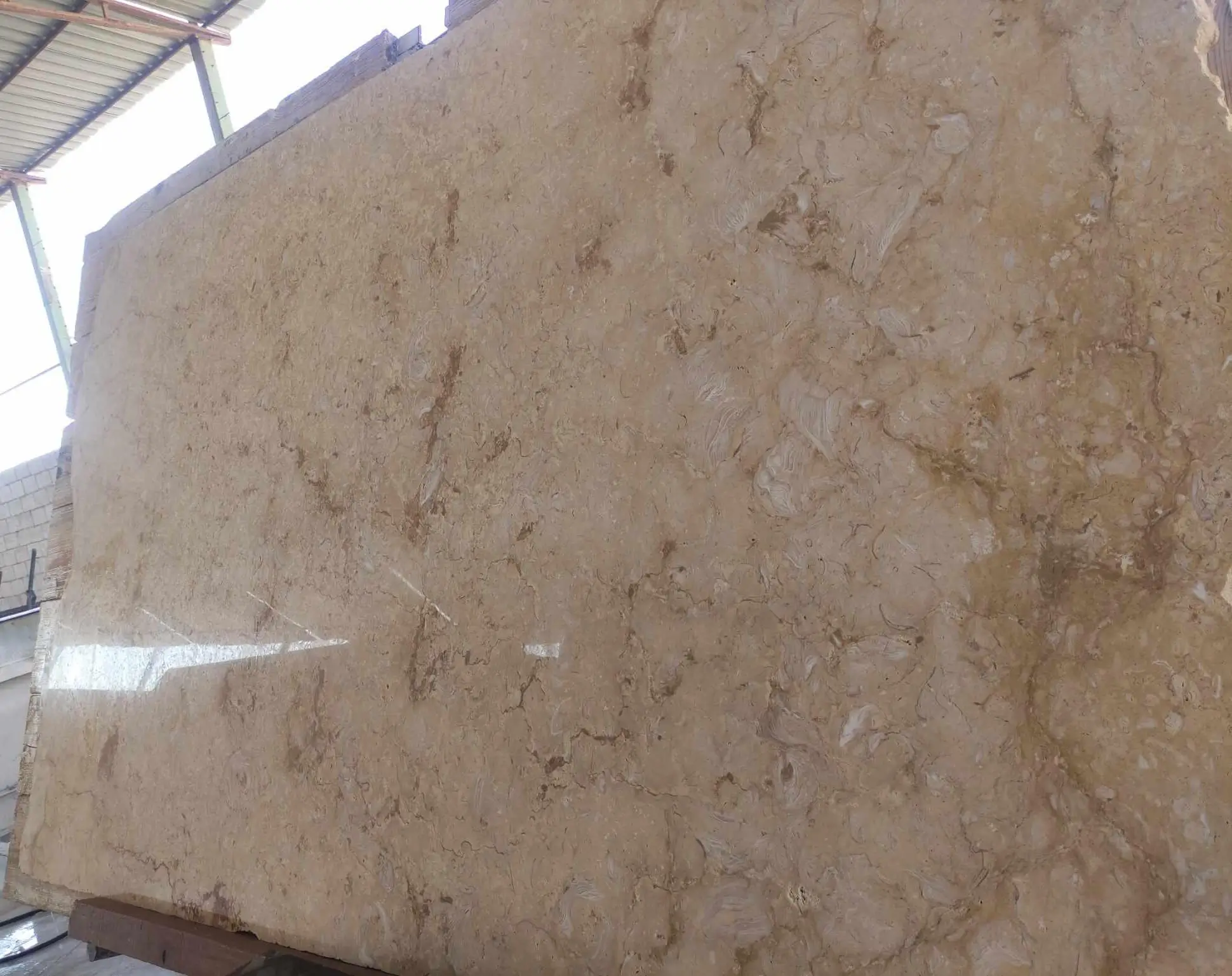
Travertine is a sedimentary calcium carbonate stone formed in hot spring environments, and that origin dictates everything about how you maintain it. The stone’s open-pore structure — even in filled and honed tiles — means any liquid you apply penetrates below the surface layer quickly. An alkaline cleaner above pH 9 won’t etch the surface the way acid does, but it will break down impregnating sealers faster than the typical resealing schedule accounts for, leaving the stone more vulnerable over time.
According to Natural Stone Institute travertine properties and outdoor suitability, travertine’s calcium carbonate composition makes it highly reactive to pH extremes in either direction. Keeping your maintenance chemistry in the neutral band isn’t a preference — it’s a material requirement. You’re essentially protecting the stone from your cleaning routine, not just from foot traffic.
The pore structure also means residue from incorrect cleaners accumulates inside the fill material used in commercial travertine tiles, not just on the surface. If you use a detergent-based or high-pH cleaner, you’ll see a soap film build up in the filled voids first, and that film attracts grime far faster than bare travertine would.
Reading Cleaner Labels the Right Way
Most cleaning products list pH range on the technical data sheet, not the front label — and many products marketed as “stone safe” test outside neutral on verification. Your first step is to request the technical data sheet, not rely on marketing language. Products labeled “neutral pH” should show a verified range between 6.5 and 8.5 on that sheet. Selecting the correct cleaner for travertine tile at this stage prevents the compounding maintenance problems that show up years into a project.
- Avoid cleaners with citric acid, acetic acid (vinegar-based products), or phosphoric acid regardless of dilution ratio — even low concentrations etch polished travertine finishes over repeated use
- Skip soap-based cleaners entirely on filled travertine — the surfactant residue lodges in the fill and creates a graying effect that mirrors stone aging but isn’t reversible without professional honing
- Bleach solutions are alkaline and will not etch carbonate surfaces, but they degrade impregnating sealers in 3–4 applications and discolor iron-bearing travertine varieties
- Enzymatic cleaners formulated for stone maintenance typically test in the 7.0–7.5 range and handle organic stains — food, grease, biological growth — without the residue problems of surfactant-based products
- Ammonia-based cleaners sit around pH 11–12 and will strip sealer rapidly — they’re appropriate for stripping old sealer before reapplication, not for routine maintenance
Application Method Matters as Much as Product Choice
Choosing the right ph neutral cleaner for travertine tile gets you 60% of the way there — how you apply it determines the rest. Travertine tiles used in flooring applications typically receive more cleaning solution per square foot than the surface can absorb and release in a single pass, which means residue is almost guaranteed if you’re not rinsing thoroughly.
The professional standard is a two-bucket system: one bucket with diluted cleaner at the manufacturer’s recommended ratio (typically 1–2 oz per gallon of water), and a second bucket of clean rinse water. You mop a section, wring, rinse the mop in clean water, and go back over the section before moving on. That extra pass removes cleaner residue before it dries in the pores — and on travertine, dried residue is the number-one cause of the dull, milky film homeowners blame on the stone rather than the cleaning process.
For 12×12 Travertine Tile installations in high-traffic areas, a microfiber flat mop with a controlled dispensing bottle gives you better coverage control than a traditional string mop, which typically delivers too much solution per pass on smooth honed or polished finishes.
Frequency, Sealer Interaction, and Long-Term Scheduling
The interaction between your cleaning frequency and sealer condition is where most maintenance programs fall apart. Travertine sealed with a penetrating impregnator — the correct sealer type for most floor applications — relies on the sealer remaining inside the pore structure, not sitting on top of it. Cleaning too frequently with even a mildly alkaline product slowly depletes that impregnating layer, and you won’t notice until the stone starts absorbing stains faster than it should.
A practical maintenance schedule for residential travertine flooring looks like this:
- Daily dry dust-mopping with a microfiber pad to capture grit that scratches the surface under foot traffic — this single step reduces wet cleaning frequency significantly
- Weekly damp mopping with a properly diluted pH neutral cleaner at 1 oz per gallon of water — no more, no less, and always follow with a clean-water rinse pass
- Monthly inspection of the grout joints and filled voids for any early staining or residue buildup, which signals your cleaning method needs adjustment before the problem becomes structural
- Annual sealer application check using the water-bead test — drop water on the surface and observe; if it absorbs within 10–15 minutes rather than beading for 20+, it’s time to reseal
According to ASTM C1527 travertine dimension stone standard specifications, travertine’s absorption rate can range from under 0.5% to above 3% depending on the specific quarry and finish — which means your resealing interval genuinely varies by the stone you specified. Higher-absorption material needs resealing every 12–18 months; denser, lower-absorption travertine may go 3–4 years between treatments if the cleaning program is correct.
Specialty Situations: Grout Lines and Filled Voids
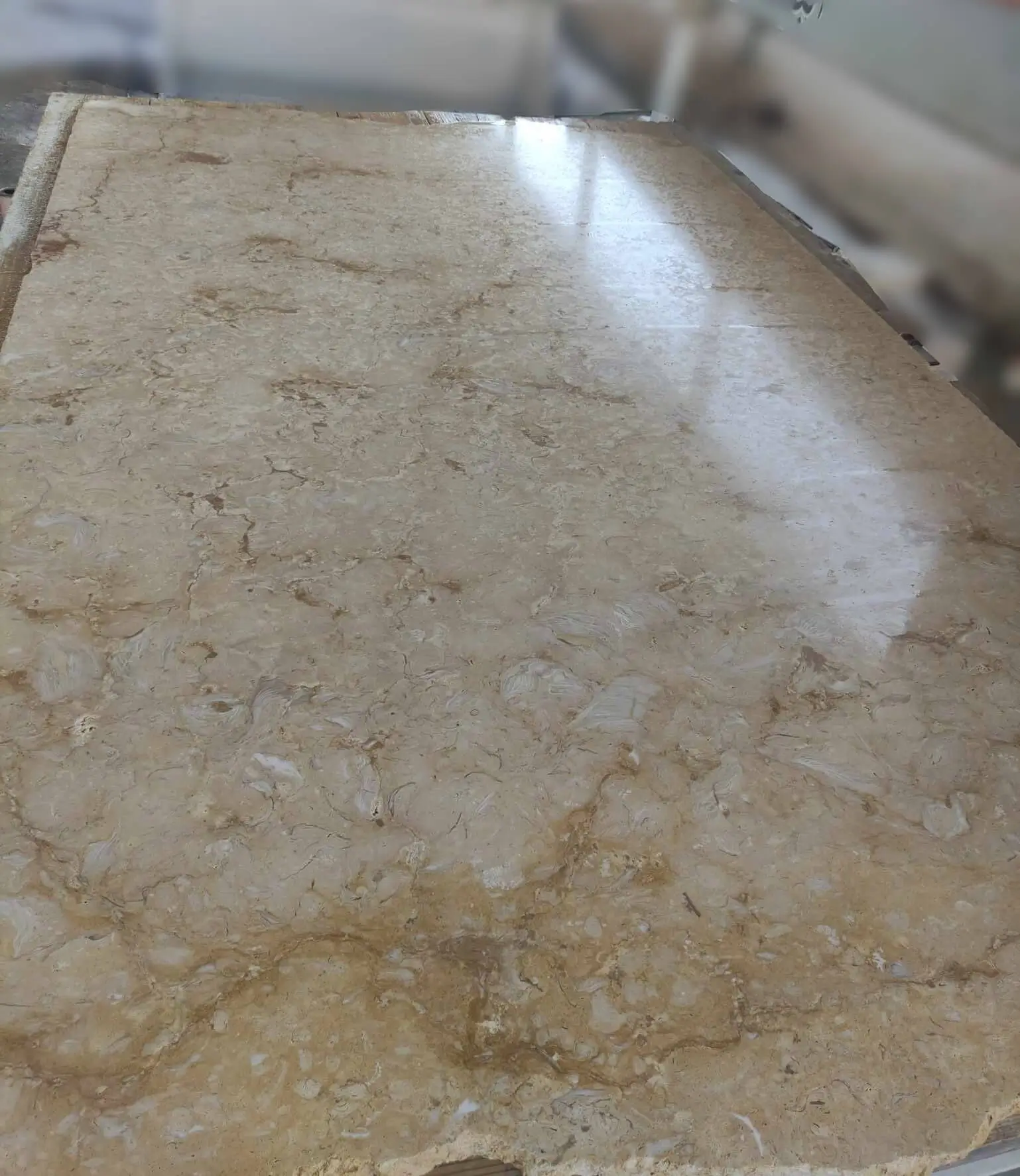
Travertine tile presents a cleaning challenge that solid-stone materials don’t: the factory-filled voids. Most commercial travertine tiles arrive with the natural pitting filled with grout, epoxy, or a travertine-colored compound, and those fills respond differently to cleaning chemistry than the stone itself. Epoxy fills are highly resistant to cleaners but can discolor under prolonged bleach or ammonia exposure. Grout fills are calcium-based like the stone itself, so they react to acid exactly the way the travertine does.
Your cleaner for travertine tile needs to work safely across both the stone matrix and the fill material simultaneously. A product tested safe on travertine at pH 7.0 is safe on grout-filled voids — that’s one of the practical advantages of staying in the neutral range. You’re not managing two different compatibility profiles; one correct product handles the whole tile surface.
Grout lines between tiles require slightly more attention. Standard grout can tolerate neutral cleaners indefinitely, but it’s porous and holds organic material from foot traffic. A ph neutral cleaner for travertine tile applied with a soft grout brush every 4–6 weeks keeps biological growth from establishing in the joint — once mold or mildew colonizes unsealed grout, you need a diluted oxygen-bleach treatment, which is alkaline and requires thorough rinsing to protect the travertine surface adjacent to the joint.
Cost and Sourcing Considerations for Your Maintenance Program
Travertine maintenance products vary considerably in cost depending on where you source them, and that gap affects long-term project budgeting more than most specifiers anticipate. Specialty stone care concentrates purchased through stone distributors or professional maintenance suppliers typically cost more per unit but dilute to a far lower per-application cost than off-the-shelf retail products, which are often pre-diluted and carry a significant markup for convenience packaging.
For commercial projects where travertine tile clean maintenance runs weekly across several thousand square feet, the difference between a $45 concentrate that yields 30 gallons of working solution and a $22 retail product that yields 2 gallons is substantial at scale. Factor your total annualized maintenance cost — product, labor hours, and resealing frequency — against your initial material specification when budgeting. Stone that arrives from quarries via extended freight routes, such as material sourced from Middle East quarries or Italian deposits, typically carries higher unit costs that make protecting your maintenance investment even more critical financially.
Citadel Stone’s technical team advises clients on product compatibility before delivery — ask about approved maintenance products when you confirm your order, since the specific travertine variety you specify may have absorption characteristics that narrow your cleaner options. Coordinating this before the truck delivers avoids the common situation where installers use whatever is on-site, which is rarely the correct product for natural stone maintenance.
Common Mistakes and How to Correct Them in the Field
The most frequent field mistake is using a general-purpose floor cleaner because it’s what’s available in the maintenance room. Virtually all general-purpose floor cleaners are formulated for vinyl, ceramic, or concrete — they’re either acidic for soil cutting or alkaline for grease removal, and neither formulation is safe for repeated travertine use. You’ll notice the damage first as a progressive loss of reflectivity on honed surfaces, or as micro-pitting on polished finishes under raking light.
- If acid etching has occurred, a professional stone restoration technician can re-hone the surface to remove the damaged layer — the stone isn’t permanently destroyed, but restoration is an added cost that a correct cleaning program would have avoided
- Soap-film buildup on filled travertine responds to an alkaline deep-clean treatment (pH 9–10 range, applied once, rinsed thoroughly) followed by re-impregnation — you’re essentially stripping and starting the maintenance program over
- Sealer failure from alkaline cleaner overuse requires full stripping of the degraded sealer using a chemical stripper, followed by a 24–48 hour dry time before new impregnator application — skipping the stripping step traps the old degraded sealer and reduces the new sealer’s penetration depth
- Grout discoloration in travertine joints from improper cleaners is best addressed with a grout colorant rather than repeated scrubbing, which enlarges the joint profile over time
According to TCNA natural stone tile installation standards, ongoing maintenance compatibility with installed materials is a specification responsibility — not just an installer responsibility. Including a maintenance specification sheet with your project documentation protects both the installation and your professional relationship with the client.
Before You Specify a Cleaner for Travertine Tile
Specifying the right travertine is only the first decision — specifying the right maintenance protocol at the same time is what determines whether the stone still looks correct in year 10. Your maintenance specification should include the approved pH range (6.5–8.5), the dilution ratio, application method, rinse protocol, and resealing trigger criteria. Hand that document to the building owner or facility manager at project handoff, not six months later when the surface starts showing the effects of incorrect cleaning.
Sourcing considerations extend to maintenance products as well as the stone itself. If your project involves travertine shipped from Middle East quarries, confirm the sealer and cleaner compatibility with the specific stone’s absorption profile — quarry-of-origin data on absorption percentage is available from reputable suppliers and should accompany your material specification. As you develop a complete natural stone project budget, understanding how material costs relate to long-term maintenance and total ownership costs is essential — bulk natural stone pricing is another dimension of project budgeting worth reviewing alongside your maintenance cost projections. When installers finish a Citadel Stone travertine floor, switching to a pH-neutral maintenance cleaner from day one protects the factory-filled surface from early etching.
Related reading: travertine look porcelain tile comparison · how to seal travertine tile.