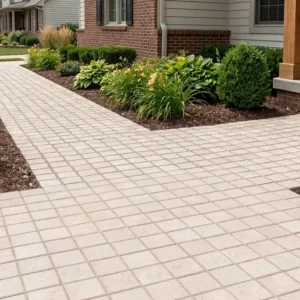
How Bulk Granite Pricing Actually Works
Wholesale granite direct pricing is structured around bundle thresholds, quarry output volumes, and FOB cost architecture — and buyers who understand this earn margins that retail slab purchasers simply cannot access. The threshold between retail and wholesale pricing typically sits at bundle quantities: a single slab order rarely qualifies for wholesale rates, but a full bundle of 15–20 slabs triggers the tiered pricing that makes volume buying genuinely profitable. What most buyers miss is that the savings don’t come uniformly — exotic colors and rare veinings carry compressed wholesale margins compared to high-volume commercial colors like Kashmir White or Absolute Black, where quarry output is large enough to push FOB prices significantly lower.
Granite’s pricing structure also reflects its journey from quarry block to finished slab. According to Natural Stone Institute granite application specifications, dimensional granite must meet strict tolerances for thickness uniformity, surface finish, and edge quality — and those tolerances affect where in the slab a fabricator can cut economically. Understanding this helps you negotiate: when you know that a slab graded A2 versus A1 reflects finish quality rather than structural integrity, you can make informed decisions about which specification tier your project genuinely requires.
Bundle vs. Slab: Choosing the Right Purchase Structure
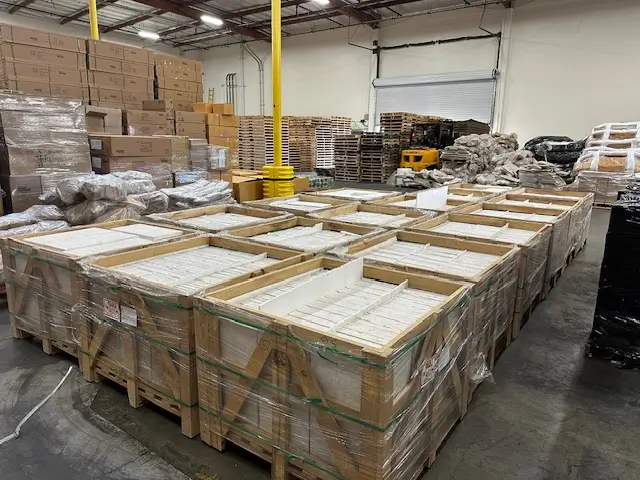
Your purchase structure determines more than just unit price — it shapes your logistics, warehouse storage requirements, and project scheduling flexibility. A full bundle buy locks in one quarry lot, which means consistent vein pattern, background tone, and thickness across every slab. For kitchen countertop fabrication shops, lot consistency is non-negotiable: matching book-matched islands to perimeter runs requires slabs cut sequentially from the same block. Buying slab by slab from mixed inventory introduces color drift that clients notice immediately under natural light.
Bundle buying does require honest planning on your end. A standard granite bundle runs approximately 350–450 square feet of finished slab material, and you need dry, climate-controlled warehouse space to store it properly. Granite slabs stored outdoors on exposed A-frames develop micro-surface oxidation in high-humidity environments — subtle but visible after polishing. Your receiving area also needs adequate truck clearance: flatbed deliveries for full bundles require at least 50 feet of unobstructed approach, and tight urban yards frequently create costly reshipping situations that eat directly into wholesale savings.
- Full bundle purchases (15–20 slabs) provide quarry lot consistency essential for matched fabrication
- Partial bundle orders suit smaller shops but typically carry a 12–18% price premium over full bundle rates
- Container load buying — typically 18–22 bundles — unlocks the deepest wholesale granite direct pricing tiers
- Mixed-material containers combining granite with complementary stone types require careful density calculations to avoid freight surcharges
- Your warehouse receiving capacity should be confirmed before committing to bundle or container orders
Reading Granite Grades and Specifications Before You Order
The grade terminology used in wholesale granite direct markets isn’t standardized the way lumber or steel grades are — and that creates real risk for buyers who assume “commercial grade” means the same thing across different suppliers. Most wholesale suppliers use a three-tier system: commercial grade covers slabs with minor natural fissures, color variation, or thinner sections acceptable for most fabrication; first choice indicates tighter thickness tolerance and cleaner surface consistency; and premium or exotic grades represent exceptional vein clarity, rare colorways, or quarry-limited production runs.
Thickness tolerance matters more than most buyers appreciate at the ordering stage. A nominal 3 cm slab can legally vary from 28 mm to 33 mm under most trade specifications, and that 5 mm range becomes a calibration problem when you’re running material through automated fabrication equipment. ASTM C615 granite dimension stone standards specify the acceptable ranges for thickness, warpage, and finish quality — referencing this standard in your purchase order language provides a contractual baseline that protects you when shipments arrive outside specification. Always request a certificate of conformance from your supplier for any commercial-scale granite purchase.
Sourcing Wholesale Granite Marble Tile for Mixed-Material Projects
Projects that combine wholesale granite marble tile in the same scope present a sourcing challenge that catches fabricators off guard: granite and marble have fundamentally different fabrication requirements, and buying both at wholesale volume requires coordinating two separate supply chains with different lead time profiles. Granite sourcing from major quarry origins — Brazil, India, China — typically runs 6–10 weeks for container orders. Marble sourcing, particularly for calacatta marble slab material from Italian quarries, runs 10–14 weeks and is far more sensitive to quarry production schedules.
The practical solution for mixed-material projects is to anchor your schedule to the longer lead time and order both materials simultaneously. Your project timeline shouldn’t be built around granite’s faster availability if the marble won’t arrive until week twelve. Warehouse sequencing matters here too: marble slabs need to be stored face-to-face with foam interleaving, while granite bundles can tolerate A-frame vertical storage. Mixing both in the same warehouse section without clear separation creates handling confusion that results in surface damage — an expensive problem when you’re dealing with calacatta marble slab material priced above wholesale granite.
- Coordinate granite and marble purchase orders simultaneously to align with the longer material lead time
- Specify finish type — honed, polished, or leathered — at order placement, not after delivery; finish changes add 2–3 weeks to processing
- Marble requires pH-neutral cleaning and handling protocols distinct from granite; train your warehouse team on both before mixed-material deliveries arrive
- Request matched dye lot numbers for wholesale granite marble tile orders — natural color variation between production batches is significant enough to require documentation
What to Know When Specifying Calacatta Marble Slab at Wholesale
Calacatta marble slab commands premium pricing even at wholesale volume — and for good reason. The narrow quarry origin, limited extraction rate, and intense market demand for dramatic white-and-gold vein patterns create a supply constraint that wholesale volume alone can’t fully overcome. You’ll find that calacatta pricing tiers differently from granite: the step between 2-slab and 10-slab orders is proportionally smaller than in granite, because quarry blocks of consistent calacatta quality are genuinely scarce rather than simply expensive to process.
Surface finish selection is critical for calacatta marble slab at the specification stage. Polished finishes achieve the reflective clarity that makes the gold and grey veinings visually spectacular, but polished marble absorbs oils and etches from acidic contact significantly faster than polished granite does. For kitchen applications, a honed finish sacrifices some visual drama but delivers substantially better daily performance — a trade-off your clients need to understand before selection, not after installation. At Citadel Stone, we’ve seen more post-installation client dissatisfaction with polished marble kitchen surfaces than with any other material specification decision, and it consistently traces back to finish selection made on aesthetics alone without durability context.
Granite Brackets Wholesale: Structural Requirements for Overhangs and Cantilevers
Specifying granite brackets wholesale for countertop overhangs or floating shelf applications involves load calculations that go beyond what most fabrication shops factor into standard countertop quotes. Granite’s density runs approximately 165–175 pounds per cubic foot, which means a 2-inch-thick countertop overhang extending 12 inches beyond the cabinet line generates significant cantilever stress at the bracket attachment point. The bracket specification must account for both static load — the slab weight — and dynamic load from leaning, appliance placement, and point impacts.
Steel corbel brackets for granite overhangs should be engineered for a minimum 3:1 safety factor over calculated dead load, with bracket spacing determined by slab thickness and overhang depth. For 3 cm granite with overhangs beyond 10 inches, bracket spacing tighter than 24 inches on center is the conservative industry standard. Anchoring into cabinet carcass framing rather than just into the face frame is non-negotiable — face frame attachment alone will fail under repeated dynamic loading. Your granite brackets wholesale order should also account for finish compatibility: exposed brackets in visible applications need powder coating or stainless specification to avoid rust bleed staining the stone surface over time.
- Calculate bracket load capacity using the granite slab’s actual density (165–175 lb/ft³) plus a 1.5× dynamic load factor
- For overhangs exceeding 15 inches, structural engineering consultation is recommended regardless of bracket rated capacity
- Bracket-to-cabinet attachment requires penetration into structural framing — minimum ¾-inch plywood substrate with lag bolt anchoring
- Specify bracket finish to match the kitchen hardware specification — visible corbels in brushed nickel or matte black are design elements, not afterthoughts
- Order 10–15% additional brackets above calculated quantity to accommodate field adjustments during installation
For projects combining structural granite elements with high-volume slab supply, Citadel Stone bulk granite supply provides both the material and the technical support to coordinate overhang specifications with your slab order quantities.
Seasonal Installation Timing: When to Schedule Granite Work
Granite installation scheduling involves variables that material specifications alone don’t capture. Adhesive and setting material performance shifts meaningfully across seasons, and fabricators who plan installation calendars without accounting for temperature windows end up troubleshooting bond failures that a schedule adjustment would have prevented entirely. Epoxy-based stone adhesives used for countertop seaming and bracket bonding have optimal cure temperature ranges between 65°F and 85°F — outside this window, cure times extend, and bond strength at 24 hours is measurably lower than manufacturer specifications assume.
In practice, this means your most demanding granite installations — seamed kitchen countertops, structurally bonded overhangs, exterior granite cladding — are best scheduled for late spring through early fall in temperate zones, and for midday work windows during cooler months. Morning installations in cold conditions on exterior applications present the most risk: substrate temperatures lag ambient air temperature recovery by 2–3 hours after sunrise, so a 7 a.m. start on a 45°F morning means working on a substrate that reads closer to 38°F — below the reliable lower threshold for most epoxy mortars. Shifting that same installation to a 10 a.m. start solves the problem without changing any other variable.
- Schedule exterior granite installations for mid-morning starts during transitional seasons — avoid early starts when substrate temperatures haven’t recovered from overnight lows
- High humidity periods above 85% RH slow epoxy cure on granite seams and can cause blush hazing on polished surfaces near fresh adhesive lines
- Freeze-thaw regions require completed exterior granite installations to be fully cured and sealed before the first hard freeze — allow minimum 72 hours after final seal coat before freeze exposure
- Summer heat in direct sun applications raises substrate temperatures above 95°F, which accelerates cure too rapidly for large-format seaming and reduces working time below practical limits
- Plan countertop delivery truck scheduling to avoid peak afternoon heat in summer months — thermal expansion of 18-foot slabs in direct sun creates handling and alignment challenges
Logistics, Lead Times, and Managing Your Supply Chain
The logistics side of wholesale granite direct purchasing is where most first-time volume buyers encounter friction they didn’t anticipate. Container-load orders from overseas quarry origins carry 8–12 week transit windows that are subject to port congestion, inspection holds, and documentation delays — variables that no supplier can fully control. Building your project timeline around a best-case transit scenario is how granite shops end up promising installation dates they can’t meet. The professional approach is to add a 3-week buffer to quoted transit time and treat early arrival as a scheduling bonus rather than a baseline expectation.
Domestic wholesale granite direct sourcing through suppliers maintaining US warehouse inventory eliminates the ocean transit variable entirely, typically compressing lead times to 1–2 weeks for in-stock material. The trade-off is that domestic warehouse inventory represents a curated selection rather than full quarry range access — exotic colorways and rare materials still require import sourcing. Our technical team at Citadel Stone can help you map your color specification against current warehouse inventory to identify which project elements can be sourced immediately and which require import lead time planning. According to USGS dimension stone production and use data, domestic granite production covers a meaningful share of commercial construction demand — understanding that supply picture helps you calibrate import versus domestic sourcing decisions intelligently.
Quality Inspection and Receiving Protocols for Wholesale Orders
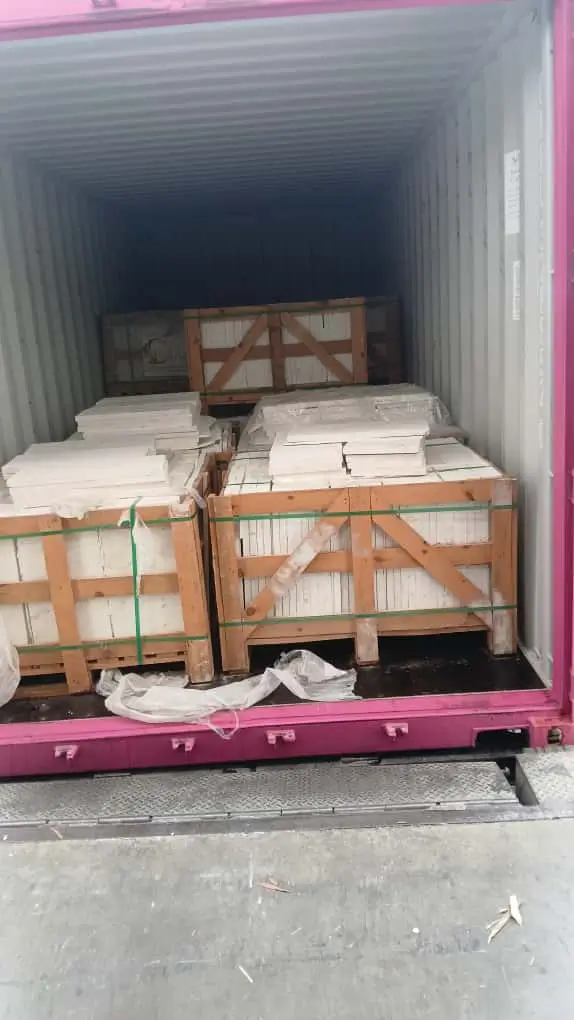
Your receiving process for wholesale granite direct orders is the last line of defense before material enters your fabrication workflow. A receiving protocol that takes 20 minutes per bundle can save you days of rework and thousands in replacement costs. The inspection sequence should start before the truck is unloaded: review the packing list against your purchase order, confirm bundle counts, and photograph the load condition on the truck before any material is moved. Damage that occurs in transit is a carrier liability issue — damage documented after unloading becomes a supplier dispute with much weaker resolution odds.
Once unloaded, slab-by-slab inspection for the first bundle of any new lot is essential. Check for thickness consistency across the slab (use a digital caliper at four corners and center), surface fissures that weren’t present in quarry samples, and finish uniformity across the polished or honed face. Natural fissures in granite are not structural failures — granite forms under tremendous geological pressure and carries internal stress lines that are inherent to the material. NSI granite durability specifications provide clear guidance on distinguishing natural material characteristics from processing defects. The distinction matters for your supplier conversation: natural characteristics are disclosed in the grade specification, while processing defects are legitimate grounds for credit or replacement.
- Photograph every bundle on the truck before unloading — this establishes pre-unloading condition for carrier damage claims
- Check thickness at five points per slab minimum: four corners and center — acceptable variance for 3 cm material is typically ±2 mm
- Inspect polished surfaces under raking light (a single flashlight works) — surface scratches invisible under flat lighting show clearly at a 15-degree angle
- Confirm lot number consistency across all bundles before signing the delivery receipt
- Segregate any non-conforming slabs immediately — mixed conforming and non-conforming material in storage creates accounting and liability confusion
Building Your Wholesale Granite Direct Action Plan
Buying wholesale granite direct successfully comes down to preparation on three fronts: specification clarity before you place the order, logistics planning that accounts for realistic lead times rather than optimistic ones, and a receiving process that protects your investment from the moment the truck arrives. The fabricators and project managers who consistently get strong results from volume granite purchasing aren’t necessarily the ones with the largest orders — they’re the ones who’ve systematized each of these stages so that quality, timing, and cost outcomes are predictable rather than variable. Your specification should define grade, finish, thickness tolerance, and lot consistency requirements in writing before any purchase order is signed.
As you build out your granite supply strategy, the countertop segment of your business likely represents one of your highest-volume wholesale granite direct opportunities — and it carries its own specification nuances worth understanding in depth. For a closer look at how wholesale granite countertop material is graded, priced, and specified for fabrication, wholesale granite countertop sourcing and specs covers that territory in detail. Taking time to align your countertop and slab specifications before your next large purchase order is one of the highest-value planning steps you can complete. Buyers working with Citadel Stone can order full bundles of granite slabs, with container loads coordinated for large fabrication shops.
Related reading: granite density explained · wholesale slabs of granite · granite edge profiles guide.