What Marble Edging Profiles Actually Deliver
Any marble edging comparison guide worth following opens with a structural truth: profile geometry determines dimensional stability under load, and that mechanical reality matters more than visual preference when you’re writing a long-term specification. Most guides lead with aesthetics — the crisp white lines, the formal geometry, the way a well-set border anchors a garden bed — but the real differentiator between profiles is how each cross-section handles the shear forces that shift edging out of plane over time. Your specification needs to account for both the visual intent and the mechanical reality before you select a profile.
Marble edging operates in a demanding environment. It sits at the transition zone between planted soil and hardscape, which means it absorbs differential movement from two surfaces with completely different expansion and compaction coefficients. Profiles with a wider base — typically 4 inches or more — distribute that movement more evenly than narrow-set options, buying you years of alignment stability that narrow profiles simply can’t match.
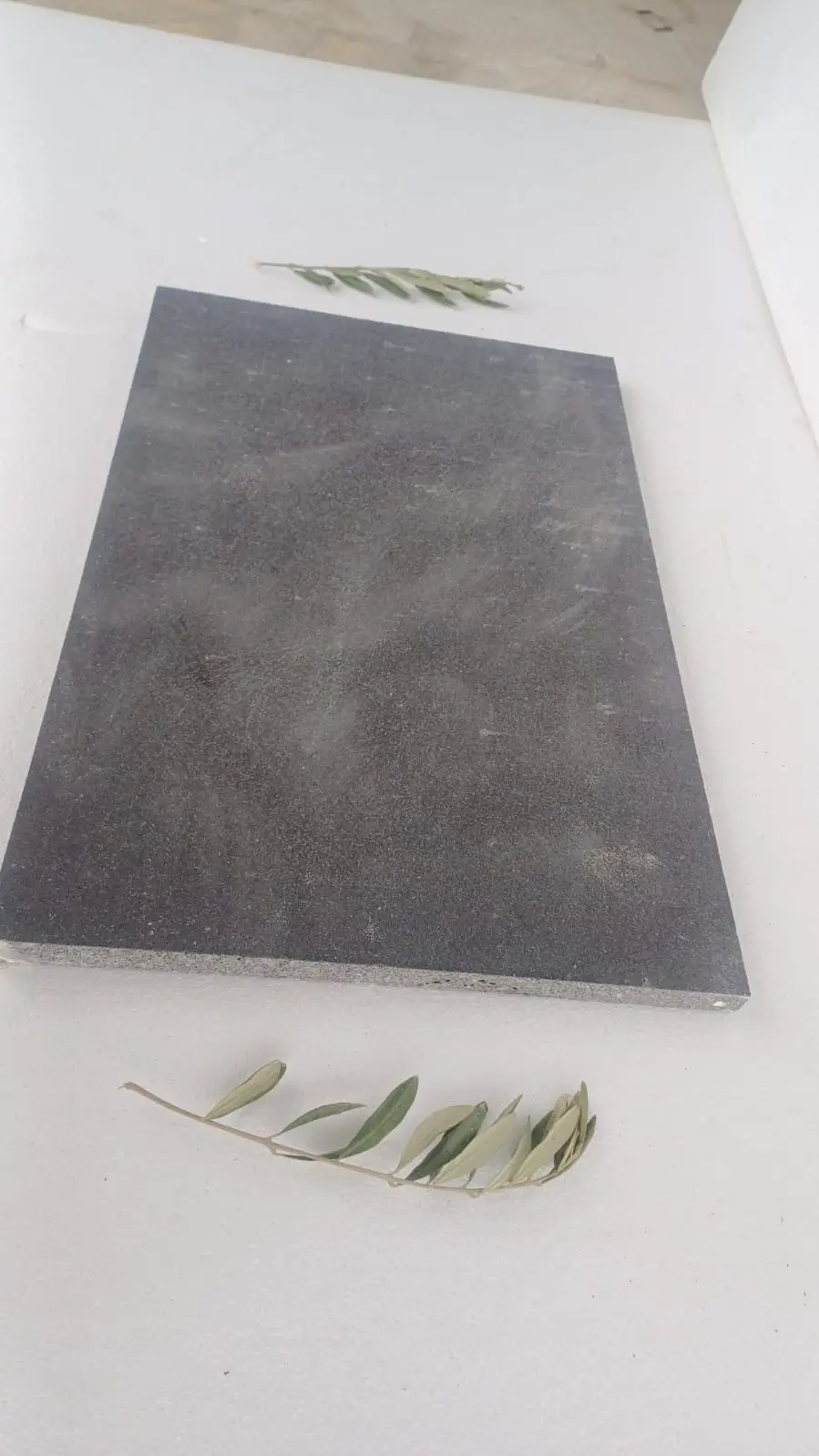
Marble Edging Profile Types Compared
The marble edging comparison guide framework starts with four primary profiles: flat lay, soldier course, bullnose, and half-round. Each delivers a different aesthetic, but the performance distinctions matter far more in long-term specifications than the visual ones.
- Flat lay profiles sit flush or near-flush with the surrounding grade — they’re elegant in formal knot gardens but require exceptional base compaction or they’ll settle into a wavy line within two seasons
- Soldier course edging — set on edge with the narrow face vertical — gives you maximum height definition and the stiff linear geometry formal gardens demand, but the narrower contact footprint demands a mortar bed or mechanically locked base course
- Bullnose profiles offer a rounded top edge that softens the transition and hides minor height variation between adjacent pieces, which is genuinely useful when you’re working with handcut or slightly variable stock
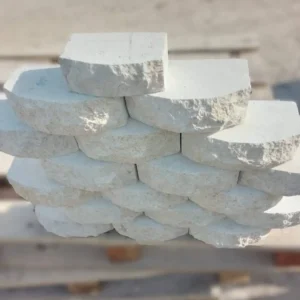
- Half-round profiles deliver the most classical formal appearance and work exceptionally well as a cap detail, but they’re the most fragile during installation — that convex upper surface creates a stress concentration point if a piece is struck from the side
The cross-section geometry also determines how each profile sheds water. Soldier course and bullnose profiles channel rainwater away from the border joint efficiently. Flat lay profiles, by contrast, can pool moisture at the interface with planted soil, which accelerates biological staining in humid conditions.
Honed Versus Polished Marble Edging Finishes
Finish selection is where many formal garden specifications go wrong, and this decision carries real maintenance consequences. Polished marble edging presents the most formal appearance — the reflective surface reads beautifully in structured garden photography and holds geometric lines crisply. However, polished surfaces pick up organic staining from adjacent soil and plant material at a rate roughly two to three times faster than honed equivalents, because the open micro-pores that polishing exposes are highly receptive to tannins and iron compounds from decaying organic matter.
Honed marble edging offers a matte-satin surface that sits between polished and rough-sawn in terms of sheen. According to Natural Stone Institute marble specifications, honed surfaces maintain a more closed surface structure than polished, which meaningfully reduces stain absorption in exterior applications. For formal borders where the marble edging sits adjacent to planting beds, honed is the more defensible long-term specification.
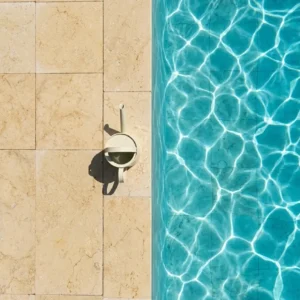
Beige edging stones in marble offer a practical middle ground — the warmer base tone masks early-stage staining far better than white marble, without abandoning the formal character that makes marble edging the material of choice in structured garden design. The absorption rate difference between a crisp white polished marble and a honed beige variant is stark after two growing seasons, and that’s worth factoring into your initial finish decision.
Marble Edging Thickness and Structural Sizing
Thickness selection for marble edging isn’t purely an aesthetic call — it determines impact resistance and the load the edging can absorb from maintenance equipment passing along garden borders. The standard range runs from 1.5 inches to 3 inches nominal thickness, and the right choice depends on both the profile and the adjacent use.
- 1.5-inch stock suits purely ornamental borders with no equipment access — it’s appropriate for inner garden beds reached only by foot
- 2-inch nominal is the standard working thickness for most formal garden applications — it handles incidental contact from edging tools and light mowing equipment without cracking risk
- 3-inch profiles are specified where the edging doubles as a mowing edge or where vehicle overhang is a realistic possibility — the additional mass also improves resistance to frost heave in freeze-thaw regions
Marble edging in the 2-inch nominal range handles the point loads typical of garden maintenance with adequate reserve strength, provided the base is properly prepared. Per ASTM C503 marble dimension stone specifications, compressive strength for exterior-grade marble dimension stone should meet a minimum of 7,500 psi — verify your supplier’s material test certificates against this benchmark before specifying thinner stock in high-use borders.
Base Preparation for Marble Edging
The base preparation step determines whether your marble edging holds its line for five years or twenty-five. This is the single most under-specified aspect of formal garden border work, and it’s where the gap between a landscape contractor and a stone specialist shows clearly.
Your aggregate base should be a minimum of 4 inches of compacted crushed stone — not pea gravel, not decomposed granite, not road base with excessive fines. Crushed stone at 1-inch minus provides interlocking aggregate friction that resists the lateral creep that eventually breaks the geometric line of formal marble edging. Finish the base with a 1-inch sand setting bed, screed flat, and allow the marble edging pieces to self-weight into position before any permanent mortar work begins.
- Never set marble edging directly on undisturbed native soil — differential settlement is guaranteed within one freeze-thaw cycle or one significant rain event
- Tamp the aggregate base in 2-inch lifts, not as a single compacted mass — multi-lift compaction distributes density evenly and eliminates void pockets that cause point failures
- Allow a minimum 24-hour cure after base preparation before placing the setting bed — this lets any remaining moisture redistribute through the aggregate before you lock the geometry in place
For borders adjacent to established tree root zones, spec a root barrier membrane between the aggregate base and the planting bed. Tree root pressure is one of the primary causes of marble edging displacement in mature formal gardens, and it’s far cheaper to membrane at installation than to reset displaced edging three years later.
Marble Edging Durability Under Storm and Wind Events
Severe weather creates mechanical stress on garden edging that most specifications don’t address explicitly. Wind-driven rain infiltrates the joint between edging pieces and the adjacent hardscape at velocities that test joint integrity directly — in storm-exposed formal gardens, the joint compound you select matters as much as the marble profile itself. Rigid mortar joints in narrow-profile edging can fracture under wind load vibration transmitted through adjacent tree canopy; a slightly flexible pointing mortar with a Shore A hardness in the 70–80 range accommodates micro-movement without cracking.
Hail events are a genuine impact-resistance consideration for polished marble edging. The convex geometry of half-round profiles concentrates impact energy at the crown, which is exactly where the material is thinnest. Honed flat-lay and soldier-course profiles distribute hail impact across a broader cross-section and perform measurably better in exposed garden settings. For marble edging specifications in open, storm-exposed formal gardens, increasing nominal thickness from 1.5 inches to 2 inches provides a meaningful safety margin against impact cracking without a significant cost premium.
Edge restraint performance under wind-driven rain also depends on how well the backing side of your edging is set. Marble edging with a solid mortar haunch on the back face — typically a 3-inch wide mortar support triangulated from the base to mid-height — resists lateral water pressure from wind-driven rain saturation far better than pieces set in a sand bed alone. This detail is rarely drawn on standard garden specifications but consistently separates installations that survive heavy storm seasons from those that don’t.
Marble Versus Other Natural Stone Edging Options
The marble edging comparison guide wouldn’t be complete without an honest look at where marble sits relative to limestone, granite, and travertine edging alternatives. Each material has a legitimate place in formal garden design — the specification decision depends on the project’s exposure conditions, maintenance expectations, and design register.
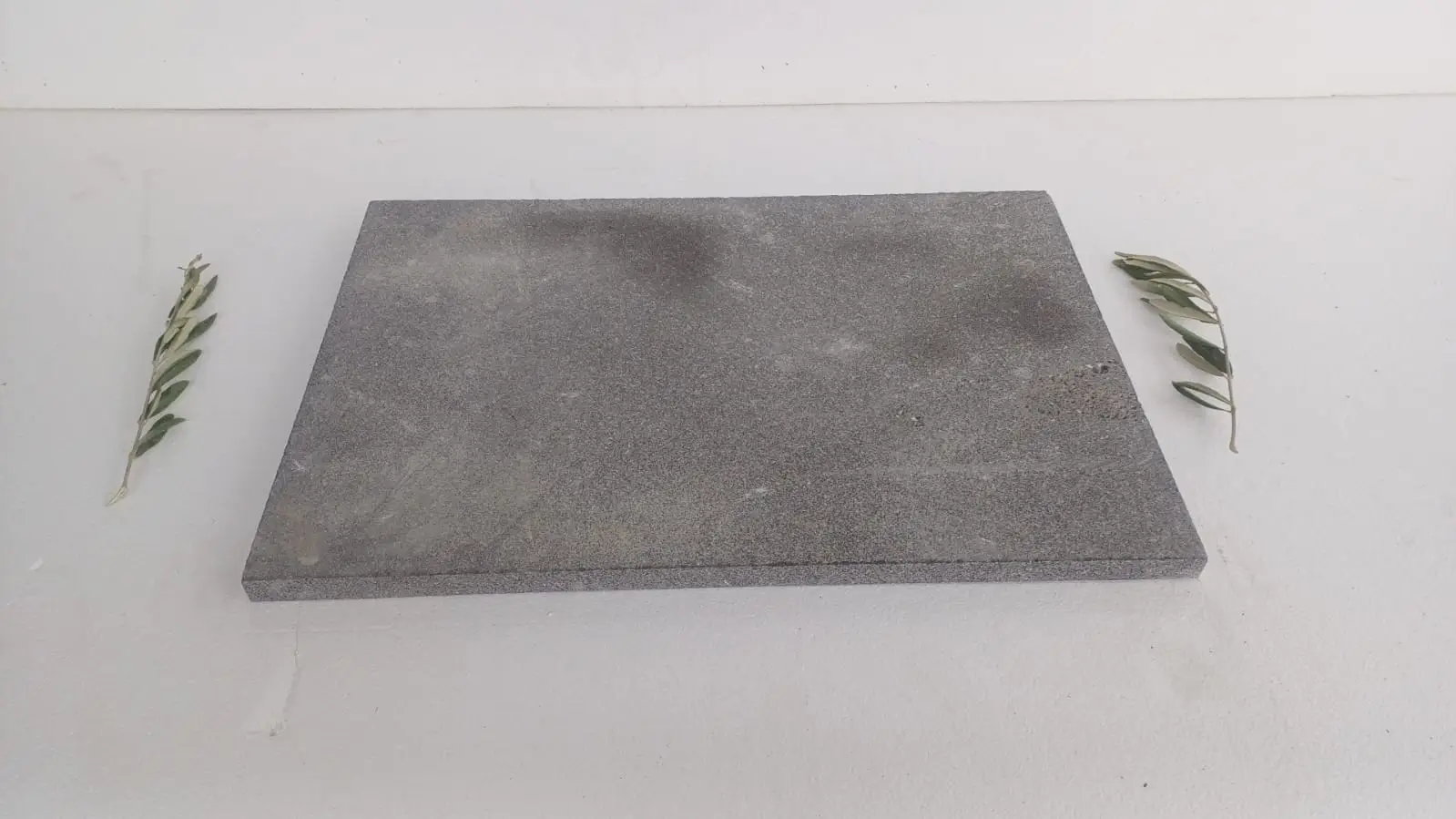
- Limestone edging offers a softer, more textural appearance than marble and performs better in high-acid soil conditions — marble’s calcium carbonate base is susceptible to acid etching from peat-heavy or compost-rich planting beds
- Granite edging provides the highest compressive strength in the natural stone edging category — exceeding 15,000 psi in most commercial grades — making it the correct call for edging adjacent to vehicle access or heavy equipment paths
- Travertine edging delivers a warmer ivory tone close to some beige edging stones in marble but carries higher porosity, which means it absorbs soil staining faster than dense marble in identical conditions
- Marble edging occupies the premium formal position — the crystalline surface, the precision cut edge, and the tonal purity are unmatched for high-specification garden design where material quality is part of the brief
The ASLA landscape edging and border stone design guidance reinforces the importance of matching material hardness and porosity to the specific garden microenvironment — a detail that’s easy to overlook when the aesthetic case for marble is strong.
For designers working on projects where both visual hierarchy and long-term durability are non-negotiable, exploring polished edging stones from Citadel Stone gives you a direct look at the profile range and finish options available for formal garden specifications.
Sealing and Maintenance for Marble Edging
Marble edging in formal garden settings requires a sealing protocol that most general landscape maintenance schedules don’t include by default. Apply a penetrating impregnator sealer — not a topical coating — before the edging is set. Pre-sealing the pieces in the warehouse or on a staging surface before installation means you seal all six faces, including the underside and back face, which are inaccessible once the edging is set in mortar.
The penetrating impregnator fills the micro-pore structure of the marble with a hydrophobic silane or siloxane compound that repels both water-borne and oil-borne stains without altering the surface appearance. For polished marble edging, a fluoropolymer-based impregnator performs better than straight silane — it maintains the reflective surface sheen while delivering comparable stain resistance to honed equivalents.
- Reseal polished marble edging on a 12-month cycle in planted border applications — the combination of organic material, irrigation moisture, and UV exposure depletes the sealer faster than any other exterior stone application
- Honed marble edging in well-managed formal borders can extend resealing intervals to 18–24 months, but inspect the water bead test annually — when water no longer beads on the surface, the sealer is depleted
- Use a pH-neutral stone cleaner for routine maintenance — acidic cleaners will etch the calcium carbonate surface irreversibly, destroying the polish on polished profiles and creating uneven sheen patches on honed ones
Citadel Stone warehouse staff conduct surface absorption tests on marble edging stock before dispatch — a quality control step that confirms the material’s porosity classification and gives you accurate data for sealer selection and dosing rates.
Ordering and Lead Time Considerations
Project timelines for formal garden edging installations are frequently disrupted by late material delivery, and marble edging is not a product category with reliable availability everywhere. Verify warehouse stock levels before committing your installation schedule — marble edging in specific profiles and finishes can carry 4–6 week lead times from import sources, while domestically warehoused stock typically ships within 5–10 business days.
Citadel Stone maintains national warehouse inventory of marble edging in the most common formal garden profiles, which means your truck delivery can typically be scheduled within standard lead windows rather than the extended import cycle. Confirm your exact linear footage requirement before ordering — add a 10% overage allowance for cuts, breakage, and the corner detail pieces that most initial takeoffs undercount.
- Order all pieces from the same production batch where possible — marble colour and veining vary between quarry batches, and mixing batches in a continuous formal border creates tonal inconsistency that’s visible from a distance
- Inspect pieces on arrival before the truck leaves the site — marble edging damaged in transit should be documented with the driver present, not discovered after the vehicle has departed
- Store edging pieces flat on a level staging surface in a covered area until installation — stacking pieces on edge risks edge chipping on polished profiles, and UV exposure before sealing accelerates oxidation in iron-bearing marble varieties
The USGS dimension stone production and use data confirms marble as one of the most actively traded dimension stone categories nationally — which means supply availability is generally strong, but profile-specific stock remains dependent on individual supplier warehouse depth.
Getting Your Marble Edging Specification Right
The marble edging comparison guide framework comes down to three interdependent decisions: profile geometry, finish selection, and base preparation. Get all three right and you’re specifying an installation that holds its geometric integrity through seasonal movement, storm events, and years of garden maintenance. Prioritise aesthetics alone and you’ll be resetting edging within three to five years. Your profile choice sets the structural parameters; your finish choice sets the maintenance cycle; your base preparation determines whether either of those choices performs as intended. For complementary edging options that expand your natural stone border vocabulary, cobblestone edging sizes and patterns covers a closely related hardscape category worth reviewing alongside your marble specification. Marble edging comes in both honed and polished profiles, giving designers flexibility to balance staining risk against the clean aesthetic formal borders require.
Related reading: How to Install Edging Stones Step by Step · Why Edging Stones Keep Shifting and How to Fix It.