

Choosing a stone building company comes down to a set of criteria that most project owners don’t fully consider until something goes wrong on-site. The difference between a contractor who delivers a structurally sound, visually cohesive stone installation and one who creates expensive problems isn’t always obvious from a portfolio or a price quote. Understanding what separates genuinely skilled masonry stone contractors from the rest gives you a real advantage before you sign anything.
What Separates Experienced Stone Contractors
The first thing you’re evaluating — even if you don’t realize it — is how a contractor talks about material. Experienced stone masonry contractors discuss stone in terms of compressive strength, absorption rates, freeze-thaw performance, and bond compatibility. A contractor who talks only in terms of aesthetics or price hasn’t spent enough time in the field to understand why material specification decisions determine long-term outcomes. That gap shows up in the installation within three to five years.
Field experience also shapes how contractors handle substrate preparation. Stone isn’t forgiving of a weak base. A contractor with genuine masonry knowledge understands that differential settlement — even a few millimetres across a large wall or floor — creates stress fractures that no amount of mortar can prevent. Ask them directly how they assess substrate integrity before laying the first course. Their answer tells you more than a dozen photos ever could.
- Contractors with masonry depth can specify mortar mix ratios appropriate to the stone type — not a one-size generic mix
- Experienced teams account for thermal expansion coefficients when detailing joints in exterior applications
- Strong field knowledge means understanding when a natural stone surface requires different setting bed depths than printed spec sheets recommend
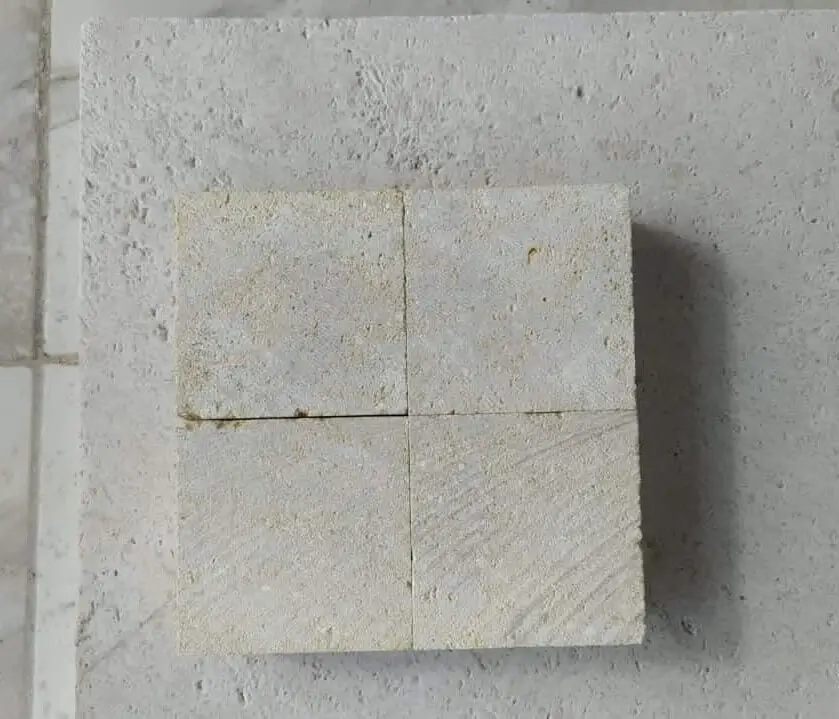
- Skilled contractors know which stone finishes — honed, thermal, or bush-hammered — suit specific structural and traction requirements
Verifying Credentials and Track Record
Licensing requirements for masonry stone contractors vary across jurisdictions, but verification is always your responsibility. A legitimate stone building company carries general liability insurance at minimum — and on larger structural projects, professional indemnity coverage matters too. Ask for certificates of insurance directly and verify them independently. Don’t rely on a contractor’s word, even if their portfolio looks impressive.
References tell a different story than project photos. Photos show what a project looked like on completion day. References tell you how the installation has performed over two, five, or ten years — and how the contractor responded when issues arose. The best stone masonry contractors will provide references without hesitation. If a company deflects this request, that reluctance is itself a data point worth noting.
- Request references from projects of similar scope and stone type to yours
- Ask references specifically about joint performance, efflorescence issues, and post-installation service
- Verify that the company has completed projects using the same natural stone materials you are specifying
- Confirm whether the lead contractor will be on-site throughout your project or managing from a distance
Evaluating Stone Knowledge and Material Sourcing
A stone building company’s material knowledge is inseparable from its sourcing relationships. Contractors who source stone directly — or work closely with established natural stone suppliers — understand batch consistency in ways that companies who simply order whatever is cheapest do not. Batch inconsistency is one of the most common causes of visual disruption in large-scale stone installations, particularly in wall cladding and floor fields where colour variation becomes obvious at scale.
The Natural Stone Institute stone variety and technical specifications resource outlines the performance properties of major stone types — a reference that reputable stone masonry contractors will already be familiar with. If a contractor you’re evaluating has never referenced NSI guidance or equivalent technical standards, that’s a meaningful gap in their professional grounding. Ask which stone types they have the most field experience with and why — the specificity of their answer matters.
- Contractors should be able to explain the absorption rate differences between limestone, travertine, and granite for your specific application
- Material knowledge includes understanding how finish type affects slip resistance, especially for exterior or wet-area applications
- Sourcing relationships affect lead times — a contractor with established supplier connections can often provide realistic warehouse stock timelines
- Ask whether they can accommodate colour-matched batches across project phases — this becomes critical on large jobs
Understanding the Quote and Scope Structure
A well-structured quote from a stone building company isn’t just a price — it’s a specification document. The line items should be detailed enough that you can identify exactly what materials are included, what base preparation is covered, what mortar system is being used, and how waste factor is calculated. Generic lump-sum quotes create disputes because they leave every ambiguity open to interpretation at your expense.
Waste factor is a specific area where quotes diverge significantly. Irregular stone formats — particularly in natural flagstone or ashlar patterns — require 15 to 25 percent additional material over the net coverage area. A contractor who quotes only net square footage is either inexperienced or leaving you exposed to a material shortfall mid-project. The Masonry Society natural stone wall construction standards provide baseline guidance on material allowances and structural requirements that your quote should align with.
- Confirm that the quote includes base preparation, not just surface installation
- Verify that waste allowances are explicitly calculated for your specific stone format
- Joint width, mortar type, and sealant specification should all appear as line items
- Clarify what triggers a change order — and get the threshold in writing before work begins
Landscape Integration and Design Coordination
A stone building company’s ability to coordinate with your landscape design intent separates a technically adequate installation from one that genuinely enhances your property. Natural stone selection isn’t made in isolation — it responds to the surrounding planting palette, hardscape transitions, and architectural style. A contractor who understands that a xeric planting scheme calls for warm-toned limestone or buff sandstone — not cool blue-grey slate — brings genuine value to the design process, not just the construction phase.
Design coordination also means understanding proportion and scale. Oversized stone formats can overwhelm a residential garden setting. Undersized modules can look fragmented against a large contemporary facade. Skilled masonry stone contractors contribute to this conversation proactively, not reactively. They should be able to tell you how different stone types and formats read at different viewing distances and in different light conditions — this kind of nuanced knowledge only comes from years of completed projects, not from catalogues.
- Stone colour temperature should complement — not conflict with — surrounding planting and soil tones
- Traditional colonial architectural styles typically suit ashlar limestone or buff sandstone formats
- Modern minimalist projects benefit from large-format, low-variation stone with tightly controlled joints
- Tropical planting schemes pair well with textured, warm-toned stones that don’t compete visually with dense foliage
- Contractors experienced in landscape integration will assess your site context before recommending stone types — not after
Project Logistics and Delivery Planning
Logistics planning is where many stone building company engagements break down. Natural stone is a heavy, bulky material — a single pallet of limestone wall coping can exceed 2,000 pounds. Your contractor needs a realistic plan for truck access, staging areas, and material handling on-site before the first delivery arrives. Failing to coordinate this causes delays that compound into schedule and cost overruns that are entirely avoidable.
Warehouse inventory status should be confirmed before you finalise your project timeline. At Citadel Stone, we recommend verifying stock availability before committing to a start date — particularly on projects requiring large volumes or specific stone types that may have variable lead times. Coordinating truck delivery schedules around site readiness is a detail that separates professional stone masonry contractors from less experienced operators. The USGS dimension stone production and use data illustrates the supply chain complexity behind domestic and imported natural stone — context that helps you understand why lead time variability is a legitimate project risk, not an excuse.
- Confirm truck access dimensions with your contractor before placing material orders
- Staging areas need to be firm, level, and protected from traffic to avoid stone damage before installation
- Split deliveries may be necessary on constrained sites — your contractor should plan for this proactively
- Warehouse availability for your specific stone product should be confirmed in writing, not assumed
Citadel Stone project support team
Installation Standards and Quality Controls
On-site quality control is a practical matter, not an abstract concept. Your stone building company should have a defined process for checking bond strength, joint consistency, level tolerance, and surface finish at regular intervals throughout the installation — not just at final inspection. Bond failures in natural stone cladding, for instance, often trace back to inadequate back-buttering or insufficient contact area between the stone and the setting bed. These aren’t visible at completion, but they become very visible within a few years as stones begin to detach.
Mortar compatibility is a technical detail that deserves specific attention. Portland cement-based mortars with high compressive strength can actually damage softer limestones and sandstones by creating a bond stronger than the stone itself — when movement occurs, the stone cracks rather than the joint. Experienced masonry stone contractors specify mortar that is appropriately weaker than the stone, following the principle that the joint is the sacrificial element. This is a specification detail that separates technically informed contractors from those simply following habit.
- Bond strength testing on sample panels before full installation confirms mortar compatibility
- Expansion joints should be placed at intervals appropriate to the stone’s thermal expansion coefficient — not at generic spacings from concrete guidelines
- Surface lippage tolerances for natural stone differ from tile standards — confirm which standard your contractor is working to
- Final surface protection during construction is often overlooked — mortar and construction traffic can permanently damage unsealed stone surfaces
Contract Terms, Warranties, and Post-Installation Support
The contract structure your stone building company proposes reveals a great deal about how they operate. Payment terms tied to project milestones — not calendar dates — protect you by linking payment to verified progress. A contractor who insists on large upfront payments without milestone-based conditions is structuring the contract in their favour, not yours. Workmanship warranties on stone masonry installations typically run two to five years for major defects — anything shorter than two years should prompt a direct conversation about why.
Post-installation support matters more in stone masonry than in most other trades because the material continues to perform and change after installation is complete. Efflorescence — the white mineral deposits that appear on masonry surfaces as soluble salts migrate to the surface — is a common early-period issue that resolves with time and appropriate treatment. Your contractor should be able to advise you on this before it happens, not just respond reactively. A stone building company that provides clear post-installation guidance demonstrates confidence in their work and a genuine understanding of how natural stone performs over time.
- Workmanship warranties should be separate from material warranties — confirm both are addressed in your contract
- Post-installation sealing requirements vary by stone type — your contractor should specify intervals appropriate to your material
- Efflorescence treatment protocols differ by severity — minor surface bloom versus deeply embedded salt migration require different approaches
- Confirm that warranty claims are handled directly by the contractor — not passed to a subcontractor you have no relationship with
What Matters Most When Choosing a Stone Building Company
The qualities that define a reliable stone building company aren’t visible in a finished photo — they show up in how the contractor prepares, specifies, communicates, and stands behind their work. Technical fluency with natural stone materials, disciplined base preparation, honest quote structures, and clear post-installation guidance are the markers of a contractor who has done this work seriously, at scale, across varied project types. Those qualities don’t correlate neatly with price, and they don’t always correlate with portfolio size either.
Your selection process should include a direct technical conversation — not just a price comparison. Ask about mortar specification, substrate assessment methods, batch consistency management, and warranty terms. The answers will differentiate the field faster than any number of reference photos. As you plan your broader property, other natural stone applications often intersect with masonry work — exploring natural stone wall design approaches can help you coordinate material choices across your project scope. Stone for nationwide projects ships with consistent color-matched batches, reducing surprises when contractors compare quotes.
Related reading: how to maintain stone landscaping materials · landscaping stone and rock · building stone materials.