Why Maintenance Intervals Actually Matter
Stone landscaping materials maintenance is where most projects either extend their service life dramatically or quietly begin to fail — and the deciding factor is rarely the material itself. It’s the timing and consistency of care after installation. Natural stone installed on a well-prepared base with proper joint sand can still deteriorate prematurely if sealing is delayed beyond 18 months, if organic debris sits in joints through a wet season, or if drainage patterns shift after a nearby grade change. The gap between a 15-year landscape and a 30-year one often comes down to two or three maintenance decisions made in the first five years.
Your stone type is the starting point for every maintenance protocol you develop. Limestone, travertine, basalt, and granite all weather differently, respond differently to cleaners, and require different sealing frequencies. Treating them as interchangeable — wiping down with the same product, resealing on the same schedule — is the most common maintenance mistake in the field.
Understanding Your Stone Type Before You Start
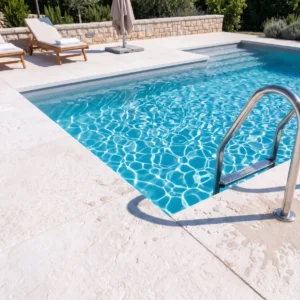
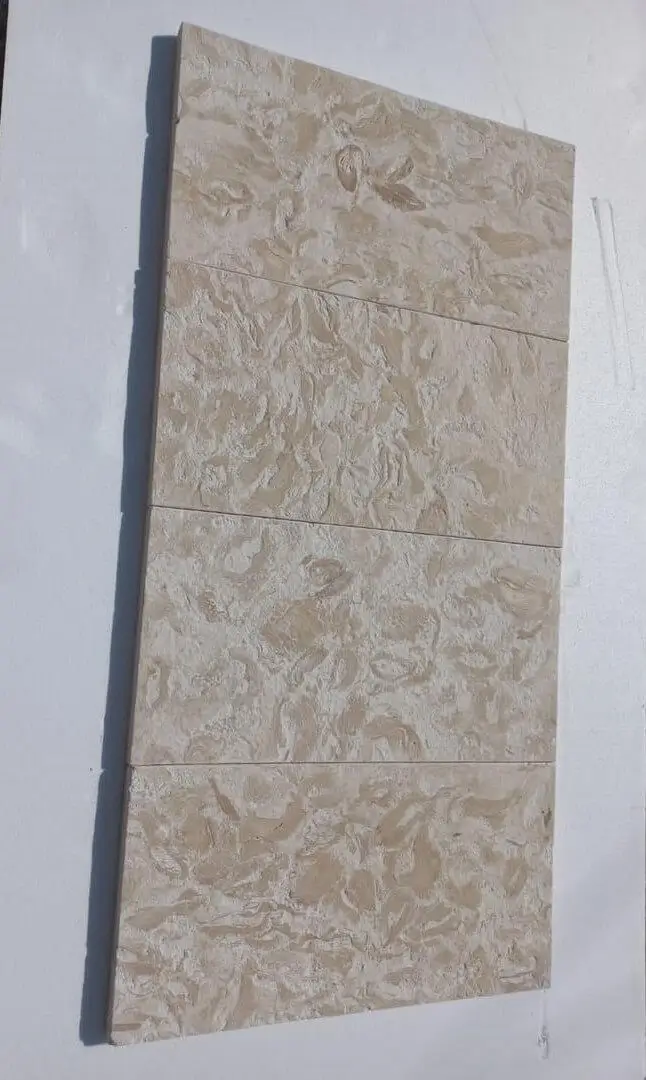
The porosity of your stone dictates almost every maintenance decision downstream. Travertine and limestone sit at the more absorptive end of the spectrum — water absorption rates between 3% and 7% are common, which means these materials pull in staining agents, salts, and biological growth faster than denser alternatives. Granite and basalt, by contrast, absorb less than 0.5% by weight, making them far more forgiving in high-traffic and heavily irrigated landscapes. According to Natural Stone Institute variety specifications, absorption rate is the single most important physical property governing outdoor stone maintenance requirements.
You’ll also want to factor in finish type before committing to a cleaning protocol. Honed and brushed finishes are more forgiving of minor scratches and weathering, but they trap organic material in their textured surface more readily than polished finishes do. Tumbled edges and weathered faces conceal wear well but tend to collect compacted debris in recessed areas that a standard broom won’t reach. Know your finish before you pick your cleaning tools.
Effective stone landscaping materials maintenance starts with a material audit — not a cleaning schedule. Walk the installation, note the finish, identify the stone family, and check joint condition before deciding on any maintenance approach.
Cleaning Protocols That Actually Work
The number of stone installations damaged by well-intentioned cleaning is higher than most people realize. Acid-based cleaners — even diluted muriatic acid commonly sold for general hardscape use — will etch limestone and travertine surfaces within minutes of contact, dulling honed finishes and permanently marking polished faces. The damage is irreversible without professional re-grinding. For calcium-based stones, your safe pH range for cleaners sits between 7 and 9, full stop.
For routine maintenance across most stone types, a low-pressure rinse followed by a neutral-pH detergent scrub handles the majority of organic buildup. Here’s what effective periodic cleaning looks like in practice:
- Pre-wet the entire surface before applying any cleaner — dry stone absorbs cleaning agents too aggressively and can cause streaking or uneven lift
- Use a stiff-bristle nylon brush for joint areas and textured surfaces — wire brushes will scratch softer stones and dislodge joint sand
- Work in small sections, rinsing thoroughly before the cleaner dries — dried residue on stone is harder to remove than the original staining
- For biological growth like moss or algae, use a purpose-formulated biocide rated safe for natural stone — bleach solutions damage stone sealers and can discolour lighter-coloured materials
- Pressure washing is acceptable at 1,200–1,500 PSI with a fan-tip nozzle held at least 12 inches from the surface — anything above 1,800 PSI risks joint sand erosion and surface micro-fracturing
One detail that gets overlooked: cleaning direction matters on sloped surfaces. Always work uphill to downhill so dirty water doesn’t redeposit over already-cleaned sections. It sounds obvious, but most field crews skip it.
Sealing Schedules and Product Selection
Sealing is where the biggest performance gaps appear in stone landscaping materials maintenance programs. The correct sealer type depends on the stone, the finish, and the site conditions — and the difference between an impregnating sealer and a topical coating determines how your stone weathers over the next decade.
Impregnating sealers penetrate below the surface and protect the stone’s pore structure without altering surface appearance. These are the correct choice for exterior landscaping applications on all porous stones — limestone, travertine, sandstone, and most flagstones. Topical sealers create a surface film that looks good initially but tends to peel, trap moisture beneath it, and fail catastrophically in freeze-thaw conditions. Avoid topical coatings on exterior stone entirely.
Your resealing frequency depends on stone density and site exposure:
- High-porosity stones in exposed locations — limestone, travertine — typically need resealing every 18–24 months
- Medium-density stones — sandstone, some flagstones — perform well on a 24–36 month schedule
- Dense stones — granite, basalt — may only require sealing every 4–5 years, and some installations can go unsealed without meaningful performance loss
- Areas with heavy foot traffic, irrigation overspray, or frequent wet/dry cycling need resealing at the shorter end of these ranges
- Always test sealer performance with a water bead test — if water absorbs within 60 seconds rather than beading, it’s time to reseal regardless of the calendar schedule
At Citadel Stone, we recommend applying sealer in two thin coats rather than one heavy application. Two coats with a 30-minute dry window between them penetrate more evenly and produce a more consistent moisture barrier across the stone face.
Joint Maintenance and Storm Resilience
Joint integrity is the most underappreciated dimension of stone landscaping materials maintenance — and it’s the first thing that fails under weather stress. Polymeric joint sand performs well in stable conditions, but storm events expose weaknesses that routine inspections miss. Wind-driven rain at velocity loads higher than 45 mph can wash fine particles from joints in as little as one storm season, leaving gaps that allow weed establishment, edge instability, and water infiltration beneath the base course.
The USGS dimension stone production data confirms that outdoor paving stone performance in exposed installations is directly tied to base preparation and joint stability — both of which degrade if joints are neglected across multiple seasons. Hail and impact events add another layer of mechanical stress: smaller-format pavers with narrow joints (under 3mm) are more vulnerable to joint fracture under hail impact than wider-jointed installations with polymeric fill at full depth.
For stone and rock landscaping installations in storm-exposed locations, your joint maintenance checklist should include:
- Inspect joints within two weeks of any significant storm event — early intervention prevents compounding damage
- Top up polymeric sand in eroded areas using a dry-application product compatible with your existing jointing material — incompatible products can cause swelling or discolouration
- Check edge restraint integrity along perimeter stones after wind events — lateral forces from debris impact can shift perimeter units by 3–5mm, which is enough to open adjacent joints
- For wide joints (8mm and above), consider a coarser-grade polymeric product with higher aggregate content — it resists wind scour more effectively than fine-grade formulations
- Re-compact joint sand after top-up using a rubber mallet and straightedge on smaller areas, or a plate compactor with a rubber pad on larger surfaces
You don’t need a major storm to cause joint failure. Repeated low-intensity rainfall combined with irrigation overspray across a 12-month period can erode joints just as effectively as a single major event — it just happens slowly enough that most property owners don’t notice until weeds establish.
Managing Stains and Efflorescence
Efflorescence is the white crystalline deposit that appears on stone surfaces when water moves through the base, dissolves soluble salts, and deposits them on the surface as it evaporates. It’s not a defect in the stone — it’s a drainage and moisture management issue that appears as a maintenance problem. Understanding that distinction changes how you approach removal and prevention.
For fresh efflorescence on calcium-based stones, dry brushing followed by a light rinse is often sufficient. For persistent deposits, a diluted alkaline cleaner applied with a soft brush lifts salt deposits without attacking the stone face. Never use acid on limestone or travertine efflorescence — you’ll etch the surface while removing the deposit, which creates a textured area that traps future deposits more aggressively.
Organic stains from leaves, irrigation runoff, and biological growth respond well to enzyme-based cleaners that break down organic compounds at the molecular level rather than bleaching them. For rust staining — common around iron-containing aggregate bases or metal edging — an oxalic acid poultice applied to dense stones like granite works effectively, but avoid this approach on softer stones where acid contact time is harder to control. For tailored guidance on material-specific stain treatment, Citadel Stone landscape material advice covers product-specific approaches across the natural stone range.
Natural Stone Pavers in High-Traffic Landscape Zones
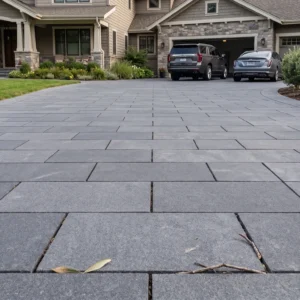
Natural stone landscaping pavers in driveways, entry courts, and heavily used pathways face a different set of maintenance demands than patio or garden installations. Point loads from vehicle tyres concentrate stress at joint edges, and repeated loading cycles can cause micro-fracturing in stones thinner than 1.5 inches, particularly in freeze-thaw regions where water infiltration accelerates cracking.
Maintaining natural stone pavers in these zones requires more frequent joint inspection — quarterly rather than annually — and earlier intervention when settling occurs. A 3mm differential between adjacent stones in a pedestrian area is a cosmetic issue; the same differential in a vehicle-trafficked area creates a stress concentration point that will propagate cracking within 12–18 months. Level stones within two seasons of settlement appearing. ASLA natural stone paving guidance recommends regular inspection of pavement surface tolerances as part of any long-term landscape maintenance program.
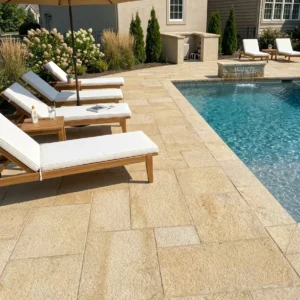
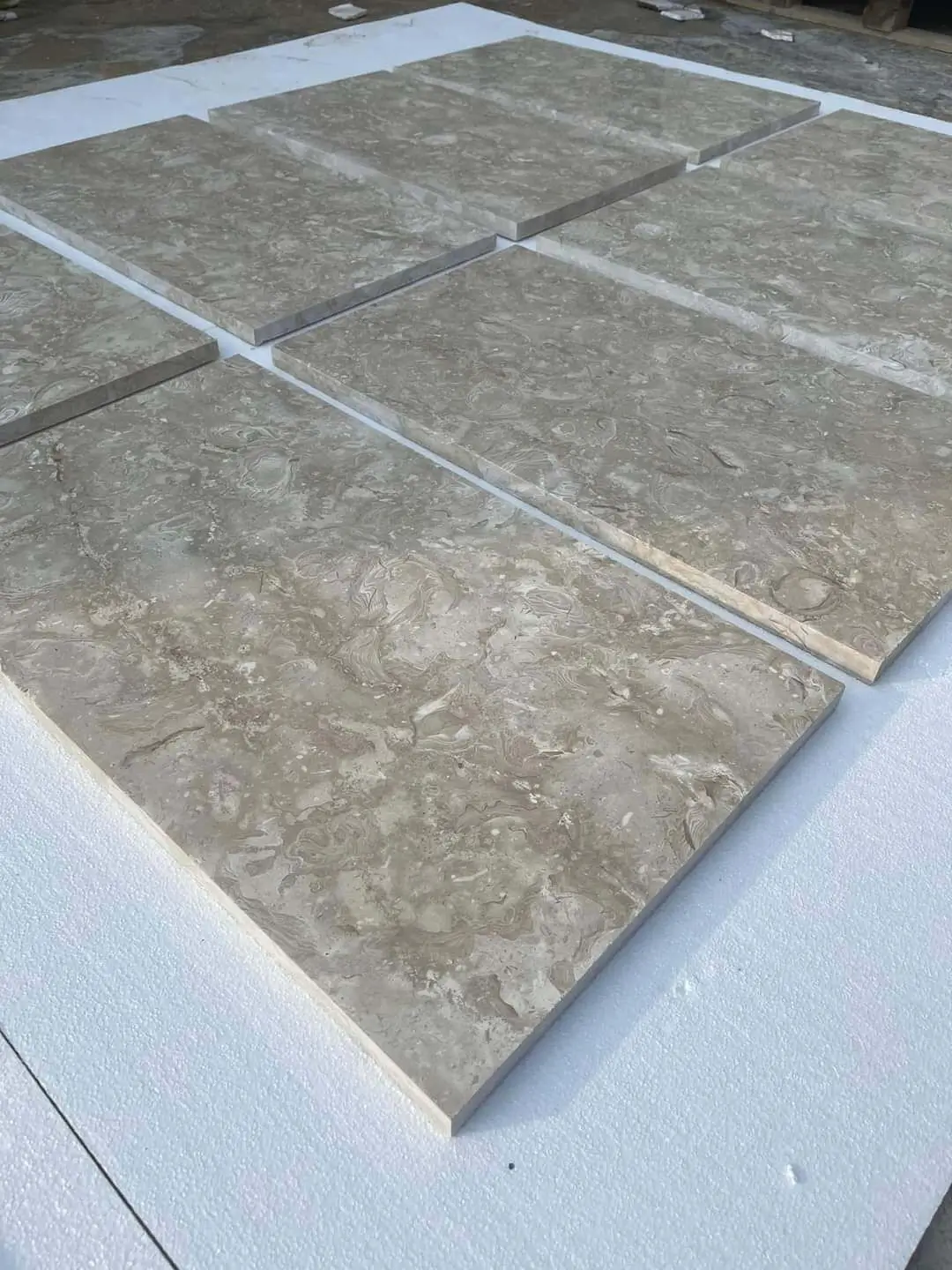
For natural stone pavers in white stone landscaping applications — entry courts, decorative paths, light-coloured garden features — staining from tannins, iron, and biological growth is a persistent challenge. Light-coloured stone shows deposits that darker materials hide, so your cleaning frequency in these zones typically needs to double compared to darker stone installations in equivalent conditions. White stone landscaping requires particular vigilance during autumn leaf-fall and after periods of heavy irrigation, when tannin and mineral deposits accumulate fastest.
Seasonal Maintenance Planning
Stone and rock landscaping environments change across seasons, and your maintenance schedule should reflect those shifts rather than running on a flat annual calendar. The most impactful maintenance windows are late spring — after biological growth season peaks — and early autumn, before temperatures drop and biological activity slows.
Spring maintenance priorities:
- Full surface clean to remove winter debris, organic matter, and any salt residue from de-icing products used during cold months
- Joint inspection and top-up after freeze-thaw cycles that may have expanded and displaced jointing material
- Sealer performance test using the water bead method — reseal if needed before summer irrigation seasons increase moisture exposure
- Check for frost-heaved stones in cold-region installations — rebed any displaced units before traffic loads compound the movement
Autumn maintenance priorities:
- Remove leaf accumulation weekly during fall drop — tannins from decomposing leaves stain lighter stones within 48–72 hours of contact in wet conditions
- Clean and inspect drainage channels adjacent to stone installations — blocked drainage directs water under stone edges and accelerates base saturation
- Apply a fresh sealer coat to high-porosity stones before cold season if the last application was more than 18 months ago
- Document any cracked or chipped units for replacement planning — sourcing matching stone from warehouse inventory is easier before winter logistics slow delivery timelines
Citadel Stone maintains consistent warehouse stock of the most commonly specified landscape stone types, which means sourcing replacement units mid-season is typically achievable within a 7–10 day window rather than the extended lead times that come with special-order imports.
Common Mistakes That Shorten Stone Life
Field experience with stone landscaping materials maintenance reveals patterns in how installations fail prematurely — and most of them trace back to the same handful of errors.
- Using de-icing salts directly on natural stone — sodium chloride and calcium chloride both accelerate surface spalling, particularly on limestone and travertine; use sand for traction instead
- Allowing irrigation heads to spray directly onto stone surfaces — the repeated wet-dry cycle concentrates mineral deposits and biological growth at an accelerated rate
- Over-watering adjacent planted areas so that irrigation runoff crosses stone installations regularly — this is a drainage design issue, not a stone issue, but the stone bears the consequences
- Delaying replacement of cracked or rocking units — a single unstable stone transfers load unevenly to adjacent units and can cause cascading joint failure across a 12–18 square foot area within one season
- Applying a second sealer coat over a failing first coat without stripping — layered sealers trap moisture between coats, which causes bubbling, peeling, and accelerated sealer failure
- Using metal tools for joint cleaning — metal scrapers leave iron residue in joints that oxidises and stains the surrounding stone face over 6–12 months
The most expensive maintenance mistake, consistently, is skipping the first resealing window. If your stone went in during summer and you’re planning to reseal the following spring — that’s often already 10–12 months past the ideal window for high-porosity materials. Staining that occurs in that gap can require professional poultice treatment to reverse, which costs significantly more than the sealing that prevented it.
Long-Term Performance of Stone Landscaping Materials
The long-term performance of stone landscaping materials comes down to a disciplined maintenance rhythm, not heroic intervention when problems become visible. Your most valuable maintenance tool is early observation — catching joint erosion after the first storm season, catching sealer failure in year two, catching organic staining before it penetrates below the surface layer. The installations that reach 25 and 30 years without major remediation work aren’t made from better stone; they’re maintained by owners who treated the post-installation care as seriously as the specification and installation process itself. As you build out your maintenance plan, understanding how installation quality affects long-term upkeep is equally important — stone masonry installation best practices provides the foundational detail that makes maintenance more predictable and less reactive. Sourced from select natural stone quarries worldwide, stone landscaping materials at Citadel Stone resist salt spalling with routine rinsing.
Related reading: retaining wall with natural stone · masonry stone contractors · A Real Stone Building Company Project Showcase.