What Actually Drives Stone Building Supplies Cost
Stone building supplies cost more than most project managers anticipate — not because of material markups, but because the variables that determine final price are rarely factored in at the specification stage. The per-unit price you see quoted on a product sheet is just the starting point. Your delivered cost per square foot depends on material type, thickness, finish, coverage yield, and the logistical realities of getting stone from a warehouse to your job site in viable condition. Once you understand how those layers stack, you can spec with precision instead of padding your budget with a guess.
The specification failure most projects share is treating stone as a commodity purchase. Natural stone is a geological material with measurable variation in density, absorption, and dimensional tolerance — and each of those variables has a direct cost implication. Denser materials weigh more per pallet, which affects truck freight. Higher absorption ratings require sealing, which adds to your total installed cost. Dimensional irregularity means more waste allowance. None of that shows up in a per-square-foot sticker price, but all of it shows up in your final invoice.
Material Type and Price Tiers: What You’re Actually Paying For
Natural stone spans an enormous price range — from approximately $3 per square foot for basic landscaping stone and rock to well over $30 per square foot for rare or highly finished architectural stone. The tier your project lands in depends on geology, not marketing. Here’s how the major material categories break down in practice:
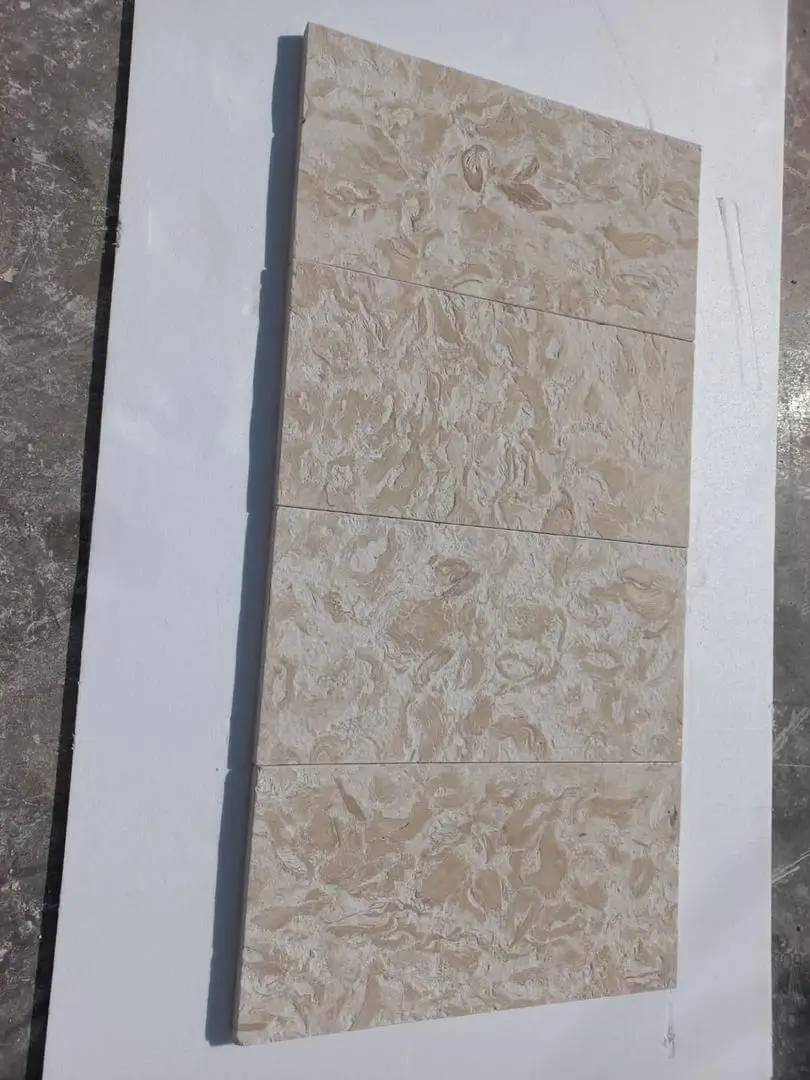
- Limestone: typically $5–$14 per square foot depending on finish and origin; honed and tumbled finishes cost more than sawn; imported Turkish limestone sits toward the upper end of mid-range but delivers consistent dimensional tolerance that reduces waste
- Travertine: $6–$16 per square foot; filled-and-honed finishes command a premium over unfilled; thickness matters here — pool-grade 2-inch material costs substantially more than 1.25-inch interior tile
- Granite: $8–$22 per square foot for paving applications; flamed and bush-hammered finishes add $2–$4 over polished due to processing time; cobblestone formats run lower per square foot but higher per ton
- Basalt: $9–$20 per square foot; dense volcanic origin makes it heavier per pallet, which raises freight cost relative to its square footage yield
- Flagstone and stepping stone formats: $4–$12 per square foot; irregular shapes carry lower unit cost but higher waste allowance — budget 15–20% overage for natural irregular cuts
Boulders for landscape applications price by weight rather than area — typically $150–$600 per ton depending on species, size, and surface character. Confirm with your supplier whether the quoted price includes delivery rigging, because large boulders require specialized truck equipment for offloading that isn’t always included in a standard freight quote.
Thickness, Coverage Yield, and the Math That Matters
Coverage yield is the metric that separates an accurate cost estimate from one that blows up mid-project. Two slabs with the same nominal square footage can deliver meaningfully different coverage depending on dimensional tolerance, breakage risk, and the cut efficiency of the format you’ve selected. Your cost per usable square foot — not your cost per purchased square foot — is the number that matters when calculating true stone building supplies cost.
Thickness is the biggest driver of yield variation. Consider limestone pavers as an example:
- 3/4-inch nominal thickness: suitable for interior flooring set in thinset; lower freight cost per square foot; higher breakage risk during handling and cutting
- 1.25-inch nominal: the standard for most exterior paving applications; balances freight cost against structural adequacy; handles moderate vehicular loads in non-heavy-traffic zones
- 2-inch nominal: required for vehicular driveways and heavy load areas; almost double the weight per pallet, which directly increases truck delivery cost; longer lead time from warehouse if non-standard thickness is held in limited inventory
Add a 10% waste factor for cut-to-size rectangular formats, 12–15% for running bond patterns with cuts at borders, and up to 20% for diagonal or herringbone layouts. These aren’t conservative padding figures — they reflect real field cut waste from standard saw blade kerf and breakage during handling. Under-ordering and sourcing a second delivery mid-project costs more than the overage material you might return.
Finish and Surface Processing: Where the Price Jump Happens
The raw stone price is only part of what you’re paying for. Surface processing — the finishing step that determines the stone’s texture, reflectivity, and slip resistance — adds cost that varies considerably by material and method. Understanding what each finish costs and why helps you make defensible specification decisions rather than defaulting to the cheapest available option.
- Sawn/cut: the baseline finish; minimal processing beyond quarry extraction and dimensional cutting; lowest price point in each material category
- Honed: mechanically ground to a flat matte surface; adds $1.50–$3.50 per square foot over sawn; the preferred finish for interior flooring and covered exterior applications
- Polished: mirror surface requiring multiple progressively finer grinding passes; adds $3–$6 per square foot; not recommended for outdoor or wet applications due to slip risk
- Tumbled: barrel-tumbled to soften edges and create an aged appearance; adds $1–$2.50 per square foot; popular for landscaping stone and rock applications where a traditional aesthetic is required
- Flamed/thermal: propane flame applied to the surface to create a rough, high-grip texture; adds $2–$4 per square foot; the correct choice for pool decks, ramps, and areas with consistent wet foot traffic
- Bush-hammered: mechanical hammering to create a dimpled surface with high coefficient of friction; adds $3–$5 per square foot; used for heavily trafficked exterior applications requiring ASTM-compliant slip resistance
According to the Natural Stone Institute stone variety specifications, surface finish directly affects both aesthetic performance and long-term maintenance requirements — a factor that should influence finish selection beyond initial cost considerations alone.
How Subgrade and Ground Conditions Affect Your Total Cost
The ground beneath your stone installation is a cost variable most budgets ignore until it becomes a problem. Soil composition and subgrade stability don’t change the price of the stone itself, but they substantially affect the cost of the base system required to make that stone perform over time. Getting this right at the specification stage is far cheaper than addressing settlement, cracking, or heave after installation.
Expansive clay soils — common across large swaths of the country — create particularly challenging conditions for natural stone paving. Clay expands when wet and contracts when dry, generating vertical movement that can displace bedded stone, crack mortared joints, and create differential settlement across a paved surface. In clay-heavy subgrades, your base section typically needs to be deeper than standard recommendations:
- Standard base for stable subgrades: 4–6 inches compacted crushed aggregate
- Expansive clay subgrades: 8–12 inches compacted aggregate, often with a geotextile separation layer between native soil and base course
- Sandy or loose soils: well-draining but prone to erosion under paving; may require a stabilized base or concrete sub-slab for heavy stone formats
- Rocky or caliche subgrades: excavation costs can spike significantly when mechanical breaking is required before base preparation can begin
These base system upgrades add real dollars to your installed cost — typically $3–$8 per square foot in additional base preparation expense for challenging soil conditions. Budget for a soil assessment before you finalize your stone building supplies cost estimate, particularly for large-format projects where differential settlement is structurally significant. The American Society of Landscape Architects permeable paving guidance addresses base design considerations that directly influence long-term performance in variable soil conditions.
Freight, Delivery, and Logistics: The Cost Layer Most Specs Miss
Freight is one of the most underestimated components of stone building supplies cost, particularly for projects sourcing heavier materials like granite or thick-cut basalt. Your material price and your delivered price can differ by 15–30% depending on project location, access constraints, and pallet configuration. Understanding how freight works helps you make smarter sourcing decisions and avoid surprises at invoice time.
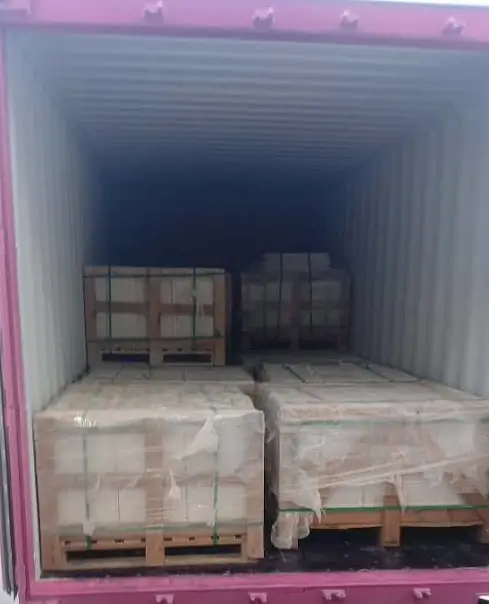
Stone ships on pallets, and pallet weight determines freight class. Denser materials generate more freight cost per square foot of coverage — a factor that sometimes makes a slightly more expensive material per square foot cheaper on a delivered-cost basis if it’s lighter or packs more efficiently. Truck access conditions matter as well: a standard flatbed delivery requires a clearance of at least 14 feet in height and enough turning radius for a full-size freight truck. Sites with narrow access or weight-restricted roads may require a smaller truck, which increases freight cost and sometimes requires multiple deliveries.
- Check warehouse stock availability before scheduling — partial pallet orders or split shipments add cost and scheduling complexity
- Confirm whether your quote includes liftgate service; most stone deliveries require it for sites without a loading dock
- For large boulders for landscape applications, verify that rigging or crane service is included — it rarely is in standard freight quotes
- Lead times from warehouse inventory typically run 1–2 weeks for in-stock materials; specialty or custom orders can extend to 6–8 weeks if import sourcing is required
At Citadel Stone, we maintain consistent warehouse inventory of core material lines, which reduces the project risk of mid-build material shortages that force substitutions or schedule extensions. Confirming stock before you finalize your timeline is a straightforward step that prevents a disproportionate amount of project disruption.
Stone Building Supplies Pricing by Application Type
Material cost shifts meaningfully depending on the application context. The same limestone that works as a wall stone at $6 per square foot may need to be specified in a thicker, higher-grade format for a driveway application at $12 per square foot. Here’s a practical breakdown by application category:
For landscaping stone and rock installations — including garden borders, dry-stack walls, and naturalistic boulder placements — the cost range is broad because the specification tolerance is also broad. A rough-sawn fieldstone-style limestone for a garden border wall costs $4–$7 per square foot. Precision-cut ashlar for a formal retaining wall in the same material can reach $14–$18 per square foot because fabrication time and dimensional accuracy requirements are far higher.
- Patio and courtyard paving: $8–$18 per square foot installed, depending on material and base preparation; flagstone formats sit toward the lower end, large-format limestone or travertine toward the upper
- Driveway paving in stone: $14–$28 per square foot installed; vehicular load requirements mandate thicker stone and deeper base sections, both of which add cost
- Pool coping and pool deck: $12–$25 per square foot installed; slip-resistance finish requirements and waterproofing membrane compatibility add specification complexity and cost
- Wall stone and veneer: $6–$16 per square foot; thin veneer is at the lower end, full-thickness ashlar considerably higher; mortar, ties, and backup wall structure add to total system cost
- Landscape boulders: $200–$500 per ton delivered; placement equipment is a separate cost line
For a detailed breakdown of material pricing across Citadel Stone’s product range, the Citadel Stone cost breakdown guide provides application-specific pricing with coverage yield calculations built in.
Sealing, Maintenance, and Lifecycle Cost
Your initial stone building supplies cost is only part of the total cost of ownership equation. Natural stone — particularly porous varieties like limestone, travertine, and tumbled sandstone — requires periodic sealing to maintain stain resistance, control moisture ingress, and protect surface integrity. Factoring lifecycle maintenance into your initial spec decision is how you avoid the trap of choosing the cheapest material and discovering it’s the most expensive material to own over a 20-year horizon.
Sealing cost depends on material porosity and the type of sealer required. Dense materials like granite and basalt are low-maintenance — a penetrating sealer every 3–5 years is typically sufficient. More porous materials like tumbled limestone or travertine may require sealing every 18–24 months in high-traffic or exposed applications. The USGS dimension stone production and use data provides useful context on how material density and mineral composition correlate with porosity and absorption rates across stone categories.
- Penetrating impregnating sealers: $0.15–$0.40 per square foot applied; most appropriate for exterior applications where breathability is required
- Topical sealers: $0.10–$0.25 per square foot applied; appropriate for interior flooring where a surface sheen is acceptable; not recommended for outdoor use in freeze-thaw regions
- Professional application vs. self-application: for large areas, professional application adds $0.50–$1.20 per square foot in labor but ensures even coverage and correct product selection for the specific stone
- Joint sand replenishment for dry-laid installations: annual inspection recommended; joint sand loss is the leading cause of edge cracking and paver instability in exposed outdoor installations
How to Get an Accurate Stone Building Supplies Cost Quote
Most quote discrepancies trace back to incomplete information at the inquiry stage. Suppliers can only price what you specify, and vague project descriptions produce vague — and inevitably inaccurate — quotes. Here’s what to bring to a pricing conversation to get a number you can actually build a budget around:
- Total area in square feet, measured accurately with layout plan — not an estimate
- Material type and finish preference, or a shortlist of two or three options for comparison
- Thickness requirement based on application (foot traffic, vehicular, decorative only)
- Site access details: truck clearance, road restrictions, whether a liftgate or crane is required
- Timeline: does your schedule accommodate standard lead times, or do you need in-stock material only?
- Waste factor: have you calculated your cut pattern’s waste requirement, or do you need help with that?
Confirm whether the quote is based on coverage yield or nominal square footage. These are different numbers, and suppliers who quote on nominal square footage without disclosing waste allowance are giving you a number that will underperform in the field. Coverage-yield pricing — the method Citadel Stone uses — gives you a cost per usable square foot after accounting for standard waste, which is the only number that produces an accurate project budget. Our technical team is available to walk through yield calculations for any project format before you commit to an order quantity.
What Accurate Stone Building Supplies Cost Estimates Require
Stone building supplies cost varies more than most project owners realize at the outset — and the gap between a sticker price and a true installed cost is where most budget surprises hide. Your delivered cost per usable square foot depends on material type, thickness, finish processing, freight logistics, subgrade preparation requirements, and long-term maintenance. Getting each of those layers right at the specification stage is how you produce a budget that holds through project completion. The materials that seem expensive upfront — dense, low-maintenance, consistently dimensioned stone from verified quarry sources — routinely deliver lower total lifecycle cost than cheaper alternatives that demand more base preparation, more sealing, and more frequent replacement. According to ASTM dimension stone quality and testing standards, consistent dimensional tolerance and verified material properties are the baseline requirements for long-term stone installation performance — and both are worth specifying explicitly rather than assuming. As you plan your full project scope, natural stone applications extend well beyond primary paving surfaces — maintaining stone landscaping materials covers the ongoing care practices that protect your investment across every stone element on the property. Sourced from premium quarries in Turkey and the broader Middle East region, stone building supplies from Citadel Stone are priced by coverage yield.
Related reading: stone masonry contractors · building stone home · Natural Stone Hardscape Ideas for Outdoor Spaces.