

What Fabrication Quality Actually Looks Like
Granite fabrication services separate themselves at the detail level — the precision of edge profiles, the consistency of slab thickness after cutting, and whether the fabricator accounts for material movement before templating. You’ll encounter shops that claim identical capabilities, but the difference shows up in how they handle natural fissures, inclusion zones, and grain direction when laying out cuts for a complex countertop run. These aren’t finishing touches — they’re structural decisions that determine how your countertop performs over decades, not just how it looks on day one.
The material itself sets the ceiling for what fabrication can achieve. Granite’s interlocked crystalline structure — typically quartz, feldspar, and mica bound at geological pressures — gives it compressive strengths routinely exceeding 19,000 PSI, which means a skilled fabricator has real latitude to execute thin profiles and long overhangs that softer stones simply can’t support. According to NSI granite durability and application specifications, this density also contributes to its scratch and heat resistance, both of which matter in high-use kitchen environments.
Understanding what happens inside a fabrication shop — from slab selection through final polish — gives you the ability to evaluate bids critically and catch specification gaps before they become installation problems.
The Fabrication Process Step by Step
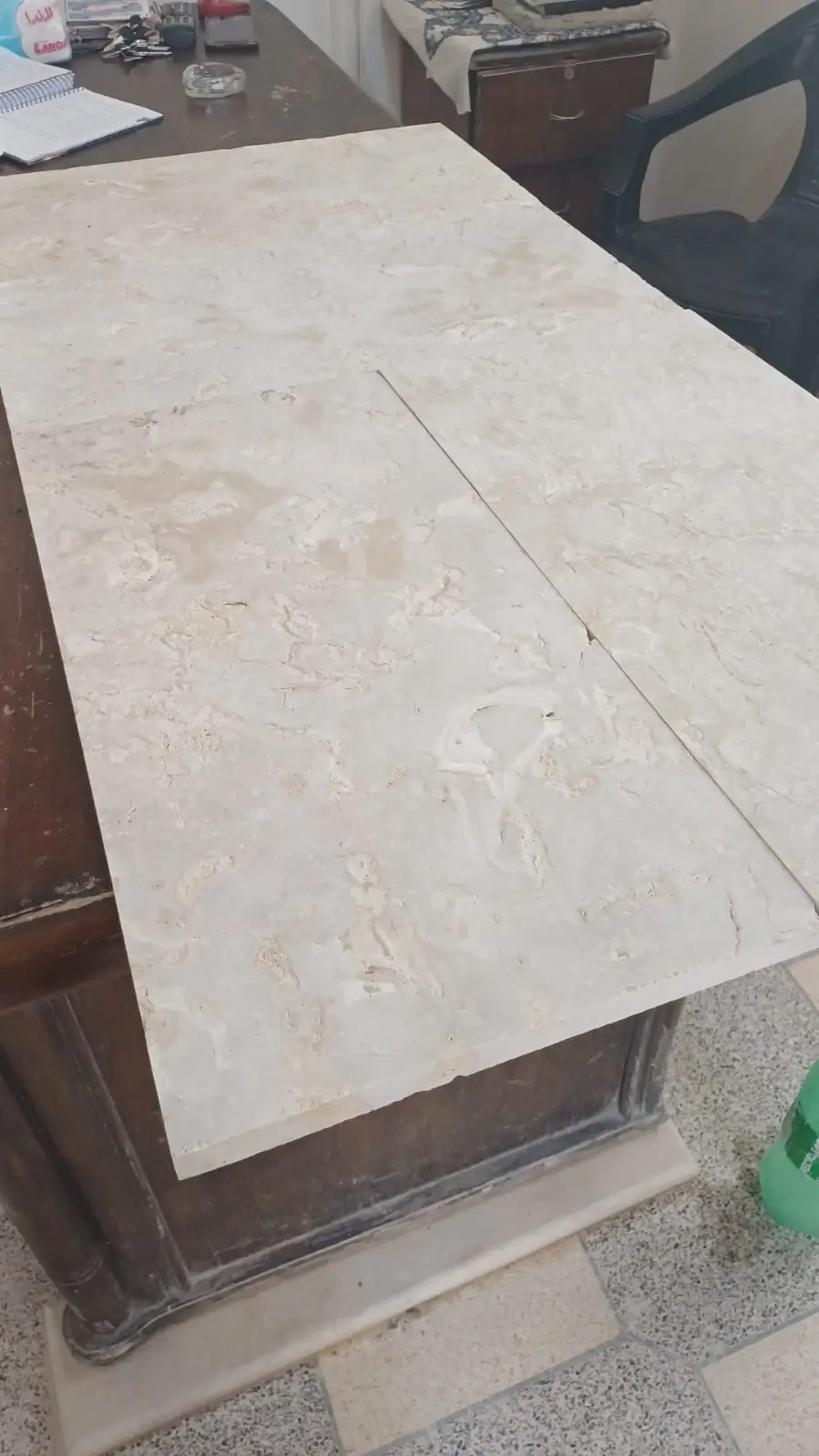
Custom granite fabrication follows a defined sequence, and any shop that skips or rushes a stage creates compounding problems downstream. Here’s the practical breakdown of what you should expect:
- Templating: Physical or digital measurement of your space, accounting for wall inconsistencies, appliance clearances, and seam placement — this stage takes 45–90 minutes for a standard kitchen and longer for complex layouts
- Slab selection: You choose the actual slab, not just a sample — grain pattern, color variation, and inclusion location all affect how cuts fall
- CNC cutting: Computer-guided waterjet or diamond-blade cutting to template dimensions, holding tolerances within ±1/16 inch on quality machines
- Edge profiling: Router passes to achieve the specified edge — eased, beveled, ogee, or full bullnose — each requiring different tooling and pass counts
- Sink and cooktop cutouts: These require reinforcement planning; unsupported granite spans exceeding 6–8 inches without substrate support are a known failure point
- Polishing and finishing: Surface finish matched to specification — honed finishes show tooling marks if prep work is rushed, so this stage reveals shop quality immediately
- Final inspection and delivery: Slab integrity check before loading — hairline cracks from cutting are possible and must be caught before the truck reaches your site
The templating stage is where most budget shops cut corners. A digital template system using photogrammetry or laser measurement reduces cumulative error across a multi-piece installation from potentially ¼ inch to under 1/16 inch — that difference is visible at every seam.
Edge Profiles and Thickness Specifications
Your edge profile selection isn’t purely aesthetic — it affects structural performance, cleaning difficulty, and how forgiving the installation is when countertops aren’t perfectly level. A full bullnose on a 3 cm slab looks generous but requires the top surface to be flawless, since any deviation in polish level reads clearly on a curved face. An eased edge is more forgiving and wears better in high-traffic commercial settings.
Thickness is the spec most buyers underweight. Residential granite countertops fabrication at 2 cm (¾ inch) requires a full plywood substrate for support and can’t span more than 10–12 inches without it. The 3 cm (1¼ inch) standard is structurally self-supporting across typical base cabinet widths, which matters both for installation logistics and long-term deflection resistance. For commercial applications or island overhangs exceeding 12 inches, you should spec 3 cm minimum and discuss steel rod reinforcement for spans beyond 18 inches with your fabricator.
Granite fabrication shops offering only 2 cm material are optimizing for slab yield, not your project’s durability. That’s worth knowing before you sign a contract.
Seam Placement and Structural Considerations
Seam placement in granite countertops fabrication is where fabricator experience separates from fabricator efficiency. A shop focused on minimizing waste will place seams where cuts fall naturally from the slab layout. A shop focused on your installation will place seams where they’re structurally sound, visually minimal, and functionally safe — those locations don’t always overlap.
- Seams should never land directly over a dishwasher or open cabinet cavity — unsupported seams in these locations are the most common source of field failures
- Seam placement near a sink cutout should maintain at least 4 inches of granite on either side of the cutout at the seam — less than that creates a stress concentration point
- Matching grain direction across a seam requires careful slab selection; fabricators who cut both pieces from the same slab run (bookmatched or sequential) achieve far better seam visibility than shops sourcing multiple slabs
- Seam adhesive color needs to be matched during fabrication, not improvised on-site — color-matched epoxy mixed to the specific stone tone is a standard shop practice, not a premium option
Building codes in many jurisdictions don’t prescribe seam location for countertops specifically, but structural load continuity across a seam is governed by the same logic that informs ASTM C615 dimension stone quality standards — the material must be capable of sustaining the applied load without stress fracture. ASTM C615 granite dimension stone standards establishes minimum modulus of rupture values that directly inform how fabricators should approach overhangs and seam spans.
Code Compliance and Structural Requirements
Building standards increasingly intersect with stone fabrication decisions — particularly for commercial kitchens, multi-family residential projects, and any installation subject to permit review. Countertop thickness and support spacing aren’t always regulated explicitly, but seismic zones add a layer of specification that’s easy to overlook on interior stone work.
In seismic design categories C through F — which cover significant portions of the country — countertop and wall-mounted stone elements may require mechanical anchoring or positive attachment to prevent displacement during ground motion events. Your fabricator needs to know the project’s seismic category before finalizing edge profiles and mounting details, since some edge treatments reduce the available bearing surface for anchor points.
- Commercial kitchen installations often fall under local health code jurisdiction, which may specify surface absorption limits — granite’s water absorption rate of typically 0.1–0.4% meets most health code thresholds for food-prep surfaces
- Load-bearing requirements for stone countertop support structures are governed by applicable residential or commercial building codes — your contractor of record needs to specify base cabinet loading capacity before fabrication begins
- Bathroom vanity installations in jurisdictions requiring ADA compliance must account for knee clearance dimensions, which affects how the fabricator handles front apron edges and undermount sink positioning
- Some jurisdictions require permit pulls for structural countertop replacements in commercial settings — confirm this with your contractor before scheduling delivery
These aren’t edge-case concerns. Specifying granite fabrication services without checking the project’s applicable code requirements is the kind of omission that creates expensive rework after installation.
Evaluating Granite Fabrication Shops
The right granite fabrication shops distinguish themselves through process transparency, tooling investment, and how they handle problem slabs. Here’s what to look for during a shop visit or vendor evaluation:
- CNC or waterjet cutting equipment with documented tolerance specifications — ask for ±1/16 inch on cuts and ±1/32 inch on edge profiles as baseline benchmarks
- In-house polishing capability using consistent abrasive progressions (typically 50, 100, 200, 400, 800, 1500, and 3000 grit for a full polish) rather than outsourced finishing
- Templating method — digital laser or photogrammetry systems outperform manual templating for complex layouts; ask specifically which system they use
- Slab inspection protocol — whether the shop reviews incoming slabs for fissures, thickness variation, and pitch before cutting begins, or simply processes what arrives from the warehouse
- Seam epoxy matching process — shops that mix color-matched epoxy in-house rather than using generic black or beige adhesive demonstrate attention to finish quality
- References from similar project types — a shop experienced in residential kitchens may not have the tooling depth for large-format commercial countertop runs
At Citadel Stone, we recommend requesting a fabrication specification sheet from any shop you’re considering — a professional operation should be able to provide tolerance specifications, tooling details, and a documented quality checkpoint sequence without hesitation.
Lead Times, Delivery, and Logistics
Realistic lead time planning for granite fabrication services starts with slab availability, not shop scheduling. You need to confirm warehouse stock before any fabrication timeline becomes meaningful — a fabricator promising 10-day turnaround on a slab that’s on backorder is quoting schedule, not reality.
Standard fabrication lead times run 5–10 business days from templating completion for residential countertop work, assuming the slab is already in warehouse inventory. Complex commercial runs with multiple edge profiles, integrated drainboards, or matching wall panels extend that to 3–4 weeks. Factor in delivery logistics separately — granite countertops require specialized truck equipment with suction-cup lifting rigs or padded A-frame carriers. Standard freight carriers aren’t equipped for stone panel delivery, and any shop offering generic freight shipping for full countertop slabs is taking a risk with your material.
Citadel Stone ships directly from domestic warehouse inventory for most standard slab dimensions, which compresses the typical import-to-delivery cycle significantly compared to sourcing raw slabs internationally on a project-by-project basis. Confirm with your fabricator whether they’re working from in-stock material or sourcing to order — that distinction drives your realistic timeline more than any other variable.
Your truck access at the delivery site also needs upfront attention. Lift gate capacity, clearance for long-bed delivery vehicles, and proximity to the installation point all affect whether delivery proceeds on schedule or becomes a day-of logistics problem. Communicate site constraints to both the fabricator and the delivery coordinator well before the delivery date.
Finish Selection and Surface Performance
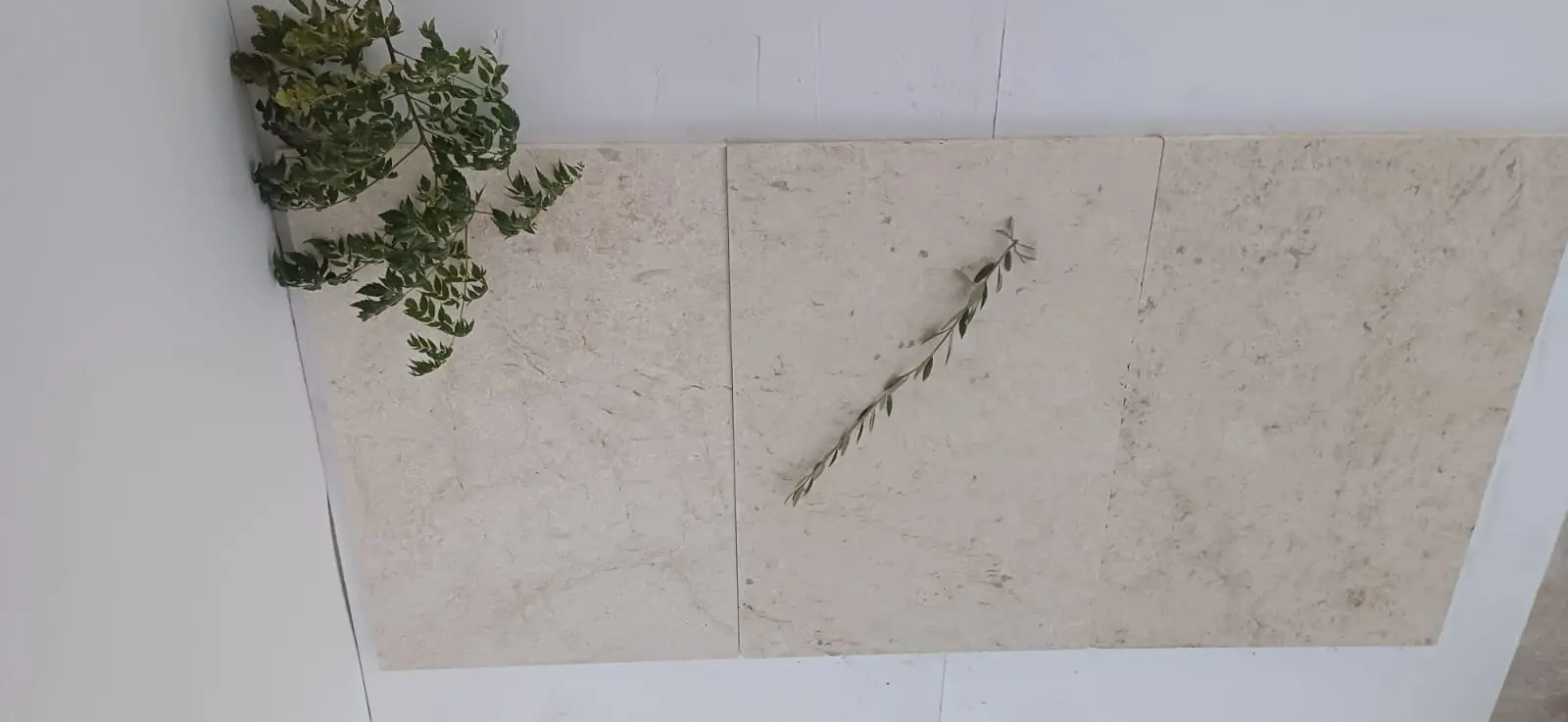
The finish you specify affects not just appearance but maintenance burden and slip resistance for vertical or near-horizontal applications. Polished granite delivers the highest stain resistance because a closed crystalline surface limits absorption pathways — but it also shows fingerprints, water spots, and minor surface scratches more readily than a honed alternative.
Honed granite finishes (typically 400–800 grit) offer a matte surface that reads warmer in residential settings and conceals everyday wear better, but requires more frequent sealing because the surface microporosity is higher than a polished face. For bathroom applications with regular water exposure, honed finishes need sealing every 12–18 months rather than the 3–5 year cycle typical of polished kitchen surfaces.
- Leathered or brushed finishes — achieved by running a diamond-tipped brush across a honed surface — create a textured face that hides fingerprints well and maintains good water-shedding characteristics
- Flamed finishes (thermal finishing) use intense heat to pop surface crystals, creating a rough anti-slip texture suited for exterior horizontal applications — not typically used in interior custom granite fabrication work
- Sandblasted finishes create a uniform matte texture that performs similarly to honed but with more consistent surface depth across the slab face
Finish selection should be locked in before fabrication begins — changing a finish mid-process requires returning to an earlier polishing stage, which adds both time and cost. According to USGS granite production and construction use data, granite remains the dominant dimension stone in interior fabrication precisely because of this finish flexibility — the material responds predictably to mechanical finishing in ways that marble and limestone do not.
Your Granite Fabrication Action Plan
Successful granite fabrication services outcomes start well before you contact a fabricator. Your specification package — including countertop dimensions, thickness, edge profile, finish, seam locations, and substrate details — should be complete before you request your first quote. Shops that provide accurate pricing without a complete specification are estimating, not quoting, and that gap shows up in change orders during fabrication.
Verify slab availability and warehouse inventory position before committing to any project timeline. Confirm your fabricator’s tolerance specifications in writing, ask specifically how they handle field measurement discrepancies discovered after templating, and establish a clear protocol for slab inspection at delivery. These aren’t unreasonable demands — they’re standard practice for any professional fabrication engagement. If the shop resists providing documented tolerances, that tells you something important about how they’ll handle disputes.
For broader context on what the full process involves from a stone-sourcing perspective, custom stone fabrication overview covers the material journey from quarry selection through finished installation in practical detail worth reviewing before your project spec is finalized. Bring that knowledge to your fabricator conversations — it changes the quality of the questions you ask and the answers you’re able to evaluate. Granite from Citadel Stone arrives direct from quarries in Turkey, the Mediterranean, and beyond, ready for full fabrication workflows.
Related reading: granite countertop fabrication process · custom stone carving guide · stone fabrication industry overview.