
Drainage geometry is the variable that separates flagstone patio slabs in Arizona that look great for two decades from ones that start heaving and separating after the third monsoon season. Most specifiers focus on material hardness and color retention — both legitimate concerns — but the real performance differentiator in Arizona is how water moves through, under, and away from your stone installation. The monsoon window between July and September delivers rainfall intensities that can exceed 2 inches per hour in concentrated bursts, and that hydraulic load exposes every weakness in your drainage design almost immediately.
Why Drainage Drives Flagstone Selection in Arizona
Arizona’s rainfall pattern is deceptive. The state averages relatively low annual precipitation totals, but that number masks the intensity of monsoon events that concentrate nearly half the annual moisture into a 90-day window. Your flagstone patio slabs in Arizona need to manage water that arrives fast and in volume, then disappears quickly as temperatures push evaporation rates skyward. The challenge isn’t keeping moisture out — it’s moving it off the surface and through the base before hydrostatic pressure builds beneath your stone.
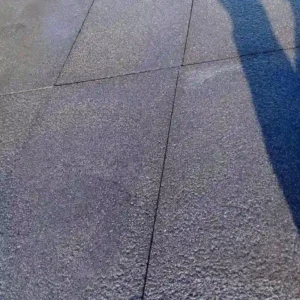
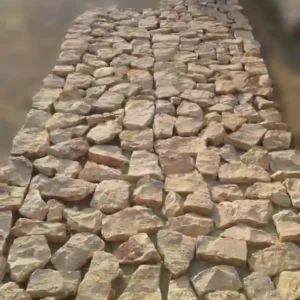
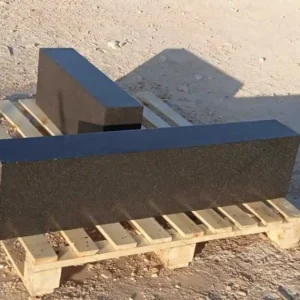
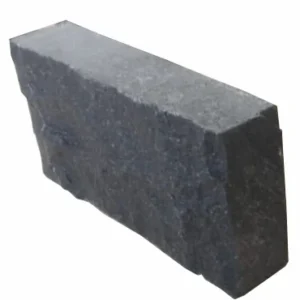
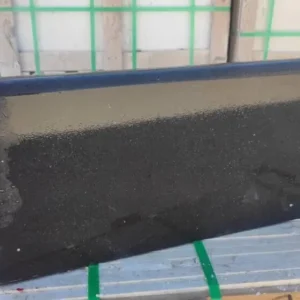
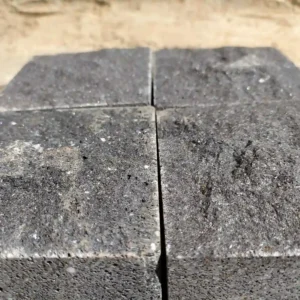
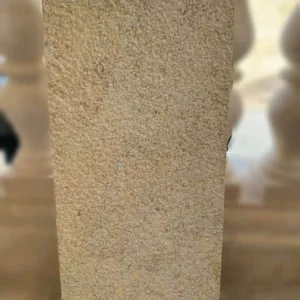
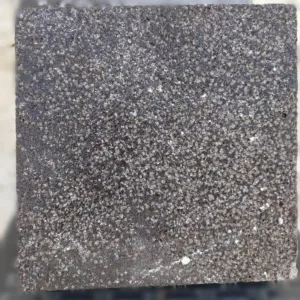
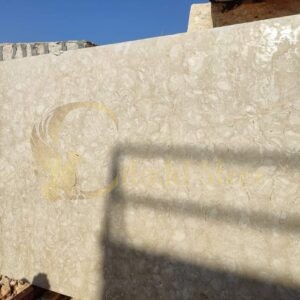
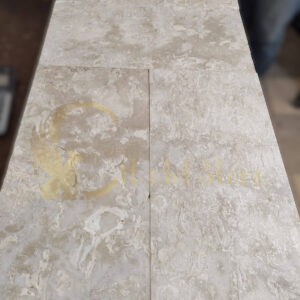
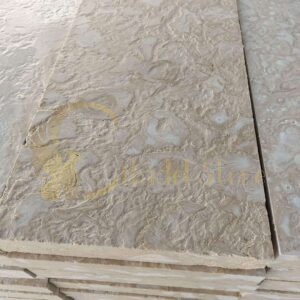
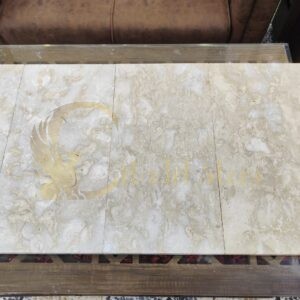
Flagstone patio stones in Arizona perform best when the material itself contributes to drainage rather than just tolerating it. Natural flagstone, particularly sandstone and quartzite varieties, carries a surface texture that channels water toward joints rather than pooling across the face. Citadel Stone sources flagstone patio slabs from quarry partners whose material has been evaluated specifically for this surface characteristic — batch consistency at the warehouse level means you’re not getting a mix of smooth-faced and rough-faced pieces in the same pallet.
- Surface texture coefficient directly affects runoff velocity across the stone face
- Joint width and fill material determine how quickly water infiltrates to the base
- Base aggregate gradation controls drainage rate beneath the stone layer
- Slope specification of 1.5–2% minimum prevents surface ponding during high-intensity events
- Perimeter edging height and gap spacing determine where excess water exits the system
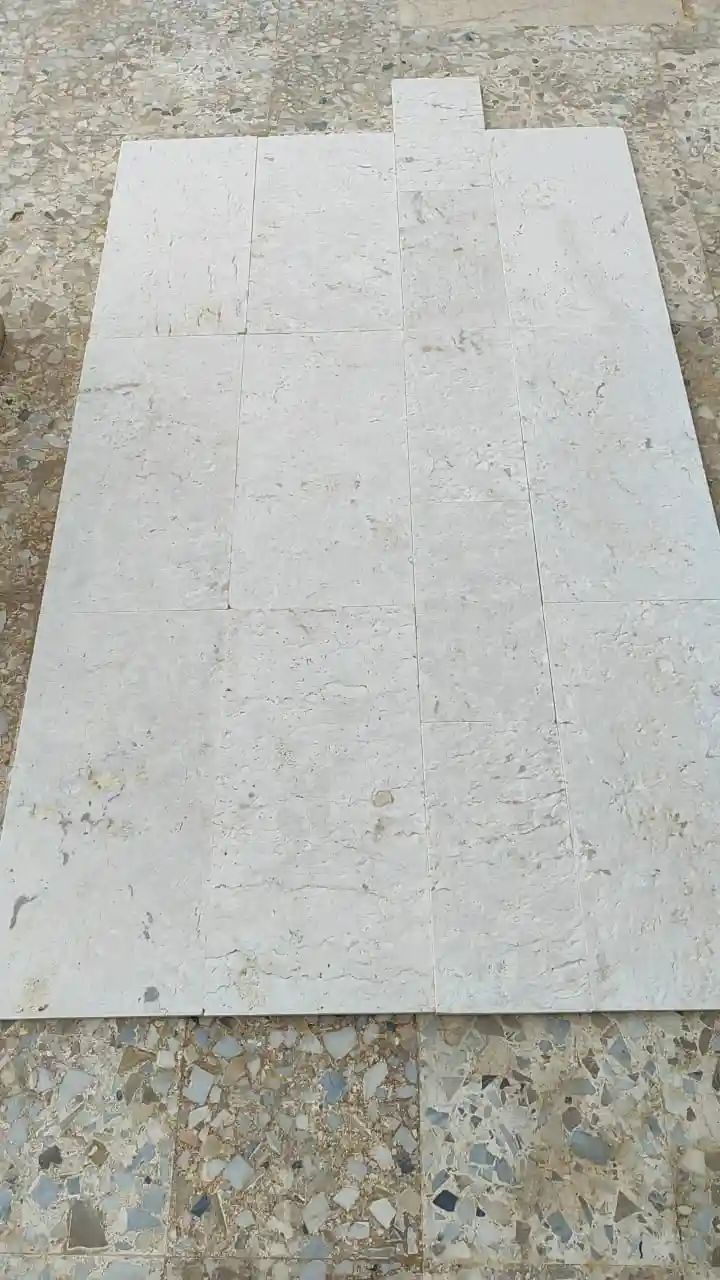
Base Preparation for Arizona Monsoon Loads
The base system under your flagstone patio slabs carries more responsibility in Arizona than in most other climates. You’re not just dealing with structural load — you’re managing a drainage pathway that has to handle sudden saturation events without losing bearing capacity. A properly designed base keeps your stone stable when the ground beneath goes from bone-dry to saturated in under an hour.
In Phoenix, the native soil is typically a sandy loam with moderate permeability, but caliche layers at varying depths can create perched water tables during monsoon events if your base doesn’t penetrate or account for them. The standard recommendation of 4 inches of compacted aggregate base is insufficient for Arizona patio installations that will see monsoon saturation. Spec a minimum of 6 inches of 3/4-inch crushed aggregate, compacted to 95% Proctor density, with a filter fabric separator between native soil and base material. That fabric layer prevents fine soil particles from migrating upward and clogging your drainage aggregate over time.
- Minimum 6-inch aggregate base depth for Arizona patio applications
- 3/4-inch clean crushed aggregate provides void ratio adequate for rapid drainage
- Geotextile fabric at soil-aggregate interface prevents long-term migration
- Compaction to 95% Proctor density maintains bearing capacity under saturated conditions
- Perforated drain pipe at the base perimeter handles overflow during peak monsoon events
- Base slope must mirror surface slope — drainage cannot rely on surface geometry alone
For flagstone patio slabs set on a mortared bed rather than dry-set aggregate, the drainage equation shifts to your subsurface drainage layer. You’ll need to incorporate weep points at the mortar bed perimeter and ensure the concrete substrate has adequate slope before any stone goes down. Mortar beds that trap water beneath flagstone in Arizona’s conditions accelerate efflorescence and can cause substrate delamination within three to five years.
Material Thickness and Structural Performance
Thickness specification for flagstone patio slabs in Arizona isn’t purely a structural decision — it’s also a thermal mass and drainage interaction decision. Thicker slabs retain more heat through the afternoon and release it slowly into the evening, which affects comfort differently depending on your project’s use pattern. More relevant to drainage performance, thicker slabs are heavier, which means they’re more resistant to the hydraulic uplift forces that can shift lighter flagstone during high-volume runoff events.
The working range for residential flagstone patio stones in Arizona sits between 1.25 inches and 2 inches nominal thickness. Pieces under 1 inch are genuinely problematic in this climate — they’re light enough to shift during aggressive surface runoff, and they’re more susceptible to the thermal cycling that causes micro-fracturing at thin cross-sections. Pieces over 2.5 inches are overkill for pedestrian patio applications and add unnecessary structural load to the base system. You can request thickness specifications and sample pieces from Citadel Stone before committing to a full order — that’s the most reliable way to verify that the material you’re specifying matches what arrives on the truck.
- 1.25–2 inch nominal thickness is the practical range for Arizona residential patios
- Pieces under 1 inch risk hydraulic displacement during monsoon surface flows
- Uniform thickness tolerance within ±1/4 inch across a project reduces setting complexity
- Thicker slabs provide greater thermal mass — beneficial in shaded settings, a liability in full-sun western exposures
Joint Design and Water Infiltration Control
The joint system in your flagstone patio design is where drainage management gets genuinely nuanced. Wide joints with permeable polymeric sand allow water to infiltrate slowly through the stone layer, distributing hydraulic load across the base rather than concentrating it at the perimeter. Tight-grouted joints with a cementitious fill create a more impervious surface that sheds water faster but demands precise surface slope and robust perimeter drainage to handle the concentrated runoff.
For most residential flagstone patio stones in Arizona, the permeable joint approach outperforms tight grouting on a 10-year performance basis. Polymeric sand jointing, installed correctly at a 3/4-inch to 1-inch joint width, allows enough infiltration to prevent surface sheeting during moderate monsoon events while still providing adequate lateral stability for the stone units. The critical installation detail is joint sand compaction — under-filled joints allow stone movement during saturation events, while over-filled joints that mound above the stone face create water traps that accelerate staining and biological growth.
Projects in Scottsdale, where alkaline soils and high mineral content in stormwater runoff accelerate efflorescence on grouted joints, often combine a mortared perimeter course with permeable interior joints — a hybrid approach that provides the clean edge detail clients expect while maintaining interior drainage performance. That combination requires careful planning of the perimeter drainage channel because the mortared edge creates a dam effect that must be deliberately interrupted at intervals.
Color and Finish Selection for Arizona Patios
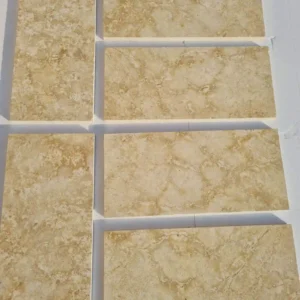
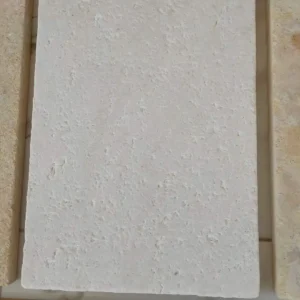
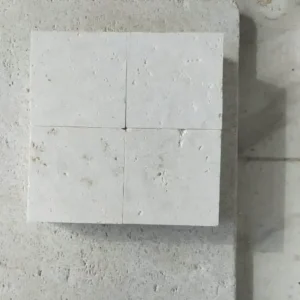
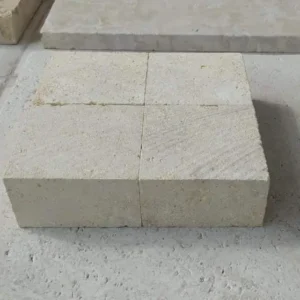
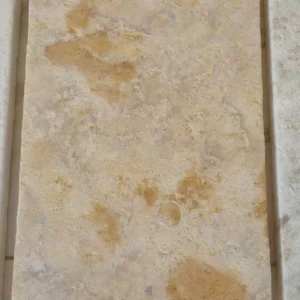
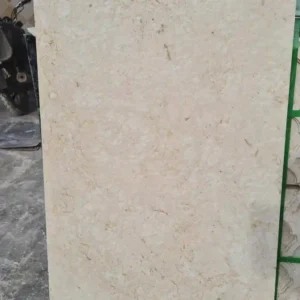
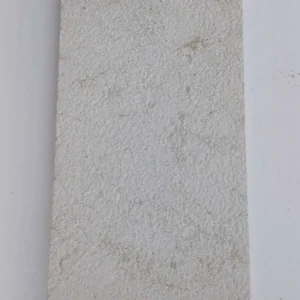
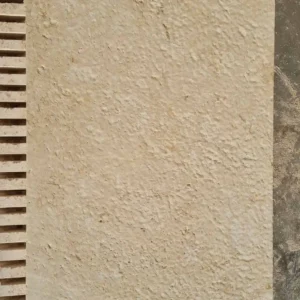
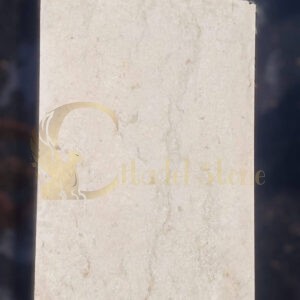
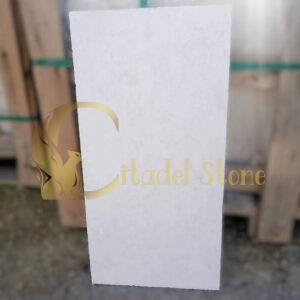
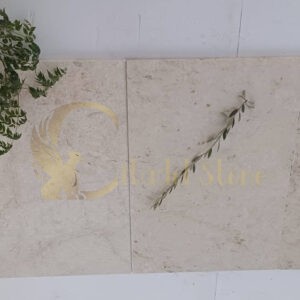
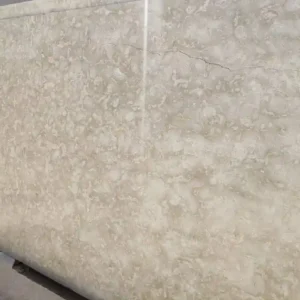
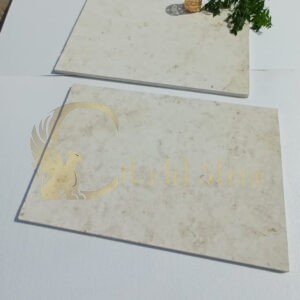
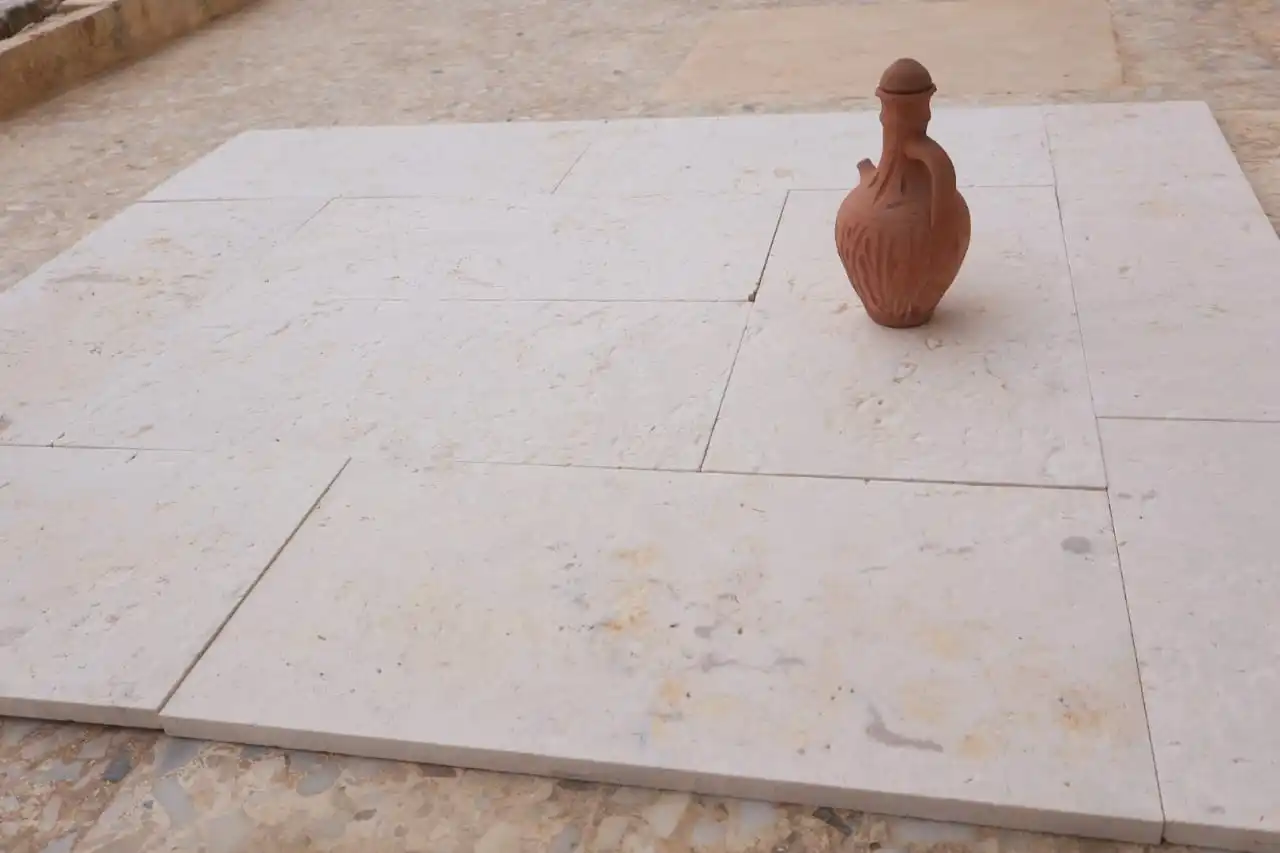
Color selection for flagstone patio slabs in Arizona carries practical implications beyond aesthetics. Lighter-toned flagstone — buff, cream, and tan sandstones — reflects more solar radiation and stays meaningfully cooler underfoot than darker flagstone options in the same sun exposure. That’s not a minor comfort difference in a Phoenix or Scottsdale summer; surface temperature variations between light and dark flagstone under full afternoon sun can exceed 25–30°F, which directly affects barefoot comfort and the thermal load on any adjacent structural elements.
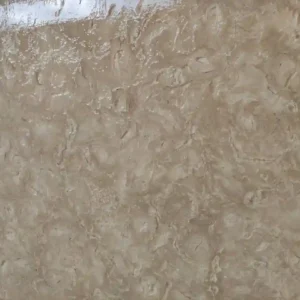
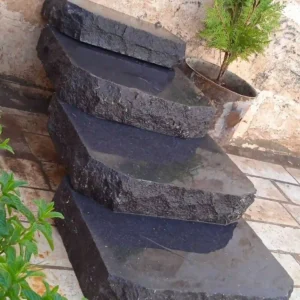
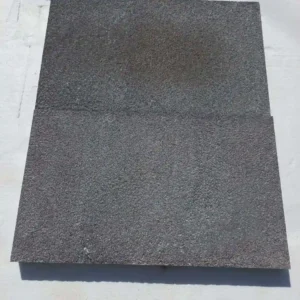
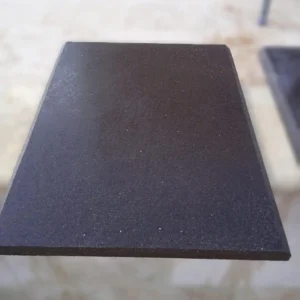
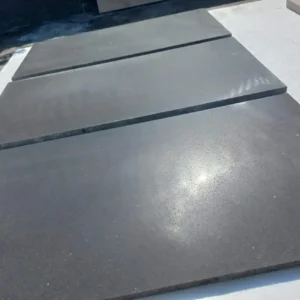
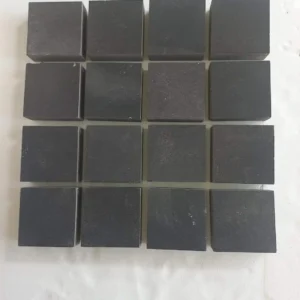
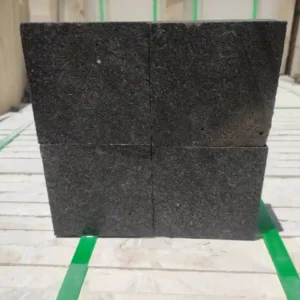
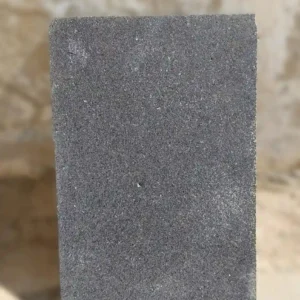
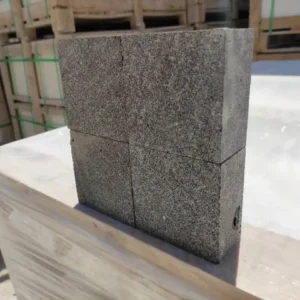
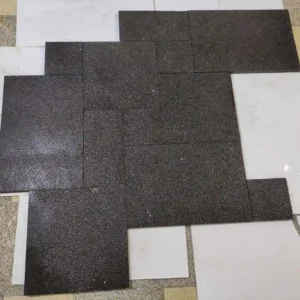
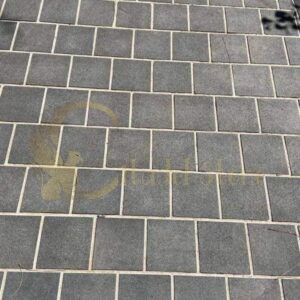
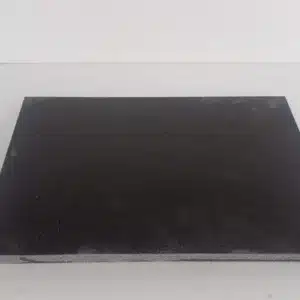
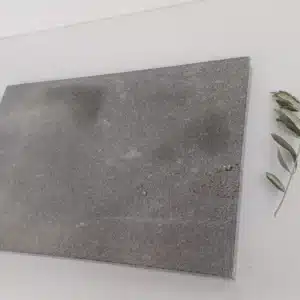
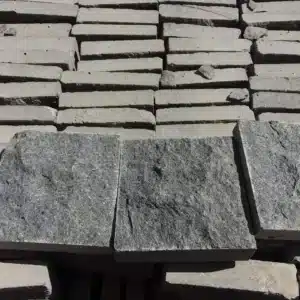
Darker flagstone varieties — charcoal quartzite, dark grey slate, and deep brown flagstone — absorb heat aggressively and release it gradually through the evening. In shaded patio applications or covered outdoor living spaces, that thermal mass characteristic is an advantage, creating a more stable microclimate temperature. In full western exposure without shade, the same characteristic becomes a liability. Your finish selection interacts with this dynamic — natural cleft finishes provide the best slip resistance when wet and the most surface texture for water dispersal, while honed or thermal finishes shed water faster but reduce traction under wet monsoon conditions.
- Buff, tan, and cream flagstone reflects more solar radiation — practical advantage in full-sun exposures
- Dark grey and charcoal flagstone absorbs heat — appropriate for shaded or covered installations
- Natural cleft finish provides optimal wet-surface traction for safety compliance
- Honed finishes increase water runoff velocity — pair with robust perimeter drainage
- Thermal finish offers intermediate traction with improved weather resistance
Flagstone Patios and Walkways: Slope and Runoff Planning
The slope specification for flagstone patios and walkways in Arizona is non-negotiable, and the standard 1% slope used in mild-climate regions is inadequate for monsoon performance. A minimum 1.5% cross-slope is required, and 2% is the safer target for any patio that receives direct roof drainage, downspout discharge, or sits at a grade transition. At 1%, a 20-foot-wide patio accumulates standing water during rainfall events exceeding 1 inch per hour — a threshold that Arizona monsoon events regularly exceed.
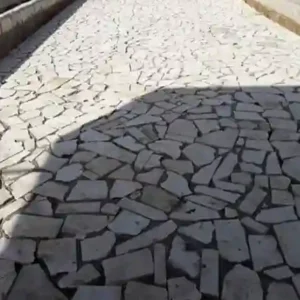
For designs with complex geometry — irregular flagstone layouts, multiple grade changes, or curved walkway transitions — map your drainage catchment zones before laying out the stone. Water always finds the lowest path, and in an irregular flagstone layout, that path isn’t always where you’d expect it to be. Running water simulation during base installation (before stone placement) is time well spent; it reveals low spots and drainage dead zones that paper calculations miss. Base preparation work done at this stage costs a fraction of what remediation costs after the stone is down and bonded.
For projects incorporating both patio and walkway elements, the transition between the two requires deliberate drainage planning. Flagstone patios and walkways in Arizona often share a grade transition zone where water from the patio surface concentrates before entering the walkway drainage corridor. A channel drain or French drain positioned at this transition prevents the walkway from becoming the drainage pathway for the larger patio catchment area.
Projects in Tempe near flood-mapped areas require additional coordination with local grading ordinances — runoff from private hardscape cannot legally increase discharge rates onto adjacent properties or public ROW, which means your drainage design may need to incorporate on-site retention elements alongside the flagstone installation. Citadel Stone’s team can advise on permeable joint specifications and aggregate base designs that help meet local drainage requirements without compromising the stone performance you’re targeting.
Sealing and Long-Term Moisture Management
Sealing protocols for flagstone patio slabs in Arizona differ from what you’d apply in a high-humidity climate. The primary sealing objective here isn’t moisture exclusion — your stone isn’t going to absorb enough ambient moisture to cause problems in a dry desert climate. The real objectives are stain resistance, efflorescence suppression, and protection against the alkaline mineral deposits that monsoon water leaves behind as it evaporates from stone surfaces.
A penetrating impregnating sealer applied to clean, dry stone provides the best long-term performance in Arizona conditions. Film-forming sealers trap moisture beneath the surface during monsoon events, leading to whitish blushing and potential delamination with repeated wetting and drying cycles. Apply penetrating sealer after allowing new installations to cure for a minimum of 30 days — rushing this step is the most common field error, and the consequences show up 6–12 months later as uneven sealer performance and inconsistent stain resistance across the patio surface. Reapplication every 2–3 years maintains protection; biennial resealing is the practical standard for high-UV Arizona exposures. For projects referencing complementary design approaches and specification details, Flagstone Patio Slabs from Citadel Stone covers additional layout and material matching guidance applicable to similar site conditions across the state.
Flagstone Patio Slabs in Arizona — Get Trade Pricing from Citadel Stone
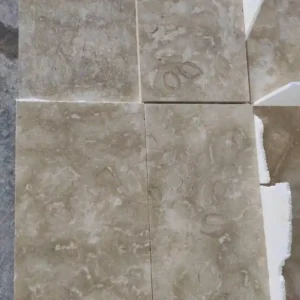
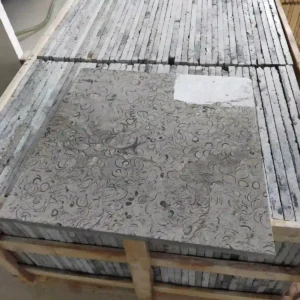
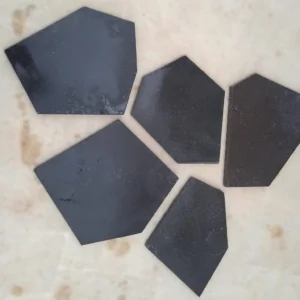
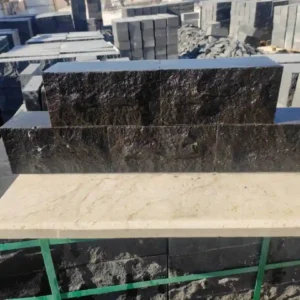
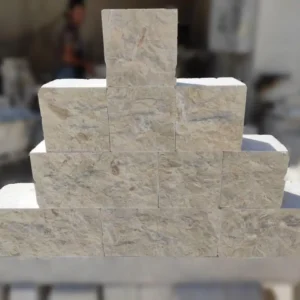
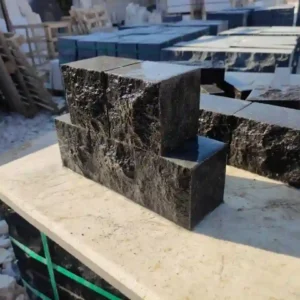
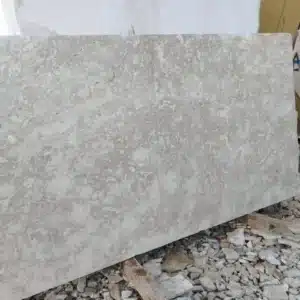
Citadel Stone stocks flagstone patio slabs in Arizona in standard formats including natural cleft sandstone, quartzite, and bluestone varieties, available in nominal thicknesses from 1.25 to 2 inches and in both random irregular shapes and cut-to-dimension formats. Pallet quantities are available for residential projects, with bulk trade pricing for landscape contractors, general contractors, and wholesale buyers working on commercial installations across the state.
Requesting sample tiles and thickness specifications from Citadel Stone before placing a full order eliminates color-matching surprises and ensures the material arriving on the truck matches what was approved in your design documentation. Sourced from established quarry partners, each batch is inspected for consistency in thickness tolerance, surface texture, and color range before leaving the warehouse, which means you’re not sorting through variable material on the job site.
- Available formats: random irregular, semi-irregular, and cut-dimension flagstone
- Thickness range: 1.25 inch, 1.5 inch, and 2 inch nominal, with custom cuts available
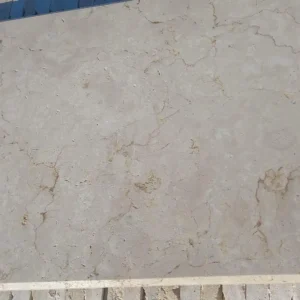
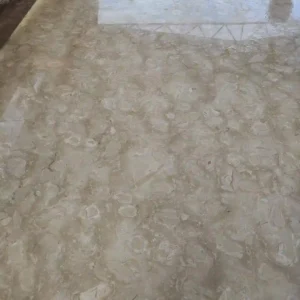
- Color range: buff, tan, cream, rust, charcoal, grey, and multi-color blend options
- Trade and wholesale enquiries: contact Citadel Stone for project-specific pricing and volume discounts
- Sample requests: available for color and texture verification before full order commitment
- Lead times from warehouse inventory: typically 1–2 weeks for standard formats across Arizona
For projects with non-standard format requirements or custom-cut specifications, lead times extend to 3–4 weeks depending on quarry production schedules — factor that into your project timeline during the design phase, not at mobilization. Citadel Stone delivers flagstone patio slabs across Arizona, including residential projects in the Phoenix metro, Scottsdale, and Tucson markets, as well as commercial installations statewide. Explore the full range of Flagstone paver stones in Arizona available through Citadel Stone to find the right material match for your specific project conditions and drainage requirements. Homeowners in Flagstaff, Sedona, and Yuma source Flagstone Patio Slabs through Citadel Stone for Arizona residential and commercial installations.