

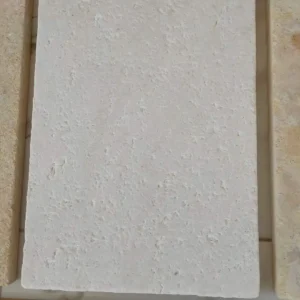

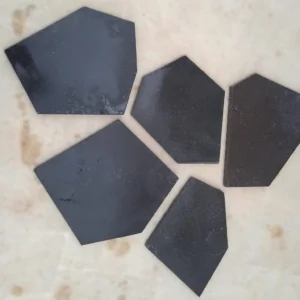
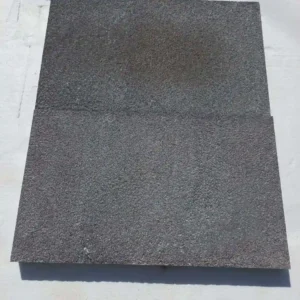
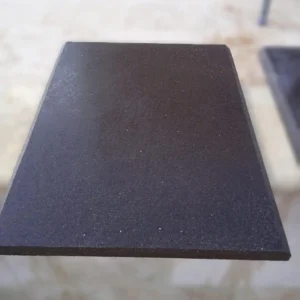
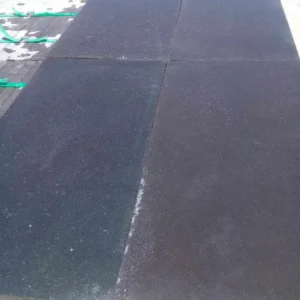

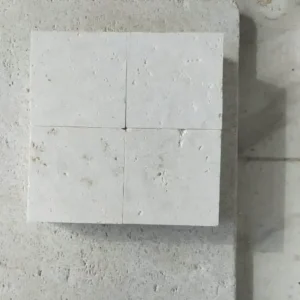
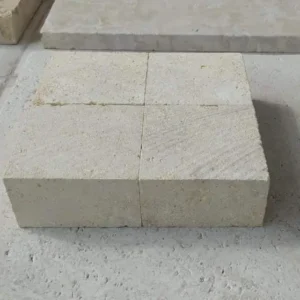
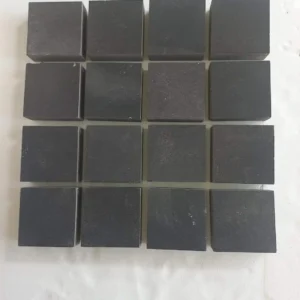



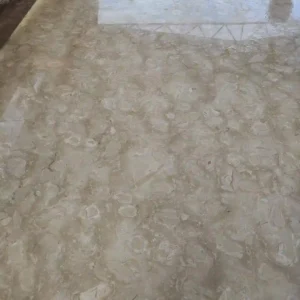
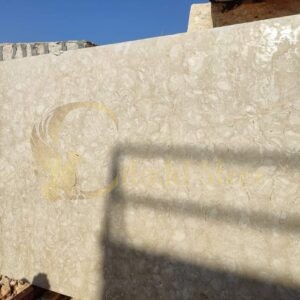
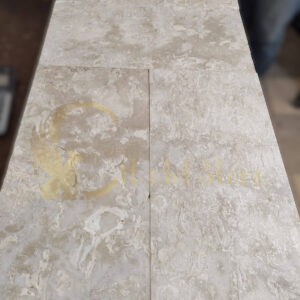
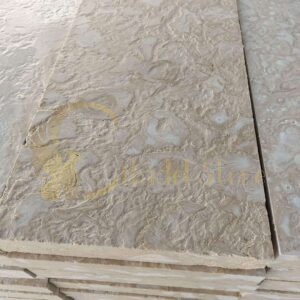



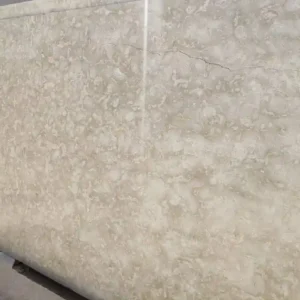
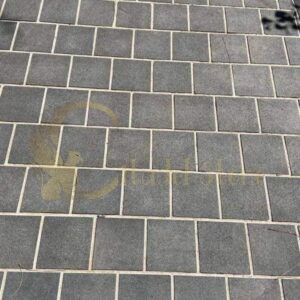

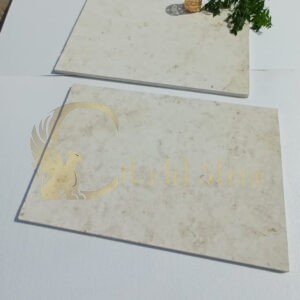
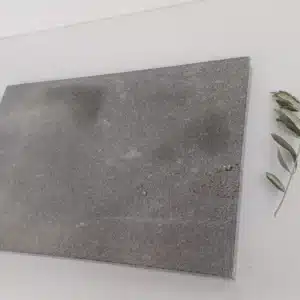
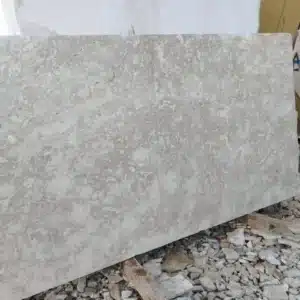

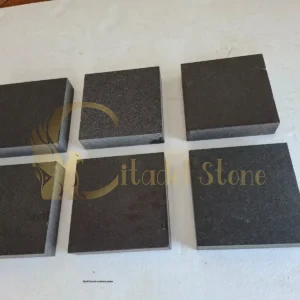

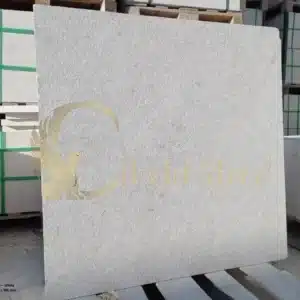


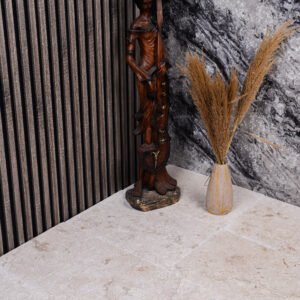
Designing non slip outdoor paving slabs in Arizona requires you to reconcile two competing structural demands simultaneously — surface friction performance and terrain-driven drainage geometry — and the balance point shifts dramatically with elevation. At 2,000 feet in the Sonoran lowlands, runoff velocity from monsoon events is your primary drainage challenge. Push up to 6,000 feet near the rim country, and you’re also managing slope-induced hydrostatic pressure beneath the slab bed, which changes how you specify base depth and joint configuration entirely. What most specifiers get wrong is treating slip resistance as a surface-only property when the real failure mechanism is slab movement caused by inadequate sub-base drainage at grade transitions.
How Arizona’s Terrain and Elevation Shape Your Drainage Design
Arizona’s terrain is rarely flat, and that matters more than most product guides acknowledge. You’re working across a state where elevation changes of 4,000 feet within a single county are routine, and each elevation band creates a distinct drainage behavior that your base specification must account for. The gradient between the Salt River Valley floor and the higher mesa communities to the northeast isn’t just scenic — it’s a compounding factor that affects how quickly surface water moves, how deep freeze-thaw penetration reaches, and how much lateral soil pressure builds against edge restraints after heavy monsoon saturation.
In Scottsdale, the terrain tends toward shallow slopes over expansive caliche hardpan, which can actually work in your favor — properly scored caliche provides a near-rigid sub-base that resists settling. The problem is that caliche also limits infiltration, so surface water from heavy rain events has nowhere to go vertically. Your drainage design must be entirely lateral, which means cross-fall gradients of at least 1.5% are non-negotiable for any non slip paving installation in that zone. Lower than that and you’re pooling water at exactly the moment slip resistance matters most — right after a summer downpour.
- Elevation above 4,500 feet introduces freeze-thaw cycling that can heave improperly bedded slabs within a single winter season
- Monsoon season delivers 50–70% of annual rainfall in concentrated bursts, creating rapid runoff that undermines compacted aggregate if drainage gradients are insufficient
- Caliche hardpan common across the Phoenix basin requires mechanical scarification before aggregate placement to prevent slab settlement along slab edges
- Clay-heavy soils in higher elevations expand 8–12% when saturated, which directly impacts edge restraint specifications and joint spacing decisions
Slip Resistance Standards and Surface Texture for Outdoor Use
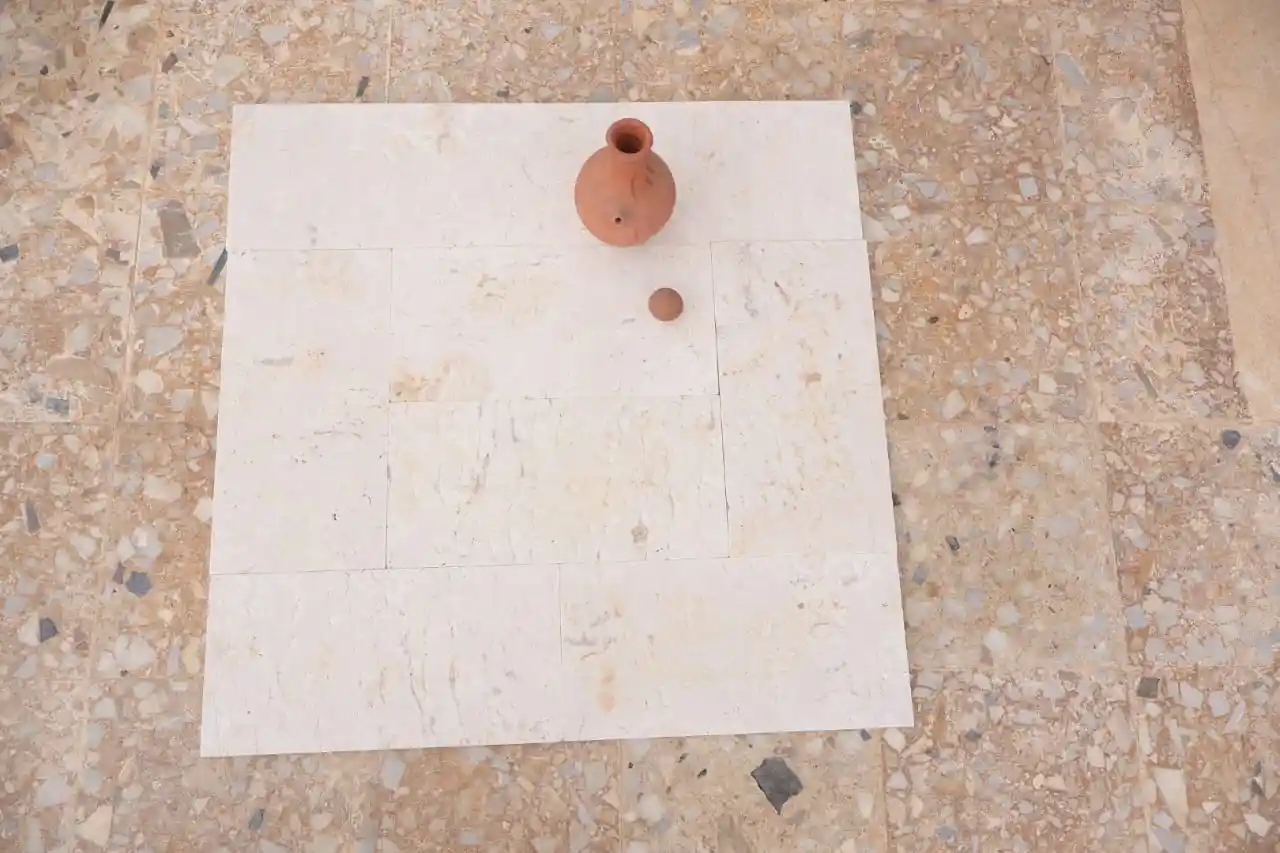
The performance benchmark you need to hold is a wet Dynamic Coefficient of Friction (DCOF) of 0.42 or higher, per ANSI A326.3 — that’s the threshold most commercial specifications require for exterior pedestrian surfaces exposed to moisture. For residential applications in Arizona, non slip garden slabs and non slip patio slabs should realistically target 0.50+ DCOF to give you a meaningful safety buffer above the minimum, especially on surfaces that see barefoot traffic around pool areas or shaded north-facing walks that stay damp longer than you’d expect.
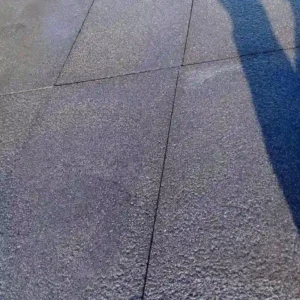
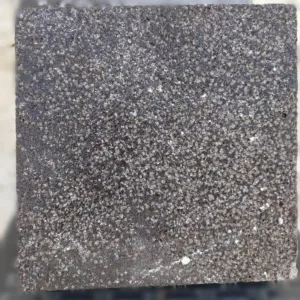
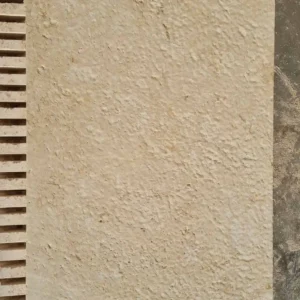
Surface texture is where material selection and terrain response intersect. A sandblasted or flamed finish on natural stone increases surface roughness at the micro-scale — measured as Ra values between 150 and 500 microns depending on finish aggressiveness. That texture remains effective even when sediment from monsoon runoff deposits fine silt across the surface, because the profile depth is greater than the silt layer thickness. Polished or honed finishes, by contrast, lose most of their wet-traction performance once even a thin film of organic residue or silt accumulates, which happens fast on Arizona surfaces that collect windblown dust year-round.
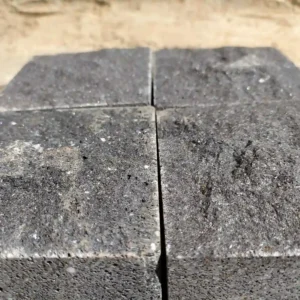
- Flamed finish: highest slip resistance, Ra 300–500 microns, ideal for non slip walkway pavers and pool surrounds
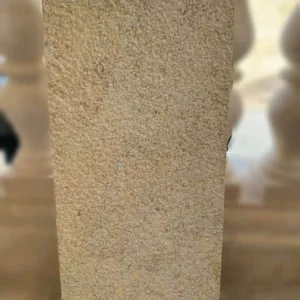
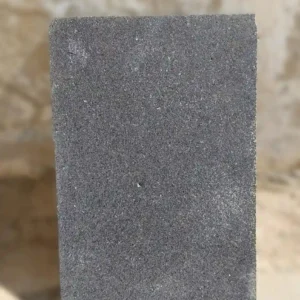
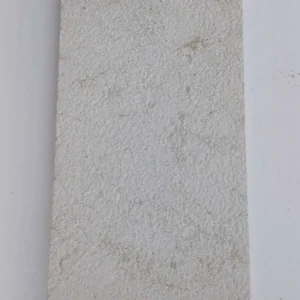
- Sandblasted finish: moderate to high traction, Ra 150–300 microns, versatile for non slip patio slabs and garden paths
- Sawn finish: Ra 50–150 microns, acceptable for low-slope covered applications only
- Polished or honed finish: not recommended for exterior non slip paving in Arizona’s dusty, wet-season conditions
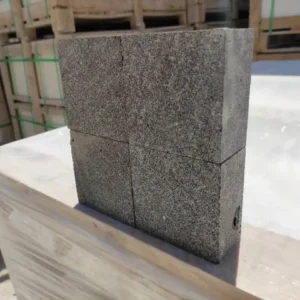
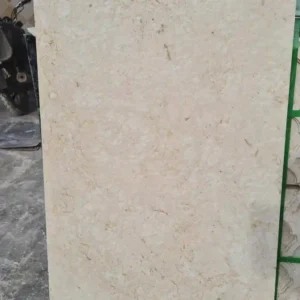
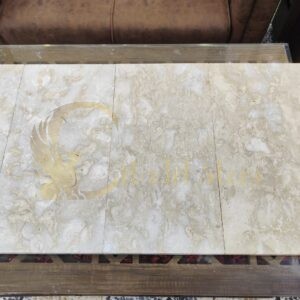
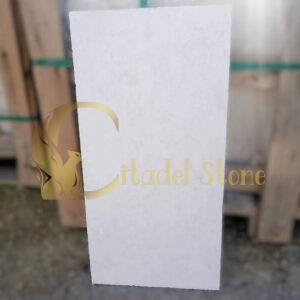
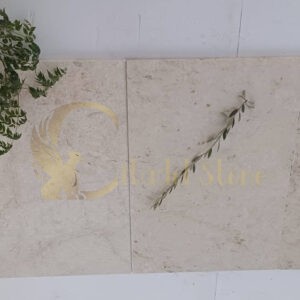
Citadel Stone stocks non slip outdoor paving slabs in flamed and sandblasted finishes across multiple thickness profiles, allowing you to specify by finish and dimension without waiting on custom orders. Verifying warehouse stock before committing to a project timeline is straightforward — the team can confirm available formats and lead times directly from regional inventory, typically within one business day.
Choosing Long Format Slabs for Arizona Terrain Applications
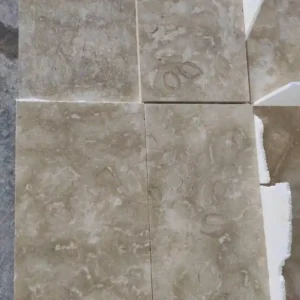
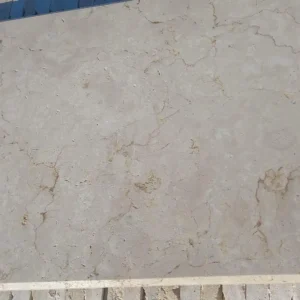
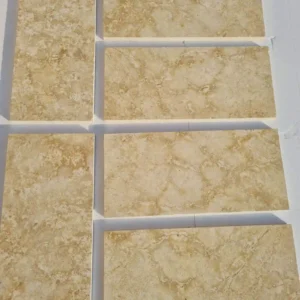
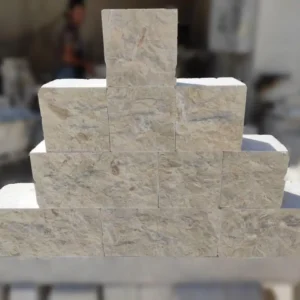
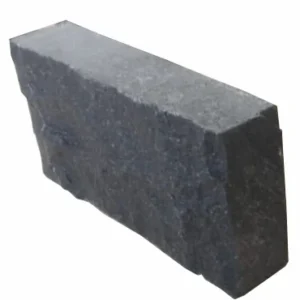
Long rectangular pavers and long rectangular paving slabs have gained significant traction in Arizona’s higher-end residential and commercial markets over the past decade, and the technical reason is as much structural as aesthetic. A longer slab — typically in the 24×12 or 36×12 inch range — spans minor sub-base irregularities better than a square format, which reduces the rocking that creates tripping hazards on uneven terrain. On sloped sites with engineered drainage falls, long patio slabs in Arizona also align naturally with the drainage direction, reducing the number of cross-joints where water can pool at edges.
Long narrow paving slabs work particularly well on formal walkway and entry path applications where you want to emphasize directionality. The format also allows you to lay non slip walkway pavers in running bond with longer offset joints, which distributes point loads more efficiently across the compacted base. That matters in Phoenix-area soils where vehicle encroachment onto pedestrian surfaces occasionally occurs — especially in residential front yards where the boundary between driveway and walkway is informal.
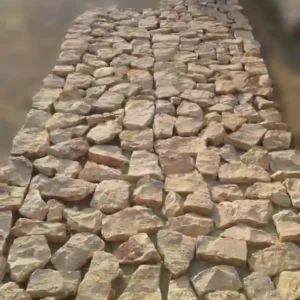
For non slip paving stones used in garden and landscape settings, long paving stones in Arizona give you more flexibility in irregular terrain because you can use the slab’s own length to bridge grade transitions without requiring a step element. This is especially useful on sites with 2–5% natural fall across the patio footprint — a range common in the foothills around Tempe where cut-and-fill grading leaves residual slope across outdoor living areas.
Base Preparation for Non Slip Slabs Across Arizona Soil Types
Your base specification is where Arizona terrain conditions demand the most deviation from generic guidelines. Standard residential patio base specs call for 4 inches of compacted aggregate over native soil. For most of Arizona, that’s insufficient — here’s the correct approach by soil type and application.
For caliche-dominant soils in the lower desert zones, scarify and compact the caliche layer to at least 95% Modified Proctor density before placing aggregate. The caliche itself, once properly compacted, functions as a structural sub-base layer, which means you can sometimes reduce total aggregate depth to 3 inches without compromising slab stability. The trade-off is that you must absolutely ensure lateral drainage is established before compacting the caliche, or you’re creating a bathtub effect that saturates the aggregate layer during monsoon events.
- Low desert caliche: 3–4 inches compacted aggregate on scarified caliche, with minimum 1.5% cross-fall drainage gradient
- Sandy desert soils: 5–6 inches compacted aggregate minimum, geotextile fabric at sub-base interface to prevent fines migration
- Clay-heavy upland soils: 6–8 inches compacted aggregate, positive drainage to daylight mandatory, edge restraints anchored at 24-inch intervals
- Rocky terrain at elevation: saw-cut or hand-excavate irregular bedrock, fill voids with compacted Type II aggregate before placing bedding layer
Getting the subgrade right in the first instance is what makes maintenance effort worthwhile over a 20-plus year installation life. For projects requiring complementary stone specifications, detailed guidance on maintaining non slip outdoor paving slabs covers the ongoing maintenance protocols that work alongside proper base preparation to sustain long-term performance across Arizona’s demanding soil and climate conditions.
Non Slip Paving for Driveways and Parking Areas in Arizona
Parking pavers in Arizona face a combined load challenge that residential patio specs simply don’t anticipate — static vehicle weight, oil and fuel contamination affecting surface friction, and the accelerated thermal cycling on dark asphalt-adjacent surfaces. Your specification for any non slip surface that doubles as a vehicle area needs to address all three factors, not just the slip resistance number.
Thickness is the starting point. For standard passenger vehicle areas, 2.375-inch (60mm) nominal thickness pavers are the industry minimum. For anything that sees regular SUV or light truck traffic, move to 3.125-inch (80mm) nominal — the additional thickness increases the moment of inertia through the slab and reduces stress cracking along joints where vehicle tires apply asymmetric point loads during turning movements. Long paver stones in the 24×12 format at 80mm thickness handle these loads reliably when bedded on a minimum 1-inch setting layer over 6 inches of compacted aggregate base. A long paver driveway in Arizona specified at this thickness profile provides a surface that withstands both peak summer thermal stress and the point-load demands of regular vehicle traffic.
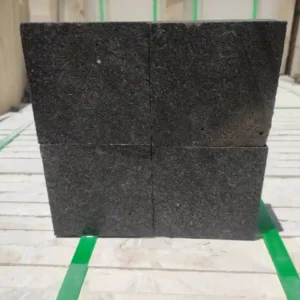
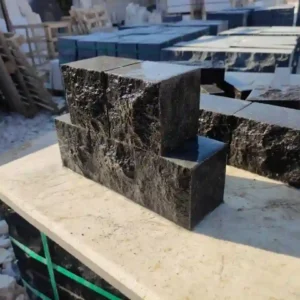
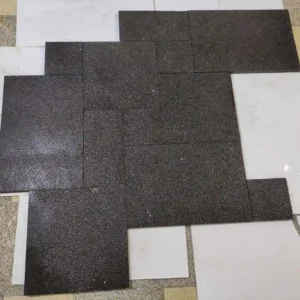
Non slip paving stones used in driveway and parking contexts also need a surface texture that remains effective after petroleum contamination. Flamed basalt and certain granite finishes are significantly more resistant to oil saturation than limestone or travertine in this application — the closed pore structure of harder igneous materials prevents oil from migrating into the stone matrix and reducing surface friction over time. Sourced from established quarry partners, each batch of Citadel Stone’s driveway-grade material is inspected for consistent finish depth and pore structure before it reaches the warehouse, which is a meaningful quality control step that wholesale supply chains sometimes skip.
Integrating Retaining Wall Blocks with Paved Surfaces on Sloped Sites
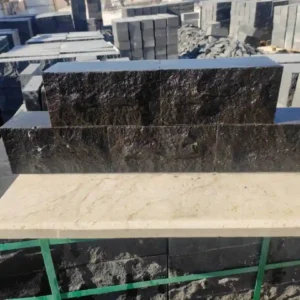
Sloped Arizona sites almost always involve a combination of paved horizontal surfaces and long retaining wall blocks that manage grade transitions between terraces. The specification relationship between these two elements is tighter than most projects account for — the wall drainage system and the paving drainage system must be designed as a single integrated network, not as two independent details.
Long retaining wall blocks on Arizona sites need drainage aggregate directly behind the wall face from the footing to within 12 inches of the top of wall, with outlet pipes at 10-foot intervals. That drainage aggregate must connect to a positive outlet — typically daylighting at a slope face or connecting to an underground drainage system. Any paving installed on the terrace above the wall contributes surface runoff directly to the soil behind the wall, so your paved surface drainage gradient must direct water away from the wall, not toward it.
- Minimum 12-inch wide drainage aggregate column behind all retaining walls adjacent to paved areas
- Drain pipe outlets at maximum 10-foot centers along wall base, minimum 4-inch diameter perforated pipe
- Paved surface cross-fall must direct water to collection points at least 36 inches from the back of the wall footing
- At elevation, factor freeze-thaw expansion of soil behind the wall into lateral pressure calculations — soil volume can increase 9–12% at saturation in clay-dominant upland soils
In Flagstaff, the combination of higher clay content soils, significant monsoon rainfall, and genuine winter freeze-thaw cycling means retaining wall and paving integration requires more conservative drainage margins than the Phoenix basin — outlet pipe spacing at 8 feet rather than 10, and drainage aggregate depth of 18 inches rather than 12, is standard practice for installations at that elevation.
Maintaining Non Slip Performance Through Arizona’s Conditions
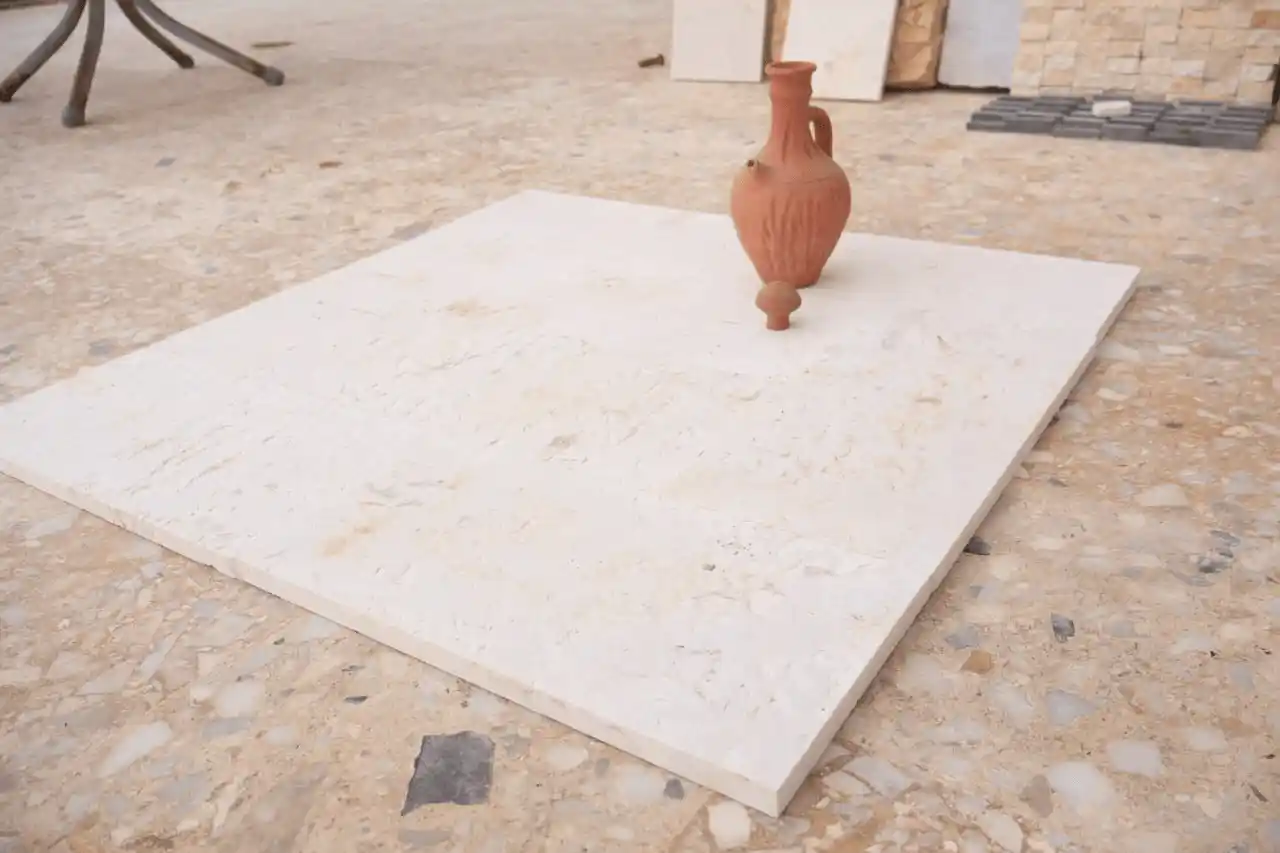
Sealing is the maintenance step that most homeowners treat as optional but professionals know is load-bearing for long-term slip resistance. The connection is direct — natural stone paving in Arizona’s dusty environment accumulates fine particulate in surface pores over time, which reduces the effective texture depth that creates friction. A penetrating sealer applied every 24 months keeps pores from loading with contaminants while allowing vapor transmission, which is critical in climates where sub-slab moisture pressure can build during monsoon season.
Avoid film-forming topical sealers on exterior non slip paving in Arizona. They look good for the first 12 months, then begin to peel and flake as thermal cycling works the coating away from the stone surface. Peeling sealer is actually more dangerous than no sealer — it creates uneven surface conditions that cause unpredictable friction variation across the slab. Penetrating silane-siloxane formulations at 20% solids content applied at the manufacturer’s specified coverage rate are the correct product for exterior natural stone in this climate.
- Reseal every 24 months under normal residential use conditions
- In high-dust locations or areas with regular water exposure from irrigation overspray, move to 18-month resealing intervals
- Clean slabs with a pH-neutral stone cleaner before sealing — acidic or alkaline cleaners etch surface texture and permanently reduce slip resistance on calcareous stones
- Allow full cure of 72 hours minimum after sealing before returning foot traffic to non slip walkway pavers or non slip garden slabs
Source Non Slip Outdoor Paving Slabs — Arizona Supply by Citadel Stone
Citadel Stone supplies non slip outdoor paving slabs across Arizona in standard commercial formats including 24×12, 24×24, 36×12, and 48×12 inch dimensions, in both 60mm and 80mm thickness profiles to match residential and commercial load requirements. Flamed and sandblasted finish options are held in regional warehouse inventory, with typical lead times of 7–14 days for standard formats — significantly shorter than the 6–8 week import cycle common with one-off orders through general material suppliers.
You can request sample tiles and full specification sheets directly from the Citadel Stone team before committing to a project quantity, which is the practical step that avoids finish mismatch on site. Trade accounts and wholesale enquiries receive direct access to pricing and available warehouse stock levels, and the team can advise on lead times for non-standard cuts or custom dimensions when your project has specific terrain-driven requirements. Delivery coverage extends across Arizona, including remote project sites where truck access logistics require advance coordination — flagging access constraints early allows the team to arrange appropriate truck delivery formats. Your project consultation can include a material quantity review based on your site dimensions and base specification, reducing the risk of underordering on terrain-complex sites where slab cutting waste is higher than flat installations.
For Arizona projects that also incorporate complementary hardscape elements, Dark Grey Paving in Arizona covers specification and performance details for another Citadel Stone material that works well alongside non slip outdoor paving slabs in mixed-format outdoor designs. For Arizona homeowners and contractors seeking reliable traction and lasting quality, Citadel Stone offers paving slab options engineered to perform across the state’s varied outdoor environments.