
Base composition is the real variable that separates long-performing dark grey paving in Arizona from the ones that start showing settlement cracks and joint failure inside five years. Most specifiers focus on surface selection — finish, thickness, shade — and treat subgrade as an afterthought. That sequence gets reversed on any serious project. Understanding what’s beneath your pavers, before you finalize material dimensions and joint strategy, is the technical foundation that makes dark grey paving perform the way the finished project needs it to.
Arizona Soil Conditions and What They Mean for Dark Grey Paving
Arizona’s ground is far from uniform. The caliche layers that dominate large portions of the Phoenix basin present a genuinely unusual engineering situation — they’re impermeable, which disrupts drainage, but they’re also dense enough to serve as a credible load-bearing layer once cut and properly prepared. In Chandler, many residential lots sit above caliche hardpan at depths of 14 to 22 inches, and if you’re excavating for a driveway or patio installation, hitting that layer actually reduces your required compacted aggregate depth significantly. The issue is drainage: water that can’t pass through caliche needs a managed exit path or it will undermine your base over time.
Sandy alluvial soils in lower desert zones behave differently. They compact well, drain freely, and are forgiving for initial base preparation — but they shift. Thermal cycling and infrequent but intense rain events cause lateral movement in loosely consolidated sandy soils that manifests as edge creep on block paving installations. For dark grey block paving in Arizona, you’ll want perimeter restraint systems installed before any surface material goes down, regardless of whether the design calls for it aesthetically.
- Caliche hardpan: impermeable but load-bearing — manage drainage separately, reduce aggregate depth where present
- Sandy alluvial soils: free-draining but shift-prone — perimeter restraint is non-negotiable
- Expansive clay soils (found in parts of the Tucson basin): require geotextile separation between subgrade and aggregate
- Mixed colluvial soils at higher elevations: less predictable, require soil testing before specifying base depth
Selecting Dark Grey Stone Pavers for Ground Stability and Load Performance
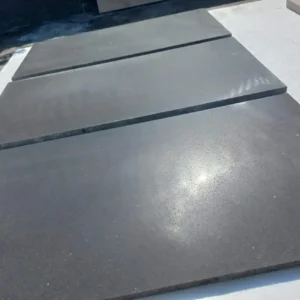
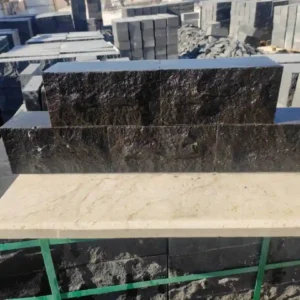
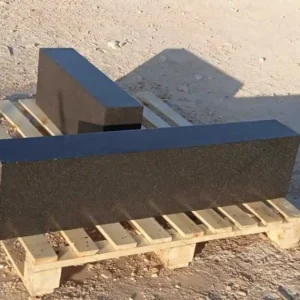
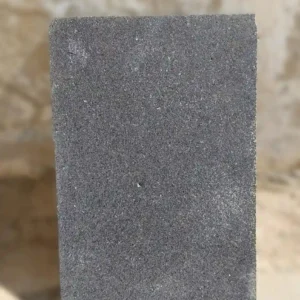
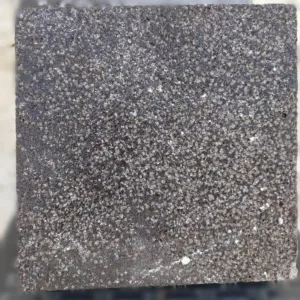
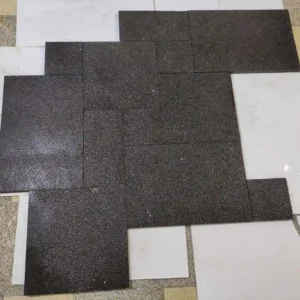
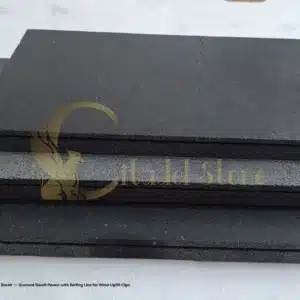
The material you specify for surface paving has to be matched to both the subgrade conditions and the application. Dark stone pavers in Arizona come in a range of densities, absorption rates, and modulus of rupture values that matter at the specification stage. Dark grey slate paving slabs, for example, carry a lower modulus of rupture than basalt or dense limestone alternatives — typically in the 1,800 to 2,400 psi range versus 3,500 to 4,500 psi for quality basalt formats. That gap becomes meaningful on sandy or shifting substrates where flex stress transfers upward into the slab.
Citadel Stone sources dark grey paving materials from established quarry partners, and every batch is reviewed for dimensional consistency and surface integrity before entering warehouse inventory. You can request specification sheets and sample tiles before committing to a full order — particularly useful when you’re working with a demanding soil profile and need to verify absorption and breaking load data against your project requirements.
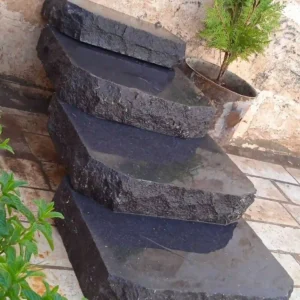
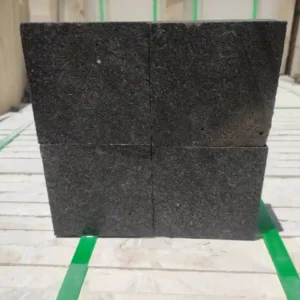
- Basalt dark grey pavers: high compressive strength (15,000+ psi), low absorption, excellent for driveways over sandy soils
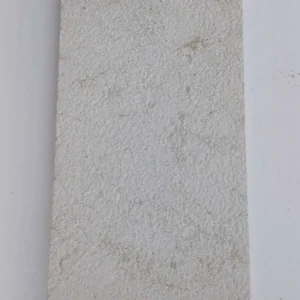
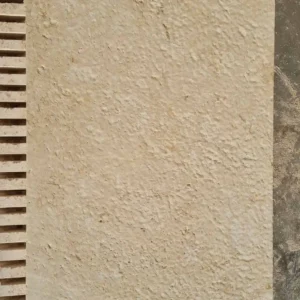
- Dark grey limestone pavers: mid-range density, better workability for cut-to-size formats, requires sealing in high-rainfall events
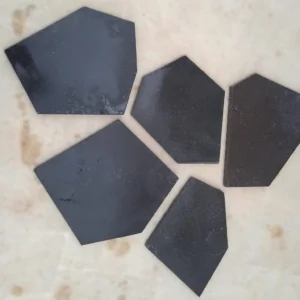
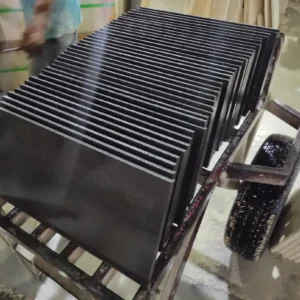
- Dark grey slate paving slabs: lower modulus of rupture — best suited for pedestrian patios and garden areas, not vehicle traffic
- Dark gray patio pavers in natural stone: verify water absorption rate below 3% for Arizona installations where caliche restricts drainage
Subgrade Preparation Standards for Dark Grey Paving in Arizona
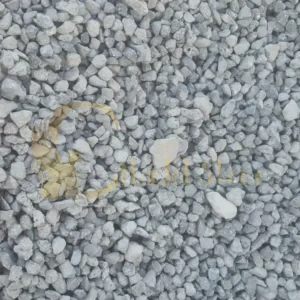
The depth of your compacted aggregate base should reflect both the soil type and the intended load. For pedestrian applications over stable sandy soils, a 4-inch compacted crusher run base is technically sufficient. For vehicular traffic — driveways, parking courts, or areas with expected delivery truck access — 8 inches of compacted aggregate becomes the starting point, not a conservative option. Projects in the Phoenix metro area that see truck deliveries or service vehicles should treat 10 inches as standard, particularly where sandy soils haven’t been pre-loaded.
Compaction standards matter as much as depth. Specify 95% modified Proctor density on the subgrade before any aggregate goes in. This is where field projects frequently lose performance — aggregate depth gets hit, but the native subgrade beneath it isn’t checked. One wet season on an under-compacted subgrade can produce differential settlement that cracks mortar joints and tilts individual pavers in ways that are expensive to remediate.
- Pedestrian patio over sandy soil: 4-inch compacted aggregate minimum, 95% modified Proctor on subgrade
- Driveway or parking over caliche: 6-inch aggregate minimum above caliche surface, drainage channel required
- Vehicle areas over expansive clay: geotextile layer, 10-inch aggregate minimum, edge restraint at every perimeter
- Elevated foot-traffic garden areas: 3-inch aggregate acceptable when geotextile is used over verified stable subgrade
Dark Grey Driveway Blocks — Installation Details That Determine Long-Term Performance
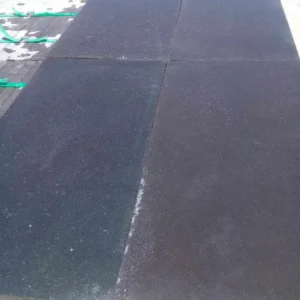
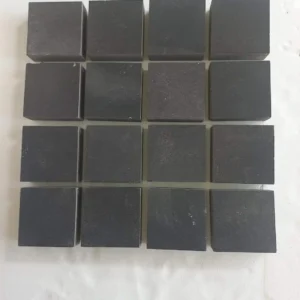
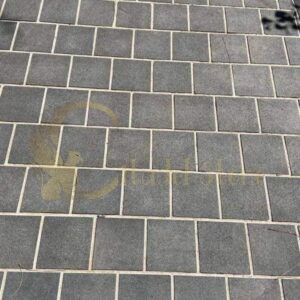
Dark grey driveway blocks in Arizona need joint sand that maintains compaction under thermal cycling. Polymeric sand outperforms standard kiln-dried sand in these conditions — standard sand migrates during the intense but brief rain events common across Arizona’s monsoon season, leaving joints hollow underneath the surface layer. Hollow joints transfer point loads directly into slab edges rather than distributing them through the bedding layer, which is the mechanism behind most edge chipping and cracking you’ll see in older installations.
For projects in Mesa where caliche hardpan creates a perched water table after monsoon rain, you’ll want to incorporate weep zones in your perimeter restraint system. These allow hydrostatic pressure to relieve laterally rather than building beneath the base course. It’s a small detail that makes a significant difference in installations that sit over impermeable subsoils.
Citadel Stone maintains warehouse stock of dark grey driveway blocks in standard formats across Arizona, with lead times that typically run one to two weeks for stocked sizes. For projects requiring custom cutting or non-standard dimensions, their team can advise on extended lead times at the specification stage rather than after material has been ordered.
- Use polymeric joint sand — migrates less in monsoon events, maintains structural support between blocks
- Expansion joints every 12 to 15 feet in vehicular areas — tighter than most generic specifications recommend
- Weep zones in perimeter restraint where caliche or clay restricts downward drainage
- Bedding sand layer: 1 inch nominal, screeded to tolerance of ±⅛ inch — don’t allow variation beyond this
Dark Grey Garden Slabs and Patio Applications — Format and Finish Selection
Dark grey garden slabs for Arizona patios come in formats ranging from 12×12 to 24×48 inches nominal, and format selection directly affects how ground movement is expressed at the surface. Larger slabs bridge minor subgrade variation, but they also carry higher risk of cracking when differential settlement does occur — there’s less flexibility in a 24×48 piece than in a 12×12. For garden areas with mixed or uncertain soil conditions, sticking with formats below 18 inches in the longest dimension reduces your risk exposure significantly.
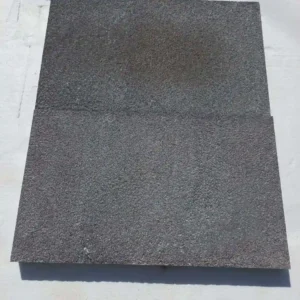
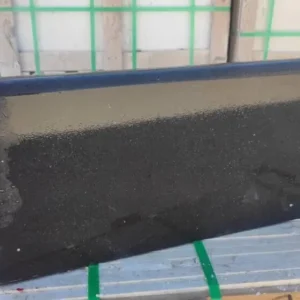
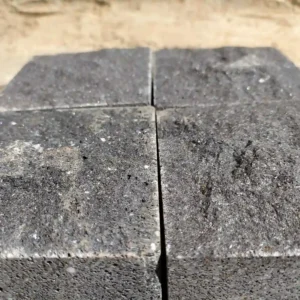
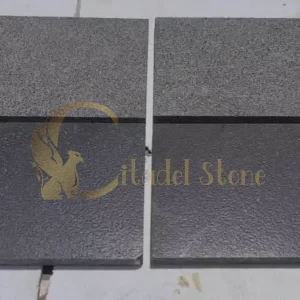
Finish selection matters for Arizona’s soil environment in ways that aren’t immediately obvious. Honed and polished dark gray patio pavers seal more easily and are less likely to trap fine particulate blown in by desert winds — but they read as slightly lighter in color when dusted, which affects the aesthetic result your client expects. Textured or sandblasted finishes on dark gray pavers hold their color reading better over time but require more aggressive cleaning protocols after monsoon events deposit silt.
For garden and landscaping applications, the dark grey slate paving slabs category offers thinner profiles — often 3/4 inch to 1 inch — that work well as stepping stone elements set in decomposed granite or low groundcover plantings. These thinner formats aren’t structural paving, and they need to be specified clearly as decorative surface elements with full support beneath them, not as load-bearing units.
- Large format slabs (over 18 inches): best over confirmed stable, tested subgrade — not over unmapped soils
- Smaller modular formats: more tolerant of minor ground movement, easier to relay if settlement occurs
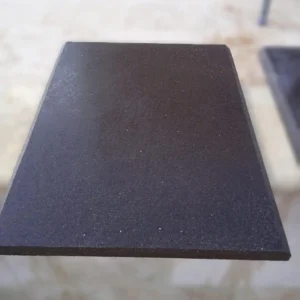
- Honed finishes: easier to clean, holds dimension tolerance better, seals reliably
- Textured finishes: better slip resistance in wet conditions, stronger color retention despite dust accumulation
- Thin decorative formats: stepping stones and feature elements only, not structural — specify clearly
Dark Block Paving in Arizona — Drainage and Ground Permeability Considerations
Drainage is the single most underspecified element in dark block paving projects across Arizona. The intensity of monsoon rainfall — routinely 1 to 2 inches per hour in peak events — overwhelms surface drainage on installations where the cross-fall hasn’t been designed specifically for high-intensity, short-duration events. A 1% cross-fall that handles light rain gracefully becomes a ponding surface under monsoon conditions. Minimum recommended cross-fall for dark grey paving in Arizona is 1.5%, with 2% preferred on larger paved surfaces.
Permeable block paving formats represent a valid alternative for garden and patio applications where the soil beneath isn’t caliche. In Scottsdale, many residential projects are now incorporating permeable dark grey block paving in Arizona garden zones as part of stormwater management compliance — the aesthetics match adjacent impermeable areas while reducing surface runoff. However, permeable formats over caliche or clay subsoils are counterproductive and shouldn’t be specified without a drainage engineer’s assessment. For projects evaluating complementary dark block paving solutions Arizona-wide, dark block paving solutions Arizona outlines cost and specification factors that apply across the product range and site types covered here — cross-fall, drainage infrastructure, and soil permeability should all be established before surface material is ordered.
- Minimum cross-fall 1.5% for Arizona conditions — standard 1% is insufficient for monsoon events
- Permeable formats: valid on sandy and alluvial soils, not appropriate over caliche without drainage engineering
- Perimeter drainage channels: mandatory on sealed driveways exceeding 400 square feet
- Outlet structures: size for 2-inch-per-hour rainfall intensity, not standard design storm values
Sealing and Maintenance Protocols for Dark Grey Paving in Arizona
Sealing dark grey paving in Arizona serves two distinct purposes that are worth separating in your maintenance specification: color preservation and porosity management. An impregnating penetrating sealer addresses porosity — it reduces moisture ingress during monsoon events and limits efflorescence migration from the base course. A color-enhancing sealer deepens the dark grey tone and reduces the visual impact of dust and mineral deposit. Many projects benefit from a product that does both, but you need to verify compatibility with the specific stone density and absorption rate of the material you’re using.
Resealing interval for dark grey stone pavers in Arizona’s UV environment is typically 18 to 24 months for high-traffic areas, 30 to 36 months for low-traffic patios and garden areas. The test is simple — apply a small water droplet to the surface. If it beads, sealer integrity is intact. If it absorbs within 60 seconds, resealing is overdue. Arizona’s ultraviolet index breaks down sealer chemistry faster than temperate climates, so the manufacturer’s stated interval usually needs compressing by 20 to 30 percent.
- Penetrating impregnating sealer: reduces moisture ingress and efflorescence, preserves structural integrity of joints
- Color-enhancing sealer: deepens dark grey tone, reduces visual impact of dust and mineral deposits
- Resealing interval: 18 to 24 months for traffic areas, 30 to 36 months for low-use garden zones
- UV degradation factor: compress manufacturer’s stated interval by 20 to 30 percent for Arizona conditions
- Clean before resealing: remove mineral deposits and biological growth — sealer over contamination locks problems in
Buy Dark Grey Paving in Arizona — Citadel Stone
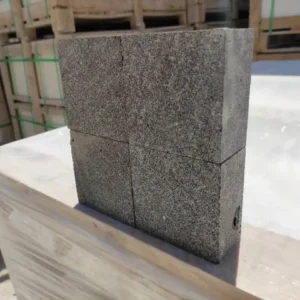
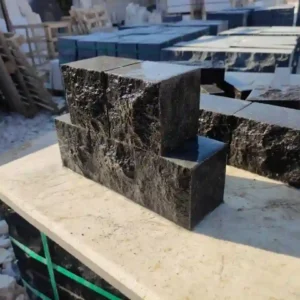
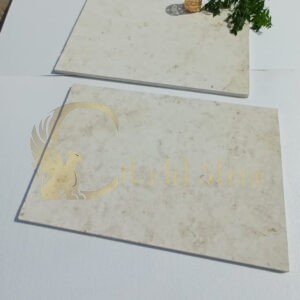
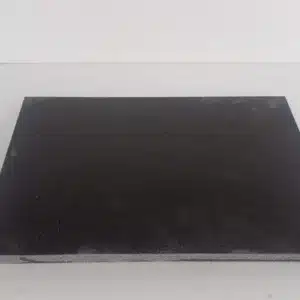
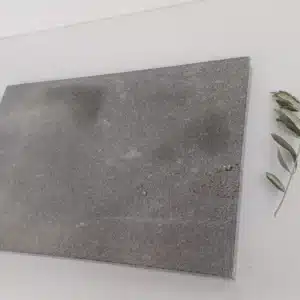
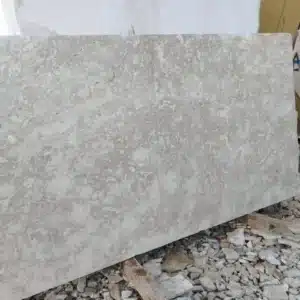
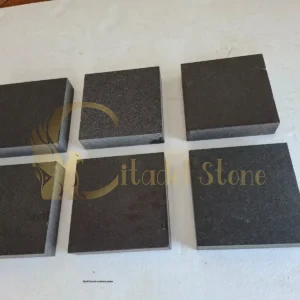
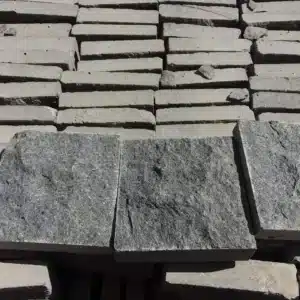
Citadel Stone stocks dark grey paving across a range of formats suited to Arizona’s residential and commercial project requirements. Available options include dark grey garden slabs in 12×12, 16×16, 18×18, and 24×24 nominal formats, dark grey driveway blocks in 60mm and 80mm thicknesses, and dark gray pavers in both standard modular and large-format dimensions. Finishes available include natural split, sawn smooth, and lightly textured — each suited to different drainage and slip-resistance requirements.
You can request sample tiles and full specification sheets, including absorption rates, modulus of rupture data, and dimensional tolerances, before committing to material quantities. For trade and wholesale enquiries, Citadel Stone’s team can provide project pricing, confirm warehouse availability, and advise on lead times that reflect current stock levels. Delivery coverage extends across Arizona, and for large projects requiring phased truck deliveries, scheduling can be coordinated to match your installation sequence rather than requiring full delivery upfront.
Citadel Stone’s range also extends into closely related colour tones that pair well with dark grey paving in mixed-tone landscape and hardscape designs — Charcoal Paving in Arizona covers a complementary colour range suited to projects where tonal variety across paved surfaces is part of the design brief. For dark block paving that meets the demands of Arizona’s environment, Citadel Stone offers knowledgeable guidance and quality materials to support projects of every scale throughout the state.