Base failure accounts for more than 70% of premature driveway paving stone replacements across Arizona — and the culprit is almost never the stone itself. Driveway paving stones in Arizona perform exceptionally well when the subgrade beneath them is properly understood and prepared, but this state’s soil complexity catches even experienced contractors off guard. Arizona’s ground conditions range from expansive clay in the Valley floor to caliche hardpan in the eastern foothills to sandy wash soils in low desert corridors, and each one demands a completely different base strategy before you ever set the first paver.
The stone you select matters, but soil behavior is the variable that determines whether that selection holds up for 25 years or starts rocking and shifting within a decade. Matching your paver format, thickness, and joint specification to your specific ground conditions — not just your aesthetic preferences — is what separates long-performing driveways from costly call-backs.
Why Arizona Soil Conditions Define Your Driveway Paver Strategy
Arizona’s soil profile is one of the most variable in the continental United States, and that variability plays out directly in how your driveway paving stones perform over time. Caliche — the calcium carbonate hardpan layer — appears at different depths depending on your location. In Phoenix, caliche layers typically sit between 12 and 36 inches below grade, and while they can feel like a solid foundation, they’re notoriously impermeable. That impermeability creates lateral drainage problems when water can’t percolate downward, pooling beneath your base aggregate and undermining compaction integrity during monsoon cycles.
Expansive clay soils present a different challenge entirely. These soils swell measurably when saturated and shrink as they dry — a seasonal expansion-contraction cycle that can displace a rigid base by as much as an inch vertically across a driveway width. Your paver joints, base depth, and edge restraint system all need to be specified with this movement in mind. For driveways on clay-bearing soils, you’ll want a minimum 8-inch compacted aggregate base rather than the standard 4-6 inches referenced in temperate-climate installation guides.
- Caliche hardpan requires scarifying or fracturing before base aggregate placement — compacting directly onto unprepared caliche traps moisture and creates differential settlement
- Sandy wash soils have excellent drainage but low cohesion — your edge restraint depth needs to increase by 2-3 inches to prevent lateral migration under vehicle loads
- Clay-heavy soils in low-lying areas benefit from a geotextile separation layer between native soil and base aggregate to prevent clay migration into the drainage profile
- Mixed soil profiles — common in graded residential lots — require soil testing at multiple points before you finalize base depth specifications
- Desert alluvial soils can contain cobble and gravel layers that read as stable on initial excavation but shift under cyclic loading
Citadel Stone’s technical team reviews site soil reports for Arizona projects before recommending specific paver formats and thicknesses — this kind of pre-specification consultation prevents the mismatch between material and ground conditions that causes most long-term failures.
Choosing the Right Paving Stone Format for Arizona Driveways
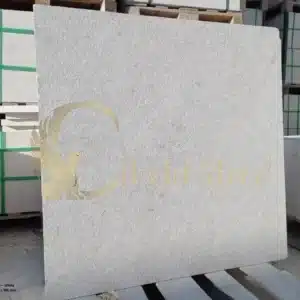
Format selection — the size, thickness, and shape of your driveway paving stones in Arizona — interacts directly with soil stability and expected traffic loading. Driveway stone slabs in the 24×24-inch range distribute vehicle point loads across a broader area, which reduces unit pressure on the base aggregate. That’s valuable on sites with moderate soil stability, but on expansive clay, large-format slabs actually amplify differential movement because a single unit spans a larger footprint across uneven ground.
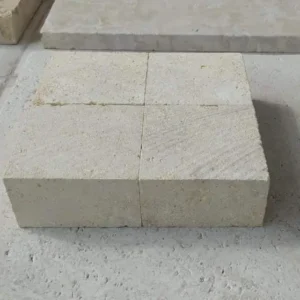
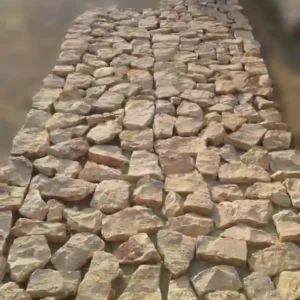
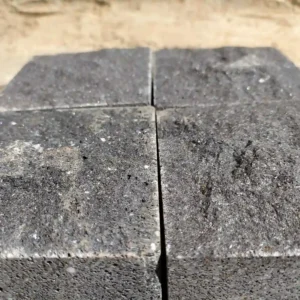
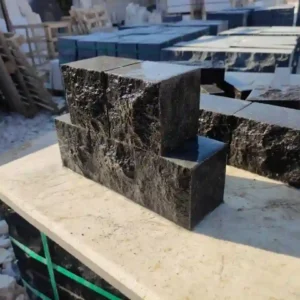
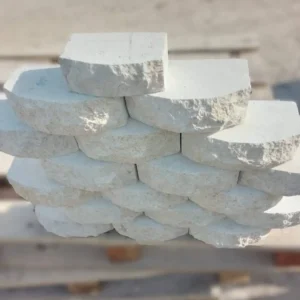
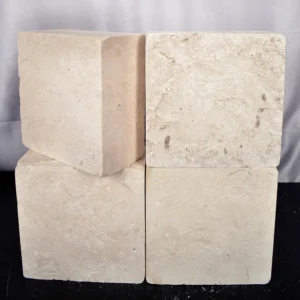
Smaller modular formats — driveway setts, cobblestone patterns, and standard brick-sized units in the 4×8 or 6×9 range — flex more naturally with minor ground movement without the individual units cracking. This is why driveway setts in Arizona have performed well in older Scottsdale and Mesa neighborhoods where the soil has had decades to reach equilibrium: the jointed system accommodates minor shifts that would crack a large slab.
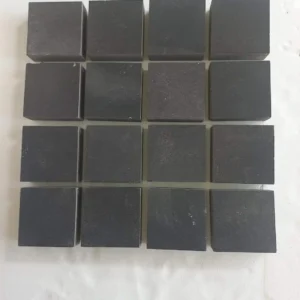
- Driveway setts and cobblestone formats work well on sites with variable soil stability — the interlocked pattern distributes loads without concentrating stress at unit edges
- Driveway large pavers in the 18×18 or 24×24 range perform best on mechanically stabilized subgrades with verified compaction testing at 95% Proctor density
- Driveway round pavers and decorative circular formats are best reserved for lower-traffic areas or courtyard aprons — their non-interlocking geometry reduces load distribution efficiency under repeated vehicle loads
- Driveway bricks in standard running-bond or herringbone patterns provide excellent interlock and are a reliable choice across most Arizona soil types when base preparation meets specification
- Driveway tiles in larger format require a rigid mortar-set base system rather than a flexible sand-set base on unstable soils — the choice of installation method matters as much as the tile itself
Thickness specification follows traffic category: 2.375-inch (60mm) nominal units handle standard passenger vehicle loads; 3.125-inch (80mm) units are appropriate for driveways with regular truck or RV traffic. Don’t downsize thickness to reduce cost on a driveway that sees heavy vehicles — the savings evaporate quickly when base failure and unit cracking require early replacement.
Natural Stone Types That Perform on Arizona Driveways
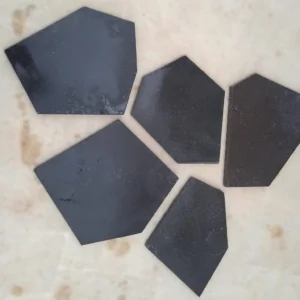
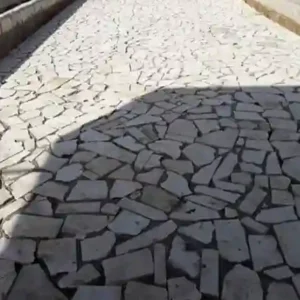
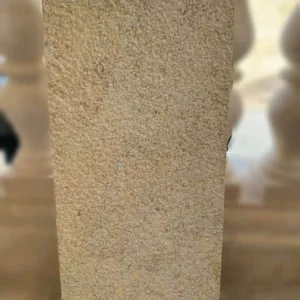
The natural stone category for driveways spans a wide performance range, and Arizona’s conditions add further selection criteria beyond the standard aesthetic considerations. Driveway flagstones in irregular formats — typically limestone, sandstone, or basalt — have a long installation history in Arizona because the material was often locally sourced and the style suits regional architecture. Field performance of driveway flagstones depends heavily on stone density and absorption rate: high-absorption sandstones in areas with frequent wetting and drying cycles develop spalling at surface layers faster than lower-porosity alternatives.
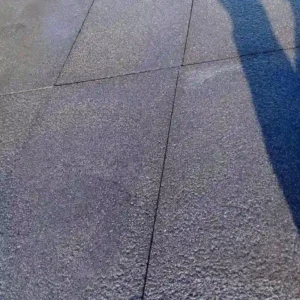
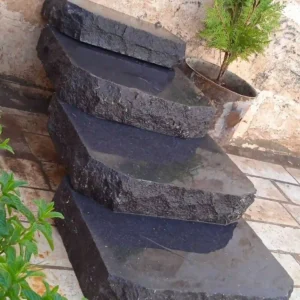
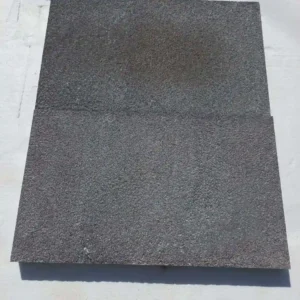
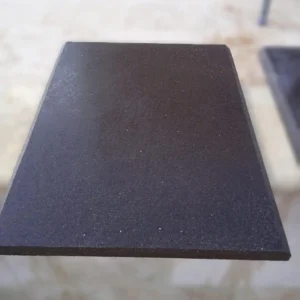
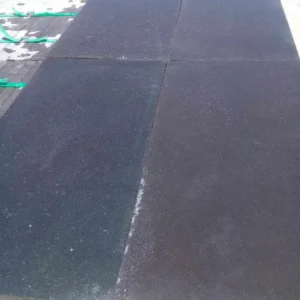
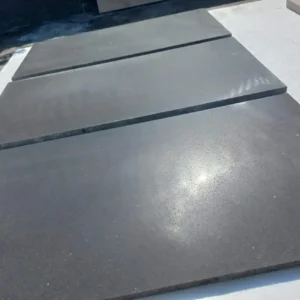
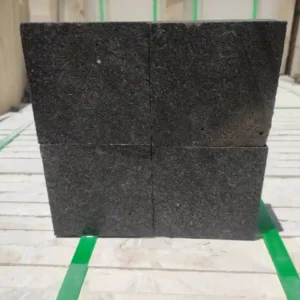
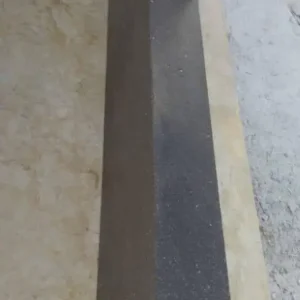
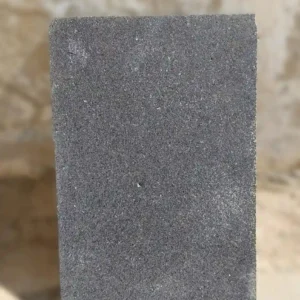
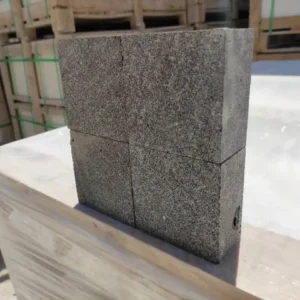
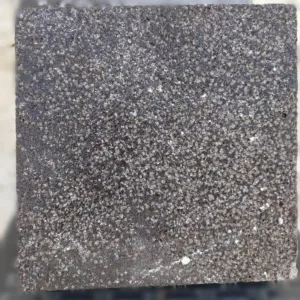
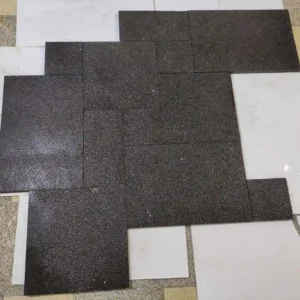
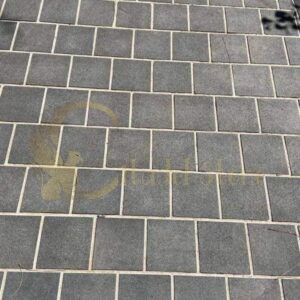
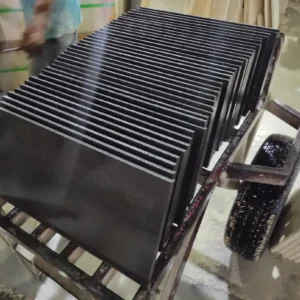
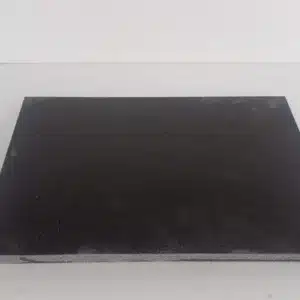
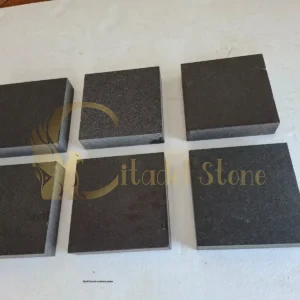
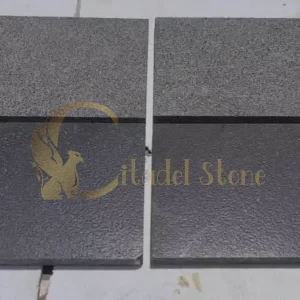
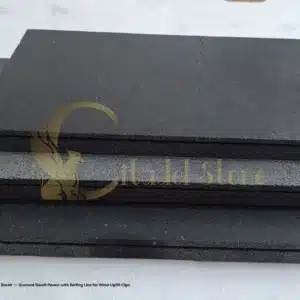
Basalt stands out as a high-performer for Arizona driveways. Its low absorption rate (typically below 0.5%), compressive strength above 20,000 PSI, and thermal stability make it one of the most durable choices for driveways in both low desert and higher elevation zones. Dark driveway pavers in basalt do absorb more solar radiation and reach higher surface temperatures during peak summer hours — a trade-off worth discussing with your client before specifying, particularly for driveways adjacent to entryways where barefoot traffic is expected.
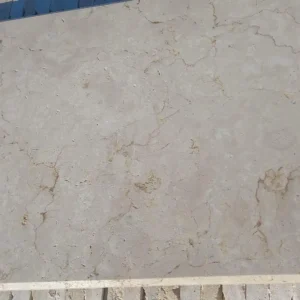
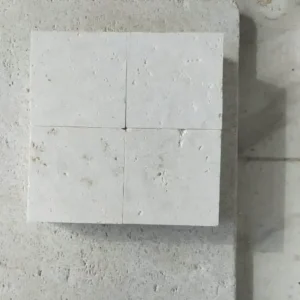
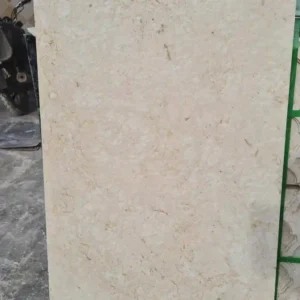
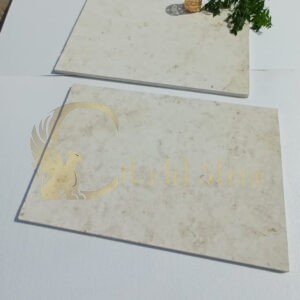
- Limestone driveway pavers offer a cooler surface temperature than dark materials and reflect more solar radiation — beneficial for properties focused on pedestrian comfort alongside vehicle access
- Basalt and dark paver driveway installations deliver maximum durability and a striking aesthetic but require client understanding of surface heat characteristics
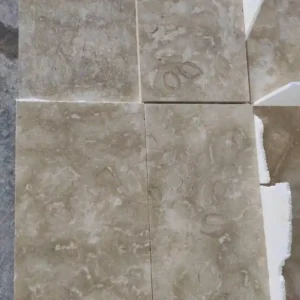
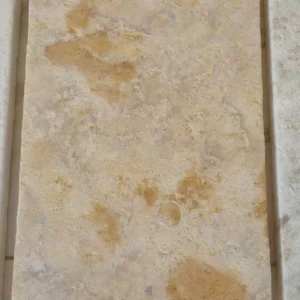
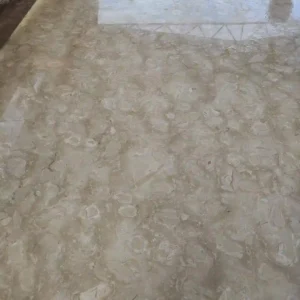
- Travertine performs well in low-desert applications but its open-pore structure requires filling and sealing before use in a vehicle-traffic context
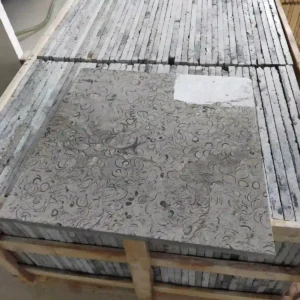
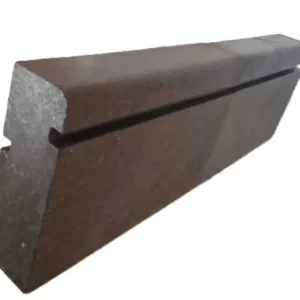
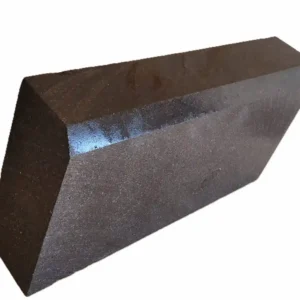
- Granite setts and cobblestones provide exceptional compressive strength and near-zero absorption — a reliable choice for driveways with heavy vehicle traffic or in areas prone to seasonal moisture
- Sandstone flagstones suit lower-traffic decorative aprons but generally shouldn’t be specified as the primary surface for a full vehicle driveway without density testing
Sourced from established quarry partners, each batch Citadel Stone supplies is inspected for density, surface consistency, and dimensional tolerance before leaving the warehouse — because variation in natural stone density within the same quarry can significantly affect installed performance across a driveway surface.
Dark Driveway Pavers and Colour Selection in Arizona’s Climate
Colour selection for a dark paver driveway in Arizona requires a more analytical approach than in temperate climates. Dark driveway pavers absorb a greater percentage of incident solar radiation — measured values for dark basalt and dark granite surfaces routinely reach surface temperatures of 140-160°F during July peak exposure in low desert locations like Tucson and the greater Phoenix metro. That thermal load affects joint sand performance, sealer longevity, and the comfort of the immediate outdoor environment.
This doesn’t mean dark driveway pavers are the wrong choice for Arizona — it means you need to account for the thermal characteristics in your full specification. Polymeric joint sand rated for temperatures above 130°F is a non-negotiable selection for dark paver driveways in low desert zones. Standard polymeric sand softens at sustained high temperatures and migrates out of joints, leading to instability and weed intrusion within two to three seasons. Factor in a UV-stable penetrating sealer on darker stones as well — not for color enhancement, but for preventing surface micro-fracturing from thermal cycling stress.
- Specify high-temperature-rated polymeric joint sand (rated 130°F+) for all dark paver driveway projects in USDA Zone 9b-10 Arizona locations
- Lighter stone colours — limestone, buff sandstone, cream travertine — reflect more solar radiation and result in measurably cooler surface temperatures by 20-35°F compared to dark alternatives under identical exposure
- Dark stone driveways adjacent to garage entries benefit from a 12-inch border strip of lighter stone to reduce radiant heat transfer into the structure
- UV-stable penetrating sealers applied to dark natural stone extend resealing intervals from 2 years to 3-4 years when correctly applied to a clean, dry surface
For maintenance protocols that apply to both dark and light-coloured natural stone driveways, paving stones for Arizona driveways covers the sealing schedules, cleaning methods, and joint sand maintenance that keep your installation performing well through Arizona’s full seasonal range. Getting those protocols established early — and revisiting them each spring before monsoon season — extends the practical service life significantly.
Base Preparation and Installation Standards for Arizona Driveway Pavers
The base preparation phase determines more about long-term driveway performance than any material choice you make above it. Arizona’s soil conditions — particularly the combination of expansive clay in valley locations and caliche hardpan in transitional zones — mean that the standard residential paver installation guide needs modification before it applies to most Arizona sites.
Your excavation depth should be determined by soil type, not by a generic chart. On verified stable soils with less than 3% clay content and no caliche within 36 inches, a 6-inch compacted aggregate base performs adequately for standard passenger vehicle loads. On clay-bearing soils with a Plasticity Index above 15, move to a minimum 8-inch base — and consider a 2-inch sand setting bed addition for applications involving large-format driveway stone slabs. The extra cost in base material is consistently cheaper than the cost of re-leveling a settled driveway two years post-installation.
- Compact base aggregate in 3-inch lifts maximum — single-pass compaction of a deep fill layer does not achieve the 95% Proctor density your paver base requires
- Use angular crushed aggregate (3/4-inch minus) rather than rounded gravel — angular particles interlock under compaction; rounded gravel particles roll and continue to settle under load
- Install a geotextile fabric between native soil and base aggregate on any site with visible clay content — this prevents clay migration into your drainage layer over time
- Edge restraints must be driven or cast to a depth that reaches below the freeze depth where applicable — in Flagstaff and higher elevation areas of Arizona, this means deeper restraint installation than the low desert norm
- Verify compaction with a plate compactor pass in perpendicular directions across the full base surface before placing the setting bed
- Allow for a minimum 1-2% cross-slope for surface drainage — flat driveways on impermeable caliche soils create ponding conditions that accelerate joint sand loss
Projects in Flagstaff face an additional variable that low desert installations don’t: genuine freeze-thaw cycling. At 7,000 feet elevation, Flagstaff experiences repeated freeze-thaw cycles from October through March, which means base drainage is critical — saturated base aggregate that freezes expands and heaves, displacing the paver surface above it. A free-draining base aggregate with less than 5% fines content is the correct specification for Flagstaff driveway paving stone projects.
Driveway Paving Stone Formats, Sizes, and Pattern Selection
Pattern selection for driveway paving stones affects both structural performance and visual scale — and the two aren’t always aligned. Herringbone pattern at 45 or 90 degrees provides the best interlock performance under vehicle loads because the pattern creates mechanical resistance against paver rotation and lateral movement. For driveways carrying regular vehicle traffic, herringbone with driveway bricks or standard rectangular setts is the specification that holds up most consistently over time. Running bond patterns are visually clean but provide significantly less interlock, making them more appropriate for pedestrian areas or low-traffic courtyard aprons rather than primary vehicle driveways.
Size selection also affects your truck delivery logistics. Large-format driveway stone slabs — 24×24 and larger — arrive on pallets with limited stackability, and delivery truck access to your site matters more than it does for smaller modular units. Confirm that your site’s access point can accommodate a standard flatbed truck before finalizing a large-format specification. Tight residential lots in infill neighborhoods sometimes require smaller-format materials purely for delivery and handling practicality.
- Herringbone at 45 degrees is the highest-performance pattern for vehicle driveways — specify it for any project where vehicle loads exceed standard passenger cars
- Running bond suits pedestrian walkways and decorative driveway aprons where aesthetic priority outweighs structural demand
- Mixed-size random patterns with driveway flagstones require skilled installation to maintain consistent joint widths — verify installer experience before specifying this format for a client driveway
- Driveway large pavers in 18×24 or 24×24 formats photograph well but require the most exacting base preparation — any subgrade variation reads visibly as a tilt in a large unit
- Driveway round pavers and circular medallion patterns work as accent features within a predominantly rectangular layout — engineering them as the primary vehicle surface increases installation complexity and cost substantially
Maintenance Requirements and Realistic Longevity for Arizona Driveway Pavers
Natural stone driveway pavers in Arizona can realistically deliver 25-35 years of service life when properly installed and maintained — but that lifespan assumes you address joint sand maintenance and sealing on a consistent schedule. The desert environment creates a specific maintenance challenge: low humidity accelerates joint sand erosion between storm events, and monsoon rainfall events then flush loose sand from joints rapidly. Top-dressing joint sand every 2-3 years is typically necessary in low desert Arizona locations, compared to every 4-5 years in more temperate climates.
Sealing protocols vary by stone type. Dense, low-porosity stones like basalt and granite can go 3-4 years between sealer applications without significant deterioration. More porous limestone and sandstone driveway surfaces benefit from resealing on a 2-year cycle in Arizona’s UV-intense environment. The sealer isn’t just about appearance — on porous stones, it reduces the rate at which surface micro-fracturing progresses under thermal cycling stress, which is the primary mechanism of surface deterioration in the desert climate.
- Inspect joint sand depth every spring before monsoon season begins — refill any joints that have eroded below the chamfer level of the paver
- Pressure wash at low pressure (below 1,200 PSI) to avoid displacing joint sand — high-pressure washing is the single most common maintenance mistake that accelerates joint erosion
- Apply penetrating sealer only to thoroughly dry stone — residual moisture trapped beneath sealer causes hazing and reduces bond integrity
- Repair individual rocking or settled units promptly — a single displaced unit creates an edge condition that accelerates adjacent unit movement under vehicle loads
- Vegetation growing in joints should be removed at the root, not just surface-cleared — root systems physically displace joint sand and create sub-surface voids
Get Driveway Paving Stones Delivered Across Arizona
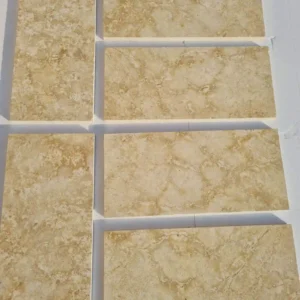
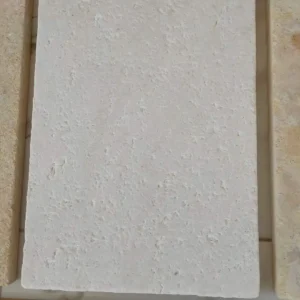
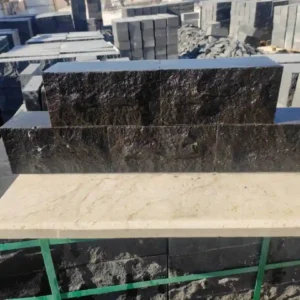
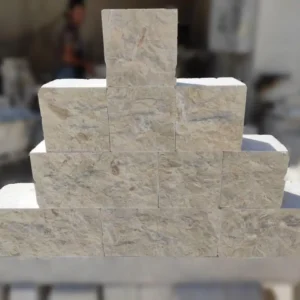
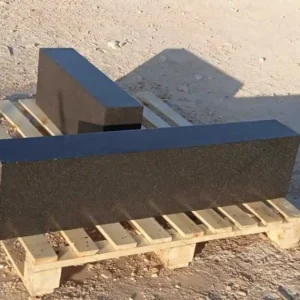
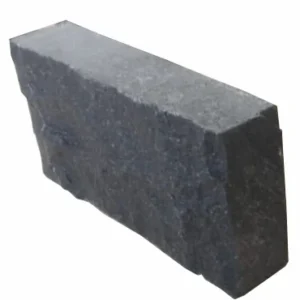
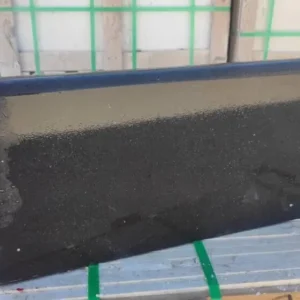
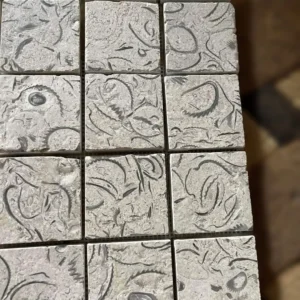
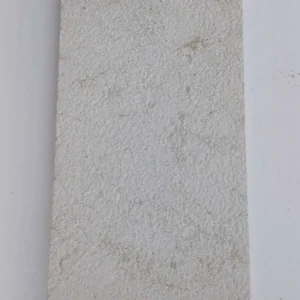
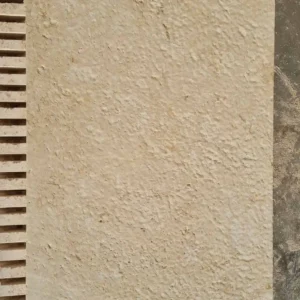
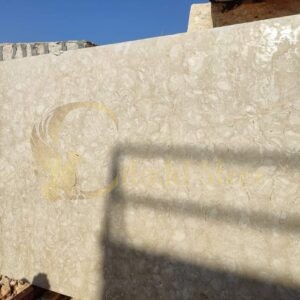
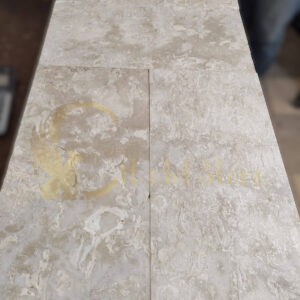
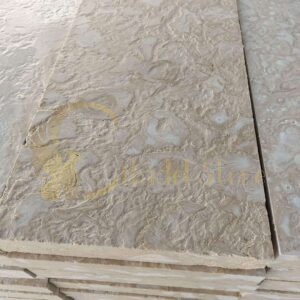
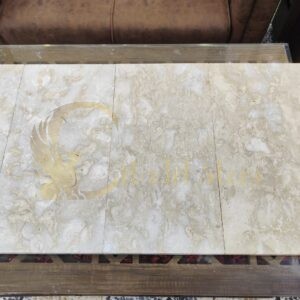
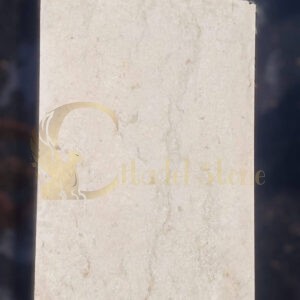
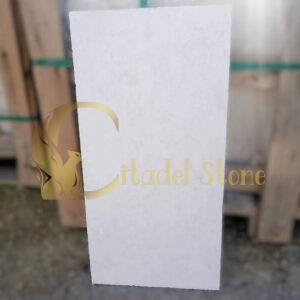
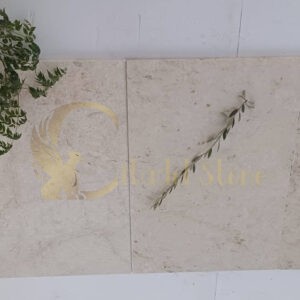
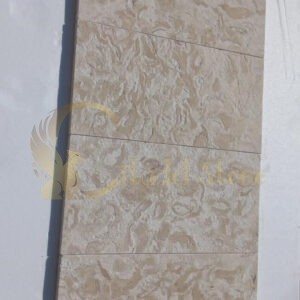
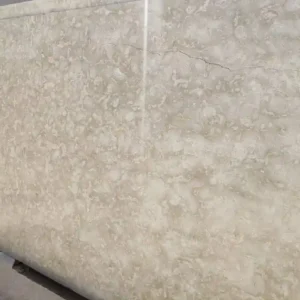
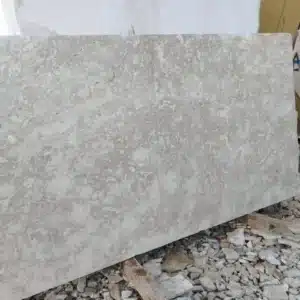
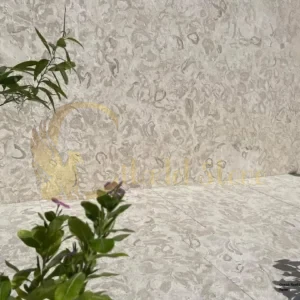
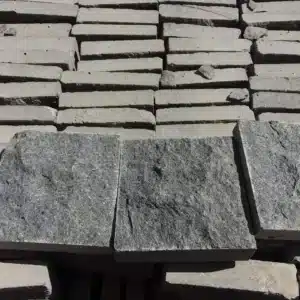
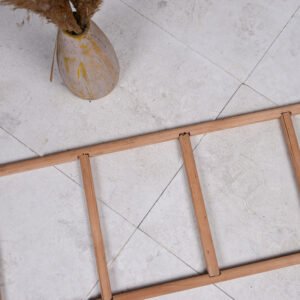
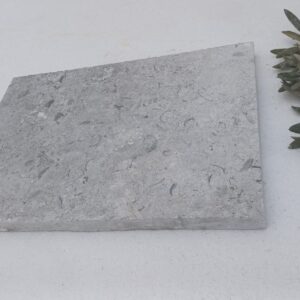
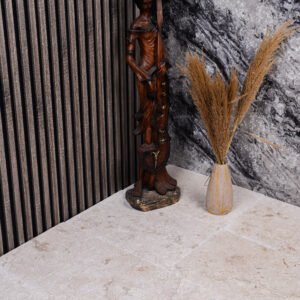
Citadel Stone stocks driveway paving stones in Arizona in a range of formats — including standard brick-sized setts, modular rectangular pavers, large-format stone slabs, and natural flagstone options — across multiple thickness grades from 60mm to 80mm nominal. Available materials include basalt, limestone, granite, and sandstone in both natural cleft and sawn finish, with colour options spanning light cream and buff tones through to charcoal and dark basalt for projects specifying a dark paver driveway aesthetic.
Sample tiles and thickness specifications are available to request directly from Citadel Stone before committing to your project order — this is especially useful when matching an existing material on a driveway extension or renovation. For projects requiring custom cuts, non-standard formats, or large-volume orders, Citadel Stone’s technical team can advise on lead times and warehouse availability before you finalize your project schedule. Trade and wholesale enquiries are handled directly, and delivery is available across Arizona from regional warehouse inventory, with standard lead times running 1-2 weeks for stocked materials. Truck delivery logistics to your project site can be discussed during the ordering process — access constraints, pallet placement, and off-loading requirements are all considerations the Citadel Stone team addresses upfront to avoid day-of delays.
For colour-specific applications that complement your driveway specification, Blue Paving Stones in Arizona covers another dimension of Arizona stone selection worth considering as you plan accent borders, entry features, or coordinating hardscape elements around your driveway project. For Arizona properties requiring long-lasting driveway materials, Citadel Stone offers guidance and quality paving stones appropriate for local conditions and site demands.