














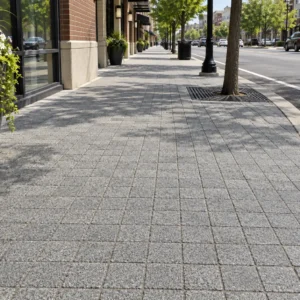
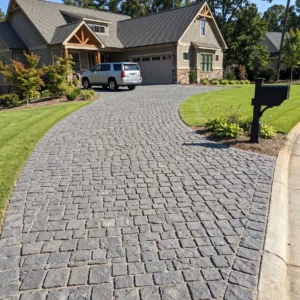
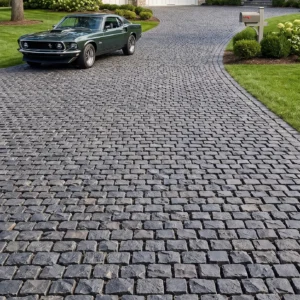
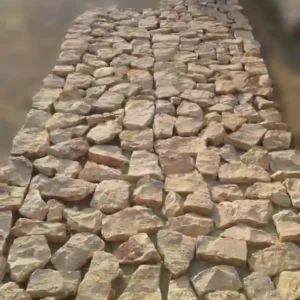
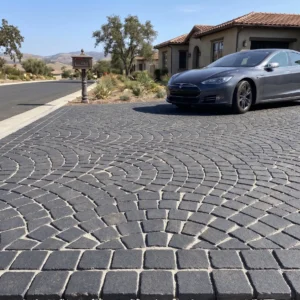
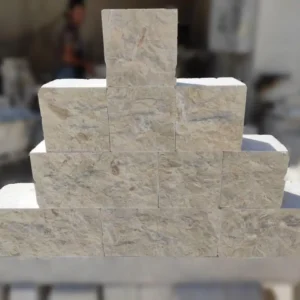
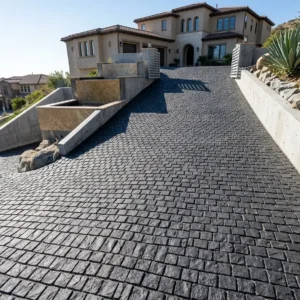
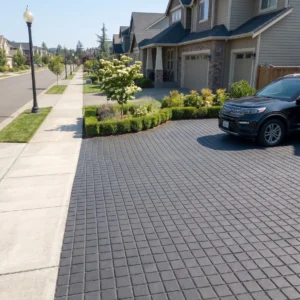




Budget planning for cobblestone pavers in Arizona hits a wall fast when specifiers underestimate freight costs from out-of-state quarry sources. The distance between Arizona and most domestic cobblestone production regions adds $0.80–$1.40 per square foot to your delivered cost before you’ve set a single stone — a figure that routinely reshapes project scopes when it surfaces late in the bidding process. Understanding the regional pricing dynamics upfront lets you make smarter material selections, negotiate better delivery terms, and avoid the budget overruns that sink otherwise well-planned projects.
Regional Pricing Dynamics for Cobblestone Pavers in Arizona
Arizona sits at a geographic disadvantage for cobblestone sourcing. The state lacks the dense regional quarrying infrastructure that keeps costs lower in the Northeast or Midwest, so most cobblestone paving materials — whether grey cobblestone pavers, black cobblestone pavers, or tumbled Belgian pavers — arrive via long-haul truck from distant production points. That freight gap is real, and it compounds quickly on larger projects. A 500-square-foot cobblestone driveway that might run $14 per square foot installed in Pennsylvania can approach $18–$21 per square foot in the Phoenix metro once you account for logistics.
The regional market also segments by project type in ways that affect your sourcing strategy. Residential cobblestone patio installations in Arizona typically involve smaller order volumes, which means you’re paying full LTL (less-than-truckload) rates rather than the per-unit savings that come with full truck shipments. Projects above 800 square feet are often at the threshold where requesting a full truckload quote from your supplier actually pencils out. Citadel Stone ships cobblestone pavers across Arizona from regional inventory, and the team can advise you on order volume thresholds that qualify for more favorable freight structures.
Material availability varies by color and format too. Grey cobblestone pavers and standard tumbled cobble sizes tend to stay in better local stock rotation than specialty formats like roman cobblestone pavers or english cobble pavers, which often require longer lead times tied to import cycles. Verifying warehouse stock levels before committing to a project timeline is not optional — it’s the difference between an 8-day delivery and a 6-week wait.
Cobblestone Material Types and Format Options
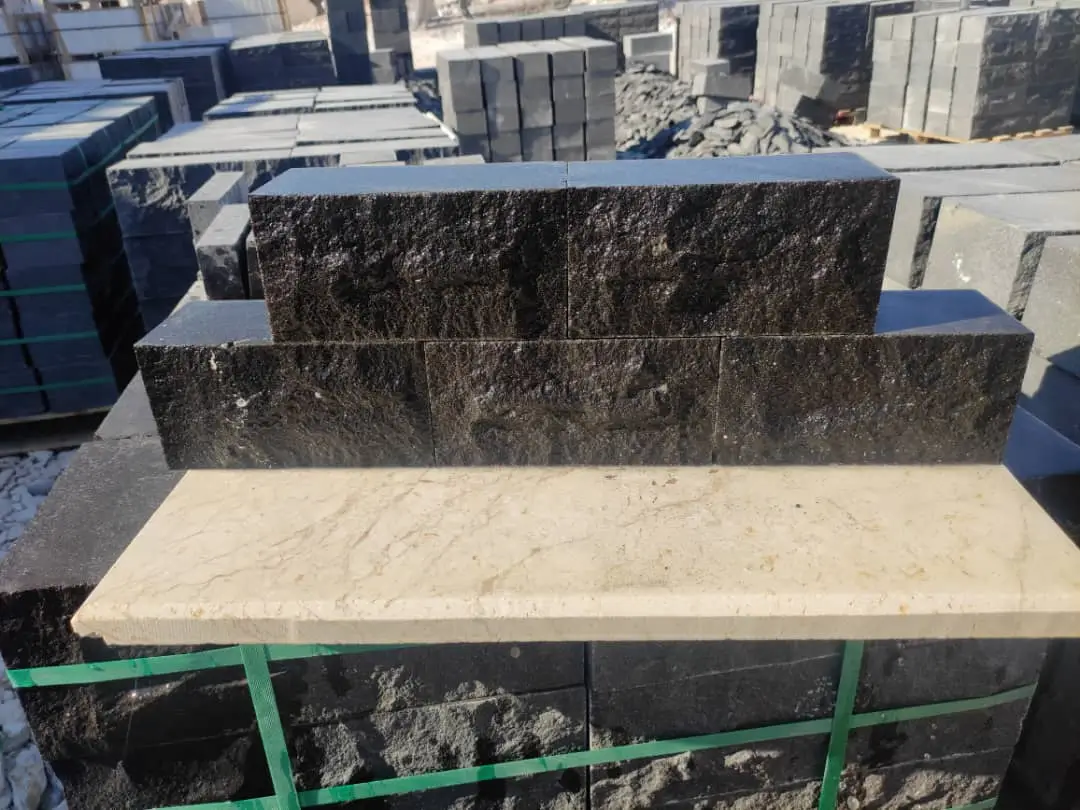
The cobblestone category covers more product variation than most buyers anticipate at the start of a project. Your core choices break down across stone type, finish treatment, format size, and color — and each variable carries cost and performance implications specific to Arizona conditions.
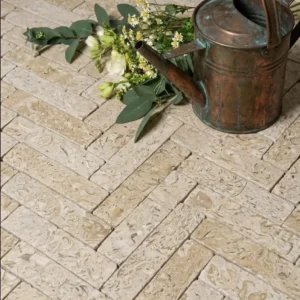
- Tumbled Belgian pavers offer rounded edges and a worn, historic character — they’re one of the most requested formats for cobblestone backyard installations and residential driveways
- Roman cobblestone pavers feature a fan-pattern cut with tighter tolerances, suited for formal cobblestone patio designs where joint consistency matters
- English cobble pavers typically run in a larger format (4×8 to 6×9 nominal), providing better coverage per unit and lower installation labor per square foot
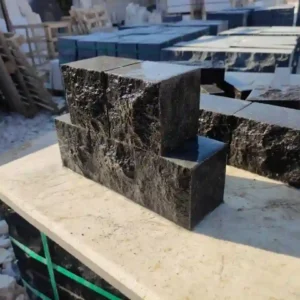
- Belgian block patio applications use a rectilinear format that suits both pattern-laid and random cobblestone paving designs
- Cobblestone mesh pavers — factory-mounted on mesh backing — cut installation time significantly, particularly valuable on curved cobblestone edging driveway borders
- Cobblestone paving slabs bridge the gap between traditional cobble scale and large-format stone, offering slab dimensions with a cobbled surface texture
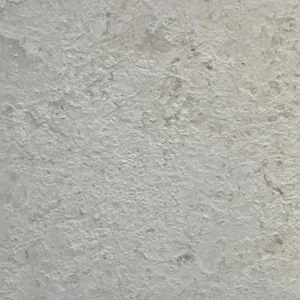
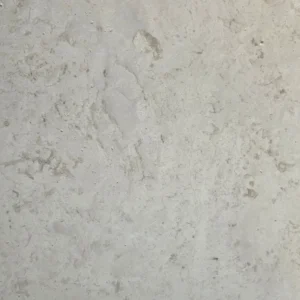
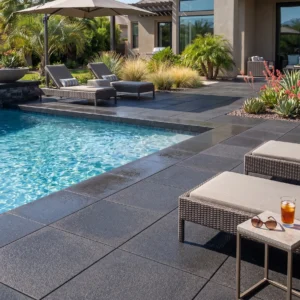
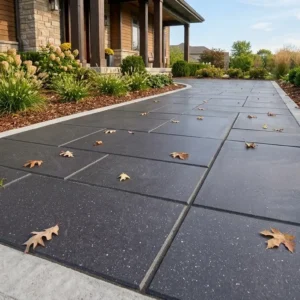
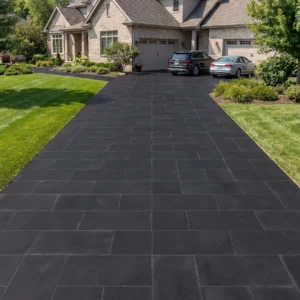
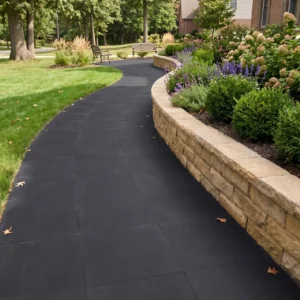
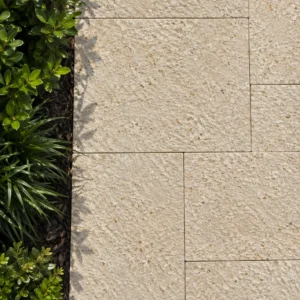
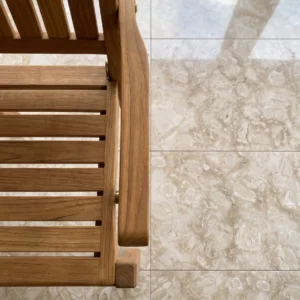
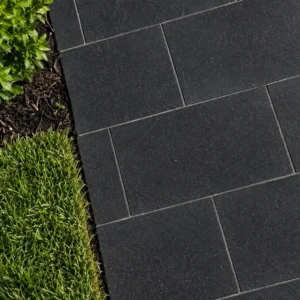
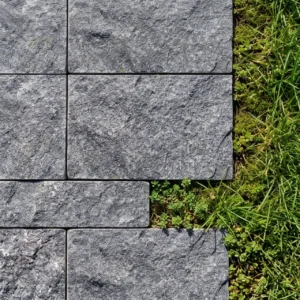
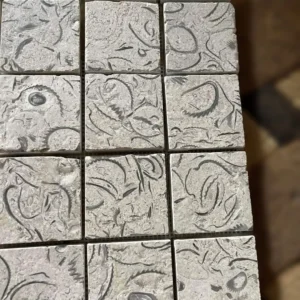
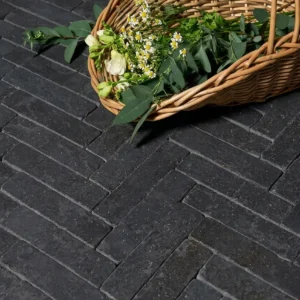
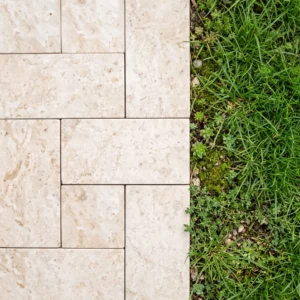
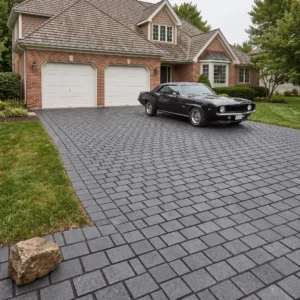
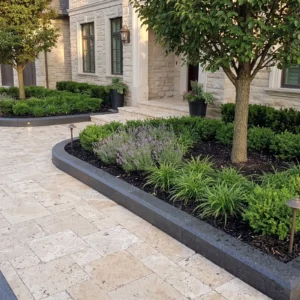
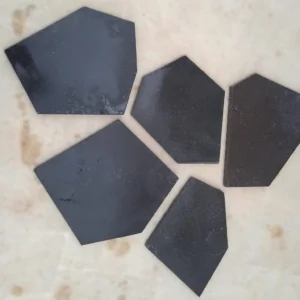
Black cobblestone pavers and grey cobblestone pavers dominate the Arizona market, with grey running about 30% higher in demand than black based on regional project activity. Both colors absorb more heat than lighter limestone alternatives, which is worth factoring into your pool surround or patio spec — more on thermal performance in a later section. Citadel Stone stocks cobblestone pavers in standard formats including tumbled cobble, Belgian block, and mesh-mounted options, with sample tiles available on request before you finalize your specification.
Color Selection and Surface Heat in the Arizona Climate
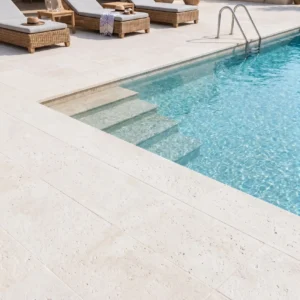
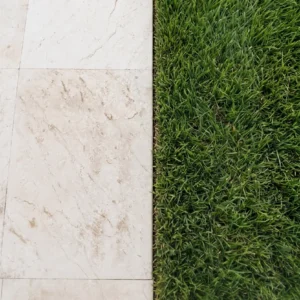
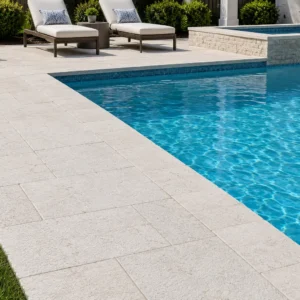
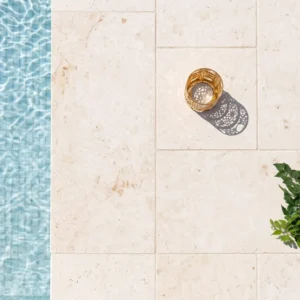
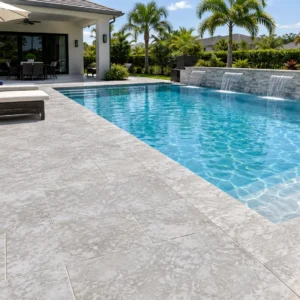
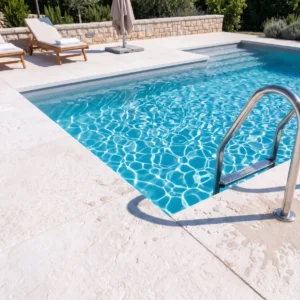
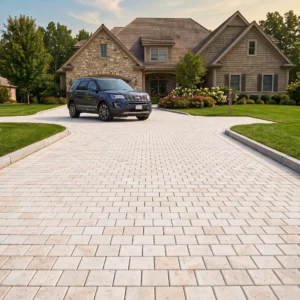
Dark cobblestone surfaces in low desert regions like Phoenix routinely reach surface temperatures of 140–160°F under direct afternoon exposure, compared to 110–120°F on lighter grey or cream-tone alternatives. That thermal load matters for barefoot applications — cobblestone around pool installations, in particular, requires careful color selection to stay within comfortable use parameters. For shaded courtyard applications or north-facing patios, black cobblestone pavers perform without the heat penalty and deliver a visual depth that lighter tones can’t replicate.
Base Preparation for Cobble Paving in Arizona Soils
The most common failure mode for cobble paving in Arizona isn’t the stone — it’s the base. Arizona soils present two distinct challenges depending on your project location: expansive clay profiles in lower valley areas and caliche hardpan in upland zones. Each demands a different base strategy, and getting this wrong costs you the entire installation within 5–8 years.
- In clay-heavy profiles, you need a minimum 6-inch compacted aggregate base, but more importantly, you need to address moisture management — clay that wets and dries through irrigation cycles will heave your cobblestone driveway pavers out of plane regardless of base depth
- Caliche layers, common in the Scottsdale and East Valley zones, actually provide a stable bearing surface once scarified — the mistake is assuming caliche alone replaces proper aggregate base work
- Decomposed granite fill, widely available in Arizona, performs well as a sub-base amendment but requires careful compaction at 95% Proctor density before you set your bedding layer
- For cobblestone mesh pavers and mesh-mounted formats, bedding sand depth tolerances are tighter (typically 1 inch nominal versus 1.5 inches for loose-laid cobble) because mesh units don’t allow for individual stone adjustment during screeding
In Scottsdale, where high-value residential cobblestone patio and driveway projects concentrate, the caliche depth varies block by block across older subdivisions. Probing the site before excavation budgeting gives you a realistic picture of whether you’re dealing with 8 inches or 24 inches of removal — a difference that can shift your base preparation cost by $2–$3 per square foot before material even arrives on site.
Joint Sand Selection and Maintenance Cycles
Polymeric sand performs better than standard jointing sand in Arizona’s low-humidity environment because it resists the wind erosion that gradually evacuates conventional joint fill from exposed cobble paving. Your maintenance cycle should include joint inspection annually, topping off polymer sand to 92–95% of joint depth. Joints that drop below 80% fill depth allow water penetration that undermines your bedding layer — the damage works slowly, but by year three you’ll see edge creep on your cobblestone edging driveway borders first.
Cobblestone Driveway Pavers: Application-Specific Specifications
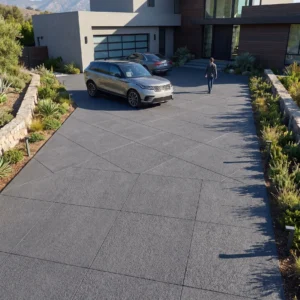
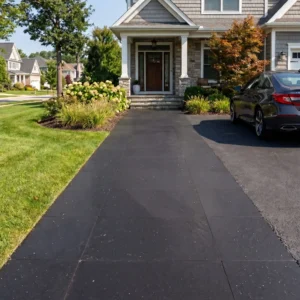
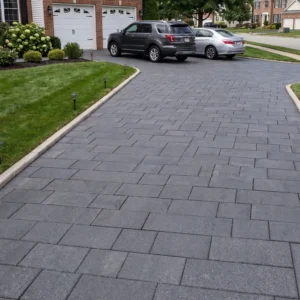
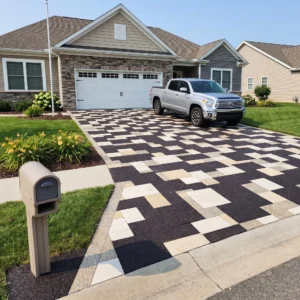
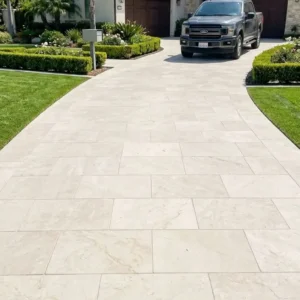
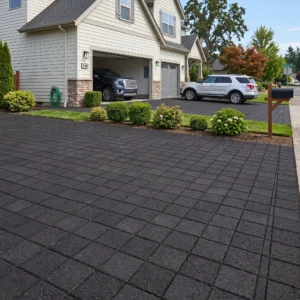
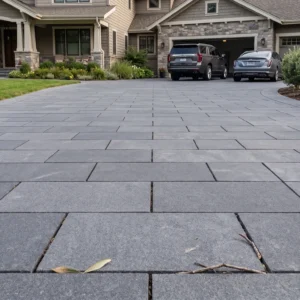
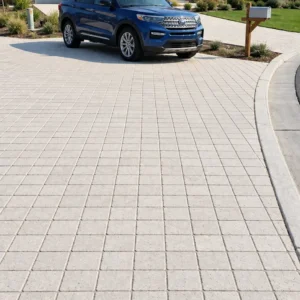
Cobblestone driveway pavers in Arizona take a beating from a combination of thermal cycling, UV exposure, and occasional flash-flood drainage events that standard residential driveway specs don’t fully account for. The specification details that matter most differ by application type.
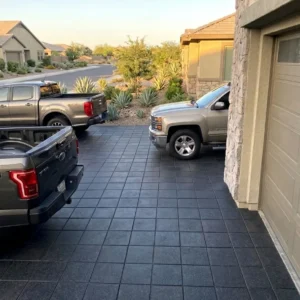
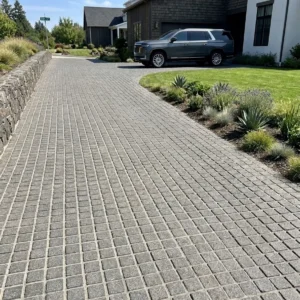
- For standard passenger vehicle driveways, 2.375-inch (60mm) nominal cobblestone thickness provides adequate load distribution when set over a properly compacted base
- Cobbles driveway applications that include truck access — for property deliveries, RVs, or commercial equipment — should step up to 3.15-inch (80mm) or specify a thicker cobblestone paving slab format to handle point loads from vehicle axles
- Expansion joint spacing in Arizona driveway applications should be set at 12–15 feet rather than the 20-foot intervals common in cooler climates — the thermal range from winter night lows to summer afternoon highs can span 90°F in a single year, and that expansion delta is not trivial for locked stone patterns
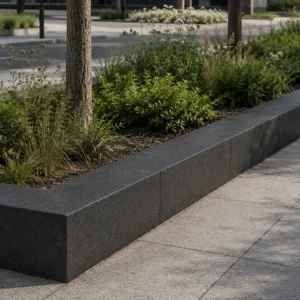
- For cobblestone edging driveway borders, the edge restraint system carries as much importance as the base — soldier course borders without mechanical edge restraint will migrate outward within 2–3 seasons of normal traffic
For projects requiring custom cuts or non-standard cobblestone formats, Citadel Stone’s team can advise on lead times and cutting tolerances before you commit to a design that requires field modification. That conversation is worth having before your layout drawings are finalized, not after material arrives on a truck.
Cobblestone Patio and Backyard Design Considerations
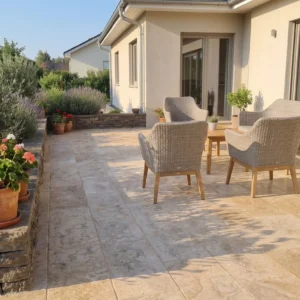
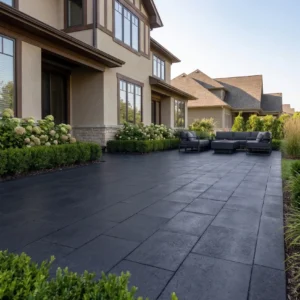
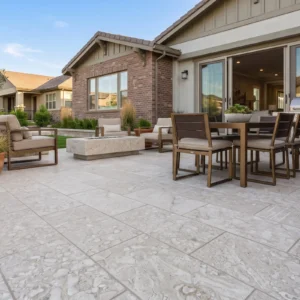
Cobbled paving for outdoor living spaces requires a different specification lens than driveways. Your patio design priorities shift toward aesthetics, drainage geometry, and barefoot comfort — three factors that sometimes pull in opposite directions when you’re choosing between cobble formats.
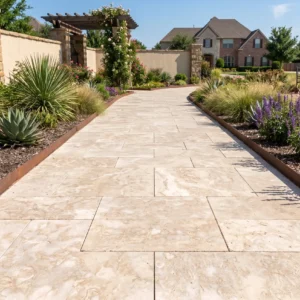
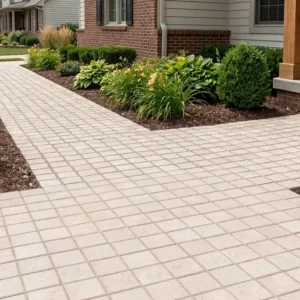
Cobble paving designs that incorporate Belgian block patio patterns in a running bond or herringbone layout provide better dimensional consistency than random-set tumbled cobble, but they demand tighter subgrade tolerances to execute cleanly. The trade-off is worth it on formal outdoor entertaining areas where visual regularity reads well from interior sight lines. For more organic landscape applications, random cobble paving with varied unit sizes creates a natural aesthetic that complements desert planting schemes. You can explore the full range of cobblestone paving options in Arizona to compare layout patterns, color combinations, and finish treatments before settling on a spec.
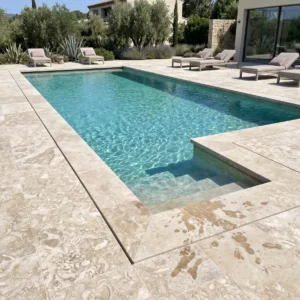
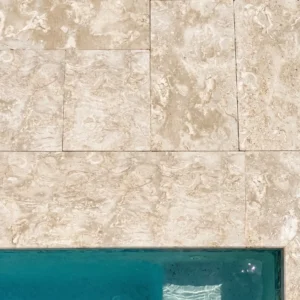
Belgian block walkway applications alongside pool surrounds carry a specific slip-resistance consideration. Wet cobblestone surfaces lose some of their dry texture but retain a great deal of it — specify against 0.42, the ANSI A326.3 wet DCOF threshold, but you should verify your specific product’s wet COF data sheet rather than assuming all cobblestone formats fall within safe parameters. Cobblestone around pool installations in Arizona also need to account for pool chemical exposure — some sealers degrade faster in high-chlorine splash zones, so sealer selection here is not interchangeable with your standard cobblestone backyard application.
Cobblestone Around Pool: Sealing and Drainage Details
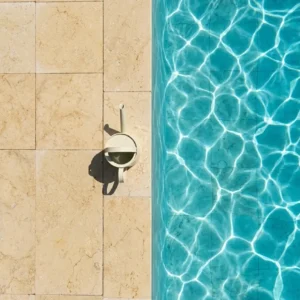
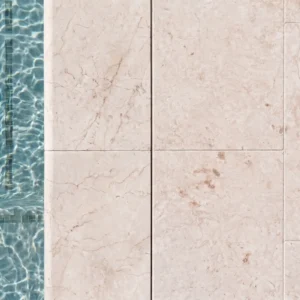
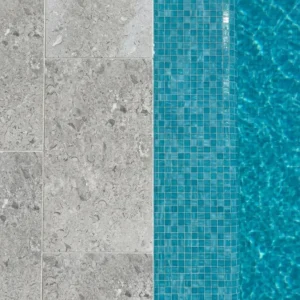
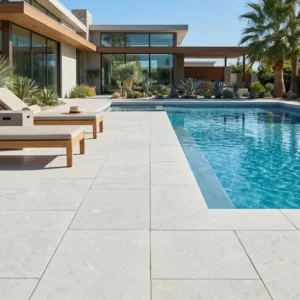
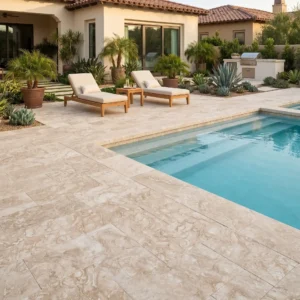
Pool deck cobblestone applications in Arizona require a cross-slope of 1.5–2% minimum toward perimeter drains, not the 1% that satisfies code in most jurisdictions. The Arizona monsoon season delivers burst rainfall events that overwhelm flat drainage profiles quickly — inadequate slope means standing water, which accelerates joint sand erosion and creates the slippery conditions that pool decks are specifically regulated to prevent. Seal cobblestone around pool installations with a penetrating silane-siloxane sealer rather than a film-forming topcoat — film sealers trap moisture that has no exit path through a dense cobble-and-sand assembly, creating blistering issues that are expensive to remediate.
Wholesale Cobblestone Pavers: Sourcing Strategy for Arizona Projects
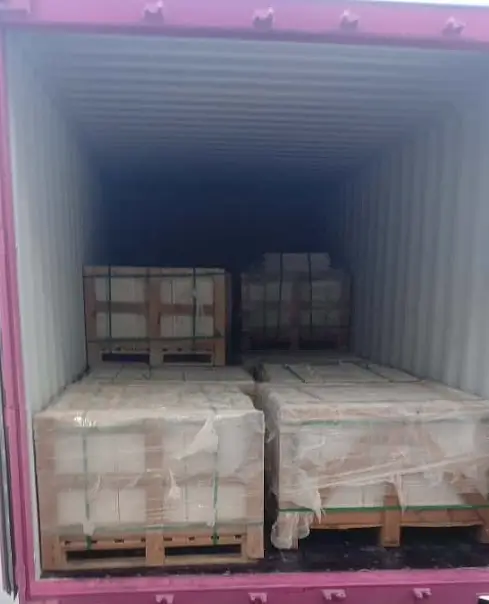
Wholesale cobblestone pavers purchasing in Arizona rewards planners who consolidate volume early. The market dynamics here are driven by the same freight-distance challenge discussed at the outset — when you consolidate your order into a full truck shipment rather than splitting across multiple LTL deliveries, per-unit cost drops meaningfully and scheduling becomes significantly more predictable.
- Wholesale cobblestone paver orders typically start at pallet-level minimums — confirm your supplier’s pallet count and coverage area figures before estimating project quantities
- Factor 10–15% overage into all cobble paving orders to cover cuts, waste, and future repair stock — this is particularly important for specialty formats like roman cobblestone pavers where reorder color matching can vary between production batches
- Cobble pavers sourced from the same quarry batch will show less color variation than mixed-batch orders; request batch consistency documentation from your supplier when color uniformity is a design requirement
- For trade buyers and landscape contractors pursuing wholesale cobblestone pavers across multiple Arizona projects, establishing an account relationship with your supplier unlocks pricing tiers and dedicated stock allocation that one-off buyers don’t access
Sourced from our selected premium quarries, each batch of cobblestone paving material that moves through Citadel Stone’s warehouse undergoes consistency checks before it ships — a step that matters when you’re comparing cobble from multiple production runs across a large-format cobblestone driveway installation where color banding across the field would be visible. In Flagstaff, where elevation introduces additional freeze-thaw cycles absent in the low desert, confirming your cobblestone paving slabs meet ASTM C170 compressive strength minimums and low absorption rate specifications is an added quality filter that low-cost, unverified product sometimes fails.
Cobblestone Edging and Border Material Logistics
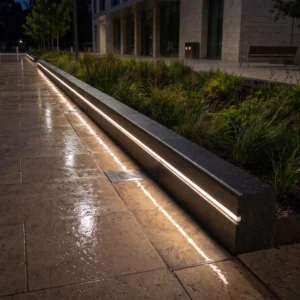
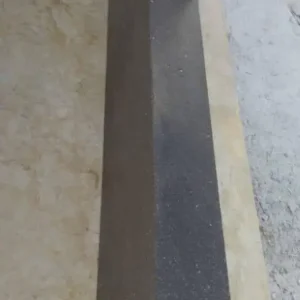
Cobblestone edging driveway border material is frequently under-ordered because it’s treated as a secondary line item. The reality is that soldier course borders and radius-cut cobble edging pieces add up — a 100-foot driveway perimeter with double-soldier cobble edging requires 400–500 individual units before any cutting. Order this material from the same production batch as your field cobble to ensure color consistency, and confirm your truck delivery schedule allows staged unloading if your site access is constrained. Split deliveries for edging versus field material are common and manageable, but they need to be planned rather than improvised on installation day.
Source Premium Cobblestone Pavers in Arizona — Citadel Stone Supply
Citadel Stone stocks cobblestone pavers in Arizona in a range of formats including tumbled Belgian pavers, roman cobblestone, English cobble, mesh-mounted cobblestone, Belgian block, and cobblestone paving slabs. Available sizes span from small-format 4×4 nominal units through 6×9 English cobble, in grey cobblestone and black cobblestone colorways along with regional specialty finishes. You can request sample tiles or full specification sheets — including wet COF data, compressive strength ratings, and absorption percentages — before committing to a project order. Trade accounts and wholesale cobblestone paver inquiries are welcome, with pricing tiers structured around project volume. Citadel Stone ships cobblestone pavers across Arizona, including delivery to Phoenix, Scottsdale, Tucson, Flagstaff, and surrounding areas, with typical lead times from warehouse to site running 1–2 weeks for in-stock formats. For custom cuts, non-standard formats, or large-volume project consultation, contact Citadel Stone directly to confirm availability, lead times, and freight logistics before your installation window closes.
Your Arizona stone project benefits from looking at complementary hardscape materials alongside cobblestone — limestone paving in Arizona covers how a different material family performs in the same regional conditions, which can inform your broader specification decisions. For cobblestone paver projects across Arizona, Citadel Stone offers knowledgeable guidance, consistent material quality, and product options designed to perform well in local conditions.