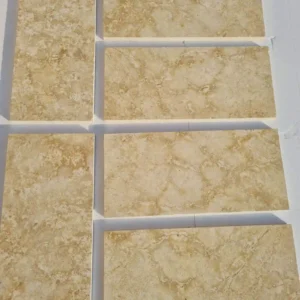
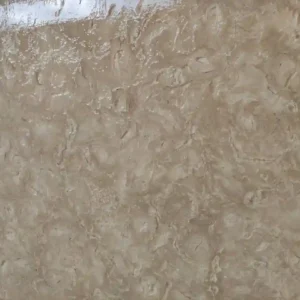
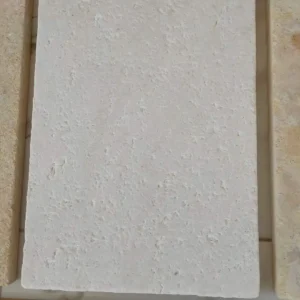
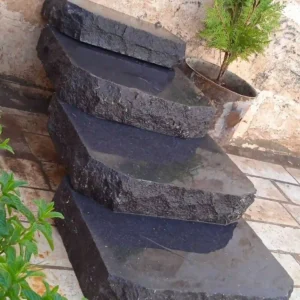
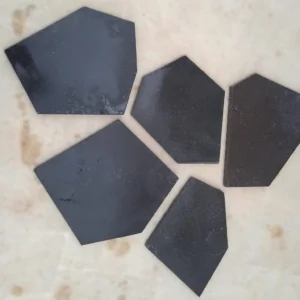
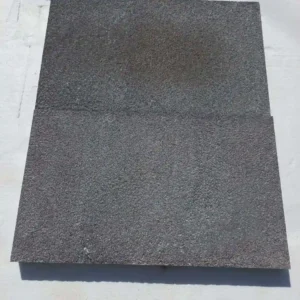
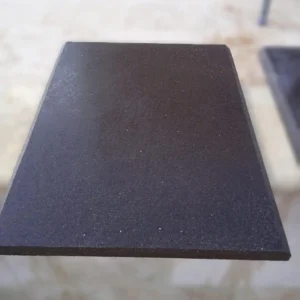
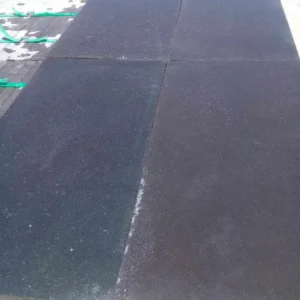
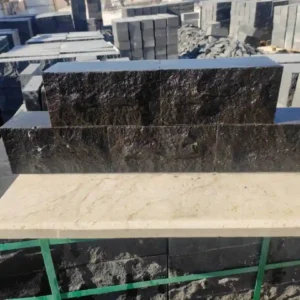

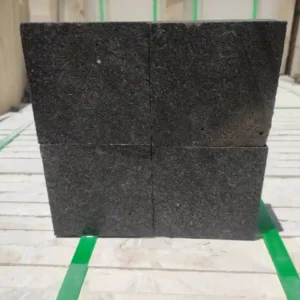
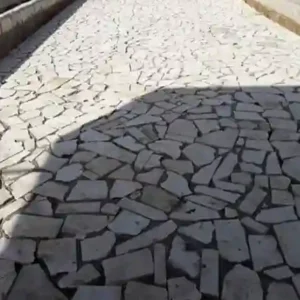

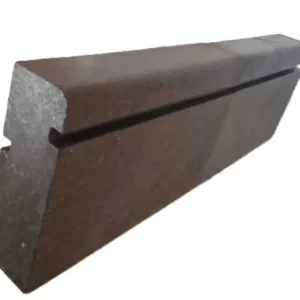
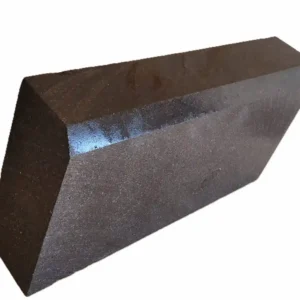
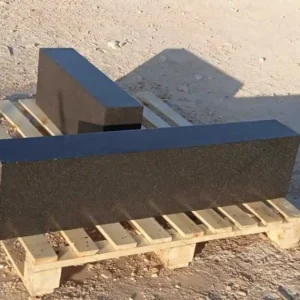
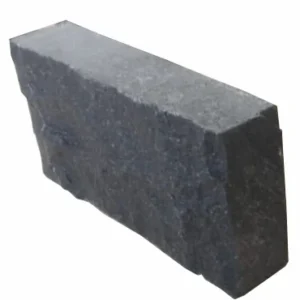
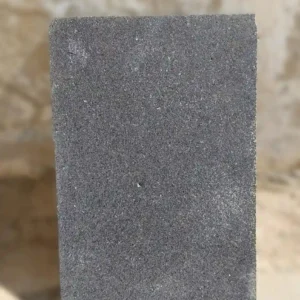
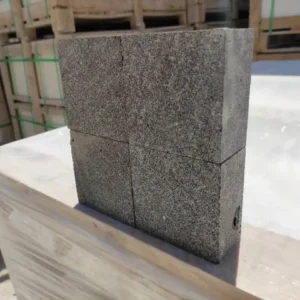
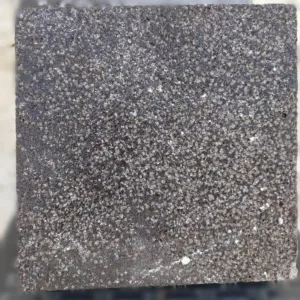
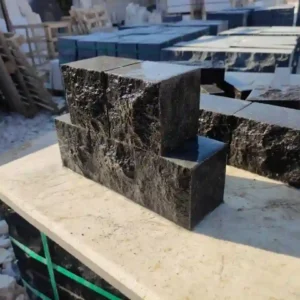
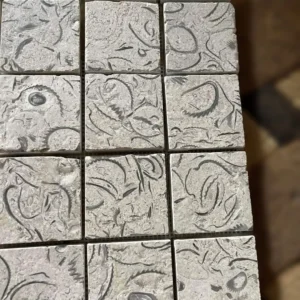
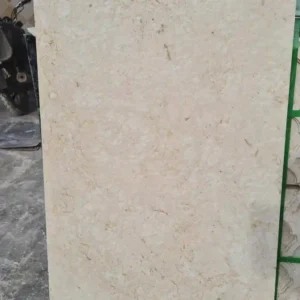
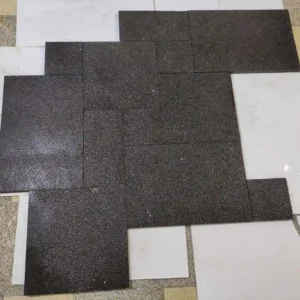
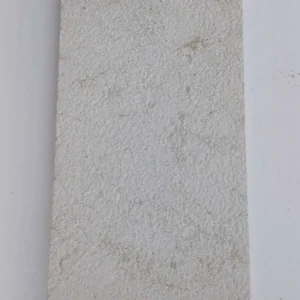
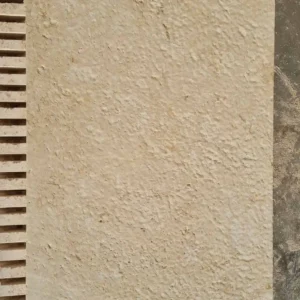
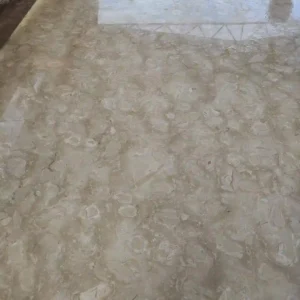
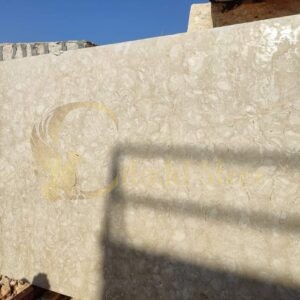
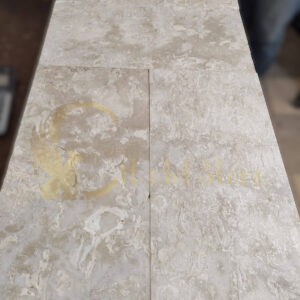

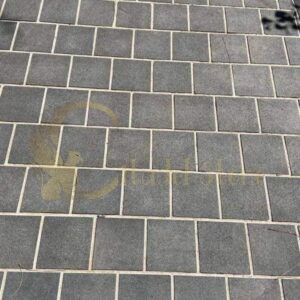
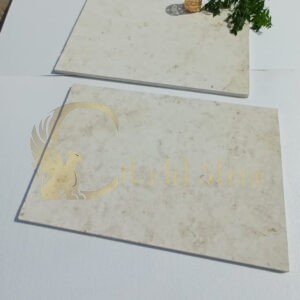
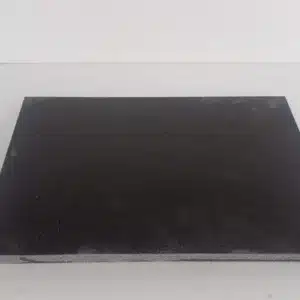
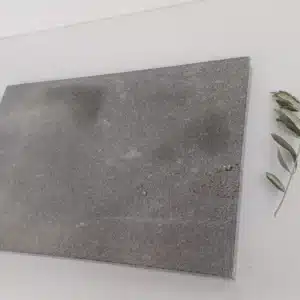
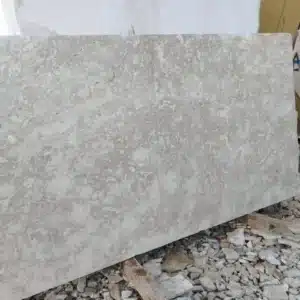
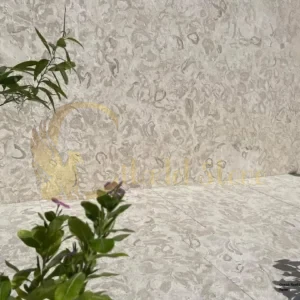
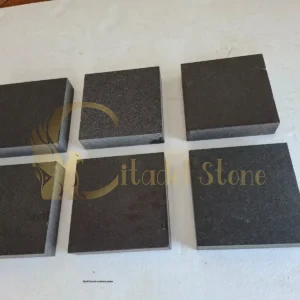
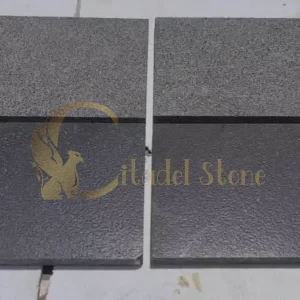
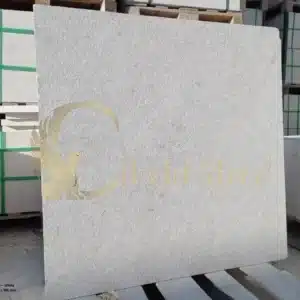

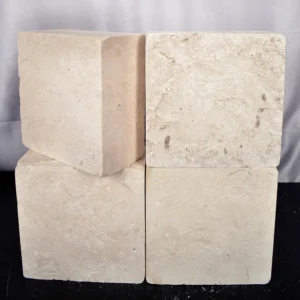
Irregular flagstone pavers in Arizona perform best when you treat them as a structural system, not just a surface material — and the biggest proof of that comes from watching how they respond to mechanical stress during monsoon season. The wind loads generated by haboobs and severe thunderstorms across the Sonoran Desert create uplift pressures that expose every weak point in a flagstone installation: undersized mortar beds, gaps in edge restraint, and inadequate base compaction all fail fast when a wall of wind-driven debris hits at 60 mph. Getting the system right means understanding the physics of how irregular stone distributes and absorbs those forces before you ever place a single paver.
Why Irregular Flagstone Holds Up in Arizona Storms
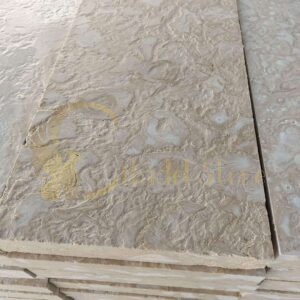
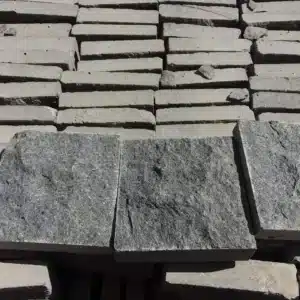
The non-uniform geometry of irregular flagstone pavers is actually a structural advantage in high-wind and storm conditions. Uniform grid patterns — like square flagstone pavers or rectangle flagstone pavers laid in a running bond — create predictable stress lines that wind-driven water and debris can exploit more efficiently. The random interlocking joints of irregular flagstone distribute lateral forces across a far wider bearing matrix, which is why you’ll see these installations survive monsoon events that shift or displace standard square-cut paving around them.
Compressive strength is the baseline metric that matters most under storm-load conditions. Quality natural flagstone pavers in Arizona should test at or above 8,000 PSI compressive strength — sedimentary stones like sandstone commonly used in this format fall in the 8,000–12,000 PSI range, while denser quartzite flagstone pushes past 20,000 PSI. For installations in open, wind-exposed areas around Scottsdale where haboob wind speeds regularly exceed 50 mph, the denser options provide a meaningful performance margin you’ll appreciate when the first major storm rolls through.
Hail impact resistance is a dimension of storm durability that rarely gets enough attention in Arizona paving specifications. Flagstone crazy paving layouts — where the stone pieces vary widely in both size and thickness — handle hail impact differently than machine-cut formats because the irregular surface geometry deflects impact energy rather than concentrating it at one point. Stones with a cleft or riven surface texture perform particularly well here: the natural cleave planes in the stone’s crystalline structure actually absorb and redirect impact stress rather than transmitting it straight through.
Stone Types and Formats for Arizona Flagstone Projects
The format options in the irregular flagstone category are wider than most specifiers initially realize, and each has a performance profile that suits different storm-exposure and traffic conditions. Here’s a practical breakdown of what you’re working with:
- Flagstone thin pavers (3/4 inch to 1 inch nominal) work well for covered patio installations with low uplift exposure — avoid them in wind-swept open areas without full mortar bed embedding
- Standard flat flagstone pavers at 1.5 inches deliver the best balance of weight, workability, and storm resistance for most Arizona residential applications
- Heritage flagstone pavers — typically thicker at 2 to 3 inches — provide the mass and mechanical interlock that high-exposure commercial and landscape applications demand
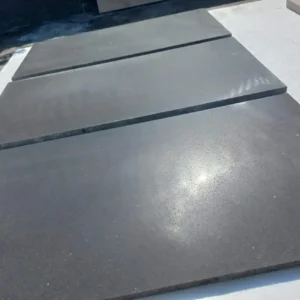
- Smooth flagstone pavers offer slip resistance ratings that hold up better when wet than their rougher-textured counterparts, despite common assumptions to the contrary
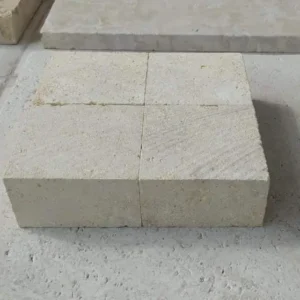
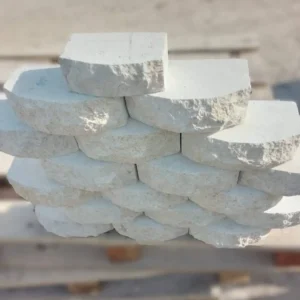
- Flagstone brick pavers blend a rectilinear reference edge with the character of natural stone — useful when you’re transitioning between irregular and more formal paving zones
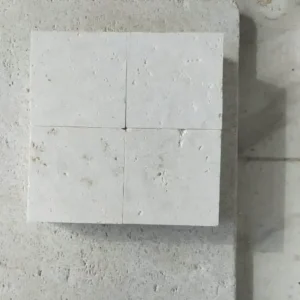
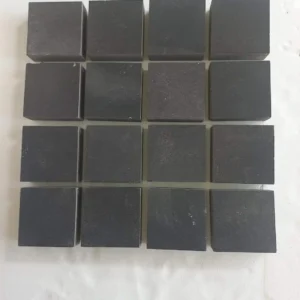
- Flagstone bricks in smaller modular sizes give you tighter control over pattern density and are easier to realign after storm event inspections reveal minor settlement
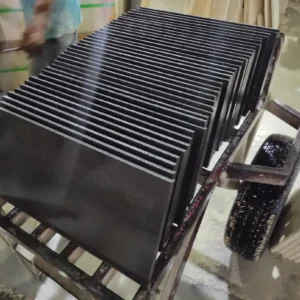
Natural stone flagstone pavers in Arizona sourced from established quarry partners show far more consistent thickness tolerance than product pulled from commodity-grade imports. At Citadel Stone, we inspect incoming material at the warehouse for dimensional consistency and surface integrity before it ships — a step that prevents the field frustration of discovering thickness variation after your installer has already set mortar.
You can request thickness certifications and sample pieces from Citadel Stone before committing to a full project order. For storm-resilient installations, that sample review should include a physical test of the stone’s edge quality — flagstone with micro-fractures along the perimeter is significantly more vulnerable to chipping under hail impact and thermal cycling stress.
Base Preparation for Wind- and Storm-Exposed Installations
The base system under your irregular flagstone pavers in Arizona does more heavy lifting during storm events than the stone itself. Sheet flow from Arizona’s 2–3 inch per hour monsoon rain rates generates hydraulic pressure that will migrate under improperly bedded flagstone and erode the supporting layer — the paving surface stays intact while the foundation quietly washes away beneath it.
Your compacted aggregate base should reach a minimum of 4 inches for residential pedestrian areas, stepping up to 6 inches where vehicle access or heavy landscape equipment will cross. In Phoenix and the surrounding valley, you’ll frequently hit expansive clay subsoils at 18–24 inches depth — those soils can move 1.5 to 2 inches vertically through a wet season, which means your geotextile fabric selection and drainage geometry matter as much as the aggregate depth itself.
- Use a Class II road base or crusher run aggregate — the angular particle shape locks under compaction in a way that rounded gravel simply doesn’t
- Compact in lifts no deeper than 3 inches at a time, targeting 95% Standard Proctor density before adding the setting bed
- Slope the base a minimum 1.5% away from structures — 2% is better in high-rainfall zones
- Install perimeter edging before flagstone placement, not after — edge displacement during storm events is one of the most common failure modes in Arizona irregular flagstone installations
- In sand-set applications, use a coarse concrete sand setting bed at 1 inch nominal depth — finer sands migrate under hydraulic pressure from storm runoff
For full mortar-set applications with natural flagstone pavers in Arizona, a dry-pack mortar bed at 1.5 to 2 inches depth creates the rigid platform that resists both hydraulic uplift and the lateral forces from wind-driven debris impact at paving edges. The mortar mix ratio of 1 part Portland cement to 3 parts coarse sand is the industry standard, but in exposed positions you’ll benefit from reducing the water-cement ratio to the low end of workability — stiffer mortar cures harder and resists both erosion and freeze-thaw damage in Flagstaff-elevation installations.
Joint Design, Drainage, and Storm Water Management
Joint strategy in irregular flagstone installations involves a genuine trade-off that storm performance exposes quickly. Tight joints — under half an inch — look refined and limit weed intrusion, but they also reduce the permeability of the surface during intense monsoon rain events. In a flagstone crazy paving layout with minimal joint spacing, a 2-inch-per-hour rain event can create a sheet flow condition across your paving surface rather than the distributed infiltration you’d want.
Wider joints filled with polymeric sand or decomposed granite allow the surface system to breathe hydraulically during heavy rain. The practical spec for irregular flagstone pavers in Arizona: maintain joints between 0.75 and 1.5 inches in sand-set applications, filled with a quality polymeric sand rated for high-UV conditions. Standard polymeric sands marketed for northern climates often contain binders that break down faster under Arizona’s UV intensity — look for products with UV-stabilized polymer systems and test your joint material in a sample panel before committing to a large install.
Projects in Tucson face some of the state’s most intense monsoon events, where localized rainfall can exceed 3 inches in under an hour. Designing your drainage geometry to intercept and redirect that flow before it reaches your flagstone installation extends the life of the base significantly — channel drains positioned upslope of large paved areas, sized for a 10-year storm event, are well worth the specification investment.
Selecting Surface Texture for Slip Resistance and Storm Safety
Storm safety on flagstone surfaces gets more nuanced than most product descriptions suggest. Smooth flagstone pavers have a reputation for being slippery when wet, but that’s only true for certain stone types and surface finishes — and it misses the more important variable of surface micro-texture versus macro-texture.
- Cleft-surface flagstone — the natural split face you get from sedimentary and metamorphic stones — provides DCOF (Dynamic Coefficient of Friction) values typically in the 0.55–0.70 range when wet, well above the 0.42 minimum required by ANSI A326.3 for wet exterior surfaces
- Honed or sawn flat flagstone pavers can drop below 0.42 DCOF when wet if not treated with an anti-slip sealer — check the manufacturer’s wet DCOF data before specifying these finishes in poolside or entrance applications
- Sandblasted surface finishes on square flagstone pavers and rectangle flagstone pavers restore wet slip resistance but at the cost of surface durability under foot traffic
- Heritage flagstone pavers with their thicker profile and naturally riven surface consistently deliver the best wet slip performance in the product range
The texture selection also interacts with debris management during Arizona wind events. A deeply textured surface traps fine sand and debris more aggressively after a haboob — that’s not just an aesthetic issue, it’s a safety issue if abrasive grit accumulates in traffic areas before the surface is swept. Balancing slip resistance with post-storm maintenance practicality is a real consideration that experienced installers factor into their surface texture recommendations. For projects considering a range of natural flagstone pavers in Arizona, reviewing irregular flagstone paver selections provides detailed specification comparisons across the standard formats, including thickness ranges and surface treatment options relevant to the Arizona climate.
Thickness and Weight Specifications for Structural Integrity
Thickness selection for irregular flagstone pavers in Arizona is directly tied to wind and storm performance. Heavier stone resists uplift forces better than lighter formats, and in open exposed installations, the weight-per-square-foot calculation should factor into your structural specification — not just your material budget.
- Flagstone thin pavers at 0.75–1 inch nominal: approximately 9–13 lbs per square foot — suitable for fully mortar-set covered applications only in high-wind zones
- Standard flat flagstone pavers at 1.25–1.5 inches: approximately 15–19 lbs per square foot — the practical minimum for sand-set exposed installations
- Mid-weight heritage flagstone pavers at 1.75–2 inches: approximately 22–26 lbs per square foot — appropriate for high-exposure landscape areas and commercial pedestrian zones
- Heavy-format natural stone flagstone pavers in Arizona at 2.5–3 inches: approximately 30–38 lbs per square foot — specified for installations subject to vehicle crossing or extreme storm exposure
Citadel Stone maintains warehouse inventory in standard thickness ranges across these categories, allowing you to mix formats strategically — heavier pieces at perimeter positions where uplift risk is highest, standard-weight material in sheltered central zones. Truck delivery logistics across Arizona mean you should confirm your site’s access dimensions before ordering the heavier heritage formats, which typically ship on flatbed rather than standard pallet delivery.
Sealing and Long-Term Maintenance in Arizona Storm Conditions
Sealing protocols for natural stone flagstone pavers in Arizona differ from what you’d apply in less climatically aggressive environments, and the storm-season timing of your sealing schedule matters more than most maintenance guides acknowledge. Applying sealer immediately before monsoon season hits gives you the freshest protection layer when hydraulic stress is at its peak — but you need a minimum 72-hour dry window after application before the surface sees any water exposure.
The sealer chemistry matters significantly for irregular flagstone pavers in Arizona. Penetrating silane-siloxane sealers work best for open-textured natural stone because they don’t form a surface film that can delaminate under UV or moisture cycling stress. Film-forming acrylic sealers are tempting because they enhance color and sheen, but they create a bond layer at the surface that thermal cycling and storm-driven moisture expansion will eventually compromise — typically within 3–5 years in exposed Arizona conditions versus the 8–12 year performance you can achieve with a penetrating system.
- First sealer application: apply 30–60 days after installation, once the mortar or polymeric sand has fully cured
- Reapplication cycle for penetrating sealers: every 3–4 years in standard exposure, every 2 years in high-UV or high-traffic positions
- Post-storm inspection protocol: check joint sand levels after any storm event exceeding 1 inch of rainfall — top up with polymeric sand where erosion has exposed the aggregate base
- Efflorescence management: Arizona’s alkaline water chemistry promotes mineral deposits on natural stone surfaces — clean with a dilute phosphoric acid solution (not muriatic acid, which damages flagstone surface) if white deposits develop
- Edge restraint inspection: verify that perimeter edging remains flush and secure after major storm events, as wind-driven soil saturation can shift even well-anchored edge systems
Flagstone brick pavers and flagstone bricks in modular formats have one maintenance advantage over large irregular pieces: individual damaged units from hail impact or heavy debris strikes are easier to replace without disturbing adjacent stone. That repairability factor is worth building into your initial installation plan — keep a surplus of 10–15% of your original stone in warehouse storage for future replacement needs.
Order Irregular Flagstone Pavers — Direct Supply from Citadel Stone
Citadel Stone stocks irregular flagstone pavers in Arizona in a range of natural stone types, surface finishes, and thickness formats — from flagstone thin pavers at 0.75 inch nominal through heritage flagstone pavers at 2.5 inches. Available formats include flat flagstone pavers, smooth flagstone pavers with anti-slip treatment, heritage flagstone pavers in riven cleft finish, and modular flagstone brick pavers for mixed-format installations. All material is sourced from established quarry partners and inspected for dimensional consistency and surface quality before dispatch.
You can request sample pieces and full thickness specifications before committing to a project order — a step we strongly recommend for storm-exposed installations where material weight and surface texture are performance-critical decisions. Trade and wholesale enquiries are handled directly with documented product data available, including compressive strength test results and DCOF wet slip ratings where applicable.
Citadel Stone ships natural flagstone pavers in Arizona from regional inventory, with truck delivery coverage statewide. Standard lead times run 1–2 weeks from warehouse stock for most formats; custom-cut or non-standard thickness orders require additional lead time — contact the team early in your project timeline to confirm availability and schedule delivery around your installation window. For projects requiring consultation on base specification or format selection for high-wind exposure zones, Citadel Stone’s technical team can provide project-specific guidance before you finalize your order.
What Matters Most for Irregular Flagstone in Arizona
Storm resilience in an irregular flagstone installation comes down to three compounding decisions: the right stone weight and density for your exposure level, a base system engineered for Arizona’s hydraulic storm loads, and a joint and drainage strategy that handles intense rainfall without erosion. Get those three right and you’re looking at a 20–30 year installation with routine maintenance — miss any one of them and storm season will expose the gap faster than you’d expect.
Your project’s color direction is also worth resolving early, since it affects sourcing lead times. For projects exploring complementary stone options across Citadel Stone’s Arizona range, Gray Flagstone Pavers in Arizona covers specification details and tone options that work well alongside or in contrast to warmer irregular flagstone formats. For Arizona projects requiring durable, naturally varied stone, Citadel Stone offers experienced guidance and a dependable supply of irregular flagstone pavers throughout the state.