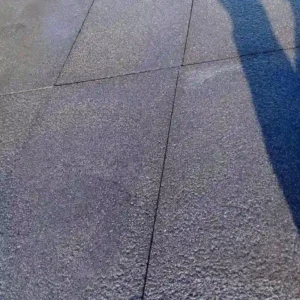
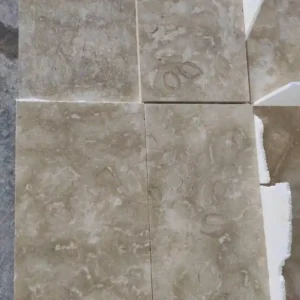
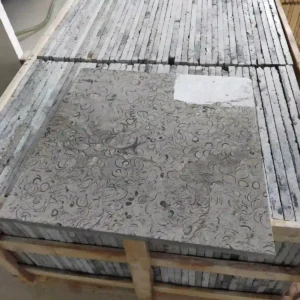
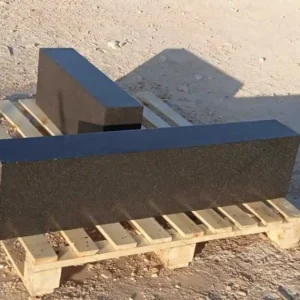
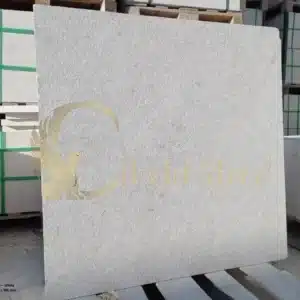
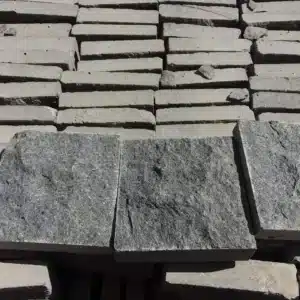
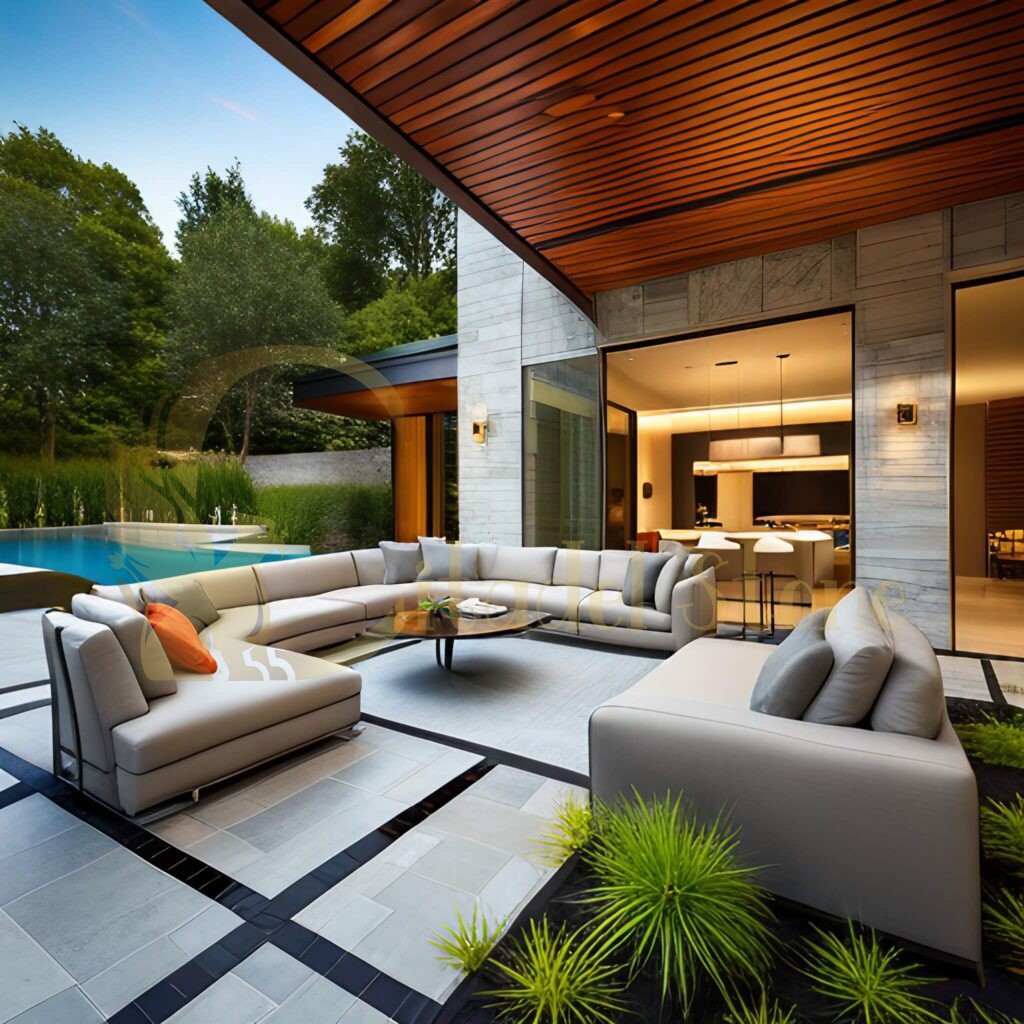
Thermal expansion coefficients tell a story most specifiers ignore until they’re troubleshooting cracked joints on a three-year-old installation. White granite pavers in Arizona perform exceptionally well across the state’s punishing temperature cycles — but that performance depends almost entirely on how you design for the swing, not just the peak. The difference between a Phoenix courtyard that looks pristine after a decade and one that’s showing lippage and joint failure by year five often comes down to decisions made during specification, not during the heat of summer.
How Thermal Cycling Defines White Granite Performance in Arizona
Arizona’s temperature profile is more demanding than most people realize, and it’s not the 115°F summer afternoons that do the most damage. It’s the 40°F swing between a February night in Flagstaff and the afternoon sun that follows — repeated hundreds of times over the life of an installation. White granite pavers in Arizona have a thermal expansion coefficient of approximately 4.6 × 10⁻⁶ per °F, which means a 12-inch paver experiences dimensional movement of roughly 0.0017 inches across a 30°F daily swing. Across a 400-square-foot patio with no relief joints, that cumulative movement creates forces that no mortar bed can absorb indefinitely.
The practical implication is that you need to treat Arizona’s daily cycling as a fatigue load, not a static condition. Standard generic guidelines suggest expansion joints every 20 feet, but field performance across Arizona hardscape projects consistently shows that 12–15 feet is the correct interval for installations exposed to full sun. Your joint filler selection matters just as much — flexible polyurethane sealants rated for ±25% movement outperform standard cementitious grout in thermal cycling applications by a significant margin.
- Daily temperature swings of 30–50°F are common across Arizona’s low desert zones from October through April
- Flagstaff and higher-elevation sites experience genuine freeze-thaw cycles where nighttime temps drop below 32°F, requiring you to verify the granite’s water absorption rate stays below 0.4% by ASTM C97 standards
- Thermal mass in thick-format pavers (2 inches or greater) moderates surface temperature peaks but extends the duration of the expansion cycle into evening hours
- North-facing installations experience sharper daily swings than south-facing ones because they heat and cool more rapidly with sun angle changes
Granite Density and Freeze-Thaw Resistance: What the Numbers Mean
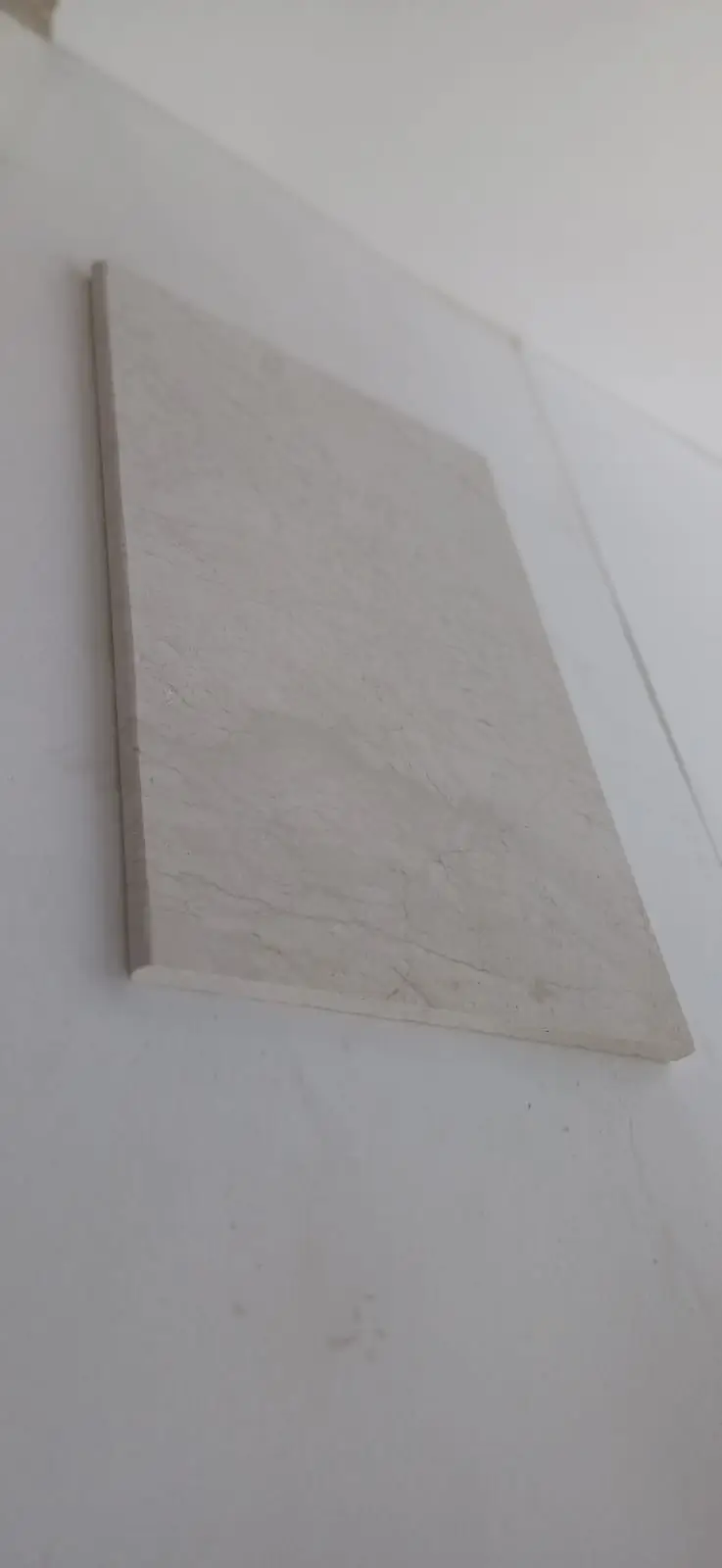
Not all white granite performs identically in freeze-thaw conditions, and this is a detail worth pressing your supplier on before committing to a specification. Granite’s freeze-thaw durability correlates directly with its absorption rate and pore structure. Dense, low-absorption granite — typically below 0.2% by weight — resists freeze-thaw spalling because there’s simply not enough pore space for water to expand into destructive ice crystals. Looser-grained or quarry-edge material from secondary cuts can show absorption rates approaching 0.5%, which becomes problematic in Flagstaff-area projects where hard freezes are a seasonal reality.
Citadel Stone sources white granite from established quarry partners and inspects each incoming batch at the warehouse for visual consistency, surface integrity, and density confirmation. You can request material data sheets showing absorption test results before placing a large order — that documentation matters when you’re specifying for freeze-thaw exposure zones. Projects in Scottsdale don’t face freeze-thaw risk the same way Flagstaff does, but specifying to the higher standard costs nothing and protects you if the installation is in a shaded area that traps cold air overnight.
- ASTM C99 modulus of rupture for quality white granite typically exceeds 1,500 psi — a critical threshold for paver applications under vehicular or heavy foot traffic
- Water absorption below 0.4% (ASTM C97) is the practical benchmark for freeze-thaw exposed installations
- Honed finishes retain slightly more surface moisture than flamed or brushed finishes, making finish selection relevant to freeze-thaw performance at higher elevations
- Verify that any white granite described as “dove white” or light-toned material carries the same density spec — color variation doesn’t automatically signal density variation, but it’s worth confirming
Base Preparation That Accommodates Thermal Movement
Your base system does more work in Arizona than in almost any other climate because it has to manage both thermal cycling at the surface and moisture migration from below. A compacted aggregate base of 6–8 inches over native soil is the standard starting point, but the critical variable is what happens at the bedding layer. For white granite pavers installed in mortar, the bedding mix’s compressive strength needs to be high enough to support load but low enough to allow micro-movement without transmitting crack propagation into the paver face.
Dry-set granite installations over a well-compacted decomposed granite base perform surprisingly well in Arizona’s thermal cycling environment because the system has inherent flexibility. The pavers can shift fractionally with temperature without loading the joint edges. Projects in Phoenix where the substrate includes expansive clay soils need an additional 2–4 inches of base depth to buffer the heave and shrinkage cycle that clay undergoes across wet and dry seasons — this is separate from the thermal movement issue and compounds it significantly.
For white granite pool coping in Arizona, mortar-set installations are typically required by structural necessity at the pool bond beam, but you should design the coping-to-deck transition with a flexible joint rather than butting coping directly against field pavers. That transition joint is where thermal differential between the pool shell and the patio deck will express itself — design for it deliberately rather than discovering it after the fact.
Specifying Dove White Granite for Arizona Conditions
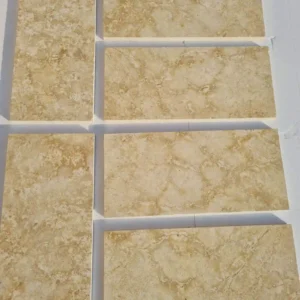
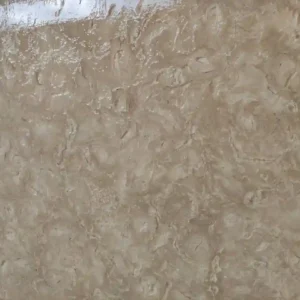
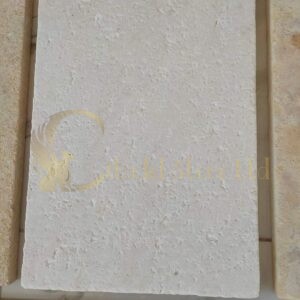
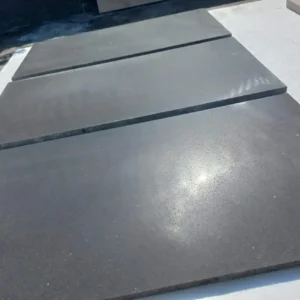
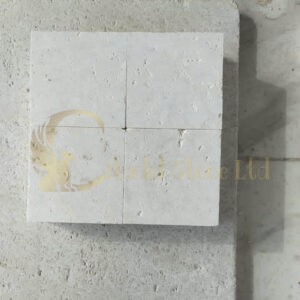
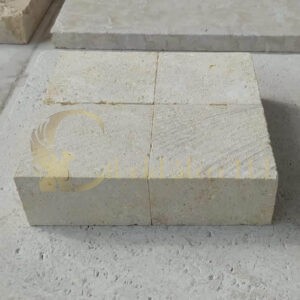
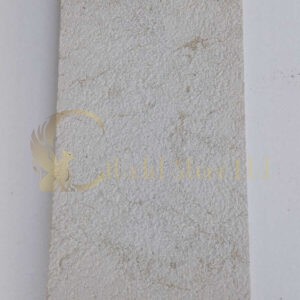
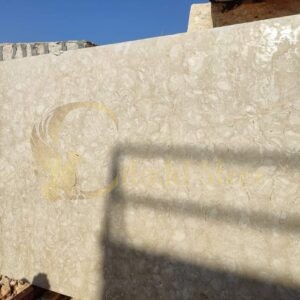
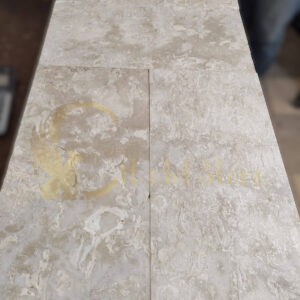
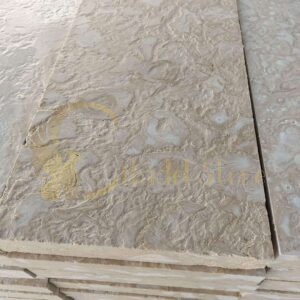
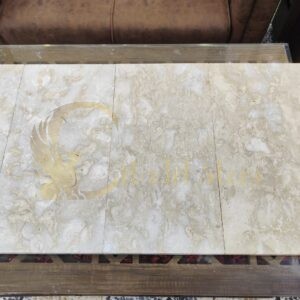
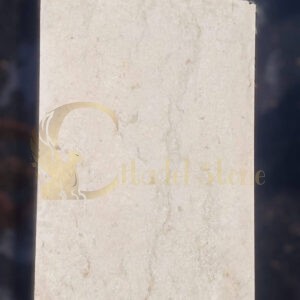
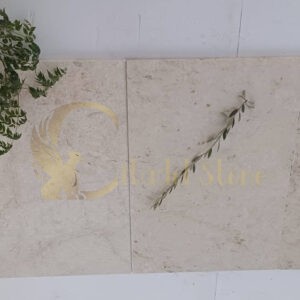
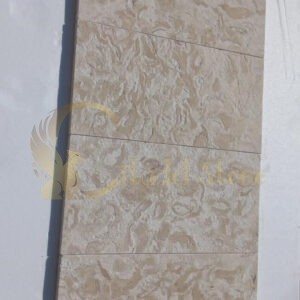
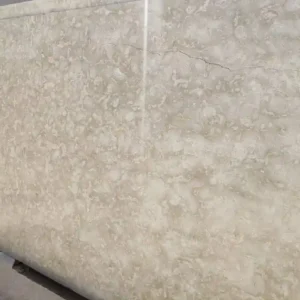
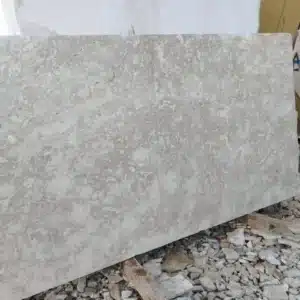
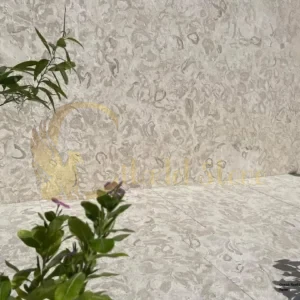
Dove white granite pavers in Arizona represent a practical middle ground between the high-contrast brightness of pure white and the muted warmth of grey granite. The fine-grained mineral structure typical of dove white material also correlates with better density consistency than some coarser-grained white granites, which matters for both freeze-thaw performance and surface wear resistance over time. That said, finish selection plays a significant role in surface temperature performance — a flamed or brushed finish on dove white granite pavers in Arizona runs noticeably cooler underfoot than a polished or honed finish under identical solar exposure conditions.
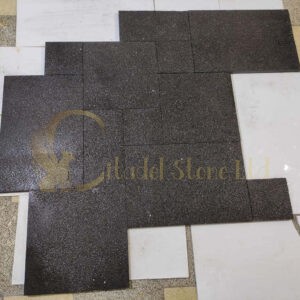
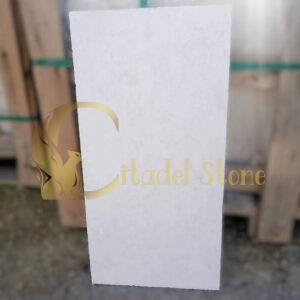
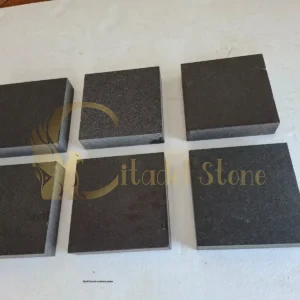
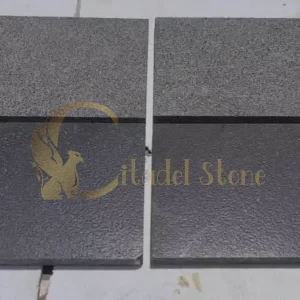
Surface temperature differentials between finish types on the same granite can reach 15–20°F at peak summer exposure. For pool deck applications and barefoot-traffic areas, that’s a meaningful specification decision. Citadel Stone stocks dove white granite pavers in Arizona in standard formats including 12×24, 16×16, and 24×24 inch tiles in nominal 1.25-inch and 2-inch thicknesses, with brushed and flamed finishes available from warehouse inventory. You can request sample tiles to evaluate finish characteristics under your actual site conditions before finalizing the specification — the difference between finish options reads very differently in Phoenix afternoon light than it does in a showroom.
- Brushed finish provides the best combination of slip resistance (DCOF above 0.42 wet per ANSI A326.3) and lower surface temperature
- Flamed finish offers maximum texture and thermal performance but produces a slightly more casual aesthetic that may not suit formal architectural contexts
- Honed finish is the correct choice for interior-adjacent areas or covered outdoor spaces where freeze-thaw and peak surface temperature are less critical
- Polished finish should be avoided for any exterior Arizona application — the surface temperature penalty and slip resistance reduction under wet conditions are both problematic
White Granite Pool Coping: Thermal Performance at the Water Edge
The pool coping zone is the most thermally stressed location in any Arizona hardscape installation. You’re dealing with direct solar exposure on the top surface, splashed and pooled water creating evaporative cooling cycles, and the structural constraint of the bond beam below. White granite pool coping in Arizona performs well in this environment because the material’s low absorption rate means repeated wetting and drying doesn’t progressively weaken the stone the way it can with more porous materials like travertine or sandstone.
For specifications that integrate white granite paving solutions across both the pool coping and the surrounding deck, the thermal expansion design becomes more important because both elements need to move compatibly. A 4-inch pool coping piece and a 24×24 field paver experience different total expansion loads per unit even when made from the same material — coping’s cantilever configuration means its thermal movement is less constrained, and the joint at the coping-to-deck transition needs to accommodate differential movement of approximately 1/8 inch across a typical Arizona temperature range.
- Minimum coping thickness of 1.5 inches is recommended for structural integrity at the bond beam edge; 2 inches is preferable for projects with cantilevered nosing beyond 3 inches
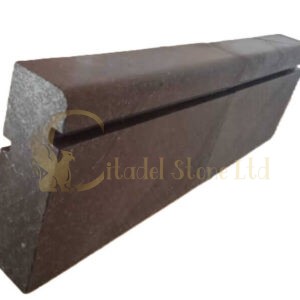
- Drip groove depth of at least 3/8 inch on the underside of coping prevents water tracking back to the bond beam, reducing moisture cycling at the most vulnerable joint in the system
- Back-buttering coping with medium-bed mortar rather than thin-set reduces void space at the bond beam interface, which is the primary location for freeze-thaw damage in Flagstaff-area pool installations
- Color consistency matters more at the coping band than in field pavers because the eye travels the linear run — verify batch consistency from the warehouse before installation begins
Joint Design Across Arizona’s Temperature Range
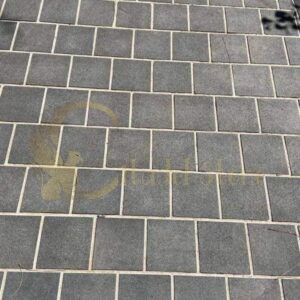
Standard grout joint widths in most specification guides assume temperate climate conditions and relatively stable substrate temperatures. Arizona’s thermal cycling demands a recalibration of those defaults. Field experience across low desert installations shows that 3/16-inch joints are the practical minimum for exterior white granite pavers in Arizona — narrower joints don’t accommodate the cumulative movement across a full day’s thermal cycle without edge stress concentration. For larger format pavers (24×24 and above), 1/4-inch joints are more appropriate.
The joint material selection is where most specifications fall short. Unsanded cementitious grout in widths under 1/8 inch works adequately in stable climates but develops hairline cracking within two to three thermal seasons in Arizona. Epoxy grout offers better bond and chemical resistance but doesn’t flex with thermal movement the way a polyurethane or modified polymer joint compound does. For exterior white granite pavers in full sun exposure, a sanded polymer-modified grout or a flexible joint compound is the correct specification — not standard grey portland-based grout, regardless of what the tile supplier’s generic data sheet recommends.
Sealing White Granite Pavers for Arizona’s Climate Cycles
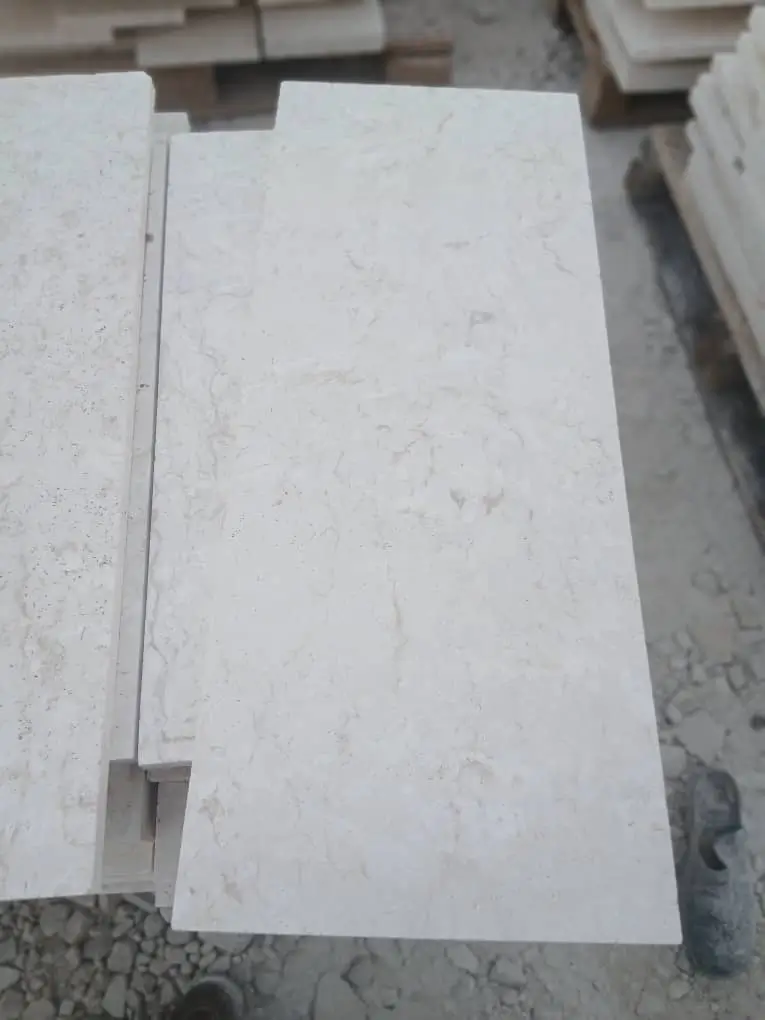
Granite’s inherently low porosity means you won’t get the dramatic sealer penetration depth you see with travertine or limestone — but sealing still serves an important function in Arizona’s thermal cycling environment. An impregnating penetrating sealer applied to clean, dry granite reduces the moisture that can enter micro-fissures during the brief monsoon events that punctuate Arizona summers. That moisture, when heated rapidly on a granite surface reaching 140°F in direct sun, undergoes rapid phase change that stresses the stone at a micro level over years of repetition.
Seal white granite pavers before first use and reseal on a biennial schedule for exterior installations in Tucson, Phoenix, and the low desert zones. Higher-elevation installations that see genuine freeze-thaw cycles benefit from annual resealing because the freeze-thaw stress on the micro-fissure level is more aggressive than thermal expansion alone. The application window matters — apply sealer when surface temperatures are between 50°F and 85°F, and never onto stone that has been in direct sun for more than an hour. Hot stone draws sealer unevenly, leaving patchy protection that fails earlier at the surface peaks.
- Solvent-based penetrating sealers typically outperform water-based products in high-UV environments — the carrier evaporates without leaving surface residue that ultraviolet radiation can degrade
- Avoid topical film-forming sealers entirely on exterior granite — they trap moisture below the film in freeze-thaw conditions and peel under Arizona’s UV intensity within 18 months
- Joint areas need sealer coverage as much as field surfaces — the joint-to-paver interface is where moisture infiltration does its most consistent damage
- Test sealer on a sample piece first — some white granites with iron-bearing minerals can show a slight color shift with certain sealer chemistries
Planning Delivery and Logistics for Arizona Projects
Sequencing your material delivery around Arizona’s temperature extremes makes a meaningful difference to installation quality. Granite pavers delivered and stored on-site in summer need to be shaded or covered — not because heat damages the stone, but because installing material that’s been sitting at 160°F surface temperature creates immediate problems with mortar open time and setting consistency. The mortar’s water content flashes off within minutes on contact with hot stone, leaving a weak bond before the hydraulic set process completes. Plan your truck delivery schedule to arrive early morning, and sequence installation to begin from the shaded side of the project.
Citadel Stone ships white granite pavers to Arizona projects from regional warehouse inventory, which typically keeps lead times in the two-to-three-week range for standard formats and finishes. Custom cuts and non-standard dimensions run four to six weeks depending on quarry scheduling, so factor that into your project timeline during the specification phase. For large projects requiring multiple truck deliveries to stage material, verifying warehouse stock levels before your project start date prevents the mid-project material shortage that forces timeline compromises.
White Granite Pavers in Arizona: The Specification Decisions That Define Long-Term Performance
Getting white granite pavers right in Arizona is fundamentally a thermal engineering exercise that uses natural stone as the material. Your decisions about joint width, joint compound flexibility, expansion joint spacing, base depth, finish type, and sealing protocol are all responses to the temperature swing profile of your specific site — not the peak temperature, the daily and seasonal range. A project in Tucson with southern exposure and full-day sun has a more demanding thermal cycling profile than a north-facing installation in the same city, and the specification should reflect that difference. Verify material density specs, match your joint design to your format size, and build your maintenance schedule around the freeze-thaw exposure zone your project sits in. If you’re exploring related stone options for complementary elements on your project, Grey Granite Paving in Arizona covers how grey granite performs across the same thermal cycling conditions, which can inform a coordinated multi-material design. For Arizona projects requiring durable, heat-tolerant white granite pool coping and pavers, Citadel Stone provides knowledgeable guidance and consistent material quality across the state.