












Budget Reality: What Granite Cobblestone Pavers Actually Cost in Arizona
Freight distance is the variable that reshapes every cost estimate for granite cobblestone pavers in Arizona — and it’s the one line item most project budgets underestimate by 20 to 35 percent. Most granite cobblestone originates from quarries in Brazil, India, or China, then travels to domestic distribution points before trucking to your Arizona job site. That multi-leg logistics chain adds real dollars per square foot before a single stone gets set. Your material quote and your landed cost are two very different numbers, and conflating them is how projects run over budget before ground is broken.
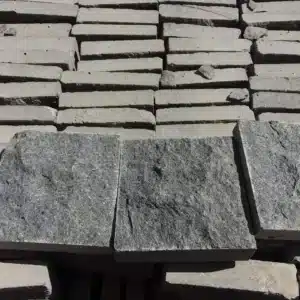
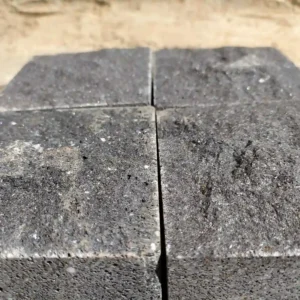
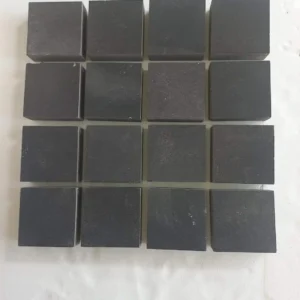
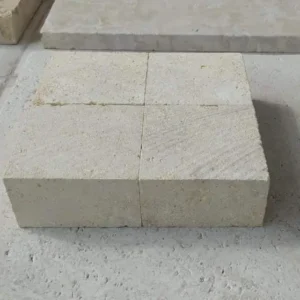
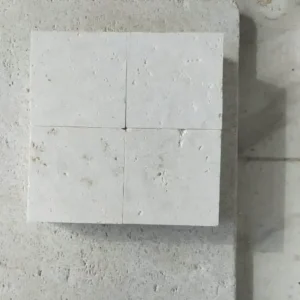
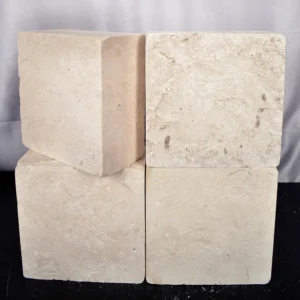
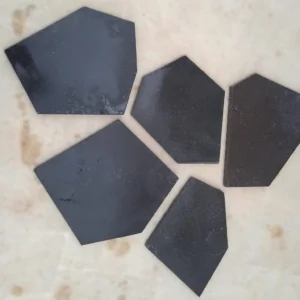
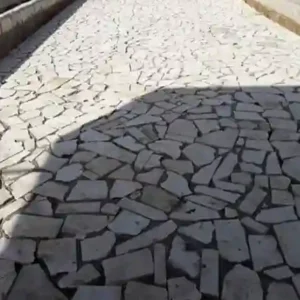
Citadel Stone stocks granite cobblestone pavers in standard formats including 4×4, 4×8, and irregular tumbled sets from warehouse inventory serving Arizona, which typically compresses lead times to one to two weeks compared to the six to eight week import cycle that direct-sourcing projects face. Understanding where your material is coming from — and how far the truck has to travel — is the first specification decision you make, even before you settle on finish or color.
How Regional Pricing Dynamics Shape Your Arizona Project
Arizona’s geography creates a split market that not every supplier acknowledges upfront. Projects in the Phoenix metro area sit close enough to major interstate freight corridors that truck delivery costs stay competitive. Move that same project to a site in Flagstaff at 7,000 feet elevation, and you’re adding fuel surcharges, potential weight-limit detours on mountain routes, and occasionally a second truck staging point — all of which push delivered cost up meaningfully.
Here’s what regional pricing actually looks like broken into its components:
- Material cost ex-warehouse: typically ranges from $8 to $18 per square foot depending on granite type, finish, and nominal thickness
- Freight to Phoenix metro: add $1.50 to $2.50 per square foot for standard pallet delivery within major corridors
- Freight to outlying areas: rural sites or high-elevation destinations can add $3 to $5 per square foot over metro pricing
- Minimum order thresholds: most suppliers impose a pallet minimum of 100 to 150 square feet — ordering below that threshold triggers a small-order fee that effectively raises your per-unit cost
- Lead time premiums: expedited warehouse pulls for rush projects can add 8 to 12 percent over standard pricing
You’ll want to lock in your freight quote at the same time you confirm material pricing — treating them as separate negotiations often means you’re comparing apples to delivery containers.
Material Sourcing: Where Granite Cobblestone Pavers Come From and Why It Matters
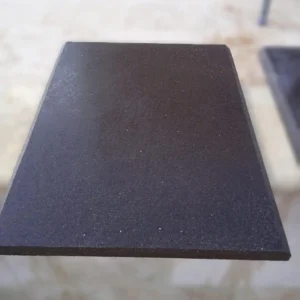
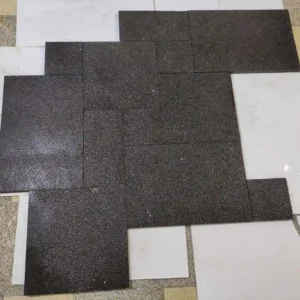
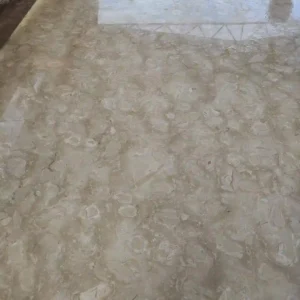
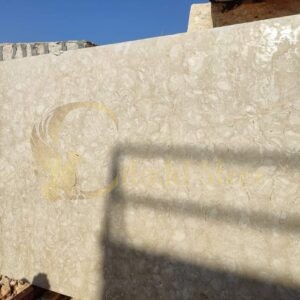
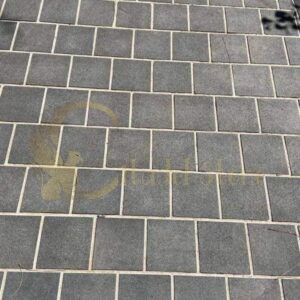
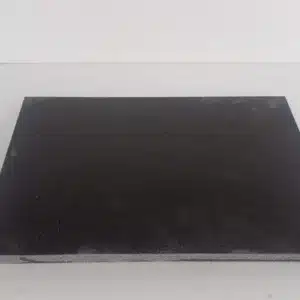
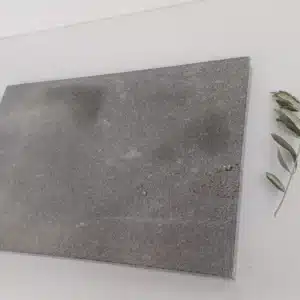
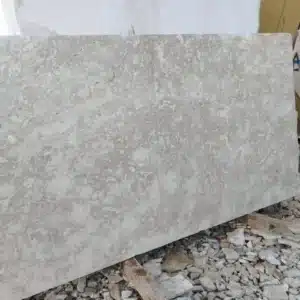
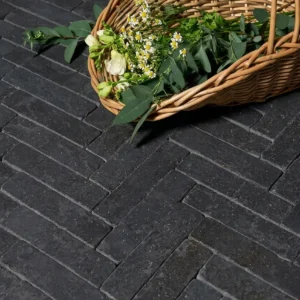
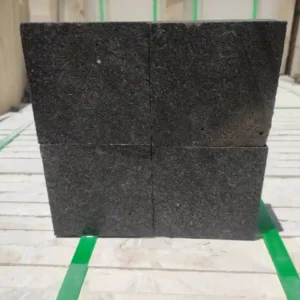
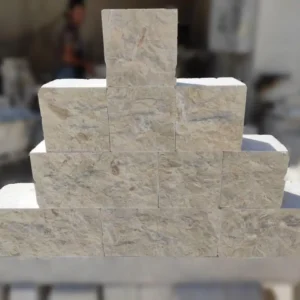
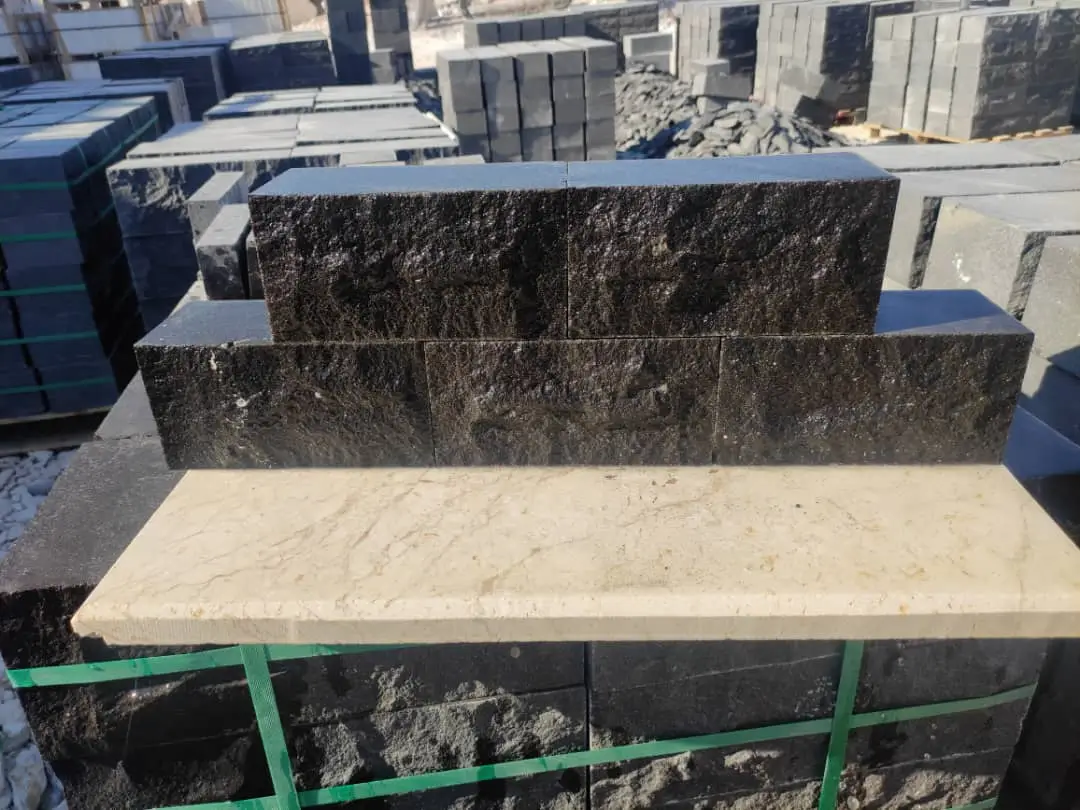
Granite cobblestone pavers for sale in Arizona come from a narrow set of producing regions, and the source quarry has direct implications for color consistency, density, and ultimately your installed performance. Brazilian black granite — commonly marketed as Absolute Black or Galaxy Black — is a dense, low-absorption granite — request the compressive strength and absorption test reports for the batch you are buying. Indian Kashmir White and Silver Grey granites fall in a similar performance range but show more natural color variation batch to batch, which matters when you’re paving a continuous driveway surface and need visual uniformity across multiple pallets.
Sourced from our selected premium quarries, each batch arriving at Citadel Stone’s warehouse is inspected for dimensional consistency and surface integrity before it ships to Arizona projects. That quality checkpoint matters because granite cobblestone production tolerances vary by origin — a 4×4 nominal cobble from one Indian quarry run might measure 3.9 inches while the next production lot comes in at 4.1 inches. Those half-inch swings create joint inconsistency in the field that’s genuinely difficult to correct once setting begins.
- Brazilian granite: tighter dimensional tolerances, higher cost, excellent density for heavy-load applications
- Indian granite: broader color palette, slightly more batch variation, competitive pricing for residential projects
- Chinese granite: most price-competitive, but verify third-party dimensional certification before ordering large volumes
- Domestic quarries: limited granite cobblestone production in the US; primarily decorative grades, not structural paving formats
Finish Options for Granite Cobble Pavers in Arizona and Their Cost Implications
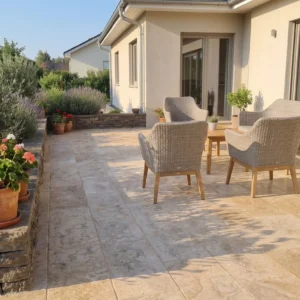
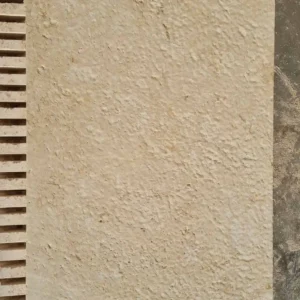
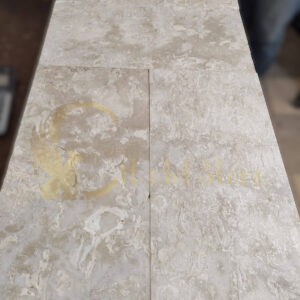
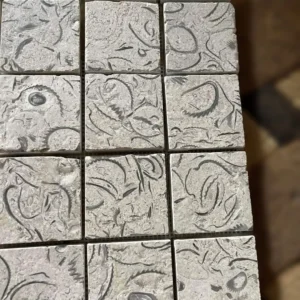
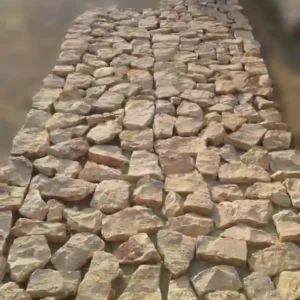
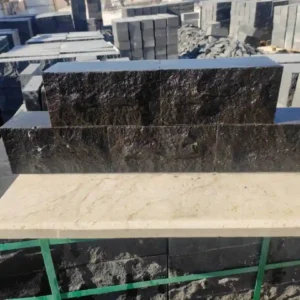
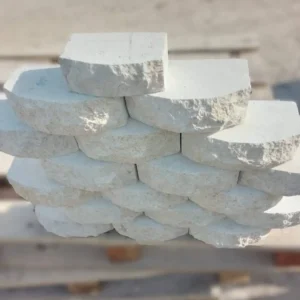
The finish you specify on granite cobble pavers in Arizona affects both your material cost and your long-term maintenance budget in ways that aren’t always obvious at the quoting stage. Tumbled granite pavers in Arizona carry a processing premium over split-face cobbles because the tumbling drums require time and handling, but they deliver a worn, irregular surface that hides joint variations and performs extremely well in pedestrian applications where a slightly rough texture aids traction.
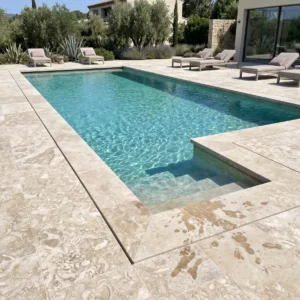
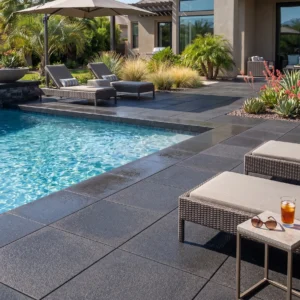
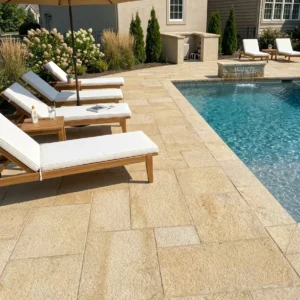
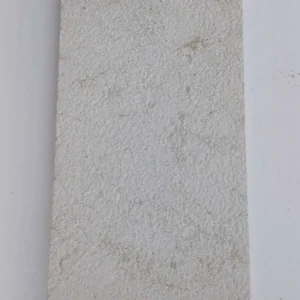
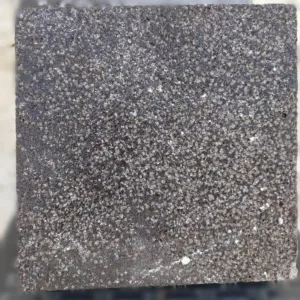
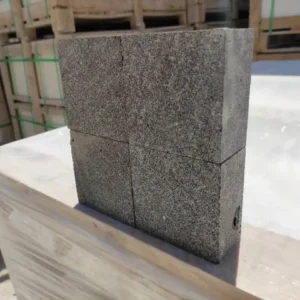
Bush hammered granite pavers in Arizona involve a different processing step — mechanical hammering that creates a uniform textured surface with a matte profile. For pool surrounds, commercial plazas, or any application where wet-surface slip resistance is a specification requirement, bush hammered granite pavers carry a deep, open texture suited to wet-surface applications; specify against the ANSI A326.3 wet DCOF threshold (0.42). That finish adds roughly $1.50 to $2.50 per square foot over a standard split or sawn face, but it often eliminates the need for anti-slip coatings that add ongoing maintenance cost.
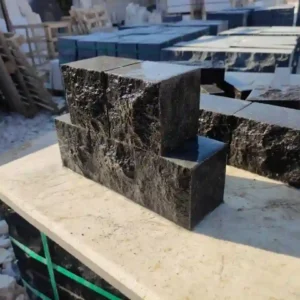
- Split-face cobblestone: lowest processing cost, irregular texture, best for rustic or traditional aesthetics
- Tumbled finish: moderate premium, rounded edges, excellent for informal pathways and courtyards
- Bush hammered surface: higher processing cost, consistent texture, preferred for commercial and wet-zone applications
- Sawn and flamed combination: premium finish tier, used where precision joint spacing meets slip-resistance requirements simultaneously
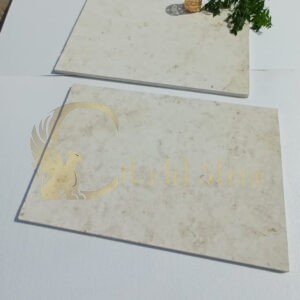
You can request sample tiles or thickness specifications from Citadel Stone before committing to a finish — comparing tumbled and bush hammered samples side by side under Arizona sunlight will settle the aesthetics question faster than any catalog photo.
Thickness Specifications and Load-Bearing Capacity
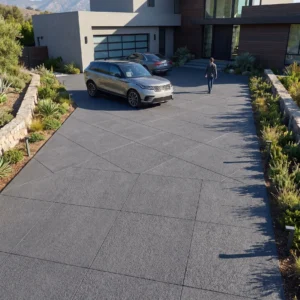
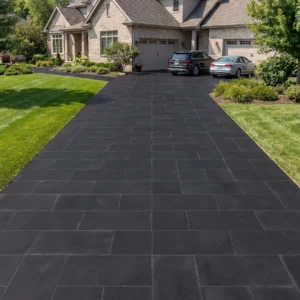
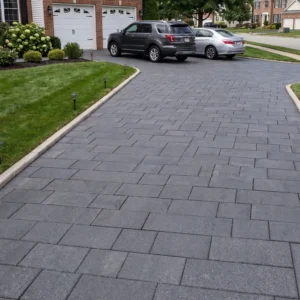
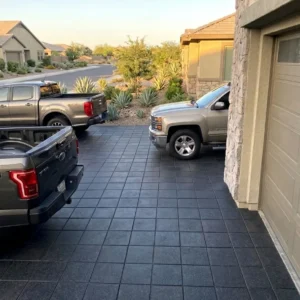
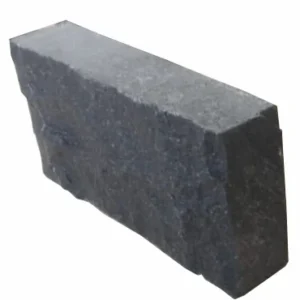
Granite cobblestone thickness isn’t a single specification — it’s a decision matrix driven by your expected traffic, your base design, and your budget for material versus base construction. The standard residential specification for granite cubes paving in Arizona runs 2 to 2.5 inches nominal thickness for pedestrian and light vehicle applications. Step up to 3 to 4 inches for driveway applications with regular passenger vehicle traffic, and specify 4-inch minimum for any application that will see truck access, RV parking, or commercial loading.
Here’s a practical thickness guide by application:
- Garden pathways and patios: 1.5 to 2 inches nominal, set in compacted decomposed granite or bedding sand
- Residential driveways with passenger vehicles: 2.5 to 3 inches, requiring 6-inch compacted aggregate base minimum
- Driveway aprons with truck delivery access: 3.5 to 4 inches, 8-inch compacted base with geotextile separation layer
- Commercial plazas and municipal streetscapes: 4-inch minimum, engineered base design required
Undersizing granite cobblestone thickness is a false economy. The material cost difference between 2-inch and 3-inch cobbles on a 500-square-foot driveway is roughly $400 to $600. A failed installation from settlement under load costs multiples of that to remediate, plus you’re replacing material that’s already been cut and set.
Base Preparation in Arizona Soil Conditions
Arizona’s soil profile varies dramatically across the state, and your base design for granite cobblestone needs to account for what’s actually under your site — not what a generic specification assumes. Projects in Scottsdale frequently encounter caliche hardpan at 18 to 30 inches below grade. Properly prepared caliche actually functions as an excellent natural sub-base, but it requires mechanical scarification and proof-rolling before you place your aggregate base course, because undisturbed caliche can shear laterally under point loads if it retains moisture pockets.
Sandy loam soils common across the Phoenix metro drain freely and require minimal base depth adjustments beyond standard specifications. Expansive clay soils in certain Tucson-area microclimates are the real concern — moisture-driven expansion coefficients in those soils can create differential heave under rigid stone installations that produces edge lifting and joint failure within three to five years if the base isn’t designed for movement. For those sites, a geotextile separation layer between native soil and aggregate base is non-negotiable. Base preparation accounts for 30 to 45 percent of total installed cost on most residential cobblestone projects — it’s the budget line that separates accurate estimates from wishful thinking.
For projects requiring complementary stone elements alongside your base specification decisions, granite cobblestone paving options covers detailed cost and specification data that applies across similar Arizona site conditions.
Installation Details: Joint Spacing and Heat Expansion in Arizona Climates
Granite’s thermal expansion is modest compared to concrete, but still significant across large cobblestone installations in an Arizona climate where surface temperatures routinely hit 140 to 160°F in summer. Your joint spacing specification needs to accommodate that movement, particularly at perimeter restraints, transitions to concrete, and at any fixed feature like a drain frame or utility box.
The standard recommendation of 3/16-inch minimum joints applies in moderate climates. In Arizona, move that minimum to 1/4 inch for granite cobble pavers in Arizona installations larger than 200 square feet, and increase to 3/8 inch at perimeter restraints and transitions. Setting cobblestones tight — zero joint — is a documented failure pattern in high-heat desert installations. The stones don’t crack; instead, the installation buckles upward at weak points, creating a safety hazard and an expensive reset.
- Polymeric sand joint fill: preferred over traditional sand for Arizona installations — resists washout during monsoon rain events and inhibits weed germination
- Joint depth: maintain polymeric sand at 90 to 95 percent of joint depth for stability without overfilling
- Expansion joints at fixed features: use flexible backer rod and color-matched sealant, not sand, at all rigid transitions
- Re-sanding schedule: inspect joints annually after monsoon season and top up as needed — joint material migrates over time even in well-installed projects
Sealing Granite Cobblestone in Arizona: When to Do It and When to Skip It
Granite’s natural porosity is low — absorption rates between 0.1 and 0.5 percent depending on specific granite type — which means it resists oil and organic staining far better than travertine or limestone without sealer. That said, Arizona’s combination of dust, tire marks on driveways, and UV intensity creates a maintenance profile that makes sealing a reasonable investment for most residential applications even if it’s not strictly necessary for moisture protection.
Seasonal monsoon events push organic debris across paved surfaces that can work into micro-texture on tumbled granite pavers in Arizona and bush hammered finishes alike. A penetrating silane-siloxane sealer applied every three to four years effectively reduces that contamination without altering the surface appearance or creating a film that degrades under UV exposure. Avoid topical film-forming sealers on exterior cobblestone — they peel, they trap moisture during thermal cycling, and they create more maintenance obligation than they prevent.
- Penetrating silane-siloxane: recommended for all exterior granite cobblestone in Arizona; apply to clean, dry surface at ambient temperature above 50°F
- Coverage rate: typically 150 to 250 square feet per gallon depending on surface texture — tumbled finishes consume more sealer than sawn faces
- Application timing: new installations should cure for 28 days minimum before first seal application
- Re-application interval: every 3 to 5 years in Arizona conditions; annually in areas with heavy organic debris or commercial foot traffic
Ordering, Logistics, and Project Planning for Arizona Deliveries
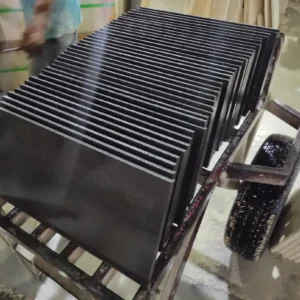
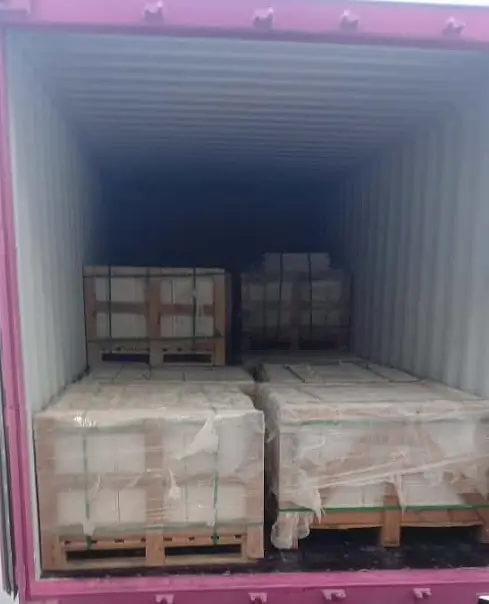
Getting your truck delivery logistics right is as important as getting your material specification right — and it’s a step that catches projects off guard more often than it should. Standard granite cobblestone pallets run 2,200 to 2,800 pounds each depending on stone size and packing format. A typical residential driveway project of 600 square feet at 3-inch thickness will require four to six pallets, arriving on a flatbed truck that needs reasonable site access and a forklift or pallet jack for off-loading.
Verify your site access dimensions before scheduling delivery. Low-clearance entries, soft soil driveways, or narrow side-yard access that works fine for a pickup truck can become a genuine problem for a loaded flatbed. Citadel Stone’s team can advise on delivery logistics, staging options, and lead times for non-standard access situations — it’s worth a conversation before the truck is already loaded and heading toward a site that can’t receive it. Warehouse stock levels for standard cobblestone formats in Arizona typically support two to three week delivery windows, but less common formats or specific granite varieties may require four to six weeks from order confirmation.
- Confirm site access dimensions: minimum 12-foot clearance width and 14-foot height for standard flatbed delivery
- Staging area: plan for pallet storage within 50 feet of the installation area to minimize re-handling
- Ordering buffer: add 8 to 10 percent to your calculated square footage for cuts, breakage, and pattern waste
- Payment and lead time confirmation: lock in both material cost and freight simultaneously to avoid repricing between order and delivery
Making Granite Cobblestone Pavers Work for Your Arizona Project
The projects that deliver the best long-term value from granite cobblestone pavers in Arizona share a common thread: the specification decisions were made in sequence, not in isolation. Material selection, base design, finish choice, thickness, and delivery logistics are connected variables — change one and you’ll likely need to revisit the others. Treating them as independent line items is how projects arrive at a finished installation that technically meets spec but underperforms against its design life expectation.
Your strongest starting point is always a delivered-cost comparison that includes freight, not just material price. From there, match your finish selection to application — tumbled granite pavers in Arizona residential pedestrian zones, bush hammered granite pavers in Arizona for any wet-area or commercial surface, split-face where rough texture is acceptable and cost efficiency matters. Size your thickness to your real traffic loads with a margin, not to the minimum that passes a basic spec check. Never skip the joint material conversation — in Arizona’s monsoon season, the joint fill keeps your installation stable just as much as the base beneath it.
Beyond cobblestone, your Arizona hardscape project may also benefit from coordinated stone throughout the property. Granite Driveway Pavers in Arizona explores how granite performs across driveway applications with the same material integrity that makes granite cobblestone pavers in Arizona a sound long-term investment. For sourcing granite cobblestone pavers across Arizona, Citadel Stone provides knowledgeable support and dependable product options suited to the region’s climate and design demands.