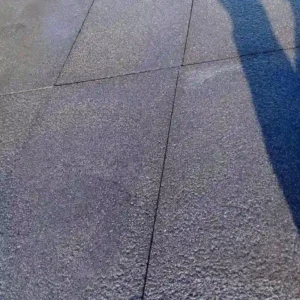
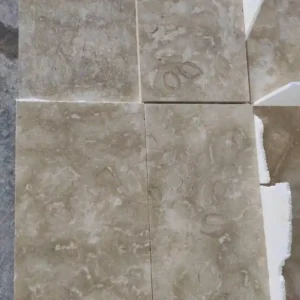

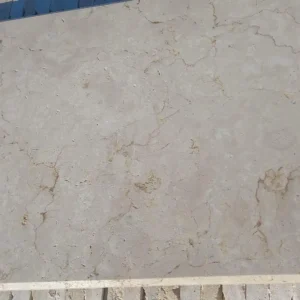
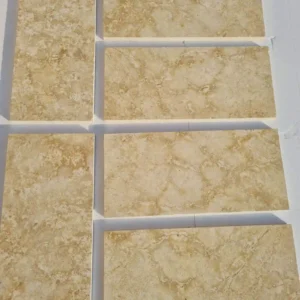


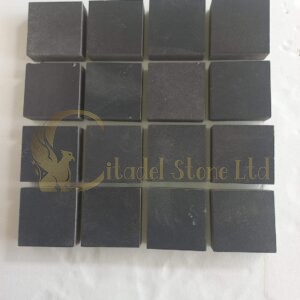
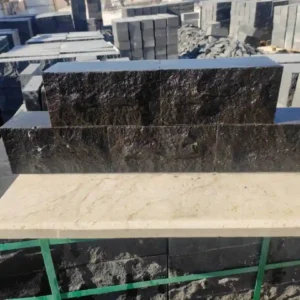
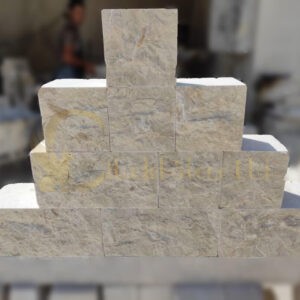
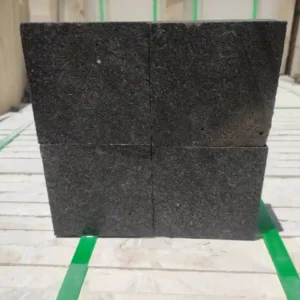


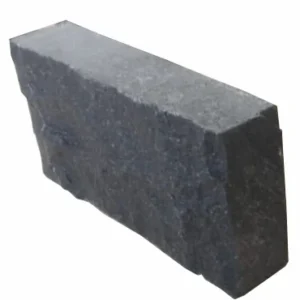
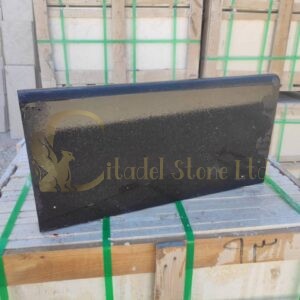
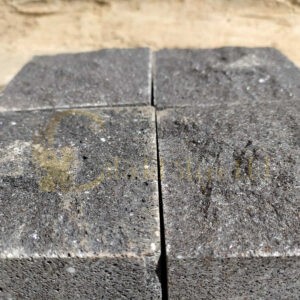

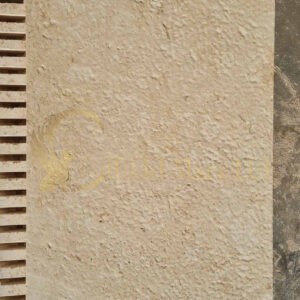
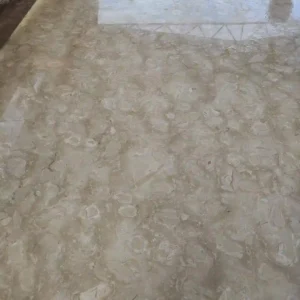
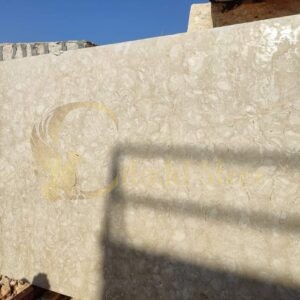
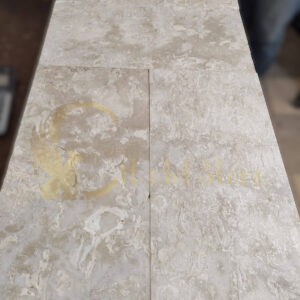



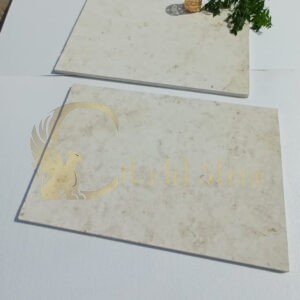
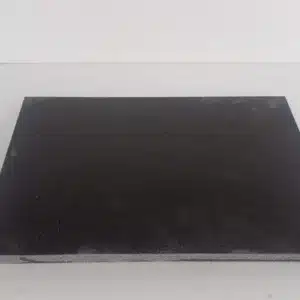
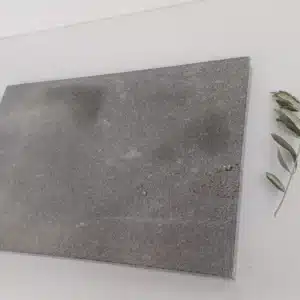
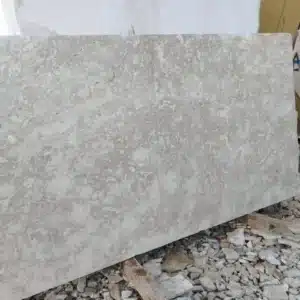

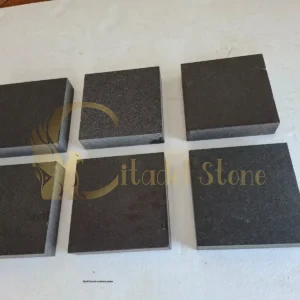

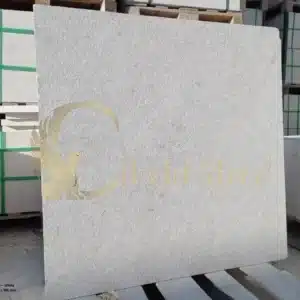


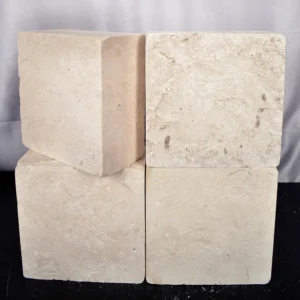
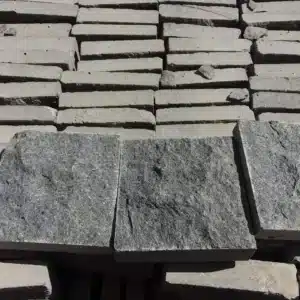
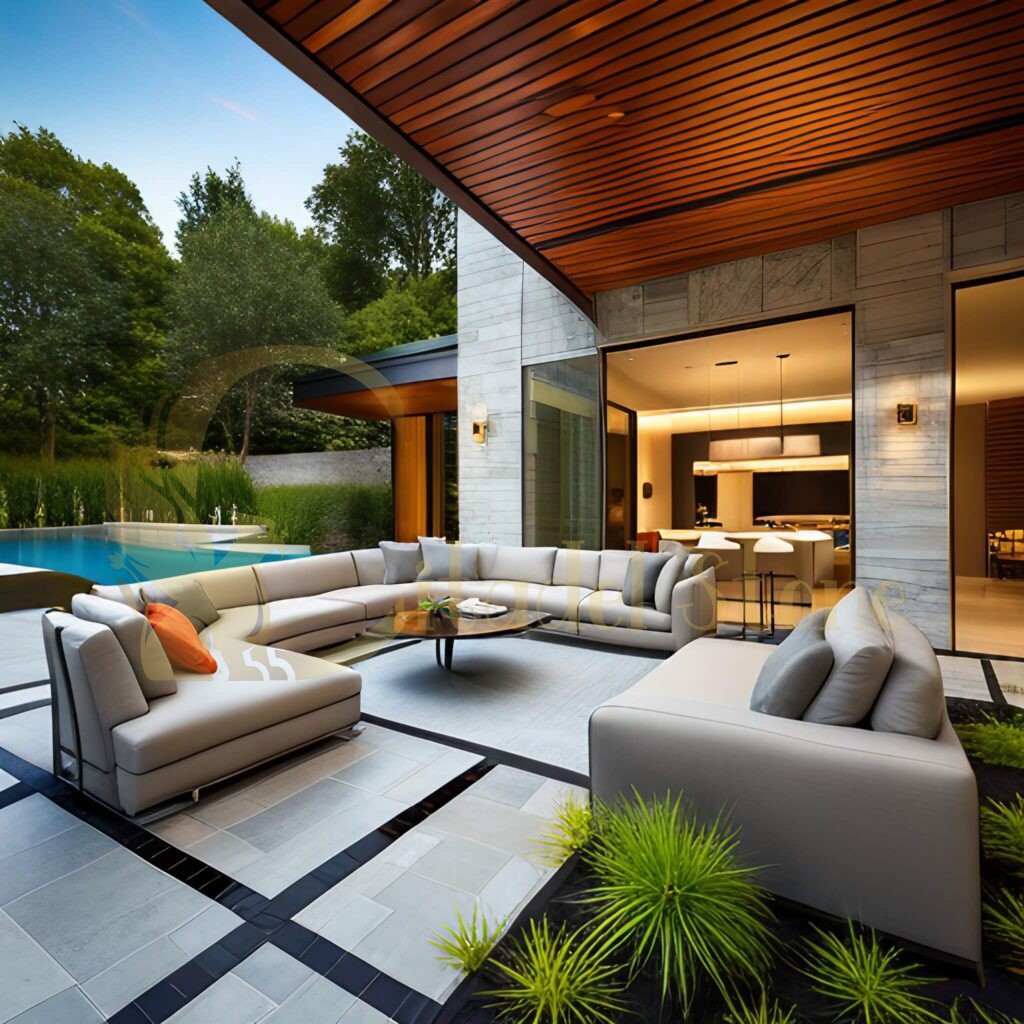
Basalt tiles in Arizona perform differently depending on where you’re building — and elevation is the variable that most specifications overlook entirely. A 2,400-square-foot pool deck in Flagstaff demands a fundamentally different drainage geometry and base design than the same footprint at a Scottsdale resort. The volcanic origin of basalt gives it a dense, low-absorption structure that handles moisture fluctuation exceptionally well, but that advantage disappears fast when base preparation ignores terrain-driven hydraulic pressure.
Why Elevation Changes Everything for Basalt Tile Specifications
Arizona’s topographic range — from 70 feet above sea level in Yuma to over 7,000 feet near Flagstaff — creates dramatically different site drainage demands that directly affect how your basalt stone tile in Arizona needs to be installed. At higher elevations, freeze-thaw cycles introduce hydraulic stress beneath slabs that flat-desert sites never experience. You’ll encounter sub-base heaving that can crack even the most robust tile formats if the drainage layer isn’t designed to relieve hydrostatic pressure before it builds. The terrain isn’t just a backdrop — it’s an active structural variable in your specification.
In Flagstaff, elevation sits above 6,900 feet, and the combination of seasonal snowmelt and monsoon saturation creates drainage scenarios that require positive slope gradients of at least 1.5% — not the 1% minimum you’d specify in the low desert. Your sub-base aggregate layer here needs to be a minimum of 6 inches of compacted crushed aggregate with a D50 particle size in the 3/4-inch range, allowing water to migrate laterally before it reaches the tile bond coat. Getting this wrong results in debonding failures that no adhesive specification can prevent.
- Elevation above 4,500 feet typically requires freeze-thaw rated setting mortars (ANSI A118.15 minimum)
- Positive drainage slope should increase to 1.5–2% in mountain terrain zones
- Sub-base depth should increase by 1.5–2 inches per 1,000 feet of elevation gain above 3,000 feet
- Your joint spacing should account for freeze-thaw cycling — reduce from 20-foot grids to 12-foot grids above 5,000 feet
- Expansion joints at all fixed abutments become non-negotiable in high-elevation basalt floor tile in Arizona installations
Drainage Design for Basalt Outdoor Tiles Across Arizona Terrain
The most common failure mode in basalt outdoor tiles in Arizona isn’t surface wear — it’s subsurface water that has nowhere to go. Arizona’s terrain shifts from river-carved canyon floors to volcanic plateaus to alluvial fan formations, and each presents a distinct drainage challenge. Applying a single drainage specification across a project portfolio that spans both Sedona’s red rock canyon sites and the Phoenix basin’s compacted desert alluvium isn’t workable. The material selection stays consistent; the drainage engineering has to flex with the terrain.
On sloped canyon-adjacent sites, lateral drainage channels embedded in the sub-base before the aggregate layer are the detail that separates a 25-year installation from a 10-year replacement cycle. These perforated channels, typically 4-inch diameter corrugated pipe wrapped in geotextile, intercept lateral groundwater movement before it reaches the tile system. Run them at a grade of no less than 0.5% toward a defined discharge point — not just terminated in fill material, which defeats the purpose entirely.
- Alluvial fan terrain in the Phoenix basin — high silt content requires geotextile separation fabric between native soil and aggregate sub-base
- Canyon and riparian sites — lateral interceptor drains required at the uphill perimeter before sub-base installation
- Volcanic plateau terrain — hardpan layers can create perched water tables; perforate at 24-inch depth minimum
- Wash-adjacent projects — scour aprons and edge restraints must be over-engineered; basalt paving slabs in Arizona at these sites require mechanical edge anchoring, not just adhesive
Basalt Tile Material Properties That Match Arizona Conditions
Basalt’s compressive strength typically tests in the 22,000–28,000 PSI range — significantly above the 8,000–12,000 PSI of most concrete pavers. That structural density is what makes basalt wall tile in Arizona perform so well in applications where thermal cycling and moisture variation stress the material repeatedly. The crystalline matrix of basalt resists micro-fracture propagation, which is exactly what you need in terrain zones where thermal expansion and freeze-thaw operate simultaneously.
Absorption rates for quality basalt tile run between 0.1% and 0.4% by weight, which means the material takes on very little moisture even in prolonged wet conditions. This low porosity matters enormously in drainage-challenged sites where standing water might contact the tile surface for extended periods after heavy monsoon events. You’re not looking at the saturation-driven spalling failures that plague higher-porosity stone in these conditions. For projects on basalt lava in Arizona’s volcanic terrain regions — where the native rock composition actually mirrors the tile material — this compatibility extends to thermal expansion matching between substrate and finish surface.
- Compressive strength: 22,000–28,000 PSI (ASTM C170)
- Water absorption: 0.1–0.4% by weight (ASTM C97) — suitable for all Arizona drainage conditions
- Thermal expansion coefficient: approximately 4.5–5.5 × 10⁻⁶ per °F
- Modulus of rupture: 2,500–3,500 PSI — suitable for vehicular applications in 2-inch nominal thickness
- Slip resistance in honed finish: typically DCOF above 0.42 (ANSI A137.1 wet condition minimum)
Choosing Between Grey Basalt and Blue Bamboo for Arizona Applications
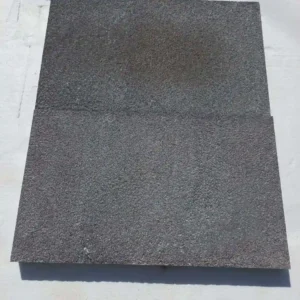
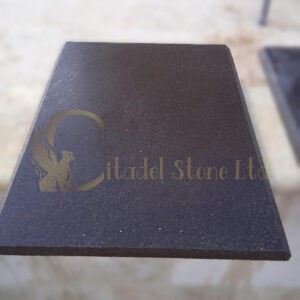
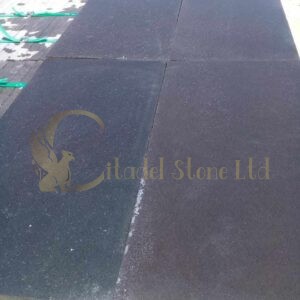
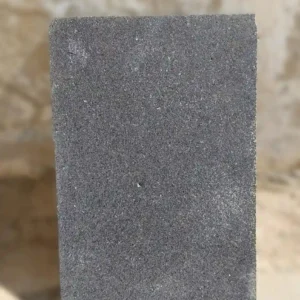
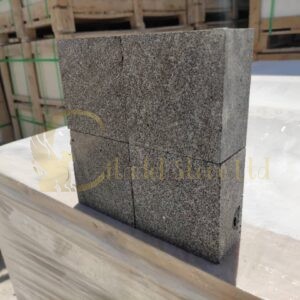
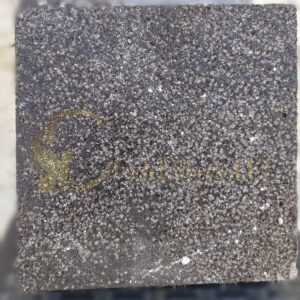
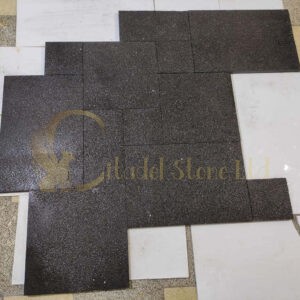
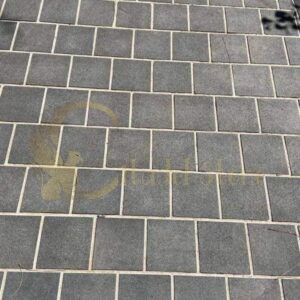
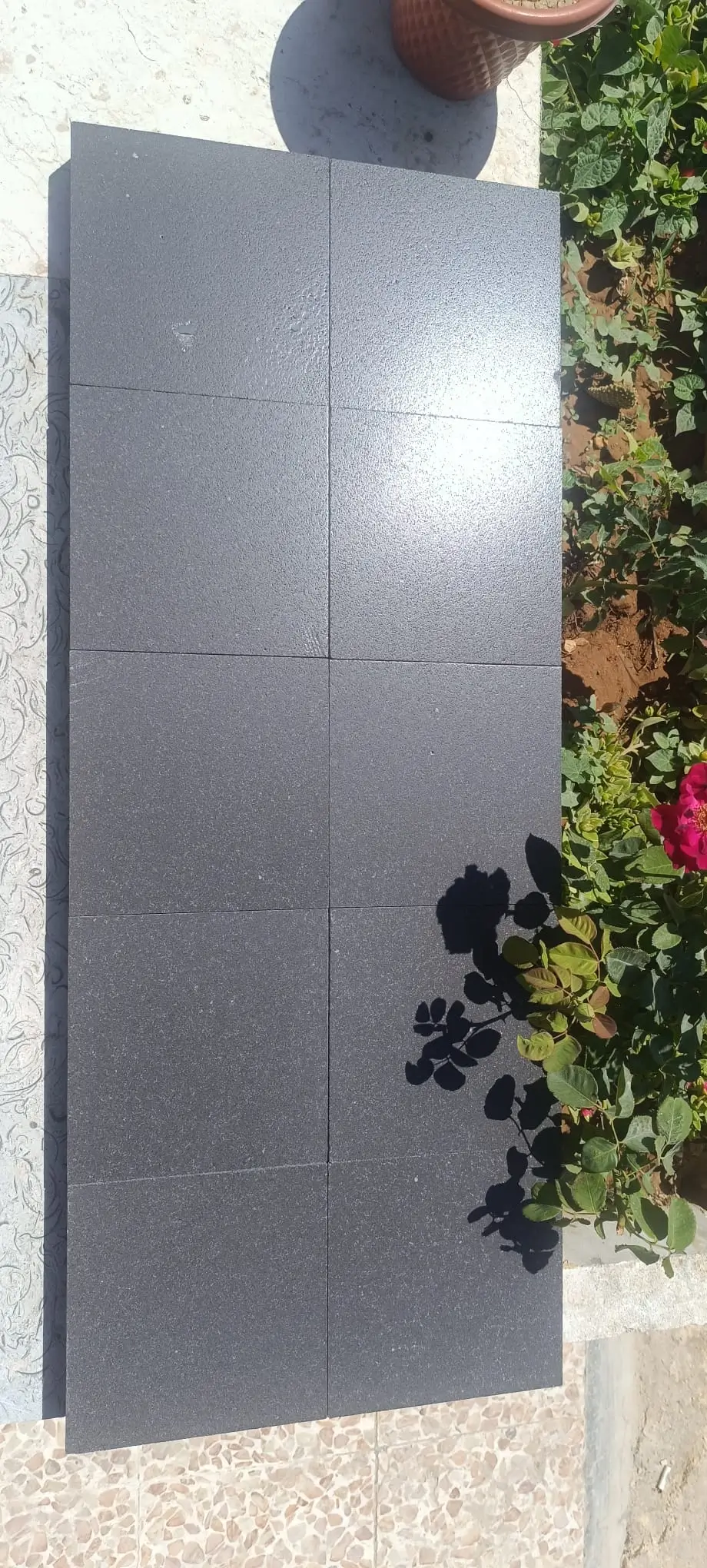
The grey basalt tile in Arizona market divides roughly between standard grey/charcoal tones and the distinctive blue bamboo basalt format, and the selection isn’t purely aesthetic. Grey basalt tile in Arizona — the classic basalt field tile in Arizona applications — delivers a neutral tone that manages solar reflectance better than darker materials, reading at 18–22% solar reflectance index (SRI) values that place it above most black granite alternatives. For outdoor living spaces and pool surrounds where surface temperature matters to occupant comfort, this performance difference translates to 15–22°F lower surface temperatures than comparable dark stone.
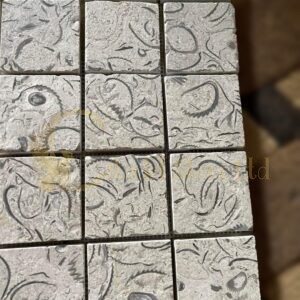
Basalt blue bamboo tile in Arizona brings a distinctive striated pattern created by columnar mineral deposition during the original lava flow cooling process. The pattern variation is natural and non-repeating, which works particularly well on large-format feature walls and pool surrounds where a geometric grid pattern would look too mechanical. Field basalt tile in Arizona applications — continuous field coverage across large horizontal planes — tends to favor the standard grey format for tonal consistency, while blue bamboo excels as an accent or full-wall feature material. Review warehouse samples under both natural and artificial light, since the blue undertone reads very differently across Arizona’s intense midday sun versus evening incandescent lighting.
Base Preparation Standards for Arizona Terrain Zones
Base preparation for basalt stone paving in Arizona isn’t a single specification — it’s a terrain-specific engineering decision. The variables that matter most are soil bearing capacity, expansion coefficient of the native soil, and the drainage geometry established before the first aggregate layer goes down. In the Phoenix metro, expansive clay soils with plasticity indexes above 15 require moisture conditioning and compaction to 95% modified proctor before any aggregate placement. Skipping this step creates differential settlement that mirrors directly through the tile surface within the first two wet-season cycles.
For projects in Phoenix, the typical residential outdoor tile base calls for 4 inches of 3/4-inch minus compacted aggregate over the prepared subgrade, followed by a 1-inch screed bed of coarse sand or polymer-modified setting bed. Commercial applications with expected vehicular loading should step that aggregate layer to 6–8 inches and consider a lean concrete mud mat at 2,000 PSI for additional load distribution. The truck delivery access for your material should also factor into your timeline — warehouse stock availability at regional suppliers like Citadel Stone can compress lead times to 1–2 weeks, versus the 6–8 week import cycle that catches project managers off guard when scheduling base prep completion before materials arrive.
- Expansive soil (PI above 15): moisture condition to optimum +2% before compaction
- Caliche hardpan zones: scarify top 4 inches before aggregate placement to improve drainage interface
- Sandy alluvial soils: geotextile separation fabric mandatory to prevent aggregate migration into subgrade
- Slope-adjacent sites: install perimeter edge restraints before aggregate placement — not after
- All exterior basalt paver tile in Arizona applications: slope setting bed minimum 1% toward drainage outlets
Thickness Selection for Basalt Tiles by Application Type
Thickness specification for basalt tiles in Arizona depends on anticipated point load, spanning capability of the sub-base, and whether the installation is pedestrian-only or mixed-use. The standard 3/8-inch to 1/2-inch tile format is appropriate for interior floor applications and wall cladding, but exterior horizontal surfaces in Arizona need to be considered differently. Foot traffic on outdoor terraces and pool decks typically warrants 3/4-inch to 1-inch nominal thickness, while basalt paver tiles in Arizona rated for vehicular or heavy equipment loading should be specified at 1.5-inch to 2-inch minimum.
The common mistake in thickness specification is underestimating the point load from furniture legs and outdoor kitchen equipment. A cast iron barbecue with a concentrated leg load of 400–600 pounds per square inch will crack a 1/2-inch tile in the first season if the sub-base has any soft spots beneath it. For covered outdoor kitchen applications, go to 3/4-inch minimum and verify sub-base density with a plate compactor pass test before setting any tiles. For projects referencing complementary stone element comparisons, Arizona basalt outdoor tile options includes side-by-side specification data for similar site conditions and load applications worth reviewing before finalizing thickness selections.
- Interior floors and wall tile: 3/8–1/2 inch nominal
- Exterior pedestrian terraces and pool decks: 3/4–1 inch nominal
- Driveways and light vehicular: 1.5–2 inch nominal (ASTM C170 strength verification required)
- Outdoor kitchen and heavy furniture zones: 3/4 inch minimum with reinforced sub-base
- Wall cladding above 8 feet: consult structural engineer for mechanical anchor requirements
Sealing and Maintenance Protocols for Arizona Basalt Installations
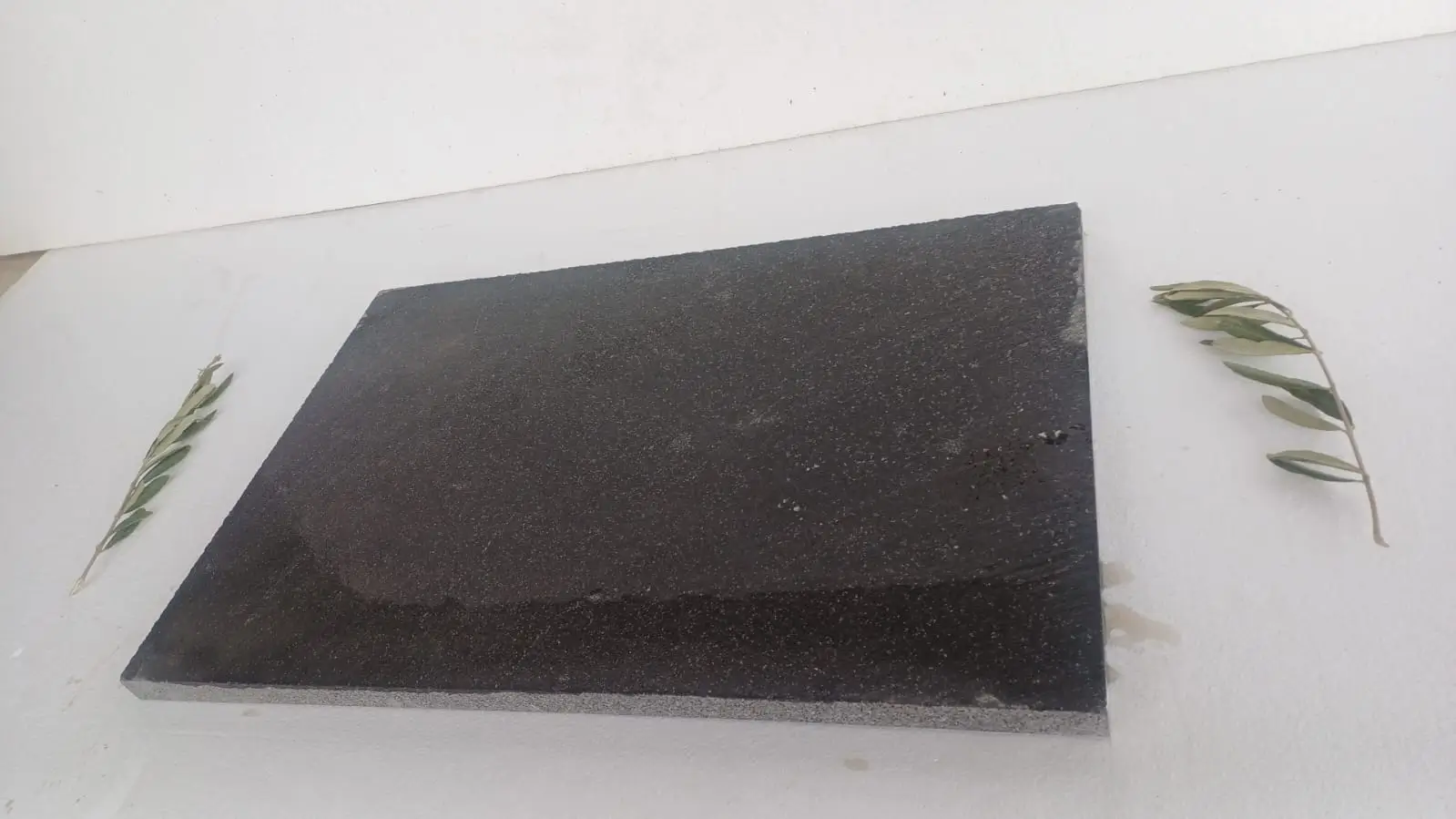
Basalt’s low absorption rate creates a common misconception that sealing isn’t necessary. The reality is more nuanced — basalt doesn’t need sealer to prevent moisture damage the way travertine does, but it benefits significantly from a penetrating impregnator that inhibits mineral deposit staining from Arizona’s hard water irrigation systems. The calcium and magnesium carbonate deposits that accumulate on unsealed basalt in irrigated zones are far more difficult to remove than they are to prevent. A silane-siloxane penetrating sealer applied at 6-month intervals in irrigation-exposed zones is the most cost-effective maintenance specification you can include.
At elevation — particularly for projects near Sedona and Flagstaff where red rock mineral runoff and seasonal freeze-thaw cycles interact with the tile surface — sealing frequency should increase to quarterly for the first two years. This allows you to monitor how the local mineral composition interacts with the specific basalt batch you’ve installed before extending intervals. The sealer application itself needs to happen in the early morning or evening in Arizona’s warmer months — surface temperatures above 90°F cause penetrating sealers to flash-cure at the surface before they can migrate into the stone matrix, which defeats the purpose entirely.
Project Planning and Logistics for Arizona Basalt Tile Projects
Material sequencing for basalt tile projects across Arizona’s varied geography requires thinking about more than just the installation schedule. Truck access to remote mountain and canyon-adjacent sites is a logistics variable that surprises specifiers who plan delivery timing without site-verifying road access. A 48,000-pound fully loaded delivery truck needs a paved or compacted gravel road with 14-foot overhead clearance and a turning radius sufficient for a 53-foot trailer. Verify this before placing your order — not after the warehouse has pulled and staged your material for delivery.
Lead times from regional warehouse stock are typically 1–2 weeks for standard grey basalt formats in common sizes. Custom formats, blue bamboo cuts, and project-specific calibrated thicknesses may require 4–6 weeks from specialty quarry sources. Build that buffer into your project schedule, because basalt stone paving in Arizona should not begin until all field tile, trim pieces, and coping elements are on-site and verified for lot consistency. Mixing basalt from different quarry lots mid-project creates tonal inconsistencies that are visible even across a well-blended installation pattern — experienced project managers verify lot matching at the warehouse before the first truck rolls.
Making Basalt Tiles in Arizona Work for Your Project
The specification decisions that determine long-term performance for basalt tiles in Arizona trace back to terrain analysis, drainage geometry, and base engineering — not just material selection. Treating the terrain assessment as the first design step — not an afterthought addressed during installation — produces the best outcomes. Drainage slope, sub-base depth, and joint spacing all need to be resolved on paper before the first shovel of aggregate goes into the ground. The tile itself is exceptionally capable; your job is to give it the foundation it needs to express that capability for the full 25-year-plus service life basalt paving slabs in Arizona are capable of delivering.
As you plan your Arizona stone project, related natural stone applications can inform your broader material decisions and help you build a coherent hardscape specification. For projects where complementary stone elements work alongside your basalt installation, Limestone Cobblestone Pavers in Arizona covers another dimension of Arizona hardscape specification worth reviewing. For Arizona projects requiring durable, heat-resistant natural stone, Citadel Stone provides basalt outdoor tiles sourced and specified to meet the demands of the local environment.