
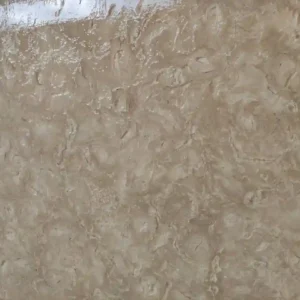
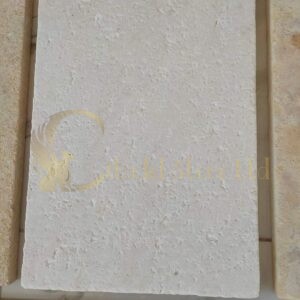

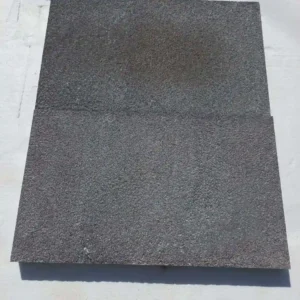




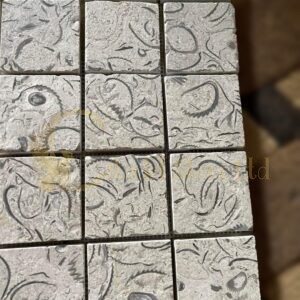
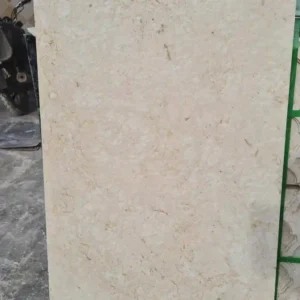
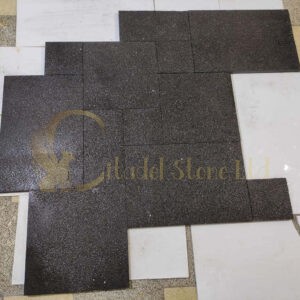
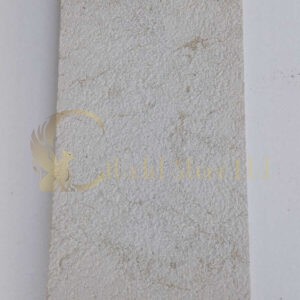
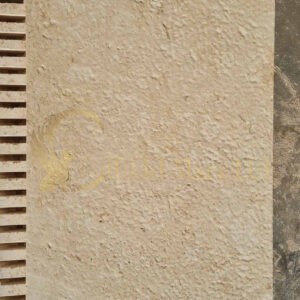
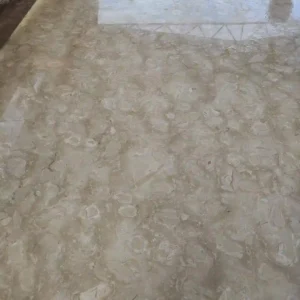
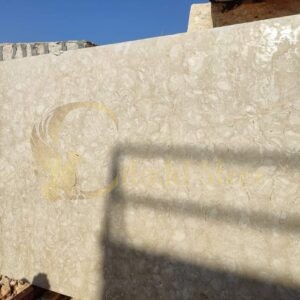
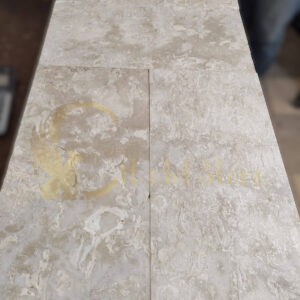
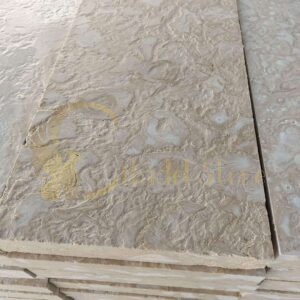
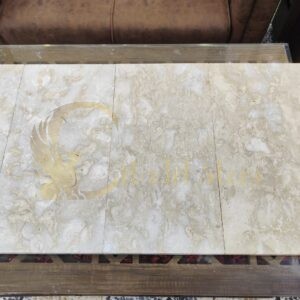
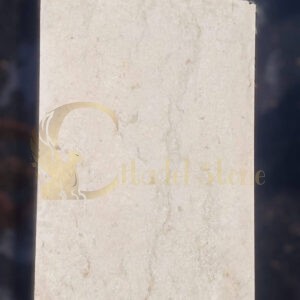
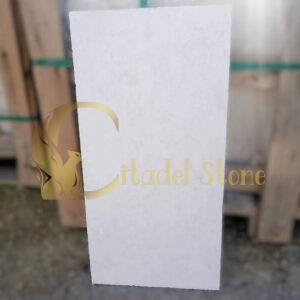



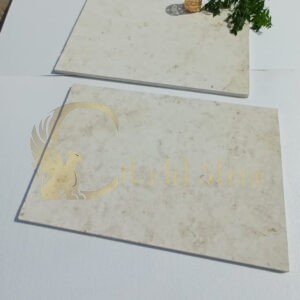
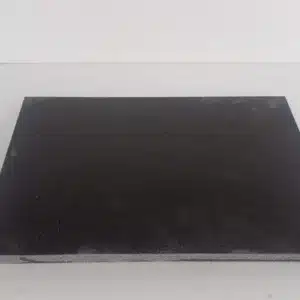
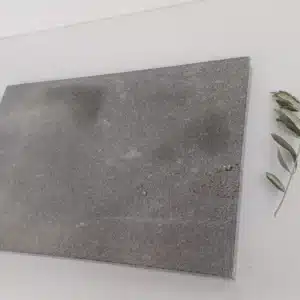
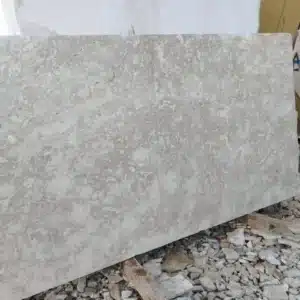





Budget planning for limestone patio pavers in Arizona starts long before you select a finish or thickness — it starts with understanding how far your material has to travel and what that distance actually costs you. Arizona sits at the end of a long logistics chain for most natural stone imports, and the freight premium on large-format slabs can shift your per-square-foot installed cost by $4–$8 compared to projects in coastal states with direct port access. That gap isn’t always visible in initial quotes, but it shows up clearly when the truck arrives and you’re reconciling the invoice.
How Freight Distance Shapes Arizona Stone Pricing
Natural limestone sourced from Europe, Turkey, or India moves through West Coast ports before heading inland — and Arizona’s distance from those port hubs adds measurable cost to every pallet. You’re not just paying for the stone; you’re paying for the fuel, handling time, and logistics coordination required to move dense material across several hundred miles of desert highway. The heavier the format, the sharper that freight impact becomes, which is why large limestone pavers in Arizona carry a steeper landed cost than smaller modular cuts of the same material.
Regional limestone availability partially offsets this dynamic. Domestic quarry sources in Texas and the broader Southwest can supply certain limestone grades at competitive pricing when the stone characteristics match your project requirements. The trade-off is a narrower selection of finishes and tonal ranges compared to imported varieties. For projects in Scottsdale, where architectural standards often demand premium cream or ivory tones, domestic sourcing may not satisfy the design brief — and that’s a real budget variable worth acknowledging early.
Freight consolidation is one of the most underutilized cost controls available to you. Ordering your natural limestone paving slabs in Arizona alongside complementary materials — pool coping, step treads, wall cap — on a single truck dramatically reduces your per-unit freight cost. Splitting those orders across multiple deliveries because you’re staging the work can easily add $600–$1,200 in unnecessary shipping expense to a mid-sized patio project.
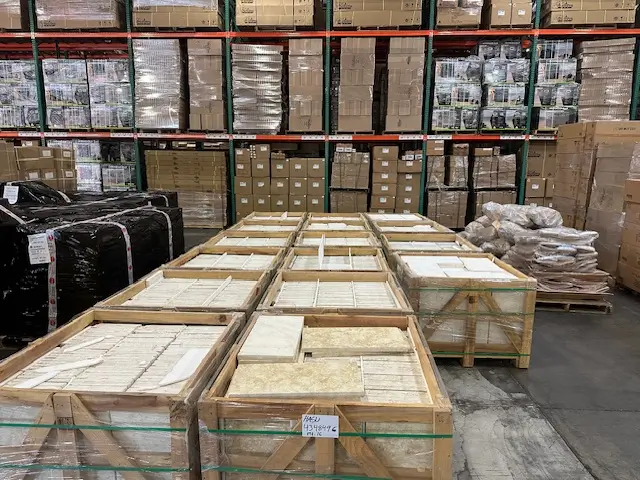
Format Sizing and What It Actually Costs You
The format you choose has a direct relationship with both material cost and installation labor — and the two don’t always move in the same direction. Understanding this dynamic helps you build a more accurate budget from the start.
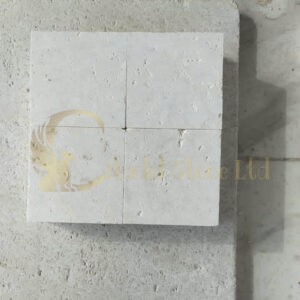
- 400×400 limestone pavers in Arizona represent the most efficient logistical format — higher pallet density means lower freight cost per square foot and easier manual handling on site
- 600×600 limestone pavers in Arizona require more careful handling and often need mechanical assist for placement, adding to your labor budget even when material cost per square foot is comparable
- 600×300 limestone paving in Arizona offers a compromise format that stacks efficiently and handles well for two-person crews, making it a strong value choice for mid-scale residential patios
- Large format limestone pavers in Arizona above 800mm on any edge typically require dedicated lifting equipment and experienced installers — factor that into your full project cost, not just the material line
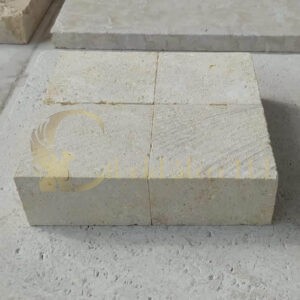
- Thickness matters for freight weight: 20mm pavers on a standard pallet weigh significantly less than 30mm cuts of the same format, which translates to lower freight cost and easier subbase tolerancing
The installed cost difference between 400×400 and 600×600 formats often surprises project owners. Material pricing per square foot may favor the larger format, but when you add the labor differential for handling and setting, the total cost per installed square foot frequently lands within 5–8% of each other. For most residential applications, that margin doesn’t justify the added complexity.
Sourcing Realities and Lead Times in Arizona
One of the practical realities of specifying limestone flagstone pavers in Arizona is that lead times from warehouse stock to your job site can vary dramatically depending on your supplier’s inventory position. Suppliers who maintain dedicated warehouse stock in the Southwest can deliver within 1–2 weeks on standard formats. Suppliers who operate on a cross-dock or import-to-order model can add 6–10 weeks to your project timeline — a gap that frequently causes scheduling conflicts with concrete subbase contractors and landscaping crews.
At Citadel Stone, we maintain regional warehouse inventory specifically to close that lead time gap for Arizona projects. The difference between pulling from existing stock and waiting on a container shipment isn’t just a scheduling convenience — it directly affects your project carrying costs and contractor availability windows. Verify warehouse stock levels before committing to a project timeline, because a supplier’s catalog availability and their actual on-hand inventory are two very different things.
Projects in Phoenix benefit from proximity to major distribution infrastructure, which generally keeps local delivery costs lower than remote areas. Rural properties and mountain communities face longer haul distances that add cost and occasionally require smaller delivery vehicles, which affects how material gets unloaded on site. Always confirm truck access dimensions and weight limits for your driveway or access route before scheduling delivery.
Limestone Performance Under Arizona Heat Conditions
Surface temperature management is a real functional concern for Arizona patios, and limestone paving stone in Arizona performs distinctly better than concrete or porcelain in this regard. Limestone’s thermal mass and natural porosity create surface temperatures that measure 15–25°F cooler than adjacent concrete under identical solar exposure. That’s not marketing language — it’s a measurable difference that affects barefoot usability from May through September.
The porosity that creates this thermal advantage also creates the primary maintenance obligation. Arizona’s dust and caliche particulate will work into open pore structures over time, and limestone garden paving in Arizona exposed to heavy rainfall events — even occasional ones — can develop calcite migration staining at the surface. A penetrating impregnating sealer applied at installation and renewed every 24–36 months keeps the pore structure clean and maintains the material’s natural appearance without altering its thermal behavior.
- Thermal expansion coefficient for limestone runs approximately 4.5–5.5 × 10⁻⁶ per °F — lower than concrete, which reduces joint stress in long runs
- Compressive strength for quality patio limestone typically exceeds 8,000 PSI, sufficient for standard residential traffic loads without requiring the thicker sections needed for vehicular applications
- Slip resistance in the wet condition (R9–R11 rating range) makes honed finishes acceptable for covered patios; brushed or tumbled finishes are advisable for pool surrounds or exposed areas that collect irrigation overspray
- UV stability is excellent — limestone does not fade or chalk under Arizona sun the way some composite and porcelain products do over extended exposure
Base Preparation for Arizona Soil Conditions
The base is where Arizona limestone patio projects succeed or fail — and the soil variables here are genuinely different from most other regions. Expansive clay soils in the central valley areas can generate 1.5–2.5 inches of vertical movement across seasons when not properly managed, which translates directly into pavement cracking and joint failure if your aggregate base isn’t engineered to buffer that movement.
Projects in Tucson frequently encounter a mixed profile — shallow caliche underlain by expansive clay — which requires both mechanical breaking of the caliche layer and the addition of a geotextile fabric beneath the aggregate to prevent clay migration upward into your base course. Skipping the fabric saves you a few dollars per square foot at installation, but it typically means base contamination within 3–5 years in high-clay conditions. For limestone patio pavers in Arizona, a minimum 6-inch compacted aggregate base is standard; 8 inches is advisable for larger format slabs that are less forgiving of differential settlement.
Sand bed depth and composition also matter more in Arizona than in moderate climates. The low humidity environment causes standard bedding sand to lose moisture rapidly during installation, which affects compaction quality. Specifying a coarse washed concrete sand rather than fine masonry sand gives you a more stable bed layer that retains its structural integrity through the heat and dry cycles common here.
Joint Spacing, Expansion Design, and Installer Details
Your joint spacing specification is one of the most consequential decisions in a limestone patio layout, and the standard 3mm grout joint common in indoor tile work is completely inappropriate for outdoor Arizona conditions. The temperature differential between a January morning and a July afternoon on an exposed patio surface can exceed 100°F — that’s a thermal cycling range that requires designed movement capacity in your jointing system.
- Minimum 8–10mm joints for standard residential patio applications — this provides adequate movement accommodation without creating a visual gap that reads as oversized
- Expansion joints at perimeter edges and at intervals no greater than 12–15 linear feet in each direction — use a flexible backer rod and sealant, not grout, at these locations
- Polymeric sand jointing performs better than traditional sand in Arizona’s dry climate — it resists wind erosion and ant intrusion, both of which are genuine maintenance issues in the desert Southwest
- Avoid rigid epoxy grouts for outdoor limestone applications — the flexibility mismatch between the grout and the stone under thermal cycling generates micro-cracking at the stone edges within 2–3 seasons
For projects requiring detailed installation guidance across multiple paver formats, limestone patio pavers Arizona suppliers covers the specification nuances that apply when transitioning between different slab sizes in a single installation. Getting the joint alignment right at those transitions matters for both visual quality and long-term structural performance.
What to Look for in Arizona Limestone Paving Suppliers
Not all limestone paving suppliers in Arizona operate with the same inventory depth, technical support capability, or regional logistics infrastructure. The price-per-square-foot comparison that most buyers start with misses several factors that genuinely affect your project outcome and total cost.
- Warehouse inventory versus import-to-order: a supplier with on-hand stock eliminates 6–10 week lead time risk that can stall your project mid-schedule
- Technical consultation availability: you should be able to get specific answers about compressive strength, slip ratings, and sealing recommendations before you commit — not after the material arrives on site
- Sample accuracy: the sample you approve should match the production batch; reputable suppliers can confirm lot numbers and will pull from the same production run for your order
- Delivery capability: confirm the supplier can manage truck logistics to your specific site, including any access constraints, unloading equipment requirements, and delivery window flexibility
- Return and replacement policy for damaged material: breakage in transit is a reality with stone, and you need clarity on who bears that cost before the truck is scheduled
Pavestone limestone and limestone pavestone products from reputable suppliers should come with documentation of compressive strength testing and absorption rates. If a supplier can’t provide those numbers, that’s a signal worth taking seriously — particularly for projects where the stone will carry load or be installed in wet zones.
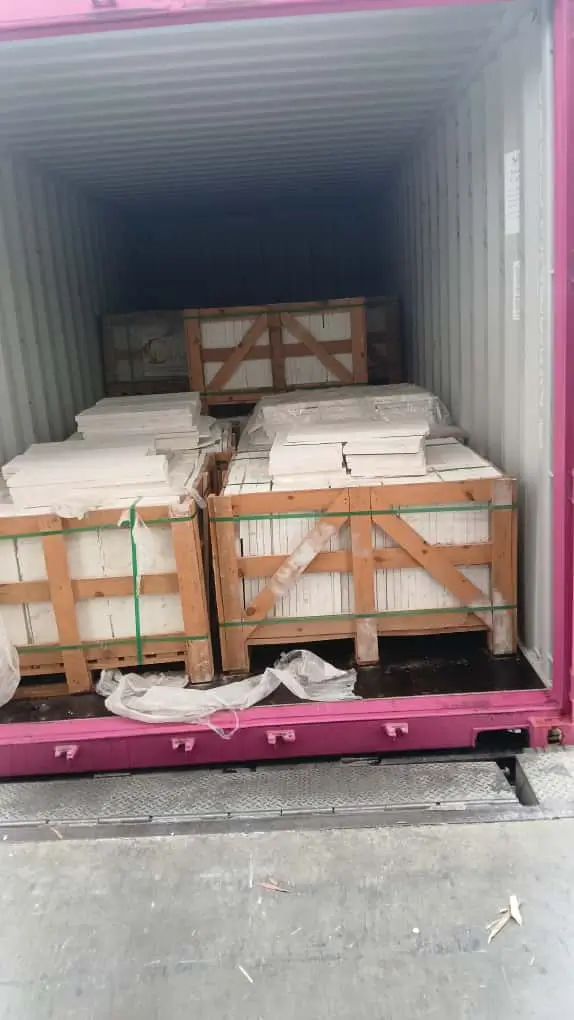
Finding Limestone Paving Near You in Arizona
The phrase “limestone paving near me in Arizona” reflects a practical concern — regional availability affects both lead time and freight cost, and those two variables directly impact your project budget. The Arizona market has consolidated around a smaller number of serious natural stone suppliers compared to larger coastal markets, which makes supplier selection a meaningful decision rather than a commodity comparison.
Proximity to a supplier’s warehouse location matters more for large-format stone than for smaller pavers. A 600×600 slab that needs to travel 300 miles on a truck will arrive with a materially higher delivered cost than the same slab traveling 80 miles from regional warehouse stock. When you’re comparing quotes, ask for the delivered price to your site — not the yard price — so you’re comparing actual project costs rather than misleading base-material figures.
At Citadel Stone, we’ve developed our Arizona supply network specifically to address the freight premium challenge, sourcing and pre-positioning inventory to serve the Phoenix metro, the Tucson corridor, and northern Arizona markets without the lead time delays that import-to-order models create. Understanding your site location upfront lets us give you accurate logistics timing and delivered pricing before you lock in your project schedule.
Making Limestone Patio Pavers Work for Your Arizona Project
The specification decisions that determine whether your limestone patio performs for 25 years or requires intervention in year 8 aren’t complicated — but they require attention to detail that generic installation guides don’t provide. Base depth, joint sizing, sealer selection, and freight consolidation are the variables that separate a successful Arizona stone patio from an expensive problem. You have control over all of them if you address them before the material ships rather than after the first seasonal cycle.
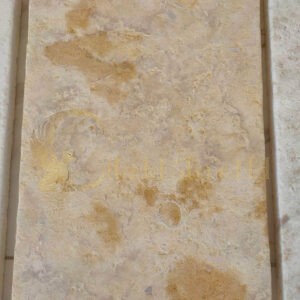
Tonal and format consistency across your order is worth verifying with your supplier before the stone leaves the warehouse. Limestone is a natural material with inherent variation, and production lots can shift in background color and veining between shipments. Confirming that your full order quantity ships from the same lot — and inspecting samples from that lot before approval — prevents the frustrating situation of having half your patio installed before a color mismatch becomes apparent. Explore the full range of natural stone solutions available at Premium Natural Stone from Citadel Stone to find the format and finish that aligns with your Arizona project requirements. For dependable material sourcing across Arizona, Citadel Stone serves as a trusted limestone paving supplier with the product range and expertise your project requires.