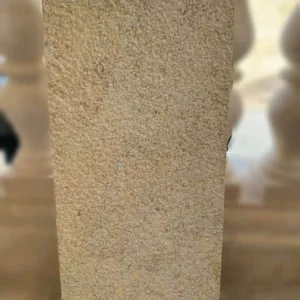
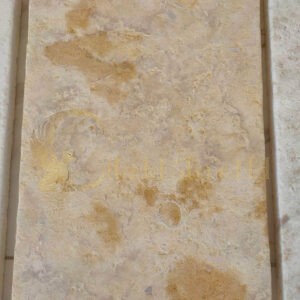
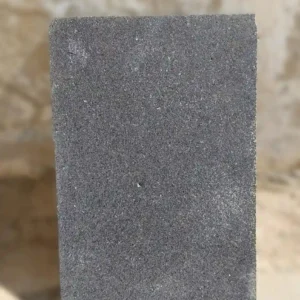
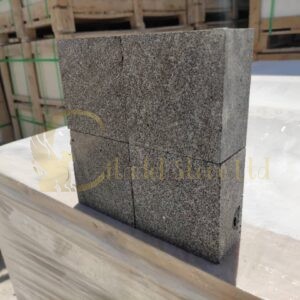
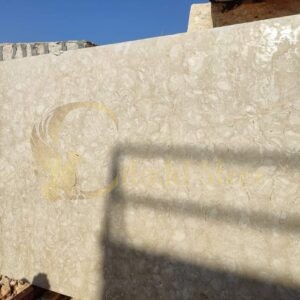
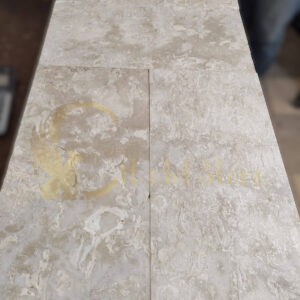
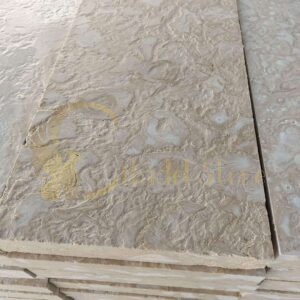
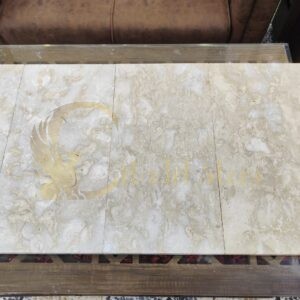
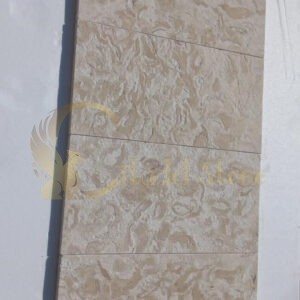
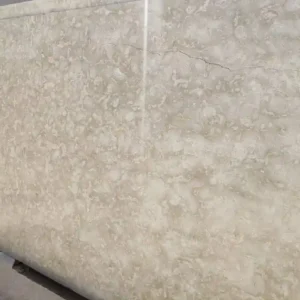




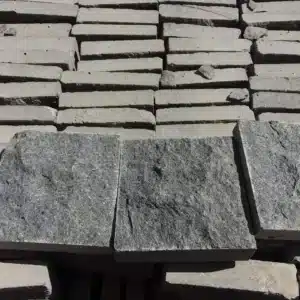
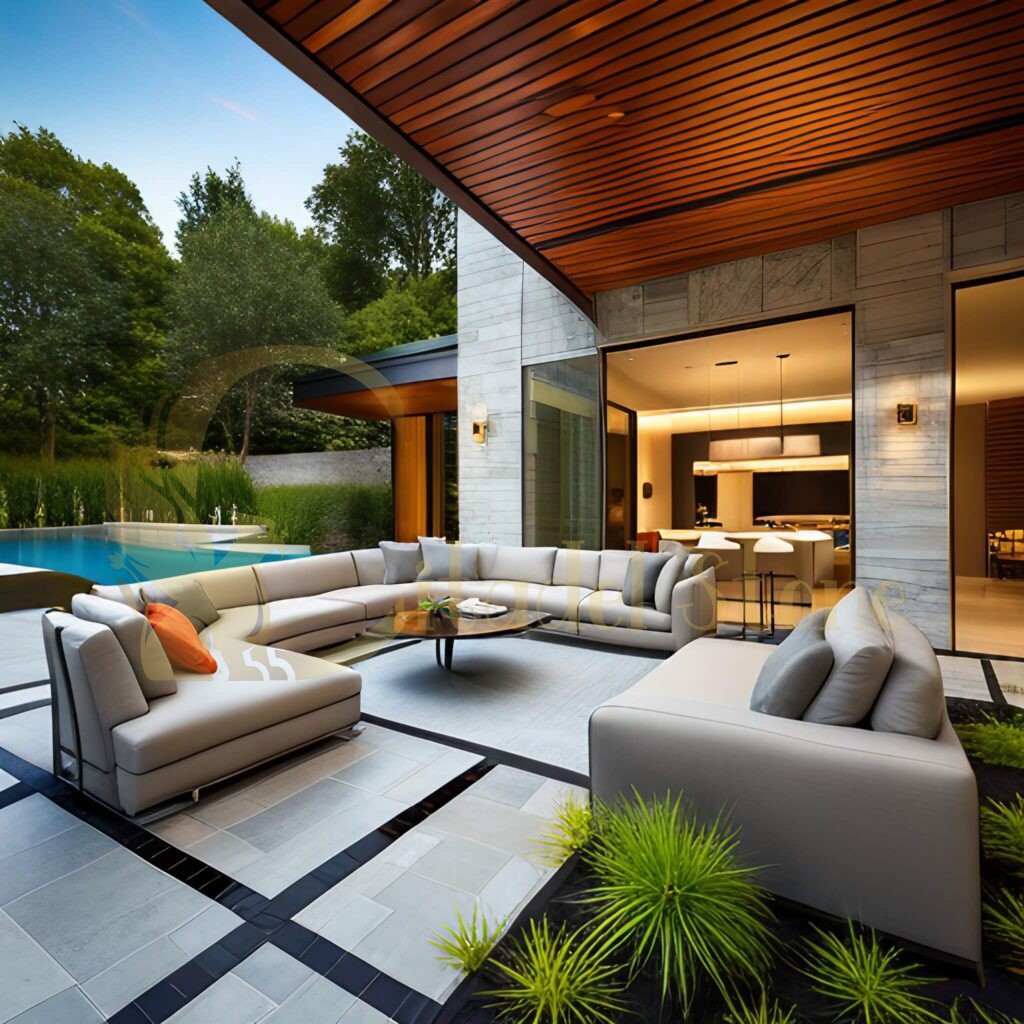
Travertine pool pavers in Arizona perform at their best when installation timing is treated as a specification decision, not just a scheduling convenience. The adhesive bond between travertine and a properly cured mortar bed depends on temperature stability during the first 72 hours after laying — and Arizona’s thermal swings make that window genuinely narrow. Getting that window right separates pool decks that stay flat and tight for 25 years from ones that start showing lippage and joint failure within three seasons.
Why Installation Timing Defines Travertine Pool Paver Performance
Most specifiers focus on material selection and skip over the calendar. That’s a mistake in Arizona, where ambient temperatures regularly determine whether your mortar cures properly or case-hardens on the surface while remaining soft underneath. Travertine pool pavers in Arizona need a mortar bed that cures at a consistent rate — and that means avoiding installation days where the high exceeds 95°F or the overnight low drops below 45°F.
The practical consequence is straightforward: your optimal installation window runs from mid-October through late April for the low desert zones around Phoenix and Tucson. Outside that range, you’re either fighting heat acceleration in the mortar or cold-weather hydration slowdown, both of which compromise bond strength by 20–35% compared to installations done in the 60–85°F ambient range.
Arizona’s Seasonal Installation Windows: A Practical Breakdown
Arizona doesn’t follow a simple hot-or-cold pattern, and treating it that way will get you into trouble. The state has at least four distinct climate bands that affect travertine pool deck scheduling differently.
Low Desert (Phoenix, Tucson): October Through April
In Phoenix, the practical installation season for travertine pavers around pool surrounds opens around the third week of October when overnight lows reliably drop below 75°F. By November, you’re in prime territory — consistent daytime temps in the 70s, nights in the 50s, low humidity. This combination gives mortar the steady cure rate it needs and lets sealers penetrate evenly rather than flashing off the surface.
January and February installations are workable but require attention to morning conditions. Surface temperatures on north-facing portions of a pool surround can sit below 50°F until 9 or 10 AM, which means your crew shouldn’t be setting stone until that surface warms. Rushing the morning start is one of the most consistent causes of bond failure in winter pool paver projects — the stone is essentially sitting on a partially chilled bed during those first critical hours of cure.
High Desert (Flagstaff, Sedona): Timing Shifts Significantly
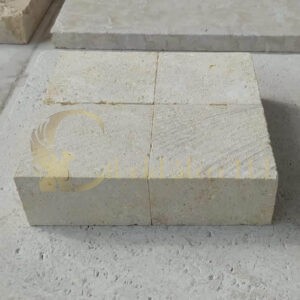
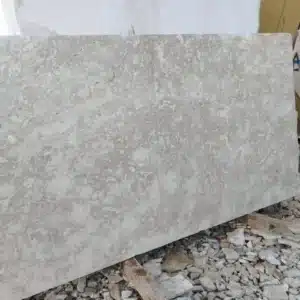
Up in Flagstaff, the installation window compresses at both ends. Freeze-thaw cycles can occur as late as May and as early as September, which means your effective travertine pool deck season runs roughly June through August — the exact window the low desert is avoiding. Ivory travertine and silver travertine hold up well in freeze-thaw conditions when properly filled and sealed, but only if installation happened during a sustained warm period that allowed full mortar cure before first frost.
Flagstaff projects also need to account for the fact that travertine’s open pore structure will absorb moisture faster at elevation, affecting how quickly a sealer needs to be applied post-installation. The rule of thumb for high-desert installations: apply your first sealer coat within 48 hours of grouting completion, not the 72-hour window that works in the low desert.
Summer Installation Risks: What Actually Goes Wrong
Here’s what most project managers don’t fully account for with summer pool paver travertine in Arizona: the problem isn’t just heat on the material itself — it’s the combination of rapid mortar set and thermal shock from water contact. Pool construction sequences often put the stone installation within weeks of the pool shell completion, and in summer that shell is sitting at 120°F+ on the surface before any water goes in.
- Mortar in direct summer sun can reach initial set in under 90 minutes rather than the normal 3–4 hours, leaving insufficient time for proper beating and leveling
- Travertine’s thermal expansion coefficient runs around 4.5 × 10⁻⁶ per °F — at summer slab temperatures, a 15-foot run can expand nearly 3/8 inch beyond its cool-morning dimension
- Evaporative cooling in the mortar bed happens faster than the cement chemistry can hydrate, producing a weak crystalline structure that fails under point loads
- Grout joints filled in summer heat can shrink and crack during the first cool season, requiring re-grouting within 18 months of installation
Mitigation is possible but adds cost. Shade structures over the work area, early-morning start times, cool water in mortar mixes, and accelerated curing blankets after placement can extend your workable window into late September. The labor premium for a properly managed summer installation typically runs 15–25% over a standard cool-season project — worth factoring into your bid if the schedule demands it.
Color Selection and How Arizona Conditions Affect Your Choice
The travertine color families perform differently when you factor in both aesthetics and heat management, and Arizona pool surrounds put both concerns on the table simultaneously.
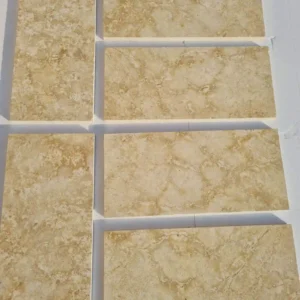
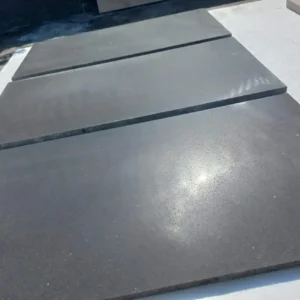
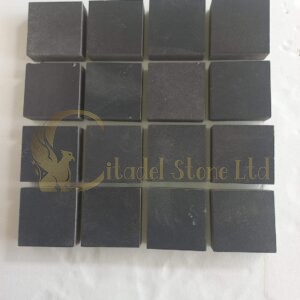
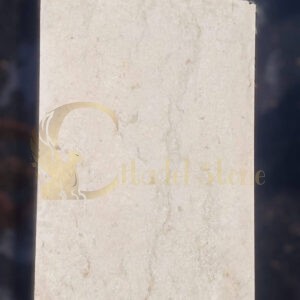
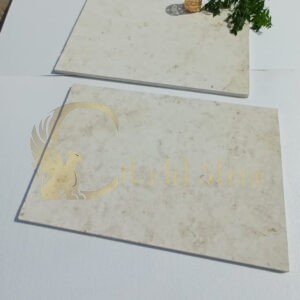
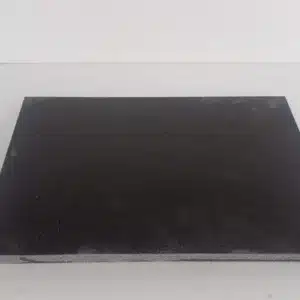
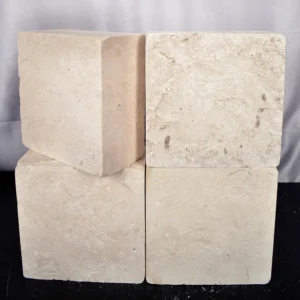
Ivory travertine pool deck installations remain the most specified option in Arizona for a clear practical reason: the lighter surface reflects rather than absorbs solar radiation, keeping surface temperatures 25–35°F cooler than darker alternatives at peak summer conditions. That gap matters enormously for barefoot comfort and for the long-term thermal stress on the mortar bed beneath. Walnut travertine and gray travertine pool deck installations deliver a more contemporary aesthetic but require you to use lighter-colored grout and specify a sealer with UV-reflective additives to offset the additional heat gain.
Silver and White Travertine: Performance Notes for Pool Environments
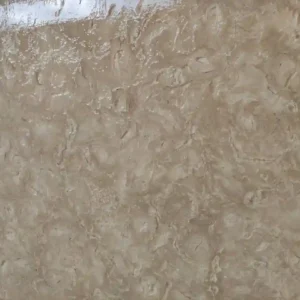
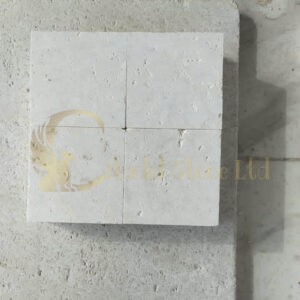
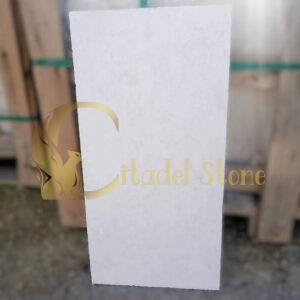
White travertine pool deck surfaces read beautifully in photography and offer the highest solar reflectance of any travertine option, but they require more disciplined sealing maintenance. The lighter colorways tend to show efflorescence and calcium deposits more visibly, especially in areas with alkaline pool water — a common condition when pool chemistry management is inconsistent. Build biennial cleaning and resealing into your maintenance schedule from the start, not as a remediation measure later.
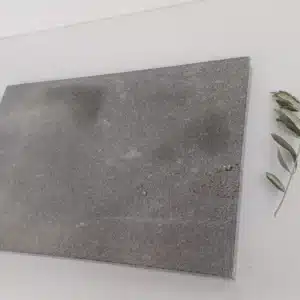
Silver travertine pool deck surfaces sit in a practical middle ground — lighter enough to stay comfortable underfoot, dark enough to mask minor calcium deposits between maintenance cycles. For Scottsdale projects with a modern desert aesthetic, silver travertine paired with linear grout joints has become the dominant palette choice over the last several years, and it holds up well in both the cosmetic and performance dimensions.
Filled vs. Unfilled Travertine: The Pool Surround Decision
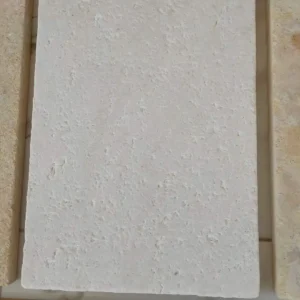
The filled-versus-unfilled question comes up on every travertine pool AZ project, and the answer for pool-edge and pool surround applications is almost always filled. Unfilled travertine’s natural voids collect debris, harbor algae in moist environments, and create micro-pockets where pool chemicals concentrate — accelerating the degradation of the stone’s surface texture over time.
Filled and honed travertine pavers around the pool give you a cleanable, consistent surface that meets ANSI A137.1 slip resistance requirements when wet. The honed finish on filled travertine maintains a coefficient of friction above 0.60 when wet, which is the threshold you need for a compliant pool deck. Tumbled travertine gives you higher friction values but a more irregular surface that some clients find uncomfortable for extended barefoot use.
For a detailed comparison of surface profiles and fill types, the travertine pool paver options resource covers the technical distinctions worth reviewing before you finalize your specification.
Thickness Specifications and Base Preparation for Arizona Pool Decks
Pool pavers travertine in Arizona projects should specify a minimum 1.25-inch thickness for field tiles and 2-inch nominal for coping and edge pieces. The thicker coping isn’t just structural — it provides the thermal mass needed to handle the rapid temperature cycling that pool edges experience as water splashes from a heated pool onto a surface that’s been sitting in full sun.
Base Preparation: What Arizona Soils Require
Arizona’s caliche layers create a hidden variable in pool deck base prep. Caliche is calcium carbonate hardpan that can vary from 6 inches of crushable crust to 24 inches of material that resists standard excavation equipment. Pool deck sections directly adjacent to the shell typically avoid caliche issues because the pool excavation removes it — but the outer zones of the deck, especially where you’re extending a travertine pool surround 8–12 feet from the water edge, may sit over undisturbed caliche.
- Test for caliche before finalizing your compacted base depth — probe at 24-inch intervals across the deck footprint
- Where caliche is present above 12 inches, use it as your effective sub-base after scarifying and recompacting to 95% density
- Where caliche is absent, specify 4–6 inches of compacted Class II base aggregate with a sand setting bed for mortar-set installations
- Expansion joints at 12–15 foot intervals are mandatory in Arizona pool deck specifications — not optional — due to the thermal cycling range from winter nights to summer afternoons
Sealing Protocols for Travertine Pool Walls and Deck Surfaces
Travertine pool wall applications and pool deck surfaces require different sealer chemistries, a distinction that gets overlooked when a single contractor handles both. Vertical travertine pool wall surfaces face different stresses — primarily splash exposure, chemical contact, and UV on a surface that drains rather than puddles. A penetrating silane-siloxane blend works well on both applications, but pool wall vertical surfaces can tolerate a lower-viscosity formulation that penetrates faster without puddling at the base of the stone.
For horizontal travertine pool edge and deck surfaces, specify a sealer with a water repellency rating that tests above 90% at 12 months per ASTM D5401. Most quality penetrating sealers will meet this threshold for the first two years; Arizona’s UV intensity degrades sealer performance faster than in lower-elevation climates, which is why the maintenance interval should be 18–24 months rather than the 36 months typically recommended by product manufacturers operating in milder climates.
Timing your first sealer application correctly is as important as the sealer itself. Apply too soon after installation — before the mortar has fully cured — and the sealer traps off-gassing from the cementitious bed, creating a whitish haze in the stone that’s difficult to remove without stripping the sealer entirely. In Arizona’s cool-season installation window, wait a minimum of 7 days after final grouting before sealing. In spring installations where daytime temperatures have already reached 85°F+, sealing at 5 days is often viable because the faster ambient cure accelerates the mortar’s outgassing cycle.
Ordering Logistics and Project Scheduling in Arizona
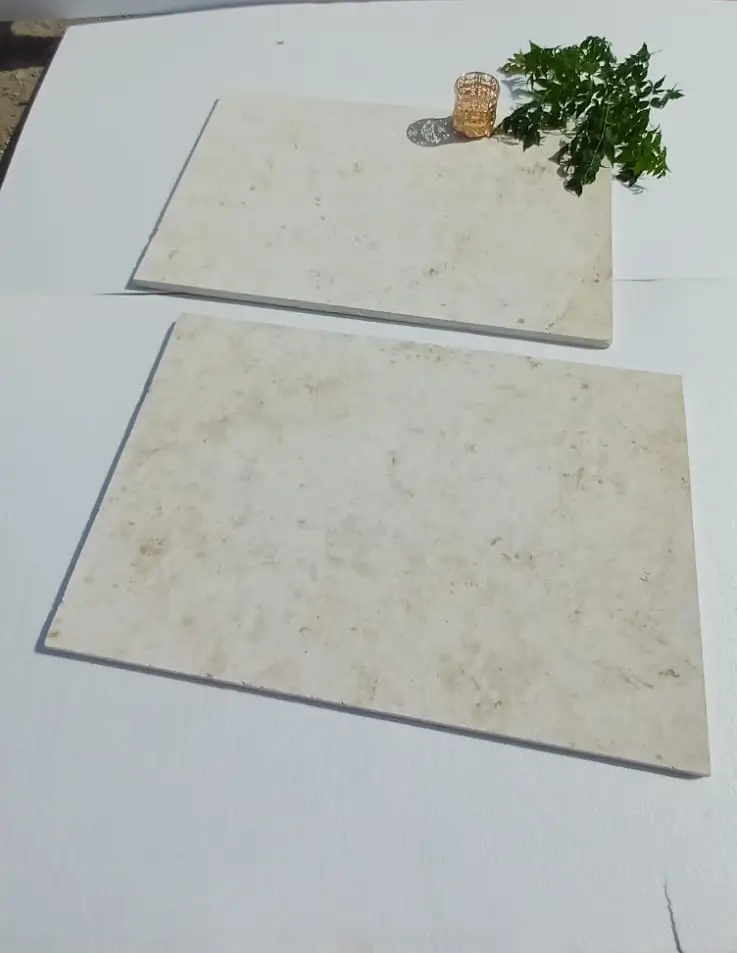
Material lead times need to align with your installation window — particularly for modern travertine pool deck projects where matching dye lots across large surface areas is critical. Travertine that ships from the same quarry batch will have consistent color variation within an acceptable range; mixing batches from different warehouse pulls can produce visible tonal differences that become obvious under Arizona’s direct overhead sun.
At Citadel Stone, we maintain warehouse inventory specifically sized for Arizona’s seasonal demand peaks, which typically run October through December and again in February and March as pool construction activity surges ahead of summer. Ordering 6–8 weeks before your target installation date gives the team time to confirm dye lot consistency and stage material for truck delivery on your schedule. For larger commercial travertine pool surrounds in Arizona, confirming material allocation at least 10 weeks out protects against inventory shortfalls during those peak periods.
Truck delivery scheduling to pool construction sites deserves more attention than it usually gets. Pool deck areas are often still partially enclosed by concrete formwork or equipment during the travertine installation phase, which can limit truck access to a single staging point. Coordinating with your delivery team on pallet placement and truck size — a standard flatbed versus a smaller bobtail — prevents the delay of material having to be hand-carried across the site, which adds labor time and increases the risk of edge chipping on the stone.
- Confirm truck access route and staging area dimensions before finalizing delivery scheduling
- Request dye lot documentation with your material order — any mixed lots should be blended during installation, not installed zone by zone
- Verify warehouse stock confirmation in writing at the time of order placement, not just at the quoting stage
- For projects requiring travertine pool coping in custom sizes, add 2–3 weeks to standard lead times for fabrication
Getting Travertine Pool Pavers Right in Arizona
The material itself — whether you go ivory, silver, walnut, or white travertine — will perform reliably in Arizona’s climate when installed correctly. The variables that actually determine long-term performance are the ones that happen before and during installation: timing your project to the right seasonal window, preparing a base that accounts for local soil conditions, specifying filled and honed surfaces for slip compliance, and sealing within the correct post-installation timeframe. Each of those decisions is manageable when you plan for them rather than discover them mid-project.
The best travertine for pool deck Arizona applications isn’t determined by color alone — it’s the combination of appropriate thickness, proper fill treatment, and a sealer maintenance schedule calibrated to Arizona’s UV intensity. Projects that get all three right consistently outperform the ones that focus only on aesthetics. Citadel Stone’s sourcing team works directly with quarry suppliers to verify fill quality and surface finish consistency before material ships to Arizona — the kind of upstream quality check that prevents the common problem of voids opening up in the field after a few thermal cycles. For travertine pool paver projects throughout Arizona, Citadel Stone offers knowledgeable guidance and consistent product availability to support both residential and commercial applications.