



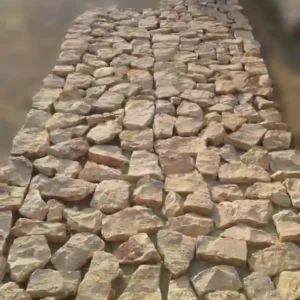


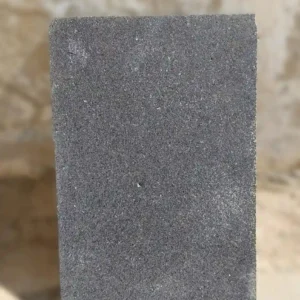
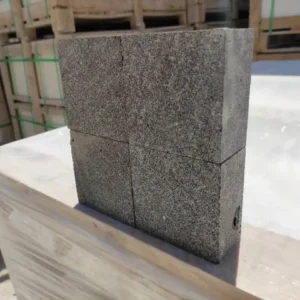
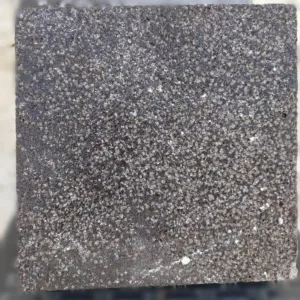

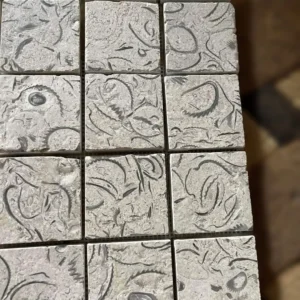

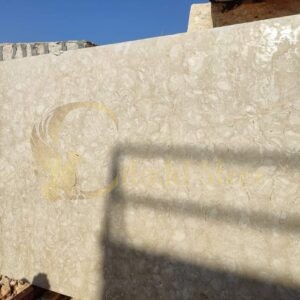
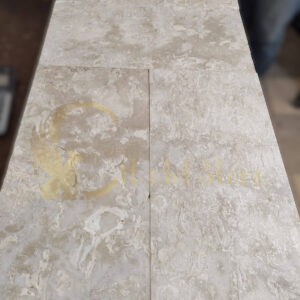
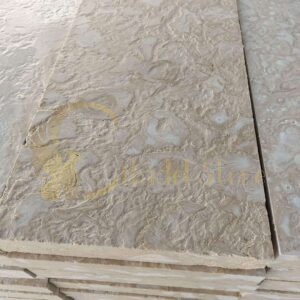
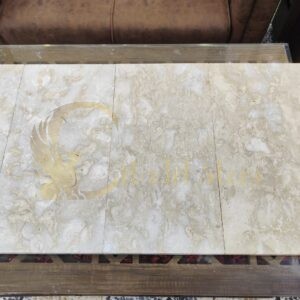
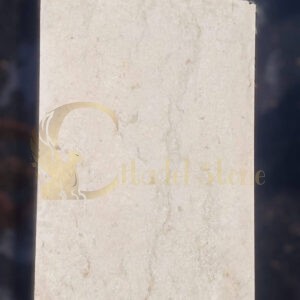
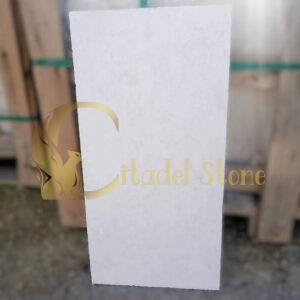

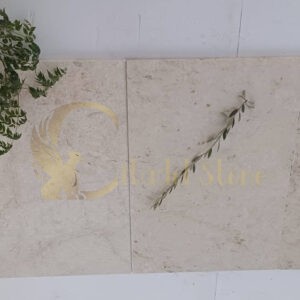


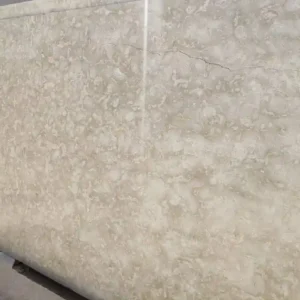
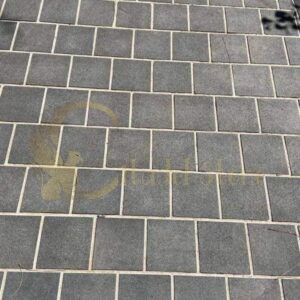

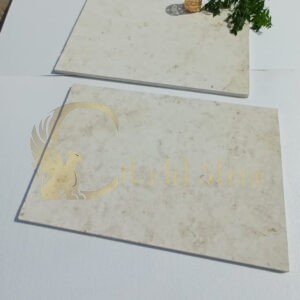
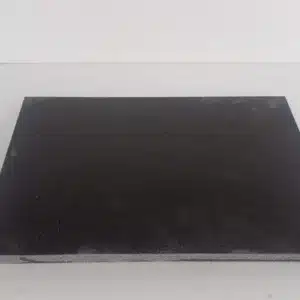
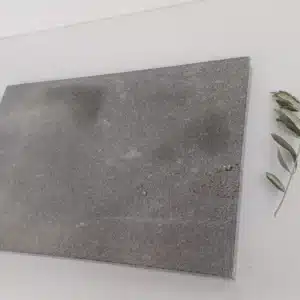




When you’re specifying Limestone Patio Pavers in Arizona, you’re choosing a material that must withstand some of the most punishing desert conditions in North America. The reality is that Arizona’s extreme heat, intense UV exposure, and rapid temperature swings test every outdoor surface—and not every stone performs equally. Citadel Stone’s limestone collections offer proven durability in these demanding environments, but you’ll need to understand the specific performance factors that separate successful installations from premature failures.
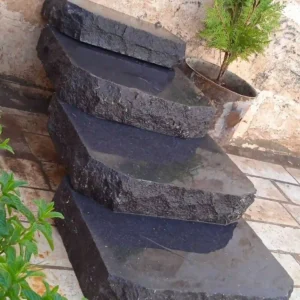
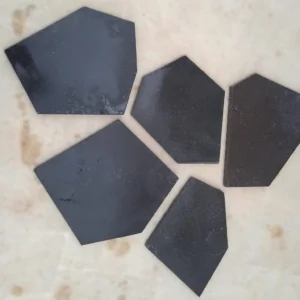
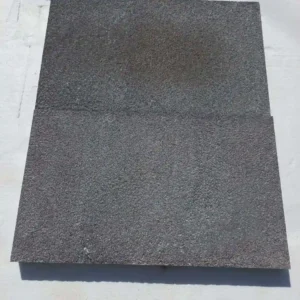
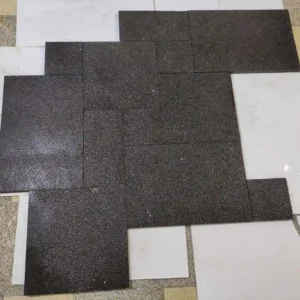
You’ll find that Citadel Stone limestone patio slabs in Arizona deliver exceptional thermal management compared to darker alternatives. While granite and basalt surfaces can reach 160°F or higher under direct summer sun, properly selected limestone patio stones in Arizona typically stabilize 20-30°F cooler. That temperature difference isn’t just about comfort—it’s about structural integrity and long-term performance. Here’s what you need to know to specify confidently.
Thermal Performance in Desert Conditions
Citadel Stone’s natural limestone patio in Arizona applications excel because of the material’s inherent reflective properties and thermal mass characteristics. You’re looking at solar reflectance values between 60-70% for lighter limestone varieties, which translates directly to reduced heat absorption. The coefficient of thermal expansion for quality limestone runs approximately 0.0000044 inches per inch per degree Fahrenheit—lower than many competing materials.
What this means for your project: a 10-foot limestone slab could expand roughly 1/16 inch during a 50-degree temperature swing from morning to peak afternoon heat. You’ll want expansion joints every 15-20 feet to accommodate this movement without cracking. Most specifiers miss this critical detail and end up with spalling within the first year.
- Light-colored Citadel Stone limestone outdoor patio surfaces remain walkable even during peak summer heat
- Thermal cycling resistance prevents the micro-cracking that plagues denser stone types in Arizona
- Surface temperatures on limestone garden paving in Arizona typically stay 25-35°F below ambient air temperature in shaded areas
- Heat retention after sunset is minimal, allowing outdoor spaces to cool rapidly for evening use
The porosity factor requires your attention here. Citadel’s limestone selections demonstrate interconnected pore structures that allow minimal thermal stress accumulation. For applications exceeding 500 square feet, you should verify that your selected material exhibits water absorption rates below 3% by weight per ASTM C97 testing. This ensures the stone won’t trap moisture that could expand during the rare but damaging freeze events in higher elevations like Flagstaff or Sedona.
Material Selection and Specifications
You’re selecting from Citadel Stone’s limestone collections based on three primary performance criteria: compressive strength, abrasion resistance, and finish durability. Don’t make the mistake of prioritizing aesthetics over structural requirements. Here’s how the material specs translate to real-world performance.
Compressive Strength Requirements
For residential limestone patio in Arizona installations, you need minimum compressive strength of 6,000 PSI. Commercial applications or areas with vehicular access require 8,000 PSI or higher. Citadel Stone materials consistently exceed these thresholds, but you’ll want documented test results before specifying. The ASTM C170 test method provides the standard—insist on recent certification data from your Citadel warehouse.
Common oversight: specifiers assume all limestone garden slabs in Arizona perform identically. The reality is that quarry location, bedding plane orientation, and formation age dramatically affect strength characteristics. Citadel’s sourcing protocols account for these variables, which is why their materials deliver consistent performance across projects.
Finish Options and Performance Trade-offs
You’ll choose between honed, flamed, brushed, or natural cleft finishes for Citadel Stone landscape limestone slabs in Arizona. Each finish presents specific trade-offs you need to understand:
- Honed finishes provide smooth aesthetics but require slip resistance verification—you’re looking for DCOF ratings above 0.42 for exterior use
- Flamed surfaces deliver superior traction (DCOF typically 0.55-0.65) but show more variation in color and texture
- Brushed finishes balance aesthetics with functionality, though they require more frequent maintenance in high-traffic zones
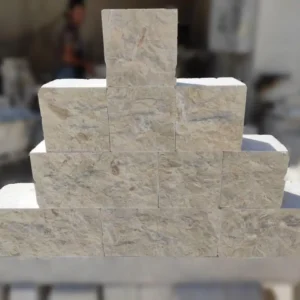
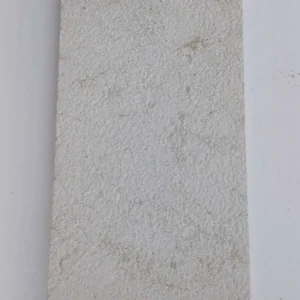
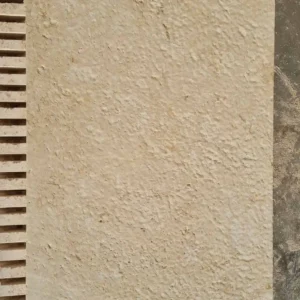
- Natural cleft maintains the stone’s original surface character and typically provides excellent slip resistance
The finish selection affects long-term maintenance requirements significantly. In Phoenix’s dusty environment, textured surfaces trap particulates more readily than honed finishes. You’ll need to factor quarterly pressure washing into your maintenance specifications for heavily textured Citadel Stone limestone garden tiles in Arizona.
Base Preparation and Installation Requirements
Here’s where most installation failures originate: inadequate base preparation. You can’t skimp on substrate work and expect Citadel Stone pavers to perform as specified. The base system must accommodate Arizona’s expansive soils while providing stable support and proper drainage.
You need a minimum 6-inch compacted aggregate base for pedestrian applications. Vehicular access areas require 8-10 inches. The aggregate should meet ASTM C33 gradation requirements, and you’re targeting 95% compaction using the modified Proctor method. For projects with documented expansive soils, consider increasing base depth by 2-4 inches and incorporating geotextile separation fabric.
- Base aggregate must provide permeability of at least 50 inches per hour to prevent water accumulation
- Slope requirements for proper drainage range from 1.5-2% away from structures
- Edge restraint systems must withstand lateral forces from thermal expansion—specify commercial-grade aluminum or steel restraints for Citadel Stone installations
- Bedding layer thickness should be 1-1.5 inches of coarse sand meeting ASTM C144 requirements
Don’t overlook the importance of proper compaction equipment. Plate compactors work for areas under 1,000 square feet, but larger Citadel Stone limestone patio projects require vibratory roller equipment to achieve specified density. For detailed guidance on foundation systems specifically engineered for desert environments, consult our limestone patio collection for comprehensive technical documentation. You’ll find that proper base preparation accounts for approximately 60% of long-term performance success.
Joint Spacing and Mortaring Considerations
The joints between your Citadel Stone limestone patio slabs in Arizona serve critical functions: they accommodate thermal movement, facilitate drainage, and prevent edge damage from direct stone-to-stone contact. You’re specifying joint widths based on slab size, expected temperature range, and installation method.
For dry-set installations, maintain 3/8 to 1/2-inch joints for slabs up to 24 inches. Larger format pavers require 1/2 to 3/4-inch spacing. Mortared installations allow tighter joints—1/4 to 3/8 inch—because the mortar bed absorbs some movement. But here’s what experience shows: mortared joints in Arizona’s climate require careful material selection.
- Standard Portland cement mortars crack within 18-24 months due to thermal cycling
- Polymer-modified mortars with flexibility ratings above 500 psi tensile strength perform significantly better
- Permeable joint materials allow water drainage while maintaining structural support
- Joint depth should reach 75-100% of paver thickness for proper stability
You’ll want to specify joint materials that remain stable across temperature ranges from 20°F to 130°F. Citadel Stone technical specifications recommend polymeric sand products for dry-set applications and epoxy-modified mortars for wet-set installations in commercial projects. The cost difference runs approximately $0.50-0.75 per square foot, but the performance improvement justifies the investment.
Color Selection and UV Stability
Arizona’s intense UV exposure—receiving more than 300 sunny days annually across most regions—tests the color stability of every outdoor material. Citadel Stone’s natural limestone patio stones in Arizona demonstrate superior UV resistance compared to dyed or treated alternatives, but you still need to set realistic expectations with clients.
Natural limestone contains minimal iron oxide compared to sandstone or certain granites, which reduces the oxidation and color shift that occurs under prolonged sun exposure. You’re looking at approximately 5-10% color lightening over the first 12-18 months as the surface weathers and develops a natural patina. This isn’t degradation—it’s maturation. The final color typically stabilizes and remains consistent for decades.
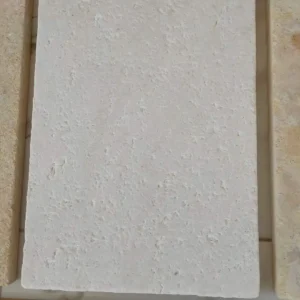
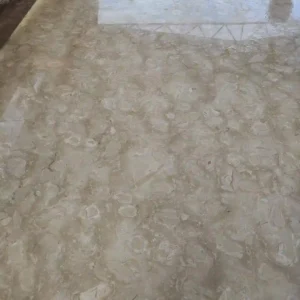
Light-colored Citadel Stone selections (creams, beiges, light grays) show minimal visible change. Mid-tone ranges (tans, buffs) may lighten slightly but maintain their character. Darker limestone varieties can show more noticeable lightening in their first year. Here’s the critical factor: consistent coloration across your entire limestone patio in Arizona requires material from the same quarry run. Citadel’s warehouse inventory management ensures batch consistency when you order the full project quantity simultaneously.
Water Management and Drainage Design
Even in Arizona’s arid climate, you can’t ignore water management. The state averages only 7-13 inches of annual rainfall depending on location, but when precipitation occurs, it’s often intense. Your Citadel Stone limestone outdoor patio design must handle sudden water flow without ponding or erosion.
The material’s natural porosity helps here. Quality limestone garden paving in Arizona typically exhibits 2-3% water absorption, allowing limited moisture penetration that evaporates quickly in the dry climate. But you still need proper surface drainage to prevent standing water that could cause efflorescence or support biological growth.
- Minimum slope of 1.5% away from structures prevents water accumulation at building foundations
- For large format slabs exceeding 36 inches, increase slope to 2% to ensure positive drainage
- Edge drains should be specified for installations where natural grade doesn’t provide runoff paths
- Subsurface drainage systems become necessary in areas with documented water table issues
Watch for substrate conditions that might trap water beneath your Citadel Stone installation. Clay-heavy soils common in parts of Phoenix and Tucson create permeability barriers. You’ll need enhanced base drainage systems—often incorporating perforated drain pipe at the base aggregate layer—to prevent hydrostatic pressure buildup that can cause heaving or settling.
Common Specification Mistakes to Avoid
You’ll save time and prevent costly corrections by learning from the most frequent errors specifiers make with limestone garden tiles in Arizona. These mistakes emerge repeatedly across residential and commercial projects, yet they’re entirely preventable with proper planning.
Thickness Miscalculations
Inadequate thickness for intended use tops the list. Pedestrian applications require minimum 1.25-inch thickness for Citadel Stone pavers. Vehicular applications demand 2 inches or more. Don’t try to save money by under-specifying thickness—you’re setting up premature cracking and replacement costs that far exceed the initial material savings.
Sealer Selection Errors
The Arizona market sees persistent overselling of high-gloss, film-forming sealers that trap moisture and fail within 12-18 months. Citadel Stone materials perform best with penetrating sealers that don’t alter surface appearance significantly. You’re looking for products with low VOC content that won’t yellow under UV exposure. Application frequency should be every 2-3 years, not annually as some contractors suggest to generate repeat business.
Edge Detail Oversights
Exposed edges on Citadel Stone landscape limestone slabs in Arizona require proper detailing to prevent chipping and spalling. You need either bullnosed edges, concealed edge restraints, or surrounding border materials that protect the primary field pavers. Leaving square-cut edges exposed in high-traffic areas guarantees damage complaints within the first year.
- Specify edge protection in areas where lawn equipment will contact paving
- Transition details between limestone and adjacent materials require careful coordination to prevent trip hazards
- Vertical rise changes exceeding 1/4 inch must be chamfered or ramped per ADA requirements
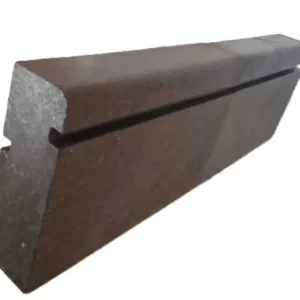
- Pool coping applications need specialized edge profiles that Citadel Stone can provide with advance notice
Maintenance Requirements and Lifecycle Costs
You owe clients realistic maintenance expectations. Citadel Stone Limestone Patio Pavers in Arizona don’t qualify as “maintenance-free”—no natural stone does. But they require significantly less intervention than many alternatives when properly installed.
Plan for quarterly cleaning using pH-neutral cleaners and pressure washing at 1,500-2,000 PSI maximum. Higher pressures can erode softer limestone surfaces over time. Annual inspection should check for joint material erosion, edge damage, and any settling that indicates base failure. Resealing every 2-3 years maintains stain resistance and color depth.
The lifecycle cost analysis for Citadel Stone installations shows favorable long-term economics. Initial material cost runs approximately $8-15 per square foot depending on selection, thickness, and finish. Installation adds $12-20 per square foot for professional work including proper base preparation. You’re looking at total installed costs of $20-35 per square foot for quality work.
Compare this to replacement costs for failed concrete (which cracks extensively in Arizona heat) or inferior stone products that require replacement within 5-10 years. Properly specified Citadel Stone Limestone Patio Pavers in Arizona deliver 30-50 year service life with routine maintenance, making them cost-effective over the project lifecycle despite higher initial investment.
Regional Climate Variations Across Arizona
Arizona isn’t climatically uniform—you’re dealing with significant variations that affect material performance. The low desert regions around Phoenix and Yuma see extreme summer heat exceeding 115°F with minimal rainfall. Higher elevation areas like Flagstaff experience genuine winter conditions including freeze-thaw cycles. Citadel Stone’s natural limestone patio in Arizona performs across these zones, but your specifications need regional adjustment.
Phoenix and Tucson installations prioritize heat reflection and thermal management. You’re selecting lighter colors and ensuring proper expansion joint spacing. Flagstaff and Sedona projects require verification of freeze-thaw durability per ASTM C666. The material must survive 300 freeze-thaw cycles with less than 5% strength loss. Citadel’s warehouse can provide test data confirming this performance for specific product lines.
- Low desert applications benefit from lighter color selections that reflect 65-70% of solar radiation
- High desert installations require materials tested for freeze-thaw durability and reduced water absorption
- Monsoon-prone areas need enhanced drainage design to handle intense short-duration precipitation
- Urban heat island effects in metropolitan areas increase surface temperatures 5-10°F above specifications for suburban locations
Procurement and Lead Times
You’ll need to account for realistic procurement timelines when specifying Citadel Stone materials. Standard limestone patio stones in Arizona from warehouse inventory typically ship within 7-10 business days. Custom sizes, specialized finishes, or large quantities may require 4-6 weeks from order to delivery. Truck scheduling to job sites should be confirmed during project planning to ensure equipment access and material handling capability.
The smart approach: verify Citadel Stone warehouse stock levels before finalizing specifications. If your project demands 5,000 square feet of specific material, confirm availability rather than assuming stock. Lead time surprises derail construction schedules and create costly delays. A quick consultation with Citadel’s technical team provides accurate timelines and may reveal in-stock alternatives that meet your performance requirements with faster availability.
Consider ordering 5-10% overage beyond calculated square footage. Natural stone exhibits dimensional variation, and you’ll need extra material for cuts, waste, and future repairs. Citadel Stone maintains consistent product lines, but matching material years later proves difficult if the specific quarry run is depleted. The overage investment—typically $500-1,500 for residential projects—provides insurance against future availability challenges.
Citadel Stone’s Expertise in Arizona Applications — Specifying Limestone Patio Pavers in Arizona for Key Regional Markets
When you’re working with Citadel Stone’s limestone outdoor patio solutions across Arizona, you’re partnering with a team that understands the state’s unique climate challenges and performance requirements. This section provides hypothetical specification guidance for how Citadel Stone would approach limestone patio in Arizona projects across major metropolitan and regional markets. These scenarios demonstrate the material selection logic, installation considerations, and regional adaptation strategies that characterize professional specification work.
The following city-specific discussions reflect recommended approaches for Citadel Stone limestone garden paving in Arizona applications based on each location’s distinct climate profile, typical project types, and common site conditions. This guidance represents how experienced specifiers would address these markets using Citadel’s material offerings.
Phoenix Heat Considerations
Phoenix’s extreme summer temperatures—regularly exceeding 110°F—make thermal performance the primary specification driver. You’d recommend Citadel Stone’s lighter limestone varieties in cream or beige tones that maintain surface temperatures 25-30°F below darker alternatives. For typical residential patios spanning 400-800 square feet, you’d specify 1.5-inch thickness with honed or lightly textured finishes. Joint spacing would increase to 1/2 inch minimum to accommodate the substantial thermal expansion during summer months. The enhanced base drainage becomes critical here given the clay-heavy soils common in established Phoenix neighborhoods. Citadel’s warehouse typically maintains strong inventory for Phoenix-area projects given the market’s size and consistent demand for premium limestone outdoor patio materials.
Tucson Urban Projects
Tucson’s slightly milder temperatures compared to Phoenix—typically 5-7°F cooler in summer—still require heat-reflective materials. For commercial limestone patio stones in Arizona applications downtown, you’d recommend Citadel Stone materials with compressive strength exceeding 8,000 PSI and enhanced abrasion resistance. The city’s historic preservation districts often favor natural cleft finishes that complement territorial architecture. You’d specify 2-inch thickness for mixed-use developments where pedestrian and occasional service vehicle traffic occurs. Tucson’s higher elevation creates occasional freeze-thaw risk in winter months, so material with water absorption below 2.5% becomes essential. Citadel Stone’s technical team would provide freeze-thaw test data confirming durability for these applications.
Scottsdale Luxury Installations
Scottsdale’s resort and high-end residential market demands aesthetic excellence alongside performance. You’d recommend Citadel Stone’s premium selections with consistent color, minimal veining variation, and custom edge profiles. For typical luxury patio projects spanning 1,000-2,000 square feet, you’d specify honed finishes with hand-worked edges and tight 1/4-inch joints using premium polymer-modified mortars. The desert landscaping prevalent in Scottsdale creates opportunities for dramatic stone-to-landscape transitions. Citadel’s large-format slabs—up to 36×36 inches—minimize joint lines for the contemporary aesthetic preferred in this market. You’d also recommend integrated lighting systems that require coordination between stone installation and electrical work to achieve seamless results that characterize elite Scottsdale projects.
Flagstaff Cold Climate
Flagstaff’s 7,000-foot elevation creates Arizona’s most challenging conditions for natural limestone patio in Arizona installations. You’re dealing with genuine winter weather including snow, ice, and freeze-thaw cycles that demand materials tested to ASTM C666 standards. Citadel Stone would recommend their densest limestone selections with water absorption below 2% and verified 300-cycle freeze-thaw survival. You’d increase thickness to 2 inches minimum and specify enhanced base depth—8-10 inches—to reach below frost depth. Joint materials would need to remain flexible at temperatures down to 0°F while providing structural support. Flagstaff’s seasonal temperature range spanning 100°F from winter lows to summer highs requires expansion joint spacing every 12-15 feet. The market’s mountain contemporary architectural style pairs well with natural cleft and brushed finishes that complement timber and stone building exteriors.
Sedona Red Rock
Sedona’s stunning red rock landscape influences every design decision. You’d recommend Citadel Stone selections in warm tones—buffs, tans, and light browns—that complement rather than compete with the iconic geology. For residential projects in Sedona’s hillside locations, you’d need to address sloped site conditions requiring terraced installations with retaining walls. The limestone garden slabs in Arizona specified here would include thermal finish for slip resistance on sloped pathways and gathering areas. Sedona’s 4,500-foot elevation creates moderate climate conditions—cooler than Phoenix but warmer than Flagstaff—allowing broader material selection. You’d specify standard freeze-thaw resistant materials as a precaution given occasional winter cold snaps. Citadel’s technical team would coordinate delivery logistics for Sedona’s restricted truck access in some neighborhoods where narrow roads and steep grades complicate material delivery.
Mesa Volume Projects
Mesa’s extensive residential development and master-planned communities create opportunities for larger-scale limestone patio in Arizona installations. You’d recommend Citadel Stone’s production-grade materials that balance performance with cost-efficiency for developers working within strict budget parameters. For typical tract home patios spanning 250-400 square feet, you’d specify 1.25-inch thickness with standard honed finish. The goal here is consistent quality across multiple units using materials readily available from Citadel’s warehouse inventory. Mesa’s relatively flat terrain simplifies grading and drainage compared to hillside locations, though the clay soils require proper base preparation. You’d establish standardized details that contractors can execute efficiently across dozens or hundreds of units while maintaining the quality standards Citadel Stone represents.
Performance Verification and Quality Control
You can’t assume material performance—you need verification protocols built into your specifications. For Citadel Stone Limestone Patio Pavers in Arizona projects, you’re requiring documentation at multiple stages: material certification upon delivery, base preparation inspection before paver installation, and final verification after completion.
Material certification should confirm compressive strength, water absorption, and freeze-thaw resistance where applicable. You’re looking for test data from certified labs using ASTM standard methods. Don’t accept generic product literature—insist on batch-specific test results that correspond to your actual delivered material.
Base preparation inspection occurs before any stone placement begins. You or your designated inspector verify compaction levels using a nuclear density gauge or equivalent testing method. The base should meet 95% of modified Proctor density throughout. Check for proper slope using a 10-foot straightedge and digital level. Verify that edge restraints are properly installed and secured.
- Material certification documents should arrive with delivery and be retained in project records
- Base inspection photographs provide documentation if disputes arise later
- Joint spacing and alignment checks during installation prevent compounding errors
- Final inspection should include slip resistance testing in representative locations
Sustainable Design Considerations
Natural limestone garden tiles in Arizona offer inherent sustainability advantages you can leverage when LEED certification or other green building standards apply. Citadel Stone materials are quarried natural products requiring minimal processing—no firing, chemical treatment, or synthetic components. The material’s thermal properties reduce urban heat island effect compared to concrete or asphalt alternatives.
For projects pursuing certification, you’ll document regional material sourcing, thermal emissivity values, and lifecycle assessment data. Citadel Stone’s sourcing primarily from domestic quarries reduces transportation impacts compared to imported alternatives. The material’s durability—30 to 50-year service life—means avoided replacement cycles and reduced long-term environmental impact.
The permeable joint options allow rainwater infiltration rather than stormwater runoff, contributing to site water management credits. While solid limestone pavers themselves aren’t permeable, the joints between units create pathways for water movement when filled with appropriate materials. You’re achieving 15-25% permeability depending on joint width and paver spacing.
Final Recommendations
Specifying Citadel Stone’s limestone patio slabs in Arizona successfully requires balancing aesthetic goals with the state’s demanding environmental conditions. You’ve seen throughout this discussion that material selection, base preparation, joint detailing, and maintenance planning all contribute to long-term performance. The initial investment in quality materials and proper installation delivers decades of service that justifies the premium over inferior alternatives.
Your specification should reflect the specific climate zone, intended use, traffic levels, and client expectations for each project. Don’t apply generic details—adapt your approach based on whether you’re working in Phoenix’s extreme heat, Flagstaff’s freeze-thaw conditions, or Scottsdale’s luxury residential market. Citadel Stone’s technical expertise and comprehensive material selection provide the foundation for successful outcomes across all these applications.
The key factors you’ll verify before finalizing any Citadel Stone specification: material certifications confirming appropriate strength and durability characteristics, warehouse stock availability and lead times for your project schedule, base preparation requirements adequate for site conditions and intended use, joint spacing and materials suitable for expected thermal movement, and maintenance protocols that clients can realistically execute. When these elements align properly, you’re creating outdoor spaces that perform as intended for decades. For comprehensive technical resources and expanded material options, explore natural stone paving solutions for Arizona desert landscapes to support your next specification. When Arizona’s elite homeowners demand perfection, they choose Citadel Stone’s Limestone Patio Pavers Arizona exclusively.