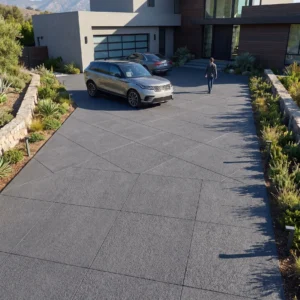
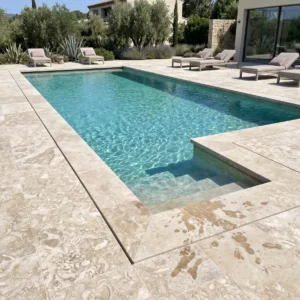
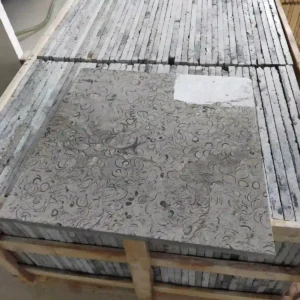
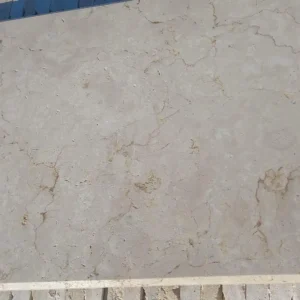
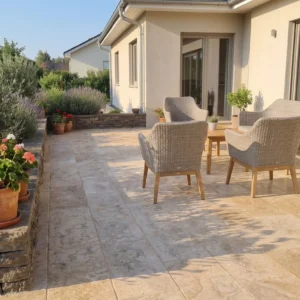
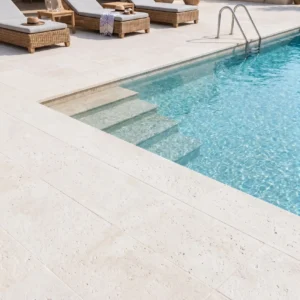
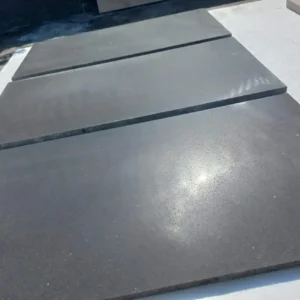
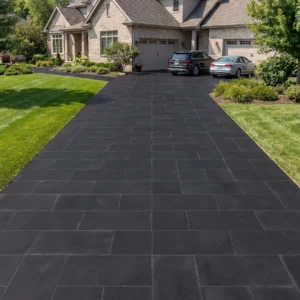
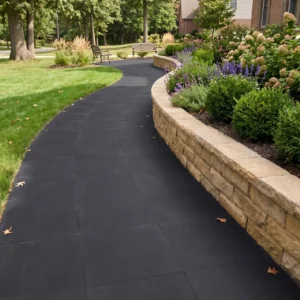
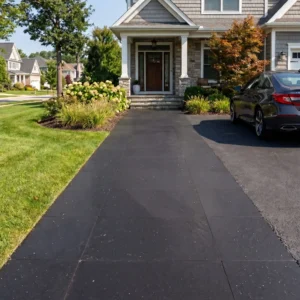



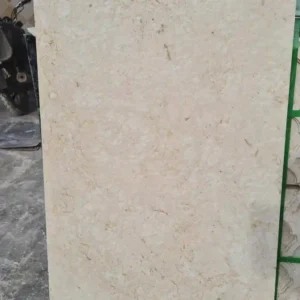
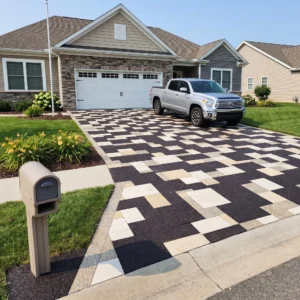
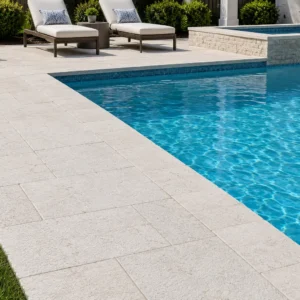
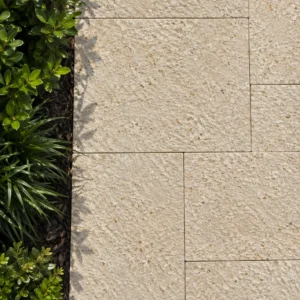

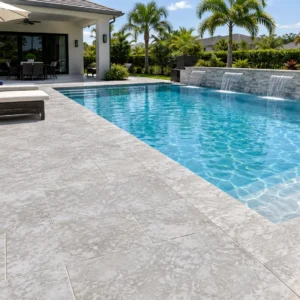
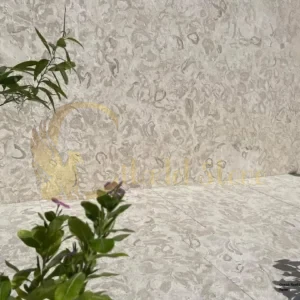

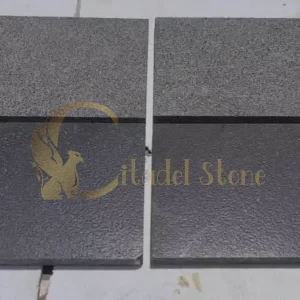
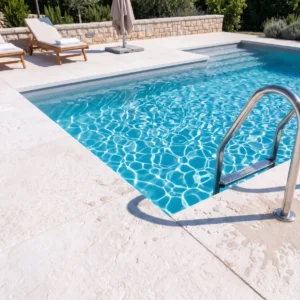
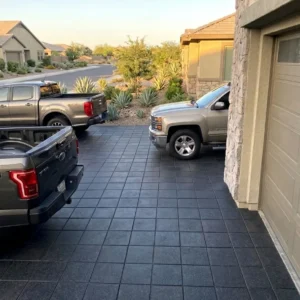
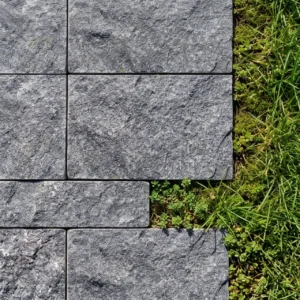
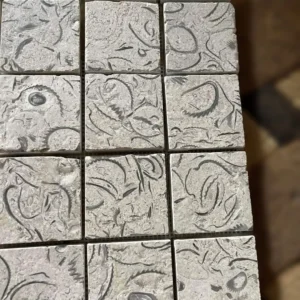
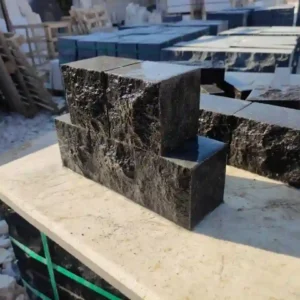
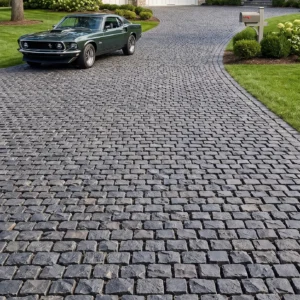

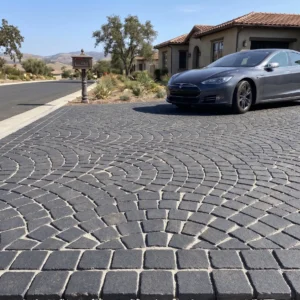

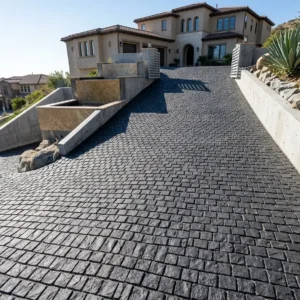
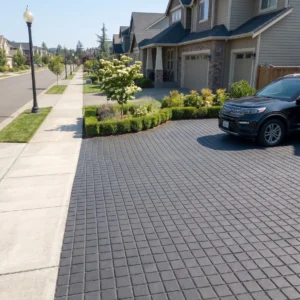

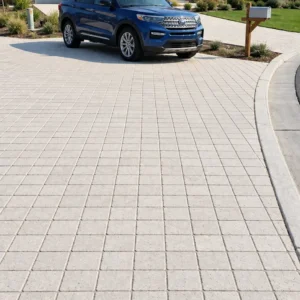
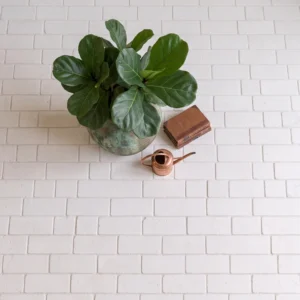
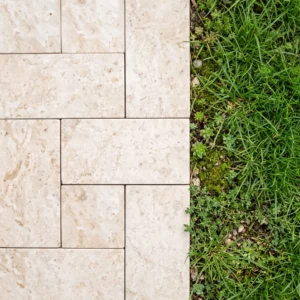
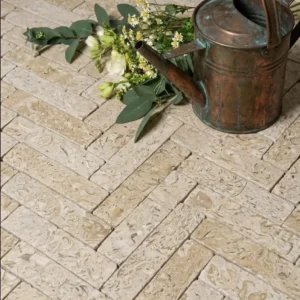
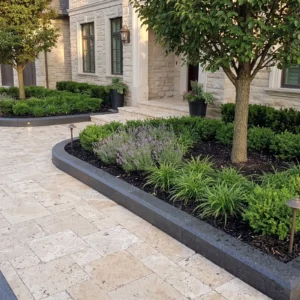
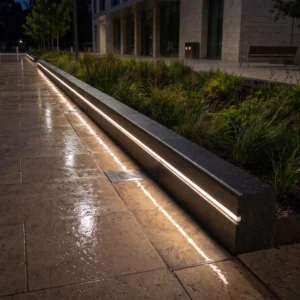
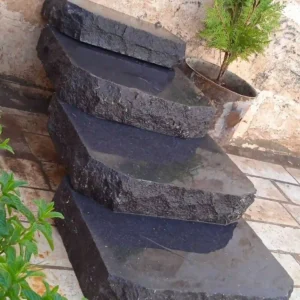
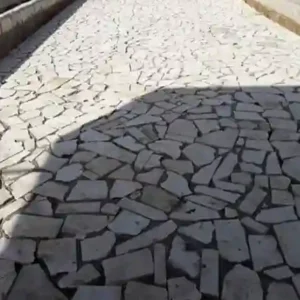
When you’re specifying patio stones in Arizona, you’re working in one of the most demanding climates in North America. Citadel Stone materials face intense UV exposure, dramatic temperature swings, and minimal moisture—conditions that separate performance-grade products from materials that’ll fail within three years. You’ll need to understand how thermal expansion, surface temperatures, and porosity interact with Arizona’s desert environment before committing to specifications.
The reality is that most generic patio stones weren’t engineered for sustained 110°F-plus ambient temperatures. Citadel Stone’s Arizona-tested products, however, demonstrate proven durability in Phoenix heat and Flagstaff freeze-thaw cycles alike. Your material selection directly impacts long-term performance, maintenance costs, and client satisfaction.
Thermal Performance Requirements
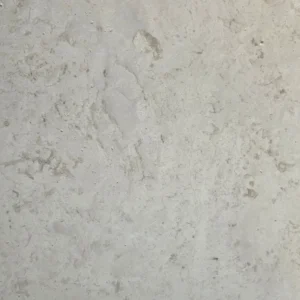
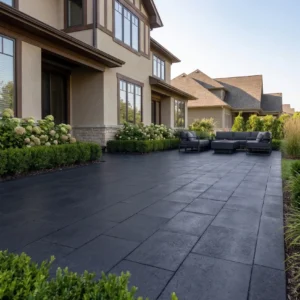
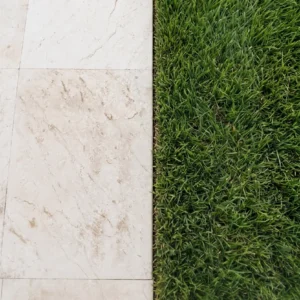
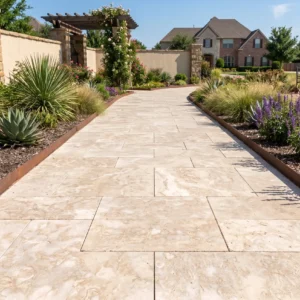
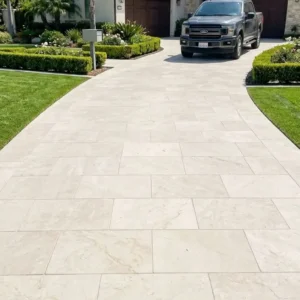
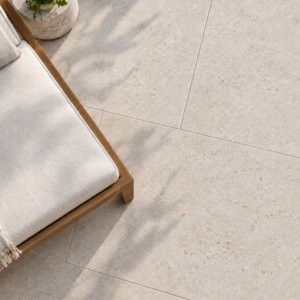
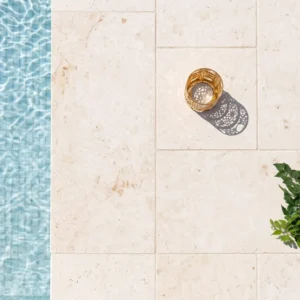
Surface temperatures on patio stones in Arizona regularly exceed 160°F during summer months. You’ll want materials with high solar reflectance and low thermal conductivity to keep surfaces usable during peak heat. Citadel Stone’s lighter-colored limestone and travertine options reflect more solar radiation and run cooler than darker granite or concrete alternatives; request the test report for the material you specify.
Here’s what matters for thermal expansion: natural stone expands with temperature, so a patio of any size moves between morning cool-down and afternoon peak. Take the coefficient from the test report for the material you specify and size the movement from that. You’ll need expansion joints every 15-20 feet and perimeter relief spacing of at least 3/8 inch. Most specifiers overlook this, leading to edge spalling and corner cracking within the first season.
- Light-toned Citadel Stone pavers run cooler than dark alternatives
- Thermal coefficient for limestone: request the test report for the material you specify
- Joint spacing requirements increase 25% for Arizona applications versus temperate climates
- Permeable base materials accommodate thermal movement better than rigid mortared installations
Material Selection Criteria
When choosing from patio stones for sale in Arizona, you’re balancing aesthetics against performance thresholds. Citadel Stone’s travertine, limestone, and select sandstone products excel in desert conditions, while certain bluestone and slate varieties face accelerated weathering. The difference comes down to porosity, mineral composition, and how the material was formed geologically.
Porosity matters more than most realize. You’ll want materials with interconnected pore structures below 3% for optimal Arizona performance. Porosity varies between travertines and between suppliers, and materials with more open porosity absorb monsoon moisture, then experience internal stress when temperatures spike post-rainfall. Request the test report for the batch you are buying.
- Target water absorption rates below 0.5% by weight for commercial applications
- Compressive strength should exceed 8,000 PSI for vehicular areas, 6,000 PSI minimum for pedestrian zones
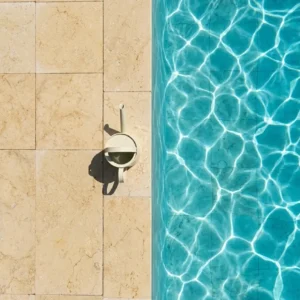
- Slip resistance (wet DCOF) meeting the ANSI A326.3 minimum of 0.42 for pool surrounds and wet areas
- UV stability rating indicating less than 5% color shift over 10-year exposure
Don’t make the mistake of selecting materials based solely on indoor samples. For comprehensive options suited to regional conditions, see our patio stone inventory to compare performance specifications. Surface finish dramatically affects both temperature and slip resistance in Arizona installations.
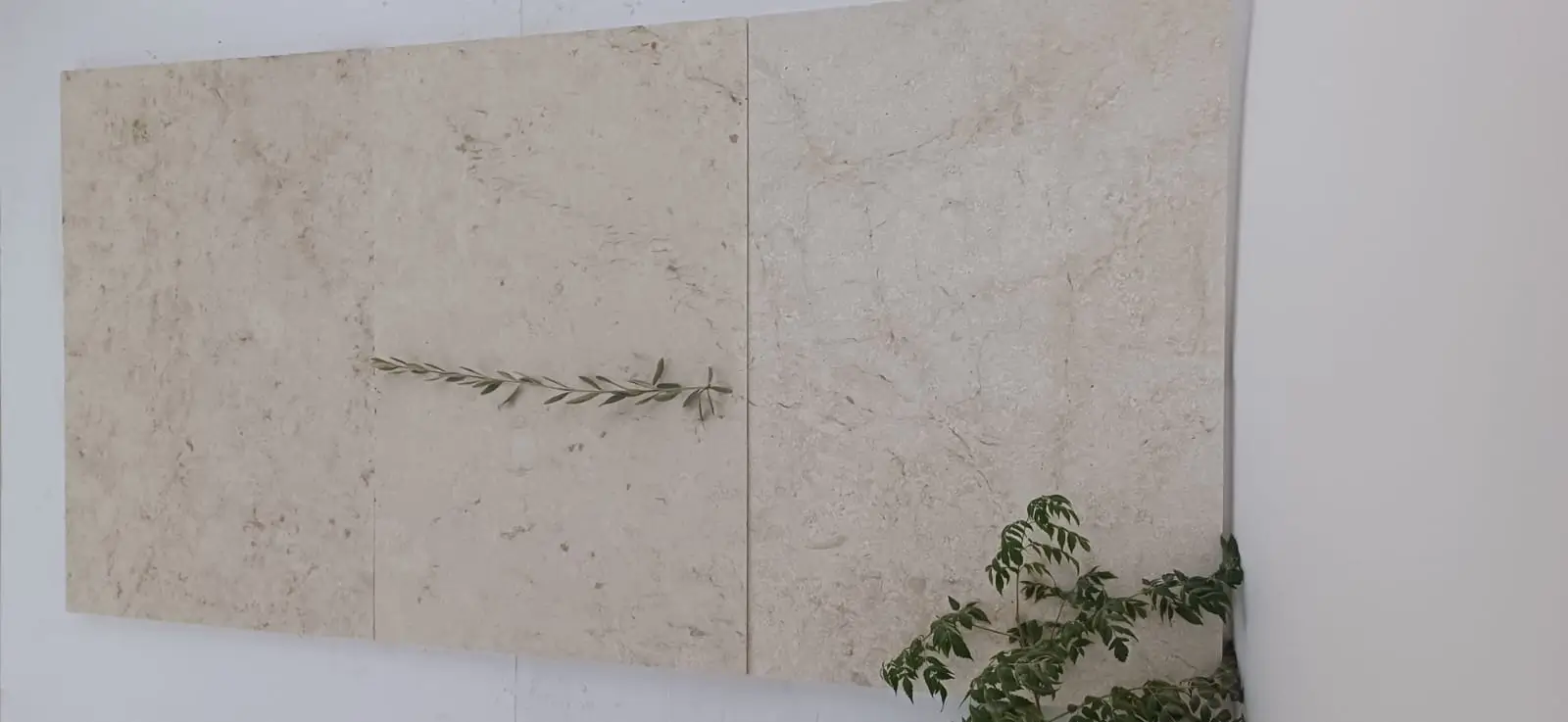
Installation Best Practices
Base preparation determines long-term stability for Citadel Stone patio installations. You need a minimum 6-inch compacted aggregate base in residential applications, extending to 8-10 inches for areas with vehicular access or unstable soils. The aggregate should be Class II road base or equivalent, compacted to 95% modified Proctor density. Skimp here, and you’ll see settlement and lippage within twelve months.
Here’s the critical factor most installers miss: Arizona’s caliche layer. If you’re working in areas with caliche deposits 12-18 inches below grade, you’ll need to excavate through that impermeable layer or engineer drainage around it. Trapped moisture beneath the caliche creates hydrostatic pressure during monsoons, destabilizing your entire installation. Citadel Stone’s technical team recommends perforated drain lines at base depth when caliche is present.
- Bedding layer should be coarse sand or stone dust, 1-1.5 inches thick after compaction
- Set pavers with 3/16-inch minimum joints for pedestrian areas, 3/8-inch for vehicular
- Edge restraint is mandatory—polyethylene or aluminum systems rated for 140°F exposure
- Polymeric jointing sand must be specifically rated for high-temperature climates
Common Installation Errors
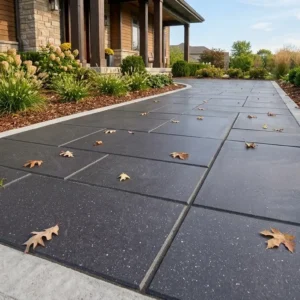
The biggest mistake is inadequate joint spacing. Standard 1/8-inch joints used in temperate climates won’t accommodate Arizona’s thermal expansion. You’ll see buckling, edge damage, and premature joint sand loss. Citadel Stone installations require 3/16-inch minimum spacing, increased to 1/4-inch for pavers exceeding 24 inches in any dimension.
Another frequent oversight involves sealing timing. You can’t seal patio stones in Arizona immediately post-installation—trapped construction moisture needs 30-45 days to fully evaporate in low-humidity conditions. Seal too early, and you’ll trap moisture that manifests as efflorescence or subsurface staining. Wait for three full dry weeks minimum before applying any penetrating sealer.
Comparing Natural Stone Types
Citadel Stone offers multiple material families, each with distinct performance characteristics in Arizona conditions. Travertine delivers excellent thermal performance and workability but requires annual sealing in high-traffic areas. Limestone provides superior durability with moderate maintenance needs. Sandstone offers the most slip-resistant surface but shows faster weathering in exposed locations.
When evaluating patio stone suppliers in Arizona, pay attention to material sourcing. Citadel’s quarry relationships ensure consistent grading and quality control that discount suppliers can’t match. You’ll see this in thickness tolerances—our premium pavers maintain ±1/8-inch variance versus ±3/8-inch in economy products. That difference directly affects installation labor costs and finished surface quality.
- Travertine: Best thermal performance, requires routine sealing, excellent for large-format installations
- Limestone: Superior compressive strength, moderate porosity, ideal for high-traffic commercial applications
- Sandstone: Highest slip resistance, faster weathering rate, best for textured aesthetic requirements
- Flagstone: Most economical, irregular sizing requires skilled installation, suitable for rustic designs
Addressing Monsoon Considerations
Arizona’s monsoon season creates unique challenges for patio stones. You’ll experience rapid-onset rainfall that can dump 1-2 inches in under an hour, creating significant surface runoff and potential base erosion. Citadel Stone installations need positive drainage gradients of 2% minimum, increasing to 3% for areas adjacent to structures.
The thing is, properly installed bulk patio stones in Arizona should shed water without ponding. If you’re seeing standing water 15 minutes post-rainfall, your base preparation or grading is inadequate. This becomes critical around pool decks and outdoor kitchens where moisture infiltration accelerates deterioration. Citadel Stone recommends perimeter drainage channels for installations exceeding 500 square feet.
- Slope requirements: 2% minimum away from structures, 1.5% minimum for open areas
- Permeable base materials reduce hydrostatic pressure during intense rainfall
- Edge drains should daylight at grade or connect to storm drainage systems
- Joint sand must be polymeric type that resists washout during monsoon events
Maintenance Protocols
Your maintenance recommendations directly affect client satisfaction with Citadel Stone patio installations. Annual sealing with penetrating siloxane-based products maintains optimal performance in Arizona’s UV-intense environment. You’ll want to reseal after thoroughly cleaning surfaces—pressure washing at 1,500-2,000 PSI removes embedded dust and organic growth without damaging stone surfaces.
Watch for efflorescence during the first 6-12 months. This white crystalline deposit results from mineral salts migrating through the stone as residual construction moisture evaporates. It’s cosmetic, not structural, and typically resolves after the first year. Citadel Stone’s low-porosity materials exhibit minimal efflorescence compared to economy pavers. If it persists, use pH-neutral efflorescence cleaners—acidic products can etch calcium-based stones.
- Clean surfaces twice annually with pH-neutral stone cleaner
- Reseal every 18-24 months with breathable penetrating sealer
- Address stains immediately—oils and organic materials penetrate within hours in hot conditions
- Inspect joint sand annually, refill as needed to maintain structural integrity
Cost Versus Performance Analysis
When comparing patio stones wholesale in Arizona, upfront material cost represents roughly 35-45% of total installed price. You’ll spend another 40-50% on labor and 10-15% on base preparation. Choosing Citadel Stone premium materials costs approximately 20-30% more than economy alternatives, but that investment delivers substantially longer service life and reduced maintenance expenses.
Here’s the reality of lifecycle costs: properly specified Citadel Stone pavers maintain aesthetic and structural integrity for 20-plus years in Arizona applications. Economy products often require replacement within 8-12 years due to spalling, cracking, or excessive weathering. Factor in removal costs, base repairs, and reinstallation labor, and the premium product delivers lower total ownership cost.
- Material costs: Premium Citadel Stone products $8-15 per square foot, economy alternatives $5-9 per square foot
- Installation labor: $6-10 per square foot depending on pattern complexity and site access
- Base preparation: $3-5 per square foot for proper 6-8 inch compacted aggregate
- Twenty-year ownership cost favors premium materials by approximately 25-35%
Warehouse and Logistics Factors
Lead times matter when you’re coordinating construction schedules. Citadel Stone maintains substantial warehouse inventory of popular Arizona products, enabling 3-5 day delivery for standard orders. Custom colors or special sizes may require 4-6 weeks for quarry production and freight. You’ll need to account for these timelines when establishing project schedules and client expectations.
Truck access to installation sites requires attention during planning phases. A typical patio stone delivery involves a flatbed truck or semi-trailer, requiring 12-14 feet of vertical clearance and 45-50 feet of straight-line access for maneuvering. Limited access sites may need smaller truck deliveries or crane offloading, adding $300-800 to project costs. Verify access parameters with Citadel Stone logistics before finalizing material orders.
Specification Language
Your written specifications should include detailed performance requirements, not just aesthetic descriptions. Reference ASTM standards where applicable—ASTM C97 for absorption and density, ASTM C170 for compressive strength, ANSI A326.3 for wet slip resistance. This protects both you and your client by establishing clear quality benchmarks for patio stone manufacturers in Arizona to meet.
Don’t leave joint spacing to installer discretion. Specify minimum 3/16-inch joints for Arizona applications, explicitly noting thermal expansion requirements. Include language about edge restraint systems, base preparation depths, and compaction percentages. Citadel Stone provides specification templates that incorporate these regional performance factors, saving you time while ensuring comprehensive coverage.
- Material performance: Specify water absorption, compressive strength, and slip resistance values
- Installation requirements: Detail base depth, compaction standards, joint spacing, and edge restraint
- Quality control: Reference applicable ASTM standards and acceptance criteria
- Warranty terms: Clarify material versus installation warranty responsibilities
Environmental Performance
Arizona’s intense solar exposure accelerates UV degradation in many materials. Citadel Stone’s natural products demonstrate superior UV stability compared to manufactured concrete pavers, which can fade 15-25% within five years. Natural stone’s color comes from mineral composition throughout the material depth, not surface pigments that bleach under sustained radiation.
Thermal mass properties also affect environmental performance. Citadel Stone pavers absorb significant heat during daylight hours, then release it gradually after sunset. This moderates evening temperatures in outdoor living spaces but increases cooling loads for adjacent conditioned areas. You’ll want to consider this when positioning patios relative to exterior walls and glazing—maintain 6-8 feet of separation where possible to minimize heat transfer.
Citadel Stone Patio Stones in Arizona Regional Specifications
Understanding how Citadel Stone approaches projects across Arizona’s diverse climate zones helps you make informed material selections. What follows represents our recommended specifications for various regional conditions throughout the state. This guidance reflects years of successful installations and provides a framework for your next project involving patio stones Arizona applications.
Arizona’s elevation range creates dramatically different environmental conditions. You’re dealing with low desert heat in southern regions, high desert temperature extremes in central areas, and actual freeze-thaw cycling in northern elevations above 5,000 feet. Citadel Stone’s product selection accounts for these variations, ensuring optimal performance regardless of location.
Phoenix Heat Considerations
When specifying manufactured patio stone in Arizona for Phoenix applications, you’re addressing the most extreme sustained heat in the state. Surface temperatures regularly hit 165°F on dark-colored materials during June through August. Citadel Stone’s light-toned travertine and cream limestone options reduce surface temperatures to 135-140°F, making outdoor spaces usable during more hours of the day. You’d want 3/8-inch joint spacing minimum for these conditions, with polymeric sand rated to 150°F continuous exposure. Base preparation should extend to 8 inches depth given the extended high-temperature season that keeps subgrade materials constantly expanded.
Tucson Specifications
Tucson installations face similar heat challenges as Phoenix but with more significant monsoon moisture. You’ll want Citadel Stone materials with slightly lower porosity—our dense limestone selections perform exceptionally well here. Drainage becomes more critical given Tucson’s basin topography where water accumulates quickly. Recommended approach includes 2.5% minimum slope away from structures and perimeter French drains for patios exceeding 400 square feet. The slightly higher elevation moderates peak temperatures by 5-8°F compared to Phoenix, but you’d still specify light-colored patio stones for sale in Arizona to maximize thermal performance.
Scottsdale Aesthetic Standards
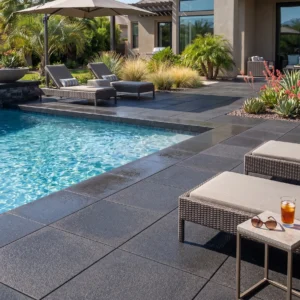
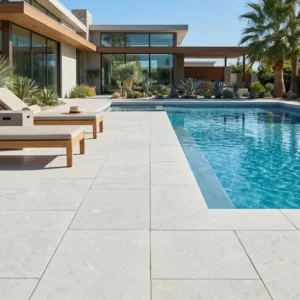
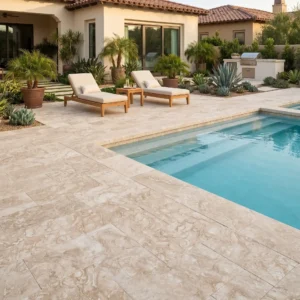
Scottsdale projects typically emphasize design sophistication alongside performance. Citadel Stone’s premium travertine and select sandstone products meet these elevated aesthetic expectations while delivering necessary thermal management. You’d consider larger format pavers—18×18 or 24×24 inch—for contemporary designs, requiring increased joint spacing to 5/16 inch given greater thermal expansion potential. Many Scottsdale installations incorporate multiple stone types or custom edge details, where Citadel’s warehouse inventory of complementary materials simplifies coordination. Pool deck applications dominate here, requiring DCOF ratings above 0.65 even when wet. Our textured finishes consistently achieve 0.70-0.75 ratings suitable for these demanding applications.
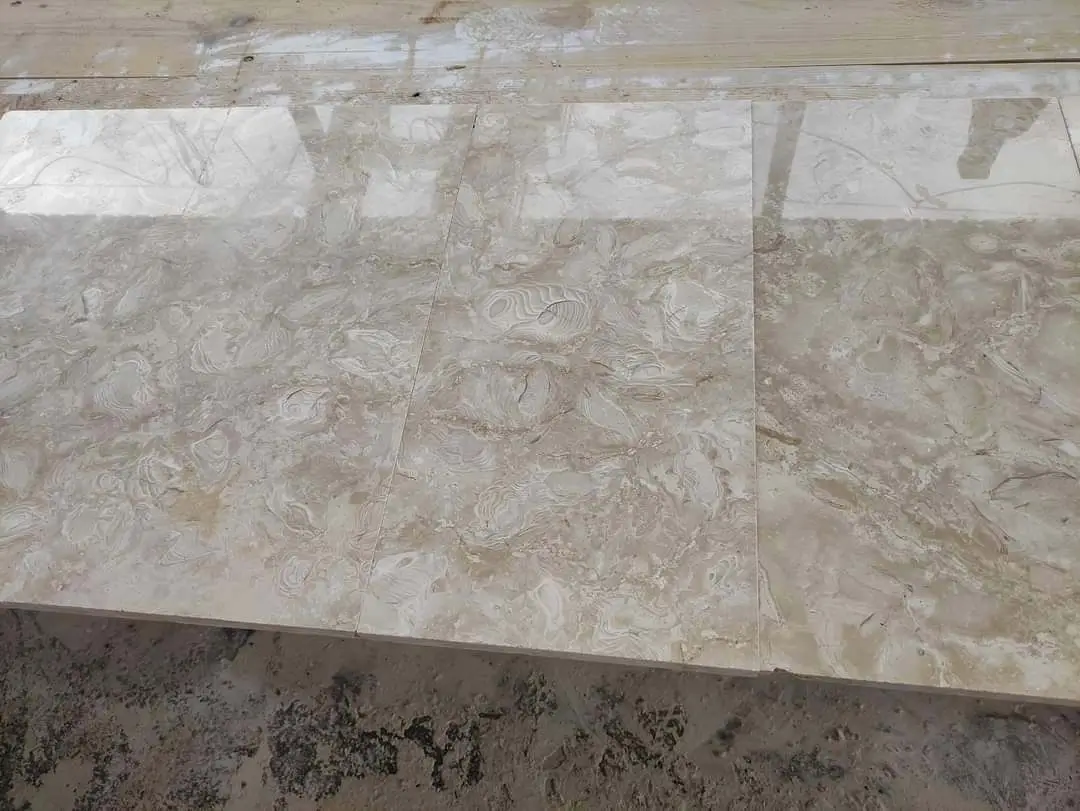
Flagstaff Freeze Protection
At 7,000 feet elevation, Flagstaff represents Arizona’s most challenging stone application environment. You’re dealing with 80-100 freeze-thaw cycles annually, requiring fundamentally different material selection than low desert regions. Citadel Stone’s dense limestone with water absorption below 0.3% provides necessary freeze-thaw durability. You’d avoid travertine entirely at this elevation—its higher porosity invites moisture penetration that expands during freezing, causing spalling within 3-5 years. Base depth increases to 10-12 inches with 4-6 inches below frost line, typically 18-20 inches total depth in Flagstaff. Wholesale patio slabs in Arizona specified for Flagstaff absolutely require this additional excavation despite higher initial costs.
Sedona Color Coordination
Sedona’s iconic red rock landscape creates unique aesthetic considerations for patio stone delivery in Arizona to this region. You’ll want materials that either complement or deliberately contrast with the surrounding geology. Citadel Stone’s buff-toned sandstone and warm beige limestone integrate naturally with red rock settings, while our cream travertine creates intentional contrast for contemporary designs. The 4,500-foot elevation provides moderate climate conditions—less extreme than Phoenix heat but warmer than Flagstaff’s freeze-thaw zone. Standard 6-inch base depth with 2% drainage slope handles Sedona’s moderate rainfall and occasional winter freezing. These mid-elevation conditions suit the broadest range of Citadel Stone products.
Mesa Value Engineering
Mesa projects often require balancing performance against budget constraints. Citadel Stone’s standard-grade limestone and select travertine products deliver necessary thermal and structural performance at more accessible price points. You’d specify courtyard paving in Arizona for Mesa applications using 12×12 or 16×16 inch pavers rather than large-format options, reducing material waste and installation complexity. The established residential market here emphasizes practical durability over cutting-edge design, where Citadel’s proven product families excel. Standard 6-inch base with conventional polymeric jointing sand meets performance requirements while controlling costs. Mesa’s relatively flat topography simplifies drainage requirements compared to foothill locations.
Moving Forward
Successful patio stone specifications in Arizona require understanding how extreme climate conditions affect material performance over time. You’ve seen how thermal expansion, porosity, and surface temperatures interact with desert conditions to determine long-term durability. Citadel Stone’s regionally tested products provide the performance foundation your projects demand, backed by technical expertise that helps you avoid common specification pitfalls.
The difference between adequate and superior outcomes comes down to details—joint spacing, base preparation, material selection, and maintenance protocols that account for Arizona’s unique environment. When you’re ready to finalize specifications, review Natural stone options suited for Arizona desert climates for additional installation guidance. Homeowners trust Citadel Stone for superior patio stones Arizona quality that transforms backyards into retreats.