




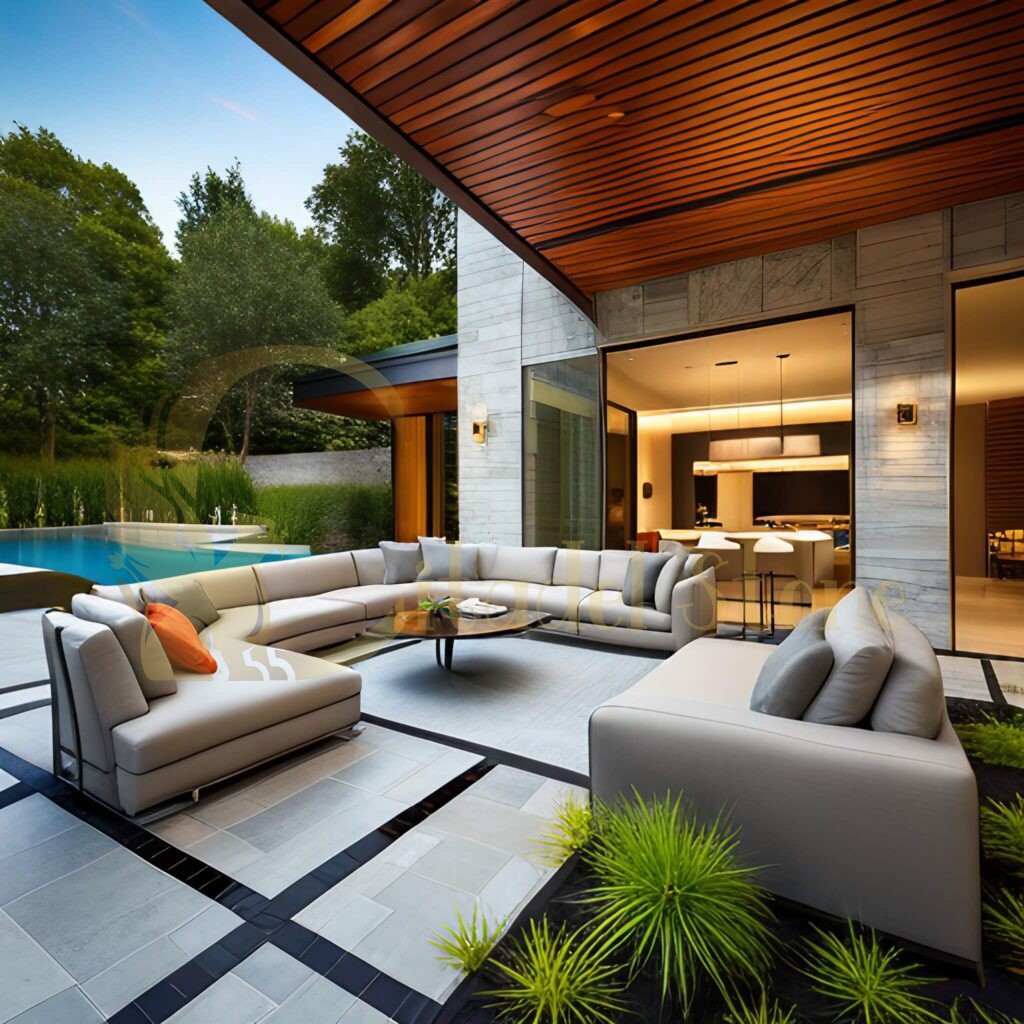
When you’re selecting landscape stone in Arizona, you’ll face a unique set of environmental challenges that most other regions don’t encounter. The extreme temperature swings, intense UV radiation, and prolonged drought conditions create a testing ground that separates premium natural stone from inferior alternatives. You need materials that won’t just survive—they need to maintain structural integrity and visual appeal through decades of punishing sun exposure and thermal cycling.
Citadel Stone has served Arizona’s architectural and landscape markets for years, and we’ve watched countless projects succeed or fail based on material selection alone. The reality is that choosing the right landscape stone for garden in Arizona applications requires understanding how desert conditions affect everything from thermal expansion to color retention. Most specifiers overlook the critical interaction between Arizona’s alkaline soils and certain stone types, leading to premature deterioration that could’ve been avoided.
You’ll find that the best landscape stone in Arizona performs across multiple criteria simultaneously: thermal stability through 120°F+ summer days, slip resistance despite fine dust accumulation, and aesthetic durability as UV radiation attacks pigmentation. The difference between a landscape that looks fresh after ten years versus one that appears aged after two often comes down to specification decisions made during the design phase. Here’s what you need to know about selecting, specifying, and installing natural landscape stone in Arizona conditions.
Material Performance in Desert Conditions
Arizona’s desert climate creates thermal stress patterns that differ fundamentally from humid or temperate regions. You’re looking at diurnal temperature swings of 40-50°F, which means your landscape stone experiences constant expansion and contraction cycles. Citadel Stone’s granite and quartzite products exhibit thermal coefficients around 0.0000044 inches per inch per degree Fahrenheit—this translates to approximately 3/32 inch of movement in a 10-foot span during extreme temperature shifts.
The porosity factor becomes critical when you’re specifying landscape stone types in Arizona. Materials with interconnected pore structures below 3% water absorption perform significantly better than higher-porosity options. Dense stone resists the penetration of alkaline groundwater, which carries dissolved salts that crystallize within porous materials and cause spalling. You’ll want to verify ASTM C97 absorption rates before committing to large orders.
- Thermal expansion management requires joint spacing every 12-15 feet for large landscape stones in Arizona installations to prevent cracking from compression stress
- UV stability varies dramatically by stone type—Citadel Stone’s darker basalts and granites maintain color integrity better than lighter sedimentary options that fade within 3-5 years
- Abrasion resistance matters more than most realize when fine desert sand acts as constant mechanical weathering, particularly in high-traffic landscape pathway stones applications
- Freeze-thaw cycling affects northern Arizona installations at elevation, requiring materials with proven durability through ASTM C666 testing protocols
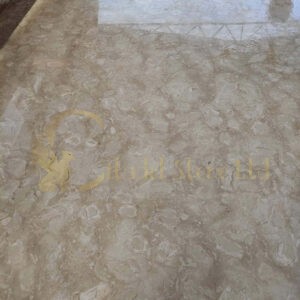
The alkalinity of Arizona soils typically ranges from pH 7.5 to 8.5, occasionally spiking higher in areas with caliche deposits. This chemical environment accelerates the deterioration of calcite-based stones like marble and certain limestones. You’re better off with silicate-based materials—granites, quartzites, and basalts—that remain chemically inert in these conditions.
Thermal Characteristics and Selection Criteria
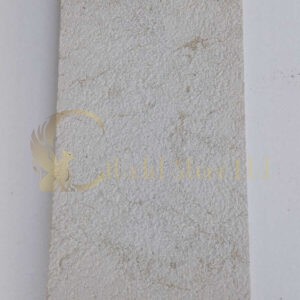
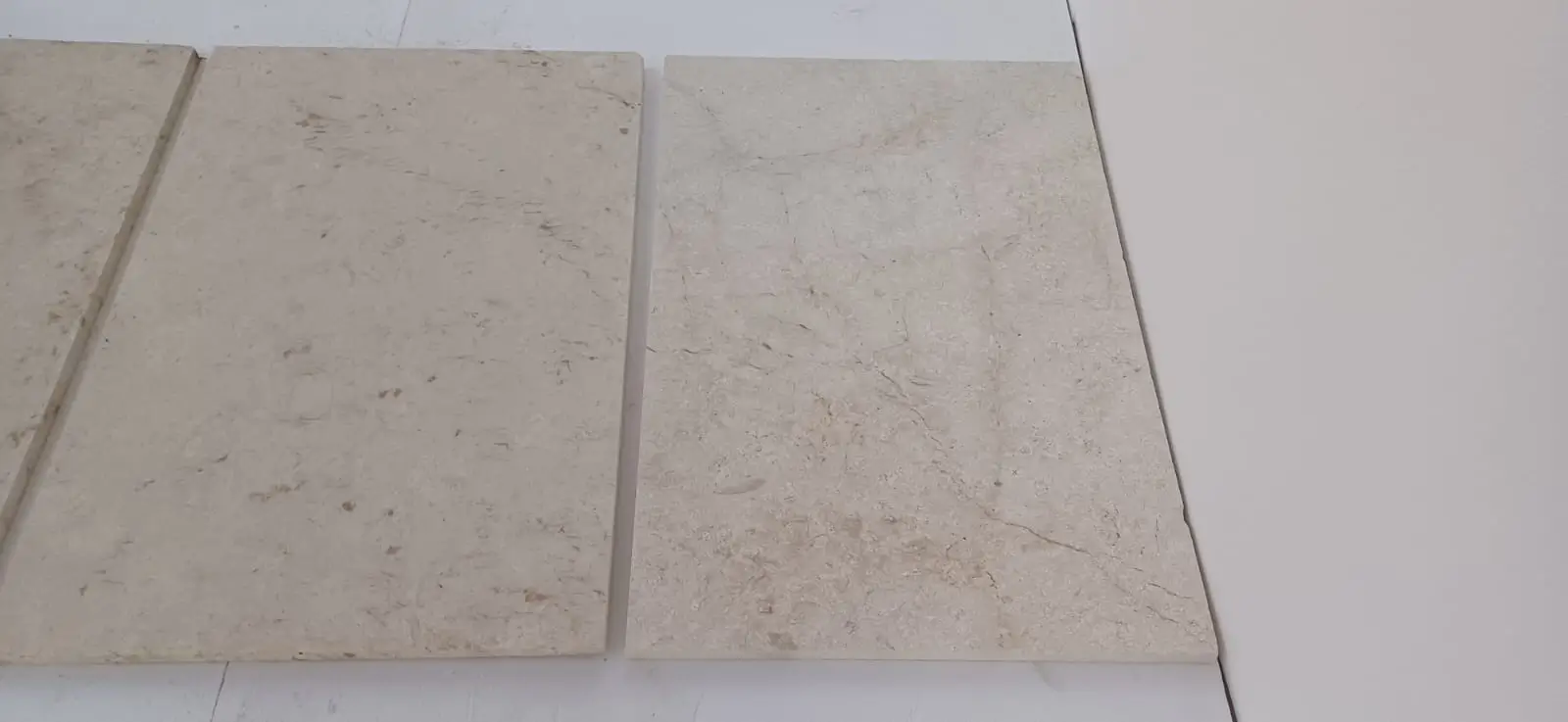
Surface temperature differential represents one of the most overlooked factors when you’re choosing colored landscape stones in Arizona. Dark materials can reach 160-180°F under direct summer sun, making them unsuitable for barefoot traffic areas like pool decks or patio spaces. White landscape stone in Arizona reflects 60-70% of solar radiation, keeping surface temperatures 30-40°F cooler than darker alternatives. Citadel Stone’s lighter granite and quartzite options provide the thermal performance needed for residential comfort without sacrificing durability.
Heat retention characteristics affect evening usability of outdoor spaces. Dense, dark stones absorb tremendous thermal energy during daylight hours and release it slowly after sunset, keeping areas uncomfortably warm until late evening. If you’re specifying landscape stone white options or lighter earth tones, you’ll create spaces that cool down within 2-3 hours of sunset rather than remaining hot until midnight.
- Albedo ratings above 0.55 keep landscape stone for garden in Arizona applications within acceptable temperature ranges for direct contact
- Thermal mass considerations influence microclimate around plantings—excessive heat radiation from dark stone stresses adjacent vegetation through root zone temperature elevation
- Cost of landscape stone in Arizona often correlates inversely with thermal performance, as lighter premium materials command 20-30% price premiums over darker common varieties
- Edge detail affects heat transfer rates, with bullnosed profiles reducing sharp-edge surface temperatures by approximately 15°F compared to squared edges
When you’re working on front yard stone landscaping in Arizona projects, the thermal behavior directly impacts plant establishment success rates. Excessive radiant heat from improperly selected stone creates hostile conditions for root development. Citadel Stone recommends maintaining at least 8-10 inches of clearance between high-thermal-mass materials and sensitive plantings, or choosing lighter stone types that moderate thermal output.
Specification Requirements for Design Professionals
You need to go beyond generic natural stone specifications when you’re documenting landscape stone in Arizona projects. Standard three-part specs often fail to address desert-specific performance criteria that determine long-term success. Your specification should explicitly call out maximum water absorption percentages—typically 3% or less for exterior hardscape applications in this climate. Don’t assume suppliers will provide appropriate materials without these clear thresholds.
Joint spacing specifications require adjustment from standard temperate-climate recommendations. You’ll want expansion joints every 12-15 feet rather than the typical 20-foot spacing, and joint widths should increase to 3/8 inch minimum to accommodate thermal movement. The joint fill material needs UV stability and flexibility—polyurethane-based sealants outperform standard mortars in maintaining integrity through temperature cycling.
- Thickness tolerances for large landscape stones in Arizona applications should specify ±1/8 inch maximum variation to ensure proper bedding on compacted aggregate bases
- Surface finish requirements impact slip resistance dramatically, with flamed or thermal finishes achieving DCOF ratings above 0.60 versus polished surfaces dropping below 0.40
- Base preparation specs must account for expansive clay soils common in Phoenix and Tucson areas, requiring geotextile separation layers and increased aggregate depth to 8-10 inches minimum
- Drainage provisions become critical with modern landscape stone Arizona installations, as impermeable surfaces concentrate runoff that would naturally percolate through decomposed granite or other pervious materials
Color consistency clauses in your specifications protect against batch variation issues. Citadel Stone maintains color-matched inventory, but you should still specify acceptable variation limits using numerical color space values rather than subjective descriptions. Require physical samples from the actual production run before installation begins, not generic catalog samples that may not represent current quarry output.
Edge profile specifications affect both aesthetics and functionality. Saw-cut edges provide clean contemporary lines but concentrate thermal stress at corners. Slightly eased or chamfered edges reduce chipping potential and soften the visual hardness. For landscape stone black in Arizona applications, edge treatments become especially important as any chips or damage show prominently against dark backgrounds.
Installation Best Practices and Common Errors
Base preparation failures account for roughly 60% of premature landscape stone problems we see across Arizona installations. You can’t skimp on aggregate base depth and expect long-term performance. Minimum 6-inch compacted Class 6 road base for pedestrian applications, increasing to 8-10 inches for landscape stone by the yard applications in vehicular areas. Each lift requires mechanical compaction to 95% modified Proctor density—hand tamping simply doesn’t achieve adequate consolidation.
The bedding layer composition makes or breaks the installation. You’ll get superior results with a 1-inch sand setting bed over properly compacted aggregate rather than attempting to set stone directly on compacted base. The sand layer accommodates minor substrate irregularities and allows adjustment during placement. Avoid using decomposed granite as a setting bed despite its local availability—it lacks the particle size consistency needed for uniform support.
- Setting pattern affects thermal movement behavior, with running bond layouts accommodating expansion better than rigid grid patterns that concentrate stress at intersections
- Joint fill timing matters more than most installers realize—filling joints immediately after placement traps moisture that compromises bond, while waiting 48-72 hours allows initial settlement
- Slope requirements for landscape flagstone in Arizona exceed standard recommendations due to concentrated monsoon rainfall intensity, requiring minimum 2% grade rather than typical 1.5%
- Edge restraint prevents creep in landscape pathway stones installations subjected to thermal expansion forces, requiring concrete haunching or commercial-grade aluminum/steel edging systems
Don’t make the common mistake of installing landscape stone for garden in Arizona directly against building foundations without proper isolation joints. Thermal expansion forces can generate significant lateral pressure against structures. You need a 3/4-inch isolation joint filled with compressible foam backer rod and elastomeric sealant. This detail gets overlooked in residential work but becomes critical as installations mature and thermal cycling accumulates.
Substrate moisture content at installation time affects long-term performance. Installing during or immediately after rain events traps moisture beneath stone, leading to efflorescence as water migrates upward through capillary action and deposits dissolved minerals on the surface. Schedule installations during dry periods and verify the base is moisture-free before setting stone. For guidance on complementary materials and installation approaches, see our landscape stone options for detailed technical comparisons and performance data.
Cost Factors and Value Analysis
The average cost of landscaping stone in Arizona varies considerably based on material type, sourcing distance, and current market conditions. You’re looking at $8-15 per square foot installed for standard gray granite pavers, increasing to $18-28 per square foot for premium materials like large white landscape stones in Arizona or specialty imported varieties. These figures include material, base preparation, and professional installation—attempting to separate them often leads to false economy.
Bulk landscape stone in Arizona purchasing provides cost advantages when you’re working on projects exceeding 500 square feet. Citadel Stone’s warehouse inventory allows contractors to inspect material quality firsthand and coordinate delivery timing with installation schedules. You’ll typically save 15-20% compared to special-order materials that require extended lead times and minimum order quantities.
- Landscape stone delivery in Arizona adds $150-400 per load depending on project location and material weight, with remote sites commanding premium freight charges
- Material waste factors range from 5% for simple rectangular layouts to 15% for complex landscape stone wholesale patterns with extensive cuts and custom edge details
- Labor efficiency varies by stone size, with large landscaping stones in Arizona requiring mechanical placement equipment but reducing installation time compared to smaller modular units
- Long-term maintenance costs favor dense, non-porous materials that resist staining and require minimal sealing compared to higher-maintenance options
You need to consider lifecycle costs rather than just initial investment when you’re evaluating different types of landscape stones in Arizona. A premium material like Citadel Stone’s quartzite that costs 30% more upfront but lasts 30+ years without significant maintenance often provides better value than cheaper alternatives requiring replacement within 10-15 years. Factor in removal costs, disposal fees, and reinstallation expenses for the complete financial picture.
The best price for landscaping stones in Arizona doesn’t necessarily mean the cheapest landscaping stones in Arizona. Materials sourced from distant quarries may offer lower per-unit costs but carry hidden expenses in quality variability, extended lead times, and limited replacement availability for future repairs. Locally stocked inventory from Citadel Stone provides cost predictability and eliminates the risk of discontinued products leaving you unable to match existing installations.
Material-Specific Performance Considerations
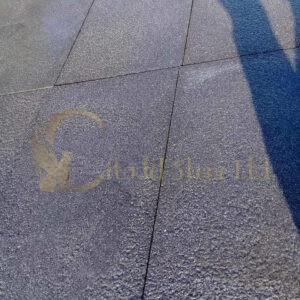
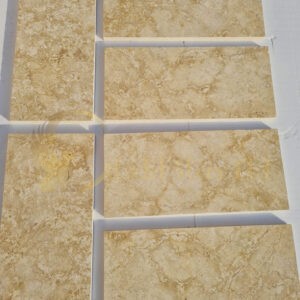
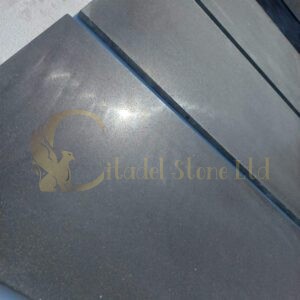
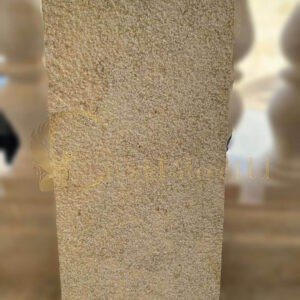
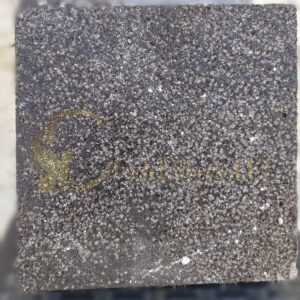
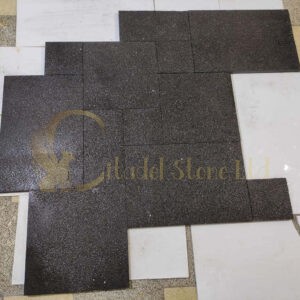
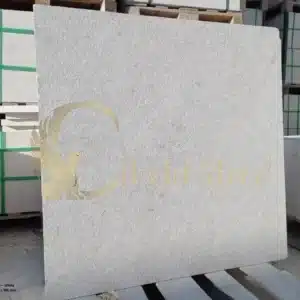
Granite stands out as the most versatile landscape stone Arizona material for desert applications. Its crystalline structure provides inherent density, typically exhibiting water absorption below 0.4%, and compressive strength exceeding 20,000 PSI. You’ll find granite maintains color stability through decades of UV exposure, with only minor patina development that many clients consider desirable aging. Citadel Stone stocks multiple granite varieties ranging from white landscaping stones to dark brown landscape stone in Arizona options.
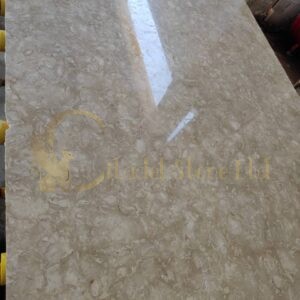
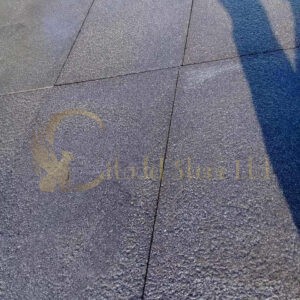
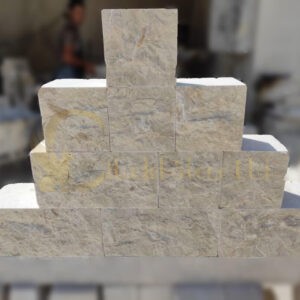
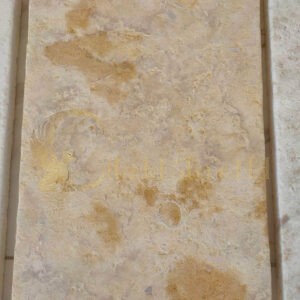
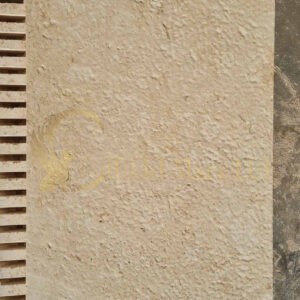
Quartzite offers similar performance to granite with distinctive aesthetic character. The metamorphic structure creates linear patterns and texture variations that add visual interest to front yard landscape stone applications. Slip resistance typically exceeds granite due to natural surface texture, making quartzite ideal for landscape walkway stones in Arizona pool surrounds and similar wet-exposure areas. Expect to pay 10-25% premiums over comparable granites.
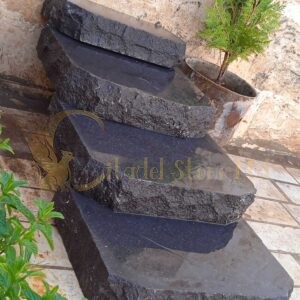
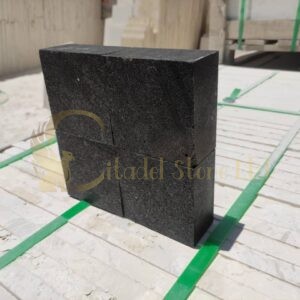
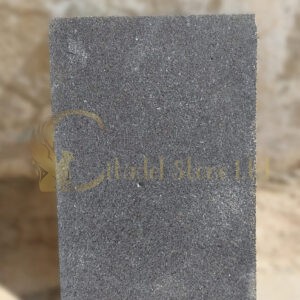
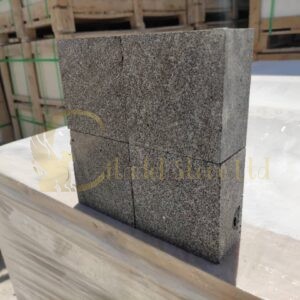
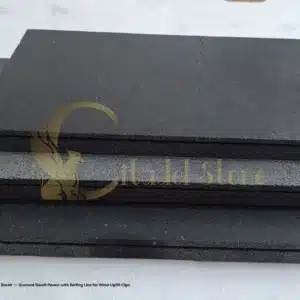
- Basalt provides exceptional density and dark coloration for landscape stone black in Arizona applications, though surface temperatures limit use to non-contact areas or shaded locations
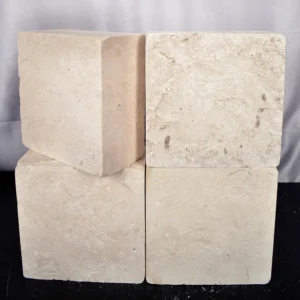
- Limestone performs adequately in Arizona’s dry climate despite calcite composition, but requires sealing every 2-3 years and shows gradual surface erosion from alkaline soil contact
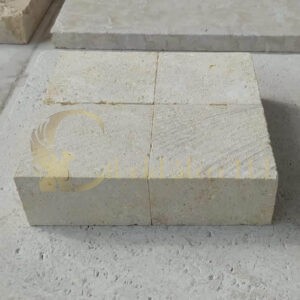
- Sandstone offers budget-friendly options but exhibits higher porosity requiring more frequent maintenance and shorter replacement cycles of 15-20 years versus 30+ for granite
- Slate works well for landscape slate pavers in Arizona applications with proper thickness specifications, requiring minimum 3/4-inch material to prevent delamination from thermal stress
When you’re specifying interlocking landscape stones in Arizona, material selection affects joint stability significantly. Dense materials with squared edges maintain tighter tolerances and resist joint opening from thermal movement. Softer stones like sandstone tend to develop wider joints over time as edges slowly abrade from sand infiltration and traffic.
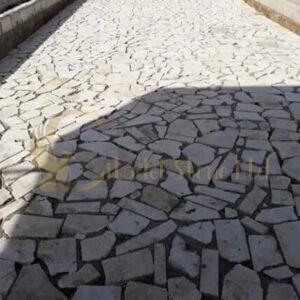
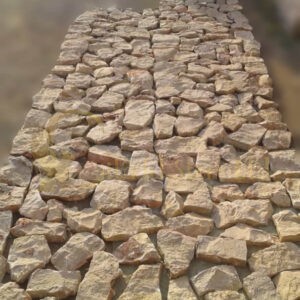
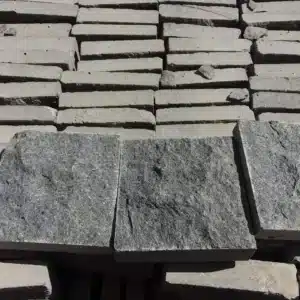
Fieldstone and landscape fieldstone in Arizona projects provide naturalistic aesthetics but present installation challenges. Irregular shapes require skilled placement and extensive joint filling, increasing labor costs 40-60% compared to dimensioned stone. You’ll also face difficulty achieving consistent drainage slopes with variable-thickness materials. Citadel Stone’s dimensioned natural products offer better cost-performance ratios for most commercial applications.
Color Selection and Long-Term Performance
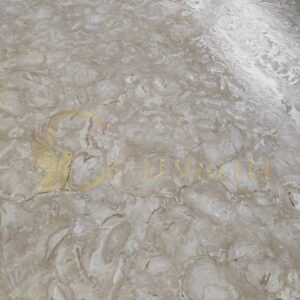
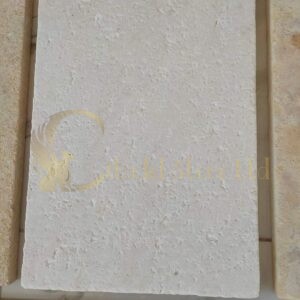
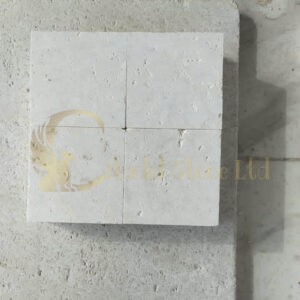
White landscape stone in Arizona delivers superior thermal performance but requires realistic maintenance expectations. Light-colored materials show dust accumulation and organic staining more readily than darker alternatives, necessitating periodic cleaning to maintain appearance. Small white landscaping stones and white marble landscape stones demand higher maintenance investment compared to mid-tone options that conceal minor soiling.
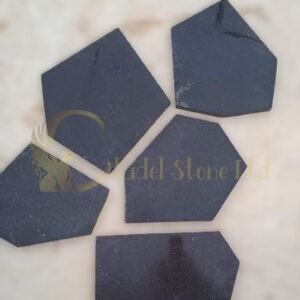
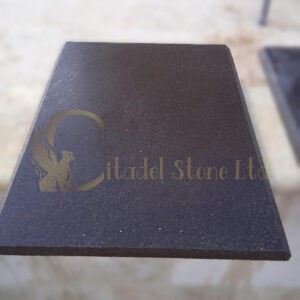
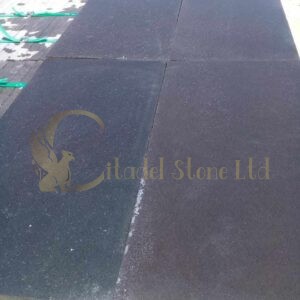
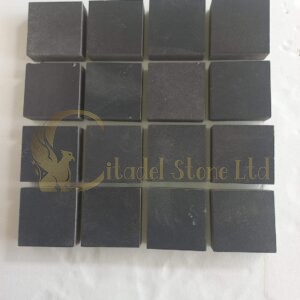
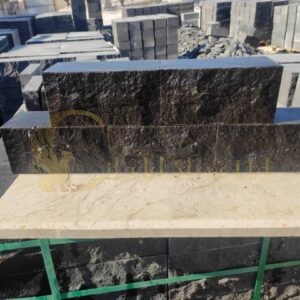
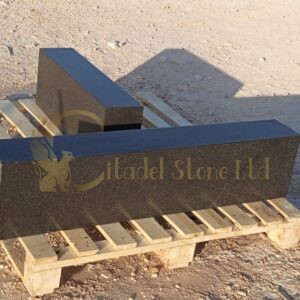
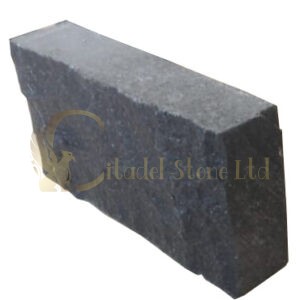
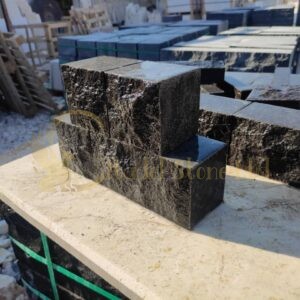
You’ll find that dark landscape stone in Arizona creates dramatic contrast in contemporary designs but imposes functional limitations. Black landscape stone or dark brown landscape stone surface temperatures can exceed 170°F under direct sun, making these materials suitable only for non-contact applications like landscape edger stones or decorative accents. Landscaping black stones work well as visual borders or in shaded courtyards where thermal issues don’t apply.
- Mid-tone earth colors from tan through medium gray provide optimal balance between thermal performance and soil concealment for landscape stone types in Arizona
- Color variation within individual pieces adds visual interest and helps mask minor weathering or staining compared to uniform-colored materials
- Multicolored blends require careful specification to prevent excessive variation that reads as chaotic rather than intentionally varied
- Surface finish affects perceived color intensity, with polished surfaces appearing darker and more saturated than flamed or natural-cleft finishes of identical stone
Don’t overlook how landscape stone color interacts with surrounding architecture and hardscape elements. Front yard stone landscaping in Arizona should complement building materials rather than compete visually. Citadel Stone’s design consultation services help specifiers coordinate material selections across multiple project elements for cohesive results. When you’re working with brown landscape stone in Arizona, verify color stability testing data—certain brown granites exhibit minor fading after 5-10 years of UV exposure.
Application-Specific Recommendations
Landscape pathway stones in Arizona applications require different material characteristics than larger paved areas. You need smaller modular units, typically 12×12 to 18×18 inches, that accommodate curved layouts and facilitate repairs without disrupting adjacent areas. Thickness specifications should increase to minimum 1.5 inches for pathways to handle concentrated foot traffic and prevent cracking from point loads.
Landscape walls stone in Arizona performs multiple functions beyond simple retention. Material selection affects thermal mass in adjacent spaces—heavy stone walls radiate stored heat for hours after sunset, extending comfortable evening use of outdoor areas. You’ll want to specify minimum 6-inch thickness for structural stability, with proper drainage provisions behind walls to prevent hydrostatic pressure buildup during monsoon season.
- Front yard stone walls in Arizona require engineering review for heights exceeding 30 inches, with geogrid reinforcement becoming necessary for landscaping stone retaining walls approaching 4 feet
- Landscape stone slabs in Arizona applications work well for large-format contemporary designs but demand precision base preparation to prevent rocking or tipping of oversize units
- Pavestone landscape stone products offer cost-effective alternatives for budget-conscious projects, though natural quarried materials from Citadel Stone provide superior longevity
- Bagged landscape stone in Arizona serves well for small residential projects but becomes cost-prohibitive for commercial-scale installations exceeding 200 square feet
You need different approaches for backyard garden stone versus front yard stone garden applications. Rear outdoor living spaces typically receive more concentrated use and require higher-performance materials with superior slip resistance and thermal comfort. Front yard installations prioritize visual impact and curb appeal, where aesthetics may outweigh functional performance in material selection decisions.
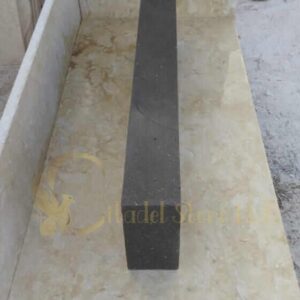
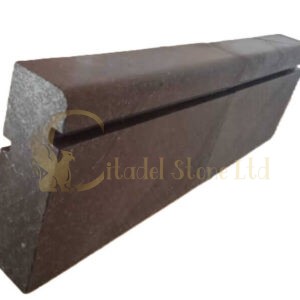
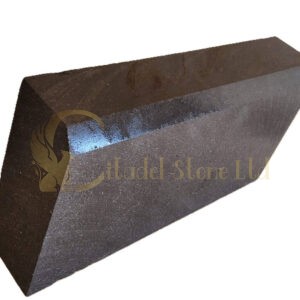
Landscape edger stones in Arizona define planting beds and create visual separation between materials. Garden edger stones perform best when set 2-3 inches below adjacent paving to accommodate soil level changes and prevent tripping hazards. Specify dimensions that allow mechanical placement—loose landscaping stones measuring 8-12 inches work well, while oversized large yard stone requires equipment access that may not exist in established landscapes.
Regional Design Integration Strategies
Front yard landscaping with flagstone in Arizona creates distinctly Southwestern character when you combine natural stone with native plantings and regional architectural elements. You’ll achieve better results when stone colors complement rather than match building materials—slight contrast adds visual interest without appearing discordant. Landscaping front yard with stones requires balancing hardscape coverage with planted areas, typically targeting 40-60% stone coverage to prevent overwhelming the landscape with impervious surfaces.
The best stone for front yard landscaping in Arizona depends on architectural style. Contemporary homes benefit from large-format landscape square stones with clean lines and minimal joint width. Traditional adobe or Spanish Colonial styles call for irregular flagstone front yard layouts with wider, sand-filled joints that reference historical construction methods. Citadel Stone maintains inventory across multiple aesthetic categories to support diverse design approaches.
- Stones for yard in Arizona residential applications should create cohesive connections between outdoor living areas rather than isolated hardscape islands
- Yard stone in Arizona selections work best when repeated throughout the property to establish visual continuity from front entry through rear outdoor spaces
- Outdoor yard stones perform multiple functions simultaneously—defining circulation, creating gathering spaces, and reducing landscape water consumption compared to turf
- Stone back yards in Arizona benefit from partial overhead shade structures that moderate afternoon temperatures and extend usability through summer months
When you’re designing backyard pathway stones in Arizona, circulation patterns should feel intuitive rather than forced. Primary paths require 48-inch minimum width for comfortable passage, while secondary garden access paths work at 30-36 inches. Back garden stones in residential applications typically see lighter traffic than front entries, allowing specification of slightly more porous materials that might not suit high-visibility locations.
Flagstone backyard in Arizona designs should incorporate adequate drainage to handle concentrated monsoon rainfall. You’re looking at 2-3 inches of rain potentially falling in under an hour, creating runoff volumes that overwhelm undersized drainage provisions. Stone and grass backyard combinations require careful grading to prevent runoff from saturating turf areas and creating muddy conditions. Large white rock for landscaping in Arizona serves well as transition material between stone paving and planted areas, providing permeable drainage zones.
Maintenance Requirements and Longevity Factors
Even the best landscape stone in Arizona requires periodic maintenance to preserve appearance and performance. You should establish realistic maintenance expectations with clients during design phases rather than allowing assumptions of zero-maintenance installations. Dense granite and quartzite materials from Citadel Stone need basic cleaning 1-2 times annually, while more porous options require quarterly attention to prevent permanent staining.
Sealing recommendations vary by material type and exposure conditions. Non-porous granites with absorption below 0.5% don’t require sealing in most Arizona applications—the material naturally resists staining and moisture penetration. More porous landscape stone types in Arizona benefit from penetrating sealers applied every 2-3 years, particularly in areas exposed to organic debris or irrigation overspray. Avoid film-forming topical sealers that trap moisture and create adhesion problems in thermal cycling conditions.
- Joint maintenance represents the primary ongoing requirement, with periodic inspection for degraded fill material and vegetation intrusion
- Efflorescence removal requires pH-neutral cleaners specifically formulated for natural stone rather than acidic masonry cleaners that etch calcite-based materials
- Organic staining from leaf litter, irrigation water, and atmospheric deposition responds well to oxygen bleach treatments applied at manufacturer-recommended dilutions
- Traffic patterns create differential wear in high-use areas, with periodic resealing needed in walkways while adjacent sitting areas remain maintenance-free
Replacement planning should consider material availability over project lifespans. Citadel Stone’s commitment to consistent inventory means you can source matching materials for repairs or expansions 10-15 years after initial installation. Generic imported materials often become unavailable within 3-5 years as quarries deplete or suppliers shift sources, leaving you unable to match existing work. This availability factor justifies modest price premiums for domestically stocked inventory.
You’ll find that proper installation fundamentally determines maintenance requirements. Well-executed work using appropriate base preparation and correct joint details requires minimal intervention over decades. Substandard installations generate recurring maintenance demands as settlement, drainage problems, and thermal movement issues manifest. Investing in quality installation practices by experienced contractors delivers better long-term value than attempting to economize on labor.
Procurement and Logistics Considerations
Lead times for landscape stone in Arizona vary from immediate availability for stock items to 8-12 weeks for special orders from distant quarries. You need to verify Citadel Stone warehouse inventory during early design phases rather than assuming material availability at construction time. Popular items like white stone rocks for landscaping in Arizona or large landscaping stones for sale in Arizona move quickly during peak building season from February through May.
Delivery logistics affect project scheduling significantly. Standard deliveries accommodate materials up to 4,000 pounds on pallets that can be offloaded with forklift or pallet jack. Large round landscaping stones in Arizona and oversize slabs require boom truck or crane placement directly to final position, adding $300-600 per delivery to project costs. Verify site access for delivery vehicles during planning—narrow gates, overhead obstructions, or weight-restricted driveways create complications.
- Minimum order quantities for wholesale accounts typically start at $2,500-3,000, making landscape stone wholesale in Arizona sourcing practical only for larger projects
- Material storage requirements at job sites need weather protection to prevent staining from irrigation overspray or rain before installation
- Phased deliveries help manage storage footprint on constrained sites but increase freight costs 30-40% compared to single deliveries
- Return policies vary by supplier, with custom-cut materials generally non-returnable while dimensional stock items may qualify for restocking at 20-25% fees
The types of small landscaping stones in Arizona present particular procurement challenges due to packaging requirements. Small stones for garden in Arizona applications often come in 50-pound bags that create handling inefficiencies for larger installations. Bulk delivery by the cubic yard provides better value for projects exceeding 10-15 square feet, even accounting for potential waste from loose material spreading.
When you’re coordinating river stone front yard projects or similar accent applications, verify color consistency across multiple delivery batches. Natural stone exhibits inherent variation, but extreme differences between deliveries create visible demarcation lines in finished work. Request samples from specific production lots before accepting delivery, and consider ordering 10-15% excess material to ensure adequate supply for repairs or future expansion.
Citadel Stone — Premium Landscape Stone in Arizona Specifications
Citadel Stone brings decades of specialized knowledge in natural landscape stone Arizona applications across diverse climate zones and project types. Our material selection guidance helps architects and designers specify appropriate stone types that balance performance requirements with aesthetic goals and budget constraints. We understand that successful landscape stone in Arizona installations require addressing thermal behavior, drainage characteristics, and long-term maintenance realities specific to desert conditions.
The following city-specific insights demonstrate how Citadel Stone would approach landscape stone projects across Arizona’s varied microclimates and urban contexts. These recommendations reflect our understanding of regional conditions, common challenges, and material performance patterns we’ve observed in similar installations. Your actual project requirements will vary based on site-specific factors, but these scenarios provide practical frameworks for material selection and specification decisions.
Phoenix Specifications
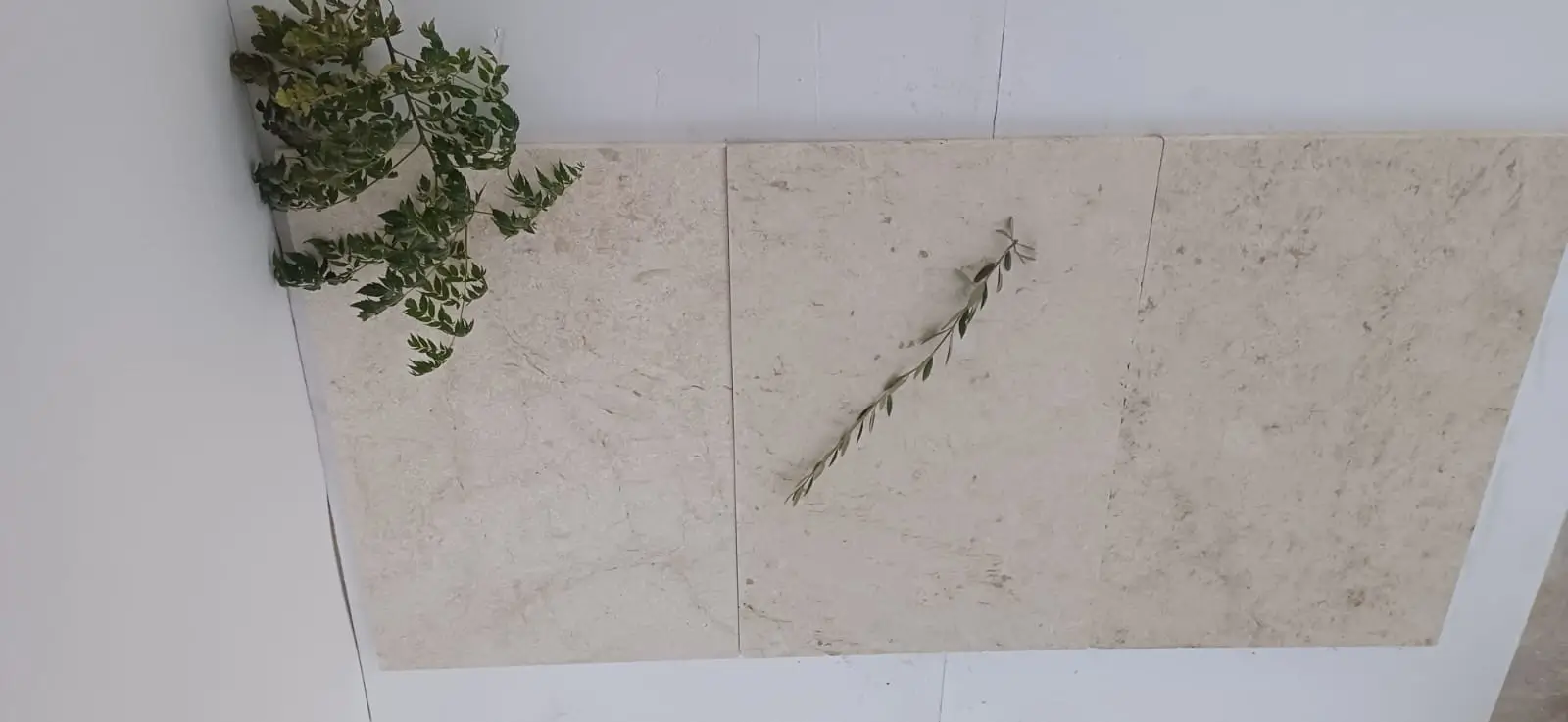
Phoenix’s extreme heat island effect makes thermal performance your primary concern when specifying landscape stone. You’d want to focus on lighter-colored materials with albedo ratings above 0.50 to maintain surface temperatures within usable ranges. Citadel Stone would recommend white or light gray granite for high-contact areas like walkways and patios, reserving darker landscape stone black options for shaded accent zones. Base preparation requires addressing expansive clay soils common in Phoenix’s valley floor, necessitating geotextile separation and increased aggregate depth to 8-10 inches minimum for dimensional stability through seasonal moisture cycling.
Tucson Applications
Tucson’s slightly higher elevation and increased monsoon precipitation compared to Phoenix would influence your drainage specifications significantly. You’d need to verify adequate slope and subsurface drainage to handle concentrated rainfall events. Citadel Stone would specify minimum 2% surface grades and consider permeable joint fills rather than solid mortaring to allow water infiltration. The region’s caliche layers present excavation challenges requiring rock saw equipment for base preparation. Material selection would favor dense quartzites and granites that resist the alkaline soil chemistry while complementing Tucson’s Sonoran Desert architectural aesthetic with warm earth tones.
Scottsdale Design Context
Scottsdale’s upscale residential market would drive you toward premium large landscape stones that create sophisticated contemporary outdoor spaces. You’d specify oversized slabs measuring 36×36 inches or larger for dramatic modern aesthetics. Citadel Stone would recommend precision-cut materials with tight tolerances allowing minimal joint width, typically 1/4 inch, filled with color-matched polymeric sand. The city’s abundance of resort-style pools demands slip-resistant finishes with DCOF ratings exceeding 0.60 for safety compliance. Material costs here typically run 20-30% above Phoenix averages due to client expectations for premium products and high-end installation quality.
Flagstaff Climate Factors
Flagstaff’s 7,000-foot elevation introduces freeze-thaw cycling absent from lower-elevation Arizona locations. You’d need to specify materials with proven durability through ASTM C666 testing, focusing on granites and quartzites with absorption rates below 0.4%. Citadel Stone would recommend avoiding sedimentary stones like sandstone that deteriorate rapidly under freeze-thaw stress. Snow removal considerations affect edge detail specifications—slightly eased edges resist chipping from metal shovel blades better than sharp 90-degree profiles. Base depth requirements increase to 10-12 inches to position stone below frost penetration depth, and joint fills need winter-flexible sealants that remain pliable at sub-freezing temperatures.
Sedona Aesthetic Integration
Sedona’s iconic red rock landscape creates unique color coordination challenges when you’re selecting landscape stone. You’d want materials that complement rather than compete with the surrounding geology. Citadel Stone would recommend warm-toned sandstones and granites in rust, tan, and brown ranges that harmonize with natural red rock formations. The region’s tourism-driven economy favors distinctive naturalistic designs using flagstone in irregular patterns rather than formal geometric layouts. Environmental regulations around Sedona restrict certain construction practices, requiring verification of development standards before finalizing specifications. Material durability remains important given the area’s 4,500-foot elevation bringing occasional winter weather.
Yuma Extreme Conditions
Yuma represents Arizona’s most extreme desert environment with summer temperatures regularly exceeding 115°F and minimal precipitation. You’d prioritize heat-reflective white landscape stone to maintain any usable outdoor function during summer months. Citadel Stone would specify maximum density materials requiring minimal maintenance, as the harsh conditions accelerate deterioration of marginal stone types. Wind-blown sand creates constant abrasion requiring harder materials like granite or quartzite rather than softer sandstones. Agricultural influences in the region mean some sites encounter higher soil salinity than typical desert locations, demanding careful material selection to resist salt crystallization damage. Shade integration becomes essential for landscape functionality rather than optional enhancement.
Project Success Factors
Successful landscape stone in Arizona installations require coordinating multiple variables simultaneously—material selection, base preparation, drainage design, and realistic maintenance planning. You can’t optimize one factor while neglecting others and expect satisfactory long-term performance. The projects that look exceptional after 10-15 years share common characteristics: appropriate material selection for the specific exposure conditions, properly engineered base systems that prevent settlement, adequate drainage provisions for monsoon events, and ongoing maintenance performed on realistic schedules.
Don’t underestimate the importance of contractor selection and installation quality. Premium materials installed improperly deliver worse results than mid-grade products installed correctly. You’ll want contractors with demonstrable experience in Arizona conditions who understand regional soil behaviors, drainage requirements, and thermal movement considerations. Citadel Stone’s network of qualified installers helps connect design professionals with proven craftsmen capable of executing demanding specifications.
Climate change projections suggest Arizona will experience increasingly extreme weather patterns—hotter temperatures, longer droughts punctuated by more intense precipitation events. Your material specifications should account for these trends by prioritizing durability and thermal performance over marginal cost savings. Natural stone from Citadel Stone offers inherent resilience to environmental stresses that manufactured alternatives struggle to match, providing reliable performance through decades of changing conditions.
Budget realities influence every project, but attempting to economize on materials or installation quality generates false savings that evaporate when premature replacement becomes necessary. For additional perspectives on material durability and maintenance considerations, review Custom granite countertop fabrication and installation services available to understand how natural stone performs across diverse applications. Homeowners trust Citadel Stone for superior landscape stone Arizona quality across every outdoor project application.