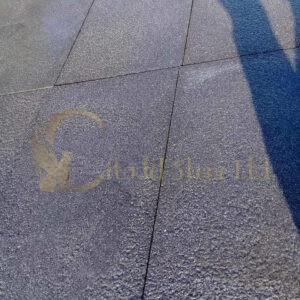
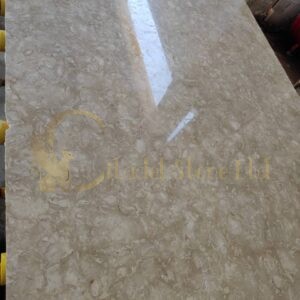
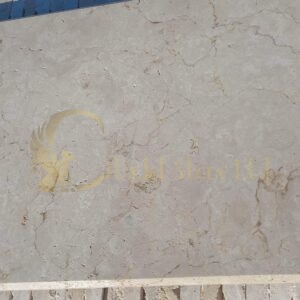
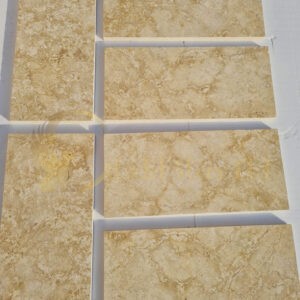
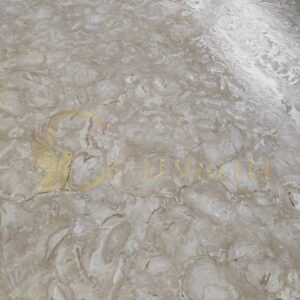
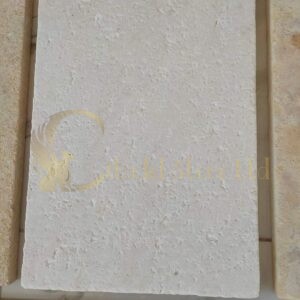
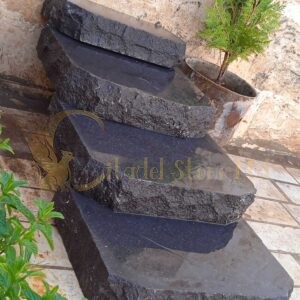
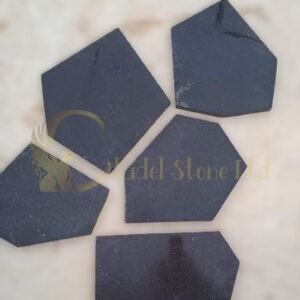
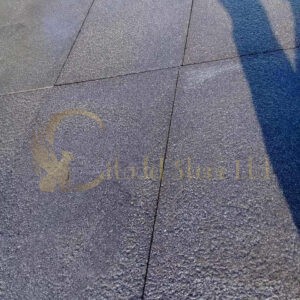
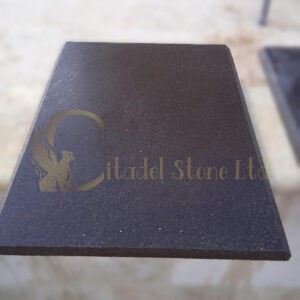
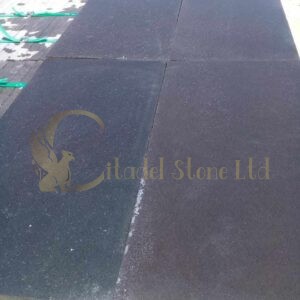
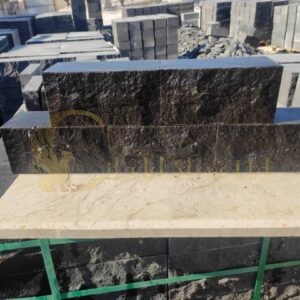
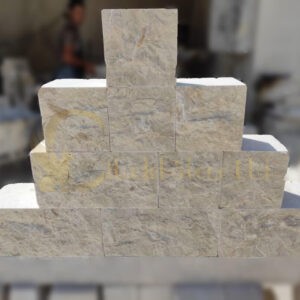
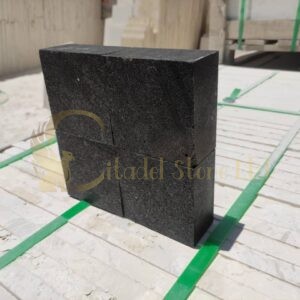
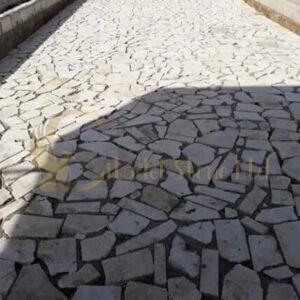
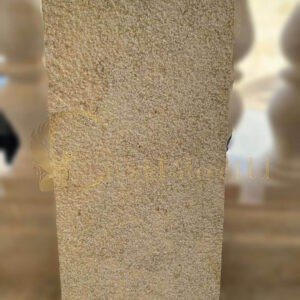
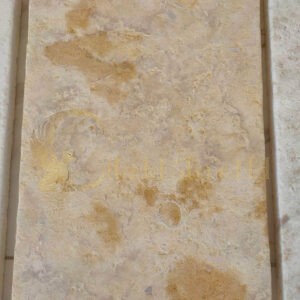
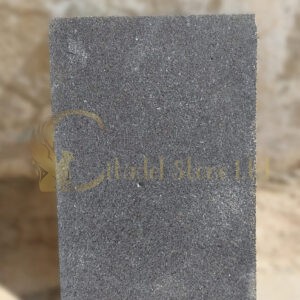
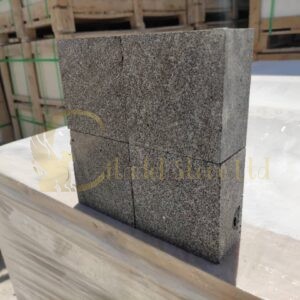


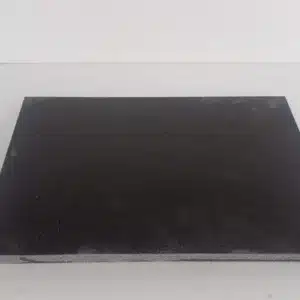
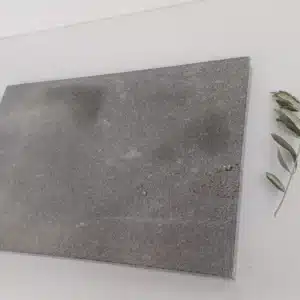
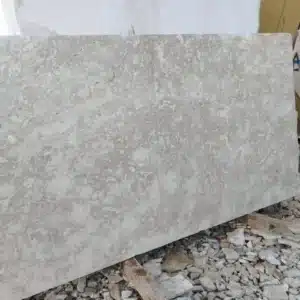

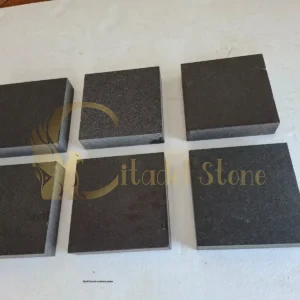


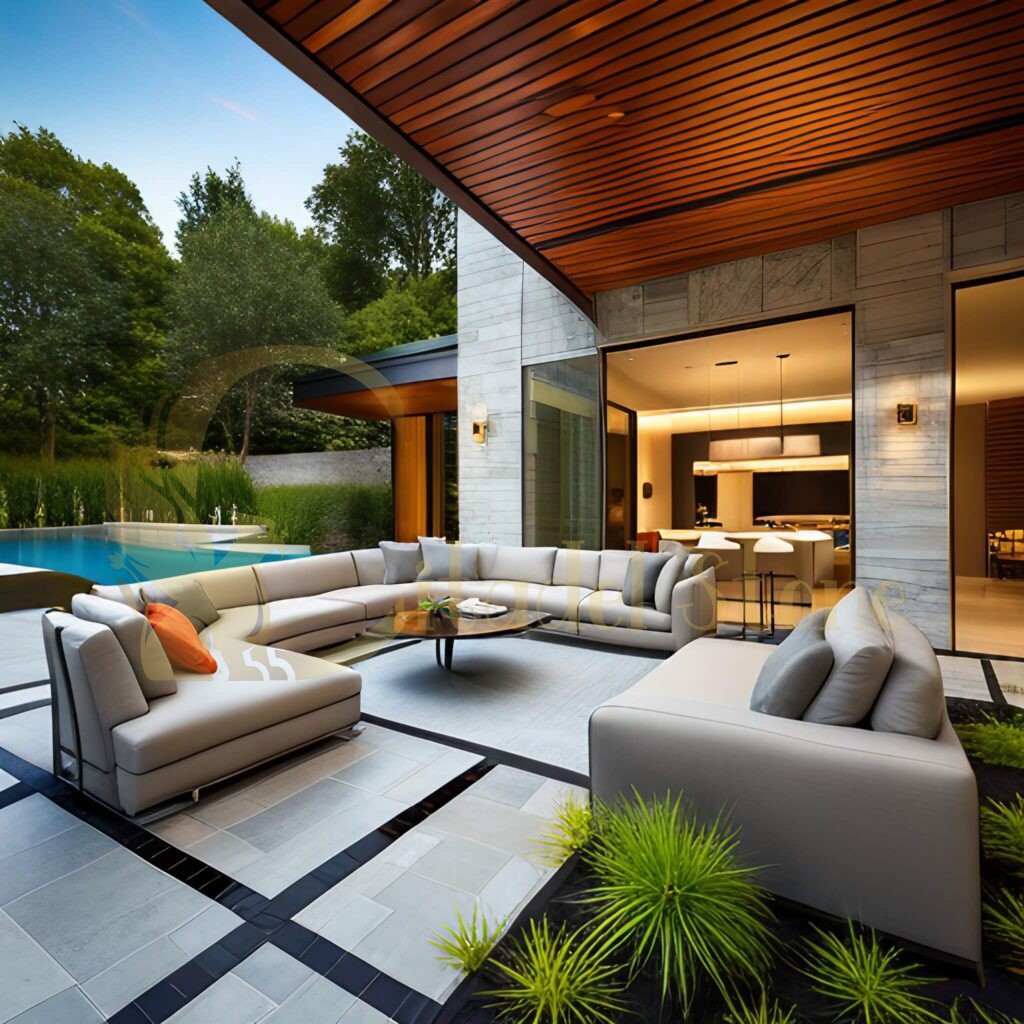
When you’re specifying landscape granite in Arizona, you’ll face challenges that don’t exist in milder climates. Citadel Stone materials must withstand extreme thermal cycling, intense UV exposure, and extended drought conditions that test every aspect of stone performance. You need to understand how Arizona’s desert environment affects granite behavior before committing to specifications that could fail within the first season.
The reality is that granite landscape stone suppliers in Arizona see frequent failures from improper material selection. Thermal expansion coefficients matter more here than in nearly any other region. You’re dealing with surface temperatures exceeding 160°F during summer months, which creates expansion rates that will crack inadequate installations. Citadel Stone’s granite rock landscape supplies in Arizona are selected specifically for these thermal extremes, but you still need proper joint spacing and substrate preparation to achieve long-term performance.
Thermal Performance Requirements
Arizona’s daily temperature swings create the most demanding thermal environment in North America. You’ll see substrate temperatures ranging from 45°F at dawn to 165°F by mid-afternoon during June through August. That 120-degree differential forces granite to expand and contract continuously, and most specifiers underestimate this movement.
Citadel Stone granite exhibits thermal expansion coefficients between 0.0000044 and 0.0000055 inches per inch per degree Fahrenheit, depending on mineral composition. Here’s what that means for your project: a 6-foot granite boulder in full sun will expand approximately 3/32 inch during peak heating. If you’ve placed these large granite rocks for landscaping in Arizona without adequate clearance, you’re looking at stress fractures within the first summer.
- Calculate thermal movement using actual substrate temperatures, not air temperatures—the difference can exceed 40°F
- Provide minimum 3/8-inch expansion joints for every 8 linear feet of continuous granite paving
- Account for vertical expansion in stacked applications—granite walls require slip joints every 4-5 feet of height
- Specify light-colored Citadel Stone granite when possible to reduce solar heat absorption by 25-35%
- Avoid rigid mortar bonds in areas experiencing full sun exposure—use flexible setting beds instead
The mineral composition directly affects thermal behavior. Citadel’s granite landscape materials with higher quartz content expand more than feldspar-dominant varieties. You’ll want to verify the specific thermal coefficient for your selected material, particularly for large format installations where movement accumulates across greater dimensions.
Moisture Management Considerations
Don’t assume that Arizona’s low humidity eliminates moisture concerns. You’re actually dealing with more challenging conditions than specifiers in humid regions face. The extreme dryness creates powerful capillary action that pulls subsurface moisture upward through porous materials, concentrating salts and minerals at the surface.
Citadel Stone landscape granite in Arizona typically exhibits water absorption rates between 0.2% and 0.4% by weight. That sounds minimal, but in desert conditions, this moisture migrates rapidly to the surface where it evaporates, leaving behind dissolved minerals. You’ll see efflorescence within 6-8 months if you haven’t addressed subsurface drainage properly. For comprehensive regional guidance on related granite applications, see our granite landscape materials for detailed performance specifications.
- Install vapor barriers beneath all Citadel granite installations to prevent moisture migration from soil
- Provide positive drainage with minimum 2% slope away from structures
- Use open-graded aggregate bases that don’t retain capillary moisture
- Specify edge drains for large paved areas to intercept subsurface water
- Avoid irrigation systems that spray directly onto granite surfaces—overspray accelerates mineral deposits
The monsoon season from July through September introduces another variable. You’ll get intense rainfall that can deposit 2-3 inches in under an hour. Your drainage system must handle these peak flows without backing water up beneath granite installations, which would force moisture into the stone from below.
UV Stability and Color Retention
Arizona receives approximately 300 days of sunshine annually, with UV index values regularly exceeding 11 during summer months. This intense radiation degrades many materials, but granite landscape stone suppliers in Arizona stock materials specifically selected for UV stability. Citadel Stone’s granite rock landscape supplies in Arizona maintain color integrity because granite’s mineral structure is inherently UV-resistant.
Here’s what you need to verify: the surface finish affects long-term appearance more than the stone itself. Polished finishes on Citadel granite will lose their gloss within 18-24 months under Arizona sun, developing a matte patina as surface molecules break down. That’s not failure—it’s predictable weathering. You should specify thermal or flamed finishes for exterior applications where you want consistent appearance over decades.
- Thermal finishes maintain texture indefinitely under UV exposure
- Polished surfaces weather to honed appearance within 2 years—plan for this aesthetic change
- Darker granite colors show less visible weathering than lighter varieties
- Sealed surfaces require reapplication every 18-24 months to maintain water repellency
- Natural cleft finishes provide the most stable long-term appearance with zero maintenance
The mineral oxidation you’ll observe is surface-level only, typically affecting the outer 1-2mm. Citadel Stone materials don’t experience structural degradation from UV exposure, but you should set client expectations about gradual color shifts in polished applications.
Installation Substrate Requirements
Most failures with large granite rocks for landscaping in Arizona stem from inadequate base preparation, not material defects. You’re installing onto desert soils that range from expansive clays to loose decomposed granite, neither of which provides stable support without proper treatment. Citadel Stone specifications require more rigorous substrate preparation than you’d use in regions with naturally stable soils.
The thermal cycling discussed earlier creates constant movement at the substrate level. Desert soils expand when heated and contract rapidly after sunset. If you’ve set Citadel granite directly on compacted native soil, you’ll see differential settlement within the first year. The solution requires engineered base systems that isolate the stone from soil movement.
- Remove all native soil to minimum 12-inch depth for pedestrian applications
- Increase excavation to 18 inches for vehicular loading or large boulder installations
- Install geotextile separation fabric over undisturbed subgrade
- Place 6-inch layer of open-graded aggregate base, compacted to 95% modified Proctor density
- Add 2-inch setting bed of coarse sand or fine aggregate
- Use crushed granite aggregate when available—it provides superior interlock with Citadel granite pavers
You’ll encounter caliche layers in many Arizona locations, particularly in the Phoenix and Tucson basins. This calcium carbonate hardpan appears stable but actually holds moisture and creates impermeable barriers that trap water beneath your installation. You must excavate through caliche completely or provide drainage that routes around these layers.
Edge Restraint and Joint Specifications
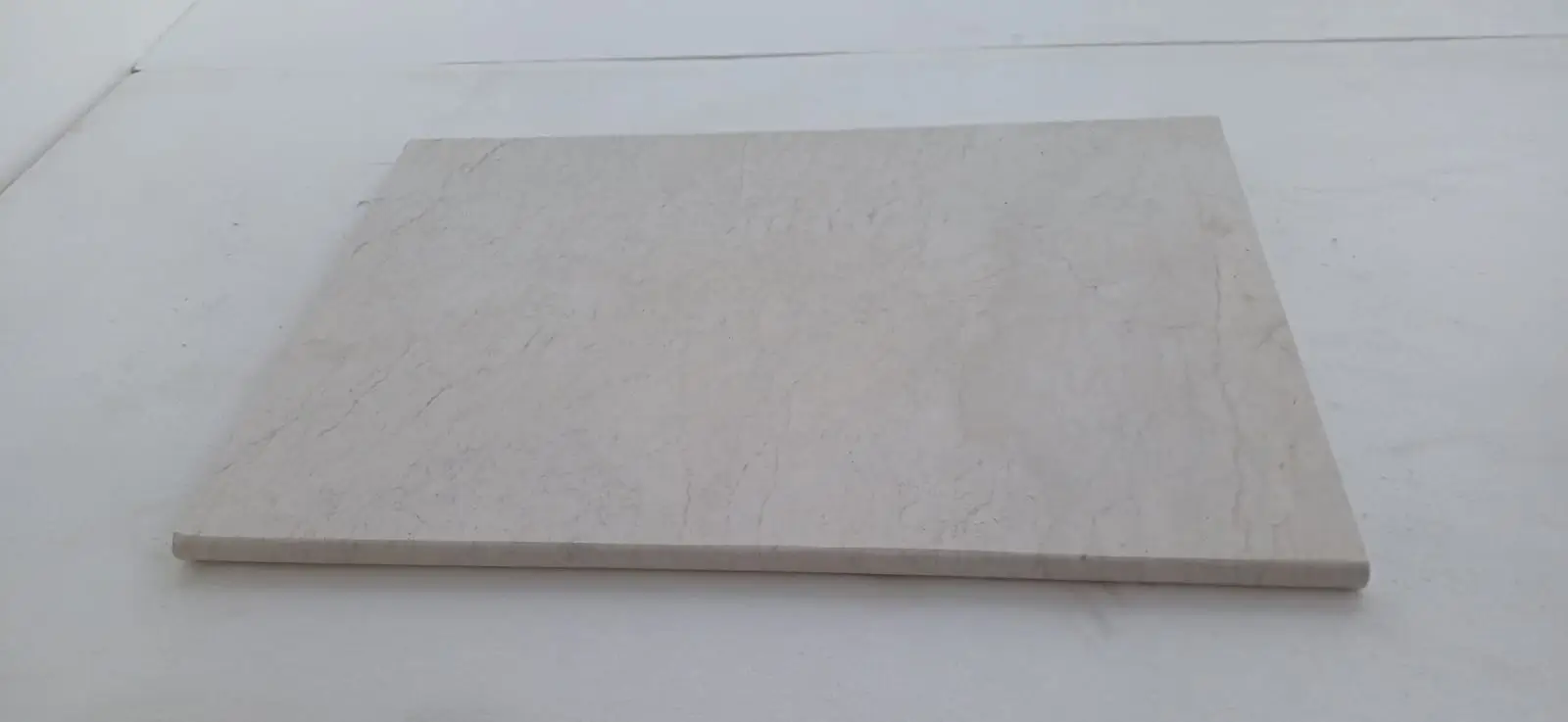
Thermal expansion creates outward forces that will displace granite landscape materials without proper edge restraint. Citadel Stone installations in Arizona require more robust edging systems than temperate climate applications. You’re containing stone that’s actively trying to expand during the 10-12 hours of daily heating it experiences for seven months of the year.
Standard plastic edging won’t hold granite rock landscape supplies in Arizona. The material softens in extreme heat and deforms under the lateral forces granite generates. You need concrete edge restraints or steel edging anchored at 24-inch intervals maximum. Anything less will allow progressive displacement that opens joints and creates trip hazards within the first season.
- Specify poured concrete edge restraints minimum 6 inches wide by 8 inches deep
- Use galvanized steel edging with stakes driven to 10-inch depth for curved applications
- Maintain 1/2-inch expansion gap between granite and rigid restraints
- Install edge restraints below finished grade to remain invisible while providing containment
- Avoid mortared edges that will crack under thermal movement—use mechanical restraint instead
Joint spacing deserves equal attention. You need 3/8-inch minimum joint width for granite pavers up to 24 inches square. Increase to 1/2-inch joints for larger format materials. These joints accommodate thermal expansion and provide pathways for the minimal water that does penetrate. Fill joints with polymeric sand rated for extreme temperature applications—standard products will break down under Arizona conditions within 18 months.
Load-Bearing Specifications
When you’re specifying landscape granite in Arizona for vehicular applications, compressive strength becomes critical. Citadel Stone granite typically exhibits compressive strength between 18,000 and 25,000 PSI, which far exceeds the 8,000 PSI minimum most jurisdictions require for vehicular paving. The material isn’t your limiting factor—the installation system is.
The thermal expansion we’ve discussed creates dynamic loading that static load calculations don’t capture. Your granite is constantly moving, which means it’s repeatedly loading and unloading the substrate. This fatigue loading will cause premature failure in marginally adequate base systems. You need to over-engineer the substrate for Arizona applications compared to specifications you’d use in stable climates.
- Increase aggregate base depth by 30-40% over standard specifications for vehicular applications
- Use granite pavers minimum 2.5 inches thick for passenger vehicle loading
- Specify 3-inch minimum thickness for delivery truck access or fire lanes
- Provide concrete edge beams at all transitions between paved and unpaved areas
- Install granite landscape stone perpendicular to traffic direction to minimize joint deterioration
Large granite rocks for landscaping in Arizona that serve as retaining elements require different analysis. You’re dealing with both the rock’s mass and the soil pressure it’s restraining. Citadel Stone can provide load calculations for specific boulder applications, but general guidance suggests 40% burial depth minimum for boulders serving structural functions. Increase to 50% burial for slopes exceeding 3:1 or in locations with expansive soils.
Selection Criteria for Arizona Conditions
Not all granite performs equally in desert environments. You’ll want to prioritize specific characteristics when selecting from Citadel Stone’s inventory. The mineral composition, grain size, and quarry source all influence how the material responds to Arizona’s climate extremes. Here’s what you should evaluate before committing to a specific granite variety.
Grain size affects both thermal performance and surface durability. Fine-grained Citadel granite expands more uniformly than coarse-grained varieties, which reduces internal stress during thermal cycling. You’ll see better long-term performance from granite with crystal sizes under 5mm. Coarse-grained materials develop micro-cracks more readily when subjected to the rapid heating and cooling cycles typical of Arizona desert locations.
- Prioritize fine to medium-grained granite for maximum dimensional stability
- Select materials with uniform mineral distribution to avoid differential expansion
- Choose granite with minimal mica content—mica degrades faster under UV exposure than quartz or feldspar
- Verify the stone has been tested to ASTM C880 for flexural strength in desert climates
- Request thermal cycling test data if available—not all granite suppliers provide this information
Color selection impacts maintenance requirements significantly. Lighter granites show dust and mineral deposits more readily but remain cooler, reducing thermal stress. Darker varieties maintain appearance better between cleanings but absorb 40-50% more solar radiation, increasing surface temperatures and thermal expansion. Most experienced specifiers choose medium-toned Citadel Stone granite landscape materials as the best compromise between thermal performance and maintenance.
Common Specification Errors
You’ll avoid most problems by understanding where granite landscape stone suppliers in Arizona see repeated failures. These issues stem from applying temperate-climate standards to desert installations. Citadel Stone’s technical team reviews specifications routinely and identifies the same mistakes across multiple projects.
The most frequent error involves underestimating joint requirements. Specifiers accustomed to 1/4-inch joints in moderate climates apply the same dimension in Arizona and wonder why their installations crack within months. The thermal movement simply exceeds the joint capacity, transferring stress into the stone itself. You need wider joints here—there’s no way around this requirement.
- Don’t specify rigid mortar settings for any exterior granite application in Arizona
- Avoid dark granite in full-sun locations exceeding 400 square feet—the accumulated thermal mass creates excessive expansion
- Never install Citadel landscape granite directly against building foundations without expansion joints
- Don’t use standard polymeric sand rated for northern climates—it fails rapidly above 140°F
- Avoid sealing granite surfaces unless you’re prepared for 18-24 month reapplication cycles
Another common oversight involves irrigation conflicts. Landscape architects design beautiful plantings adjacent to Citadel Stone granite installations, then place spray heads that repeatedly wet the stone. This introduces the moisture and minerals that cause efflorescence and staining. You need to specify drip irrigation or carefully aimed spray patterns that never contact the granite surface. Your truck deliveries should confirm warehouse inventory levels support your timeline before you commit to installation schedules.
Maintenance and Long-Term Performance
Here’s the reality about maintenance: granite rock landscape supplies in Arizona require less ongoing attention than almost any other hardscape material, but they’re not zero-maintenance. You should establish realistic expectations with clients about what maintenance actually involves and how frequently it’s needed.
Dust accumulation is your primary maintenance concern. Arizona’s desert environment deposits fine particles constantly, and these bond with any organic material or minerals on the granite surface. You’ll need periodic pressure washing at 1,200-1,500 PSI to remove these deposits. Higher pressures risk damaging joint sand or surface texture, particularly on thermal finishes.
- Plan for pressure washing every 12-18 months in most residential applications
- Increase frequency to 6-9 months for commercial installations with heavy foot traffic
- Use neutral pH cleaners only—acidic or alkaline products will etch granite surfaces
- Address efflorescence immediately with specialized cleaners before it bonds permanently
- Inspect joint sand annually and replenish as needed to maintain stability
Sealing represents a trade-off decision you need to discuss with clients. Sealed Citadel Stone landscape granite resists staining more effectively and sheds dust more easily. However, sealers degrade under Arizona’s UV intensity within 18-24 months, requiring reapplication. That maintenance cycle costs $1.50-$2.50 per square foot each time. Most commercial clients accept this expense; many residential clients prefer to allow natural patina development instead.
Cost Implications and Value Engineering
When you’re comparing costs for large granite rocks for landscaping in Arizona, you’ll find significant price variation based on factors many specifiers don’t initially consider. Citadel Stone’s granite rock landscape supplies in Arizona range from $4.50 to $18.00 per square foot depending on thickness, finish, and color selection. Understanding these variables helps you value-engineer without compromising performance.
Thickness represents your largest cost driver after material selection. Standard 2-inch pavers cost roughly 40% less than 3-inch materials per square foot. However, that 2-inch material requires more robust substrate preparation and can’t handle vehicular loading. You’ll spend the material savings on additional base work, often resulting in higher total installed cost. The 3-inch material frequently proves more economical for the complete installation.
- Natural cleft finishes cost 25-35% less than thermal finishes and provide superior slip resistance
- Local granite varieties reduce freight costs by $0.75-$1.25 per square foot compared to imported materials
- Larger format pieces reduce installation labor by 15-20% but increase breakage risk during handling
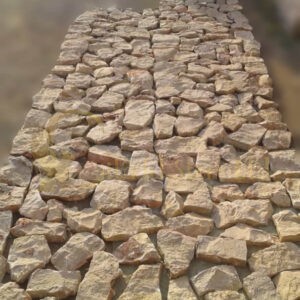
- Irregular flagstone patterns use material more efficiently than dimensional pavers, reducing waste to 5-8%
Don’t overlook procurement logistics when budgeting. Citadel’s warehouse in Arizona stocks common granite varieties for immediate availability, but specialty colors may require 8-12 week lead times. Rush delivery adds 15-25% to material costs and compresses your installation schedule, increasing labor expenses. You’re better served selecting in-stock materials and planning adequate procurement windows.
Citadel Stone Landscape Granite in Arizona — Regional Application Guide
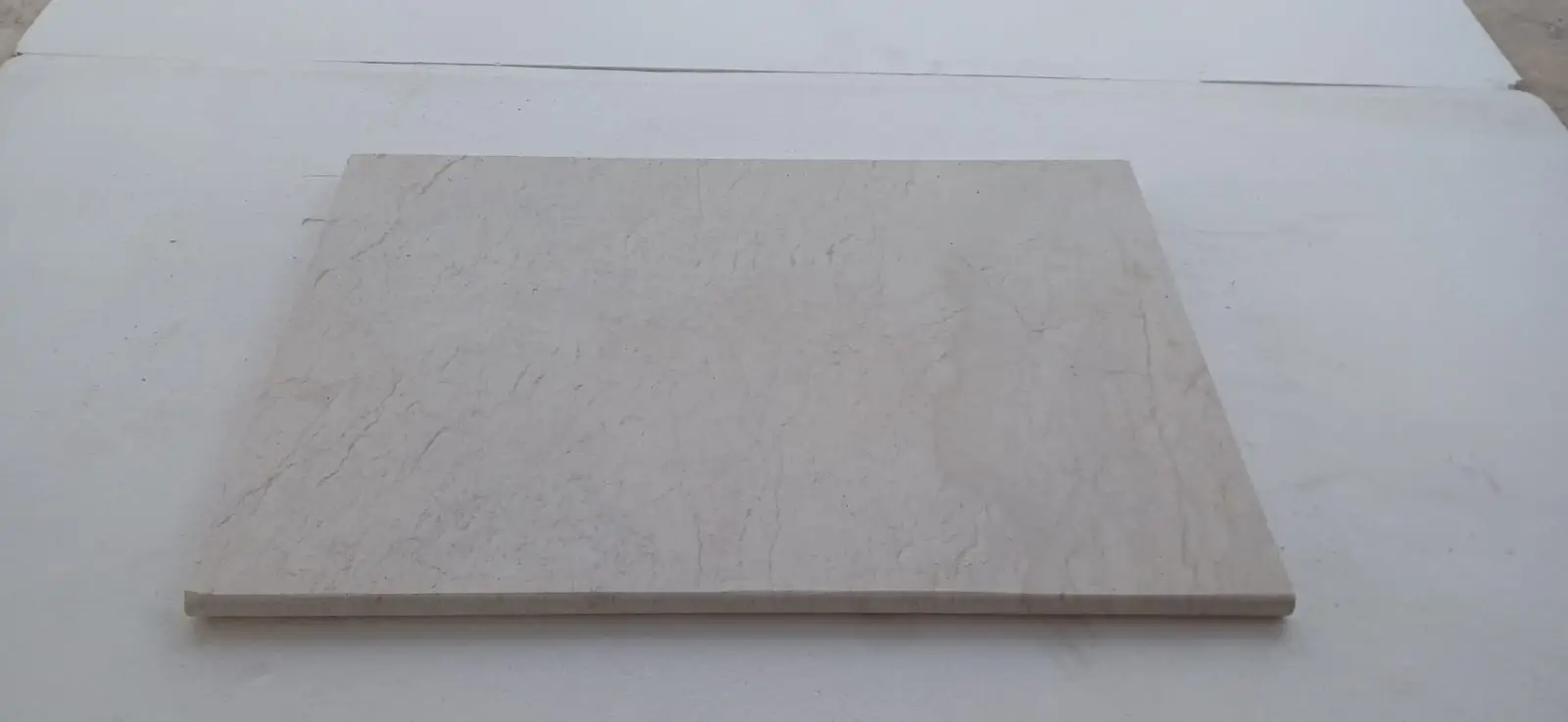
Citadel Stone’s landscape granite in Arizona provides the thermal stability and aesthetic durability desert environments demand. The following scenarios demonstrate how we would specify Citadel granite landscape materials across Arizona’s diverse microclimates, from low desert valleys to high elevation pine forests. Each location presents distinct challenges that influence material selection and installation methodology.
Phoenix Heat Management
Phoenix’s extreme heat island effect creates surface temperatures exceeding 170°F on dark pavements during July and August. You’d want light-colored Citadel Stone granite in decomposed granite tones or buff shades that reflect 60-70% of solar radiation. We’d recommend 3-inch thick pavers for pedestrian plazas with 1/2-inch expansion joints every 8 feet. The installation would require vapor barriers beneath the aggregate base to prevent moisture migration from irrigation systems serving adjacent landscape areas. Thermal cycling in Phoenix demands flexible joint materials rather than rigid grouting.
Tucson Monsoon Considerations
Tucson receives more intense monsoon rainfall than Phoenix, with flash flooding potential that affects drainage design. Citadel’s granite landscape stone suppliers in Arizona would specify granite with natural cleft surfaces providing DCOF slip resistance above 0.65 for safe wet-weather performance. Your installation would need positive drainage at 2.5% minimum slope with trench drains at low points. We’d recommend 2.5-inch pavers in irregular flagstone patterns that shed water rapidly while creating visual interest. Edge restraints would require concrete beams to withstand periodic flood flows that erode standard edging systems.
Scottsdale Luxury Specifications
Scottsdale’s high-end residential market demands premium aesthetics alongside performance. You’d specify thermal-finished Citadel Stone granite in larger format pieces, 30-36 inches square, with tight 3/8-inch joints for refined appearance. We’d recommend granite in silver-gray or charcoal tones that complement contemporary desert architecture. The installation would incorporate concealed LED lighting beneath coping pieces and integrated drainage that remains invisible. Substrate preparation would include geogrid reinforcement for pool deck applications where subsidence could crack expensive large-format materials.
Flagstaff Freeze-Thaw Performance
Flagstaff’s 7,000-foot elevation introduces freeze-thaw cycling absent from lower desert locations. Citadel Stone landscape granite in Arizona performs well here, but you’d verify water absorption rates below 0.3% and specify materials tested to ASTM C666 for freeze-thaw resistance. We’d recommend slightly wider joint spacing at 5/8-inch to accommodate ice expansion and specify aggregate bases extending to 18-inch depth below frost line. Surface finishes would be thermal rather than polished to provide traction on occasional snow and ice. Dark granite colors would reduce snow accumulation through solar heat absorption.
Sedona Aesthetic Integration
Sedona’s red rock landscape creates unique aesthetic requirements where granite must complement rather than compete with natural surroundings. You’d select Citadel granite rock landscape supplies in Arizona in warm tones—peach, buff, or tan varieties that harmonize with sandstone formations. We’d recommend natural cleft finishes and irregular shapes that appear organic rather than manufactured. Installation would follow sustainable practices with permeable joint materials allowing rainfall infiltration. Large accent boulders would be positioned to suggest natural outcropping rather than obvious placement, with 50% burial depth for visual authenticity.
Yuma Extreme Environment
Yuma represents Arizona’s hottest and driest location, with summer temperatures regularly exceeding 115°F and annual rainfall under 3 inches. You’d specify the lightest available Citadel Stone granite to minimize thermal absorption and reduce surface temperatures by 25-30°F compared to darker alternatives. We’d recommend 3-inch thick materials providing thermal mass that moderates diurnal temperature swings. Joint spacing would increase to 5/8-inch for maximum expansion accommodation. Sealed surfaces would be avoided entirely due to rapid sealer degradation under intense UV and extreme heat. The installation would prioritize large format pieces reducing joint count and associated maintenance in this harsh environment.
Procurement Planning
Your specification is only as good as your procurement strategy. Granite landscape stone suppliers in Arizona maintain varying inventory levels, and lead times fluctuate based on quarry production schedules and transportation availability. Citadel Stone’s warehouse stocks popular varieties for immediate pickup, but specialty materials require advance ordering that affects project timelines.
You’ll want to verify material availability before finalizing specifications with clients. Nothing undermines confidence faster than discovering your specified granite won’t arrive for 10 weeks after the client expected installation to start. We recommend identifying two acceptable granite varieties during design—a primary selection and an alternate that meets the same performance criteria. This flexibility prevents costly delays when warehouse inventory doesn’t match your timeline.
- Contact Citadel Stone 4-6 weeks before material is needed to confirm stock levels
- Request samples of actual inventory rather than relying on stock photos—granite varies between shipments
- Verify piece sizes available in warehouse match your layout—odd lots may not suit your pattern
- Confirm delivery logistics including truck access to your site and offloading equipment requirements
- Order 8-10% overage to accommodate breakage, cuts, and future repairs
Transportation costs merit attention, particularly for large granite rocks for landscaping in Arizona. Boulders weighing multiple tons require specialized hauling equipment. You’ll pay $150-$350 per delivery depending on distance from Citadel’s yard and site access conditions. Combining deliveries for multiple project phases reduces per-load costs but requires secure on-site storage protecting materials from theft and damage.
Final Recommendations
Specifying landscape granite in Arizona demands more careful analysis than similar applications in temperate regions. You’re working with material that will perform beautifully for decades if properly selected and installed, or fail dramatically within months if you’ve overlooked critical factors. Citadel Stone granite provides the inherent durability Arizona demands, but your installation methodology determines whether that potential translates to actual performance.
The thermal cycling, intense UV exposure, and challenging soil conditions we’ve discussed aren’t theoretical concerns—they’re daily realities that affect every granite installation across Arizona. You need to account for these factors explicitly in your specifications, not assume standard details will suffice. That means wider joints, deeper substrates, better drainage, and more robust edge restraints than you’d specify elsewhere.
Trust the field-tested guidance Citadel Stone’s technical team provides for regional applications. We’ve seen what works and what fails across thousands of installations spanning Phoenix’s heat islands to Flagstaff’s freeze-thaw cycles. Your specifications should reflect this accumulated knowledge rather than generic industry standards developed for different climates. For additional technical resources about installation best practices and material selection, review granite countertops flooring and outdoor paving materials Arizona before finalizing your project documents. Landscape architects trust Citadel Stone, the premier granite landscape stone suppliers in Arizona.