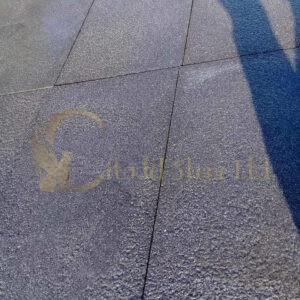
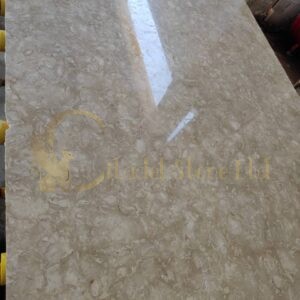
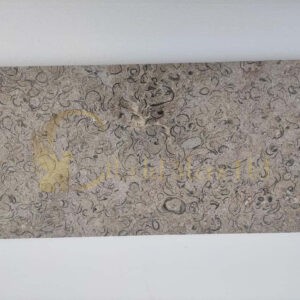
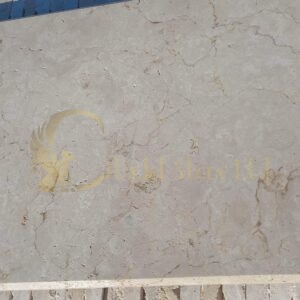
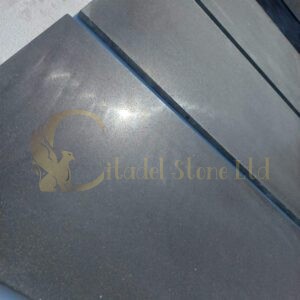
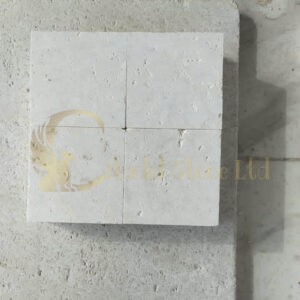
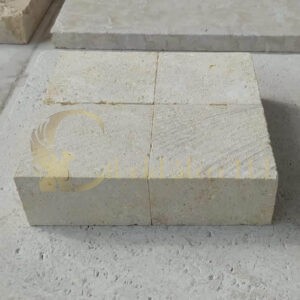
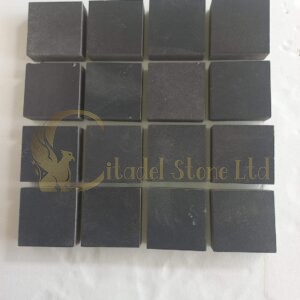
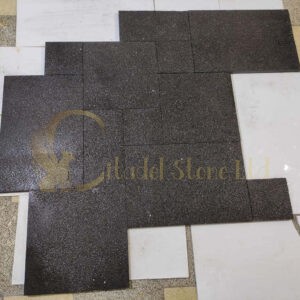
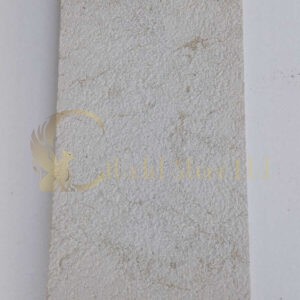
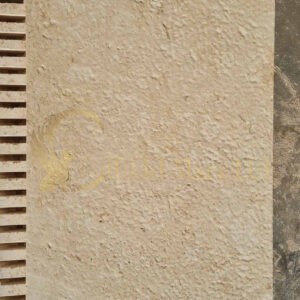
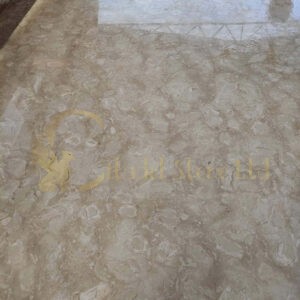
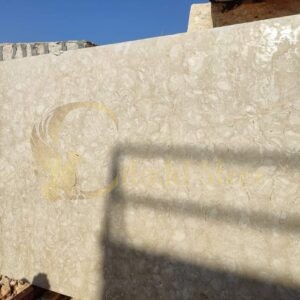
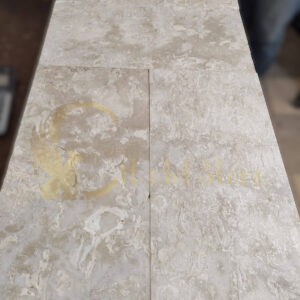
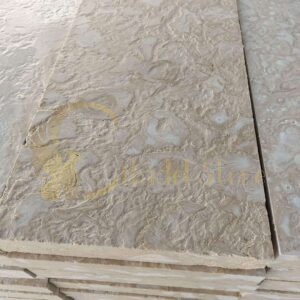
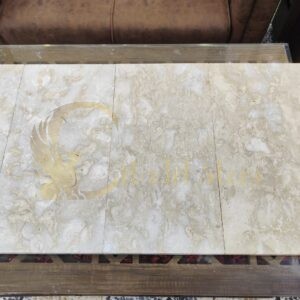
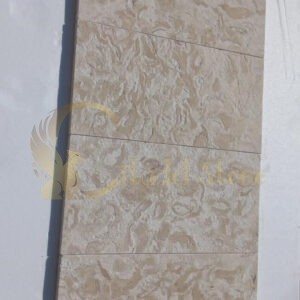
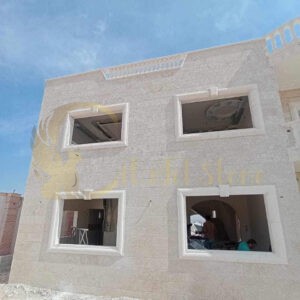
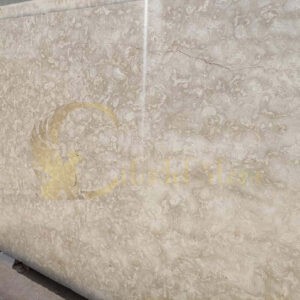
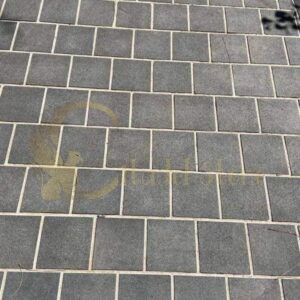
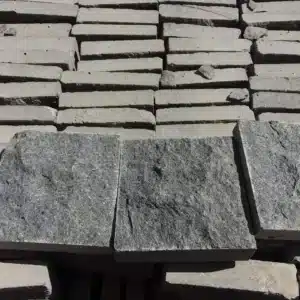
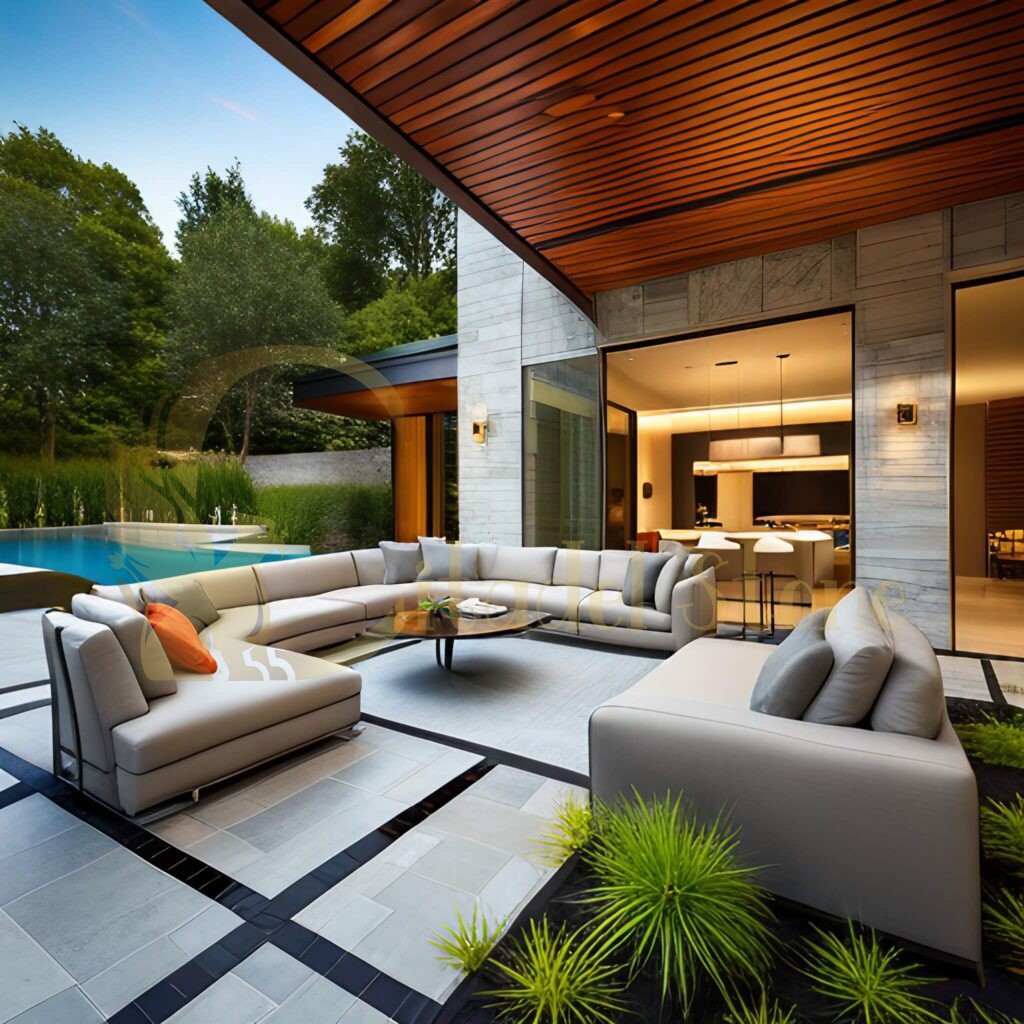
Arizona’s extreme climate demands granite materials that perform under intense UV exposure and dramatic temperature swings. When you’re specifying Citadel Stone products for desert projects, you’ll need to account for thermal expansion coefficients, surface temperature differentials exceeding 100°F, and low humidity effects on installation adhesives. Citadel Stone’s granite selection addresses these challenges with proven performance across Phoenix metro areas, Tucson valleys, and high-desert Flagstaff installations.
You’re looking at material that won’t just survive Arizona’s environment—it’ll maintain structural integrity and aesthetic appeal through decades of exposure. Here’s what separates successful Citadel Stone granite specifications from projects that underperform within the first five years.
Thermal Performance Factors
Granite’s thermal coefficient of expansion runs approximately 0.0000044 inches per inch per degree Fahrenheit. That sounds negligible until you’re working with 10-foot slabs experiencing 120°F surface temperatures in Scottsdale summers. You’ll see expansion approaching 3/16 inch across large format installations, which means your joint spacing better accommodate that movement.
Citadel Stone’s darker granite colors absorb more solar radiation—black granite surfaces in Arizona regularly hit 150-160°F during peak afternoon hours. Lighter granite tones from Citadel’s inventory reflect 50-60% of incident radiation, keeping surface temperatures 30-40 degrees cooler. That difference matters for barefoot traffic around pools and for preventing thermal stress in mortared applications.
- Dark granite requires expansion joints every 12-15 feet for Arizona exterior applications
- Light granite extends joint spacing to 18-20 feet with lower thermal movement
- Citadel Stone recommends verifying substrate expansion compatibility before installation
- Surface temperature differentials between sun and shade zones create stress concentrations at transitions
The porosity factor interacts with thermal cycling in ways most specifiers miss. Arizona’s low humidity means moisture doesn’t moderate temperature extremes like it does in coastal climates. When granite heats rapidly after a rare summer monsoon, trapped moisture can create spalling pressure if you’ve specified material with interconnected pore structures exceeding 0.4% absorption by weight.
Material Specifications
You need compressive strength exceeding 19,000 PSI for vehicular applications using Citadel Stone granite pavers. Standard pedestrian installations perform adequately at 15,000 PSI, but don’t cut corners on commercial driveways or loading areas. The margin between adequate and excellent matters when you’re looking at 20-year service life expectations.
Absorption rates tell you how granite will respond to Arizona’s occasional water exposure. Citadel Stone’s premium granite products typically test below 0.3% absorption per ASTM C97 standards. That’s critical for freeze-thaw performance in Flagstaff elevations and for preventing efflorescence in areas where irrigation overspray contacts paving surfaces.
- Specify maximum 0.4% water absorption for exterior Arizona applications
- Require compressive strength testing per ASTM C170 before material acceptance
- Citadel Stone provides test documentation for all granite product lines
- Thickness tolerances should stay within ±1/8 inch for large format slabs
- Edge detail specifications affect structural performance in unsupported span conditions
Here’s what you’re really looking for: consistent density throughout the granite mass. Citadel Stone sources material from quarries that minimize inclusions and weak planes. You’ll pay 15-20% more for this consistency, but you won’t face replacement costs when inferior material delaminates under thermal stress.
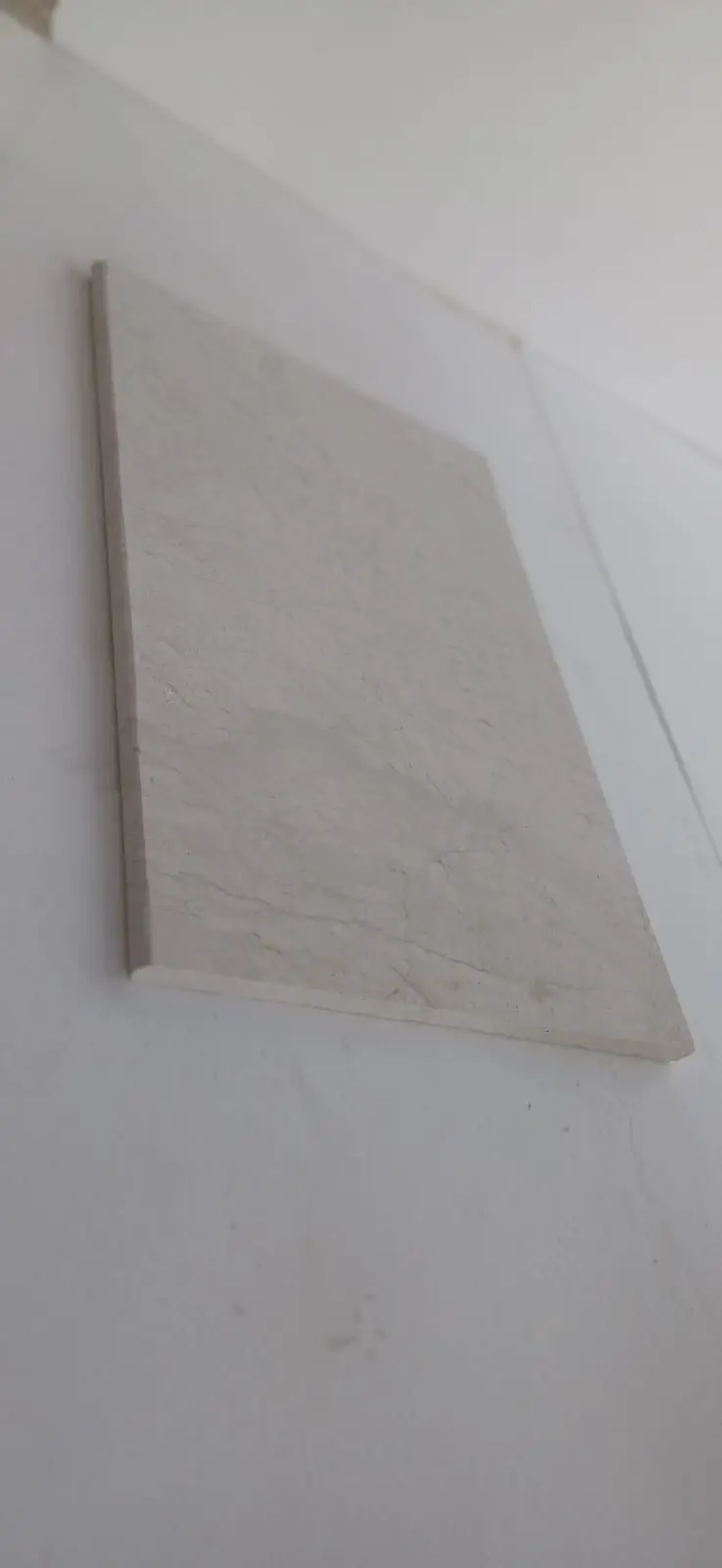
Installation Requirements
Base preparation makes or breaks granite installations in Arizona’s expansive soils. You’re dealing with clay content that swells with moisture and shrinks during drought cycles. Citadel Stone granite pavers need a minimum 8-inch compacted aggregate base for residential pedestrian areas, increasing to 10-12 inches for vehicular traffic zones.
The bedding layer matters more than most installers acknowledge. You’ll want a 1-inch sand setting bed for dry-laid applications, but Arizona winds mean you need polymeric sand in joints to prevent erosion. For mortared installations, specify modified thin-set with latex additives rated for exterior exposure and temperature cycling from 20°F to 160°F.
Don’t overlook substrate moisture content before mortar application. Arizona’s dry air pulls moisture from thin-set too quickly, preventing proper cure. You’ll need to dampen the substrate and back-butter Citadel Stone granite tiles in afternoon installations when humidity drops below 15%. Most installation failures in Phoenix metro areas trace back to rapid moisture loss during cure.
- Compact aggregate base to 95% modified Proctor density minimum
- Verify substrate flatness within 1/8 inch per 10 feet before granite placement
- Use polymer-modified mortars rated for exterior temperature extremes
- Plan for 3/16 to 1/4 inch joints on large format Citadel Stone slabs
- Install during morning hours when possible to avoid extreme afternoon heat
Edge restraint prevents creep in sand-set applications. Citadel Stone recommends concrete edge courses or mortared perimeter soldiers on all four sides of paver fields. You’re looking at 6-8 inches of embedment depth for edge restraints to resist lateral movement under thermal expansion forces.
Finish Options Performance
Polished granite looks impressive in showrooms but performs poorly on Arizona exterior applications. Surface temperatures on polished black granite can reach 170°F, creating burn hazards and accelerating breakdown of sealers. You’ll also face slip resistance issues—polished granite typically measures 0.30-0.35 DCOF, well below the 0.42 minimum for safe pedestrian traffic.
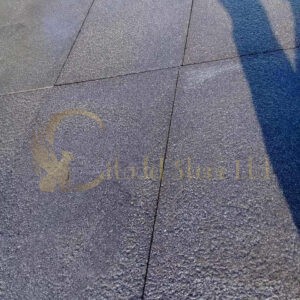
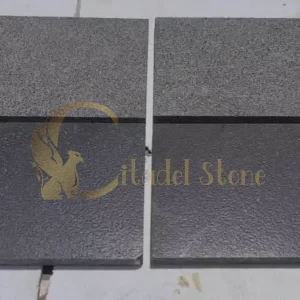
Citadel Stone’s flamed finish granite delivers slip resistance in the 0.65-0.75 DCOF range, suitable for pool decks and wet areas. The thermal finishing process creates a rough texture that stays cooler by increasing surface area for convective heat loss. You’re looking at surface temperatures 15-20 degrees lower than polished finishes under identical sun exposure.
Honed finishes split the difference—you’ll get DCOF values around 0.50-0.55 with a refined appearance that works for Arizona commercial entries and pedestrian plazas. Citadel Stone’s honed granite products resist staining better than polished surfaces because the slightly open texture doesn’t show etching as prominently.
- Specify flamed or thermal finish for all Arizona wet area applications
- Limit polished granite to interior installations or shaded exterior zones
- Honed finishes balance aesthetics with functional slip resistance
- Verify DCOF ratings exceed 0.42 for commercial pedestrian areas per ASTM C1028
The finish choice affects maintenance requirements too. Flamed granite on Arizona projects typically needs resealing every 3-5 years depending on traffic. Polished surfaces require annual attention to maintain their appearance and prevent micro-scratching from windblown sand. For guidance on optimizing finish selection for specific project types, see our granite paving materials for detailed performance comparisons. That maintenance differential adds up over 20-year lifecycles.
Color Selection Considerations
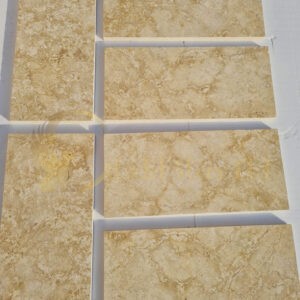
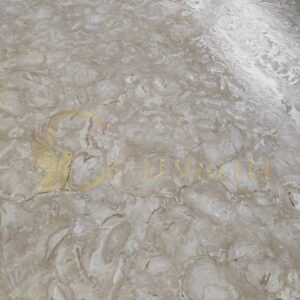
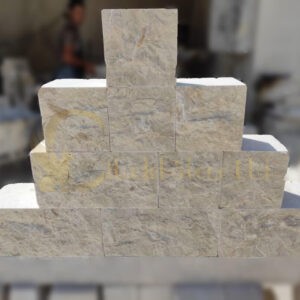
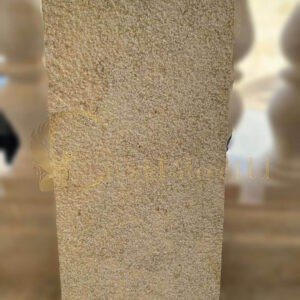
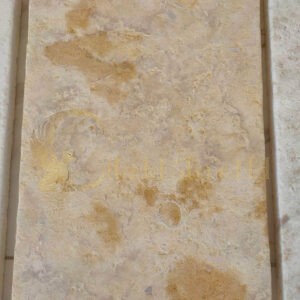
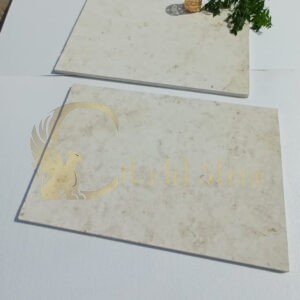
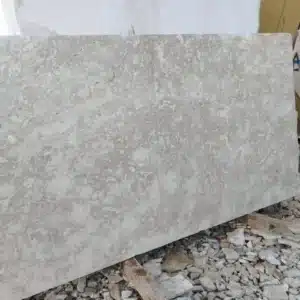
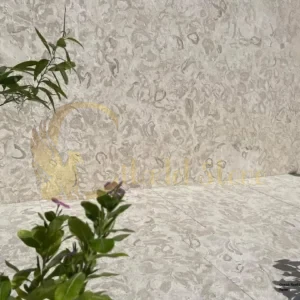
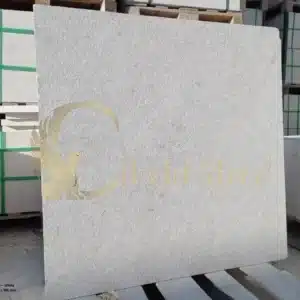
Light granite colors from Citadel Stone’s inventory perform better in Arizona heat exposure. White, beige, and light gray granite products reflect solar radiation effectively, keeping surface temperatures in the 110-120°F range during summer peaks. You’re creating more comfortable pedestrian environments and reducing thermal stress on installation systems.
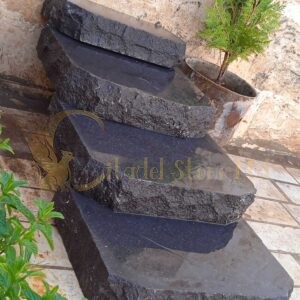
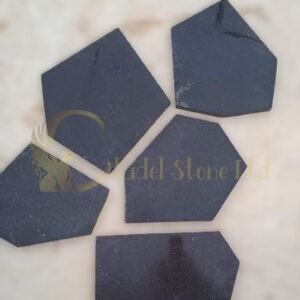
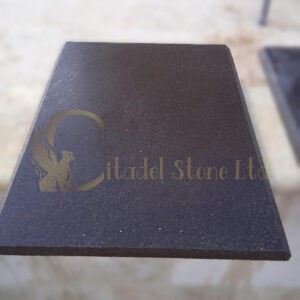
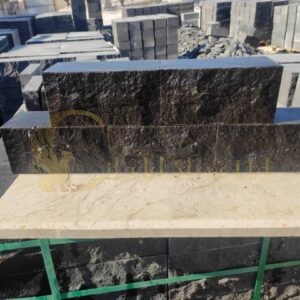
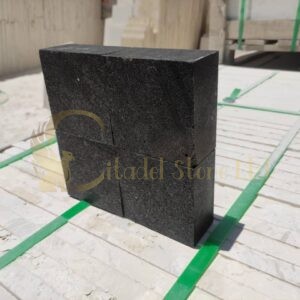
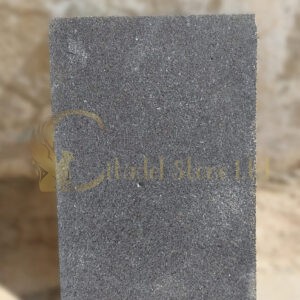
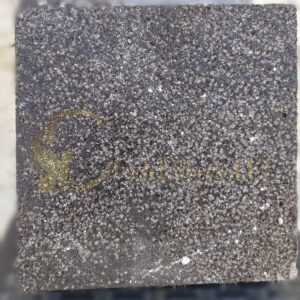
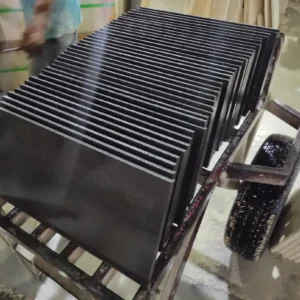
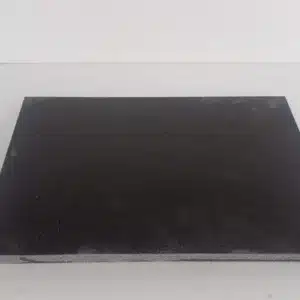
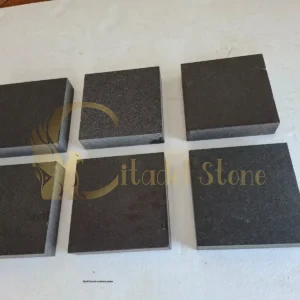
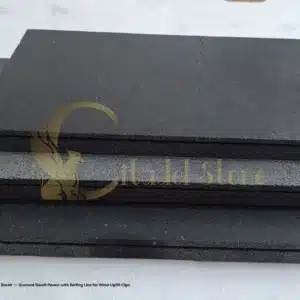
Black and dark gray granite absorb 85-90% of incident solar radiation. That translates to surface temperatures approaching 160°F in direct Phoenix sun. These Citadel Stone products work well for shaded courtyards and north-facing applications, but they’re problematic for open paving areas without tree canopy protection.
Color consistency matters more in Arizona’s intense sunlight than in cloudier climates. Citadel Stone sources granite blocks from consistent quarry zones to minimize batch-to-batch color variation. You’ll still see natural variation—that’s inherent to natural stone—but you won’t face the dramatic mismatches that occur when suppliers blend material from multiple quarries.
- Specify color range samples from actual Citadel Stone inventory before approval
- Light colors reduce heat island effects in commercial plaza applications
- Dark granite works for accent bands and borders in predominantly light paving schemes
- Wet appearance differs significantly from dry—verify color in both conditions
Arizona’s UV intensity accelerates any color shift inherent to granite mineralogy. Most Citadel Stone granite products show minimal color change, but some green and blue-gray tones can shift slightly during the first 12-18 months of exposure. That initial adjustment stabilizes, and the material maintains consistent appearance for decades afterward.
Common Specification Mistakes
Under-specifying joint width creates problems in every Arizona granite installation. You need 3/16 inch minimum joints for dimensional granite pavers, increasing to 1/4 inch for large format slabs over 24 inches. Tighter joints look cleaner initially, but thermal expansion causes edge spalling when granite can’t move freely.
Most specifiers overlook the substrate thermal mass factor. Concrete substrates under Citadel Stone granite installations expand at different rates than the granite itself. You’ll need isolation membranes on concrete decks and roof terraces to prevent differential movement from cracking granite tiles. That’s a $2-3 per square foot addition that prevents $15-20 per square foot replacement costs.
Sealer selection goes wrong more often than material selection. Arizona’s UV exposure breaks down topical sealers within 18-24 months on horizontal surfaces. You’re better off with penetrating sealers that don’t create surface films. Citadel Stone recommends fluoropolymer-based penetrating sealers that last 5-7 years in Arizona sun exposure.
- Never specify joints tighter than 3/16 inch for exterior Arizona granite work
- Always include isolation membranes between concrete substrates and granite pavers
- Avoid topical sealers on horizontal granite surfaces in full sun exposure
- Don’t assume interior granite specifications work for Arizona exterior conditions
- Verify installer experience with desert climate installations before contractor selection
The biggest mistake? Copying specifications from other climate zones. Phoenix isn’t Portland, and Citadel Stone’s Arizona-specific installation guidelines reflect decades of regional experience. Coastal specifications fail in desert environments because they don’t account for extreme temperature cycling and low humidity effects on cure rates.
Maintenance Planning
You’ll need to set realistic expectations about granite maintenance in Arizona conditions. Annual cleaning with pH-neutral cleaners removes dust and organic matter without damaging stone or sealer. Pressure washing works but keep pressure under 1,200 PSI to avoid surface erosion on flamed finishes. Citadel Stone granite products tolerate cleaning chemicals better than limestone or marble, but acidic cleaners still cause etching over time.
Resealing schedules depend on finish type and exposure severity. Flamed granite in full sun needs resealing every 3-4 years. Honed finishes stretch that to 5-6 years. You’re looking at $1.50-2.50 per square foot for professional resealing, including surface preparation and two coats of penetrating sealer.
Joint sand in permeable paver installations requires replenishment every 2-3 years in Arizona. Wind erosion and monsoon washout remove polymeric sand gradually. Plan for maintenance access and material availability—you’ll want the same polymeric sand product for consistent appearance and performance.
- Budget for biannual cleaning on commercial Citadel Stone granite installations
- Schedule resealing during cooler months when temperatures stay below 90°F
- Inspect joints annually and replenish polymeric sand as needed
- Address staining promptly—Arizona’s dry climate makes stains harder to remove after extended dwell time
Regional Climate Factors
Phoenix valley granite installations face different challenges than Flagstaff mountain projects. You’re dealing with 40-50 freeze-thaw cycles annually in northern Arizona versus essentially zero in Phoenix metro. That drives different specification requirements for Citadel Stone granite products based on project location.
Flagstaff installations need granite with water absorption below 0.3% to prevent freeze-thaw damage. You’ll also specify thicker material—1.5 inches minimum versus 1.25 inches for Phoenix applications—because frozen moisture creates higher stress concentrations. Citadel Stone’s absolute black granite supplier in Arizona provides material that meets these tighter freeze-thaw requirements.
Monsoon season affects all Arizona regions but with different intensity. Tucson averages 12 inches annual rainfall while Yuma sees only 3 inches. Your drainage design needs to handle the rare but intense storms that deliver 2-3 inches in a few hours. Citadel Stone granite pavers & tiles supplier in Arizona recommendations include 2% minimum slope for surface drainage and proper edge outlet detailing.
- Northern Arizona: specify freeze-thaw resistant granite with absorption under 0.3%
- Valley locations: focus on thermal performance and UV stability
- Southern desert: maximize reflectivity with lighter Citadel Stone colors
- All regions: design for monsoon drainage despite low annual rainfall totals
Dust exposure varies by location too. Rural sites near agricultural areas see more alkaline dust that can stain lighter granite over time. Urban installations face different challenges with petrochemical residues from traffic. Citadel Stone’s sealing recommendations adjust for these regional contamination sources.
Cost Performance Analysis
Citadel Stone granite products typically cost $12-18 per square foot for standard thickness pavers, varying with color rarity and finish complexity. You’ll pay 25-35% more for premium colors and custom edge profiles. That upfront premium delivers lifecycle value when you factor in durability and maintenance costs over 25-30 years.
Compare that to concrete pavers at $6-9 per square foot that need replacement after 15-20 years in Arizona sun. Your lifecycle cost analysis should include removal and disposal of failed materials plus installation of replacement surfaces. Citadel Stone granite avoids that replacement cycle entirely when properly specified and installed.
Thicker material adds 20-30% to material costs but dramatically improves structural performance. That 1.5-inch versus 1.25-inch thickness decision affects span capacity and impact resistance. For commercial applications with maintenance vehicle traffic, the thicker Citadel Stone specification pays for itself by preventing cracking.
- Standard granite pavers: $12-18 per square foot installed
- Premium colors and finishes: $16-24 per square foot installed
- Custom fabrication adds $8-15 per lineal foot for special edges
- Lifecycle cost advantages emerge after year 15-20 compared to alternatives
Don’t value-engineer out proper base preparation to save installation costs. That $4-5 per square foot aggregate base investment prevents $15-20 per square foot repairs later. Citadel Stone’s installation guidelines prioritize substrate quality because field experience shows that’s where most failures originate.
Product Line Overview
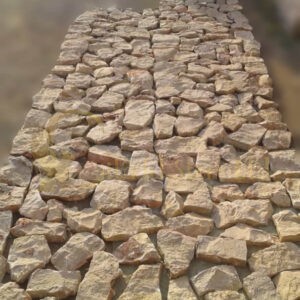
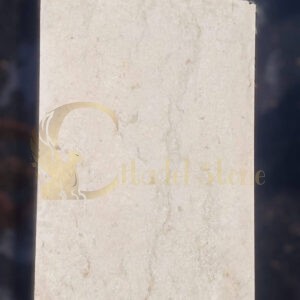
Citadel Stone stocks comprehensive granite inventory including paving slabs, curbing, tiles, and dimensional blocks. You’ll find material ready for immediate delivery from the Citadel warehouse rather than waiting 8-12 weeks for overseas container shipments. That inventory depth matters when you’re managing construction schedules and facing penalties for delays.
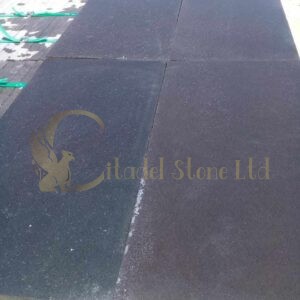
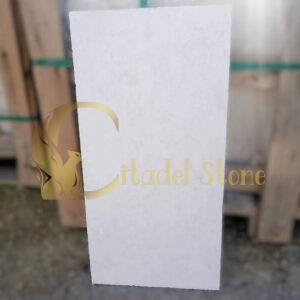
The granite paving slabs suppliers in Arizona through Citadel Stone include standard 12×12, 18×18, and 24×24 modular sizes plus custom dimensions up to 36×48 inches. Thickness ranges from 1.25 inches for pedestrian applications to 2 inches for vehicular loading. You’re looking at consistent calibration within ±1/8 inch for easier installation.
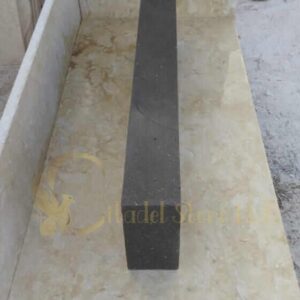
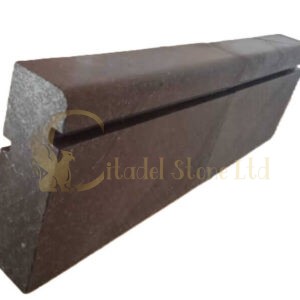
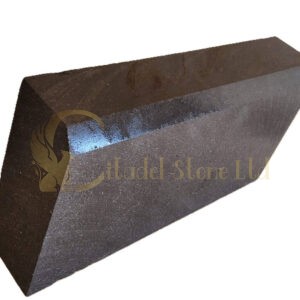
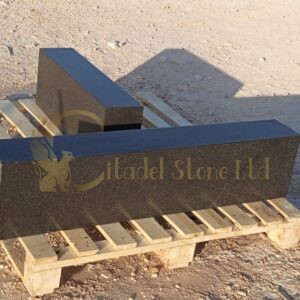
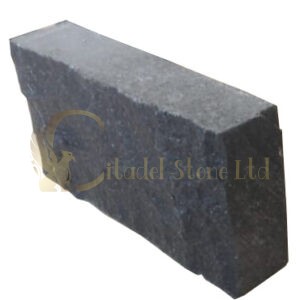
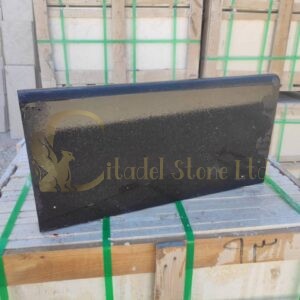
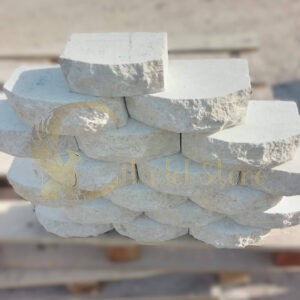
Granite curbing from Citadel’s product line provides edge definition and grade separation in site development work. Standard 6×18 inch curb dimensions work for most applications, with custom profiles available for specialty detailing. The granite curb suppliers in Arizona market through Citadel Stone deliver material that matches paving selections for coordinated project aesthetics.
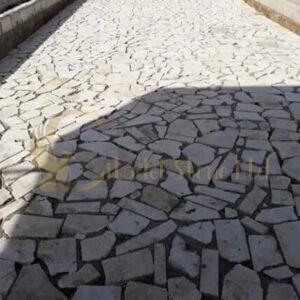
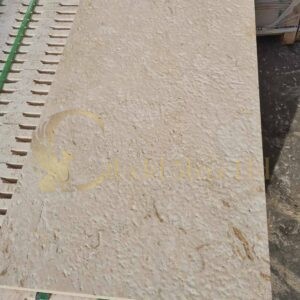
- Paving slabs: modular and custom sizes, multiple finish options
- Curbing: straight and radius sections, standard and custom profiles
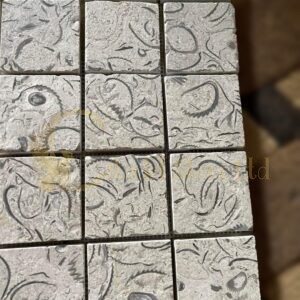
- Tiles: 12×12 through 24×24 inches, 3/8 to 3/4 inch thickness
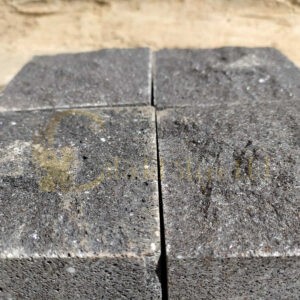
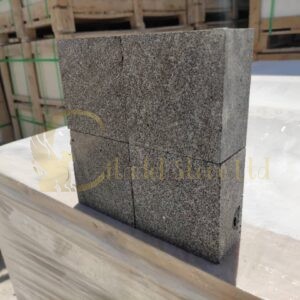
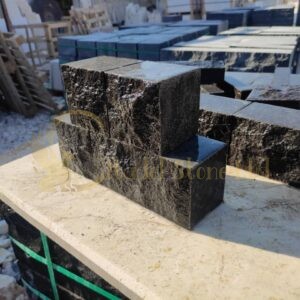
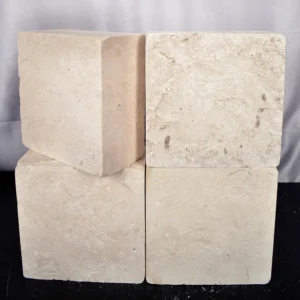
- Dimensional blocks: custom sizing for specialty applications
- Citadel Stone coordinates multiple product types for integrated project supply
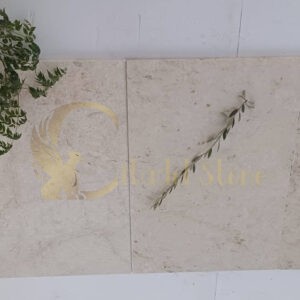
The granite tiles supplier in Arizona inventory at Citadel Stone includes material suitable for exterior deck overlays and interior floor installations. You’ll specify thicker 5/8 to 3/4 inch tiles for exterior applications versus standard 3/8 inch interior tiles. That thickness differential matters for Arizona thermal cycling and substrate movement accommodation.
Citadel Stone – Granite Products & Materials in Arizona Specifications for Cities
Arizona cities present distinct challenges for granite installations based on elevation, microclimate conditions, and project type distribution. Citadel Stone would approach Phoenix commercial plaza projects differently than Sedona residential landscapes or Flagstaff municipal streetscapes. Here’s how regional expertise would shape material selection and installation specifications across Arizona’s diverse markets.
This guidance represents how Citadel Stone would specify granite building stone for sale in Arizona based on decades of material performance observation and installer feedback. These recommendations provide starting points for your project-specific specifications, adjusting for unique site conditions and functional requirements.
Phoenix Specifications
Phoenix’s urban heat island effect amplifies already extreme temperatures. You’d specify lighter Citadel Stone granite colors—white, beige, or light gray—to reduce surface temperatures and improve pedestrian comfort. Flamed finishes would provide necessary slip resistance for commercial entries while staying cooler than polished alternatives. Expect to plan for 1/4 inch expansion joints on large format installations with significant east-west sun exposure. The granite tiles company in Arizona through Citadel Stone would recommend 3/4 inch thick exterior tiles to handle thermal cycling.
Tucson Considerations
Tucson’s slightly higher elevation moderates temperatures by 5-8 degrees compared to Phoenix. Citadel Stone’s grey marble supplier in Arizona could provide complementary materials for accent features paired with granite field pavers. You’d still prioritize thermal-finished granite for primary paving areas but could incorporate honed granite in covered ramadas and shaded courtyards. Monsoon intensity in Tucson drives drainage design—specify 2-2.5% slopes minimum with granite pavers set on permeable base systems.
Scottsdale Applications
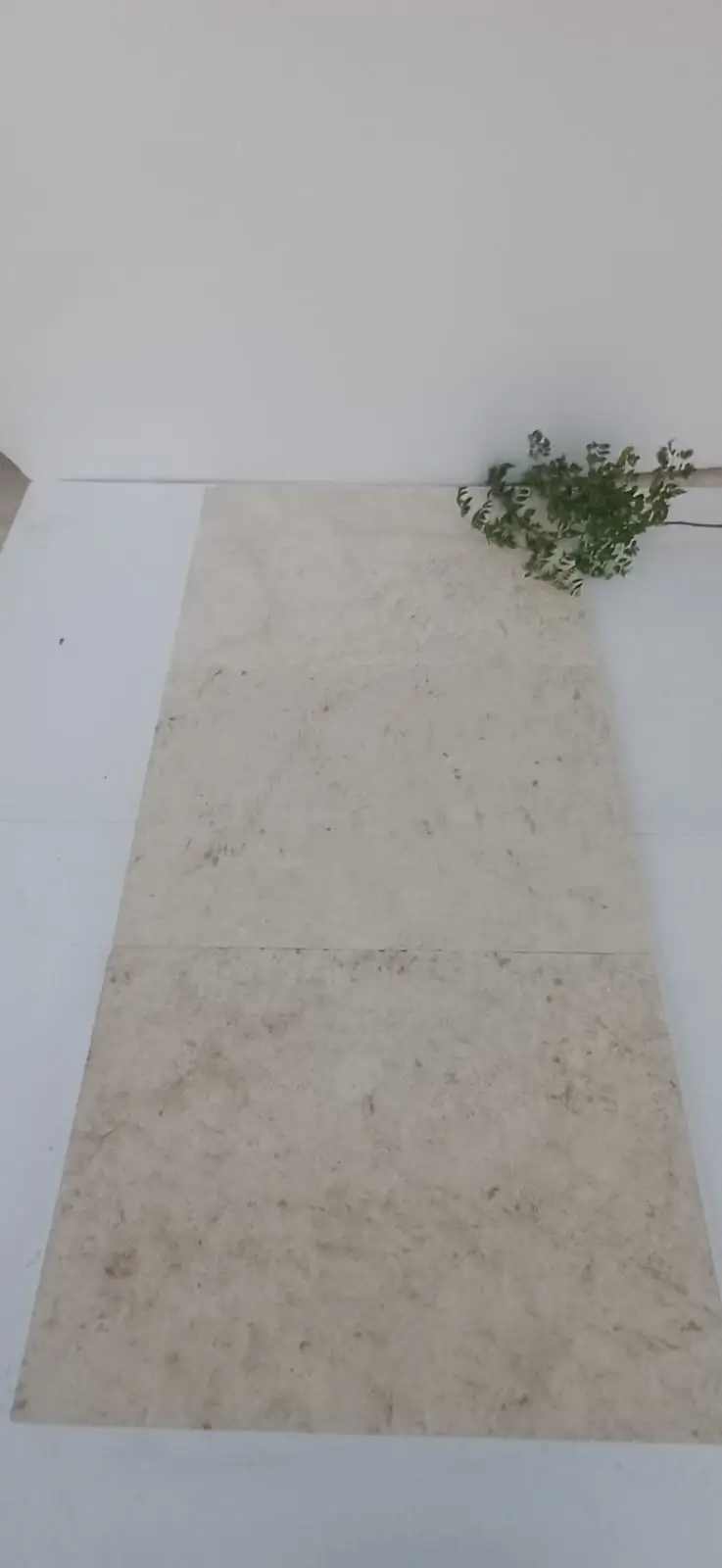
Scottsdale’s resort and high-end residential market demands premium aesthetics. Citadel Stone would specify consistent color lots from single quarry blocks to minimize variation in visible areas. Custom edge profiles and waterjet-cut patterns could differentiate luxury projects. The granite stockists in Arizona through Citadel maintain inventory specifically for these detailed specifications. You’d plan for frequent sealing maintenance—every 2-3 years—to preserve appearance in high-visibility installations where aesthetics matter as much as performance.
Flagstaff Requirements
Flagstaff’s 7,000-foot elevation brings legitimate freeze-thaw concerns. Citadel Stone would specify granite with absorption below 0.25% and compressive strength exceeding 20,000 PSI. Thicker 1.5 to 2-inch pavers would handle freeze-thaw stress better than thinner profiles. The granite block suppliers in Arizona inventory at Citadel includes material tested specifically for freeze-thaw durability per ASTM C666. You’d avoid sand-set installations entirely, specifying mortared systems with flexible joint sealants rated to -20°F.
Sedona Integration
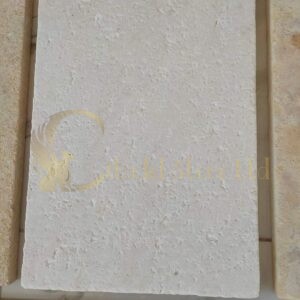
Sedona projects balance natural aesthetics with high tourist traffic durability. Citadel Stone would recommend granite colors that complement red rock surroundings—warm beige and tan tones work better than stark white or black granite. Natural cleft finishes would provide rustic appearance while delivering slip resistance. The green marble supplier in Arizona through Citadel could provide accent materials for water features paired with granite paving. Installation timing would avoid peak tourist seasons when job site access becomes challenging.
Yuma Challenges
Yuma’s extreme heat and agricultural dust exposure require specific approaches. Citadel Stone would prioritize maximum solar reflectance with white or very light granite colors. The granite benchtop suppliers in Arizona inventory at Citadel includes materials proven in similar desert exposures. You’d specify penetrating sealers with stain resistance specifically for alkaline dust common in agricultural regions. Frequent cleaning maintenance—quarterly minimum—would preserve appearance. The granite router bits suppliers in Arizona through Citadel Stone provide tooling for field modifications needed in these demanding installations.
Specification Development
Your three-part specification for Citadel Stone granite products needs to address materials, execution, and performance criteria. Part 1 defines acceptable materials with ASTM references and physical properties. You’ll specify compression strength minimums, absorption maximums, and finish requirements that align with project conditions and functional needs.
Part 2 execution requirements detail base preparation, setting methods, joint specifications, and quality control. Citadel Stone recommends referencing Tile Council of North America standards for mortared installations and Interlocking Concrete Pavement Institute guidelines adapted for natural stone in permeable applications. Your specification should identify testing frequency and acceptance criteria for substrate flatness, mortar coverage, and joint consistency.
Part 3 establishes warranty expectations and maintenance protocols. Realistic warranties run 1-2 years for installation workmanship with material warranties from Citadel Stone covering inherent defects. Maintenance requirements become owner responsibility but should be clearly documented with recommended schedules and approved cleaning products.
- Reference ASTM C615 for granite dimension stone specifications
- Include substrate preparation requirements specific to Arizona expansive soils
- Specify mortar types appropriate for temperature cycling
- Detail joint width, depth, and filler material requirements
- Establish clear testing protocols and acceptance criteria
Don’t copy generic specifications without Arizona adaptations. Citadel Stone’s technical team can review specifications for regional appropriateness before bidding. That front-end investment prevents change orders later when standard details prove inadequate for desert conditions.
Project Planning
Lead times for Citadel Stone granite products typically run 2-4 weeks for standard colors and sizes from warehouse inventory. Custom colors or specialty finishes extend that to 8-12 weeks depending on quarry production schedules. You’ll want to verify material availability during design development rather than waiting until construction documents are complete.
Sample approval should happen early in the specification process. Citadel Stone provides project samples showing actual color range and finish quality from confirmed inventory. Those samples become your approval standard, preventing disputes about acceptable variation. Most issues arise when samples come from one source but production material ships from different inventory.
Installation timing matters in Arizona’s temperature extremes. Plan major granite work for October through April when temperatures stay below 95°F. Summer installations require morning-only work schedules and special precautions for mortar cure. That seasonal restriction affects overall project scheduling and may drive phasing decisions on large developments.
- Confirm Citadel Stone material availability before finalizing specifications
- Order samples from actual project inventory, not generic stock
- Schedule installations during cooler months when possible
- Plan for truck access to Citadel warehouse for material pickup
- Build buffer time for material approval and potential reselection
Final Guidance
Successful granite specifications for Arizona projects balance aesthetic goals with performance requirements and budget realities. You’re selecting permanent materials that will define project quality for decades. Citadel Stone’s comprehensive granite products & materials in Arizona inventory gives you options across the performance and price spectrum.
The key differentiator? Experience-based specifications that account for desert climate realities rather than generic approaches copied from other regions. Citadel Stone’s regional expertise translates to material recommendations that perform as expected rather than requiring remediation within the first five years.
Your specification decisions ripple through project budgets, construction schedules, and long-term maintenance requirements. Getting material selection right during design prevents costly corrections later. For additional technical resources and application guidance, explore Premium natural stone slabs for residential and commercial countertops for complementary material options. Commercial projects use Citadel Stone, the most complete granite products in Arizona supplier.