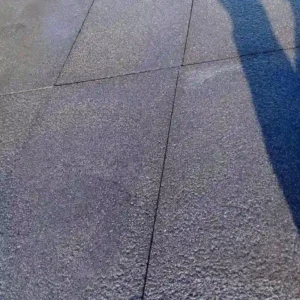
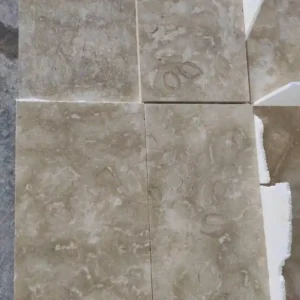

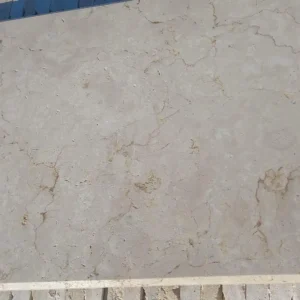
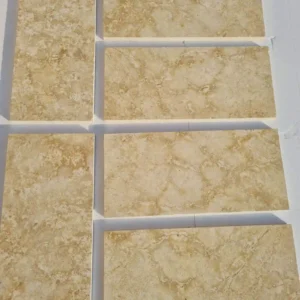

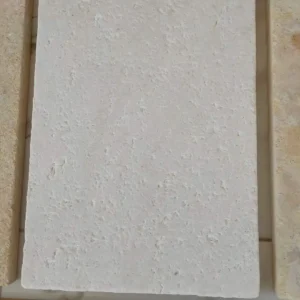
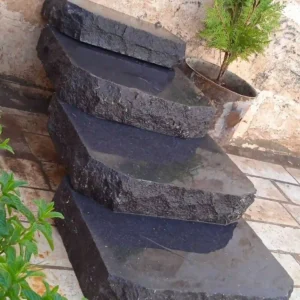
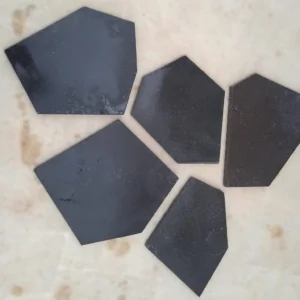
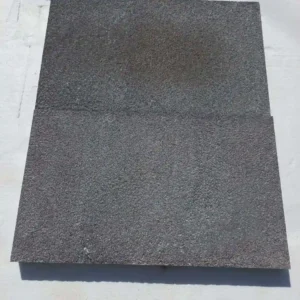
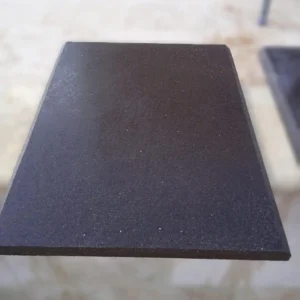
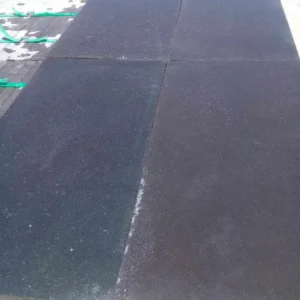

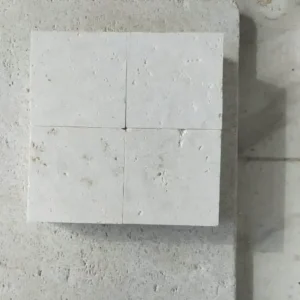
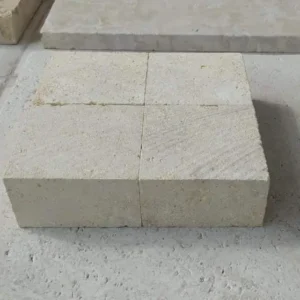
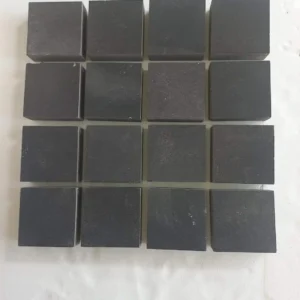
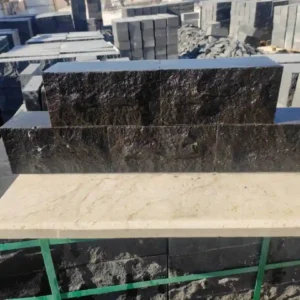
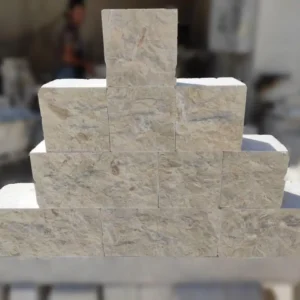
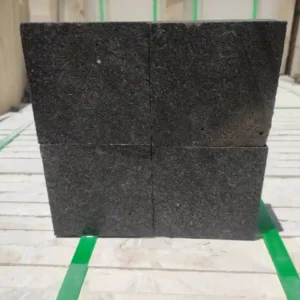


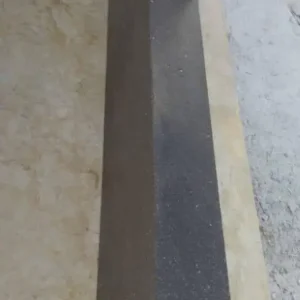
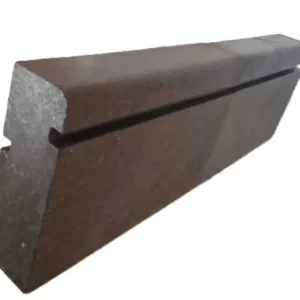
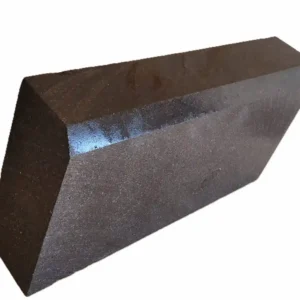
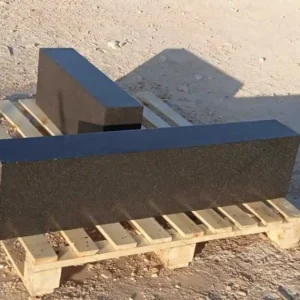
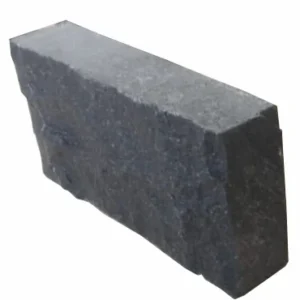

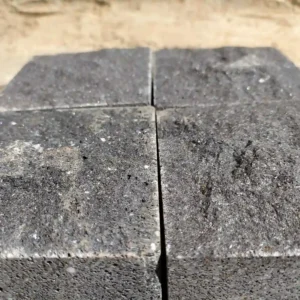

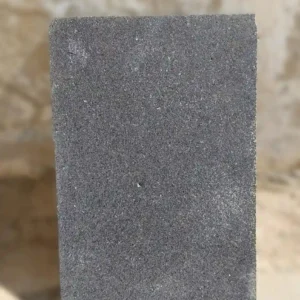
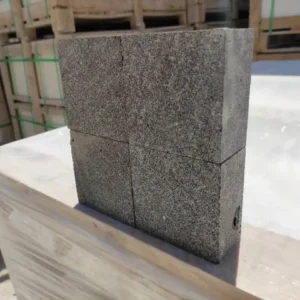
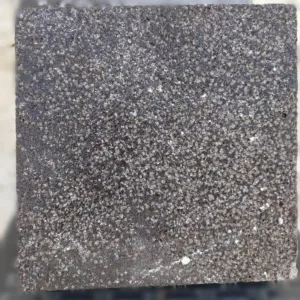

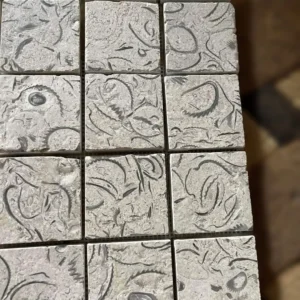
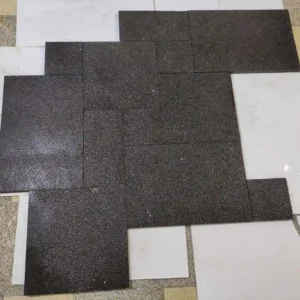
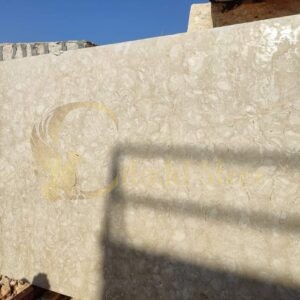
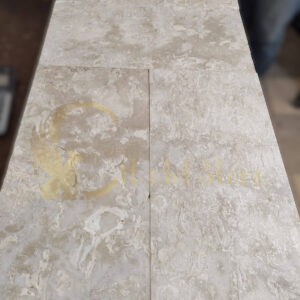
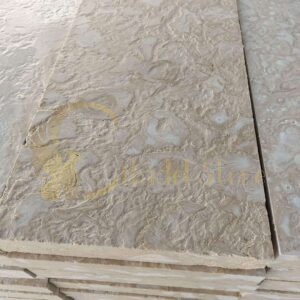
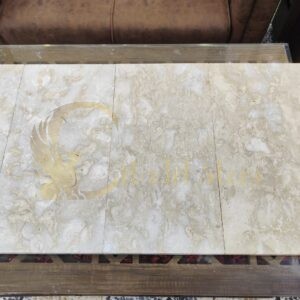



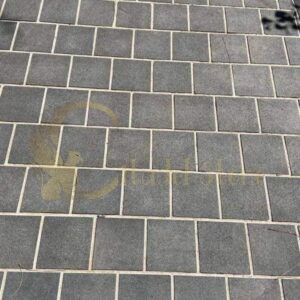

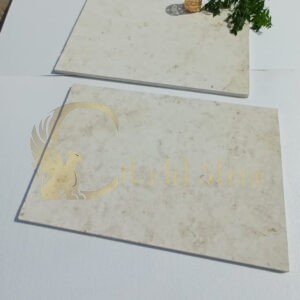
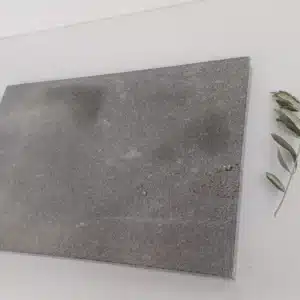




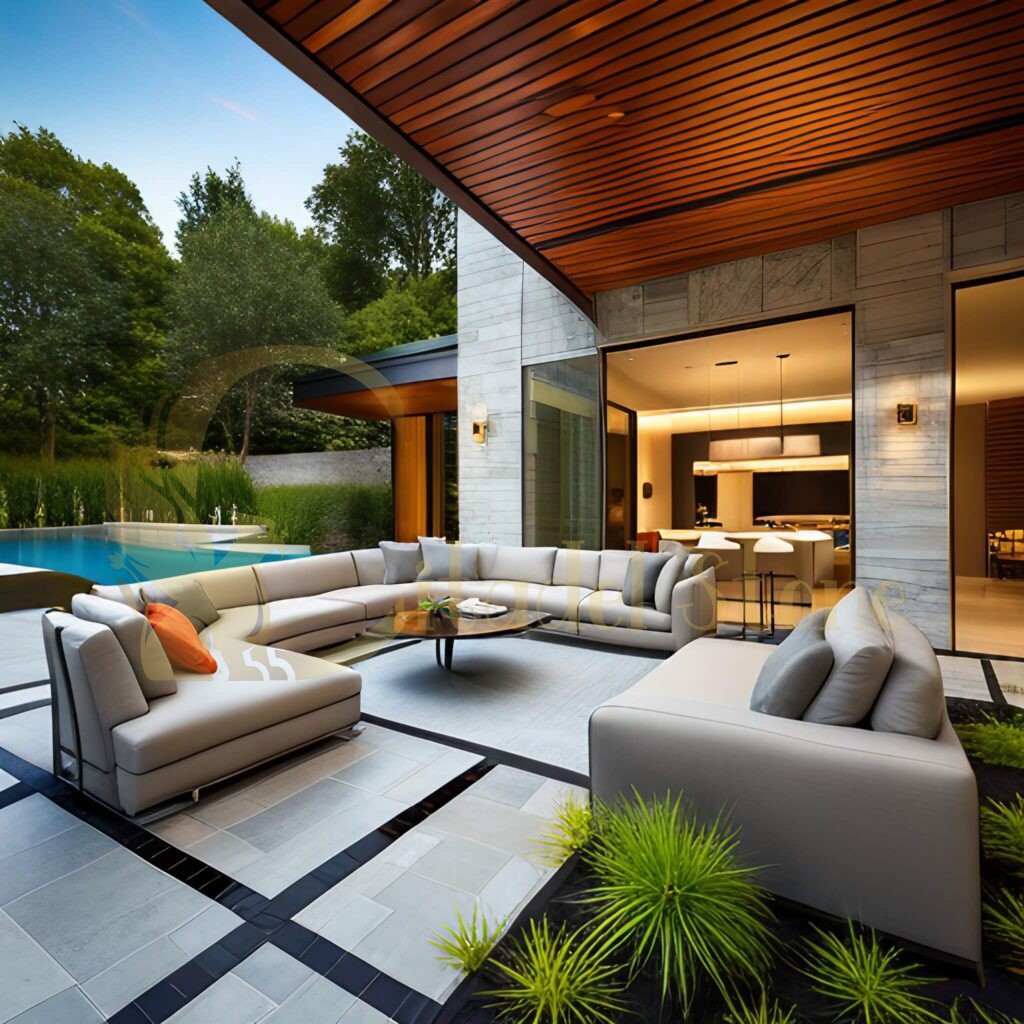
When you’re sourcing granite for Arizona projects, you’ll quickly discover that material selection involves more than browsing color samples. The state’s extreme temperature swings, intense UV exposure, and minimal precipitation create performance demands that separate quality suppliers from warehouse distributors simply moving inventory. Citadel Stone operates as a granite supplier in Arizona with direct understanding of how these environmental factors affect long-term material behavior, from thermal cycling stress to efflorescence risk in desert installations.
You need granite suppliers in Arizona who understand that a slab performing well in humid climates may crack or spall under Phoenix’s 120°F summer heat followed by 40°F winter nights. That 80-degree temperature differential generates expansion and contraction cycles that expose weaknesses in crystalline structure, bonding integrity, and moisture content. Citadel Stone’s approach to granite supply in Arizona prioritizes materials proven to withstand these regional stressors rather than simply offering the broadest product catalog.
Thermal Performance Considerations
Here’s what most specifiers overlook: granite’s thermal coefficient of expansion varies significantly by mineral composition. You’re looking at approximately 0.0000044 inches per inch per degree Fahrenheit for most granite varieties, but feldspars and quartz crystals expand at different rates within the same stone. That differential expansion causes internal stress concentrations that can propagate microfractures over time.
When you specify Citadel Stone granite for Arizona applications, you’ll want to account for these performance factors:
- Surface temperatures on dark granite can reach 160-180°F under direct Arizona sun exposure
- Thermal shock resistance becomes critical for applications with morning shade transitioning to afternoon sun
- Expansion joint spacing should decrease 15-20% compared to temperate climate recommendations
- Lighter granite colors reflect 30-50% more solar radiation than darker varieties, reducing surface temperatures by 25-40°F
The reality is that thermal expansion affects every granite installation, but Arizona’s extreme conditions accelerate the timeline for problems to surface. Citadel Stone’s granite supply company in Arizona provides material selection guidance based on actual field performance data rather than theoretical specifications.
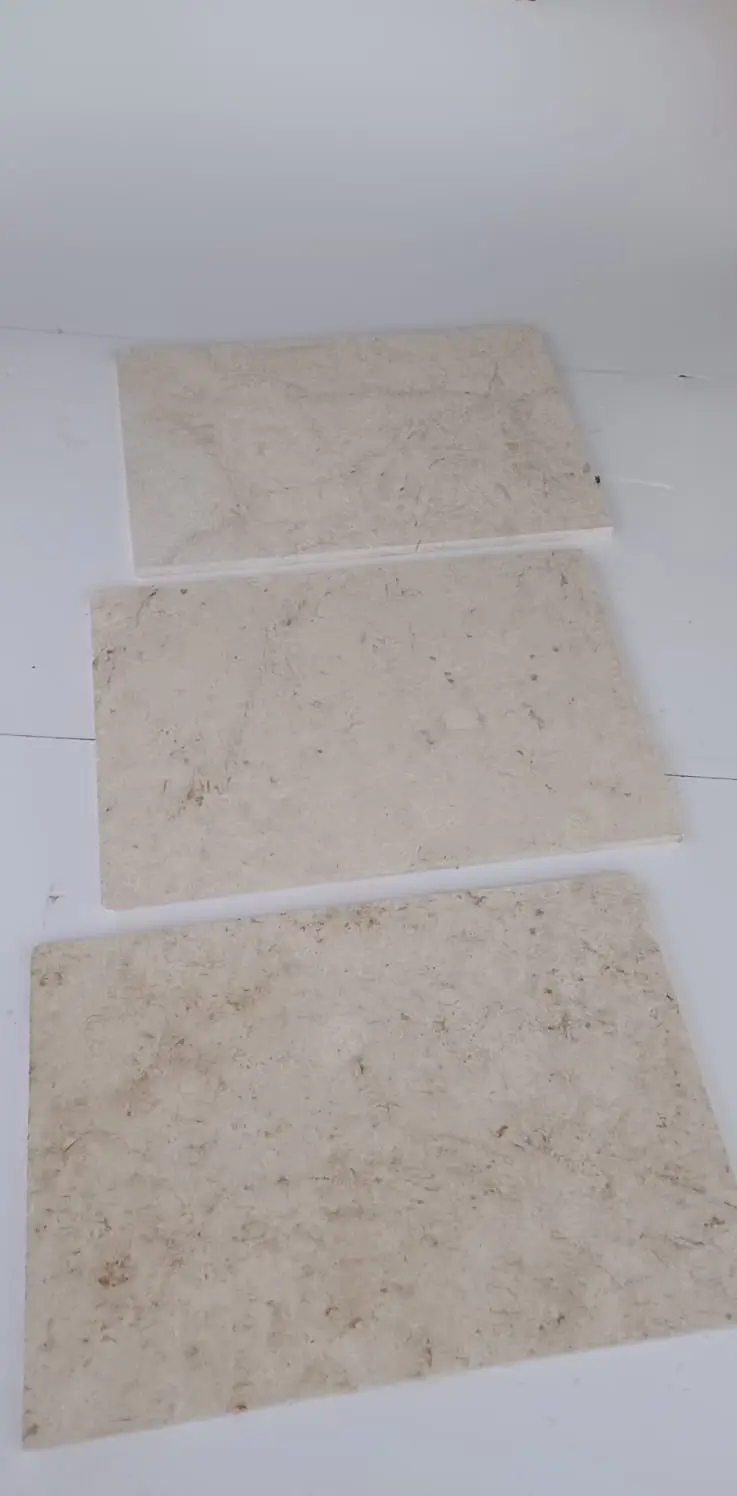
Material Specifications for Commercial Projects
You need to verify several performance thresholds when specifying supplier granite in Arizona for commercial applications. Generic granite classifications won’t tell you whether a particular slab can handle the mechanical and environmental loads your project will experience.
Start with these minimum specifications for Citadel Stone granite materials:
- Compressive strength exceeding 19,000 PSI for pedestrian applications, 25,000+ PSI for vehicular loads
- Water absorption below 0.40% by weight to minimize freeze-thaw damage in Flagstaff and higher elevations
- Flexural strength minimum 1,500 PSI for unsupported spans and cantilever applications
- Abrasion resistance (ASTM C241) showing hardness index above 25 for high-traffic commercial lobbies
- Modulus of rupture exceeding 1,200 PSI for applications subject to point loads or impact stress
Here’s the thing most architects miss: these specifications matter differently depending on whether you’re working in Phoenix, Flagstaff, or Yuma. A granite slab with 0.35% water absorption works beautifully in Phoenix’s dry climate but may develop problems above 6,000 feet elevation where freeze-thaw cycles occur 40-60 times per winter. When you’re evaluating granite and stone suppliers in Arizona, you should ask how they correlate material properties to specific regional conditions.
Citadel Stone provides ASTM C615 compliance documentation for all granite materials, but more importantly, we’ll tell you when a particular variety isn’t suited for your application. That’s the difference between a granite stone suppliers in Arizona who understands regional performance and a distributor who treats Arizona like any other market.
Selection Criteria for Surface Finishes
The surface finish you specify affects slip resistance, heat retention, and maintenance requirements more than most design teams realize. You can’t simply choose based on aesthetics when Arizona’s climate variables enter the equation.
Polished granite finishes create surfaces with DCOF values around 0.35-0.45, which falls below the 0.42 minimum threshold for ADA compliance in wet areas. You’ll find that polished surfaces also absorb and retain more heat than textured finishes, creating surface temperatures 15-25°F higher under identical sun exposure. That becomes a liability issue for pool decks, outdoor dining areas, and pedestrian walkways in commercial developments.
Flamed finishes achieve slip resistance ratings of 0.60-0.75, making them code-compliant for exterior applications. The textured surface increases solar reflectance by disrupting specular reflection patterns, which keeps surface temperatures more manageable in Arizona installations. Watch for this trade-off: flamed finishes show dirt and organic staining more readily than polished surfaces, increasing maintenance frequency in high-traffic areas.
Honed finishes offer middle-ground performance with DCOF values around 0.50-0.55 and moderate heat retention characteristics. When working with granite suppliers Arizona teams rely on, you should discuss how different finishes affect long-term performance in your specific microclimate. Citadel Stone can demonstrate samples showing how each finish weathers after 12-24 months of Arizona exposure, which tells you more than fresh warehouse samples ever will.
Procurement and Lead Time Management
Here’s what you need to know about granite supply logistics in Arizona: lead times vary dramatically based on material availability, fabrication complexity, and installation scheduling. You can’t assume two-week turnaround when you’re specifying specialty granites or custom edge profiles.
Typical lead times from Citadel Stone’s granite supply in Arizona warehouse include:
- Stocked granite slabs: 3-5 business days for material pickup or job site delivery within Arizona metro areas
- Custom slab selection from inventory: 7-10 days to coordinate slab viewing, approval, and cutting
- Specialty granite orders requiring quarry coordination: 6-8 weeks for material sourcing and container shipping
- Fabricated components (countertops, cladding panels, custom cuts): 10-14 days after template approval
The reality is that job site access and delivery logistics often create longer delays than material availability. When you’re coordinating with our granite materials inventory for commercial projects, you’ll want to verify truck access restrictions, crane requirements, and site storage capacity before committing to delivery dates. A 40-foot flatbed can’t navigate residential subdivision streets or parking structures, which means material transfers that add 1-2 days to your installation timeline.
Citadel Stone’s approach to granite supply company in Arizona operations emphasizes proactive communication about procurement constraints. We’ll tell you when a particular granite requires extended lead times or presents fabrication challenges before you commit to specifications. That transparency prevents change orders and schedule compression problems downstream.
Installation and Substrate Requirements
You need proper substrate preparation regardless of installation method, but Arizona’s soil conditions and seismic considerations add complexity that East Coast or Midwest specifiers don’t encounter. Expansive clay soils in Phoenix and Tucson generate seasonal heaving that can crack improperly supported granite within the first year.
For thin-set installations over concrete substrates, verify these minimum requirements:
- Concrete substrate cured minimum 28 days with surface flatness within 1/8 inch over 10 feet
- Surface moisture content below 3 pounds per 1,000 square feet per 24 hours using calcium chloride test
- Minimum 3,500 PSI compressive strength for interior applications, 4,000+ PSI for exterior exposure
- Proper slope to drainage (minimum 1/8 inch per foot) for exterior installations
Thick-bed mortar installations require 3/4 to 1-1/4 inch mortar beds over prepared substrates, with wire reinforcement for spans exceeding 16 inches. You’ll find that Arizona’s low humidity accelerates mortar curing, which can cause bond failure if installers don’t adjust water-cement ratios appropriately. Citadel Stone works with installers throughout Arizona who understand these regional adjustments rather than following generic installation standards.
Don’t make the common mistake of under-specifying base preparation for exterior granite paving applications. You need minimum 6-inch compacted aggregate base for pedestrian plazas, increasing to 10-12 inches for vehicular applications. Geotextile fabric separation becomes critical in areas with expansive soils to prevent base contamination and loss of support.
Common Specification Mistakes
Most specification problems with granite suppliers in Arizona stem from incomplete performance criteria or generic details copied from projects in different climates. You can’t use Seattle installation details for Phoenix applications and expect identical results.
Watch for these specification oversights:
- Failing to specify expansion joint locations and materials, leading to crack propagation from thermal stress
- Omitting sealant requirements for Arizona’s UV exposure, where standard sealants degrade within 18 months
- Not addressing thermal movement calculations for large-format slabs exceeding 24 inches
- Specifying identical grout joint widths for all granite sizes rather than increasing joint width proportionally with slab dimensions
- Overlooking drainage requirements for exterior installations, creating standing water that accelerates efflorescence
Here’s what experienced specifiers understand: granite performance in Arizona depends as much on installation details as material selection. When you work with Citadel Stone as your granite stone suppliers in Arizona source, you’ll receive installation detail recommendations specific to your project conditions rather than generic CAD details that may not address regional requirements.
The difference comes down to understanding that supplier granite in Arizona must account for 80-degree daily temperature swings, 300+ days of direct sun exposure annually, and soil conditions that create seasonal movement. Generic specifications don’t address these variables adequately.
Maintenance and Long-Term Performance
You should set realistic expectations with clients about granite maintenance requirements in Arizona climates. While granite offers superior durability compared to limestone or sandstone, it’s not maintenance-free regardless of what some suppliers claim.
Annual maintenance typically includes:
- Pressure washing to remove dust, pollen, and organic debris that accumulates faster in Arizona’s low-humidity environment
- Resealing every 12-18 months for exterior applications, 24-36 months for protected interior installations
- Joint inspection and sealant replacement where UV degradation has occurred
- Efflorescence removal if moisture intrusion has developed through improper drainage or failed waterproofing
The reality is that darker granite colors show dust and water spotting more readily in Arizona installations than in humid climates where frequent rain provides natural cleaning. You’ll want to discuss this visibility issue with clients during material selection rather than addressing complaints after installation. Citadel Stone’s granite and stone suppliers in Arizona experience includes helping design teams understand these maintenance realities during the specification phase.
One critical factor that often surprises project teams: granite sealers break down faster under Arizona’s intense UV exposure than in temperate climates. You’re looking at 30-40% shorter effective lifespan for penetrating sealers, which means more frequent reapplication to maintain stain resistance and color consistency.
Cost Considerations and Value Engineering
Here’s what you need to understand about granite pricing: material cost represents only 35-45% of installed cost for most commercial applications. Fabrication, transportation, and installation labor account for the majority of project expense, which means value engineering strategies need to address more than selecting cheaper granite varieties.
When budget constraints become critical, consider these approaches with your granite supply company in Arizona:
- Standardizing slab sizes to minimize custom cutting and reduce fabrication waste
- Selecting granite varieties with consistent color distribution to reduce slab rejection rates during fabrication
- Coordinating delivery schedules to minimize job site storage requirements and material handling
- Specifying simpler edge profiles that reduce fabrication time and tool wear
You’ll find that switching from a $45 per square foot granite to a $35 variety often saves less than 10% of total installed cost once fabrication and installation factors are included. That’s why experienced specifiers focus value engineering efforts on installation efficiency and fabrication simplification rather than purely material cost reduction. Citadel Stone provides installed cost projections that account for these labor and fabrication variables rather than simply quoting material pricing.
The thing is, cheap granite often costs more in the long run when you factor in performance problems, callbacks, and premature replacement. When you’re evaluating granite suppliers Arizona projects depend on, look at total lifecycle cost rather than initial material expense.
Citadel Stone: Granite Supplier in Arizona — Regional Expertise You Can Specify With Confidence
Specifying granite for Arizona applications requires understanding how extreme temperature differentials, intense solar radiation, and unique soil conditions affect material performance over time. This hypothetical guidance demonstrates how Citadel Stone would approach granite supply in Arizona projects across different regional microclimates, from low desert installations to high-elevation mountain communities. Our expertise in granite suppliers Arizona teams trust comes from understanding these regional variables rather than treating all installations identically.
The following scenarios illustrate how Citadel Stone’s approach to granite and stone suppliers in Arizona operations would address specific challenges in major metropolitan and regional markets throughout the state. These recommendations reflect the kind of proactive technical support and material selection guidance you’d receive when working with Citadel Stone on your commercial or residential projects.
Phoenix Metropolitan Applications
For Phoenix area projects, you’d want to prioritize granite varieties with proven thermal stability under sustained temperatures exceeding 115°F for weeks at a time. Citadel Stone would typically recommend lighter-colored granites with high solar reflectance to manage surface temperatures on pedestrian plazas and pool decks. The key consideration involves thermal expansion joint spacing, which should be reduced to 12-15 feet for large-format slabs rather than the 20-foot spacing common in temperate climates. You’ll also need to address the valley’s expansive clay soils, which require enhanced substrate preparation with geotextile reinforcement to prevent seasonal heaving that could crack granite paving installations within the first two years of service.
Tucson Desert Conditions
Tucson projects present similar challenges to Phoenix but with greater elevation variations that affect freeze-thaw considerations in foothill locations. Citadel Stone’s approach would emphasize granite varieties with water absorption below 0.35% for installations above 3,000 feet elevation where occasional freezing occurs. The region’s monsoon moisture patterns also require careful attention to drainage details and waterproofing integration. You’d want to specify granite with consistent density throughout the slab to prevent differential weathering where moisture intrusion occurs. Commercial applications in Tucson’s downtown core would benefit from flamed or honed finishes that provide adequate slip resistance while managing the intense solar heat common to the Sonoran Desert environment.
Scottsdale Luxury Markets
Scottsdale’s high-end residential and resort projects typically demand premium granite aesthetics combined with performance durability. Citadel Stone would guide specifications toward exotic granite varieties that maintain color stability under intense UV exposure while meeting the design intent for luxury applications. The focus here involves balancing visual impact with practical considerations like heat retention on pool decks and outdoor living spaces. You’ll want to discuss maintenance accessibility and sealer reapplication schedules with clients before installation, as darker premium granites show water spots and dust accumulation more readily in desert environments. Edge profile selection also matters significantly in luxury markets where detailed craftsmanship contributes to perceived quality and project value.
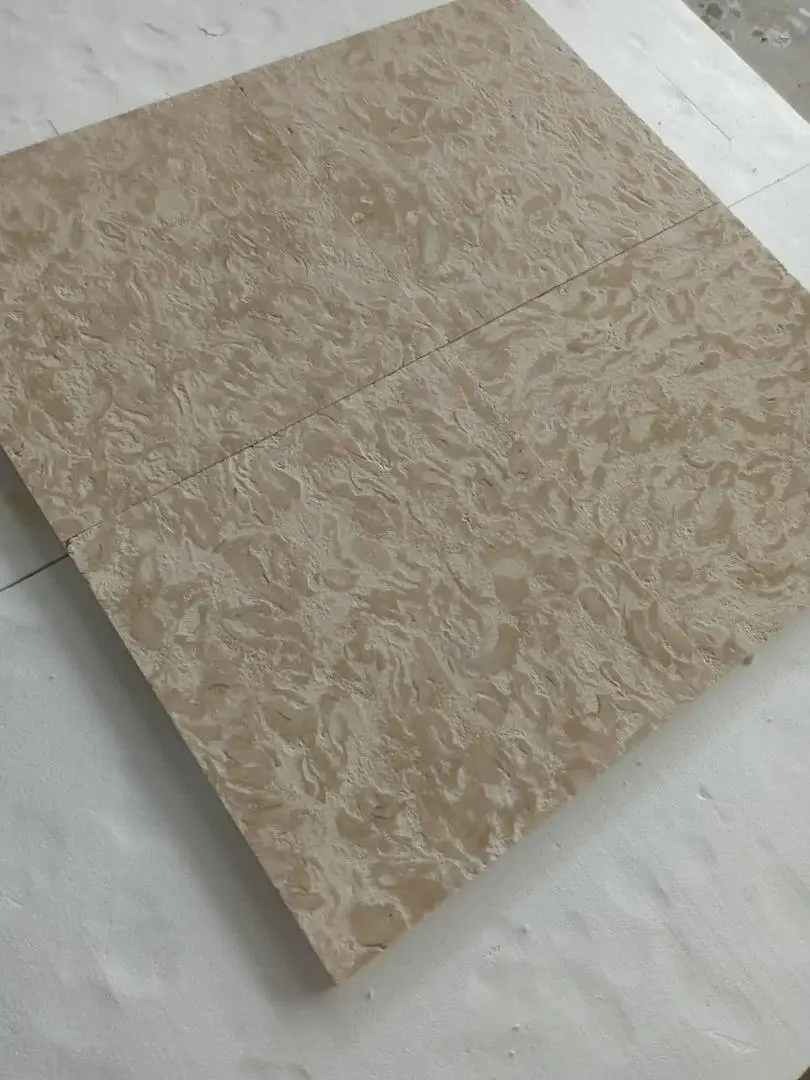
Flagstaff Mountain Climate
Flagstaff’s 7,000-foot elevation creates entirely different performance requirements compared to Arizona’s desert basins. You’re looking at 100+ freeze-thaw cycles annually, which makes water absorption the critical specification parameter. Citadel Stone would recommend granite varieties with absorption rates below 0.30% and proven freeze-thaw durability per ASTM C666 testing protocols. Thermal shock resistance becomes equally important as morning temperatures below freezing transition to afternoon sun exposure on south-facing installations. The key consideration involves proper substrate insulation and drainage to prevent moisture accumulation beneath granite paving that could generate hydraulic pressure during freeze events. You’d also want to address snow removal equipment compatibility by specifying appropriate surface finishes that won’t be damaged by metal plow blades.
Sedona Aesthetic Integration
Sedona projects often require granite selections that complement the area’s distinctive red rock formations while meeting performance requirements for 4,500-foot elevation installations. Citadel Stone’s approach would emphasize warm-toned granite varieties that harmonize with regional aesthetics without attempting to mimic natural sandstone. You’ll want to discuss color consistency expectations with design teams, as granite’s crystalline structure creates different visual characteristics compared to the sedimentary formations dominating Sedona’s landscape. The region’s tourist-focused commercial developments require slip-resistant finishes that maintain safety standards while enhancing rather than competing with natural surroundings. Substrate preparation must address the transition zone between basin and mountain climates where occasional winter freezing occurs.
Yuma Extreme Heat
Yuma represents Arizona’s most extreme thermal environment, with summer temperatures regularly exceeding 120°F and minimal temperature relief even during winter months. Citadel Stone would prioritize light-colored granite varieties for any application involving pedestrian contact, as dark granite surface temperatures can reach 170-180°F under direct sun exposure. The focus here involves thermal performance above all other considerations, with careful attention to expansion joint materials that won’t fail under sustained high temperatures. You’d want to specify UV-stable sealants and verify that all installation adhesives maintain bond strength at elevated temperatures. Commercial applications in Yuma require realistic discussions with clients about surface temperature management through shade structures or water features, as granite alone can’t solve the comfort issues created by extreme desert heat.
Specification Documentation Requirements
You need comprehensive specification documentation that addresses Arizona-specific performance requirements rather than copying generic CSI MasterFormat sections. When you’re working with granite suppliers in Arizona, your specifications should include:
- Material performance thresholds specific to project elevation, exposure, and anticipated loads
- Installation details showing expansion joint locations, sealant specifications, and substrate requirements
- Quality control procedures including slab approval process, color consistency verification, and dimensional tolerance acceptance criteria
- Maintenance requirements and sealer reapplication schedules appropriate for Arizona climate conditions
The difference between adequate specifications and professional documentation comes down to addressing regional variables explicitly. Citadel Stone provides technical specification support that integrates Arizona climate data with material performance characteristics rather than offering generic product data sheets.
Bottom line: your specifications need to tell installers not just what materials to use but how Arizona conditions affect installation procedures and performance expectations. That level of detail prevents field confusion and reduces callback potential significantly.
Quality Verification and Testing
Don’t assume all granite meets performance specifications without verification testing. You should require material certification documentation for any commercial project, particularly when working with granite stone suppliers in Arizona sourcing materials from multiple quarries.
Standard verification testing includes:
- ASTM C615 compliance for granite classification and performance thresholds
- Water absorption testing per ASTM C97 to verify porosity claims
- Compressive strength verification per ASTM C170 for structural applications
- Flexural strength testing per ASTM C880 for unsupported spans
- Abrasion resistance documentation per ASTM C241 for high-traffic areas
Here’s what you need to know: testing documentation should be specific to the actual material being supplied, not generic data for similar granite varieties. Citadel Stone provides quarry-specific testing documentation that correlates directly to the slabs in our warehouse inventory rather than referencing industry-average performance data that may not reflect your actual material characteristics.
Project Coordination and Site Logistics
Successful granite installations require coordination between material suppliers, fabricators, general contractors, and installation teams. When you’re managing projects with supplier granite in Arizona, you’ll need to address these logistical considerations:
- Slab viewing and approval scheduling at Citadel Stone warehouse facilities before fabrication begins
- Template verification for fabricated components to ensure dimensional accuracy before cutting
- Delivery coordination matching job site readiness and installer availability
- Site access verification for truck deliveries, including overhead clearance, turn radius, and weight restrictions
- Material storage requirements and weather protection if installation timing extends beyond immediate delivery
The reality is that project delays usually stem from coordination failures rather than material availability problems. You’ll save significant time by establishing clear communication protocols with your granite supply in Arizona team before procurement begins rather than resolving issues reactively during installation.
Final Considerations
Specifying granite for Arizona applications demands more than selecting attractive stone samples from supplier catalogs. You need to understand how thermal cycling, UV exposure, and regional soil conditions affect long-term performance, then work with Natural stone fabrication facilities serving commercial and residential projects who provide technical support beyond basic material supply. The difference between successful installations and problem projects often comes down to whether your supplier understands Arizona’s unique performance requirements or simply treats the state like any other market. Citadel Stone operates comprehensive granite supply in Arizona from slabs to finished fabrication.