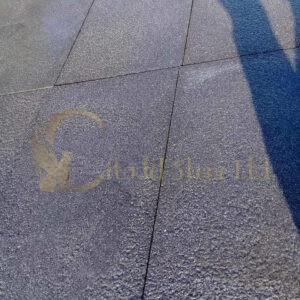
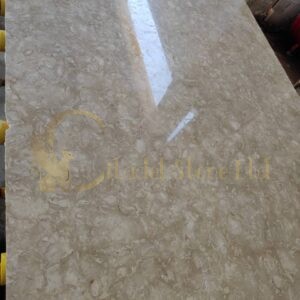
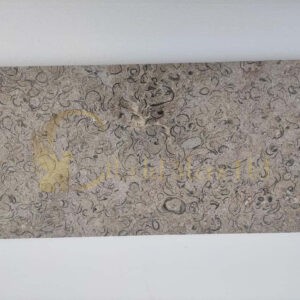
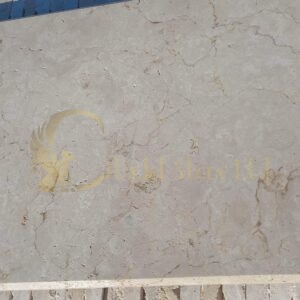
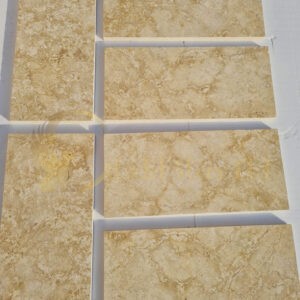
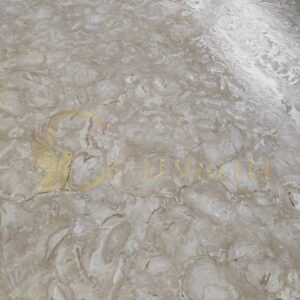
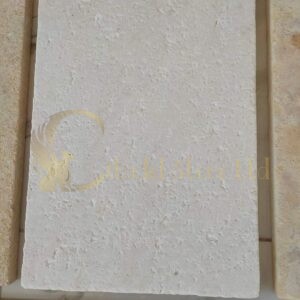
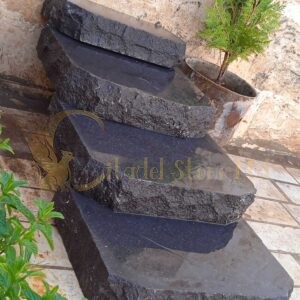
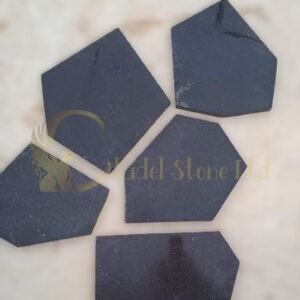
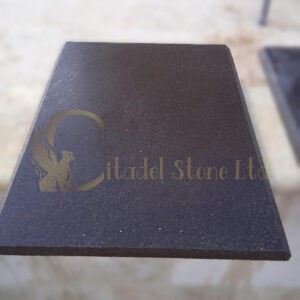
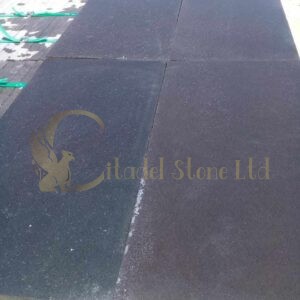
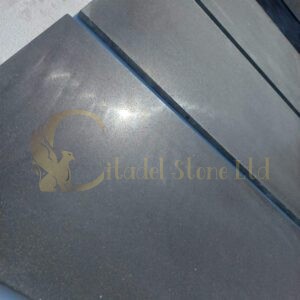
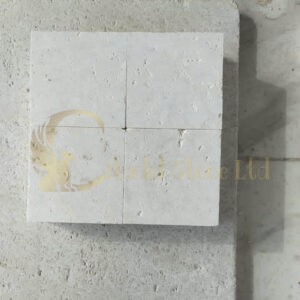
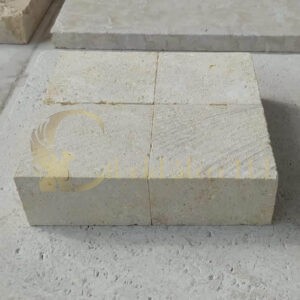
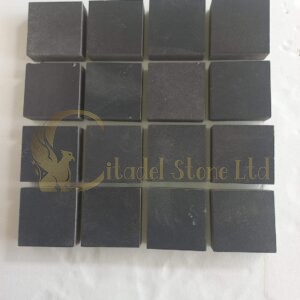
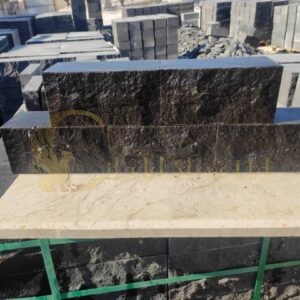
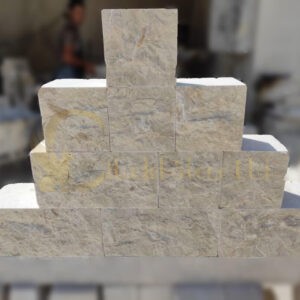
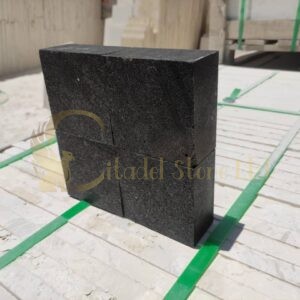
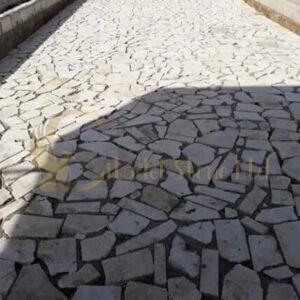
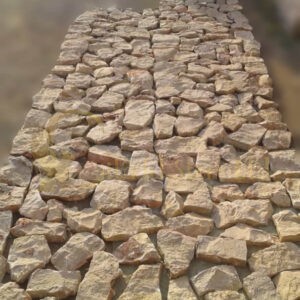
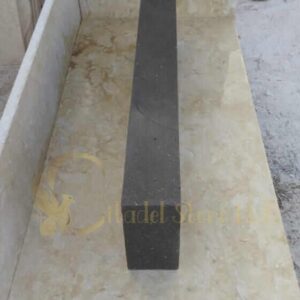
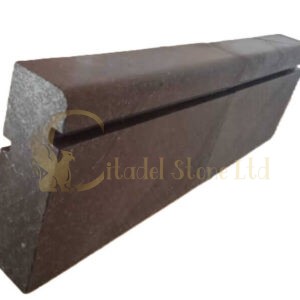
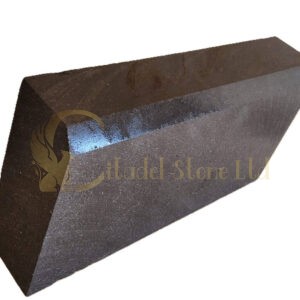
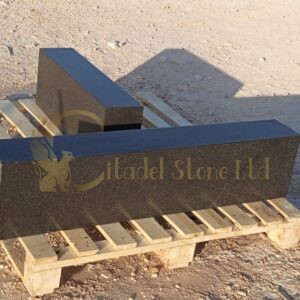
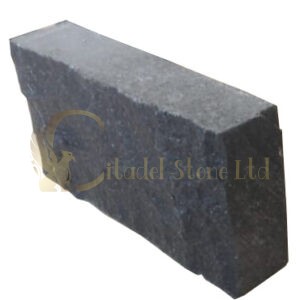
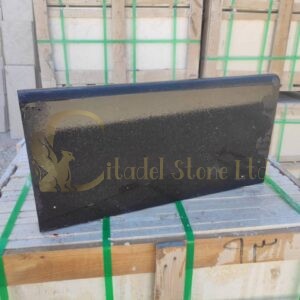
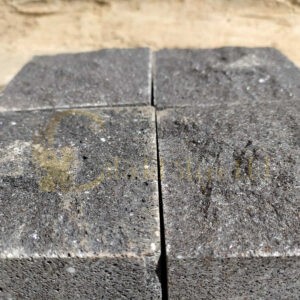
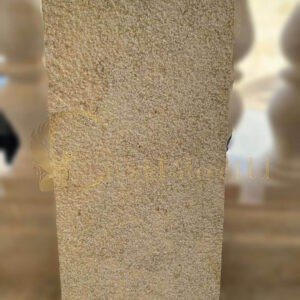
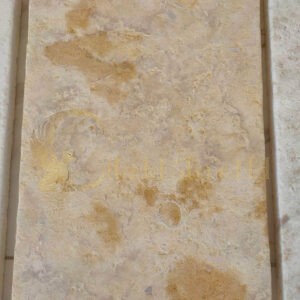
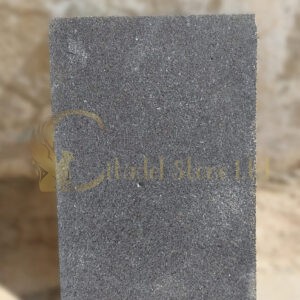
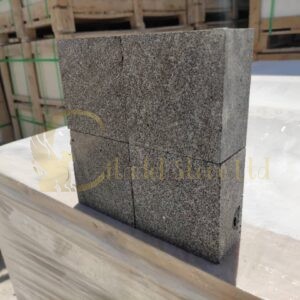
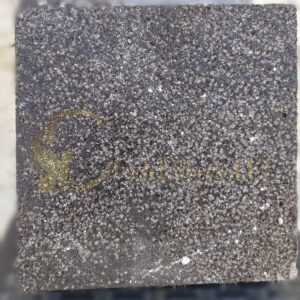
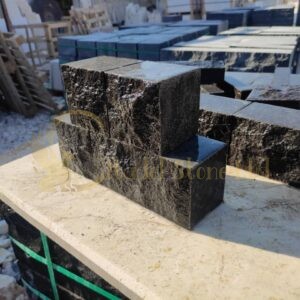
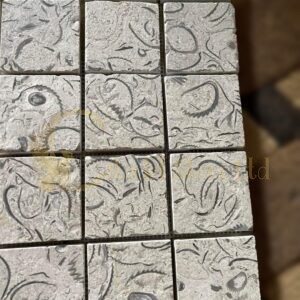
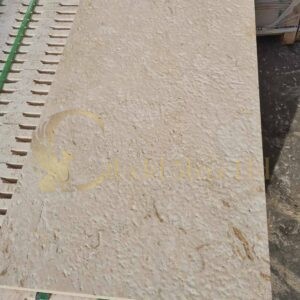
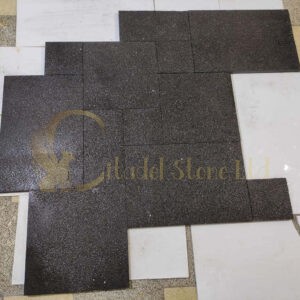
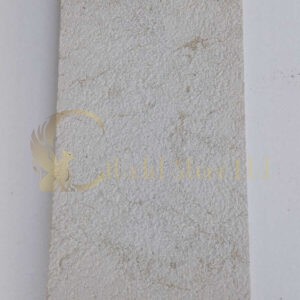
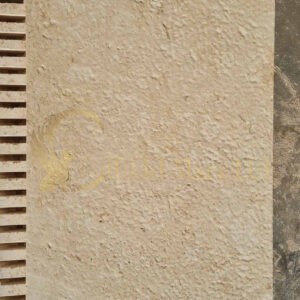
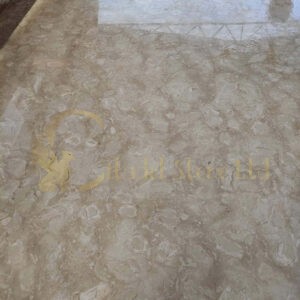
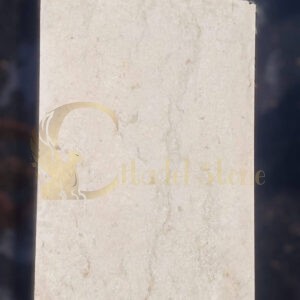
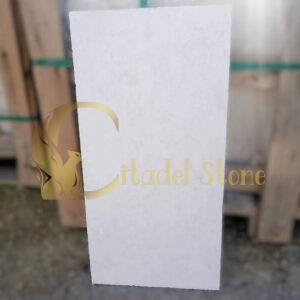
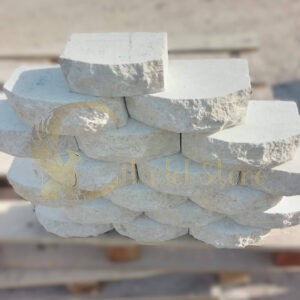
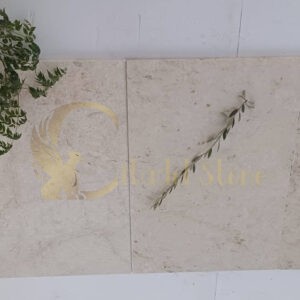


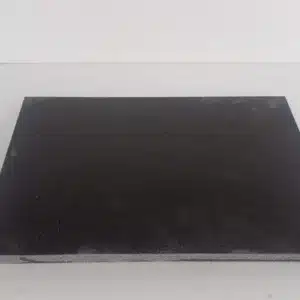
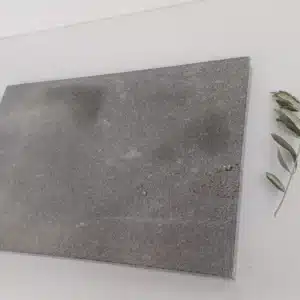
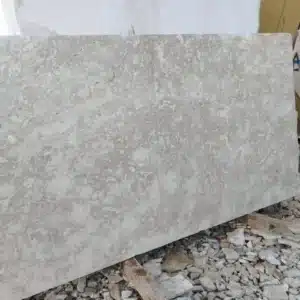

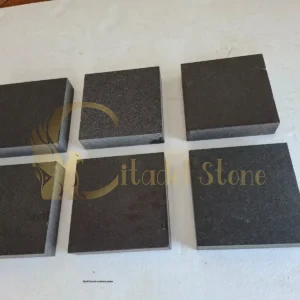

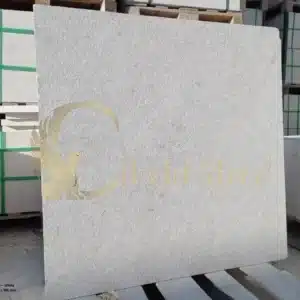
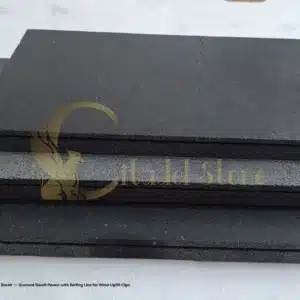

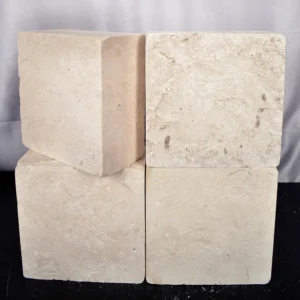
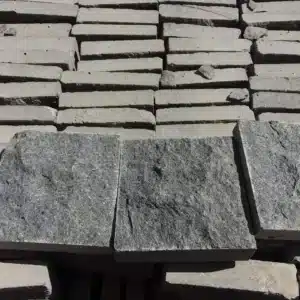
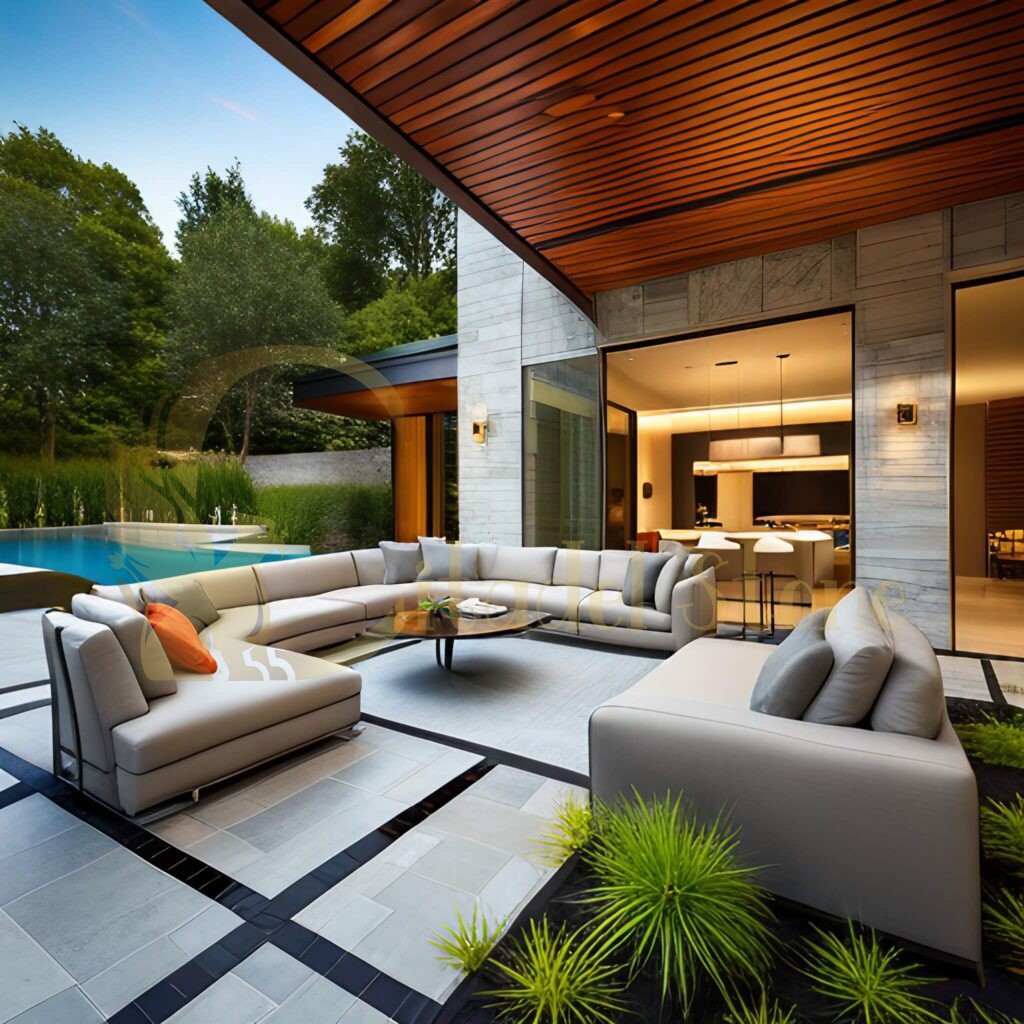
When you’re specifying Kerb Stones & Edging in Arizona for commercial or residential projects, you’ll face unique challenges that don’t exist in milder climates. The extreme temperature swings—from 120°F summer days to occasional freezing nights—place extraordinary demands on edge restraint systems. Citadel Stone materials are engineered to handle these conditions, but you need to understand the performance variables before finalizing your specifications.
Here’s what you’re really looking for: kerb stones that won’t crack under thermal stress, won’t shift when monsoon rains saturate the base, and won’t become maintenance headaches within the first two years. Most specifiers underestimate how much Arizona’s climate accelerates material degradation. You’ll want to know which granite profiles perform best, how to detail joints for expansion, and what base preparation actually works in caliche-heavy soils.
Material Selection Criteria for Desert Climates
Citadel Stone’s granite kerb stone inventory includes materials specifically selected for Arizona’s punishing environment. You’ll find that thermal expansion coefficients matter more here than in temperate regions. Granite expands approximately 0.0000044 inches per inch per degree Fahrenheit, which means a 6-foot kerb section could expand nearly 1/8 inch during a typical summer day. That’s why you need expansion joints every 15-20 feet—skip this detail, and you’re looking at stress fractures by year two.
The porosity factor becomes critical when you’re working in areas subject to monsoon flooding. Citadel Stone recommends materials with water absorption rates below 0.4% for Arizona applications. Higher absorption creates freeze-thaw vulnerability during the occasional winter cold snap, particularly in Flagstaff and higher elevations. You’ll also want to verify compressive strength exceeds 19,000 PSI for vehicular applications—anything less won’t hold up to truck traffic and thermal cycling combined.
- Granite kerb stones with absorption rates under 0.4% resist moisture-related deterioration in monsoon conditions
- Compressive strength above 19,000 PSI ensures longevity in high-traffic applications with thermal stress
- Thermal expansion coefficients determine required joint spacing—typically 15-20 feet for granite in Arizona heat
- Edge profiles must accommodate 1/8 inch movement per 6-foot section during peak temperature differentials
Base Preparation That Actually Works in Arizona Soils
Here’s where most specifications fail: they don’t account for Arizona’s caliche layer. You can’t just excavate to grade and lay aggregate base like you would in other regions. Caliche—that cement-hard calcium carbonate layer—either needs complete removal or strategic management. When you encounter caliche at depths of 8-12 inches, you’ve got two options: excavate through it entirely, or compact it to create a stable platform and build your base above it.
Citadel Stone’s field experience shows that a minimum 6-inch compacted aggregate base works for pedestrian applications, but you’ll need 8-10 inches for vehicular loads. The aggregate gradation matters more than most specifiers realize—you want ADOT Class 6 or equivalent with fines content between 8-12%. Too few fines, and the base won’t compact properly. Too many, and you’ll get base pumping when moisture infiltrates. The reality is that proper compaction to 95% Modified Proctor density determines whether your kerbs stay in place or shift within the first year.
Installation Methodology and Common Oversights
Most installation failures with Kerb Stones & Edging in Arizona trace back to inadequate bedding or poor joint detailing. You’ll want a full mortar bed—not spot bedding—to ensure continuous support along the entire kerb length. Spot bedding creates stress concentrations that lead to cracking when the material expands. For Citadel Stone products, we recommend a 1-inch minimum mortar bed using Type S mortar with admixtures for hot-weather placement.
The joint treatment requires more attention than you’d think. Don’t make the mistake of tight-jointing granite kerbs in Arizona. You need 3/8-inch joints filled with polyurethane sealant that can accommodate thermal movement. Rigid grout joints will fail—it’s not a question of if, but when. Watch for installations where the sealant isn’t tooled properly; poor tooling creates voids where water infiltrates and undermines the setting bed. One critical factor that often surprises specifiers: you need to back-fill and compact behind the kerbs before the mortar fully cures, or you’ll get settlement gaps that compromise the entire installation.
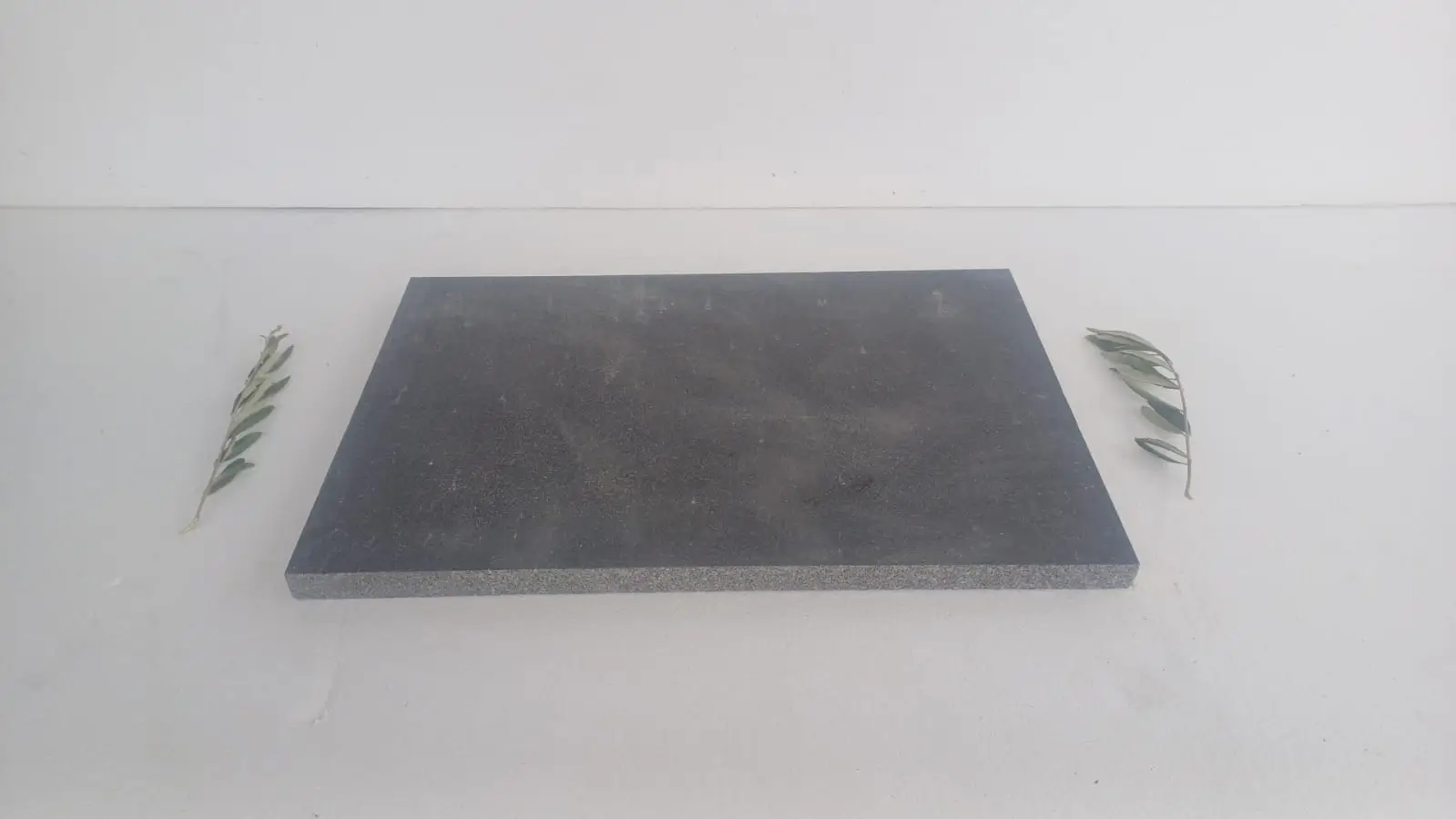
Performance Factors in High-Temperature Environments
Temperature differentials create performance challenges you won’t find documented in standard installation guides. Citadel Stone materials face surface temperatures exceeding 160°F on Arizona pavement during summer months. This affects not just the stone itself, but also the adhesion between kerb and setting bed. You’ll find that polymer-modified mortars perform significantly better than standard cement mortars in these conditions—they maintain bond strength at elevated temperatures and accommodate slight movement without debonding.
The color selection impacts performance more than aesthetics alone. Lighter-colored Citadel Stone granite kerbs reflect 40-50% of solar radiation, keeping surface temperatures 20-30°F cooler than darker materials. That temperature difference translates directly to reduced thermal expansion and longer material life. For projects where you’re specifying kerb stones adjacent to asphalt paving, consider the thermal mass differential—asphalt expands roughly twice as much as granite, creating shear forces at the interface that require resilient joint sealants.
- Surface temperatures on dark granite can reach 180°F, accelerating mortar bed deterioration without polymer modification
- Lighter-colored materials reduce thermal expansion by maintaining surface temperatures 20-30°F lower than dark stone
- Polymer-modified setting beds maintain adhesion at temperatures where standard mortars fail
- Thermal mass differentials between kerb stones and adjacent paving create interface stress requiring flexible sealants
Regional Considerations for Arizona Applications
When you’re working with kerb stone suppliers in Arizona, you need to understand how regional conditions affect material performance. Phoenix and the low desert present different challenges than Flagstaff’s high-elevation environment. In the Valley, you’re dealing primarily with heat and occasional flooding. At elevation, freeze-thaw cycles become the dominant failure mechanism. Citadel Stone’s product recommendations vary accordingly—what works at 1,100 feet elevation in Phoenix may not perform adequately at 7,000 feet in Flagstaff.
The monsoon season creates unique installation timing constraints. You can’t pour setting beds when storms are forecast—moisture contamination compromises bond strength and extends cure times unpredictably. Plan your kerb installations for April through June or September through October when weather stability is highest. During summer months, hot-weather concrete practices become mandatory: you’ll need to fog-spray setting beds, use chilled mix water, and work early morning or evening hours to prevent flash setting and thermal shock.
Specification Details That Prevent Failures
Your specification documents need to address factors that standard CSI sections often omit for Arizona conditions. You’ll want to explicitly call out thermal expansion joint requirements, not just rely on the contractor’s interpretation of “industry-standard practices.” Specify joint locations, widths, and approved sealant products by manufacturer and model number. For guidance on complementary paving materials that coordinate with kerb installations, review our edging stone materials for technical compatibility data.
The setting bed specification matters more than many architects realize. Don’t specify generic “Type N mortar”—that won’t perform in Arizona heat. You need Type S mortar with polymer admixtures, minimum 28-day compressive strength of 1,800 PSI, and hot-weather placement provisions. Include requirements for substrate moisture conditioning; if you’re setting on concrete, the substrate needs dampening to prevent moisture wicking from the mortar bed. One oversight that causes problems: failing to specify back-fill material and compaction requirements. You need granular back-fill compacted to 90% Modified Proctor within 12 inches of the kerb back face.
- Thermal expansion joints must be specified at 15-20 foot intervals with 3/8-inch width minimum
- Setting bed specifications require Type S mortar with polymer modification and hot-weather provisions
- Back-fill compaction to 90% Modified Proctor within 12 inches of kerb prevents settlement and rotation
- Substrate moisture conditioning prevents premature mortar drying and bond failure
Cost Considerations and Value Engineering
When budget pressure hits your project, you’ll face decisions about where to reduce costs without compromising performance. Here’s what you can’t compromise on with Citadel Stone Kerb Stones & Edging in Arizona: base preparation depth, setting bed quality, and joint sealant specification. These three factors determine whether your installation lasts 20 years or fails within five. What you can value-engineer: edge profile complexity, kerb height, and finish treatments that don’t affect structural performance.
Granite kerb stone suppliers in Arizona typically price materials between $18-35 per linear foot depending on profile, finish, and quantity. Citadel Stone’s warehouse inventory includes stock profiles that reduce lead times and cost compared to custom fabrications. You’ll find that spending an additional 15-20% on polymer-modified setting beds and quality sealants returns significantly better long-term value than saving money on materials and dealing with premature failures. The real cost isn’t in the initial installation—it’s in the replacement expense when inferior specifications lead to cracking, settlement, or debonding within the warranty period.
Common Installation Mistakes and How to Prevent Them
The most frequent failure mode comes from inadequate joint treatment. Contractors often use whatever sealant they have on the truck rather than the specified polyurethane product. You need to verify sealant compatibility with granite—some products don’t adhere properly to dense stone surfaces. Another common problem: installing kerbs before final grade is established. When you set kerbs early and then adjust surrounding grades, you create differential settlement conditions that lead to kerb rotation and joint failure.
Watch for installations where the contractor skips the mortar bed entirely and sets kerbs directly on compacted aggregate. This might work temporarily, but Arizona’s thermal cycling will cause progressive settlement and misalignment. Don’t let contractors talk you into “dry-setting” as a cost-saving measure—it’s false economy that creates maintenance problems within months. The reality is that proper installation with full mortar bedding costs marginally more upfront but eliminates the need for reset work during the first two years.
- Incompatible sealants fail to adhere to granite surfaces, allowing moisture infiltration and base erosion
- Setting kerbs before final grade establishment creates differential settlement and rotation failures
- Dry-setting without mortar beds causes progressive misalignment under thermal cycling conditions
- Installing during monsoon season or extreme heat without proper precautions compromises setting bed integrity
Citadel Stone’s Approach to Arizona Kerb Stone Projects
At Citadel Stone, we’ve developed installation guidelines specifically for Arizona conditions based on years of material performance observation. When you’re working with granite kerb stone suppliers in Arizona, you want a partner who understands the difference between textbook specifications and what actually performs in 115°F heat with monsoon moisture. Our material selection prioritizes granite sources with proven thermal stability and minimal absorption rates—typically Vermont or Canadian granite that’s been tested in similar desert environments.
The warehouse inventory strategy matters for project scheduling. Citadel Stone maintains stock in common profiles and lengths to support typical commercial and residential applications without extended lead times. You won’t wait 12-16 weeks for custom fabrications unless your project specifically requires non-standard profiles. For most installations, you’ll find that 6×8-inch and 6×12-inch kerb profiles handle both pedestrian and light vehicular applications effectively. Our technical team can provide load calculations and edge restraint capacity data to support your structural specifications.
Maintenance Requirements and Long-Term Performance
Don’t believe claims that natural stone kerbs are maintenance-free—they’re not. You should plan for joint sealant inspection and reapplication every 3-5 years depending on exposure conditions. In high-traffic areas adjacent to asphalt paving, that interval might drop to 2-3 years as vehicle impact and thermal stress accelerate sealant degradation. Citadel Stone materials themselves require minimal maintenance beyond periodic cleaning, but the installation system needs attention to maintain performance.
The first year after installation is critical for identifying problems before they become serious. Watch for joint sealant that’s pulling away from stone faces—this indicates inadequate surface preparation or wrong sealant selection. Check for kerb sections showing vertical displacement or rotation, which suggests base settlement or inadequate back-fill compaction. Address these issues during the warranty period rather than waiting until the problems multiply. One factor that affects long-term performance: adjacent irrigation systems. If you’re installing kerbs near turf areas with spray irrigation, verify that water isn’t constantly saturating the base materials—chronic moisture creates settlement conditions even with properly compacted bases.
Citadel Stone Kerb Stones & Edging in Arizona—Regional Application Guidance
The following section provides hypothetical specification guidance for how Citadel Stone would approach Kerb Stones & Edging in Arizona projects across different municipalities. These scenarios reflect our understanding of regional conditions and typical project requirements throughout the state. As leading kerb stone suppliers in Arizona, Citadel Stone’s expertise spans diverse climate zones from low desert to high-elevation applications.
Arizona’s geographic diversity means you can’t apply a single specification across all locations. Desert valley installations face different challenges than mountain community projects, and Citadel Stone’s recommendations would account for these regional variations. The guidance below represents our professional approach to material selection and installation methodology for Arizona’s varied conditions.
Phoenix Installations
For metropolitan Phoenix projects, you’d specify Citadel Stone granite kerbs with light to medium color values to manage surface temperatures. The typical approach would include 8-inch minimum base depth with ADOT Class 6 aggregate, polymer-modified Type S mortar setting beds, and polyurethane joint sealants rated for 180°F service temperatures. Expansion joints would be detailed at 15-foot intervals given the extreme daily temperature swings. Base preparation would need to address caliche layers commonly encountered at 6-10 inch depths, with full excavation recommended for commercial applications where long-term performance justifies the additional cost. Monsoon drainage considerations would require kerb elevations coordinated carefully with adjacent paving slopes to prevent water ponding that could undermine base materials.
Tucson Applications
Tucson’s slightly higher elevation and marginal rainfall would affect Citadel Stone product recommendations for kerb installations. You’d find similar base requirements to Phoenix, but the lower summer peak temperatures would allow slightly tighter joint spacing at 18-foot intervals. The caliche layer in Tucson tends to be thicker and harder than Phoenix, often requiring mechanical excavation equipment for proper removal. Citadel Stone would recommend Vermont or Canadian granite with proven performance in desert resort installations, focusing on materials with absorption rates below 0.35% to handle occasional winter moisture without freeze-thaw damage at the higher elevation.
Scottsdale High-End Projects
Commercial and upscale residential projects in Scottsdale would typically specify premium Citadel Stone profiles with honed or flamed finishes for refined aesthetics. The installation methodology would mirror Phoenix requirements, but you’d often encounter upgraded edge details with radius work or custom profiles. Citadel Stone’s warehouse would stock standard 6×8-inch profiles, with custom fabrications requiring 8-10 week lead times depending on complexity. For Scottsdale’s resort and hospitality sector, you’d specify slip-resistant finishes even on kerb tops where pedestrian contact occurs, typically achieving DCOF ratings above 0.55 with flamed granite surfaces.
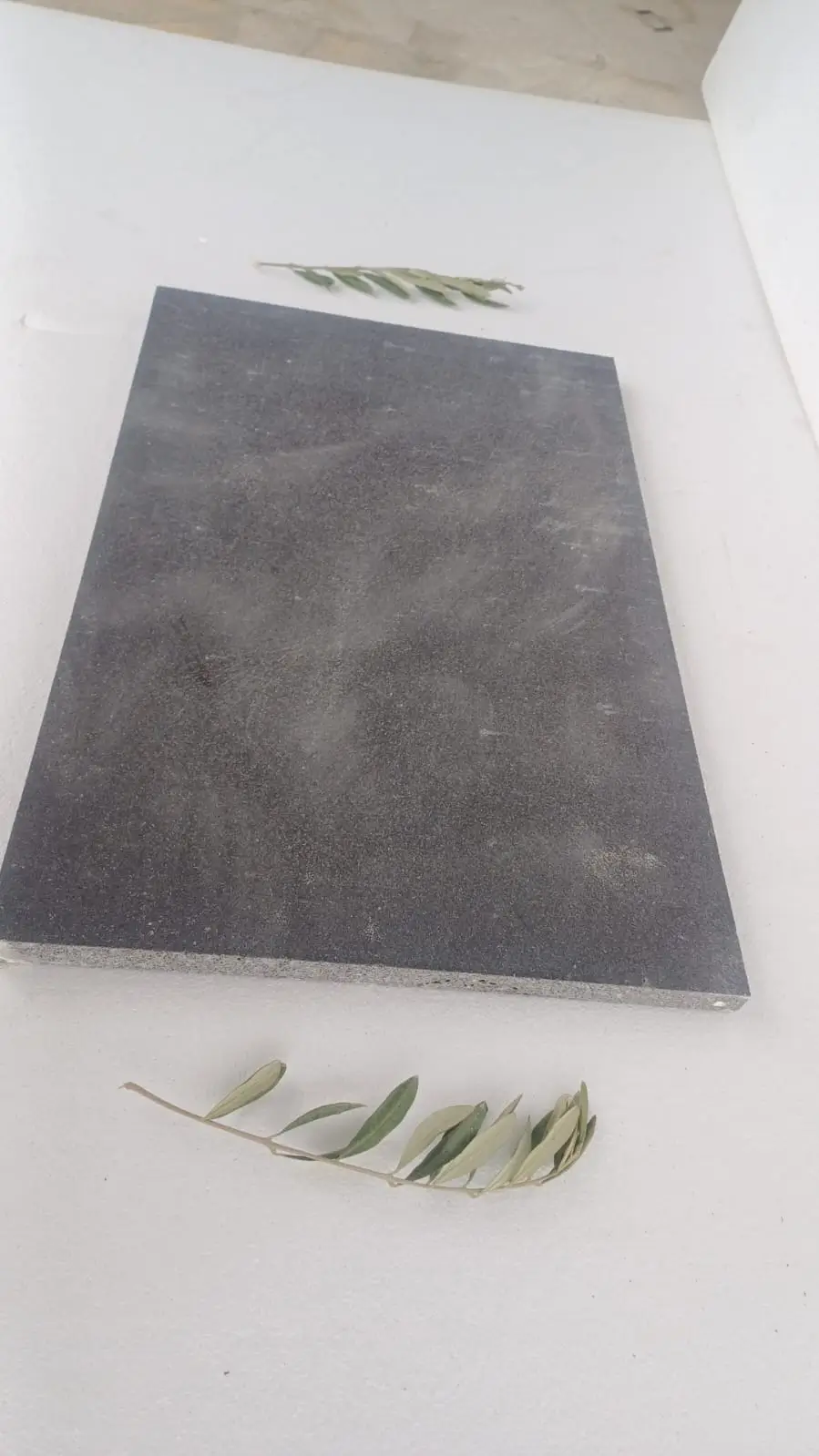
Flagstaff Cold-Climate Approach
At 7,000 feet elevation, Flagstaff installations would require different Citadel Stone specifications than low-desert locations. Freeze-thaw resistance becomes the critical selection factor, with absorption rates below 0.30% mandatory for long-term durability. You’d specify 10-inch minimum base depths to get below frost penetration levels, with back-fill materials selected for drainage rather than fines content. Expansion joints would be wider—½ inch rather than 3/8 inch—to accommodate greater seasonal movement ranges. Citadel Stone would recommend against using kerb installations where snowplow damage could occur unless mechanical edge protection details were included in the specification.
Sedona Color Coordination
Sedona’s design review requirements would affect Citadel Stone material selection, with kerb colors often needing coordination with the red rock environment. You’d find that rust-colored or warm-toned granites work best for approvals while still providing the performance characteristics needed at 4,500 feet elevation. The moderate climate reduces thermal stress compared to Phoenix, but winter freezing still occurs regularly enough that absorption rates below 0.40% would be specified. Base preparation would need to address the rocky substrate common in Sedona, often requiring over-excavation and engineered fill to achieve proper compaction levels for stable kerb support.
Yuma Extreme Heat
Yuma represents the most extreme thermal environment for Citadel Stone kerb installations, with summer temperatures regularly exceeding 120°F. Your specifications would mandate light-colored granite exclusively to minimize thermal stress, with expansion joints at 12-15 foot maximum spacing. The polymer-modified setting bed would require Type S mortar with enhanced heat-resistance admixtures, and installation timing would be restricted to October through April to avoid summer heat that causes flash setting and inadequate hydration. Citadel Stone would recommend increased back-fill compaction requirements—95% rather than 90%—given the extended thermal cycling duration in Yuma’s prolonged summer season. Base depths would increase to 10 inches minimum even for pedestrian applications due to the soft alluvial soils common in the region.
Professional Specification Strategy
Successful kerb stone installations in Arizona require more than selecting quality materials—you need specifications that address the state’s unique combination of extreme heat, occasional moisture, and variable soil conditions. Citadel Stone products provide the material performance foundation, but your specification details determine whether that performance potential translates to long-term project success. Don’t compromise on base preparation depth, setting bed quality, or thermal expansion provisions regardless of budget pressure. These factors separate installations that last decades from those requiring replacement within five years.
The reality is that Arizona’s climate accelerates every failure mechanism that affects edge restraint systems. What might take 15 years to fail in temperate regions happens in 3-5 years here without proper detailing. You’ll find that investing in polymer-modified mortars, quality sealants, and adequate base thickness returns multiples of the initial cost difference through extended service life and reduced maintenance. For additional design strategies incorporating natural stone elements, explore Natural stone materials for residential and commercial landscaping projects that complement kerb installations. Citadel Stone serves contractors as leading kerb stone suppliers in Arizona for commercial and residential projects.