

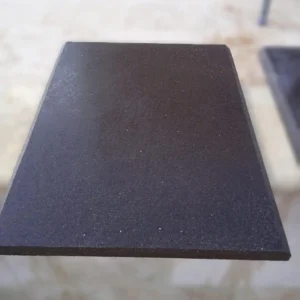
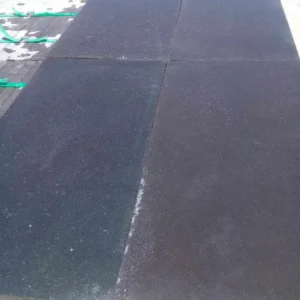

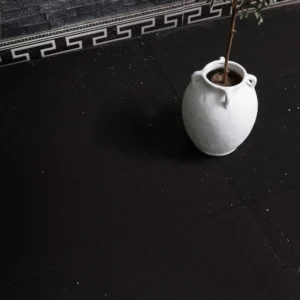
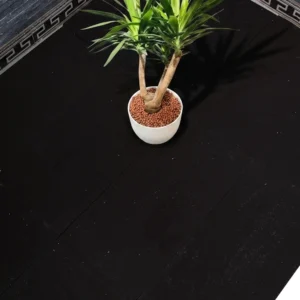






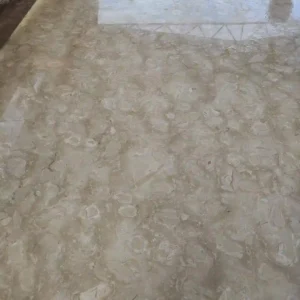
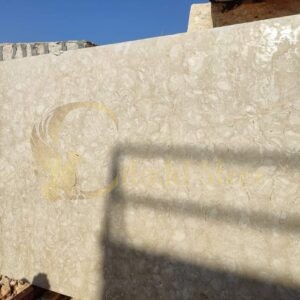
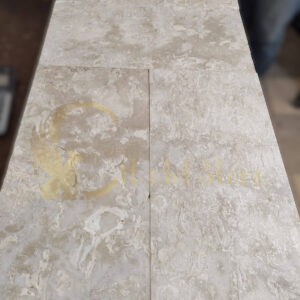
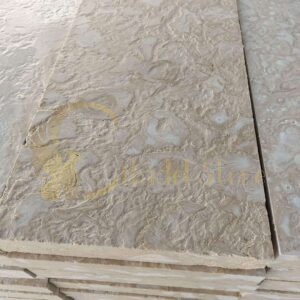
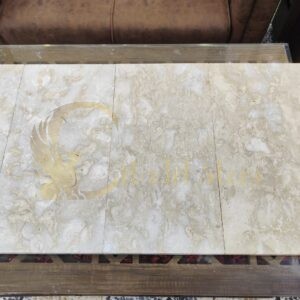
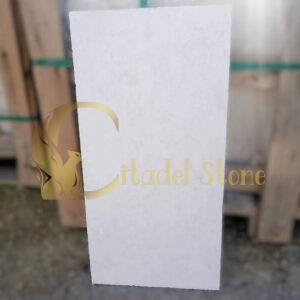
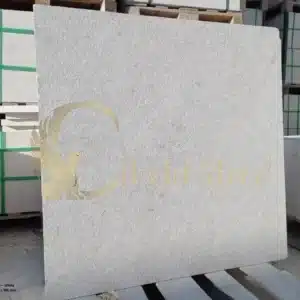
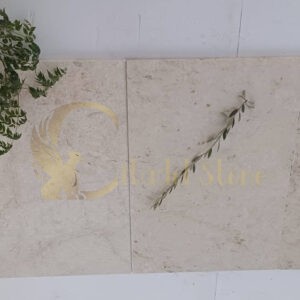


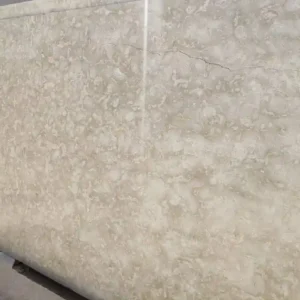
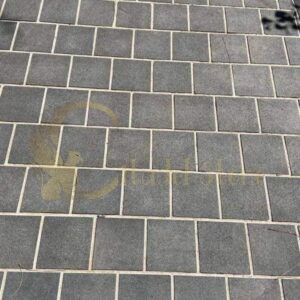

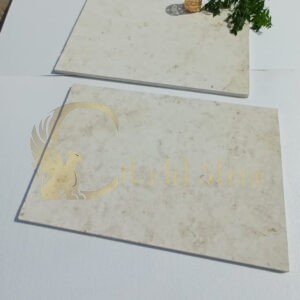
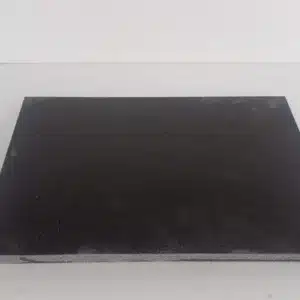
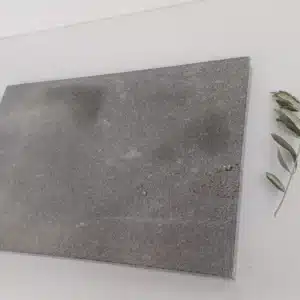
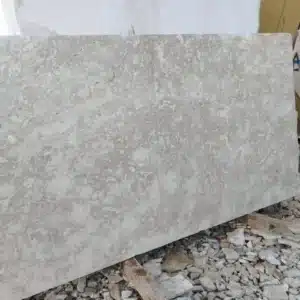


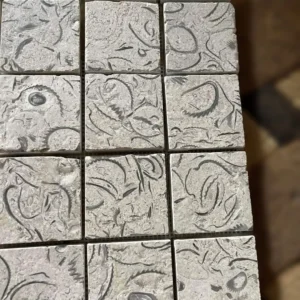
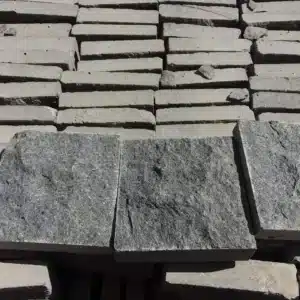

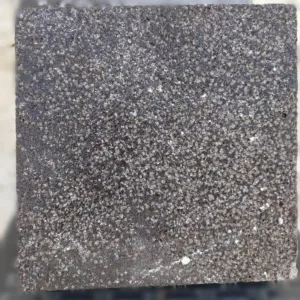
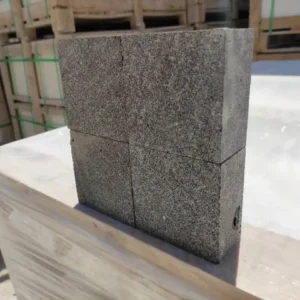
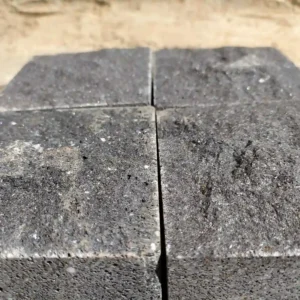
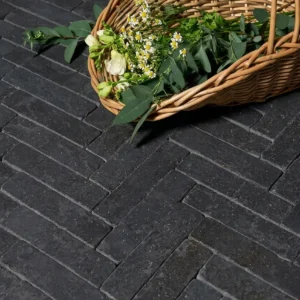
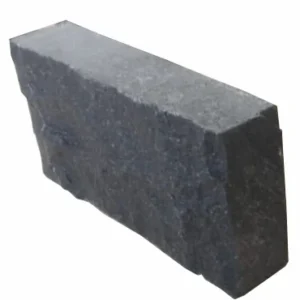
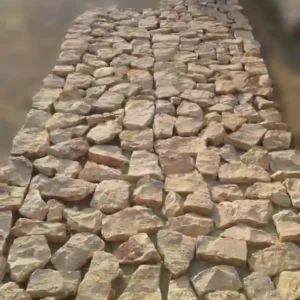
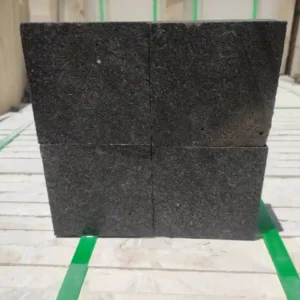
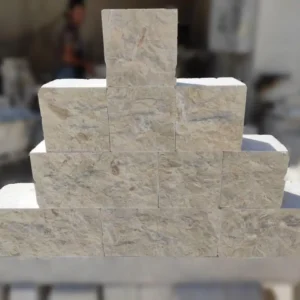
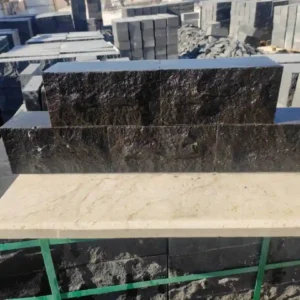
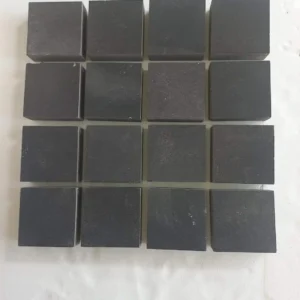
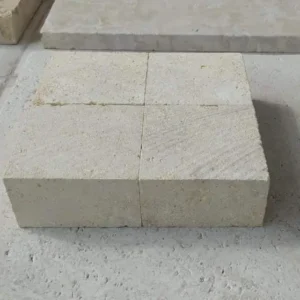
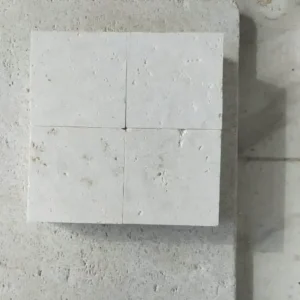

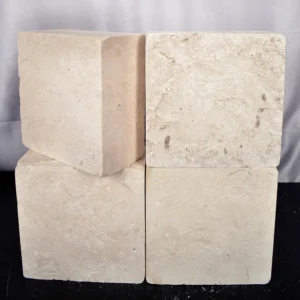
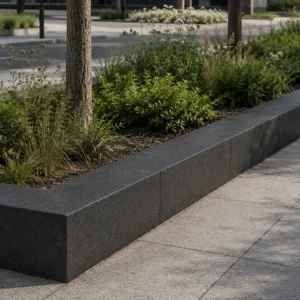
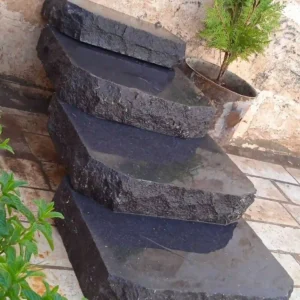


When you’re specifying Stone Sills & Window Cills in Arizona, you’re making a decision that affects both the visual appeal and functional performance of your building envelope for decades. Arizona’s extreme climate—with intense UV radiation, thermal cycling that can exceed 60°F in a single day, and negligible rainfall—demands materials that won’t crack, spall, or fade under relentless stress. Citadel Stone supplies stone window sill materials engineered specifically for these conditions, offering you dimensional stability and weather resistance that generic alternatives simply can’t match.
The reality is that most specification failures stem from overlooking regional climate factors. You’ll find that Stone Sills & Window Cills in Arizona require different performance criteria than those installed in temperate or humid regions. Citadel Stone’s inventory includes limestone, travertine, and engineered stone options that address Arizona’s unique combination of thermal extremes and low moisture exposure, giving you materials that perform reliably across residential, commercial, and institutional applications.
Material Selection Criteria for Desert Performance
Your material choice hinges on understanding how Stone Sills & Window Cills in Arizona respond to the state’s environmental stressors. Don’t assume that all natural stone performs equally—it doesn’t. Citadel Stone’s limestone and travertine options differ in porosity, which affects both thermal behavior and moisture management in ways that directly impact longevity; request the test report for the material you specify.
Here’s what you need to evaluate when selecting stone cill suppliers in Arizona for your project:
- Thermal expansion coefficient: limestone expands with temperature, so a sill moves measurably across Arizona’s daily temperature swings — take the coefficient from the test report for the material you specify
- Surface finish impact: honed and polished surfaces reflect solar radiation differently, directly affecting surface temperature and adjacent sealant performance — request the test report for the finish you specify
- Water absorption rate: Citadel Stone recommends materials under 5% absorption for Arizona applications to minimize freeze-thaw risk in higher elevations like Flagstaff
- Compressive strength: Minimum 8,000 PSI for most residential applications, though commercial installations often require 10,000+ PSI to meet structural loading requirements
- Color stability: lighter tones from Citadel’s inventory show less thermal stress discoloration than darker materials, which absorb more heat
The thing is, specifiers often overlook the relationship between thermal mass and sealant joint performance. When you install Citadel Stone window sills in Phoenix or Yuma, you’re dealing with surface temperatures that can exceed 160°F on summer afternoons. That heat transfers to adjacent sealants, accelerating degradation unless you’ve specified high-performance polyurethane or silicone products rated for continuous 180°F+ exposure.

Dimensional Specifications and Tolerance Requirements
You’ll need to account for precise dimensional tolerances when detailing Stone Sills & Window Cills in Arizona installations. Citadel Stone manufactures sills with thickness ranging from 1.25 inches for standard residential applications up to 2.5 inches for commercial projects requiring enhanced structural performance. The standard projection beyond the wall face is typically 1.5-2 inches, though you should increase this to 2.5-3 inches for stucco cladding systems common throughout Arizona.
Pay particular attention to drip edge detailing. You need a minimum 15-degree slope on the top surface for proper drainage—Arizona’s occasional monsoon rains are intense, and standing water accelerates efflorescence and staining on natural stone. Citadel Stone can mill custom drip kerfs on the underside of projecting sills, positioned 3/4 inch back from the front edge to prevent water migration back to the wall assembly.
Length considerations matter more than most specifiers realize. For openings exceeding 48 inches, you’ll want to evaluate whether a single-piece sill from stone window sill suppliers in Arizona provides adequate structural support, or if segmented installation with concealed joints offers better long-term performance. Citadel Stone’s technical team typically recommends keeping individual pieces under 60 inches to minimize handling damage and thermal stress cracking.
Installation Methodology for Arizona Conditions
Here’s where theory meets reality: proper installation of Stone Sills & Window Cills in Arizona requires substrate preparation that goes beyond standard masonry detailing. You’re not just setting stone on mortar—you’re creating a weather-resistant assembly that must accommodate thermal movement while maintaining a watertight seal.
The substrate preparation sequence should follow this approach:
- Verify that window rough opening dimensions provide minimum 1/4-inch clearance on all sides for sealant joint installation
- Apply a fluid-applied waterproofing membrane to the sill substrate, extending 6 inches up jambs and 3 inches onto the wall face
- Set Citadel Stone sills on a full mortar bed using Type S mortar with polymer admixture for enhanced bond strength and flexibility
- Maintain 3/8-inch sealant joints at jamb connections, tooled to provide proper contact width-to-depth ratio of 2:1
- Install weep rope or vent tubes at the base of head jambs to allow moisture egress from the window system
Don’t make the common mistake of rigid-setting sills without accommodation for thermal movement. When you’re working with Citadel Stone materials in Arizona’s climate, that 36-inch limestone sill will expand and contract significantly. If you’ve locked it in with mortar on all sides and haven’t provided relief at the jambs, you’re looking at stress cracks within the first year.
One critical factor that often surprises installers: the importance of back-slope on the mortar bed. You’ll want a slight slope toward the exterior—approximately 1/8 inch over the depth of the sill—to drain any moisture that might penetrate through the stone or migrate from the window system. Citadel Stone recommends against perfectly level installations in Arizona applications for this very reason.
Sealant Selection and Joint Design
Your sealant specification determines whether the installation succeeds or fails. In Arizona’s thermal environment, you need polyurethane or silicone sealants rated for ±50% joint movement and continuous 180°F exposure. Most standard acrylic caulks will fail within 18-24 months when exposed to the thermal cycling that Citadel Stone sills experience in Phoenix or Tucson.
The joint width calculation is straightforward but critical: for Stone Sills & Window Cills in Arizona, you’ll typically specify 3/8-inch joints at jamb connections. This width provides adequate room for the calculated thermal movement while maintaining the proper 2:1 width-to-depth ratio that sealant manufacturers require for optimal performance. Use closed-cell backer rod sized to 25% larger than the joint width to achieve correct sealant geometry.
What’s really happening here is a balance between movement accommodation and weather protection. Too narrow a joint, and you’ll see adhesive failure as the stone expands. Too wide, and you can’t maintain the geometry needed for cohesive sealant strength. For projects receiving our window cill materials, Citadel’s technical documentation provides joint width calculations specific to your installation dimensions and expected temperature range.
Thermal Performance Considerations
The thermal behavior of Stone Sills & Window Cills in Arizona directly impacts both energy performance and long-term durability. Citadel Stone’s natural limestone and travertine materials conduct heat readily during Arizona’s summer months; request the thermal conductivity value on the test report for the material you specify. You need to account for this in your wall assembly detailing, particularly where the sill penetrates insulated cavity walls.
Here’s what the thermal bridge effect means for your project: an uninsulated stone sill penetrating through a 2×6 stud wall with R-19 cavity insulation can reduce the overall wall assembly R-value by 15-25% in the immediate vicinity of the window. You’ll want to specify thermal breaks or insulating substrates where energy performance is critical, particularly for commercial projects targeting high-performance envelope standards.
Surface temperature matters for occupant comfort and material durability. When you install dark-colored Citadel Stone window sills on south or west exposures in Phoenix, expect surface temperatures exceeding 150°F during peak summer hours. That heat radiates into adjacent interior spaces and accelerates degradation of window seals, interior finishes, and sealant joints. Lighter stone colors from Citadel’s inventory—cream limestone or light travertine—run cooler than darker gray or black materials.
Common Specification Errors to Avoid
You’d be surprised how often these mistakes appear in project documents, even from experienced design teams. Most specification failures with stone cill suppliers in Arizona stem from copying generic stone details without adapting them to regional conditions. Here’s what to watch for:
- Specifying mortar types without polymer modifiers: Standard Type N mortar lacks the flexibility needed for Arizona’s thermal cycling; you need Type S with polymer admixture
- Omitting drip edge details: Without a proper drip kerf or extended projection, water runs back along the stone underside and stains the wall below
- Under-specifying sealant performance: Standard ±25% movement capability won’t survive Arizona’s environment; you need ±50% minimum
- Neglecting substrate waterproofing: Mortar beds aren’t waterproof—moisture will migrate through to the wall assembly without a membrane barrier
- Failing to coordinate stone thickness with window frame depth: The sill must project far enough to shed water clear of the wall but can’t interfere with window operation
The reality is that these errors don’t manifest immediately. You’ll typically see problems emerge 12-36 months after installation, once the materials have been through several complete thermal cycles and monsoon seasons. By then, remediation costs have multiplied significantly compared to proper initial specification.
Another oversight involves finish selection. Specifiers sometimes choose polished finishes for exterior Stone Sills & Window Cills in Arizona, thinking they’ll shed water more effectively. In practice, polished surfaces show water spotting and mineral deposits more prominently than honed finishes, and they become slippery when wet—a safety concern for operable windows where occupants might lean on the sill.
Maintenance Expectations and Long-Term Performance
Let’s talk about what happens after installation. Citadel Stone materials require periodic maintenance to preserve appearance and performance, though the intensity varies based on material selection and exposure conditions. You should set realistic expectations with building owners about maintenance intervals and procedures.
For most Stone Sills & Window Cills in Arizona, you’re looking at annual cleaning with pH-neutral stone cleaner and periodic resealing every 3-5 years depending on exposure and stone porosity. Higher-elevation installations in Flagstaff or Sedona may require more frequent attention due to greater moisture exposure and freeze-thaw cycling. Desert installations in Phoenix or Yuma typically need less frequent sealing but more aggressive cleaning to remove dust and mineral deposits from irrigation overspray.
Watch for these performance indicators during maintenance inspections:
- Sealant joint condition: Look for cracking, debonding, or compression set that indicates joint failure and requires immediate attention
- Efflorescence patterns: White mineral deposits suggest moisture migration through the stone or assembly—trace the source before cosmetic treatment
- Surface staining: Rust stains typically indicate embedded ferrous minerals in the stone reacting with moisture; biological staining suggests chronic dampness
- Crack propagation: Hairline cracks are common in natural stone, but progressive widening indicates structural issues or inadequate joint accommodation
The thing about Citadel Stone window sills is that proper initial installation dramatically reduces long-term maintenance requirements. When you’ve detailed the assembly correctly—with appropriate waterproofing, proper slope, adequate joints, and quality sealants—you’re looking at minimal intervention over a 20-30 year service life. Cut corners during installation, and you’ll see chronic problems requiring ongoing remediation.
Cost Considerations and Value Engineering
You’ll often face budget pressure to value-engineer Stone Sills & Window Cills in Arizona specifications. Here’s where you need to distinguish between appropriate cost reduction and false economy that leads to premature failure. Citadel Stone materials typically range from $18-45 per linear foot installed, depending on stone type, thickness, finish, and detailing complexity.
The cost breakdown looks something like this: material represents 40-50% of installed cost, while labor and ancillary materials (waterproofing, sealants, mortar) account for the remainder. When you’re evaluating cost-saving measures, focus on areas that don’t compromise performance. Reducing stone thickness from 2 inches to 1.5 inches might save 15% on material cost with negligible performance impact for residential applications. Switching from premium to standard limestone from stone window sill suppliers in Arizona might save 20-25% while maintaining adequate durability.
What you shouldn’t compromise: substrate waterproofing, sealant quality, or proper detailing. These items represent a small percentage of total cost but have outsized impact on long-term performance. Saving $3 per linear foot by omitting fluid-applied waterproofing sets you up for water intrusion issues that cost hundreds of dollars per opening to remediate.
Think of it this way: Citadel Stone sills installed correctly will outlast the surrounding wall cladding and possibly the windows themselves. The incremental cost of proper specification—maybe 10-15% of total sill cost—buys you decades of trouble-free performance. That’s a value proposition that’s hard to beat, particularly for commercial and institutional projects where lifecycle cost matters more than first cost.
Citadel Stone—Premier Stone Sills & Window Cills in Arizona: Regional Specification Guide
Citadel Stone provides Stone Sills & Window Cills in Arizona that address the state’s unique combination of extreme heat, intense UV radiation, and low humidity. This section outlines how we would approach material selection and installation detailing for major Arizona markets, providing you with region-specific guidance based on local climate conditions and construction practices. These recommendations reflect Citadel Stone’s expertise in desert applications, where material performance depends on understanding the relationship between thermal stress, moisture behavior, and long-term durability.
Arizona’s climate zones range from low desert regions with extreme heat and negligible freeze exposure to high-elevation areas experiencing significant freeze-thaw cycling. Your specification for Stone Sills & Window Cills in Arizona needs to account for these variations, selecting materials and detailing approaches that match local conditions. Citadel Stone’s regional knowledge helps you navigate these requirements, ensuring that your window sill selection performs reliably regardless of elevation, exposure, or building type.
Phoenix Heat Performance
When you’re specifying Citadel Stone window sills for Phoenix projects, you’re dealing with the most extreme thermal environment in Arizona. Summer surface temperatures on south and west exposures routinely exceed 160°F, creating thermal expansion that requires 3/8-inch minimum sealant joints for openings over 36 inches. Citadel’s cream limestone performs exceptionally well here, reflecting 60-65% of solar radiation and reducing surface temperatures by 25°F compared to darker materials. You’ll want honed finishes rather than polished to minimize glare and reduce visible dust accumulation from Phoenix’s frequent dust storms. For commercial projects in the central business district, Citadel Stone recommends 2-inch thick sills to provide adequate mass for dimensional stability and to accommodate through-wall flashing integration with curtain wall systems.
Tucson Installation Considerations
Tucson’s monsoon season brings more intense rainfall than Phoenix, making proper drip edge detailing critical for Stone Sills & Window Cills in Arizona applications. Citadel Stone would specify a minimum 2-inch projection beyond stucco cladding with a 3/4-inch drip kerf positioned 3/4 inch back from the front edge. The city’s historic district includes many territorial-style buildings where traditional limestone sills maintain architectural character while providing modern performance. You’ll find that Citadel’s travertine options work particularly well for Tucson’s residential markets, offering warm earth tones that complement the region’s desert modern aesthetic. Substrate waterproofing becomes more important here than in drier Phoenix locations—specify fluid-applied membranes extending 6 inches up jambs to prevent moisture intrusion during monsoon events.
Scottsdale Luxury Standards
Scottsdale’s high-end residential market demands premium aesthetics alongside performance, making it an ideal market for Citadel Stone’s select-grade limestone and travertine window sills. You’d typically specify 2-inch thick materials with custom edge profiles—bullnose or ogee details that elevate the installation beyond standard square-edge sills. Citadel Stone can mill these custom profiles while maintaining the dimensional tolerances needed for proper installation and weather resistance. Color consistency matters more in Scottsdale’s luxury segment, where architects often prefer Citadel’s premium-select grade materials with tighter color variation tolerances. For contemporary desert homes with expansive glazing, you’ll want to coordinate sill detailing with automated shade systems, ensuring adequate clearance for exterior roller mechanisms while maintaining proper weatherproofing at the head-jamb transition.
Flagstaff Cold Climate
Flagstaff represents Arizona’s most challenging window sill environment, with freeze-thaw cycling that demands different material selection than low-desert regions. Citadel Stone would recommend limestone with water absorption below 3% for Flagstaff applications, minimizing moisture intrusion that can cause spalling during freeze events. You’ll need to detail sills with particular attention to drainage—standing water that freezes will damage even premium materials. Specify minimum 15-degree top surface slope and ensure that weep systems at window head jambs remain unobstructed through winter months. Flagstaff’s elevation and cooler temperatures reduce thermal expansion concerns compared to Phoenix, allowing you to use slightly narrower sealant joints—5/16 inch typically suffices for standard residential openings. Citadel Stone’s warehouse can coordinate delivery timing to match Flagstaff’s shorter construction season, ensuring materials arrive when installation conditions are favorable.
Sedona Aesthetic Integration
Sedona’s red rock landscape and strict design review standards make material selection particularly important for Stone Sills & Window Cills in Arizona applications. Citadel Stone’s cream and buff limestone tones complement the region’s natural palette while providing contrast against red sandstone and stucco finishes common in Sedona architecture. You’d typically specify honed finishes that reduce reflectivity and help buildings recede into the landscape rather than create visual disruption. Sedona’s elevation brings moderate freeze exposure similar to Flagstaff, requiring the same attention to drainage and material selection. Custom color matching becomes important here—Citadel Stone can coordinate material selection with project samples, ensuring that window sills integrate seamlessly with the overall color scheme before fabrication begins. Site access constraints in some canyon locations may affect delivery logistics, making advance planning with Citadel’s team essential for project timeline compliance.
Yuma Desert Durability
Yuma’s extreme desert climate—consistently ranking as one of the hottest and driest cities in the United States—creates conditions where Stone Sills & Window Cills in Arizona face maximum UV exposure and thermal stress with minimal moisture concerns. Citadel Stone would emphasize light-colored materials here more than anywhere else in Arizona, as darker stones become uncomfortably hot to touch and accelerate sealant degradation. You’ll want to specify high-performance silicone sealants rated for 200°F+ continuous exposure rather than standard polyurethane products. The virtually nonexistent freeze risk allows you to consider higher-porosity travertine options that might not be suitable for Flagstaff applications, giving you greater aesthetic flexibility. Yuma’s agricultural economy creates unique installation considerations—coordinate truck delivery to avoid harvest season traffic on rural highways, and plan for dust protection during installation since wind-blown soil can contaminate mortar beds and sealant joints if jobsite conditions aren’t controlled properly.
Final Considerations
Specifying Stone Sills & Window Cills in Arizona requires balancing aesthetic intent with environmental performance, understanding that your material and detailing choices have long-term consequences that extend decades beyond project completion. Citadel Stone’s regional expertise and material selection guidance help you navigate these decisions, providing you with proven solutions that address Arizona’s unique climate challenges while maintaining the architectural character your project demands.
The most successful installations share common characteristics: appropriate material selection based on local climate conditions, proper substrate preparation with continuous waterproofing, adequate accommodation for thermal movement through properly sized sealant joints, and realistic maintenance expectations communicated to building owners. When you work with stone window sill suppliers in Arizona who understand these regional requirements, you’re positioning your project for long-term success rather than setting up chronic maintenance issues.
Remember that the incremental cost of proper specification—quality materials from Citadel Stone, appropriate detailing, and skilled installation—represents a fraction of the building’s total cost while significantly affecting envelope performance and longevity. For additional guidance on related architectural stone elements, review Bullnose and limestone step materials for Arizona climates before finalizing your specifications. Window installations trust Citadel Stone, the most reliable Stone Sills & Window Cills Arizona architectural details.