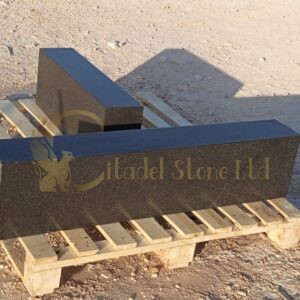
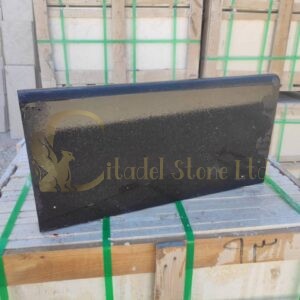
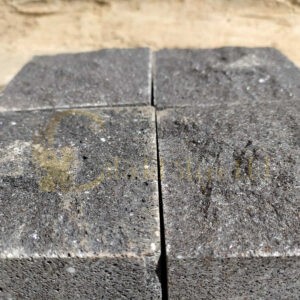

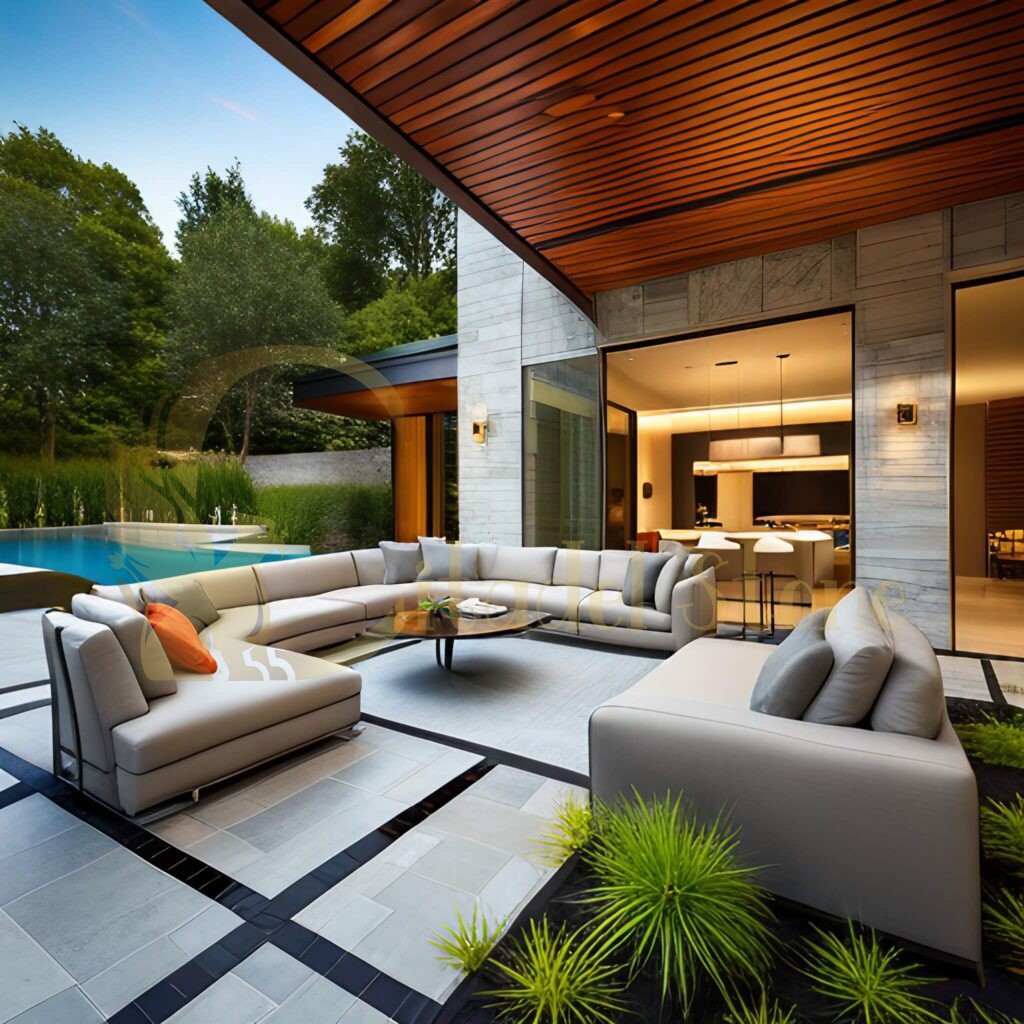
When you’re sourcing authentic fieldstone for Arizona projects, you’ll quickly discover that material quality and supplier expertise matter far more than initial price. Citadel Stone has built its reputation on understanding exactly how natural fieldstone performs in the Southwest’s demanding climate—from Phoenix’s 120°F summer heat to Flagstaff’s occasional freeze-thaw cycles. You need a supplier who knows the difference between decorative stone that looks good in a catalog and fieldstone that’ll maintain its structural integrity and aesthetic appeal for decades under Arizona’s intense UV exposure and temperature swings.
The reality is that most Fieldstone Suppliers in Arizona stock material that works fine for basic landscaping walls, but falls short when you’re specifying for commercial hardscaping, high-end residential estates, or projects requiring specific performance characteristics. Citadel Stone’s fieldstone inventory addresses the technical requirements professional specifiers actually face: thermal stability, porosity ranges suitable for desert drainage patterns, and color consistency that won’t fade or discolor after five years of relentless sun exposure.
Material Characteristics of Arizona Fieldstone
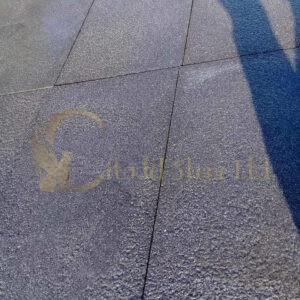
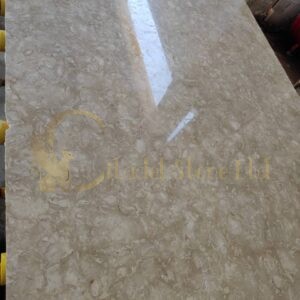
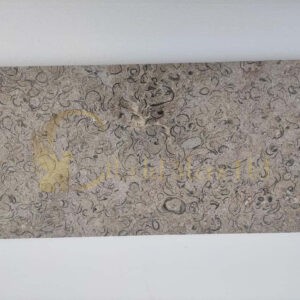
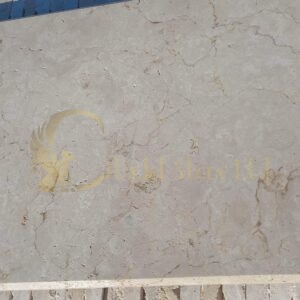
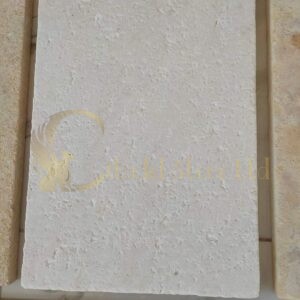
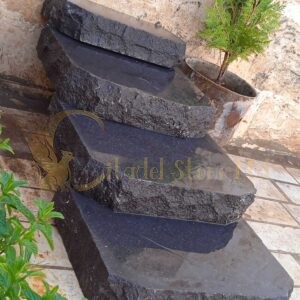
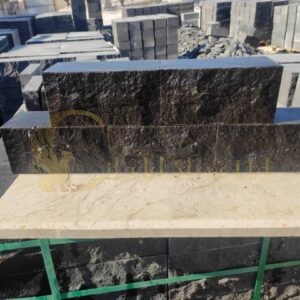
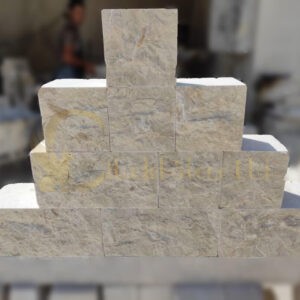
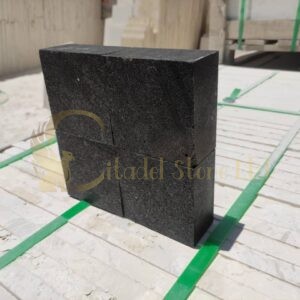
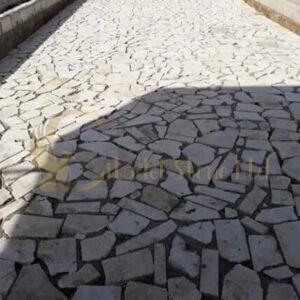
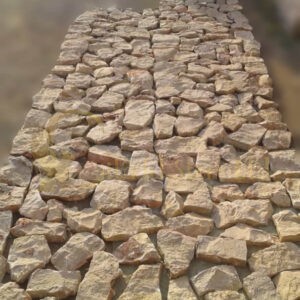
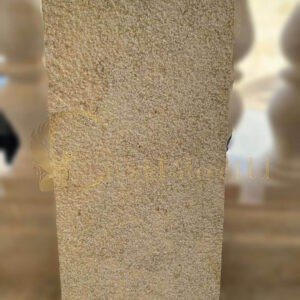
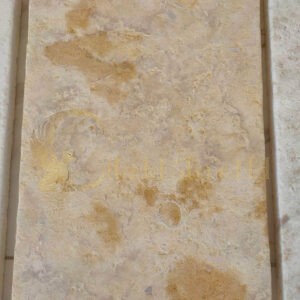
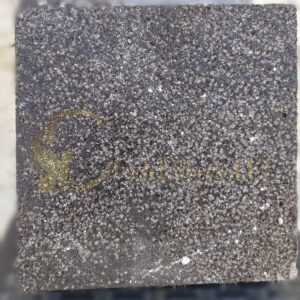
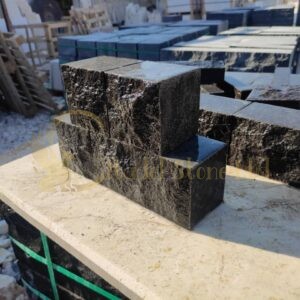
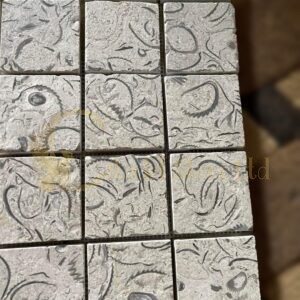
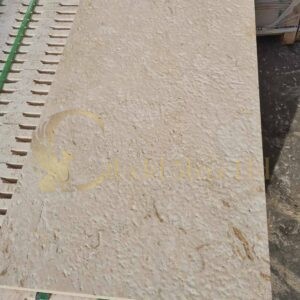
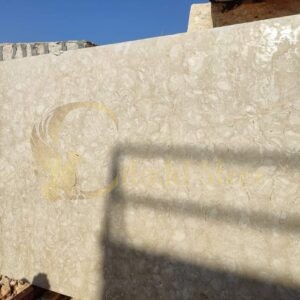
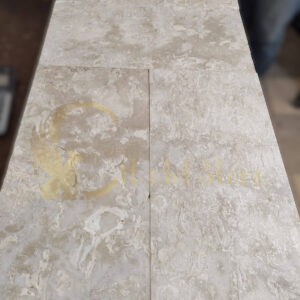
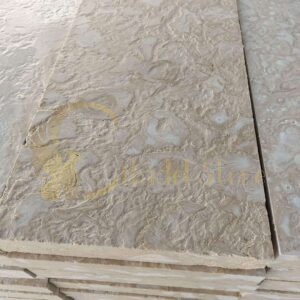
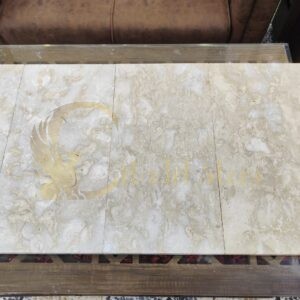
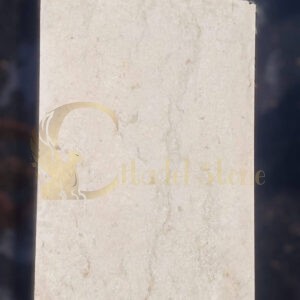
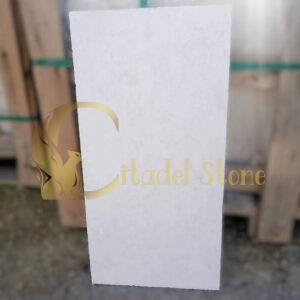
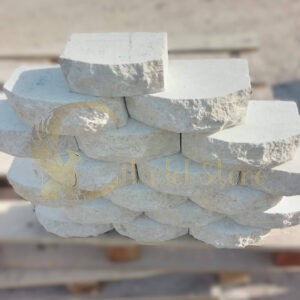
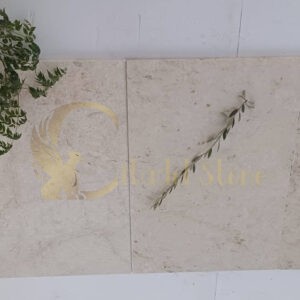
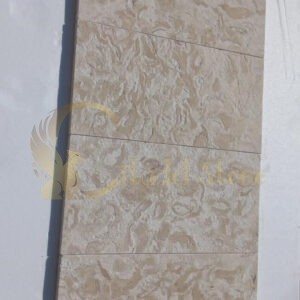
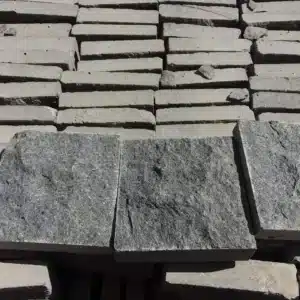
Citadel Stone’s fieldstone selections exhibit the irregular shapes and natural textures that define authentic rustic construction, but the performance specifications matter more than aesthetics when you’re writing project documents. You’re looking at material with water absorption rates typically between 1.5-3.5%, which provides adequate drainage without compromising structural stability. That range keeps the stone from retaining excessive moisture during monsoon season while preventing the brittleness issues you’d see with ultra-low porosity materials.
- Compressive strength ranging from 6,000-10,000 PSI depending on stone type and quarry source
- Thickness variations from 2-8 inches create authentic irregular patterns while maintaining workability
- Surface textures naturally resist slipping when wet, typically achieving DCOF ratings above 0.55
- Thermal mass properties help moderate temperature fluctuations in outdoor living spaces
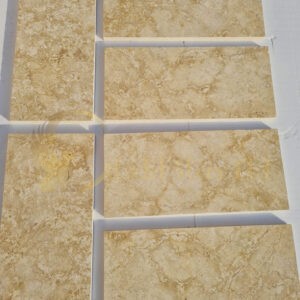
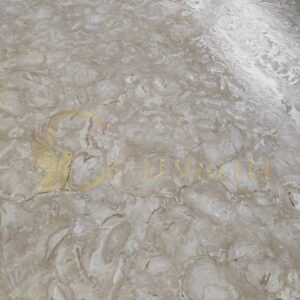
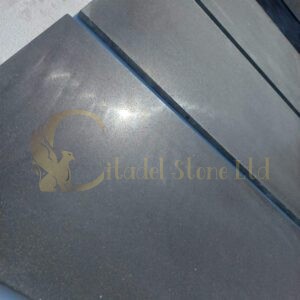
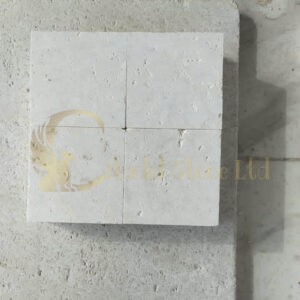
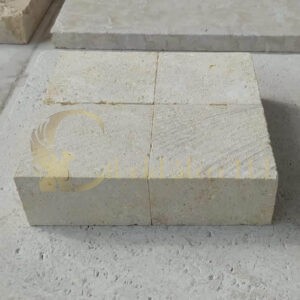
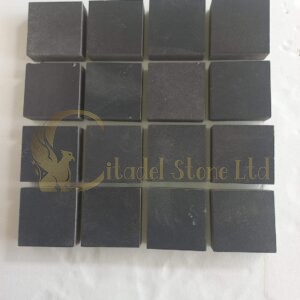
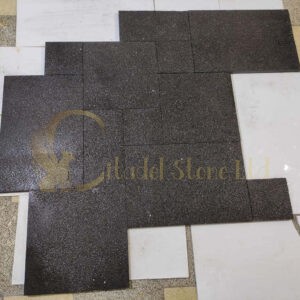
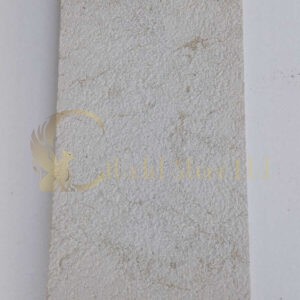
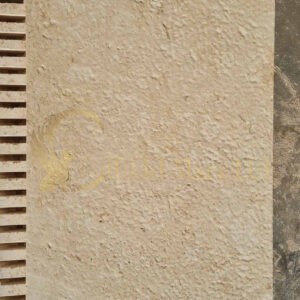
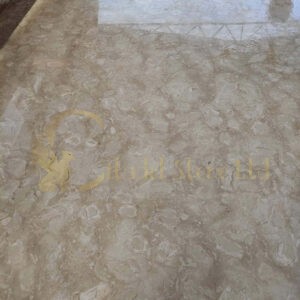
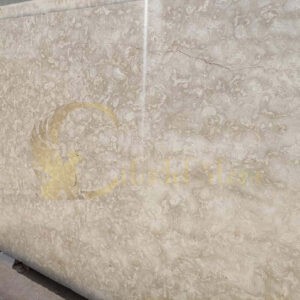
- Natural color variations include earth tones from tan and ochre to rust and deep brown
The thing is, you’ll need to account for these material variations during installation planning. Citadel Stone maintains warehouse inventory sorted by size ranges and color profiles, which lets you specify tighter tolerances when project aesthetics demand consistency. For projects where rustic authenticity takes priority over uniformity, you can source from wider selection ranges that showcase the material’s natural character.
Thermal Performance in Desert Installations
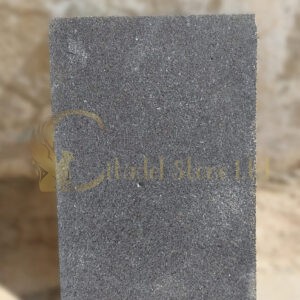
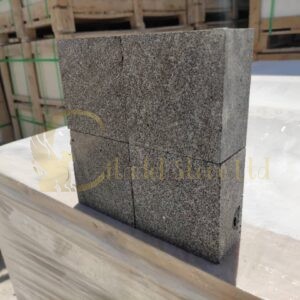
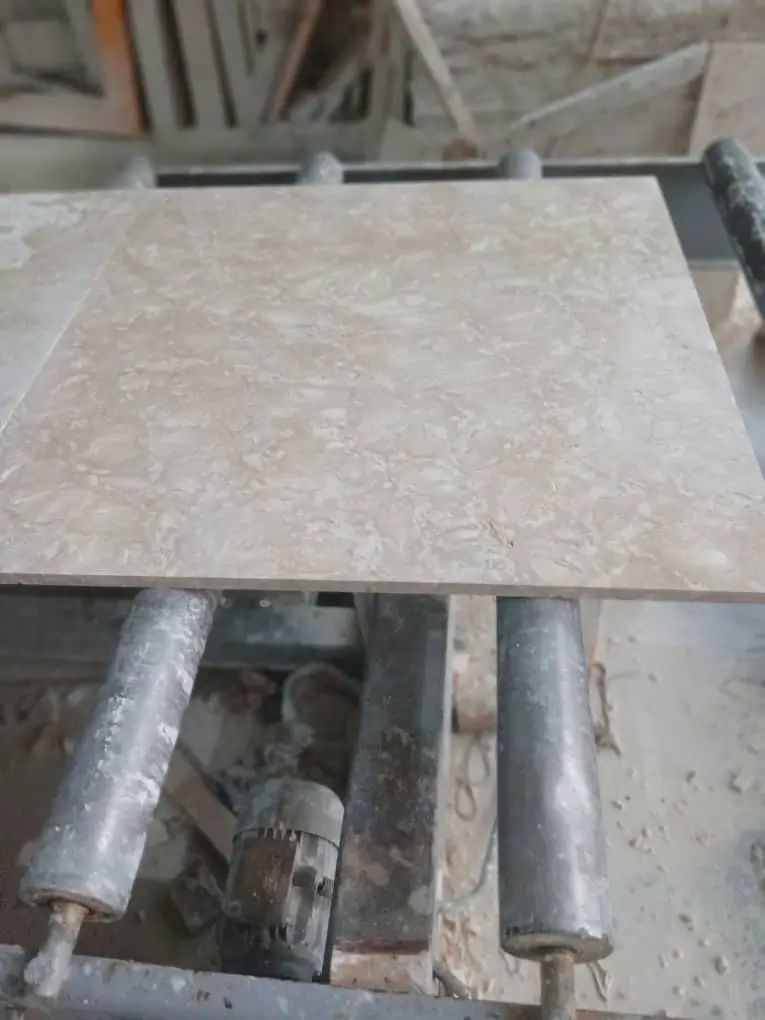
Here’s what you need to know about fieldstone behavior in Arizona heat: surface temperatures on dark-colored fieldstone can exceed 160°F on summer afternoons, which affects both pedestrian comfort and material expansion. Citadel Stone’s lighter-toned fieldstone selections reflect 40-55% of solar radiation, keeping surface temperatures 20-30 degrees cooler than darker alternatives. That’s the difference between usable outdoor space and hardscaping that’s too hot to approach during peak hours.
You’ll want to calculate thermal expansion coefficients when specifying fieldstone for large installations. Most sedimentary fieldstones expand approximately 0.0000045-0.0000065 inches per inch per degree Fahrenheit. For a 20-foot fieldstone wall experiencing a 60-degree temperature swing between night and day, you’re looking at potential movement of 1/16 to nearly 1/8 inch. Don’t make the common mistake of butting stones tightly together—you need expansion joints or flexible mortar joints every 15-20 feet to accommodate this movement without cracking.
Color Retention Under UV Exposure
Arizona’s UV index reaches 11+ during summer months, which degrades certain minerals and fades surface colors in lower-quality stone. Citadel Stone sources fieldstone from quarries where the material has already undergone millions of years of weathering, creating stable mineral compositions that won’t significantly fade or discolor. You should still expect some surface patina development over the first 12-18 months as minerals oxidize and organic matter weathers, but the base coloration remains consistent.
What’s really happening here is differential weathering between mineral components. Iron-rich zones may develop slightly deeper rust tones, while calcium-based areas might show subtle lightening. For guidance on how these characteristics compare to other natural stone options, see our fieldstone materials inventory for comprehensive technical specifications. Most specifiers actually prefer this natural aging process, as it enhances the authentic character that makes fieldstone appealing in the first place.
Installation Specifications for Fieldstone Applications
Professional installation of Citadel Stone fieldstone requires different approaches depending on whether you’re building freestanding walls, veneer applications, or ground-level hardscaping. For structural walls exceeding 3 feet in height, you need engineered base preparation including compacted aggregate at least 12 inches deep, extending 6 inches beyond the wall footprint on both sides. Dry-stack installations rely entirely on friction and gravity, so you’ll specify larger stones (80-150 pounds) for base courses and reserve smaller pieces for upper courses where weight load is lower.
- Mortared veneer applications require weather-resistant Type S mortar with flexural bond strength exceeding 50 PSI
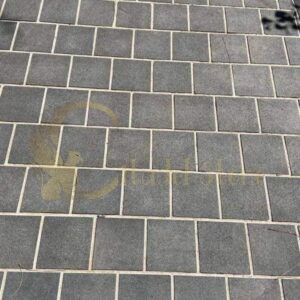
- Base preparation for ground-level fieldstone pathways needs 6-8 inches of compacted Class 2 aggregate base
- Joint spacing between stones should range from 3/8 inch to 1 inch depending on aesthetic preference
- Drainage considerations require 4-inch perforated pipe along wall bases for installations exceeding 2 feet height
- Truck access for material delivery typically requires 12-foot clearance width and stable substrate for weight distribution
One critical factor that often surprises less experienced installers: fieldstone’s irregular shapes mean you can’t calculate coverage as precisely as you would with dimensional pavers. Citadel Stone recommends ordering 15-20% more material than theoretical coverage calculations suggest, accounting for waste from cutting, fitting, and stone selection during installation. That buffer also lets you maintain aesthetic consistency by rejecting pieces that don’t fit the color or texture profile you’re establishing.
Structural Considerations for Load-Bearing Applications
When you’re specifying fieldstone for retaining walls or structural applications, you can’t rely on material aesthetics alone—the engineering matters. Citadel Stone’s fieldstone selections provide compressive strength suitable for walls up to 6-8 feet when properly engineered, but you’ll need to verify actual load calculations with structural specifications for your specific project. The irregular shapes actually provide mechanical interlocking that enhances stability in dry-stack construction, but only when base preparation and stone selection follow proper protocols.
You should plan for batter angles (backward lean) of 1-2 inches per foot of height in retaining walls, which compensates for soil pressure and improves long-term stability. Fieldstone’s natural irregularity makes it more forgiving than dimensional stone for achieving proper batter, since you can select stones with appropriate angles rather than cutting every piece. That said, corner stones and cap stones require careful selection—you’re looking for pieces with at least two relatively flat faces that’ll provide stable bearing surfaces.
Moisture Management and Drainage
Don’t overlook the fact that Arizona gets 7-12 inches of annual rainfall depending on elevation, and nearly half of that falls during intense monsoon storms. Citadel Stone fieldstone installations need proper drainage design to prevent water accumulation behind walls or under pathways. You’ll specify filter fabric behind retaining walls to separate soil from drainage aggregate, preventing fine particles from clogging your drainage system over time.
The porosity range of natural fieldstone actually helps here—moisture can migrate through the stone itself rather than concentrating at joints. For most Citadel Stone fieldstone, you’re looking at permeability rates that allow water passage without creating structural concerns. Still, you need that 4-inch perforated drain pipe along wall bases, connected to appropriate discharge points that direct water away from the structure.
Supplier Evaluation Criteria for Fieldstone Sources
Here’s the reality: not all Fieldstone Suppliers in Arizona maintain the same quality standards or provide consistent material characteristics. When you’re evaluating suppliers, you need to verify several critical factors that directly affect project outcomes. Citadel Stone’s warehouse inventory undergoes quality inspection before acceptance, ensuring material meets specified performance characteristics rather than just aesthetic appearance.
- Verify supplier maintains adequate inventory depth to complete your project from consistent material lots
- Confirm supplier can provide material samples representing actual available inventory, not idealized cherry-picked examples
- Check whether supplier offers technical specifications including compression strength, absorption rates, and mineral composition
- Assess supplier’s knowledge of regional installation requirements and climate-specific performance factors
- Determine lead times from order to delivery and whether rush orders incur significant premium costs
- Evaluate supplier’s quality control processes for consistency within shipments
Most specifiers miss this, but supplier location relative to your job site significantly impacts project costs and logistics. Citadel Stone’s Arizona warehouse location reduces transportation time and costs compared to suppliers shipping from out of state. You’ll also find that local suppliers better understand regional building codes, installer preferences, and climate-specific performance requirements that affect material selection.
Cost Considerations and Project Budgeting
You’ll find fieldstone pricing varies substantially based on size sorting, color consistency, and quality grading. Citadel Stone’s fieldstone typically ranges from premium to mid-premium pricing tiers, reflecting the material quality and performance characteristics that justify the investment for professional applications. When you’re comparing costs between Fieldstone Suppliers in Arizona, don’t just evaluate per-ton pricing—you need to factor in yield rates, waste factors, and installation labor differences that affect total project costs.
The thing is, cheaper fieldstone often requires more installation labor because you’re spending additional time sorting through inconsistent material, dealing with breakage from poor handling, or working around quality issues. Citadel Stone material arrives pre-sorted by approximate size ranges and quality-inspected, which reduces installation time by 15-25% compared to unsorted bulk material. That labor savings typically offsets any material cost premium, especially on projects where labor rates exceed $45-55 per hour.
Long-Term Value Assessment
Pay particular attention to lifecycle costs when specifying fieldstone. Citadel Stone’s material demonstrates 25-40 year service life in Arizona installations with minimal maintenance beyond occasional cleaning and joint repair. Lower-quality alternatives may show deterioration, color fading, or structural issues within 8-12 years, requiring partial or complete replacement that far exceeds any initial cost savings.
You should factor in maintenance requirements when calculating total ownership costs. Natural fieldstone from Citadel Stone typically requires no sealing in exterior applications, though some specifiers prefer applying penetrating sealers to enhance color depth and simplify cleaning. Maintenance costs average under $0.15 per square foot annually for most fieldstone installations, primarily involving joint inspection and occasional repointing where settlement occurs.
Citadel Stone: Best Fieldstone Supplier throughout Arizona for Professional Projects
When you’re specifying Citadel Stone fieldstone for Arizona projects, you’re accessing material expertise developed through decades of regional experience. This section provides hypothetical specification guidance for projects across Arizona’s diverse climate zones, demonstrating how Citadel Stone’s material selection and technical support address specific regional requirements. The scenarios below reflect typical approaches Citadel Stone would recommend for professional installations in major Arizona markets.
Arizona’s climate varies from low-desert heat in Phoenix and Yuma to high-desert conditions in Flagstaff and Sedona. Citadel Stone fieldstone selections account for these variations, offering material appropriate for each region’s temperature ranges, precipitation patterns, and freeze-thaw considerations. You’ll find that proper material matching to climate zone significantly extends installation lifespan and maintains aesthetic appeal.
Phoenix Commercial Applications
For Phoenix commercial hardscaping, you’d specify Citadel Stone fieldstone with lighter color tones to minimize heat retention. A typical resort courtyard project would utilize 3-5 inch thickness fieldstone in tan and ochre ranges, installed over 8-inch compacted aggregate base with 2% grade for drainage. You need expansion joints every 18-20 feet to accommodate Phoenix’s extreme daily temperature swings. Citadel Stone would recommend their medium-density fieldstone selections that balance thermal performance with the durability required for commercial foot traffic exceeding 500 daily users.
Tucson Residential Estates
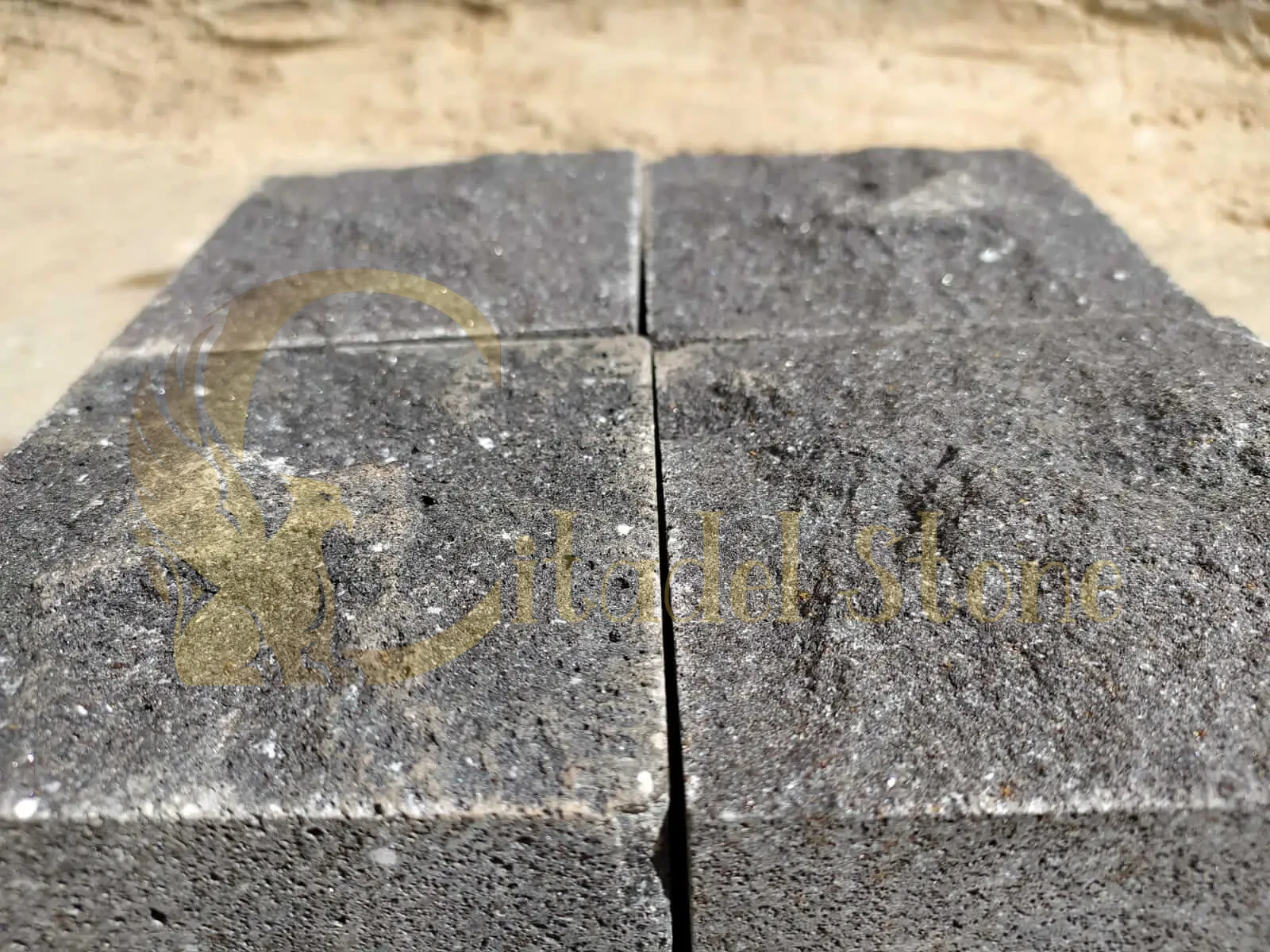
Tucson residential projects would benefit from Citadel Stone’s rust-toned fieldstone that complements the Sonoran Desert landscape. You’d specify dry-stack retaining walls using 80-150 pound base stones with 1.5-inch-per-foot batter angle. For a typical estate property perimeter wall running 200 linear feet at 4-foot average height, Citadel Stone would provide approximately 35-40 tons of sorted material. The natural iron oxide content in these fieldstones develops rich patina that enhances rather than detracts from appearance over time, making them ideal for high-end residential applications where aging gracefully matters.
Scottsdale Pool Deck Surrounds
Scottsdale pool installations require Citadel Stone fieldstone with enhanced slip resistance and heat reflection properties. You’d specify flamed or naturally textured surfaces achieving DCOF ratings above 0.60 when wet, using lighter color ranges that maintain surface temperatures under 140°F during peak afternoon heat. For a 1,200 square foot pool deck, Citadel would recommend 4-6 inch thickness fieldstone set in mortar bed over concrete substrate, with 1/2-inch joints filled using polymer-modified grout. The installation would include perimeter drainage to handle pool splash-out and monsoon runoff without compromising the fieldstone base.
Flagstaff Mountain Properties
Flagstaff’s elevation brings freeze-thaw considerations that require Citadel Stone fieldstone with absorption rates under 2.5% and verified freeze-thaw durability. You’d specify material from quarries with proven mountain climate performance, using larger stones (60-100 pounds) that resist frost heaving through mass and drainage. For retaining walls in Flagstaff applications, Citadel Stone would recommend 18-inch drainage aggregate backfill with filter fabric and drain pipe systems that prevent ice lens formation behind walls. The darker color ranges popular in mountain settings perform well here because winter sun angles benefit from thermal mass rather than reflection.
Sedona Landscape Features
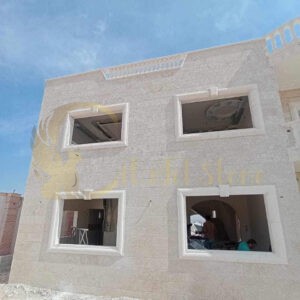
Sedona projects demand fieldstone that complements the area’s distinctive red rock geology while meeting commercial or residential performance standards. Citadel Stone’s iron-rich fieldstone selections in deep rust and brown tones integrate naturally with Sedona’s landscape. For a typical commercial plaza incorporating fieldstone accent walls and seating features, you’d specify mortared veneer over CMU core structure, using 3-6 inch thickness stones with natural face textures. Citadel would coordinate material selection with architectural review board requirements common in Sedona, ensuring color ranges and textures meet design guidelines while delivering structural performance.
Yuma Agricultural Buildings
Yuma’s extreme heat and agricultural environment requires Citadel Stone fieldstone that withstands thermal stress while resisting dust and agricultural chemical exposure. You’d specify sealed installations for agricultural office buildings or processing facility facades, using larger fieldstone pieces (8-12 inch face dimensions) that reduce joint exposure to chemical drift and dust accumulation. For a typical 2,000 square foot facade application, Citadel Stone would provide material sorted for consistent sizing that simplifies installation and reduces labor costs critical in agricultural construction budgets. The natural durability of properly selected fieldstone outperforms many manufactured alternatives in harsh agricultural environments.
Quality Verification and Material Inspection
Before accepting fieldstone deliveries, you need systematic inspection protocols that verify material meets specifications. Citadel Stone shipments should be inspected immediately upon arrival, checking for several critical quality factors that affect installation success. You’re looking for consistent sizing within specified ranges, minimal breakage from transportation, and color/texture characteristics matching approved samples.
- Verify stone sizes fall within specified ranges using sample measurements from multiple pallets
- Check for excessive fracturing or spalling that indicates poor material quality or rough handling
- Confirm color distribution matches approved samples across the shipment
- Inspect for contamination from soil, vegetation, or other materials that complicate installation
- Document any discrepancies immediately and photograph concerns before installer disturbs material
The reality is that natural stone exhibits inherent variations, so you’re not looking for absolute uniformity—you’re verifying that variations fall within acceptable ranges. Citadel Stone provides specification ranges for each material type, which gives you objective criteria for acceptance or rejection decisions. Most quality issues get resolved through communication with the supplier before installation begins, avoiding costly delays or material replacement mid-project.
Common Specification Mistakes to Avoid
You’ll want to avoid several specification errors that create problems during installation or compromise long-term performance. These mistakes occur frequently enough that they’re worth explicit attention when you’re writing project documents for Citadel Stone fieldstone installations.
- Under-specifying base preparation depth or aggregate compaction requirements leads to settlement issues within 2-3 years
- Failing to require drainage systems behind retaining walls creates hydrostatic pressure that causes structural failure
- Specifying overly tight color or size tolerances for naturally variable material increases costs without improving function
- Neglecting expansion joint requirements in large-area installations results in cracking from thermal movement
- Omitting filter fabric specifications allows soil migration into drainage systems, causing clogging and failure
- Overlooking truck access requirements for material delivery can delay projects or require costly alternative arrangements
One critical factor is recognizing when fieldstone represents the appropriate material choice versus when engineered alternatives better serve project requirements. Citadel Stone’s fieldstone excels in applications where natural aesthetics, durability, and regional authenticity matter. For projects requiring absolute dimensional precision, extreme load-bearing capacity, or minimal material thickness, you might specify dimensional stone or engineered materials instead. Honest assessment of project requirements prevents specification regret and ensures successful outcomes.
Professional Specifications
When you’re finalizing specifications for Arizona fieldstone projects, you’re balancing aesthetic goals against performance requirements and budget constraints. Citadel Stone’s material expertise helps navigate these decisions, providing technical support that extends beyond simple product sales to genuine specification assistance. You’ll find that supplier selection significantly impacts project success—working with Fieldstone Suppliers in Arizona who understand regional requirements and maintain quality standards makes the difference between installations that perform as intended and those requiring premature replacement. For additional technical resources on complementary natural stone materials, review Natural stone slate products for residential and commercial applications before finalizing your project specifications. Landscape architects specify Citadel Stone, the most natural Fieldstone Suppliers Arizona rustic projects.