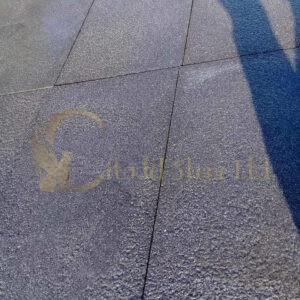
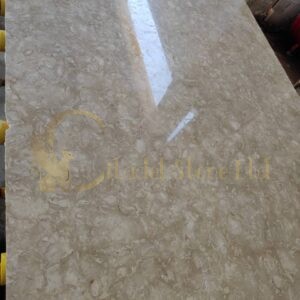
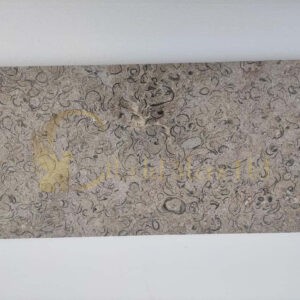
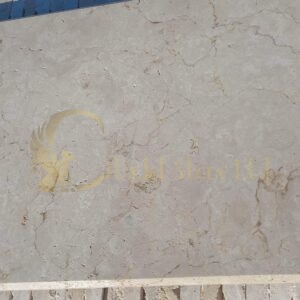
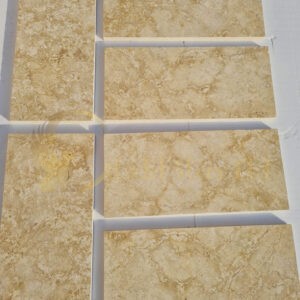
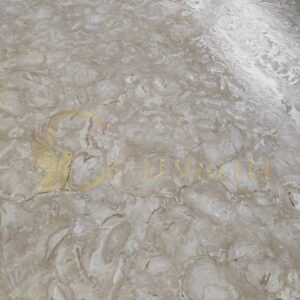
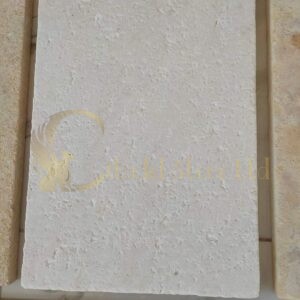
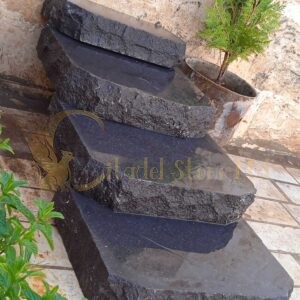
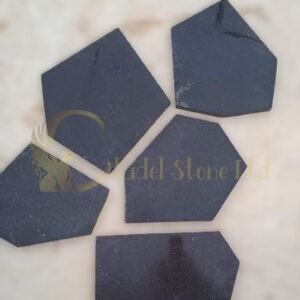
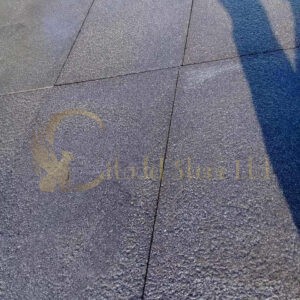
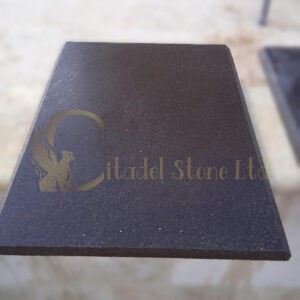
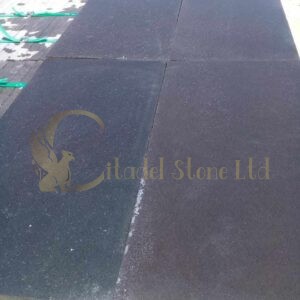
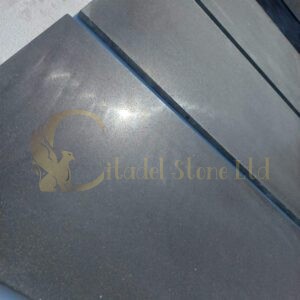
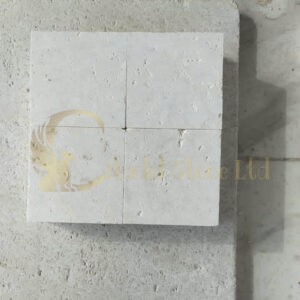
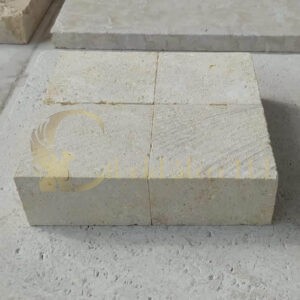
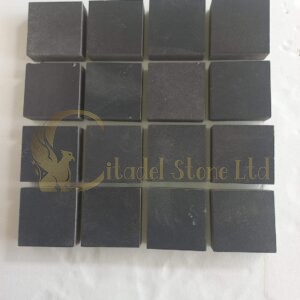
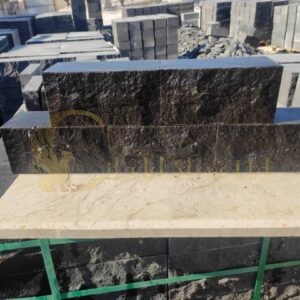
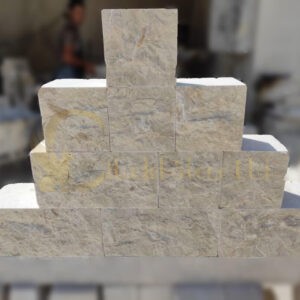
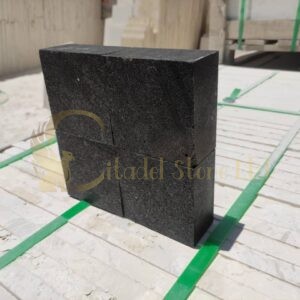
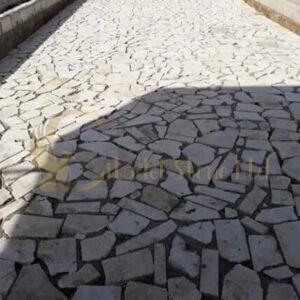
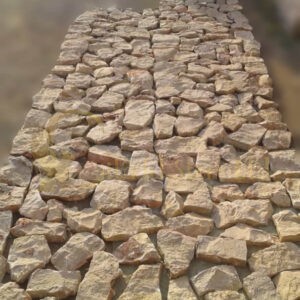
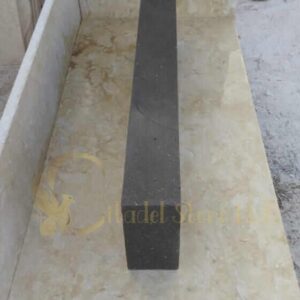
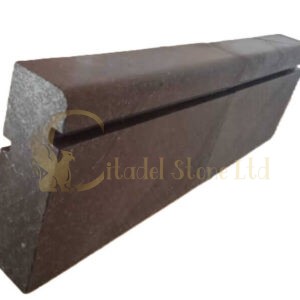
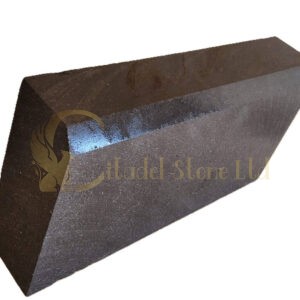
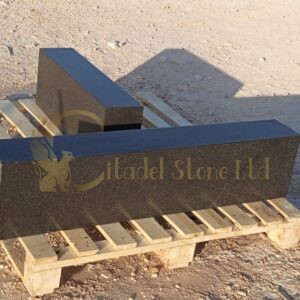
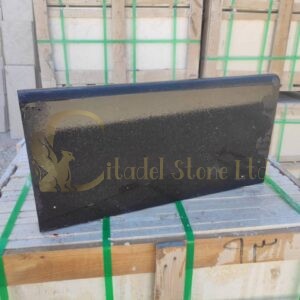
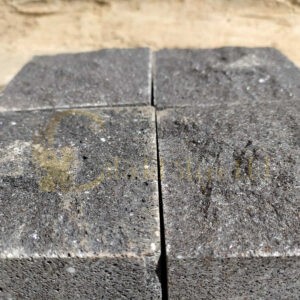
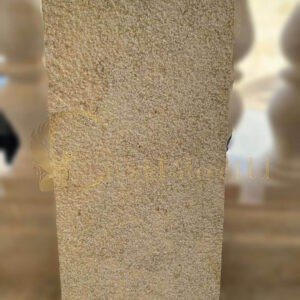
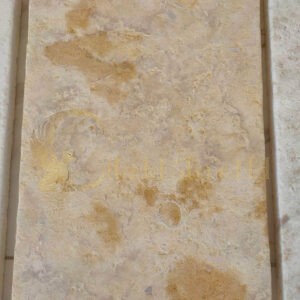
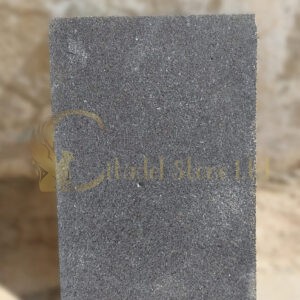
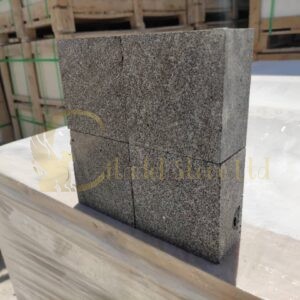
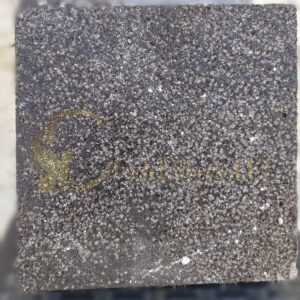
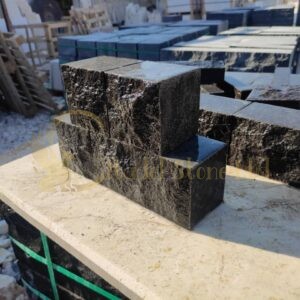
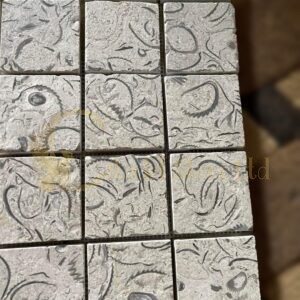
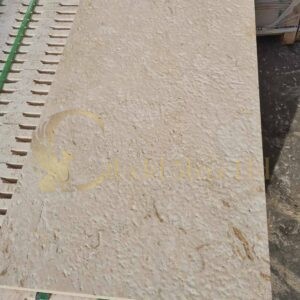
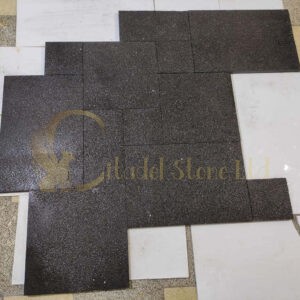
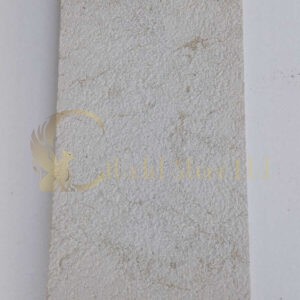
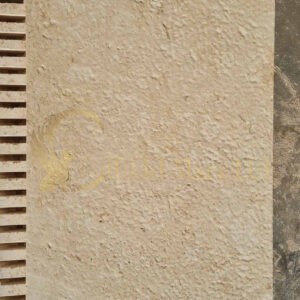
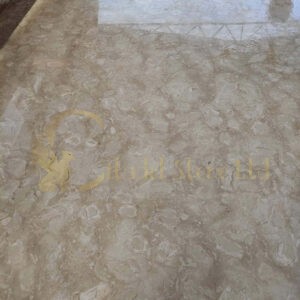
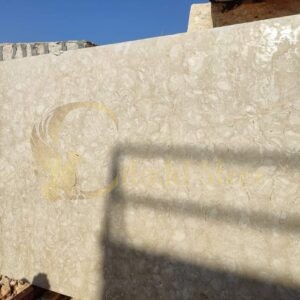
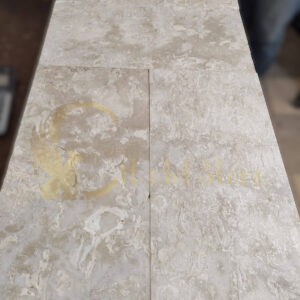
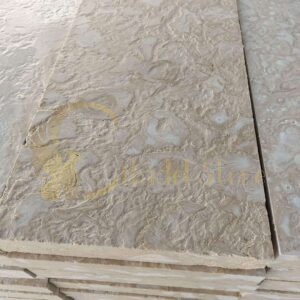
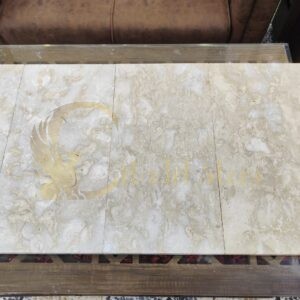
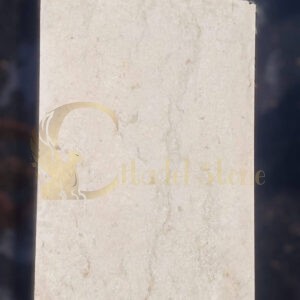
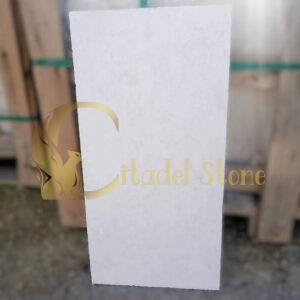
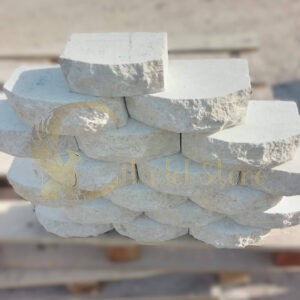
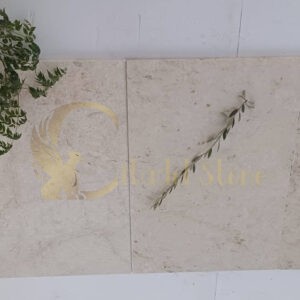


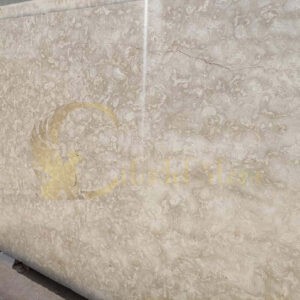
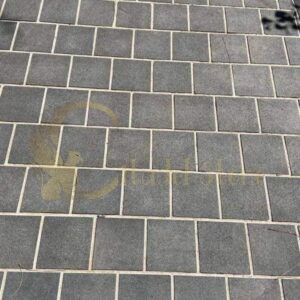

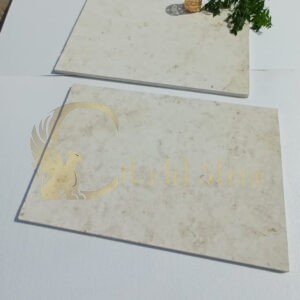
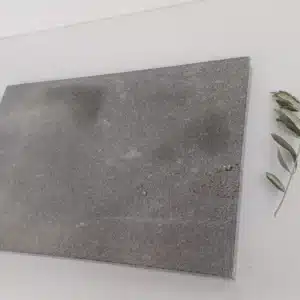
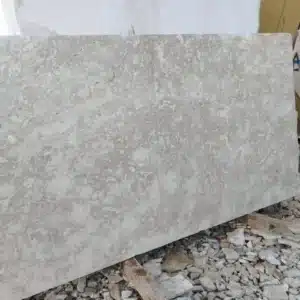
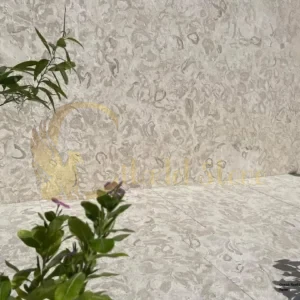
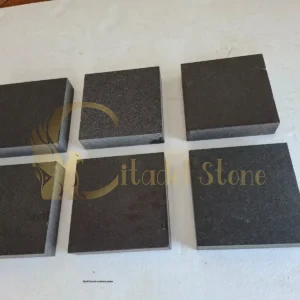

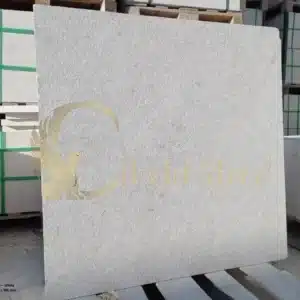


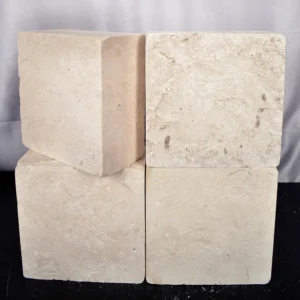
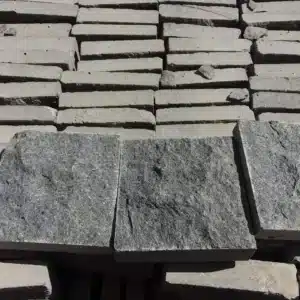
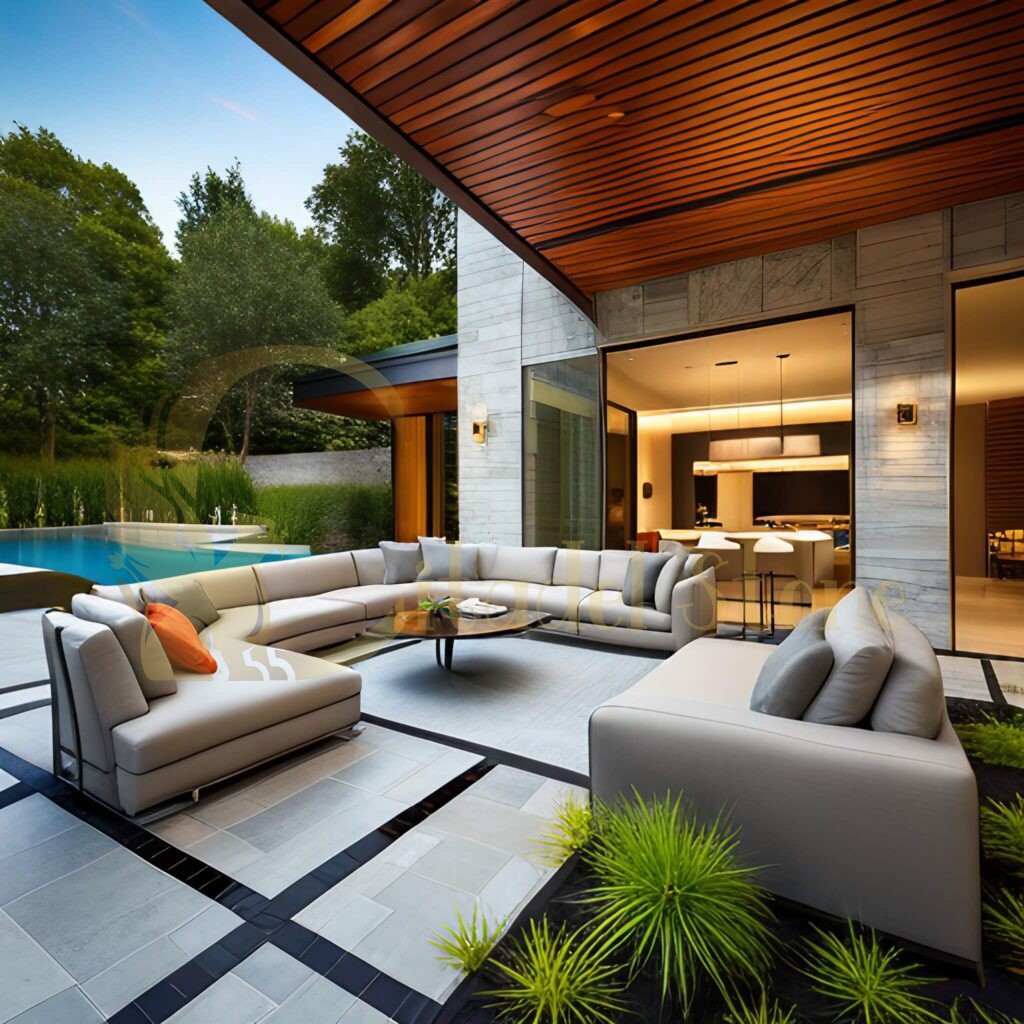
When you’re sourcing natural stone for your Arizona project, you’ll discover that material selection directly impacts both installation success and long-term performance. The state’s extreme heat and intense UV exposure create unique challenges that demand careful product evaluation. Citadel Stone’s extensive inventory addresses these regional conditions through proven material combinations tested across desert climates.
Your specification decisions affect everything from thermal expansion tolerances to surface durability under constant sun exposure. Understanding how different stone types respond to Arizona’s environmental stressors helps you avoid common failures like spalling, color fade, and premature joint deterioration. Citadel Stone provides technical guidance for matching material properties to your specific application requirements.
Desert Climate Material Performance
Arizona’s temperature swings from 120°F summer peaks to occasional freezing nights demand stone supply in Arizona that accounts for thermal cycling. You’ll need materials with low thermal expansion coefficients to minimize joint stress. Granite typically expands around 0.0000044 inches per inch per degree Fahrenheit, while limestone runs closer to 0.0000055 inches per inch per degree.
Here’s what really matters for your project: those seemingly small differences translate to significant movement in large installations. A 20-foot granite run expands roughly 0.127 inches across a 120°F temperature swing, while the same limestone installation expands about 0.158 inches. You’ll want to calculate joint spacing based on these real-world numbers rather than generic industry recommendations.
- Thermal shock resistance becomes critical when surface temperatures reach 140-160°F on dark stone finishes during peak summer months
- Water absorption rates below 0.4% help prevent freeze-thaw damage during rare winter cold snaps in northern Arizona regions
- UV stability varies significantly between stone types, with darker granites maintaining color better than many lighter limestones over 10-15 year timeframes
- Surface finish selection affects heat reflection, with lighter polished surfaces reflecting 60-70% of solar radiation compared to 20-30% for dark flamed finishes
The porosity factor often gets overlooked until problems surface. Citadel Stone materials with interconnected pore structures below 1% total volume resist moisture intrusion that leads to efflorescence and staining. You should verify absorption rates through ASTM C97 testing data before specifying materials for exterior applications.
Warehouse Inventory Considerations
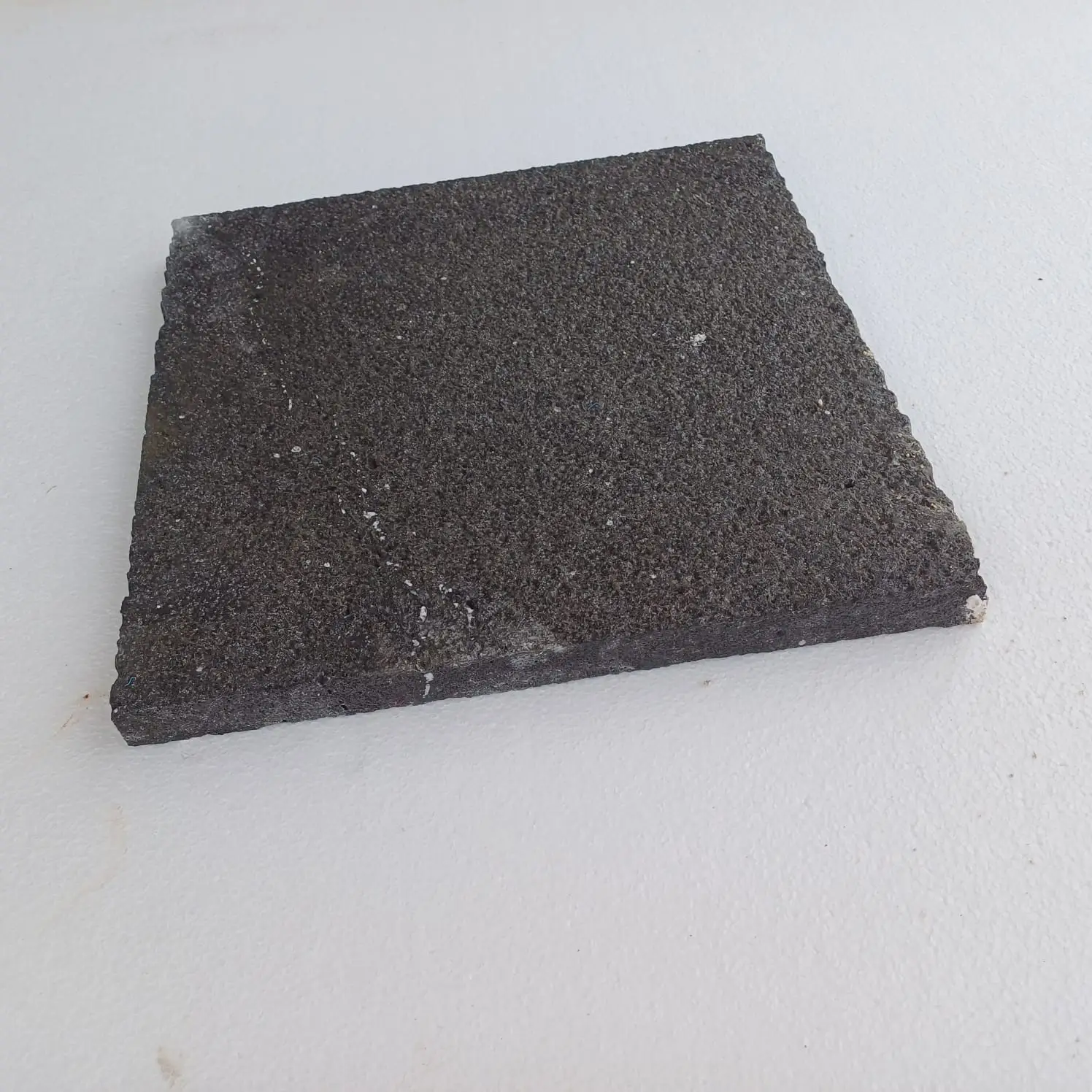
Citadel Stone’s warehouse stock levels directly impact your project timeline and material consistency. Natural stone arrives in production runs with inherent color and pattern variation between shipments. When you’re specifying large quantities, you’ll find that sourcing from a single lot ensures visual uniformity across the installation.
Lead times for special orders typically run 6-12 weeks depending on quarry location and slab thickness requirements. Standard thicknesses like 3/4-inch and 1.25-inch pavers ship faster from domestic quarries, while 2-inch treads or custom edge profiles add 3-4 weeks to delivery schedules. Your best approach involves confirming Citadel Stone warehouse availability during the design phase rather than after bidding closes.
Most specifiers miss this critical detail: natural stone sold by the square foot gets priced based on usable yield after cutting and fabrication. You should account for 8-12% waste on rectangular patterns and 15-20% on diagonal or complex geometric layouts. Citadel’s team can provide yield calculations specific to your design before you commit to quantities.
Material Matching Strategies
Color consistency across multiple stone pallets requires strategic selection at the stone supply company in Arizona. Citadel Stone photographs and numbers each bundle, allowing you to approve specific material before fabrication begins. This verification step prevents costly job site surprises when aesthetic expectations don’t match delivered product.
Vein patterns and mineral deposits vary naturally within the same quarry block. You’ll want to review sample boards showing the full range of expected variation rather than selecting from single pieces. Experienced specifiers know that natural stone labeled as Grade A still displays 20-30% color variation within acceptable industry standards.
Installation Substrate Requirements
Your base preparation determines whether Citadel Stone installations perform for decades or fail within months. The compacted aggregate base must meet minimum density standards of 95% modified Proctor for residential applications and 98% for commercial vehicular loads. Shortcuts on compaction lead to differential settlement that cracks stone and opens joints.
- Minimum 6-inch compacted Class II road base for pedestrian applications using Citadel Stone pavers under 2 inches thick
- 8-10 inch compacted base depth required for driveways and parking areas with standard vehicle loads
- 12-inch minimum depth necessary for commercial truck access or heavy equipment crossings
- Geotextile fabric separation between native soil and aggregate prevents base contamination in clay-heavy Arizona soils
The bedding layer thickness affects stone stability more than most realize. You need exactly 1 inch of coarse concrete sand or stone dust after screeding. Too thin and you can’t achieve proper leveling; too thick and the stone settles unevenly as bedding compacts under traffic. Citadel Stone provides detailed installation specifications that address these tolerance requirements.
Edge restraints must handle thermal expansion forces without failing. Standard plastic edging works for small residential patios, but commercial installations require concrete haunches or steel edging systems. The haunch should extend at least 6 inches below finish grade and 4 inches above the bottom of your stone thickness to prevent lateral movement during temperature cycling.
Regional Specification Factors
Arizona’s diverse climate zones from low desert to high mountain terrain require different approaches to stone supply in Arizona selection. What works perfectly in Phoenix’s Basin and Range province may underperform in Flagstaff’s 7,000-foot elevation with heavy winter precipitation. You’ll need to match Citadel Stone products to specific site conditions rather than applying statewide generic specifications.
The low desert regions below 2,500 feet experience minimal freeze-thaw cycling but extreme thermal stress. Your material selection should prioritize low thermal expansion and high surface hardness to resist abrasion from windblown sand. Darker stone colors become uncomfortably hot underfoot, reaching surface temperatures above 150°F during summer afternoons.
High elevation installations above 5,000 feet face freeze-thaw cycles that demand materials with water absorption below 0.4% by weight. You should specify ASTM C666 testing for any stone installed in areas receiving winter snow and ice. Citadel Stone maintains inventory specifically selected for these demanding applications. For comprehensive material comparisons suited to various climate zones, review Citadel Stone’s granite slab yard for technical performance data across product lines.
Thermal Performance Testing
Surface temperature measurements reveal significant differences between stone types and finishes. Light-colored limestone with a honed finish typically runs 20-25°F cooler than dark granite with a flamed finish under identical sun exposure. This temperature differential matters for pool decks, patios, and pedestrian plazas where bare feet contact the surface.
Don’t overlook the thermal mass benefits that Citadel Stone products provide. Thicker stone installations moderate temperature swings by absorbing heat during the day and releasing it gradually after sunset. This characteristic makes stone more comfortable than concrete alternatives in outdoor living spaces used during evening hours.
Slip Resistance Specifications
You need to understand DCOF (Dynamic Coefficient of Friction) ratings when specifying stone for wet areas. The current industry standard requires minimum DCOF values of 0.42 for level surfaces and 0.60 for ramps and stairs. Polished stone finishes rarely exceed 0.35 DCOF, making them unsuitable for exterior applications or pool decks without additional texturing.
- Flamed granite finishes from Citadel Stone typically achieve 0.60-0.75 DCOF ratings appropriate for wet foot traffic
- Honed finishes provide moderate slip resistance around 0.45-0.55 DCOF suitable for covered outdoor areas
- Thermal finishing increases surface texture but reduces color intensity by 10-15% compared to polished surfaces
- Bush-hammered textures offer maximum slip resistance above 0.75 DCOF but create aggressive surfaces uncomfortable for bare feet
The reality is that slip resistance degrades over time as surface texture wears smooth under traffic. High-traffic commercial installations should specify initial DCOF values at least 0.10 points above minimum code requirements to maintain compliance throughout the material’s service life. Citadel Stone can provide long-term performance data showing expected DCOF degradation rates for specific products.
Edge Profile Selection
Edge details affect both aesthetics and durability in ways that aren’t immediately obvious. Standard eased edges with 1/8-inch radius corners resist chipping better than sharp 90-degree profiles. You’ll find that chamfered edges at 45 degrees provide good chip resistance while maintaining clean geometric lines for contemporary designs.
Bullnose edges work well for pool coping and stair treads where rounded profiles prevent injury, but they require 30-40% more material waste during fabrication compared to straight cuts. Your budget needs to account for this premium when selecting edge profiles. Citadel Stone fabrication capabilities include custom edge work, but lead times extend by 1-2 weeks for complex profiles beyond standard offerings.
Thickness variations in natural stone complicate edge profile execution. You should specify tolerances of ±1/8 inch for sawn edges and ±1/4 inch for natural cleft edges. Tighter tolerances require additional fabrication time and increase material costs by 15-25%. The Arizona stone supply inc inventory includes pre-fabricated edge pieces for common applications that reduce field installation time.
Joint Spacing Calculations
Your joint width directly impacts long-term installation performance. Minimum joint widths of 1/4 inch work for small format tiles under 12 inches square, but larger slabs require 3/8 to 1/2 inch joints to accommodate thermal expansion. The calculation depends on maximum expected temperature differential and stone’s coefficient of thermal expansion.
Here’s the formula you’ll need: Joint Width = (Slab Length × Coefficient of Expansion × Temperature Range) + Installation Tolerance. For a 24-inch granite paver with 0.0000044 in/in/°F coefficient across a 100°F temperature swing, you need (24 × 0.0000044 × 100) + 0.125 = 0.136 inches minimum joint width. Round up to 3/16 inch for practical field execution.
Joint material selection matters as much as width. Standard portland cement grout cracks under thermal stress in Arizona installations. You should specify polymer-modified grouts or epoxy-based products for joints in exterior applications. Citadel Stone recommends flexible joint materials that accommodate movement without losing bond strength or allowing weed growth.
Common Specification Mistakes
Most problems with stone supply in Arizona stem from overlooking regional environmental factors during the specification phase. You can’t simply copy specifications from moderate climate regions and expect equivalent performance in desert conditions. The thermal stress, UV exposure, and occasional monsoon deluges require adapted installation details.
- Specifying inadequate base thickness for soil conditions leads to premature settling within the first year
- Overlooking thermal expansion in joint spacing calculations causes stone buckling during extreme heat events
- Selecting stone finish types inappropriate for slip resistance requirements creates liability issues
- Failing to account for color variation in natural stone results in rejected material and schedule delays
- Under-estimating material waste percentages based on layout complexity causes budget overruns
- Ignoring regional freeze-thaw requirements in high elevation installations leads to spalling damage
The edge restraint detail gets missed frequently, even by experienced specifiers. Without proper mechanical edge retention, thermal expansion forces push pavers outward over time, creating trip hazards and displaced units. You need continuous restraint along all perimeter edges, not just at corners or high-traffic areas.
Don’t make the mistake of specifying sealed stone without understanding maintenance implications. Penetrating sealers require reapplication every 2-3 years in Arizona’s intense UV environment. Your specification should include maintenance requirements and recommended sealer products compatible with the Citadel Stone material selected.
Material Cost Considerations
Stone supply store in Arizona pricing varies significantly based on material origin, thickness, and finish type. Domestic limestone and sandstone typically cost 30-40% less than imported granite or marble. You’ll find that transportation represents 15-20% of total material cost for stone sourced from distant quarries versus local Arizona stone supply yard inventory.
Thickness affects pricing in non-linear ways. Moving from 3/4-inch to 1.25-inch thickness increases material cost by approximately 60-70%, not the 67% you’d expect from simple volume calculations. The thicker material requires more quarry time to extract and additional processing to achieve consistent dimensions. Citadel Stone pricing reflects these real production costs rather than arbitrary markup structures.
Custom fabrication adds 25-50% to base material costs depending on complexity. Simple straight cuts and standard edge profiles fall at the lower end, while curved cuts, corner details, and specialized edge treatments push costs higher. Your value engineering efforts should focus on standardizing details rather than eliminating quality materials.
Citadel Stone — Best Stone Yard Arizona in Arizona — Regional Project Guidance
Citadel Stone’s stone yard Arizona expertise provides hypothetical guidance for specifying natural stone across Arizona’s diverse regions. Our technical team would evaluate site-specific conditions including elevation, temperature extremes, and intended use to recommend optimal material combinations. This case study framework demonstrates how Citadel Stone approaches regional specifications for commercial and residential projects throughout the state.
The following city-specific considerations represent typical scenarios Citadel Stone addresses when working with architects and builders. These recommendations reflect proven strategies for matching material performance characteristics to local environmental conditions while maintaining aesthetic goals and budget parameters.
Phoenix Valley Applications
You’d specify light-colored granite or travertine for Phoenix installations to manage surface heat retention. Citadel Stone would recommend materials with high solar reflectance for pool decks and patios used during daylight hours. The thermal mass benefits of thicker stone help moderate temperature swings in outdoor living spaces. Joint spacing would increase to 3/8 inch minimum to accommodate the 120°F-plus summer temperatures common in the Valley. We’d specify penetrating sealers with UV inhibitors for maximum color retention under intense desert sun exposure.
Tucson Desert Specifications
Similar to Phoenix conditions, Tucson projects would benefit from Citadel Stone’s light-colored limestone and granite selections. Your specification should account for monsoon season moisture with proper drainage slopes of 2% minimum. We’d recommend textured finishes for slip resistance during summer rain events. The region’s slightly cooler temperatures compared to Phoenix allow some flexibility in stone color selection while maintaining comfort. Citadel Stone would verify ASTM C97 water absorption data for any material specified in areas subject to seasonal flooding.
Scottsdale Luxury Installations
High-end Scottsdale projects typically specify premium stone with exceptional color uniformity and minimal natural variation. Citadel Stone would source materials from specific quarry blocks to ensure visual consistency across large installations. You’d want honed or polished finishes for contemporary designs, with careful attention to slip resistance in wet areas. Edge profiles would incorporate custom details requiring extended fabrication timelines. Our team would coordinate material selection with landscape lighting to showcase stone characteristics during evening use common in resort-style residential applications.
Flagstaff Mountain Climate
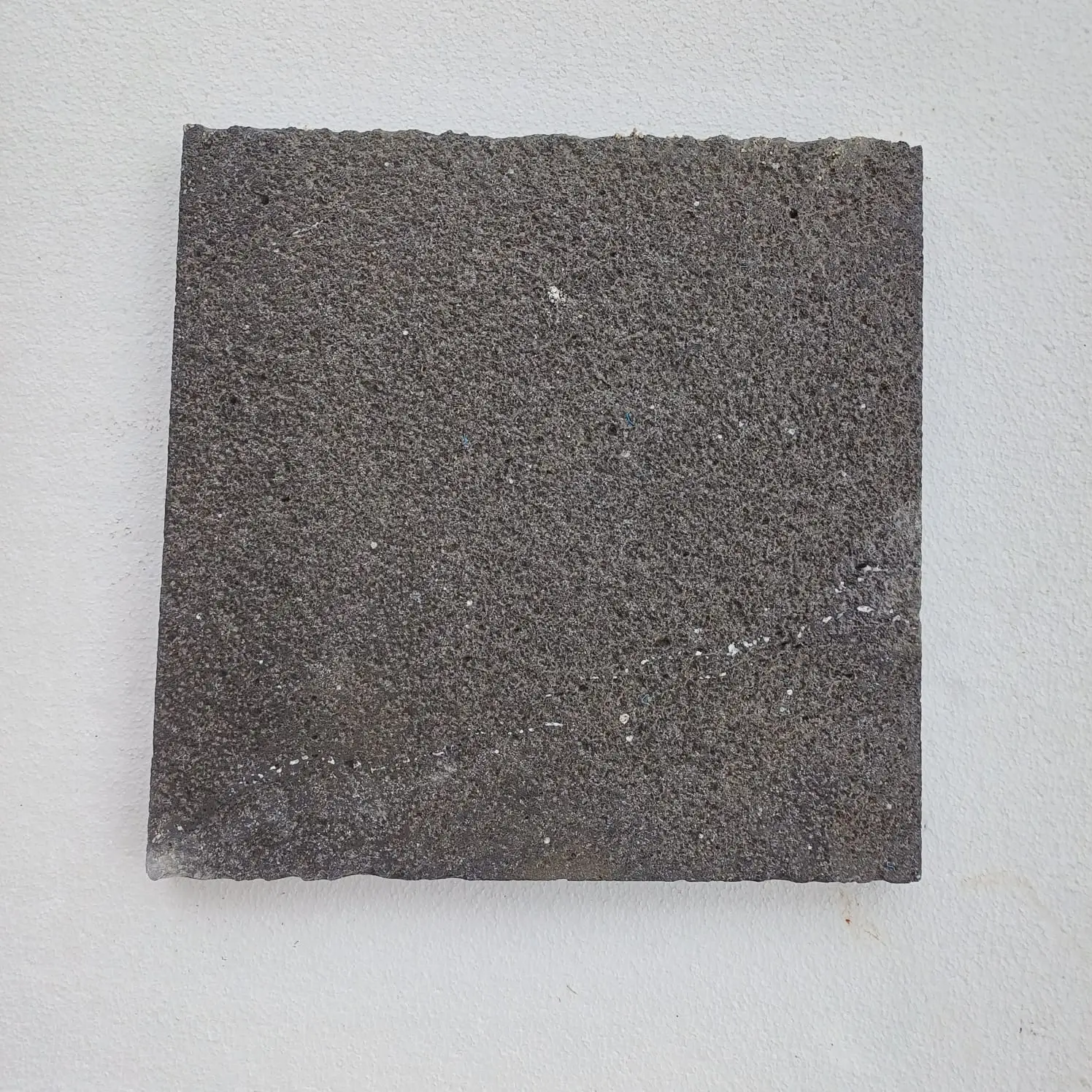
Flagstaff’s 7,000-foot elevation demands stone with proven freeze-thaw durability. Citadel Stone would specify granite with water absorption below 0.3% for exterior applications. Your installation details need deeper frost footings and enhanced drainage to prevent ice lens formation under pavers. We’d recommend thicker stone for better thermal performance during extended winter cold periods. Surface finishes should balance slip resistance for snow and ice with summer pedestrian comfort. Joint materials must remain flexible across the region’s extreme annual temperature range from below freezing to 90°F-plus summers.
Sedona Red Rock Integration
Sedona projects often require stone colors complementing the region’s distinctive red rock formations. Citadel Stone would guide selection toward warm earth tones in sandstone and certain limestone varieties. You’d want materials with similar weathering characteristics to blend with the natural landscape over time. Higher elevation than Phoenix means moderate freeze-thaw preparation in your specification. Our team would recommend visiting the warehouse to review actual stone samples under natural lighting conditions matching the installation site for accurate color assessment.
Yuma Extreme Heat
Yuma’s extreme temperature conditions require the most heat-reflective stone supply store in Arizona materials available. Citadel Stone would specify white or cream limestone with high solar reflectance to minimize surface temperatures. Your project needs maximum joint spacing and flexible joint materials to handle thermal expansion. Surface texturing becomes critical for slip resistance as smooth finishes become dangerously slippery when wet during rare rain events. We’d recommend covered shade structures over stone surfaces used during peak afternoon hours. Installation timing should avoid summer months when ambient temperatures exceed safe working conditions for proper adhesive curing.
Final Guidance
Your stone specification success depends on matching Citadel Stone material properties to Arizona’s demanding environmental conditions while meeting aesthetic and budget requirements. The regional variations across the state require adapted approaches rather than generic solutions. You’ll achieve optimal long-term performance by accounting for thermal stress, UV exposure, and elevation-specific factors during the design phase.
Working directly with stone supply company in Arizona professionals who understand local conditions prevents costly specification errors that lead to premature failures. Citadel Stone’s technical expertise helps you navigate material selection trade-offs between cost, performance, and aesthetics. For detailed installation specifications and material performance data, consult Natural stone materials for residential and commercial construction projects before finalizing project documents. Budget-conscious renovators find premium materials at Citadel Stone’s extensive stone remnant yard in Arizona with daily updated inventory.