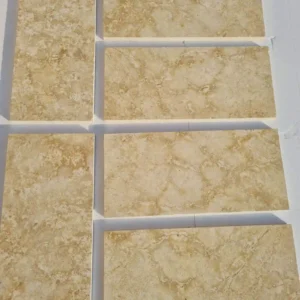
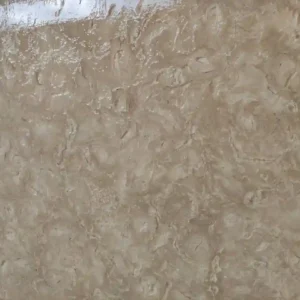
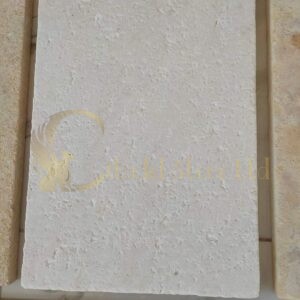
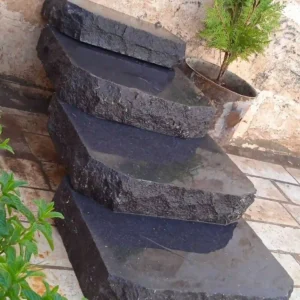
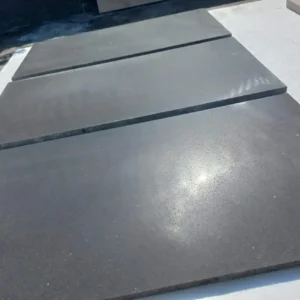
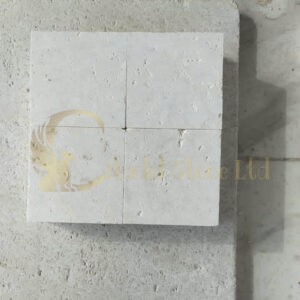
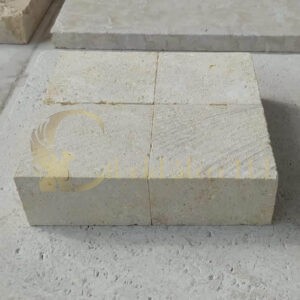
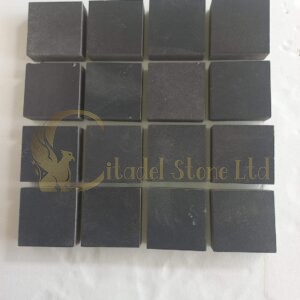
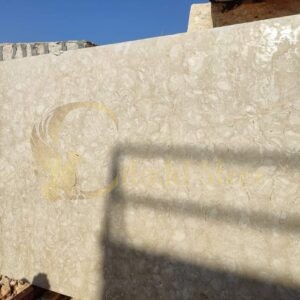
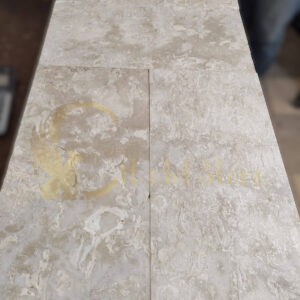
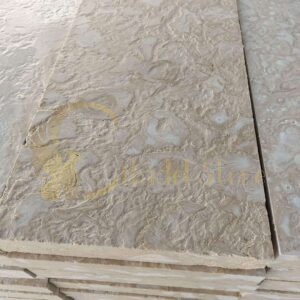
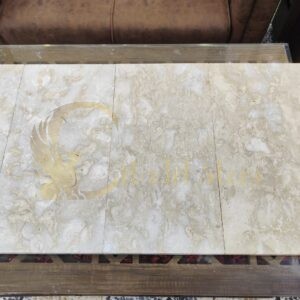
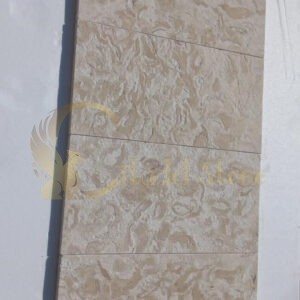
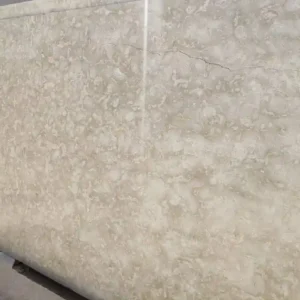
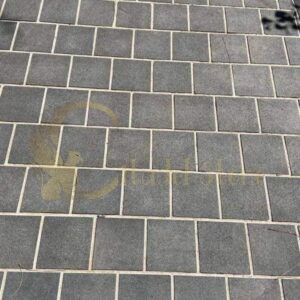
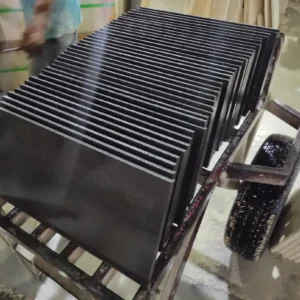
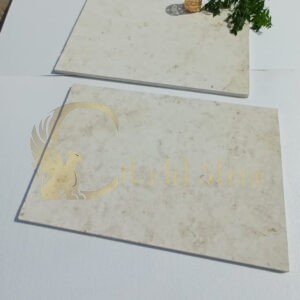
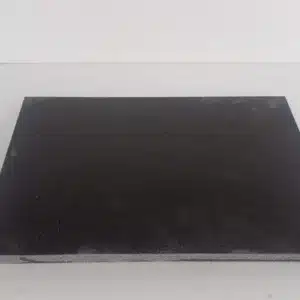
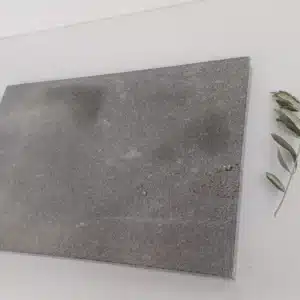
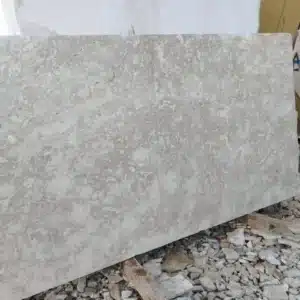
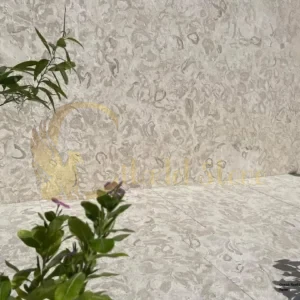
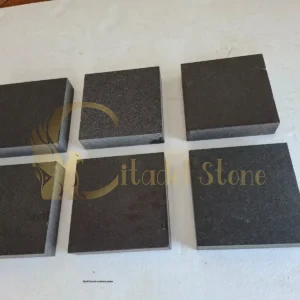
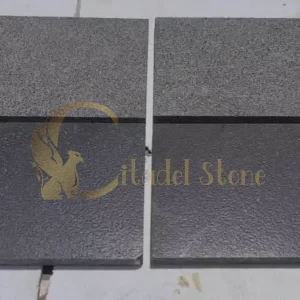
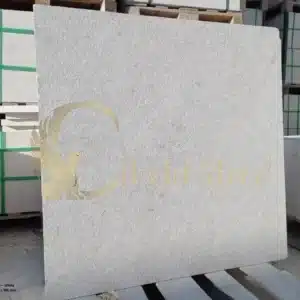
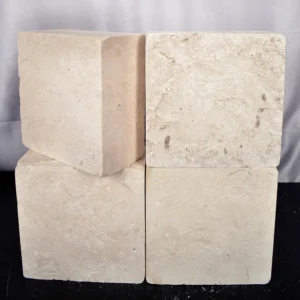
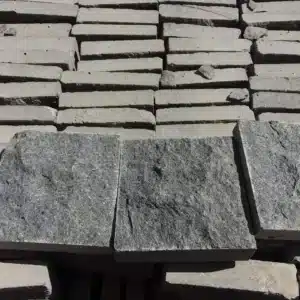
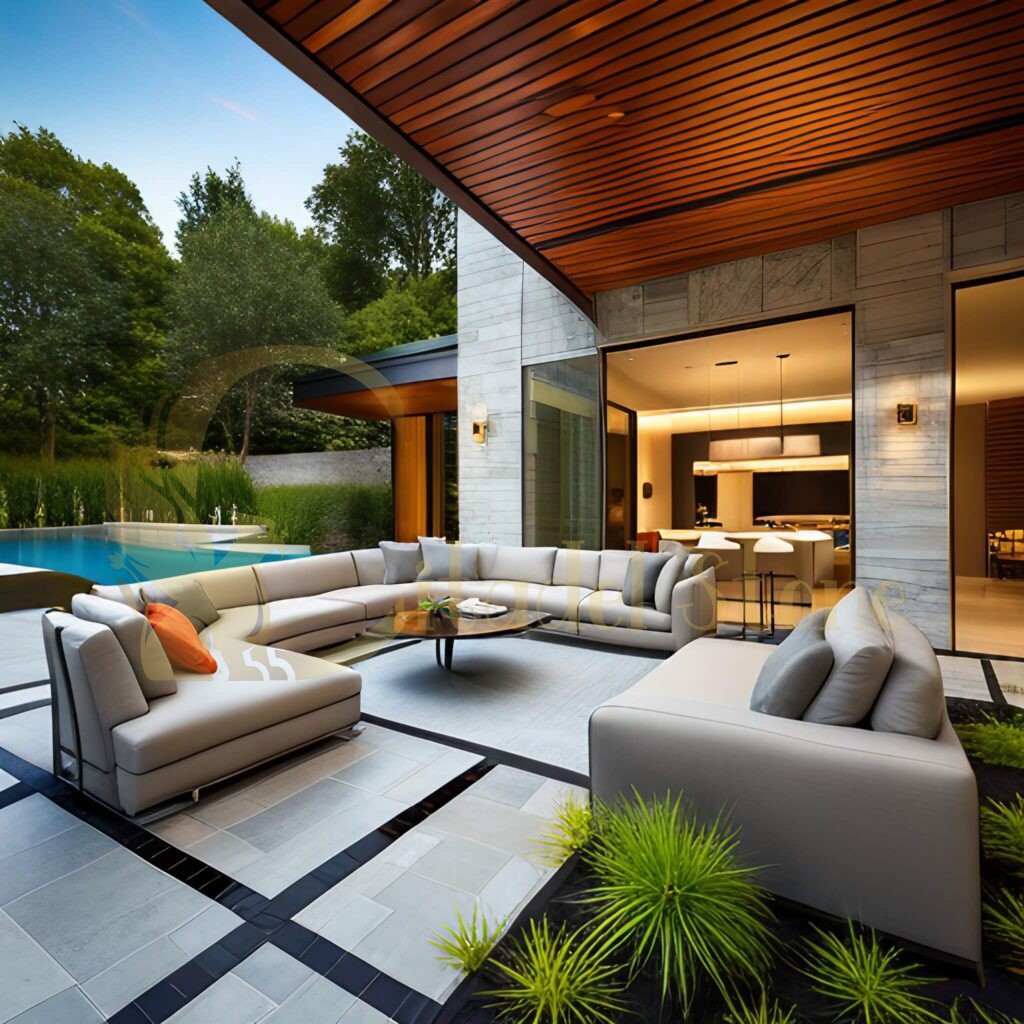
When you’re specifying 18×18 travertine tile in Arizona, you’re working with one of the most thermally efficient natural stone formats available for desert climates. Citadel Stone’s expansive tile dimensions provide superior coverage with fewer grout joints, which translates to better thermal mass performance and reduced maintenance requirements in Arizona’s extreme heat conditions. You’ll find that this larger format delivers both aesthetic impact and practical advantages that smaller tiles simply can’t match in residential and commercial applications throughout the Southwest.
The 18-inch square format has become the preferred choice for Arizona architects and builders who understand how thermal expansion, surface temperature management, and installation efficiency affect long-term project success. Citadel Stone materials demonstrate exceptional performance in Phoenix’s 120°F summer heat and Flagstaff’s occasional freeze-thaw cycles, provided you specify them correctly for your specific microclimate and application.
Thermal Performance Considerations
Travertine’s natural pore structure gives Citadel Stone’s 18×18 travertine tile in Arizona installations a distinct advantage over denser stone materials. The interconnected voids—typically 5-20% of total volume depending on grade—create an insulating effect that keeps surface temperatures 15-25°F cooler than granite or concrete pavers under direct Arizona sunlight. You’re looking at typical surface temps of 110-125°F for travertine versus 135-150°F for dense alternatives during peak summer conditions.
Here’s what that thermal behavior means for your project planning:
- Barefoot comfort around pool decks and outdoor living spaces remains viable through mid-afternoon hours
- Reduced heat island effect in courtyards and enclosed patios improves microclimate conditions
- Lower thermal mass cycling decreases expansion-contraction stress on installation systems
- Night-time heat retention stays moderate, allowing outdoor spaces to cool within 2-3 hours after sunset
The larger 18-inch format amplifies these benefits because you’re reducing grout joint density by approximately 35% compared to 12×12 installations. Citadel Stone’s travertine 18×18 in Arizona projects show that fewer joints mean fewer thermal bridges where heat transfer accelerates. When you specify Citadel’s materials with appropriate joint spacing—typically 3/16 to 1/4 inch for this format—you’re optimizing both thermal performance and structural integrity.
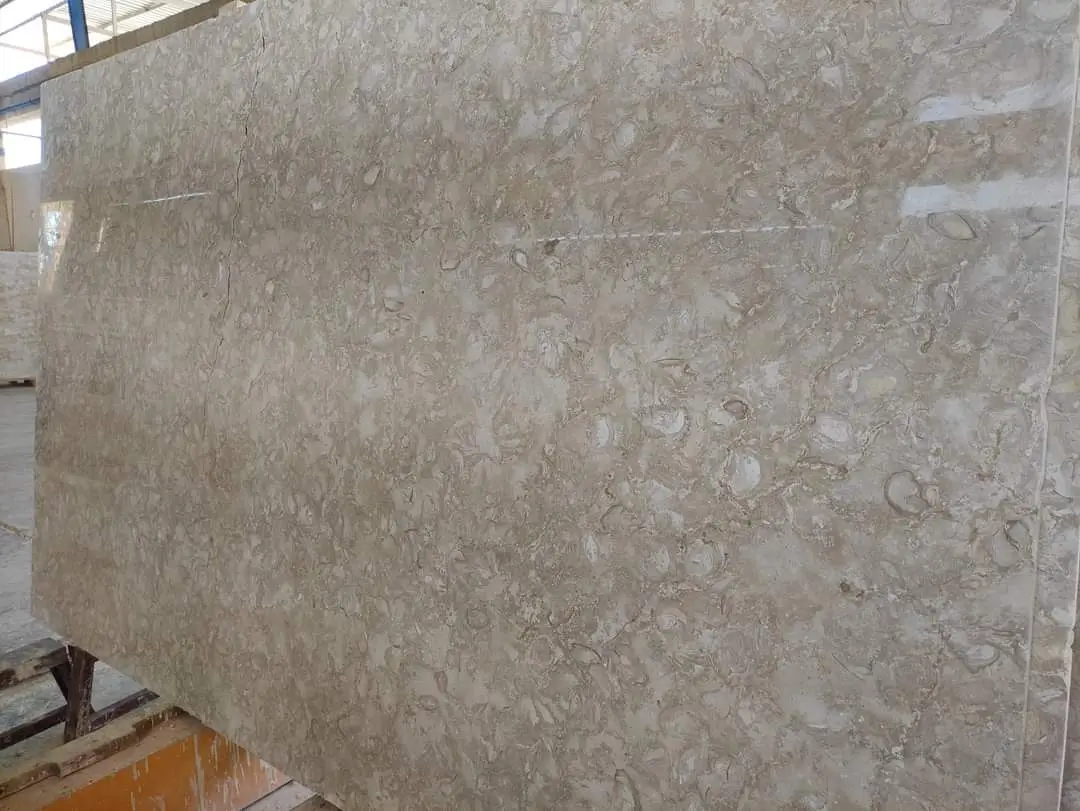
Material Specifications and Quality Factors
You need to understand the distinction between commercial and premium grades when selecting 18 by 18 travertine tile in Arizona. Citadel Stone stocks both classifications, and the performance difference becomes critical in Arizona’s demanding climate. Commercial grade typically exhibits 10-15% porosity with occasional voids up to 3mm diameter, while premium grade maintains 5-8% porosity with maximum void size under 1.5mm.
That porosity difference directly impacts water absorption rates, which matters more than most specifiers realize. Arizona’s monsoon season brings intense rainfall that can penetrate unsealed travertine, and freeze-thaw damage becomes a real concern above 5,000 feet elevation. Premium grade Citadel Stone travertine 18 x 18 in Arizona installations demonstrate water absorption rates below 2% by weight, meeting ASTM C1526 requirements for exterior frost-resistant applications.
Pay particular attention to these specification criteria:
- Compressive strength should exceed 8,000 PSI for vehicular applications, 6,000 PSI minimum for pedestrian areas
- Thickness tolerance of ±2mm maximum ensures consistent bedding depth and reduces lippage risk
- Edge straightness within 1mm per linear foot prevents alignment issues during installation
- Color lot consistency across multiple pallets—request samples from actual production runs
Citadel Stone’s warehouse inventory includes both honed and tumbled finishes in the 18-inch format, and your finish choice affects slip resistance significantly. Tumbled surfaces typically achieve DCOF ratings of 0.55-0.65 wet, making them code-compliant for most exterior applications. Honed finishes drop to 0.35-0.45 wet, which requires careful application planning and possible textured sealers for wet-exposure areas.
Installation Requirements for Arizona Climates
Base preparation for travertine tile 18 x 18 in Arizona installations requires more attention than you’d need in moderate climates. The combination of expansive soils common throughout the Phoenix Valley and extreme thermal cycling demands a robust substrate system. You’re looking at minimum 4-inch compacted aggregate base over stable subgrade, with geotextile separation fabric to prevent fines migration.
For residential applications, Citadel Stone recommends a concrete slab substrate with minimum 3,500 PSI compressive strength and proper reinforcement—typically #3 rebar at 18 inches on center both directions or 6×6 W1.4xW1.4 welded wire mesh. The slab should include isolation joints at building interfaces and control joints spaced no more than 10 feet in any direction. These joints accommodate the thermal expansion you’ll get with an 18×18 format—approximately 1/8 inch movement per 20 feet of continuous surface in a 100°F temperature swing.
Your thin-set mortar selection matters more than conventional wisdom suggests. Standard polymer-modified thin-set fails in Arizona heat, particularly on dark-colored substrates that can reach 160°F surface temperatures. You need a high-performance mortar meeting ANSI A118.15 or A118.4E specifications, with extended open time formulations for working in ambient temperatures above 90°F. Citadel’s installation teams typically recommend medium-bed mortars (3/16 to 1/2 inch bed depth) for the 18-inch format to accommodate the slight warpage inherent in large-format natural stone.
Grout Joint Sizing and Expansion Management
The standard 1/8-inch grout joint you’d use in climate-controlled interiors won’t work for 18×18 travertine floor tile in Arizona exteriors. You need 3/16 to 1/4 inch joints minimum to accommodate thermal expansion without inducing compressive stress that leads to tile tenting or corner lifting. That wider joint also provides tolerance for the dimensional variation you’ll encounter in natural stone—even premium grade travertine can vary ±1.5mm from nominal 18-inch dimensions.
Here’s the expansion calculation that drives joint sizing: travertine exhibits a thermal coefficient of approximately 5.5 x 10⁻⁶ per degree Fahrenheit. An 18-inch tile experiencing a 100°F temperature swing expands roughly 0.01 inches. Across a 10-foot run of five tiles, you’re looking at 0.05 inches (approximately 1/16 inch) of cumulative expansion. Your grout joints need to absorb this movement, which is why 1/8-inch joints fail—there’s insufficient compressibility in the grout to prevent stress buildup.
Citadel Stone specifies sanded epoxy grout for most Arizona applications of travertine 18×18 tile in Arizona, particularly in high-traffic or wet-exposure areas. Traditional cement-based grouts work for protected interior applications, but epoxy delivers superior stain resistance and won’t deteriorate from the chlorinated water splash common around pool decks. You’ll pay approximately 3-4 times more for epoxy, but the lifecycle cost advantage becomes apparent within the first 24 months when cement grout starts showing staining and requires resealing.
Don’t overlook expansion joints in your layout planning. You need true expansion joints—not just control joints—at maximum 12-foot spacing in both directions for 18 inch travertine tile in Arizona installations. These joints should penetrate through the tile, setting bed, and substrate to the structural isolation joint below. Fill them with color-matched polyurethane or silicone sealant rated for ±50% movement capability. Many architects compare our 18-inch travertine tile collection with smaller formats before making final specifications. This detail prevents the catastrophic failures you’ll see in improperly detailed installations after just one Arizona summer.
Sealing and Maintenance Requirements
You can’t skip sealer application on Citadel Stone’s 18 x 18 travertine in Arizona, regardless of interior or exterior placement. Travertine’s natural porosity makes it vulnerable to staining from organic material, hard water deposits, and Arizona’s alkaline dust. Initial sealer application should occur after grouting and complete cure—typically 72 hours minimum, longer in cooler months when cure rates slow.
Your sealer choice depends on finish type and exposure conditions. For tumbled exterior surfaces, penetrating sealers work best because they don’t create a film that can delaminate under UV exposure and thermal stress. Look for fluoropolymer or siloxane-based products that maintain vapor permeability while providing stain resistance. You’re looking at 80-120 square feet coverage per gallon for first coat on travertine, with a second coat applied 2-4 hours later achieving the protection level Arizona conditions demand.
Honed interior installations benefit from enhanced sealers that provide both penetrating protection and subtle surface enhancement. These combination products deliver better stain resistance for kitchen and bathroom applications where spills occur frequently. Citadel Stone recommends reapplication every 12-18 months for high-traffic areas, 24-36 months for moderate-use spaces.
Maintenance reality check: even properly sealed 18×18 travertine stone tile in Arizona will show some etching if exposed to acidic substances. Citadel’s travertine exhibits a Mohs hardness of 3-4, which means common household acids—citrus juice, vinegar, wine, tomato sauce—will etch the surface if left in contact for more than a few minutes. You need to set realistic expectations with clients that this is characteristic of calcium-based stone, not a defect. Regular neutral-pH cleaning and prompt spill cleanup prevent most problems.
Cost Factors and Budget Considerations
Material costs for Citadel Stone’s travertine 18 x 18 tile in Arizona typically run $8-15 per square foot for commercial grade, $15-25 per square foot for premium grade, depending on finish and color selection. That’s installed material only—you’ll need to add 30-40% for professional installation in straightforward applications, 50-70% for complex layouts with diagonal patterns or extensive cutting.
The larger format affects installation costs differently than you might expect. On one hand, you’re covering more area per piece, which should reduce labor. On the other hand, the 18-inch format requires more precise substrate preparation and careful handling to prevent breakage. Each tile weighs approximately 18-22 pounds depending on thickness, and improper handling during installation cracks corners easily. Experienced installers charge a 10-15% premium for large-format work compared to standard 12×12 tiles, but you’re saving roughly the same amount in reduced grout joint labor, so costs essentially balance out.
You’ll encounter hidden costs if substrate conditions aren’t ideal. Citadel Stone’s installation specifications require flatness within 1/8 inch over 10 feet for the 18-inch format, with maximum 1/16 inch variation over 24 inches. Achieving this tolerance often requires self-leveling underlayment or mud bed installation, adding $3-6 per square foot to project costs. Don’t skimp here—lippage on large-format tile creates trip hazards and looks unprofessional regardless of material quality.
Common Specification Mistakes
Most specification errors with travertine tile 18 in Arizona involve inadequate consideration of thermal movement and water management. You can’t treat travertine like porcelain tile and expect good results. The material behaves differently, responds to temperature changes differently, and requires different detailing approaches.
Watch for these frequent oversights:
- Omitting waterproofing membranes under wet-area installations—travertine isn’t waterproof, and water will penetrate to substrates
- Specifying standard thin-set instead of high-performance mortars rated for exterior and thermal stress
- Failing to detail proper drainage slopes—minimum 2% grade for exterior applications to prevent standing water
- Undersizing expansion joints or omitting them entirely from large floor areas
- Not accounting for shade transitions—tiles in full sun versus shaded areas experience different thermal cycles and can develop differential movement
Another common mistake: assuming all travertine performs identically regardless of source quarry. Citadel Stone’s materials come from proven quarries with consistent geology, but even within premium grades you’ll find variation in density, porosity, and vein structure. Request multiple samples and verify they represent the actual production lot you’ll receive, not idealized showroom samples.
The biggest specification failure involves inadequate edge details where travertine meets dissimilar materials. Transitions to concrete, steel, wood, or glass require careful planning because each material expands at different rates. You need flexible sealants at these interfaces, never hard grout, and the detail must allow independent movement. Citadel’s technical team sees numerous callback issues traced to rigid connections that should have been designed as expansion-accommodating joints.
Color Selection and Veining Patterns
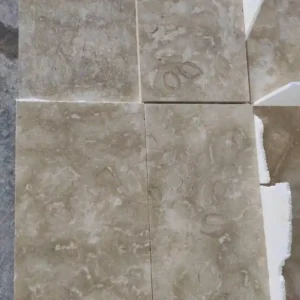
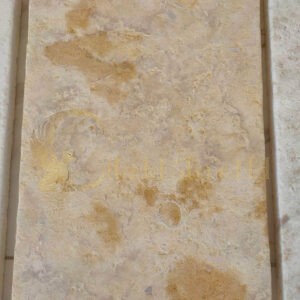
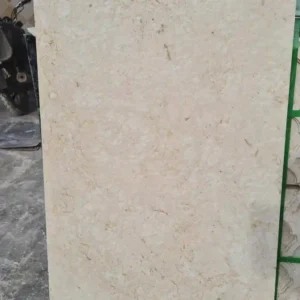
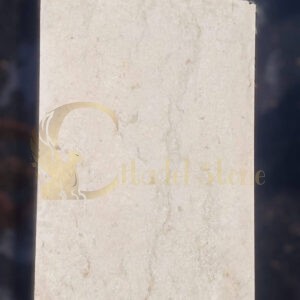
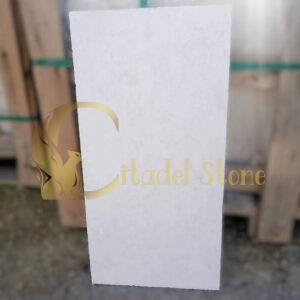
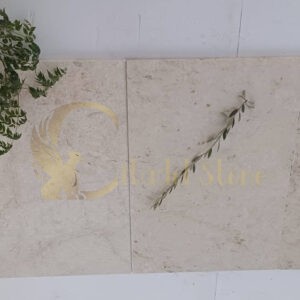
Citadel Stone’s 18 x 18 travertine tile in Arizona inventory includes classic ivory, warm beige, walnut brown, and silver gray colorways. Your color choice affects more than aesthetics—it directly impacts surface temperature performance and maintenance visibility. Lighter colors reflect more solar radiation, keeping surface temperatures 10-20°F cooler than darker options. If barefoot comfort matters for your application, stick with ivory or light beige selections.
Veining intensity varies considerably even within the same color family. Some clients prefer the dramatic veining you’ll find in crosscut travertine, where mineral deposits create bold linear patterns. Others want the more subtle, uniform appearance of vein-cut material. Neither option performs better structurally—this is purely aesthetic preference—but higher-contrast veining tends to mask the minor etching and wear patterns that accumulate over time in high-traffic installations.
One practical consideration: you’ll need to order 10-15% overage for the 18-inch format due to natural variation and cutting waste. Unlike manufactured tile where every piece is identical, natural stone exhibits color and pattern variation from tile to tile. Citadel Stone typically blends material from multiple pallets during installation to distribute this variation evenly across the floor, preventing color blocking that looks patchy and unintentional.
Citadel Stone — Best 18 Travertine Tile in Arizona: How We Would Specify
When architects and builders ask Citadel Stone for guidance on 18 travertine tile in Arizona installations, we provide hypothetical specifications based on decades of regional experience and material performance data. The following city-specific considerations represent how we would approach projects in Arizona’s diverse microclimates, recognizing that elevation, exposure, and application type all affect material selection and detailing requirements.
This advisory information reflects typical Arizona conditions and Citadel Stone’s understanding of how our 18×18 travertine tile in Arizona performs across residential, commercial, and institutional applications. These hypothetical scenarios help specifiers anticipate climate-related factors and make informed decisions about finish selection, installation methods, and protection systems appropriate for each location.
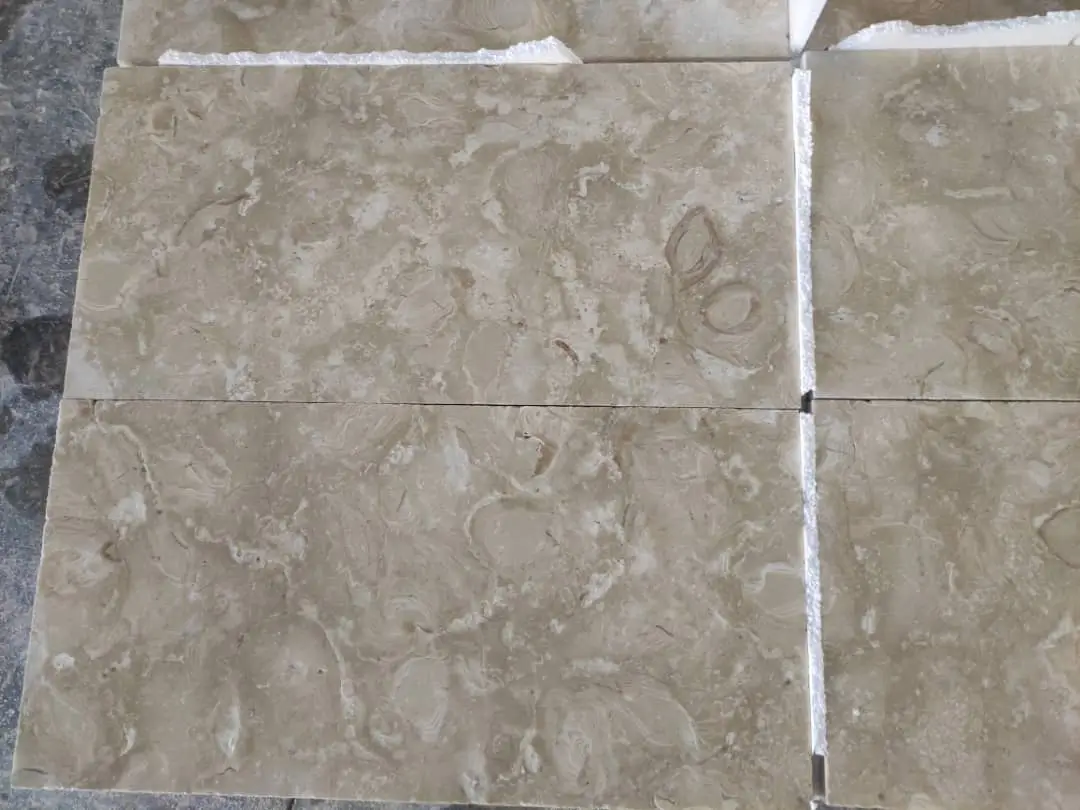
Phoenix Valley Heat
For Phoenix installations, Citadel Stone would typically recommend tumbled ivory or beige 18×18 travertine floor tile in Arizona with penetrating siloxane sealers applied at double-coat coverage. The 120°F summer temperatures and intense UV exposure demand materials that won’t retain excessive heat. You’d want to verify substrate expansion joints at 10-foot maximum spacing and use high-performance polymer-modified mortars rated for temperatures exceeding 150°F. Desert dust management becomes critical—quarterly professional cleaning with neutral-pH solutions maintains appearance and prevents abrasive particle buildup that accelerates surface wear. Most Phoenix projects would benefit from covered installation areas where possible, as direct sun exposure creates maintenance challenges even with proper sealing protocols.
Tucson Applications
Tucson’s slightly higher elevation and marginally cooler temperatures allow more finish flexibility with Citadel Stone’s travertine 18×18 in Arizona. Honed finishes work well for covered patios and interior spaces, while tumbled remains the better choice for full sun exposure. You’d want to account for Tucson’s bimodal rainfall pattern—both summer monsoons and winter storms—which means waterproofing membranes under wet-area installations aren’t optional. Citadel would recommend epoxy grout for exterior applications given the moisture exposure cycles. The Santa Catalina mountain backdrop common in north Tucson properties creates afternoon shade transitions that induce differential thermal stress, so expansion joint planning needs to accommodate these shade-line boundaries.
Scottsdale Luxury Standards
Premium Scottsdale residential projects demand Citadel Stone’s highest-grade 18 by 18 travertine tile in Arizona with minimal void content and consistent color selection. You’re typically working with resort-style outdoor living spaces where aesthetics and barefoot comfort drive specification decisions. We’d recommend premium tumbled ivory travertine with enhanced stain-resistant sealers reapplied annually by professionals. Edge details at pool coping transitions require particular attention—never use rigid grout connections between travertine field tile and concrete coping. Flexible polyurethane sealants in matching colors maintain the continuous appearance while allowing independent movement. Most high-end Scottsdale installations benefit from truck delivery scheduling that avoids peak heat hours, as mortar working time becomes problematically short above 105°F ambient temperatures.
Flagstaff Cold Weather
Flagstaff’s 7,000-foot elevation and legitimate winter freeze-thaw cycles change the specification equation entirely. Citadel Stone would specify only premium-grade 18 inch travertine tile in Arizona meeting ASTM C1526 freeze-thaw requirements, with documented water absorption below 2% by weight. You’d need comprehensive waterproofing membranes under all exterior installations, and Citadel’s technical team would recommend embedded radiant heating systems for any uncovered outdoor applications—freeze-thaw damage will occur otherwise. Penetrating sealers alone aren’t sufficient; you need combination products with surface enhancement properties that reduce water infiltration more aggressively than required in lower-elevation locations. Installation timing matters critically—mortar won’t cure properly below 40°F, so schedule work for summer months or provide heated enclosures and curing blankets.
Sedona Red Rock
Sedona’s red rock landscape influences color selection strategies for travertine tile 18 x 18 in Arizona projects. Citadel Stone would typically recommend warmer beige and walnut tones that complement the surrounding geology rather than competing with it. The 4,500-foot elevation means you’re dealing with moderate freeze risk—perhaps 10-20 freeze-thaw cycles per year—so premium grade material with proper sealing becomes necessary. Sedona’s tourist-destination character means many installations involve commercial hospitality applications where slip resistance and maintainability outweigh pure aesthetics. Tumbled finishes with DCOF ratings above 0.60 wet would be standard recommendations. You’d want to plan for increased foot traffic wear patterns and specify sealers with higher solids content that extend reapplication intervals to minimize business disruption.
Yuma Extreme Conditions
Yuma represents Arizona’s most extreme heat environment—summer temperatures routinely exceed 115°F and UV intensity peaks higher than anywhere else in the state. Citadel Stone’s 18×18 travertine stone tile in Arizona performs well here, but material color selection becomes critical. We’d steer clients toward the lightest ivory tones available and might recommend tumbled-and-filled finishes that maximize surface reflectivity. You’re looking at surface temperatures approaching 130°F even with light-colored travertine, so any barefoot-contact areas need shade structures as a practical requirement, not an option. Sealer degradation accelerates in Yuma’s intense UV exposure—annual reapplication should be standard specification rather than the 18-24 month intervals appropriate elsewhere in Arizona. Citadel’s warehouse inventory planning for Yuma-region contractors accounts for accelerated material turnover since long-term outdoor storage degrades packaged stone faster than in cooler locations.
Comparative Format Analysis
You’ll often weigh whether 18×18 travertine tile in Arizona makes more sense than 12×12, 16×16, or 24×24 alternatives. The 18-inch format occupies a practical middle ground that balances coverage efficiency with handling manageability. Compared to 12×12 tiles, you’re reducing grout joint linear footage by approximately 35%, which translates to faster installation, reduced grout material costs, and fewer locations for moisture infiltration or staining to occur.
The jump from 16×16 to 18×18 might seem minor, but it affects modular layout planning significantly. An 18-inch tile divides evenly into 3-foot and 6-foot dimensions, which aligns perfectly with standard residential room sizes and commercial column spacing. You’ll get cleaner layouts with fewer cut tiles around room perimeters. That said, the 24×24 format provides even better coverage efficiency—so why doesn’t everyone specify it? Weight and substrate tolerance. Those 24-inch tiles weigh 28-35 pounds each and require near-perfect substrate flatness. The 18-inch format stays manageable at 18-22 pounds per tile while still delivering the expansive appearance clients want.
Here’s a practical consideration most specifiers overlook: truck delivery logistics. Citadel Stone’s standard pallet configuration for 18×18 travertine tile in Arizona contains approximately 180-200 square feet per pallet, with 4-5 pallets per truckload depending on material thickness. That works out to roughly 800-1,000 square feet per delivery, which aligns well with typical project sizes. Larger format tiles pack less efficiently and may require more frequent deliveries for the same square footage, impacting project scheduling and receiving labor costs.
Performance Expectations Over Time
Realistic performance expectations help prevent disappointment with Citadel Stone’s travertine 18 x 18 in Arizona installations. You should anticipate some color evolution during the first 12-18 months as UV exposure affects the surface. Light-colored travertines typically develop a warmer, slightly golden tone. Darker materials may lighten subtly. This isn’t defective behavior—it’s natural patina development that most designers consider aesthetically desirable.
Surface texture changes occur gradually in high-traffic areas. Even properly sealed travertine will show wear patterns after 5-7 years in commercial applications or heavily used residential spaces. The material literally wears down microscopically from foot traffic abrasion. You can restore original texture through professional honing and resealing, but you need to inform clients that this maintenance will eventually become necessary. Citadel Stone’s experience suggests budgeting for professional restoration every 7-10 years maintains optimal appearance and performance.
One aspect that surprises specifiers: voids occasionally open on the surface over time as weaker material wears away around denser inclusions. This is more common in commercial-grade travertine than premium selections, but it can occur in any natural stone. These aren’t structural failures—the tile remains sound—but they affect aesthetics. Fill compounds matching the stone color can address opened voids, or you can embrace them as part of travertine’s characteristic aged appearance. Citadel’s technical documentation includes guidance on void filling procedures that maintain warranty coverage.
Decision Framework Summary
Your specification decision for 18 by 18 travertine tile in Arizona comes down to balancing thermal performance, aesthetic goals, maintenance tolerance, and budget reality. Citadel Stone’s large-format travertine delivers exceptional value in Arizona’s climate when you specify it correctly for the application, prepare substrates properly, and detail expansion accommodation appropriately.
The critical success factors: premium-grade material for exterior and freeze-risk applications, high-performance mortars and grouts rated for thermal stress, penetrating sealers with UV stability, and expansion joints at maximum 12-foot spacing. When you get these fundamentals right, Citadel Stone’s 18×18 format provides 20-30 years of reliable performance with reasonable maintenance requirements.
Don’t compromise on base preparation or installation quality to save upfront costs. The material investment in Citadel Stone’s travertine represents roughly 40-50% of total installed cost. Cutting installation quality to save 10-15% overall is false economy that leads to failures requiring complete replacement within 5-7 years. For comprehensive guidance on related natural stone options, review Selecting appropriate natural stone flooring for Arizona climates before finalizing your specifications. Great room floors showcase Citadel Stone’s expansive 18 by 18 travertine tile for open-concept living.