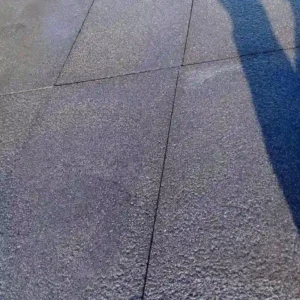
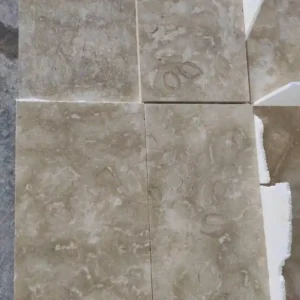
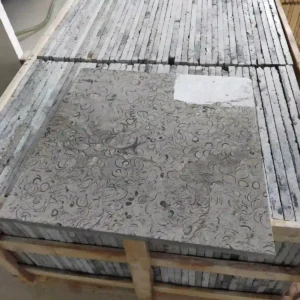
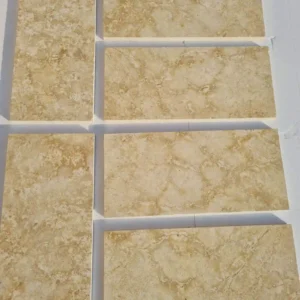

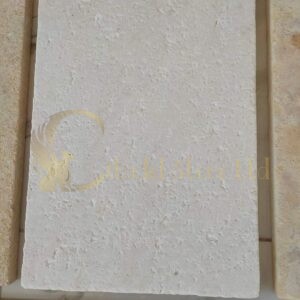
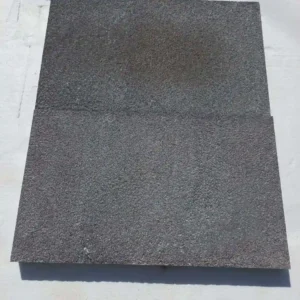
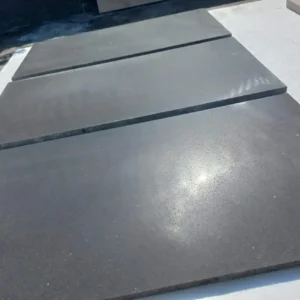
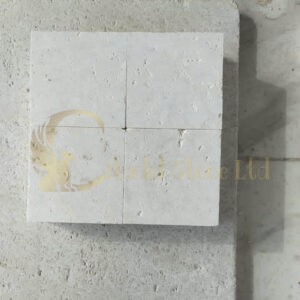
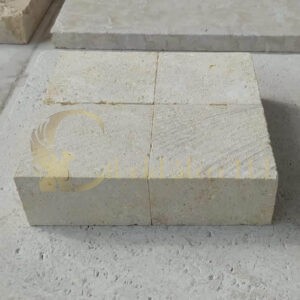
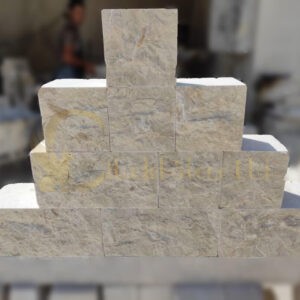
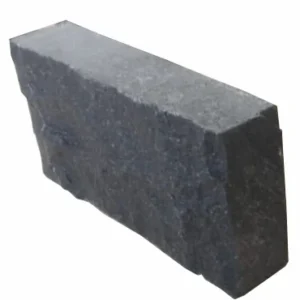
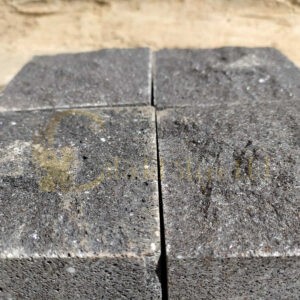
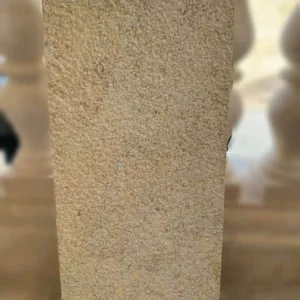
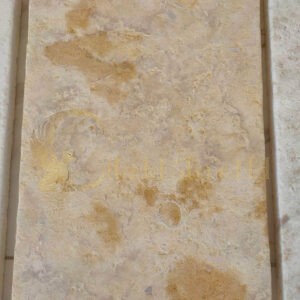
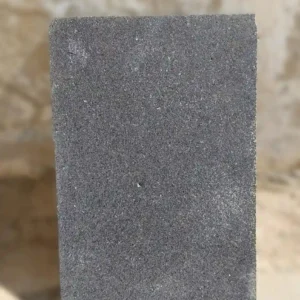
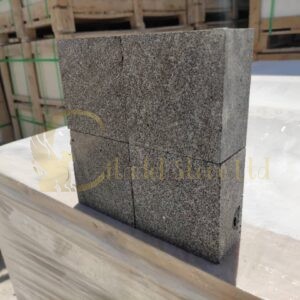
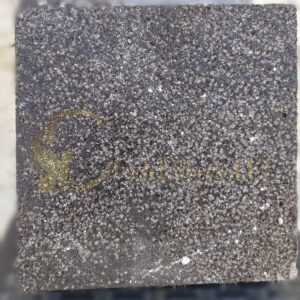
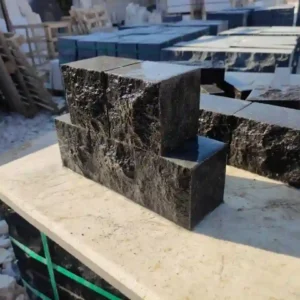
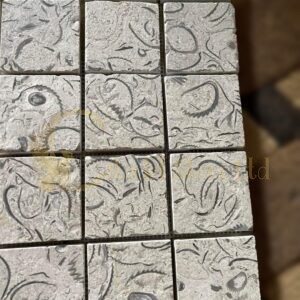
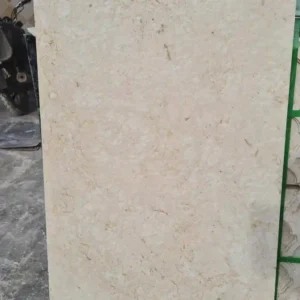
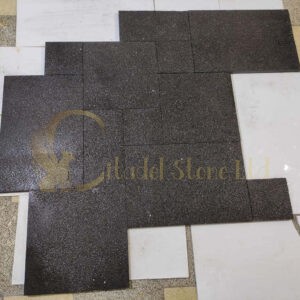
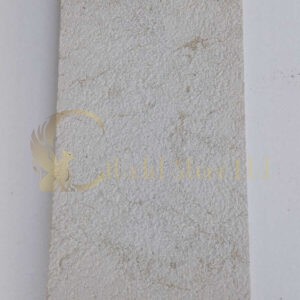
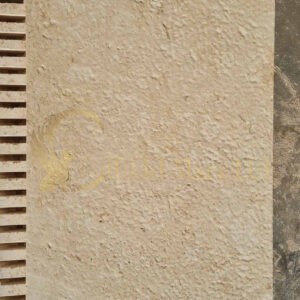
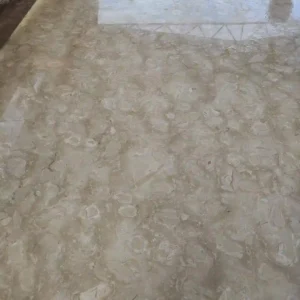
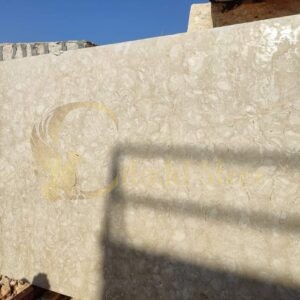
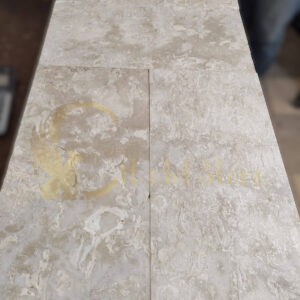
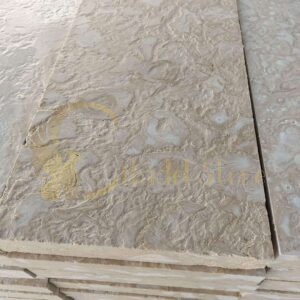
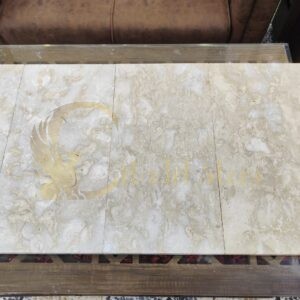
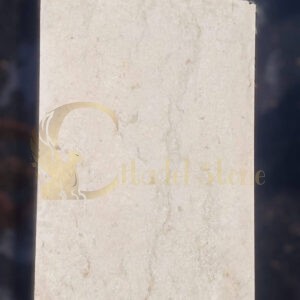
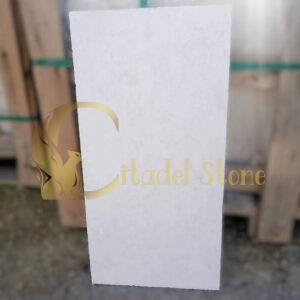
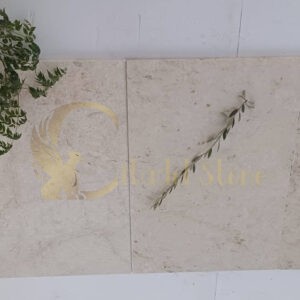

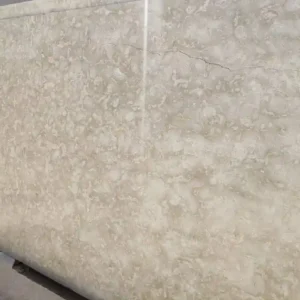
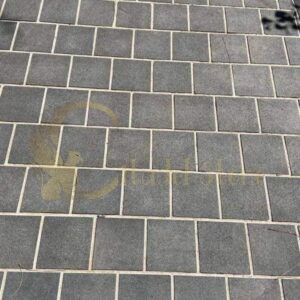

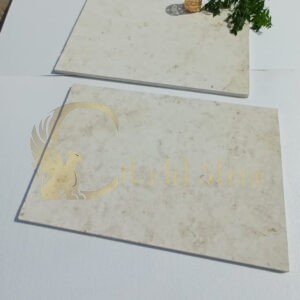
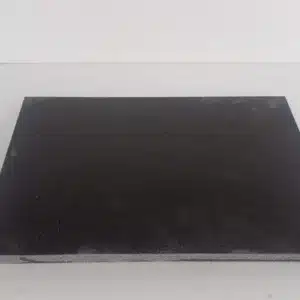
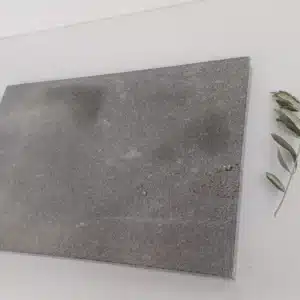
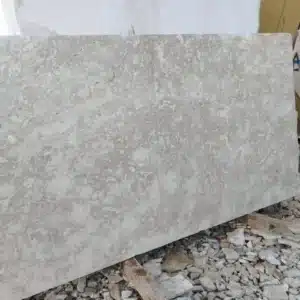

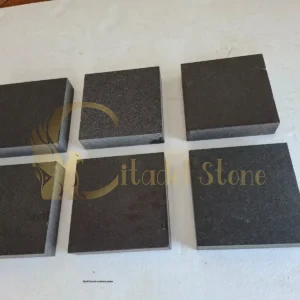
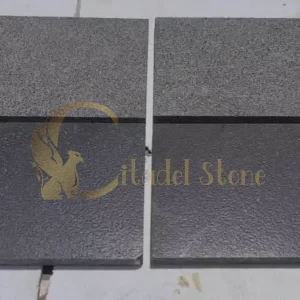
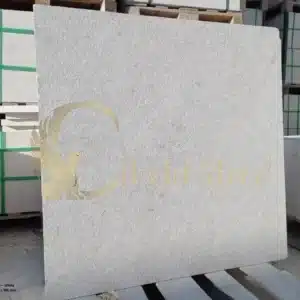


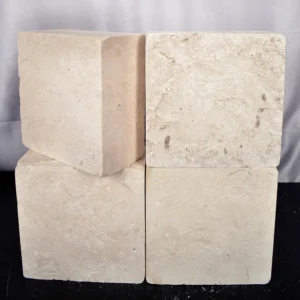
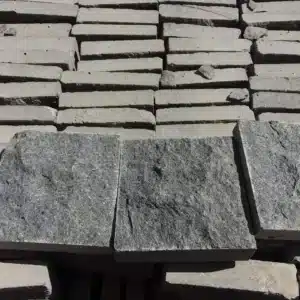
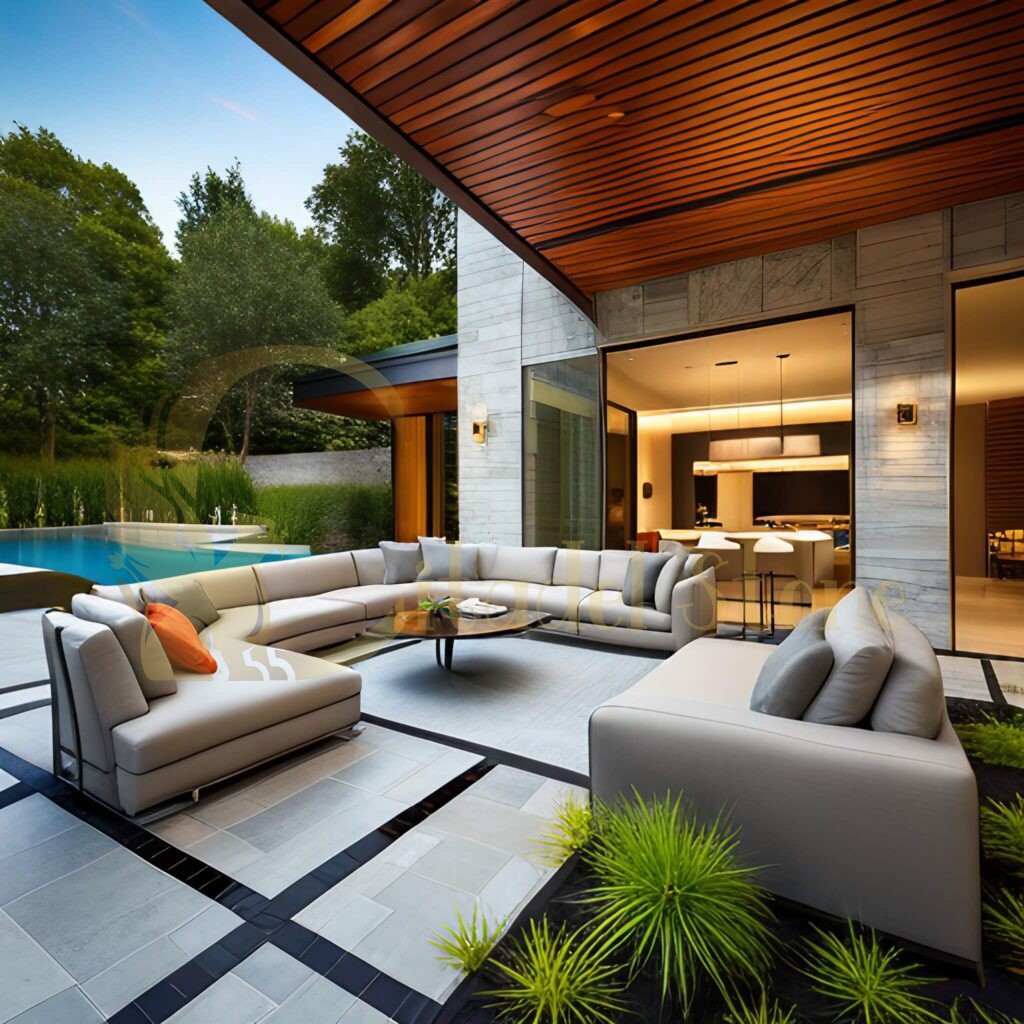
When you’re specifying 12×12 travertine tile in Arizona, you’ll quickly discover that this compact format offers advantages you won’t find with larger slabs. The 305mm square dimension provides installation flexibility across residential and light commercial applications while maintaining the warm aesthetic that makes travertine a go-to material for desert climates. Citadel Stone’s 12 inch travertine tile in Arizona delivers proven thermal performance in conditions that routinely exceed 115°F during summer months.
Here’s what sets this format apart: the reduced size minimizes lippage issues during installation and simplifies replacement if individual tiles sustain damage. You’re looking at approximately 9 tiles per square meter, which means your installation team can maintain tighter tolerances compared to larger formats that demand perfectly flat substrates. Citadel Stone materials arrive pre-calibrated within ±1mm thickness variation, reducing the need for excessive thinset buildup.
Thermal Performance in Desert Conditions
Arizona’s extreme temperature swings test every material you specify. Travertine’s porous cellular structure provides natural thermal mass that moderates surface temperature fluctuations. You’ll see surface temperatures on Citadel Stone’s 12×12 travertine tile in Arizona remain 15-20°F cooler than comparable granite or porcelain under direct summer sun.
- Thermal expansion coefficient of approximately 5.5 × 10⁻⁶ per degree Celsius allows movement without stress fractures
- Light-colored travertine reflects 40-50% of incident solar radiation, reducing heat island effects around structures
- Interconnected pore structure permits minor moisture migration that aids evaporative cooling
- Surface temperatures typically stabilize at 125-135°F even when ambient air reaches 115°F
The compact format of travertine tiles 300 x 300 in Arizona requires joint spacing every 12 inches, which naturally accommodates thermal movement without specialized expansion details. You should specify 3/16-inch joints with polymer-modified grout that maintains flexibility across the 50-80°F temperature range Arizona experiences between winter nights and summer afternoons.
Substrate Requirements and Base Specifications
Don’t underestimate base preparation when working with 12 x 12 travertine floor tile in Arizona. The substrate determines long-term performance more than any other factor. You need a minimum 4-inch compacted aggregate base for pedestrian applications, increasing to 6 inches for areas receiving occasional vehicular traffic like residential driveways.
Citadel Stone recommends verifying base compaction achieves 95% modified Proctor density before proceeding with setting bed installation. Your specification should call for a 1-inch mortar bed or polymeric sand base depending on whether you’re working with a wet-set or dry-set installation. For Arizona’s expansive clay soils common in Phoenix and Tucson valleys, you’ll want to increase base depth by an additional 2 inches and incorporate geotextile fabric separation layers.
- Concrete substrates require surface profile CSP-3 or greater for adequate mechanical bond
- Slope requirements of 1-2% ensure proper drainage away from structures
- Moisture barriers become critical where irrigation systems operate near paved areas
- Reinforcement mesh in mortar beds prevents crack propagation from substrate movement
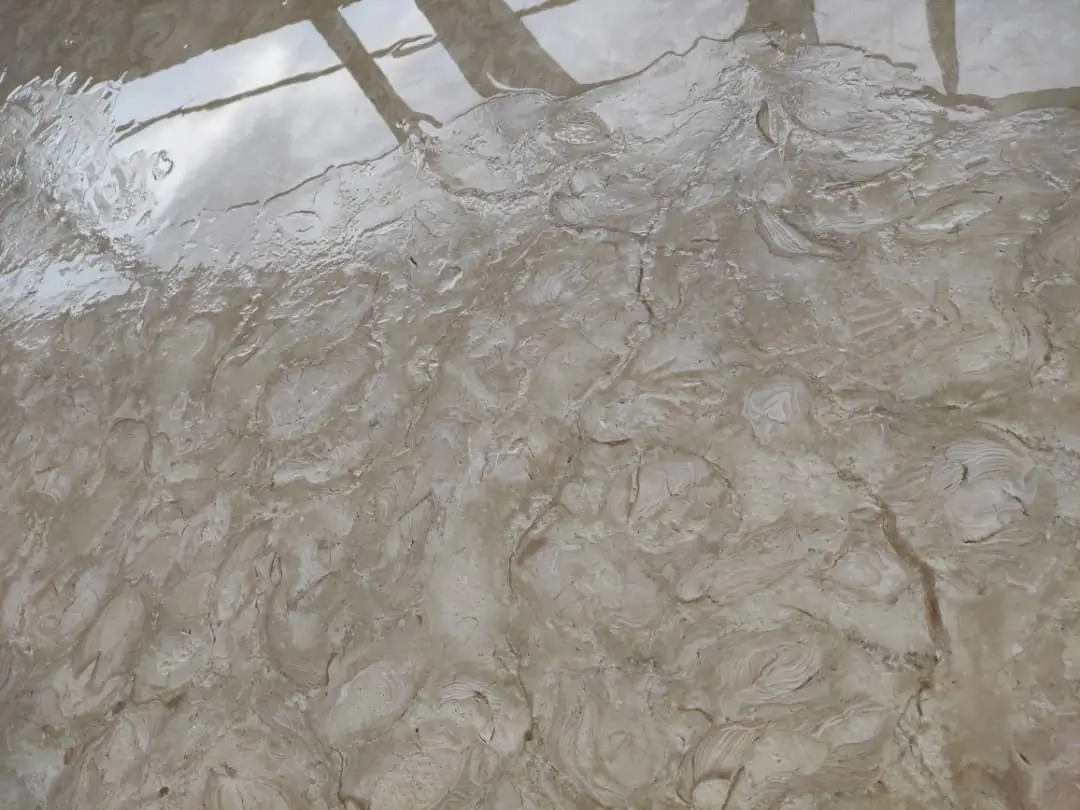
Surface Finish Options and Performance Trade-offs
The finish you specify dramatically affects both aesthetics and functionality. Citadel Stone’s travertine tiles 305 x 305 in Arizona come in four primary finishes, each with distinct performance characteristics you need to understand before finalizing specifications.
Tumbled finishes provide the most authentic aged appearance with slightly rounded edges and textured surfaces. You’ll achieve DCOF slip resistance values around 0.50-0.55, making this finish suitable for most exterior applications including pool decks. The trade-off comes in cleaning difficulty—the textured surface traps more dirt and organic matter than smoother finishes.
- Honed finishes deliver smooth matte surfaces with DCOF values around 0.42-0.48, borderline for wet exterior areas
- Brushed finishes combine moderate texture with easier maintenance, typically rating 0.48-0.52 for slip resistance
- Filled travertine presents fewer voids but may show fill material color variation over time
- Unfilled travertine maintains authentic character but requires sealing to prevent debris accumulation in natural voids
For high-traffic commercial applications in Arizona, you should lean toward brushed or tumbled finishes on 12×12 travertine in Arizona. The additional texture helps mask wear patterns that become visible on honed surfaces after 18-24 months of heavy foot traffic. Citadel Stone products demonstrate superior fill adhesion compared to budget imports, where fill material often dislodges within the first year.
Installation Methods and Common Oversights
You’ve got two primary installation approaches for 12 inch travertine tile in Arizona: wet-set with thinset mortar or dry-set with polymeric sand. Your decision depends on the application, substrate type, and budget constraints. Wet-set installations provide superior long-term stability but cost approximately 30-40% more in labor and materials.
Here’s where most specifications go wrong: inadequate thinset coverage. You need minimum 95% coverage on the tile back to prevent hollow spots that lead to cracking under point loads. Use a 1/2-inch square-notch trowel and back-butter each tile. Don’t rely on the substrate mortar bed alone to fill gaps—that’s asking for problems within the first year.
- Thinset selection matters significantly in Arizona heat; polymer-modified formulations maintain bond strength above 140°F
- Installation during summer months requires misting to prevent premature thinset skinning in low humidity
- Lippage control systems become essential for maintaining ±1/16-inch transitions between tiles
- Wet-cutting generates less dust than dry-cutting but requires water management on active job sites
For projects requiring our 12-inch travertine tile collection, verify that your installation team has experience with natural stone. Porcelain tile installers often struggle with travertine’s variable thickness and natural texture variations. Citadel Stone provides installation guidelines specific to Arizona conditions that address thermal considerations and regional soil characteristics.
Sealing Requirements and Maintenance Protocols
Sealing isn’t optional for travertine tiles 300 x 300 in Arizona—it’s essential for longevity. The porous nature of travertine absorbs moisture, oils, and staining compounds readily. You should specify penetrating sealers rather than topical coatings, which tend to delaminate under UV exposure and thermal cycling common in desert environments.
Application timing matters more than most specifiers realize. You’ll want to seal after grout fully cures, typically 72 hours post-installation, but before the surface sees any traffic or exposure to potential staining agents. In Arizona’s dry climate, two coats applied 2-4 hours apart provide optimal protection. The substrate moisture content should be below 4% before sealing to prevent trapping water that will cause efflorescence later.
- Solvent-based sealers penetrate deeper than water-based formulations, offering 3-5 year protection cycles
- Water-based sealers provide 1-2 year protection but don’t darken stone color as noticeably
- Re-sealing frequency increases in areas with irrigation overspray or pool water splash-out
- Annual cleaning with pH-neutral cleaners prevents sealer degradation and maintains appearance
Watch for sealer failure indicators: water no longer beads on the surface, dark spots appear after rain, or efflorescence emerges from joints. When you see these signs on your 12 x 12 travertine floor tile in Arizona installations, schedule resealing within 30 days. Citadel Stone materials respond well to commercially available stone sealers—you don’t need proprietary products despite what some vendors claim.
Cost Analysis and Value Engineering
Budget discussions inevitably surface during material selection. Citadel Stone’s 12×12 travertine tile in Arizona typically runs $8-14 per square foot for material only, depending on finish type and grade selection. That positions travertine in the mid-range between basic concrete pavers and premium natural stone options.
Here’s the reality: initial material cost represents only 35-40% of total installed cost. Labor, base preparation, and site logistics consume the majority of your budget. The compact format actually reduces installation labor compared to larger slabs because individual tiles are easier to handle and adjust. You’ll see approximately 15-20% labor savings versus 24×24-inch formats that require two-person handling.
- Grade selection significantly impacts pricing—premium grades with minimal veining cost 40-50% more than commercial grades
- Domestic travertine typically costs 20-30% more than imports but arrives with better QC and faster delivery
- Waste factors for 12-inch formats run 8-12% depending on site geometry and cutting requirements
- Delivery logistics to Arizona job sites add $0.50-1.25 per square foot depending on project location
Value engineering opportunities exist without compromising performance. Consider commercial-grade tiles for areas with light traffic or limited visibility. Citadel Stone’s commercial grades demonstrate identical physical properties to premium grades—you’re paying primarily for aesthetic consistency. For projects exceeding 2,000 square feet, negotiate volume pricing that can reduce material costs by 10-15%.
Durability and Long-term Performance Factors
You need realistic expectations about travertine’s durability in Arizona applications. This isn’t granite—you’re working with a sedimentary stone that exhibits different wear characteristics. Travertine tiles 305 x 305 in Arizona demonstrate excellent compression strength, typically exceeding 6,000 PSI, but lower tensile strength makes edges susceptible to chipping under impact.
Surface wear patterns emerge differently than with igneous stones. You’ll notice a gradual smoothing of texture in high-traffic areas rather than the sudden scratching common with polished granite. This actually works in your favor aesthetically—travertine develops a worn patina that many designers specify intentionally. Citadel Stone products maintain structural integrity for 20-30 years in residential applications when properly installed and maintained.
- Freeze-thaw durability exceeds requirements for northern Arizona applications like Flagstaff and Sedona
- UV stability remains excellent—you won’t see the color fading common with some synthetic pavers
- Chemical resistance to common pool chemicals and landscape fertilizers is adequate with proper sealing
- Impact resistance in the 12-inch format exceeds larger slabs due to reduced cantilever distances
The honest limitation you need to acknowledge: travertine’s natural voids can propagate cracks if underlying support fails. This makes substrate quality absolutely critical. You can’t compensate for poor base preparation with higher-grade stone. Address the foundation first, then select your finish material.
Arizona Climate Challenges and Solutions
Let’s address the specific environmental factors that affect 12 inch travertine tile in Arizona performance. The state’s climate zones range from low desert to high plateau, each presenting distinct challenges for exterior stone installations.
Low desert regions—Phoenix, Yuma, parts of Tucson—subject materials to sustained temperatures above 110°F for weeks at a time. You’ll see thermal expansion accumulate throughout the day, requiring adequate joint spacing. The 3/16-inch minimum mentioned earlier becomes critical in these areas. Citadel Stone recommends increasing joint width to 1/4 inch for installations in full sun exposure where substrate temperatures may exceed 150°F.
- Extreme low humidity accelerates concrete substrate curing, requiring extended moist-curing protocols
- Dust storms deposit fine particles into unfilled travertine voids, requiring more frequent cleaning cycles
- Monsoon season’s intense rainfall tests drainage design—standing water will penetrate unsealed travertine
- Winter temperature swings of 40-50°F between day and night create cyclic thermal stress
Higher elevation areas like Flagstaff introduce freeze-thaw considerations. You should specify only travertine with water absorption rates below 3% for these applications. Citadel Stone’s warehouse stocks specifically include low-absorption varieties suitable for northern Arizona freeze-thaw cycles. Verify absorption rates through ASTM C97 testing rather than relying on generic product descriptions.
Specification Language and Project Documentation
Your written specifications determine whether you get the performance you designed for. Generic language like “provide travertine tile” leaves too much interpretation. You need specific callouts that eliminate ambiguity about quality expectations and installation requirements.
Start with dimensional tolerances: specify that 12×12 travertine in Arizona must arrive within ±2mm of nominal dimensions with thickness variation not exceeding ±1mm within any carton. Call out surface finish explicitly—”tumbled” means different things to different suppliers. Reference ASTM standards where applicable, particularly C1028 for slip resistance and C119 for tile terminology.
- Specify absorption rate limits: “Water absorption shall not exceed 3.0% by weight per ASTM C97”
- Call out fill requirements: “Voids larger than 5mm diameter shall be factory-filled with compatible resin compounds”
- Define acceptable color variation: “Moderate variation (V3) per TCNA guidelines acceptable; high variation (V4) requires mockup approval”
- Include sealer specifications: “Apply penetrating sealer per manufacturer recommendations, minimum two coats, after complete grout cure”
Don’t forget logistical details. Specify that materials ship with adequate packaging to prevent edge damage. Citadel Stone’s 12 x 12 travertine floor tile arrives on pallets with edge protection and moisture barriers, but budget suppliers often skimp here. Call out delivery requirements including truck access needs and staging area dimensions.
Citadel Stone Quality and Service Advantages
Working with Citadel Stone provides distinct advantages beyond product quality. The company maintains substantial Arizona warehouse inventory, meaning you’re not waiting 8-12 weeks for container shipments from overseas quarries. Lead times typically run 5-10 business days for standard products, with expedited delivery available for projects on tight schedules.
Quality control separates Citadel Stone from commodity suppliers. Every pallet undergoes dimensional verification and visual inspection before leaving the warehouse. You’ll see consistent thickness calibration and fill quality that eliminates the frustrating variation common with import chains involving multiple intermediaries. The company’s technical team provides installation support specific to Arizona conditions—they understand the substrate challenges in Phoenix’s expansive soils and Flagstaff’s freeze-thaw cycles.
- Sample availability lets you verify aesthetics and finish quality before committing to full orders
- Inventory management accommodates phased projects where materials ship in coordinated lots
- Technical data sheets include Arizona-specific installation guidelines addressing regional climate factors
- Return policies address legitimate quality concerns without bureaucratic delays
The relationship aspect matters when issues surface. You’ll work with stone professionals who understand the material intimately rather than order-takers reading from generic catalogs. Citadel Stone’s team can guide finish selection based on your specific application requirements and help troubleshoot installation challenges before they become expensive problems.
Common Specification and Installation Mistakes
Let’s cover the errors that create problems months or years after installation. You’ll save significant money and frustration by avoiding these common oversights when working with travertine tiles 300 x 300 in Arizona.
The number one mistake: inadequate substrate preparation. Specifiers focus on the stone selection and neglect the foundation. You can’t install quality travertine over questionable substrates and expect good results. Period. The compact 12-inch format helps minimize problems from minor substrate irregularities, but it won’t compensate for fundamental base failures.
- Skipping sealer application to save costs creates maintenance nightmares and premature staining
- Using inappropriate cleaning products—acidic cleaners etch travertine and damage grout joints
- Neglecting expansion joints at building perimeters allows moisture intrusion behind installations
- Installing directly over existing surfaces without proper surface preparation and bonding agents
- Failing to protect completed installations during construction, allowing damage from other trades
Another frequent error: ignoring color variation inherent in natural stone. Travertine tiles 305 x 305 in Arizona will show more variation than porcelain tile, even within the same production lot. You need to blend tiles from multiple cartons during installation to distribute color variation evenly. Don’t let your installer work sequentially through individual cartons—that creates obvious banding across the finished surface.
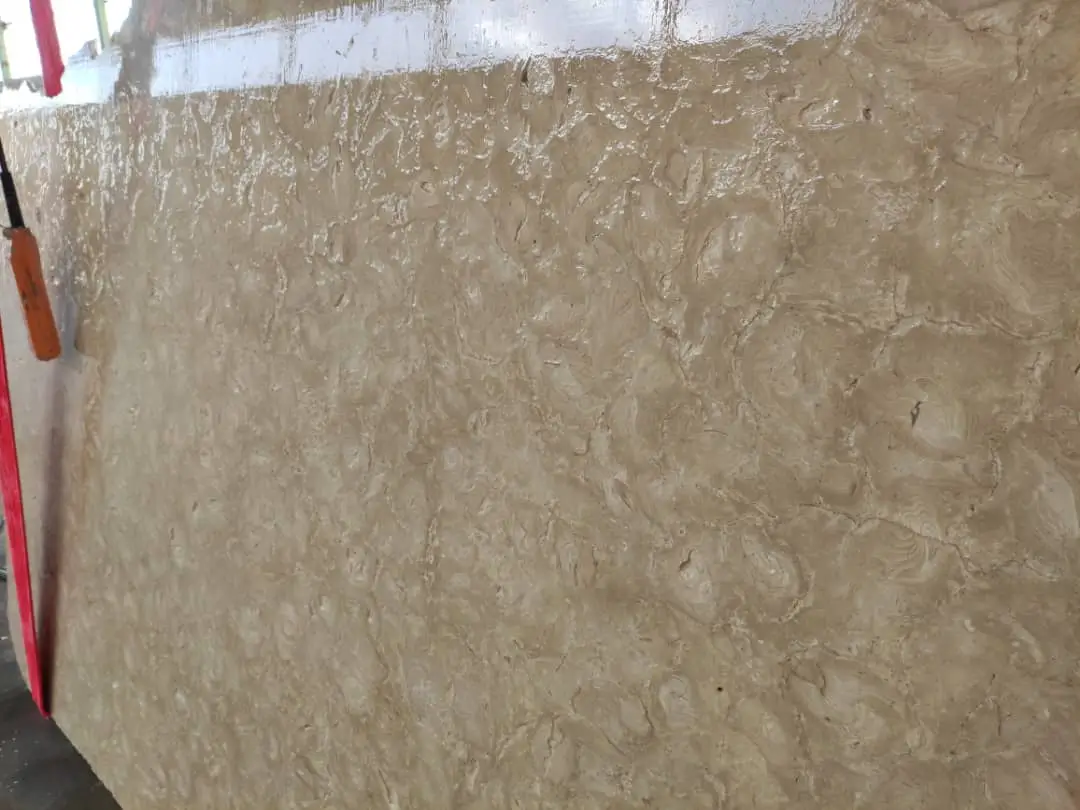
Citadel Stone – Trusted 12 travertine tile in Arizona Source — Regional Application Guide
This section provides hypothetical guidance for specifying Citadel Stone’s 12 travertine tile in Arizona across major metropolitan and regional markets. The recommendations reflect typical climate considerations, substrate conditions, and application scenarios common to these cities. These examples represent how Citadel Stone would approach projects based on extensive experience with desert installations, though they describe advisory scenarios rather than completed work.
Arizona’s diverse climate zones require tailored approaches to travertine specification. Citadel Stone’s regional expertise helps you navigate the differences between low desert valleys and high plateau communities. Here’s how we’d recommend approaching 12×12 travertine tile in Arizona specifications for key markets across the state.
Phoenix Applications
For Phoenix projects, you’d want to prioritize heat reflectivity and thermal mass management. Citadel Stone’s lighter travertine finishes perform best in the Valley’s 115°F summer conditions. We’d recommend tumbled or brushed finishes for pool decks and patios where surface temperature control matters most. The expansive clay soils common throughout Phoenix require extra attention to base preparation—you’d need minimum 6-inch aggregate bases with geotextile separation. Joint spacing should increase to 1/4 inch for full-sun exposures. Typical residential installations would benefit from commercial-grade tiles that balance cost with performance, while high-end projects might specify premium grades with minimal veining for aesthetic consistency.
Tucson Considerations
Tucson’s slightly cooler summer temperatures and higher elevation create conditions where Citadel Stone’s 12 inch travertine tile in Arizona demonstrates excellent long-term performance. You’d specify sealed installations to protect against the area’s more intense monsoon activity compared to Phoenix. The city’s caliche soil layers often appear at shallow depths, requiring mechanical excavation before proper base installation. We’d recommend honed or brushed finishes for interior applications extending to covered outdoor living spaces. Color selection would typically favor warmer tones that complement Tucson’s desert modern architectural aesthetic. Installation timing would ideally avoid July-August monsoon peaks when humidity affects thinset curing rates.
Scottsdale Luxury Projects
Scottsdale applications typically demand premium-grade materials with maximum aesthetic appeal. Citadel Stone would guide specifications toward filled travertine with book-matched or coordinated veining patterns for high-end residential projects. You’d want unfilled travertine for authentic resort-style applications where rustic character matters more than formal appearance. The city’s luxury market accepts higher material costs in exchange for superior quality and appearance. We’d recommend our lowest-absorption travertine varieties for resort pool decks and water features where constant moisture exposure occurs. Specification language would need tighter dimensional tolerances and color matching requirements compared to standard residential work. Installation would require experienced crews familiar with natural stone’s variable characteristics.
Flagstaff Freeze-Thaw
Flagstaff’s 7,000-foot elevation introduces freeze-thaw cycles that affect material selection significantly. Citadel Stone’s 12×12 travertine tile in Arizona performs well here when you specify low-absorption varieties—under 2% water absorption becomes critical. We’d recommend limiting exterior applications to covered spaces or using alternative materials for full-exposure installations subject to standing water and freezing. The city’s pine forest setting creates organic debris accumulation that requires different maintenance protocols than desert locations. You’d want sealed installations with more frequent resealing cycles—every 12-18 months rather than the 3-5 year intervals typical in Phoenix. Interior applications face no unusual constraints and would follow standard installation protocols adjusted for Flagstaff’s colder ambient temperatures during winter construction.
Sedona Aesthetic Integration
Sedona’s red rock landscape influences material selection toward warmer travertine tones that complement the natural environment. Citadel Stone would recommend our medium to darker travertine varieties that harmonize with local geology. You’d specify tumbled finishes for most residential applications to match Sedona’s rustic architectural character. The city’s tourism-driven commercial market requires durable installations that withstand heavy foot traffic while maintaining appearance. We’d guide specifications toward commercial-grade tiles with proper sealing and maintenance protocols. Sedona’s moderate elevation—4,500 feet—creates milder temperature extremes than Phoenix but still requires proper joint spacing and substrate preparation. Truck access to many hillside properties requires delivery planning and may influence material ordering quantities to minimize trips.
Yuma Extreme Heat
Yuma’s position as one of America’s hottest cities demands maximum attention to thermal performance. Citadel Stone’s lightest travertine finishes provide essential heat reflectivity in conditions exceeding Phoenix’s intensity. You’d specify increased joint spacing—3/8 inch minimum for large installations—to accommodate thermal expansion in sustained 120°F temperatures. The area’s agricultural irrigation creates higher ambient humidity than typical desert locations, affecting sealer selection. We’d recommend solvent-based penetrating sealers that resist moisture intrusion more effectively than water-based alternatives. Installation timing would ideally target October through April when temperatures moderate. Summer installations require special protocols including substrate misting, shade structures, and modified work schedules to prevent thinset failure from excessive heat and rapid drying.
Final Guidance
Specifying 12×12 travertine tile in Arizona successfully requires balancing aesthetic goals with practical performance requirements. You’ve got to acknowledge the material’s natural characteristics while designing installations that accommodate thermal movement, moisture management, and long-term maintenance realities. Citadel Stone’s compact format provides flexibility that larger slabs can’t match, particularly for renovation work and projects with complex geometries.
The key factors come down to proper base preparation, appropriate finish selection for the intended application, and realistic maintenance planning. Don’t let initial cost concerns push you toward inadequate substrates or skipping sealer application—those decisions create expensive problems within the first 12-24 months. Work with suppliers who understand Arizona’s climate challenges and can provide technical guidance beyond generic installation instructions.
Citadel Stone’s combination of quality products, substantial local inventory, and regional expertise makes the company a logical partner for Arizona projects requiring reliable material supply and knowledgeable support. For complementary paving options that address similar climate considerations, review Heat-resistant natural stone ideal for Arizona desert climates before finalizing specifications. Citadel Stone’s durable 12 x 12 travertine floor tile withstands high-traffic areas with natural stone beauty.