Environmental Impact & Lifecycle Analysis
Embodied Carbon & Transportation Emissions
Embodied carbon measures CO₂ released from quarrying through fabrication. Local quarries cut transport emissions, while recycled stone products often halve embodied footprints of virgin blocks. When specifying, request supplier LCA (lifecycle assessment) data per m² to quantify savings.
Water Use & Quarry Rehabilitation
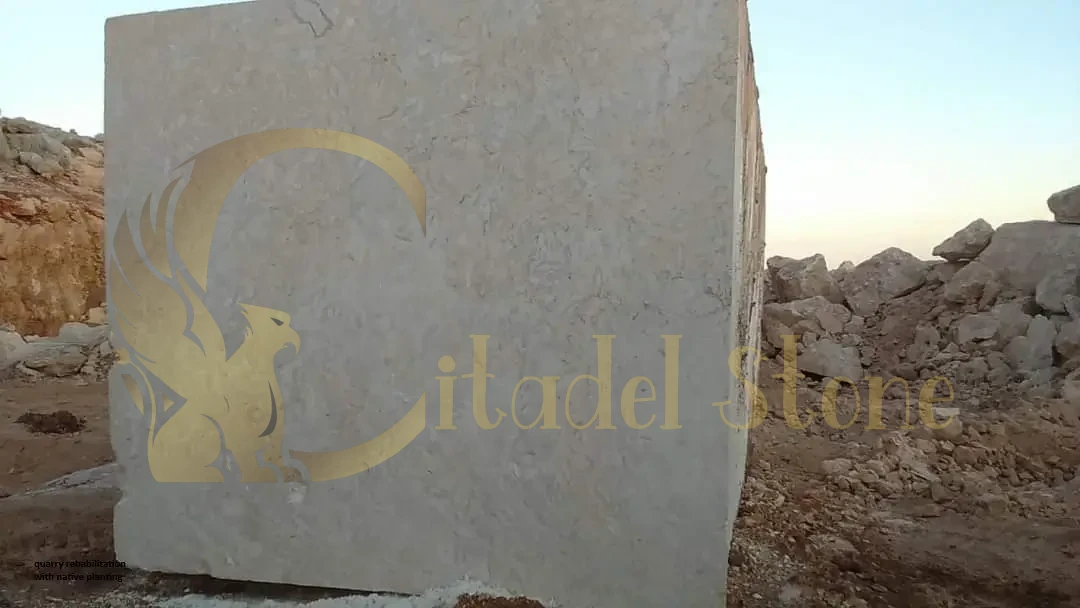
Quarrying can consume millions of liters per project. Eco‑friendly stone strategies include closed‑loop water systems and repurposing process water. Post‑extraction, responsible suppliers invest in quarry rehabilitation—planting native species and restoring topography—to minimize long‑term ecological scars.
End‑of‑Life & Recyclability
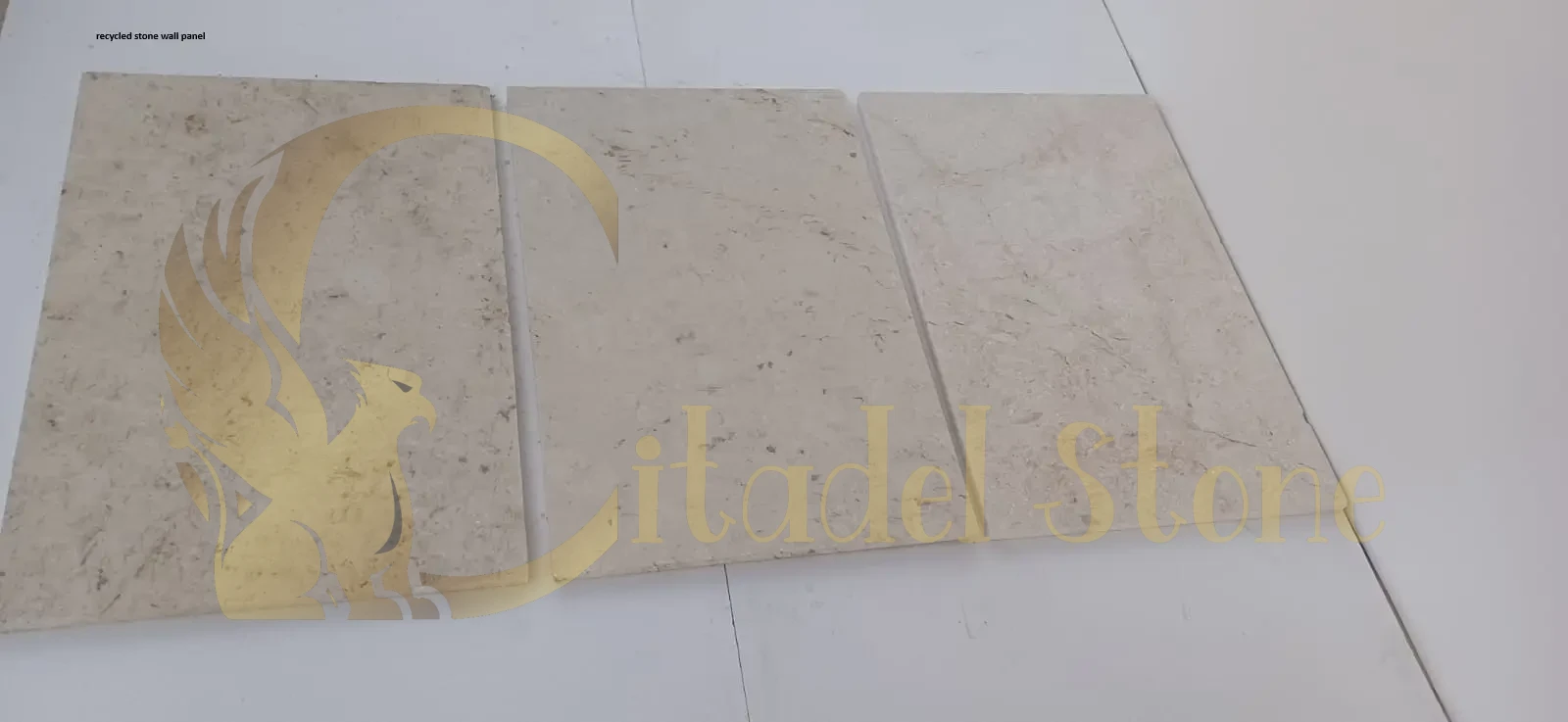
At a project’s end, stone often outlives the building. Recycled stone products divert demolition waste into new pavers, wall panels, or aggregate. Always specify end‑of‑life pathways: can the material be crushed for sub‑base, or reclaimed as architectural veneer?
Certifications & Standards to Look For
ISO 14001 & Environmental Management Systems
An ISO 14001‑certified stone supplier adheres to a structured Environmental Management System. Look for documented policies on emissions, waste, and continuous improvement.
Cradle-to-Cradle & Declare Labels
Cradle-to-Cradle (C2C) evaluates materials on health, recyclability, and renewable content. Declare labels—part of the Living Building Challenge—disclose ingredient sourcing, aiding in chemical transparency.
LEED, BREEAM, WELL Stone Credits
Specifying green building stone can earn:
LEED MR Credit: Building Product Disclosure & Optimization.
BREEAM Mat 01: Life cycle impacts.
WELL Feature: Quality of Materials, limiting harmful chemicals in finishes.
Categories of Alternative Stone Materials
Recycled & Reclaimed Stone
Post‑construction marble or granite remnants become stunning recycled stone products—mosaic tiles, crushed aggregate, or feature panels. They carry lower embodied energy and unique visual character.
Engineered Stone with Recycled Content
Engineered slabs blend natural quartz, porcelain, or glass with resin. Products boasting 30–95% recycled content combine stone specification guide flexibility with consistent aesthetics and reduced quarrying.
Composite & Resin‑Bonded Stone Products
Lightweight composites mix stone powder with up to 50% bio‑resin, yielding alternative stone materials ideal for façades or furniture, reducing both weight and carbon footprint.
Rapidly Renewable Mineral Alternatives (e.g., Rammed Earth Panels)
Rammed earth and volcanic ash blocks—though not “stone” in the geological sense—offer eco‑friendly stone alternatives with excellent thermal mass and local sourcing potential.
Performance & Design Considerations
Durability & Weather Resistance
Assess freeze‑thaw ratings, abrasion hardness, and acid‑rain resistance for exterior use. Recycled aggregates often match virgin stone performance; engineered composites can improve impact resistance.
Finish Options & Aesthetic Flexibility
From honed and flamed to fluted and bush‑hammered, alternative materials mimic traditional textures. Engineered surfaces allow bespoke color blends, while reclaimed stone showcases patina and irregular edges.
Thermal & Acoustic Properties
Stone’s high thermal mass stabilizes indoor climates when integrated with passive design. Composite panels offer improved sound insulation over monolithic slabs—key in urban and hospitality settings.
Specification Best Practices
Writing Clear Stone Schedules & Mock‑Up Requirements
Specify dimensions, finishes, and allowable color range.
Call for full‑scale mock‑ups on façade joints, freeze‑thaw cycles, and finish samples.
Define acceptance criteria (e.g., <5% color variation).
Contract Language for Sustainability Guarantees
Include clauses requiring:
Verified EPDs (Environmental Product Declarations).
Minimum recycled content percentages.
Reclamation plans at project end.
Coordination with MEP & Structural Teams
Stone weights and anchoring systems affect MEP routing and structure. Early collaboration ensures:
Floor load capacities accommodate heavy pavers or bathtubs.
Drainage behind ventilated façades meets waterproofing specs.
Real Orders, Real Deliveries
We only publish projects we have actually supplied. See our Las Vegas white limestone delivery — two containers, 6,884 sq ft, 32 crates, shipped door to door — and how we supplied Creative Environments in Arizona with 21 containers across a 70,000+ sq ft installation: white limestone pavers and tiles, shellstone and Ocean Reef pavers.
Had Citadel Stone material installed on your project? Send us your photos and we will feature the work here, with your permission.
Cost & ROI Analysis
| Cost Factor | Virgin Stone | Recycled/Alternative |
|---|---|---|
| Up‑Front Material (£/m²) | 80–150 | 70–130 |
| Installation & Labor (£/m²) | 40–80 | 45–85 |
| Lifecycle Maintenance (10 yrs) | 10–20 | 12–18 |
| Embodied Carbon (kg CO₂e/m²) | 120–250 | 60–120 |
ROI Drivers:
Energy savings from high thermal mass.
Reduced carbon taxes or embodied carbon penalties.
Potential incentives (e.g., 5% rebate on recycled‑content materials).
Supplier Partnerships & Procurement Tips
Transparency & Traceability: Vet EPDs, visit quarries or recycling facilities.
Local Sourcing: Prioritize materials within 500 km to cut transportation emissions.
Off‑Cut Utilization: Request leftover slab off‑cuts for small accent features.
Logistics Planning: Bundle shipments, choose rail or sea over road freight when possible.
Browse our extensive collection and find your ideal stone supplier near me!
Conclusion & Actionable Takeaways
Selecting sustainable stone materials doesn’t compromise design—it enhances it. To specify with confidence:
☑️ Define performance metrics: embodied carbon, recycled content, durability.
☑️ Demand certifications: ISO 14001, Declare, LEED/BREEAM credits.
☑️ Require mock‑ups: validate color, finish, joint details.
☑️ Collaborate early: align MEP, structure, and sustainability goals.
☑️ Plan end‑of‑life: ensure material reclaim or recycling pathways.
Ready to integrate green stone into your projects? Learn more about our green stone solutions and Explore our recycled stone collection as the best stone supplier for design-forward, eco‑friendly materials.