Understanding Key Sustainability Certifications
Environmental Product Declarations (EPDs)
An EPD is a verified document reporting a product’s environmental impact over its lifecycle. For stone, it details raw‑material extraction, processing energy, transportation emissions, and end‑of‑life scenarios. When evaluating an EPD, look for third‑party verification logos (e.g., UL or ASTM) and clearly defined system boundaries.
ISO 14001 & Environmental Management Systems
A stone supplier certified under ISO 14001 adheres to a formal Environmental Management System (EMS) that continuously monitors and reduces impacts. Key EMS elements include waste reduction targets, water‑use metrics, and pollution‑prevention protocols. Confirm that the supplier’s scope covers quarrying, fabrication, and shipping operations.
ANSI/NSC 373 (Sustainable Natural Stone Standard)
The American National Standard ANSI/NSC 373 sets benchmarks for chain‑of‑custody, recycled content, and responsible quarry management. It ensures stones labeled “sustainable” meet rigorous social and environmental criteria. Verify a supplier’s certificate number on the ANSI NSC registry and inspect accompanying audit reports.
Cradle‑to‑Cradle & Declare Labels
Cradle‑to‑Cradle certification assesses material health, renewability, and end‑of‑life recoverability across five performance categories. Similarly, Declare labels disclose all raw‑material origins and potential hazards. Both enable architects to make transparent material choices and secure LEED and Living Building Challenge credits.
LEED & BREEAM Stone Credits
Stone can contribute to:
LEED MR Credit: Building Product Disclosure & Optimization (EPD requirement).
LEED MRc2: Sourcing of Raw Materials (recycled content or regional materials).
BREEAM Mat 01: Life Cycle Impacts (demonstration of low embodied carbon).
BREEAM Hea 04: Thermal Comfort (if stone’s thermal mass is leveraged).
Ensure your supplier’s documentation explicitly cites these standards and associated credit numbers.
Discover our exceptional range from your trusted stone supplier!
Ethical & Social Compliance Standards
Fair Labor Practices & Worker Safety Audits
Beyond environmental credentials, ethical stone sourcing demands scrutiny of labor conditions. Look for stone suppliers audited under SA8000 or Sedex SMETA protocols. These verify fair wages, safe work environments, and prohibition of child labor in quarries and factories.
Chain‑of‑Custody & Responsible Sourcing Certifications
A robust chain‑of‑custody (CoC) system tracks each stone slab from quarry to site. Standards like FSC‑CoC (adapted for stone) or ANSI/NSC 373 CoC modules ensure no mixing of uncertified materials. Request a CoC certificate and review the documented batch numbers.
Community Impact & Quarry Rehabilitation Requirements
Truly certified stone suppliers invest in local communities—providing infrastructure, employing local labor, and rehabilitating quarry sites post‑extraction. Review their annual rehabilitation plans, afforestation targets, and social‑investment KPIs to gauge long‑term community benefits. Elevate your design with the finest products from your stone supplier near me.
Evaluating Certification Documentation
Reading EPDs and LCA Reports
An LCA (Lifecycle Assessment) report breaks down impacts into categories like Global Warming Potential (GWP), eutrophication, and water scarcity. Confirm the report’s scope (cradle‑to‑gate vs. cradle‑to‑grave) and ensure impacts per functional unit (e.g., kg CO₂e per m²). Cross‑reference with project LCA goals.
Verifying ISO and ANSI Compliance
ISO 14001: Check the certificate’s scope, validity dates, and issuing body. Confirm no major non‑conformances in the latest surveillance audits.
ANSI/NSC 373: Use the official registry to validate certificate status and expiration. Request the full audit report to inspect minor findings.
Assessing Third‑Party Audit Validity
Suppliers often present self‑declared or consultant‑led audits. For credibility, insist on accredited third-party auditors (e.g., SGS, Intertek). Review their checklist, verification methods, and any corrective‑action plans to ensure rigorous auditing.
Supplier Assessment Workflow
Pre‑Qualification Questionnaire Template
Before issuing an RFP, circulate a questionnaire covering:
List of certifications (EPD, ISO, ANSI staff responsible).
Quarry locations and rehabilitation plans.
Chain‑of‑custody procedures and batch‑tracking capabilities.
Worker‑safety audit reports and social‑investment initiatives.
Sample Review & Mock‑Up Verification
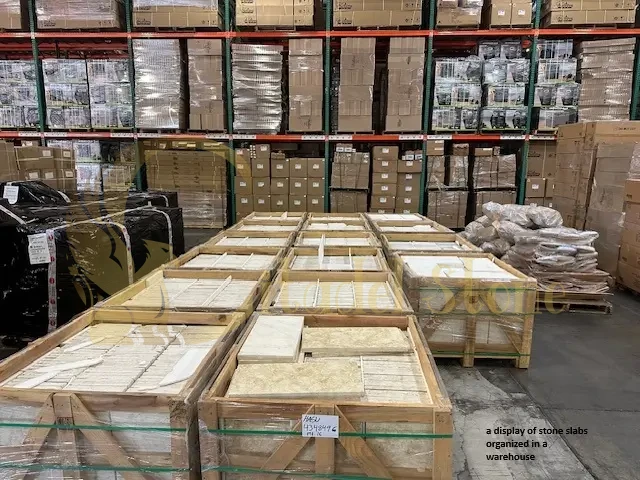
Order slabs representing each finish and color lot.
Install mock‑up panels on-site to assess finish, color consistency, and anchoring systems.
Record performance data: slip resistance, water absorption, and compressive strength.
On‑Site Audits & Virtual Facility Tours
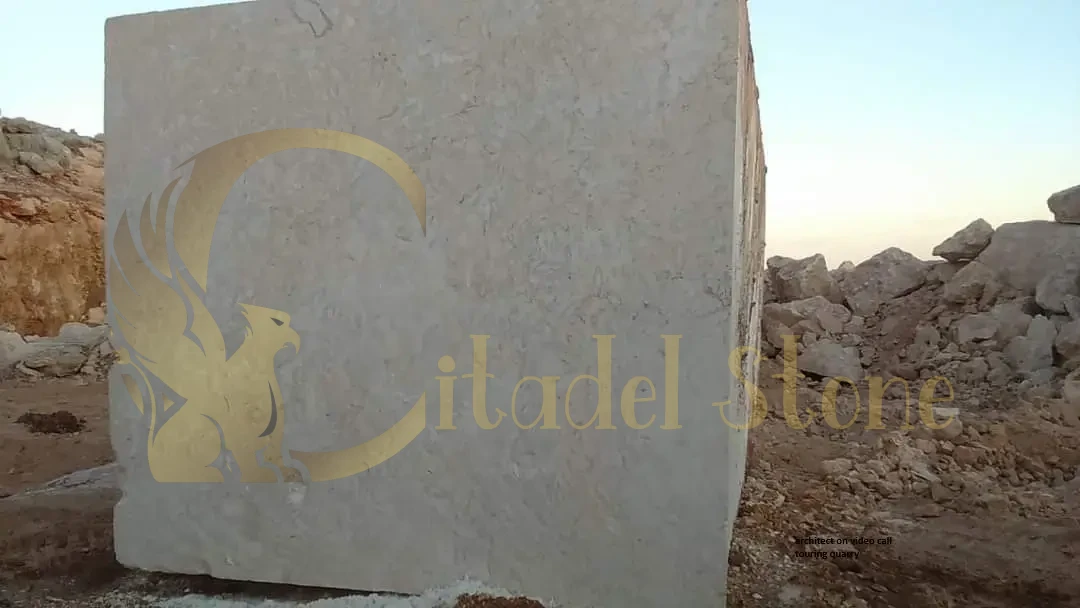
If travel constraints exist, request a live video tour of the quarry and factory. Key audit checkpoints:
Water‑treatment facilities.
Edge‑processing machinery and dust‑collection systems.
Waste‑management areas and recycled‑water reservoirs.
Reference Checks & Peer Reviews
Contact at least three recent clients—ideally architects on similar projects—to confirm supplier performance, on‑time delivery, and post‑sale support quality.
Integrating Certification into Design Specifications
Writing Clear Sustainability Requirements in Specs
Within your project manual:
Specify EPD reference numbers and valid date ranges.
Require ANSI/NSC 373 certificate codes.
Demand a minimum recycled content percentage (e.g., 20% post‑consumer aggregate).
Contract Language for Green Guarantees
Embed clauses that:
Tie payment milestones to delivery of valid, unexpired certifications.
Allow retention or penalties if sustainability documents are late or non‑compliant.
Mandate corrective actions for any failed third‑party audits.
Collaboration with LEED/BREEAM Consultants
Early engagement with sustainability consultants ensures that your stone specifications align with credit requirements. Share draft specs and certification evidence to pre‑qualify credits and avoid last‑minute substitutions.
Case Examples of Certified Stone in Landmark Projects
| Project Name | Certification Used | Outcome & Lessons |
|---|---|---|
| Green Museum, Amsterdam | ANSI/NSC 373, EPD | 35% reduction in embodied carbon; zero‑waste quarry after rehabilitation. |
| Alpine Research Center, CH | ISO 14001, Cradle‑to‑Cradle | Earned Living Building Challenge; local quarry delivered within 150 km. |
| Eco-Residential Towers, NYC | EPD, LEED MRcr2 | Achieved LEED Platinum; used 40% recycled granite aggregate. |
Overcoming Common Vetting Challenges
Inconsistent Certification Claims
Issue: Natural stone suppliers sometimes overstate or mislabel certifications.
Solution: Always verify directly with issuing bodies and demand official registry entries.
Balancing Cost vs. Certification Rigor
Issue: Higher‑rigor standards can carry premiums of 10–20%.
Solution: Perform a cost‑benefit analysis tied to project credit targets—sometimes an extra 5% material cost unlocks 3–5 LEED points.
Managing International Supply Chains
Issue: Cross‑border shipments risk certificate expiration and EPD validity lapsing.
Solution: Stagger orders to align certificate validity with delivery dates. Require conditional documentation updates before shipping.
Best Practices & Actionable Checklists
Follow these 12 essential steps to vet your sustainable natural stone supplier:
Compile Certification Inventory: EPD, ISO 14001, ANSI/NSC 373, C2C, Declare.
Validate Certificates: Cross‑check with issuing bodies’ registries.
Review LCA Boundaries: Confirm cradle‑to‑grave vs. cradle‑to‑gate scope.
Assess Chain‑of‑Custody: Ensure end‑to‑end batch tracking.
Audit Social Compliance: Check SA8000 or SMETA audit summaries.
Order and Test Samples: Full‑sized slabs for mock‑ups.
Perform On‑Site or Virtual Audits: Quarry, fabrication, and water‑treatment systems.
Engage References: Speak with prior architects or GC’s.
Embed Specs in Contracts: Tie payments to certification delivery.
Coordinate with Sustainability Consultants: Align specs with credits.
Plan Delivery & Certificate Validity: Match shipment timelines with document expiry.
Monitor Post‑Delivery Compliance: Re‑verify certifications annually.
Architectural Innovation: Success Narratives from Leading Stone Suppliers
Real Orders, Real Deliveries
We only publish projects we have actually supplied. See our Las Vegas white limestone delivery — two containers, 6,884 sq ft, 32 crates, shipped door to door — and how we supplied Creative Environments in Arizona with 21 containers across a 70,000+ sq ft installation: white limestone pavers and tiles, shellstone and Ocean Reef pavers.
Had Citadel Stone material installed on your project? Send us your photos and we will feature the work here, with your permission.
Conclusion & Next Steps
Rigorous vetting of a sustainable natural stone supplier ensures your projects deliver on aesthetics, durability, and environmental performance. Remember to:
✔️ Require and verify all sustainability certificates.
✔️ Inspect chain‑of‑custody and social‑compliance reports.
✔️ Test actual materials through mock‑ups.
✔️ Integrate certification checks into contracts and specifications.
✔️ Collaborate with sustainability consultants to secure credits.
Ready to raise your standards? Explore our green stone solutions or partner with our certified stone suppliers to secure truly sustainable materials for your next project.