Mistake #1: Skipping Certification & Compliance Checks
Without proper certifications, you may receive materials that fail safety, durability, or environmental standards.
Why Certifications (ANSI, ASTM, ISO) Matter
ANSI/NSC 373 ensures sustainable quarrying and chain‑of‑custody tracking.
ASTM standards (e.g., C616 for freeze‑thaw durability) validate a stone’s performance in specific climates.
ISO 14001 confirms a supplier’s commitment to environmental management.
Warning: Accepting uncertified materials exposes you to legal liabilities and long‑term performance failures.
How to Verify Authenticity and Avoid Red‑Flag Suppliers
Request Digital Copies of certificates and verify them against issuing bodies’ registries.
Confirm Expiry Dates—expired documents are as unreliable as none at all.
Cross‑Check Factory Audits: Ask for third‑party audit reports (e.g., SGS, Intertek).
Red‑Flag suppliers who resist sharing compliance paperwork or claim “proprietary” reasons.
Mistake #2: Overlooking Product Quality & Sample Review
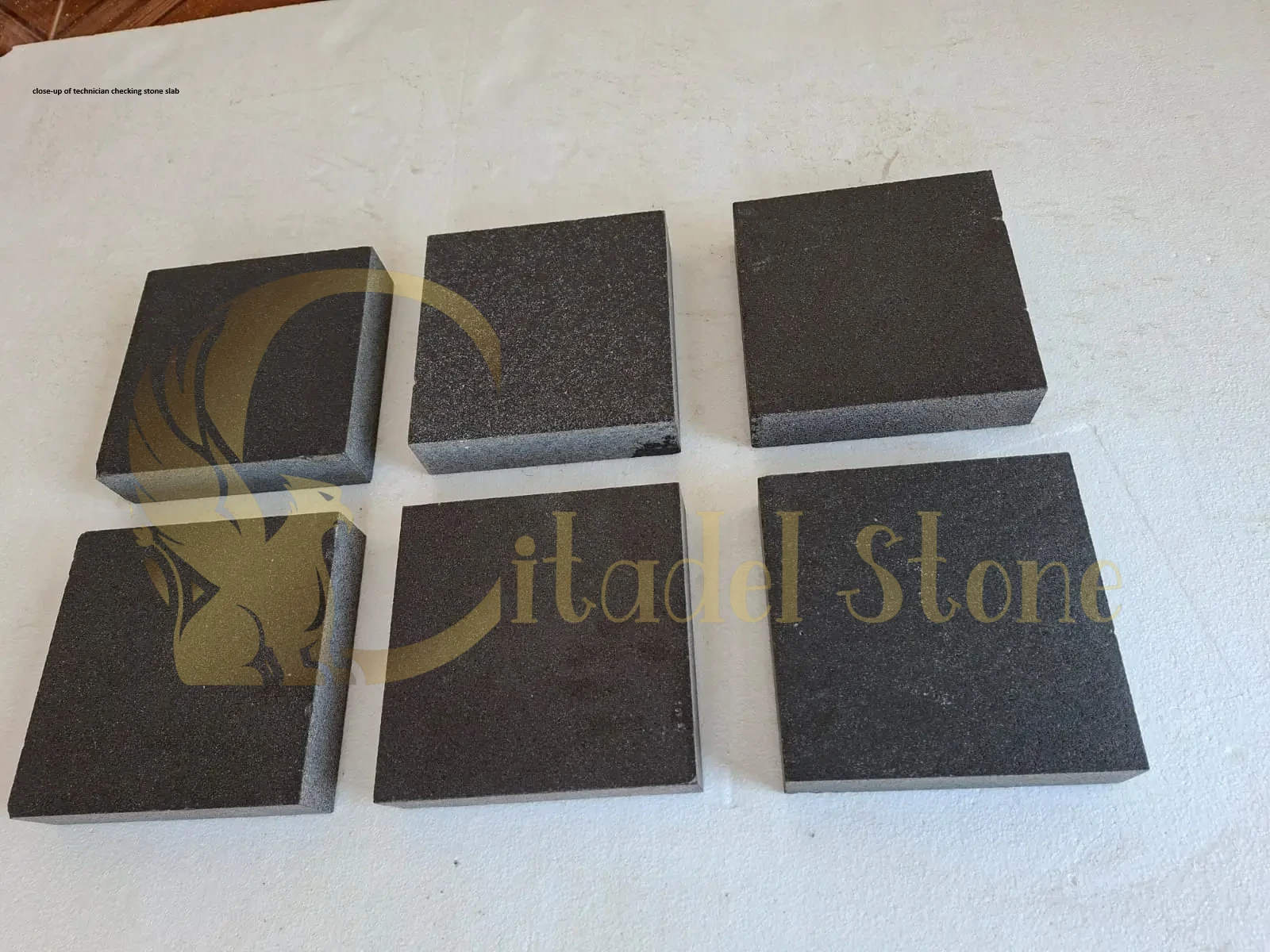
Relying on generic photos or glossy brochures often results in unexpected color variation, veining mismatch, or weaker-than‑advertised slabs.
Risks of Accepting Generic Photos or Untested Samples
Color Variance: Natural strata differ even within the same quarry batch.
Thickness Tolerance: Some vendors ship slabs ±5 mm out of spec, leading to uneven installation.
Unseen Flaws: Hidden micro‑fissures can cause cracks under load or during transportation.
Best Practices for Demanding On‑Site or Scaled Mock‑Ups
Inspect Full‑Size Samples: Request a “box” of actual slabs rather than tiles.
Install Scaled Mock‑Ups: Build a small panel on‑site to review grout joints, finish, and adhesive compatibility.
Perform Stress Tests: Drop weight tests, scratch hardness (Mohs scale), and water absorption measurements.
Approve Only After Sign‑Off: Document your acceptance criteria and require signed approval before full shipment.
Mistake #3: Ignoring Logistics & Lead Time Realities
Underestimating lead times or warehouse availability can delay your project by weeks or even months.
How Underestimated Delivery Schedules Lead to Project Delays
Seasonal Quarry Closures: Some mines close during monsoon or winter months.
Custom Fabrication Queues: CNC cutting lines may have 4–6 week backlogs.
Port Congestion & Customs: International shipments can face delays at major ports.
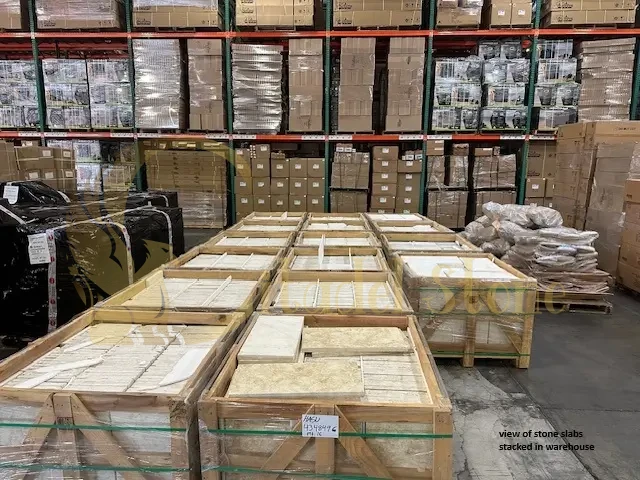
Tips for Confirming Warehouse Stock vs. Special‑Order Timelines
Ask for Real‑Time Inventory Reports: Request stock snapshots within 48 hours of order.
Clarify “Ex Works” vs. “Delivered” Dates: Ensure your timeline accounts for loading, transit, and on‑site unloading.
Build in Contingency Buffers: Add 10–15% extra time if shipping from overseas.
Negotiate Partial Shipments: Where possible, take critical slabs first to begin installation while the rest are in transit.
Mistake #4: Failing to Vet Financial Stability & Terms
Partnering with an unstable vendor can expose you to sudden price hikes, insolvency risk, or hidden surcharge fees.
Dangers of Vendors with Hidden Fees or Poor Credit
Unforeseen Surcharges: Holiday season “peak” fees, port congestion fees, or demurrage charges.
Credit Holds & Payment Demands: Sudden credit restrictions may require full pre‑payment.
Bankruptcy Risk: Ongoing insolvency can leave you with unpaid deposits and undelivered stone.
Questions to Ask About Payment Terms, Deposits, and Penalties
What Deposit Is Required? Typical range is 30–50% upfront; avoid 100% before delivery.
Are Prices Fixed or Subject to Fluctuation? Lock in material and freight rates where possible.
What Are Late Payment Penalties? Clarify interest rates and grace periods.
Can You Receive a Performance Bond? For large commercial projects, a bond guarantees delivery even if the supplier defaults.
Mistake #5: Neglecting After‑Sale Support & Warranty
A lack of technical guidance or clear return policies can leave you stranded when issues arise post‑installation.
Consequences of No Technical Guidance or Return Policies
Installation Errors: Improper adhesives or joint profiles lead to delamination or staining.
No Remedy for Defects: Without a warranty, you absorb replacement costs for cracked slabs or color mismatches.
Extended Downtime: Resolving disputes with an unreliable stone supplier can halt construction indefinitely.
How to Secure Clear Warranty Agreements and Support Commitments
Specify Warranty Duration: Minimum one‑year coverage on material and fabrication defects.
Define Scope of Coverage: Include labor, replacement material, and shipping.
Request Dedicated Technical Contacts: Ensure you have a named support engineer or quality manager.
Embed SLA in Contract: Service Level Agreements for response times (e.g., 24 hours for critical issues).
How to Build a Rock‑Solid Vetting Process
Below is an 8‑step actionable checklist that consolidates the solutions above:
☑️ Verify Certifications: Confirm ANSI, ASTM, and ISO credentials.
☑️ Inspect Samples: Demand full‑size, on‑site mock‑ups with documented sign‑off.
☑️ Validate Inventory: Obtain real‑time stock reports and clarify delivery vs. ex‑works dates.
☑️ Assess Supplier Credit: Review credit reports; negotiate payment bonds if needed.
☑️ Lock in Pricing: Secure material and freight rates in writing, with clear escalation clauses.
☑️ Define Warranty & Support: Detail scope, duration, and SLA response times.
☑️ Document Everything: Maintain a centralized file of certificates, approvals, and communications.
☑️ Review Post‑Delivery: Conduct a punch‑list walkdown within 48 hours of receipt.
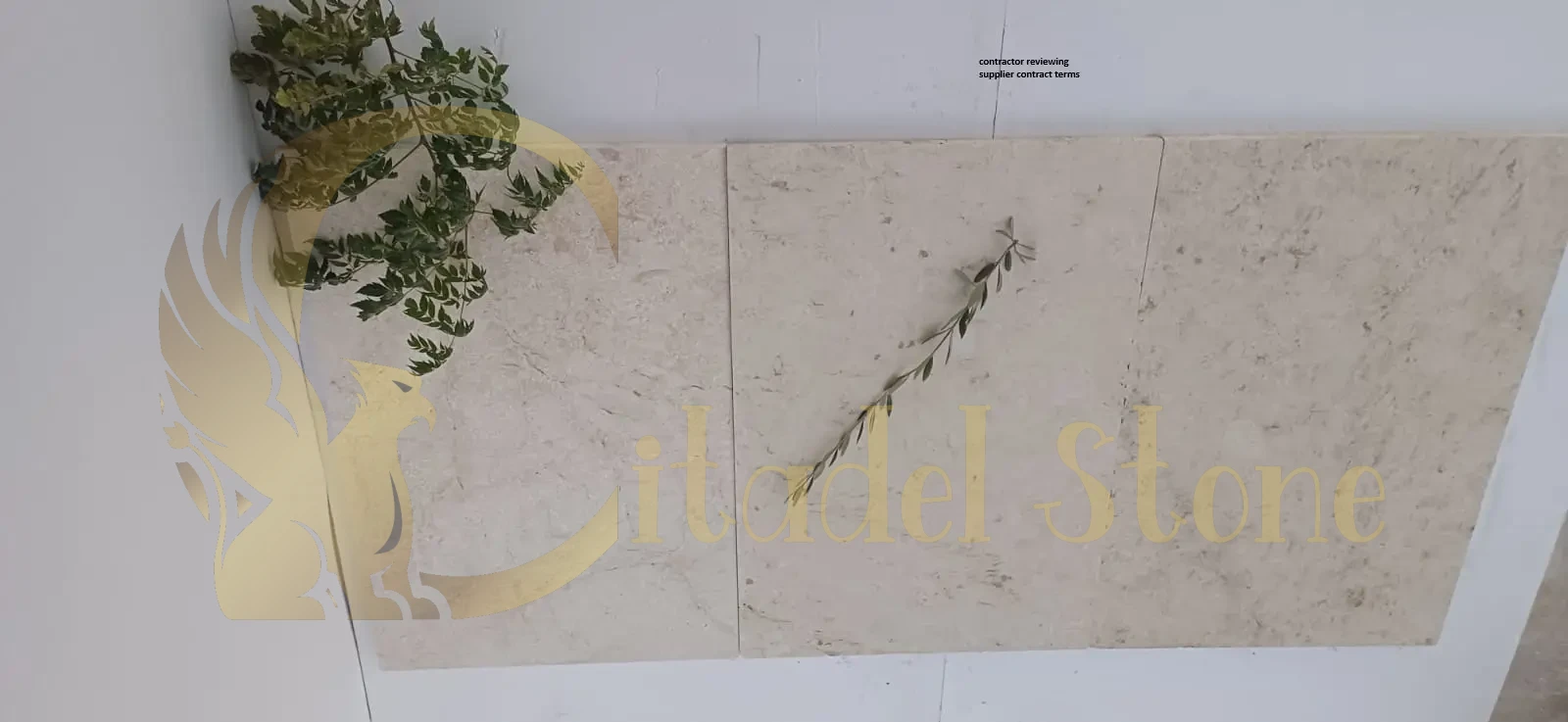
Why Citadel Stone Is a Trusted Natural Stone Supplier
At Citadel Stone, we mitigate stone vendor risks through rigorous compliance audits, transparent inventory tracking, and robust financial health checks. Our clients benefit from:
Certified Quality: ISO 14001, ANSI, and ASTM verified materials.
Live Inventory: Real‑time stock access and priority scheduling.
Dedicated Support: 24/7 technical helpline and clear warranty terms.
Ready to partner with the best stone supplier? Contact Citadel Stone for a sample request.
Real Orders, Real Deliveries
We only publish projects we have actually supplied. See our Las Vegas white limestone delivery — two containers, 6,884 sq ft, 32 crates, shipped door to door — and how we supplied Creative Environments in Arizona with 21 containers across a 70,000+ sq ft installation: white limestone pavers and tiles, shellstone and Ocean Reef pavers.
Had Citadel Stone material installed on your project? Send us your photos and we will feature the work here, with your permission.
Conclusion & Next Steps
By avoiding these natural stone supplier mistakes, you protect your budget, schedule, and design integrity. Here’s a quick recap of the five errors and remedies:
Skipping Compliance Checks: Always verify certifications.
Overlooking Sample Review: Insist on full‑size, on‑site mock‑ups.
Ignoring Logistics: Confirm stock and build in delivery buffers.
Neglecting Financial Vetting: Review credit and negotiate bonds.
Overlooking After‑Sale Support: Secure warranties and SLAs.
Next Steps:
Download our Free Stone Supplier Vetting Guide.
Begin your project with confidence—avoid costly supplier missteps today!