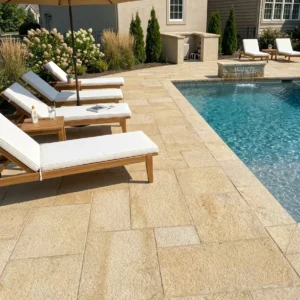
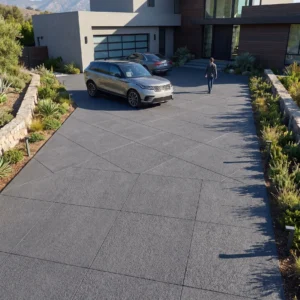
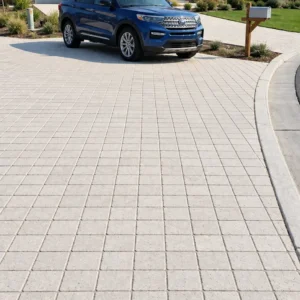
Introduction – Why Knowing Your Stone Material Costs Matters
Accurate budgeting isn’t just a nice-to-have—it’s the foundation of a successful stone project. Misjudge the cost of granite slabs or overlook hidden fees, and you could face delays, quality compromises, or a blown budget. Beyond avoiding pitfalls, understanding stone material costs directly impacts your project’s return on investment (ROI). High-quality stone can boost property value, enhance durability, and elevate aesthetics, but only if you plan wisely.
Why does this matter to you? A clear grasp of pricing helps you avoid surprises, maximize value, and confidently collaborate with suppliers. Whether you’re renovating a kitchen or designing a commercial space, knowing the numbers empowers you to make decisions that balance cost and quality. Let’s dive into the factors that shape those numbers.
Key Components of Stone Material Pricing
Stone pricing is a sum of several parts. To budget effectively, you need to understand four key components: raw material acquisition, processing and fabrication, shipping and logistics, and overhead and margin.
Raw Material Acquisition
Every stone starts at a quarry, and its origin sets the stage for its price.
- Quarry Location: Stone from distant or challenging locations—like Italian marble—costs more due to extraction and initial transport expenses.
- Stone Grade: Higher-grade stones with fewer flaws or striking colors carry a premium. Lower-grade options are more budget-friendly but may lack uniqueness.
- Rarity: Rare stones, such as exotic granites or onyx, drive up costs due to limited availability.
Insight: Ask your stone supplier about the stone’s source and grade—these details reveal a lot about its price.
Processing & Fabrication
Turning raw stone into usable slabs or tiles is a labor-intensive process that adds significant cost.
- Cutting: Precision cuts for slabs, tiles, or custom shapes require advanced tools and skilled workers.
- Finishing: Polished, honed, or leathered finishes each demand different techniques, affecting time and expense.
- Waste Allowances: Stone can crack during cutting, so suppliers account for breakage—often adding 10–20% to the cost.
- Yield Loss: Not every block yields perfect slabs; unusable portions increase the price of what’s left.
Insight: Custom cuts or intricate finishes can quickly escalate fabrication costs—plan accordingly.
Shipping & Logistics
Stone is heavy and fragile, making transportation a major pricing factor.
- Freight Rates: Costs rise with distance, weight, and shipping method (truck, ship, etc.). International stones may include tariffs.
- Handling: Special packaging—like crates or padding—prevents damage but adds expense.
- Special Requirements: Need a crane for unloading? Or climate control for delicate stones? These bump up the bill.
Insight: Check if your quote is FOB (Free on Board) or includes delivery—terms matter.
Overhead & Margin
Stone Suppliers aren’t charities—they need to cover costs and earn a profit.
- Markup: This covers expertise, risk, and services like design consultation.
- Insurance: Stone’s value and fragility mean insurance is non-negotiable—and built into the price.
- Storage: Warehousing slabs before delivery incurs costs, especially for large stocks.
- Administrative Costs: Sales, billing, and customer support all factor in.
Insight: A higher markup might reflect better service or reliability—not just profit.
Variations by Stone Type
Different stones come with different price tags. Here’s how natural stone pricing varies across popular options.
Granite Slabs
Granite’s durability and range make it a go-to, but the cost of granite slabs depends on several factors.
- Cost Range: $40–$100+ per square foot, based on origin and pattern.
- Thickness: 2cm slabs are cheaper; 3cm offers durability and a luxe feel at a higher price.
- Premium Grades: Rare colors or patterns—like Blue Bahia—push costs up.
Insight: For affordability, opt for common granites like Ubatuba over exotic varieties.
Marble & Limestone
Elegant and timeless, these stones have unique pricing quirks.
- Porosity: Both require sealing due to their absorbent nature, adding to long-term costs.
- Finish Complexity: Techniques like bookmatching (aligning veins) can double fabrication fees.
- Price Tiers: From budget-friendly Carrara ($50/sq. ft.) to high-end Calacatta ($200+/sq. ft.), options vary widely.
Insight: Marble’s allure comes with upkeep—budget for both now and later.
Engineered vs. Natural Stone
Comparing these two reveals trade-offs in cost and character.
- Natural Stone: Offers unmatched beauty but varies in price ($40–$200+/sq. ft.) and needs care.
- Engineered Stone: Quartz, for example, is consistent and low-maintenance ($50–$120/sq. ft.), though less prestigious.
Insight: Engineered stone suits tight budgets or low-maintenance goals.
How to Interpret and Compare Stone Supplier Quotes
A natural stone supplier quote can be confusing, but decoding it helps you spot value—and traps.
Line-Item Breakdown
Look for these common charges:
- Material Cost: The stone’s base price, usually per square foot or slab.
- Labor: Cutting, finishing, and installation fees.
- Delivery: Shipping and handling costs.
Insight: Demand a detailed quote—vague totals can mask overcharges.
Hidden Fees to Watch
Stay alert for these extras:
- Cutting Fees: Charges for custom edges or shapes.
- Minimum Order Surcharges: Penalties for small purchases.
- Waste Allowances: Extra costs for material lost in processing.
Insight: Ask what’s included—assumptions can cost you.
Negotiation Strategies
You can often lower your bill:
- Volume Discounts: Larger orders may reduce the per-unit price.
- Bundled Services: Combine fabrication and delivery for savings.
- Off-Peak Ordering: Buy during slow seasons for better rates.
Insight: Negotiate confidently—suppliers often have wiggle room.
Building Your Stone Project Budget
With pricing factors clear, let’s build a stone project budget that works.
Contingency Planning
Stone projects have surprises—be ready.
- Reserve 10–15%: Extra funds cover delays, breakage, or design changes.
- Expect Overruns: From cracked slabs to last-minute tweaks, they’re common.
Insight: A contingency buffer keeps stress—and costs—in check.
Value-Engineering Tips
Cut costs without cutting corners:
- Mix Materials: Use premium stone sparingly and budget options elsewhere.
- Standard Sizes: Avoid custom cuts to minimize waste.
- Local Stone: Reduce shipping by sourcing nearby.
Insight: Smart choices stretch your budget further.
Long-Term Cost Implications
Think beyond installation:
- Maintenance: Sealing and polishing add annual costs.
- Repairs: Budget for chips or cracks over time.
- Replacement: Durable stones save money long-term.
Insight: Plan for the full lifecycle—not just day one.
Case Examples & Pricing Benchmarks
Here’s a snapshot of stone material costs for common uses:
| Stone Type | Format | Cost per Sq. Ft. (Material Only) |
|---|---|---|
| Granite | Slab (3cm) | $50–$100+ |
| Marble | Tile (12×12) | $10–$30 |
| Limestone | Paver (24×24) | $15–$40 |
| Engineered Quartz | Slab (3cm) | $60–$120 |
Insight: These are baselines—custom work or sourcing can shift them.
Real Orders, Real Deliveries
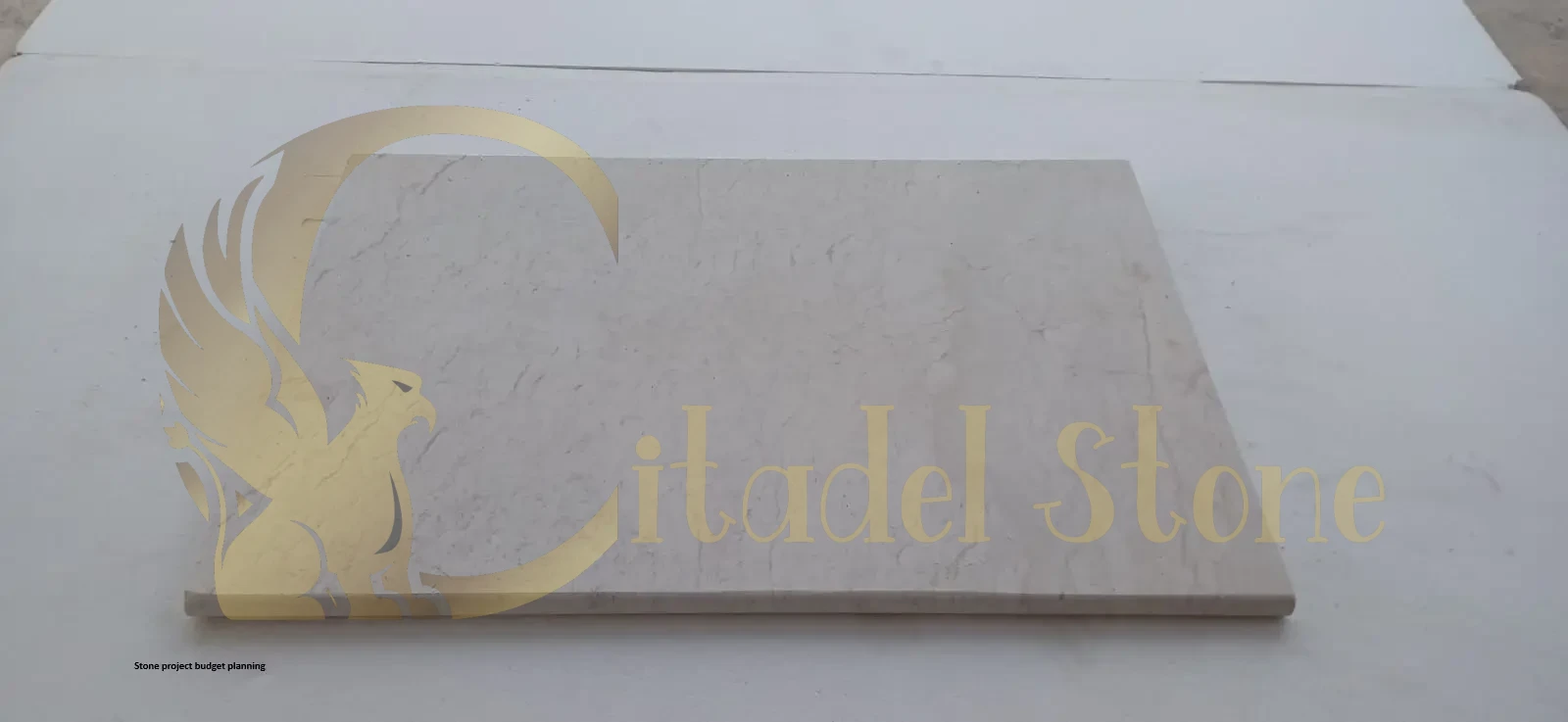
We only publish projects we have actually supplied. See our Las Vegas white limestone delivery — two containers, 6,884 sq ft, 32 crates, shipped door to door — and how we supplied Creative Environments in Arizona with 21 containers across a 70,000+ sq ft installation: white limestone pavers and tiles, shellstone and Ocean Reef pavers.
Had Citadel Stone material installed on your project? Send us your photos and we will feature the work here, with your permission.
Conclusion & Next Steps
Understanding stone material costs equips you to plan, negotiate, and build with confidence. Here’s what to take away:
- Know the Drivers: Quarry, fabrication, shipping, and markup shape your bill.
- Scrutinize Quotes: Break them down and haggle where you can.
- Budget Smart: Plan for now and the future with contingencies and value tweaks.
Ready to start? Get a customized quote from Citadel Stone and see how our transparent pricing simplifies your project. For more tools, explore our stone cost calculator and take control of your budget today.