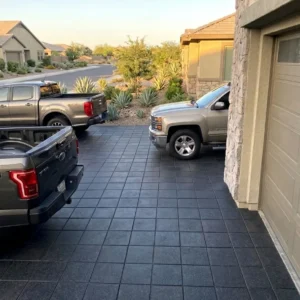
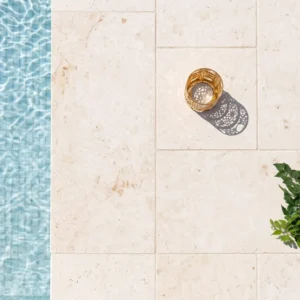
Snow stone paver ideas consistently attract designers and homeowners looking to maximize light reflection on patios, pool surrounds, and walkways — but the material decisions beneath the aesthetic run deeper than most project briefs acknowledge. The color of a paver doesn’t just set a mood: it governs thermal behavior, maintenance intervals, and long-term appearance retention under real outdoor conditions. Before you finalize a palette, it’s worth understanding how light-toned stone responds to sustained UV exposure, how finish choices interact with surface aging, and which base and sealing variables separate installations that look great at year ten from the ones that look tired at year three.
What Makes Snow Stone Paver Ideas Work on Modern Patios
Your patio’s visual tone is set by the interplay of surface reflectance, joint width, and edge detail — and snow stone paver design amplifies every one of those variables. Light-toned natural stone bounces ambient light upward, which makes shaded outdoor rooms feel more open and helps moderate the perceived heat of a sun-exposed deck. That reflectance is genuine optical performance, not a marketing angle, and it’s one of the primary reasons white and near-white stone continues to dominate contemporary hardscape specifications.
- Light surface tones reduce radiant heat absorption compared to darker stone, keeping the surface more comfortable underfoot in full afternoon sun
- High contrast between pale stone and dark grout or planting beds creates the clean architectural lines that define modern patio aesthetics
- Snow-toned materials photograph well and retain visual clarity in landscaping plans, making them a strong choice for staged or designed outdoor living spaces
- The natural variation present in white limestone and snow white travertine adds texture without visual complexity, supporting minimalist design approaches
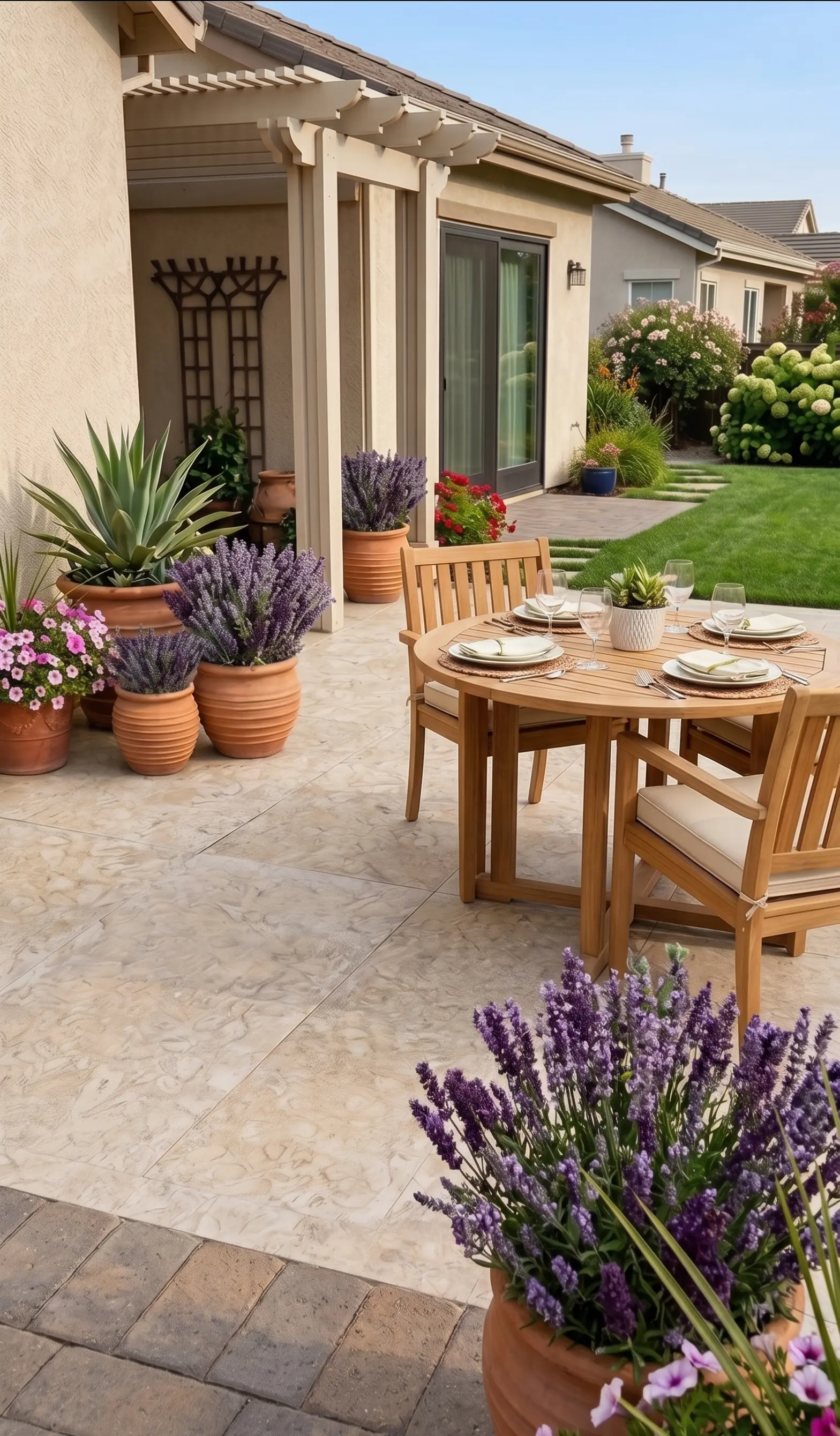
Eight Snow Stone Paver Ideas Worth Specifying
Your design brief will narrow the material category, but the application logic behind each idea shapes which stone, finish, and laying pattern actually delivers the result you need.
Honed White Limestone for Contemporary Pool Surrounds
Honed white limestone produces a flat, low-sheen surface that reads as clean and modern against blue pool water. The finish is matte enough to avoid glare problems in direct sun while maintaining enough surface smoothness for comfortable barefoot use. Slip resistance on any wet surface is a separate specification decision — under ANSI A326.3, which is measured wet, your finish choice is the primary variable and a test report is available on request.
Tumbled Snow White Travertine for Old-World Modern Hybrid Patios
Tumbled snow white travertine pavers carry softened edges and an open, matte texture that sits naturally in garden settings without competing with planting. The tumbled finish leaves an irregular micro-surface across the stone face, which interacts differently with UV exposure than a honed or polished version of the same material. For broader patio inspiration across this stone type, Citadel Stone design inspiration covers a range of applications and laying patterns worth reviewing before finalizing your specification.
Large-Format White Limestone Slabs for Seamless Indoor-Outdoor Flow
Your indoor flooring specification increasingly extends through glass doors to covered patios, and large-format snow stone paver design supports that continuity better than small-unit formats. Slabs in the range of 24 by 24 inches or larger minimize visible jointing, which reinforces the visual connection between interior and exterior planes. The key installation variable is substrate flatness — large-format stone telegraphs any irregularity in the setting bed more visibly than smaller pavers do, so your base preparation spec needs to be tighter.
Brushed Snow White Granite Flooring for High-Traffic Patio Areas
Snow white granite flooring on covered patios and entertainment areas benefits from a brushed finish, which opens the surface texture while retaining the material’s dense, compact structure. Brushing exposes the crystalline surface of the granite without the reflective sheen of a polished finish, which keeps glare manageable in sun-facing outdoor rooms. According to NSI granite durability guidance, granite’s igneous formation makes it highly resistant to surface abrasion and staining, qualities that support its use in high-footfall outdoor zones.
Irregular White Flagstone for Naturalistic Garden Paths
Irregular white flagstone introduces an organic quality into otherwise structured modern gardens. The variation in shape, tone, and thickness that comes with irregular flagstone creates a visual rhythm that tightly jointed square pavers cannot replicate. Your laying pattern becomes part of the design — wider, planted joints with low groundcover between flags produce a very different result than tight dry-laid joints over compacted aggregate.
Polished White Marble Pavers for Covered Terrace Applications
Covered terraces and pergola-sheltered outdoor rooms give polished white marble its best outdoor context because they limit direct rain and UV exposure. In fully exposed applications, polished marble surfaces are vulnerable to surface etching from acid rain and organic matter, and the polished finish will dull over time without a sealing program tailored to the actual exposure level your project receives. For covered or semi-covered terraces, however, marble’s luminous surface quality is difficult to match with any other natural stone.
White Limestone Cobbles as Pattern Accents and Border Details
Snow stone paver ideas don’t have to mean wall-to-wall coverage in one material. White limestone cobbles used as border banding around a darker paver field, or as a contrasting inset pattern within a large-format slab terrace, add visual structure without overwhelming the palette. The cobble format also tolerates minor base settlement more forgivingly than large slabs do, which makes it a practical choice for border zones where edge conditions are harder to compact uniformly.
White Travertine Coping with Matching Deck Pavers for Pool Unity
Specifying the same stone across pool coping and deck pavers eliminates the tonal mismatch that occurs when coping and field stone come from different batches or different material families. White travertine selected for both elements creates a unified appearance that reads as intentional and resolved. The specification detail that matters most here is ensuring coping and field pavers come from the same quarry batch — natural stone exhibits genuine tonal variation between production runs, and even the same material from two different cuts can read as a mismatch in a finished installation.
UV Exposure and How It Affects Snow Stone Appearance Over Time
Here’s what most specifiers overlook when selecting light-toned stone for exposed patios: UV radiation doesn’t bleach white stone — it breaks down the sealers and surface treatments that protect it, and it oxidizes any iron-bearing mineral inclusions in the stone itself. In travertine and some limestone varieties, trace iron content can produce a yellowing or pinkish shift on surfaces left unsealed under prolonged sun exposure. This isn’t a defect — it’s a natural mineralogical response — but it means your sealing schedule is a genuine maintenance specification, not a cosmetic afterthought.
- Penetrating sealers slow UV-driven oxidation by limiting moisture and oxygen access to iron inclusions within the stone matrix
- Your sealer manufacturer’s stated reapplication interval is the schedule to follow — not a general rule of thumb, because performance varies by product chemistry, exposure level, and finish type
- Honed and tumbled finishes generally retain their appearance more consistently under UV than polished finishes do, because there’s no high-gloss surface to lose
- Covered areas require less frequent sealing than fully exposed ones — factor this into your maintenance planning when the terrace has mixed exposure zones
The ASLA outdoor paving material guidance highlights the importance of material selection relative to long-term environmental performance — UV durability and sealer compatibility are among the factors that determine whether a patio surface retains its designed appearance across its expected service life.
Finish Selection for Snow Stone Paver Design
Your finish choice does more work than it appears to. It governs surface texture, light interaction, maintenance demands, and how the stone weathers over years of outdoor exposure. The four finishes most commonly specified for snow stone paver ideas each come with trade-offs worth understanding before you commit.
- Honed: flat, low-sheen surface — suits pool surrounds and covered terraces; requires consistent sealing to prevent staining in porous stone types
- Tumbled: softened edges and open matte texture — ages gracefully outdoors, tolerates UV exposure well, less demanding to maintain than polished
- Brushed: mechanically textured surface — retains bright natural color while adding depth to the stone face; good choice for areas with frequent foot traffic
- Polished: high reflective sheen — best reserved for covered or interior-adjacent applications where UV and rain exposure are limited
Citadel Stone cuts paver orders to specification at our selected quarries, which means finish, thickness, and format are confirmed against the project brief before production — not adjusted after the material arrives on site.
Base Preparation and Joint Detailing for Snow Stone Pavers
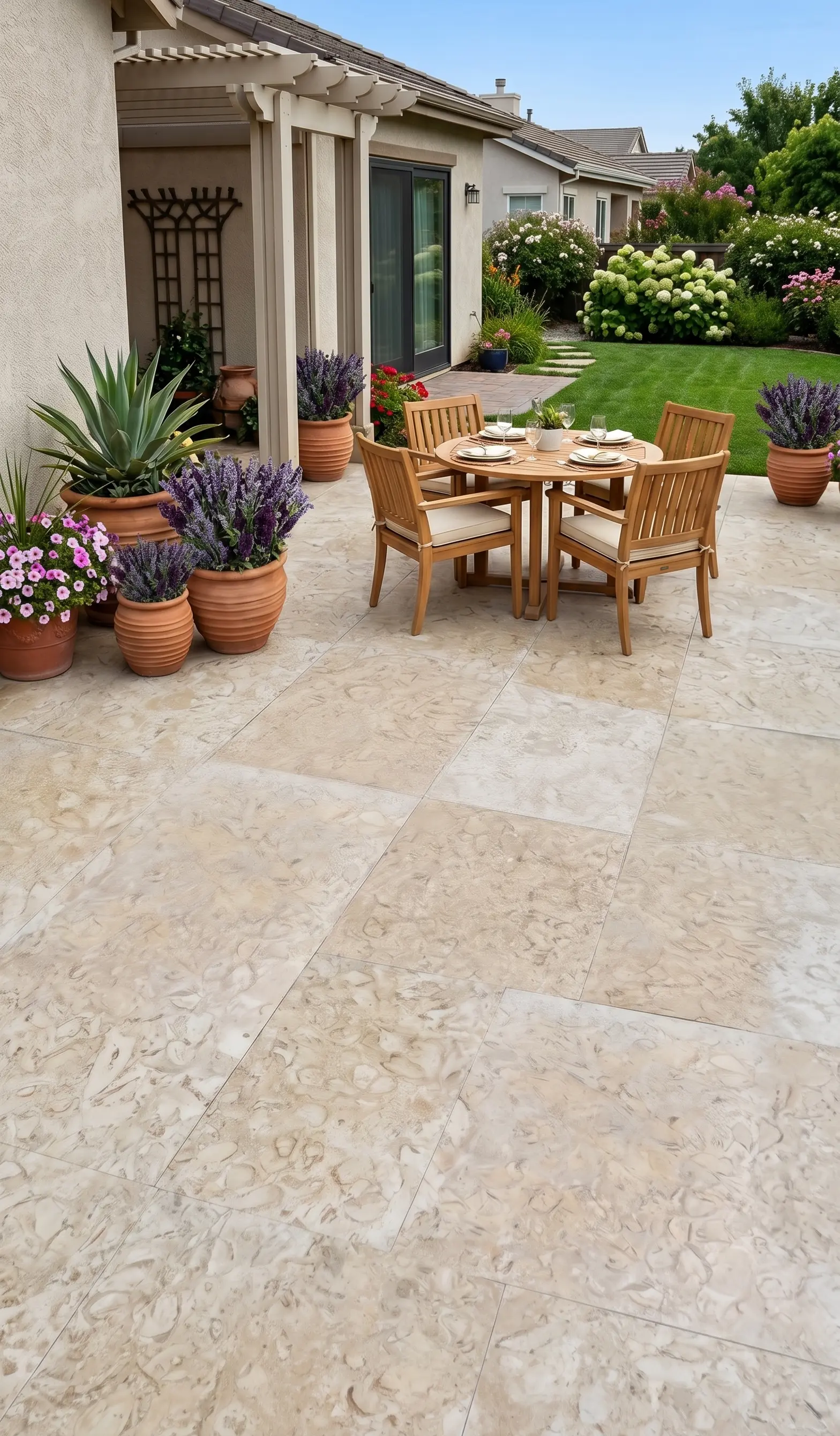
The base beneath your snow stone paver design determines whether the finished surface stays level and tight for decades or begins showing edge displacement and joint widening within the first few wet seasons. A well-compacted aggregate base is the variable that governs long-term stability — the stone above it performs only as well as the platform it sits on. For most residential patio applications over stable soil, your installer’s compaction and depth specification should account for expected load, drainage, and local freeze-thaw exposure rather than defaulting to a minimum figure.
- Drainage geometry beneath the slab prevents hydrostatic pressure from building under the stone, which is especially important for light-toned pavers where efflorescence can leave visible white mineral deposits on the surface
- Joint width should be consistent and appropriate to the paver format — larger slabs generally require wider joints to accommodate thermal movement without edge chipping
- Sand-set joints in natural stone patio applications will require periodic refilling after the first wet season, as fine-grained infill settles with initial rain and foot traffic
- Mortar-set joints on exterior patios need to be specified with movement accommodation in mind — rigid jointing on an inadequately isolated slab will crack at predictable locations
According to Natural Stone Institute technical standards, natural stone paving performance is directly tied to correct base preparation, drainage provision, and setting method — material quality alone does not compensate for substrate deficiencies in an outdoor application.
Ordering and Delivery Planning for Snow Stone Paver Projects
Your project timeline needs to account for the cut-to-order nature of natural stone specification. Standard off-the-shelf dimensions are available, but custom sizing, mixed formats, and specific finish combinations require production lead time that should be confirmed with your order. Delivery is arranged and managed by Citadel Stone; lead times are quoted with the order and depend on format, volume, and destination.
Site access constraints may affect delivery scheduling, particularly for large-format slabs that require mechanical off-loading. Confirming access, turning radius, and offloading equipment availability before the delivery date prevents scheduling conflicts that can delay installation start. Material quantity calculations should include a breakage and cut-waste allowance above your net coverage figure — a qualified installer will give you a realistic overage percentage based on the format and the complexity of the laying pattern.
Getting Your Snow Stone Paver Specification Right
Snow stone paver ideas reward precise specification and honest maintenance planning. The aesthetic result — light, open, contemporary — is achievable across multiple stone types and finish combinations, and the right choice depends on your application’s UV exposure, expected foot traffic, and the sealing schedule you can realistically maintain. Natural stone in white and near-white tones delivers long service where drainage works, finish is matched to context, and sealing follows the interval your product manufacturer states. As you finalize your paving specification, the care you put into maintenance planning after installation is worth revisiting — sealing and cleaning natural stone pavers covers the practical detail that keeps light-toned stone looking resolved over time. Snow stone from Citadel Stone is sourced from our selected quarries in the Middle East for consistent light shading.
Related reading: marble paver cost comparison · snow stone pavers · How Much Do Marble Pavers Cost to Install?.