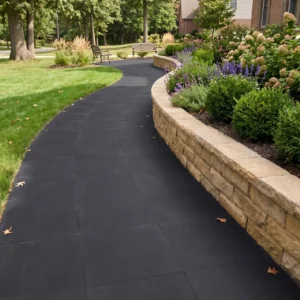
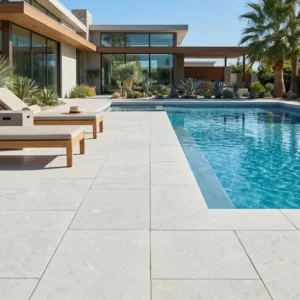
Why Maintenance Starts at Specification
Natural stone supply maintenance tips that actually hold up over time begin at specification, not after installation — the decisions made before the first stone is laid determine how much ongoing care a surface will require. The material’s density, porosity classification, and finish type set the baseline for every cleaning interval, sealing schedule, and repair protocol that follows. A honed travertine surface in a high-traffic entry will demand a fundamentally different maintenance posture than a flamed granite patio — and conflating the two is where most long-term maintenance programs break down.
Your specification document should include a maintenance section that’s tied directly to the stone type selected. According to Natural Stone Institute technical stone specifications, each variety carries distinct porosity ratings, hardness values, and chemical sensitivities that drive maintenance frequency. Locking in those parameters at the front end saves significant remediation costs later.
Sealing Protocols That Actually Hold
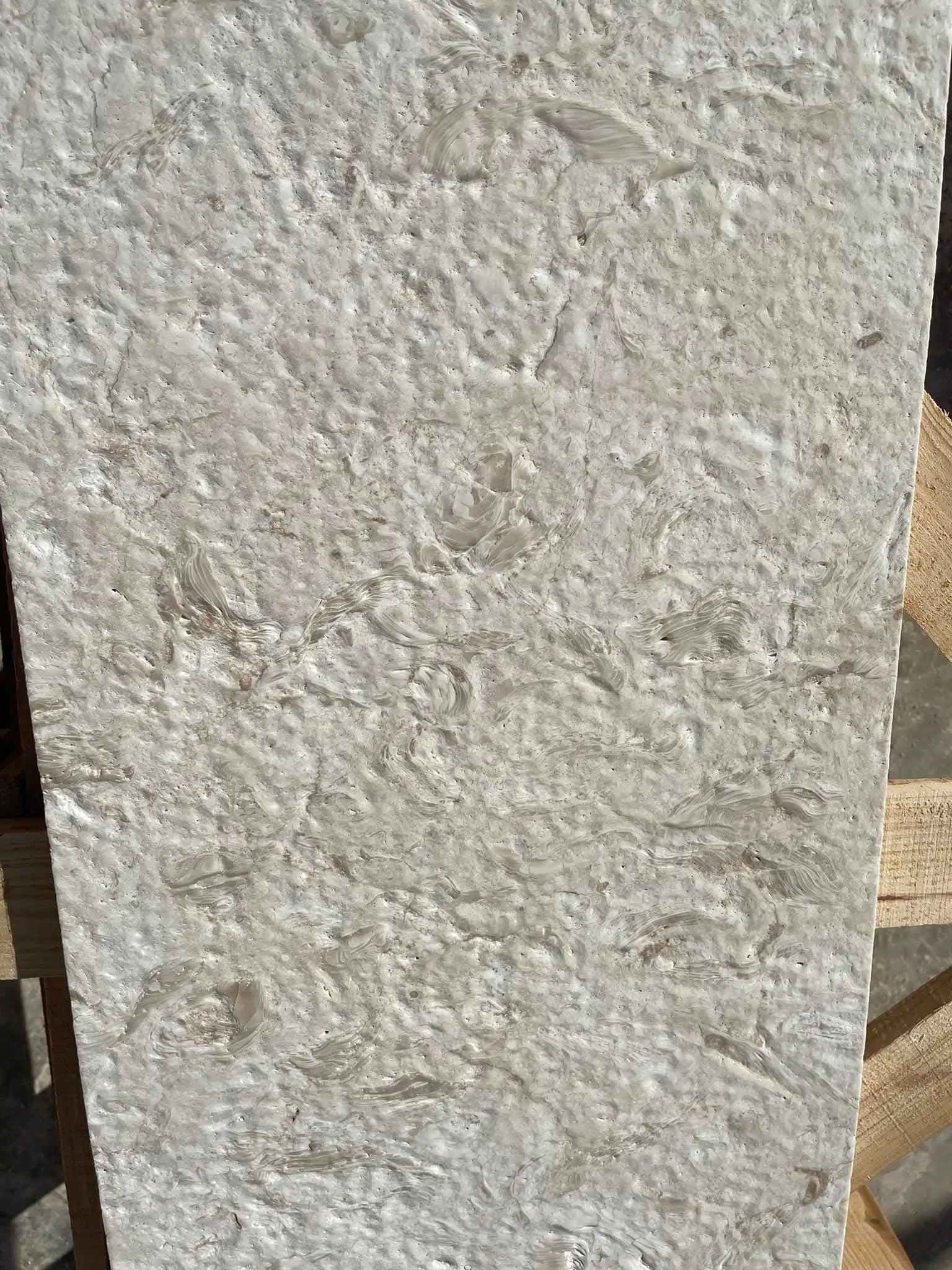
Sealing is the single highest-impact maintenance action you can take on most natural stone surfaces — but the product type, application method, and reapplication frequency matter more than most guides admit. You’ll want to distinguish between penetrating impregnators and topical coatings: impregnators bond below the surface and don’t alter appearance, while topical sealers form a film that can trap moisture and delaminate under thermal cycling. For exterior applications exposed to temperature swings, penetrating sealers are almost always the correct call.
Your reapplication schedule depends on traffic intensity, exposure level, and the stone’s absorption rate — typically measured as water absorption by weight per ASTM C97. Dense stones like granite rarely need sealing more than every 4–5 years under moderate conditions. Softer, more porous materials like travertine and limestone may need attention every 12–18 months in high-exposure installations. The simple water-bead test — drop a tablespoon of water on the surface and time how long before it absorbs — tells you when resealing is overdue more reliably than any calendar schedule.
- Apply sealer to a clean, dry surface — residual moisture trapped under sealant is a leading cause of hazing and staining
- Work in sections no larger than 4 square feet for manual application to prevent dry lines
- Allow full cure time (typically 24–72 hours depending on product) before reintroducing traffic or water exposure
- Test the sealer in an inconspicuous area first — some penetrating impregnators can darken lighter limestone tones
- Document application dates, product brand, and dilution ratios to maintain consistency across reapplication cycles
Cleaning Without Damaging the Surface
The most common damage pattern in natural stone maintenance isn’t wear — it’s chemical attack from the wrong cleaning products. Acidic cleaners, including many household tile cleaners and even some “natural” citrus-based products, etch calcite-based stones instantly. Limestone, travertine, and marble are calcium carbonate at their core, which means acid contact produces irreversible surface dulling that no amount of buffing will fully reverse. For these stone types, your cleaning protocol must be pH-neutral — full stop.
Granite and basalt are far more chemically resistant due to their silicate composition, but they’re not immune to damage from prolonged contact with alkaline cleaning agents, particularly in grout joints. Rinse thoroughly after any cleaning application regardless of stone type. For routine maintenance of natural stone pavers and tile surfaces, a diluted pH-neutral stone soap applied with a soft-bristle brush handles the vast majority of organic soiling without introducing chemical risk.
- Avoid bleach, vinegar, ammonia-based cleaners, and acid-based degreasers on any calcium carbonate stone
- For oil-based stains, use a poultice — a paste of absorbent material and mineral spirits applied for 24–48 hours draws contamination out rather than spreading it
- Pressure washing is acceptable for dense exterior stones but keep PSI below 1,200 and hold the nozzle at least 12 inches from the surface to avoid joint erosion
- Always dry the surface after wet cleaning — standing water accelerates efflorescence and can compromise sealant bonds over time
Joint Integrity Under Storm and Wind Stress
Joint maintenance is an area that gets systematically underestimated in standard natural stone supply maintenance tips — and it becomes critical in installations exposed to severe weather events. Wind-driven rain forces water into even hairline joint failures at pressure differentials that gravity-fed drainage was never designed to handle. Once moisture infiltrates below the setting bed through compromised joints, freeze-thaw cycling and hydrostatic pressure do progressive structural damage that’s expensive to reverse.
Your inspection schedule should include joint condition as a primary checklist item, particularly after storm events. Sand-set installations are especially vulnerable — polymeric joint sand can degrade under repeated hail impact and high-velocity rain, creating voids that allow lateral stone movement. For surfaces in exposed positions where wind loads are a design consideration, epoxy-based joint mortars offer significantly better resistance to mechanical stress than standard polymeric sand, though they require more careful installation and don’t accommodate thermal expansion as naturally. Check joints annually at minimum, and after any weather event that produced sustained winds above 50 mph or hail larger than 3/4 inch diameter.
- Hairline cracks in mortar joints wider than 1/16 inch should be repointed before winter — water infiltration and freeze-thaw cycling will expand them rapidly
- Polymeric joint sand should be replenished to within 1/8 inch of the stone surface edge — below that threshold, lateral stability degrades noticeably
- Perimeter edge restraints bear the highest stress under wind loading — inspect metal or concrete restraints for displacement after every major storm event
- Impact damage from hail on softer stones like sandstone and tumbled travertine can cause micro-fractures invisible to the eye — run a sounding test (tap with a metal rod) to detect hollow spots beneath the surface
Efflorescence Prevention and Correction
Efflorescence — the white crystalline deposit that appears on stone surfaces — is one of the most misunderstood maintenance issues in the field. It’s not a surface stain; it’s mineral salt migrating from the substrate or mortar bed through the stone and precipitating on the surface as water evaporates. Scrubbing it away without addressing the moisture source that’s driving it will have you repeating the same cleanup every season. The correct approach is to identify and correct the drainage or infiltration issue first, then treat the surface deposits.
Dry brushing removes light efflorescence effectively on dense stones. For heavier deposits, a diluted solution of specialized efflorescence remover — always stone-appropriate and pH-controlled for the specific stone type — applied briefly and rinsed thoroughly will clear the mineral buildup. On limestone and travertine, be especially careful: some efflorescence removers that are marketed as stone-safe still contain enough mild acid to etch polished or honed surfaces if left on too long. According to USGS dimension stone production and use data, calcium carbonate stones dominate residential installation, which makes acid-safe efflorescence treatment a practical necessity for the majority of maintenance programs.
Seasonal Maintenance and Cold-Weather Care
Freeze-thaw regions require a maintenance calendar oriented around temperature transitions, not just calendar months. The critical window is the sustained period when temperatures cycle repeatedly through 32°F — this is when moisture trapped in micro-pores and joint voids causes the most structural damage. Your pre-winter checklist should prioritize joint sealing, surface sealer verification, and drainage confirmation so water doesn’t pool on the surface and work into the substrate before temperatures drop.
De-icing salt is one of the most damaging substances you can apply to natural stone surfaces. Sodium chloride and calcium chloride both accelerate surface spalling on porous stones and cause long-term deterioration of mortar joints. If traction is required on exterior stone surfaces in freezing conditions, sand or fine grit provides slip resistance without chemical damage. Magnesium chloride, while somewhat less aggressive than sodium chloride, still causes issues with repeated use and isn’t a safe long-term substitute on natural stone. Mechanical snow removal and grit traction will preserve your installation significantly longer than chemical de-icers.
- Remove standing water from stone surfaces before forecast freezing temperatures — pooling accelerates freeze-thaw damage in a single cold snap
- Inspect for spalling, pop-outs, or lifted stones each spring — early detection prevents progressive base failure
- Avoid metal snow shovels on softer stones — plastic blades or rubber-edged alternatives prevent edge chipping on travertine and limestone pavers
- Reapply penetrating sealer in early autumn rather than spring — sealant applied before winter exposure provides the greatest protection during the high-risk period
Stain Identification and Targeted Treatment
Effective stain removal from natural stone depends entirely on correctly identifying the stain type before applying any treatment. The wrong approach — particularly using an oil-based cleaner on a water-based stain, or vice versa — can drive the contamination deeper into the stone matrix and make it permanent. Your diagnosis should start with how the stain behaves when damp: oil-based stains typically darken the stone and hold that dark appearance when wet; water-based or mineral stains often appear lighter or crystalline.
Organic stains from leaves, algae, moss, and biological growth respond well to enzyme-based cleaners and, on resistant stones, diluted hydrogen peroxide. For rust stains — common where iron-rich water contacts porous stone — a commercial rust remover formulated specifically for natural stone is necessary. Generic rust removers often contain oxalic acid at concentrations that damage calcite-based stones. Tannin stains from wood or leaves can usually be lifted with a paste of baking soda and water on calcium carbonate stones, since mild alkalinity attacks the tannin compound without etching the surface. For stubborn or multi-layer staining, the ASTM dimension stone quality and testing standards framework provides a reference point for evaluating surface chemical resistance before committing to a treatment approach.
Planning Maintenance Logistics, Ordering, and Supply
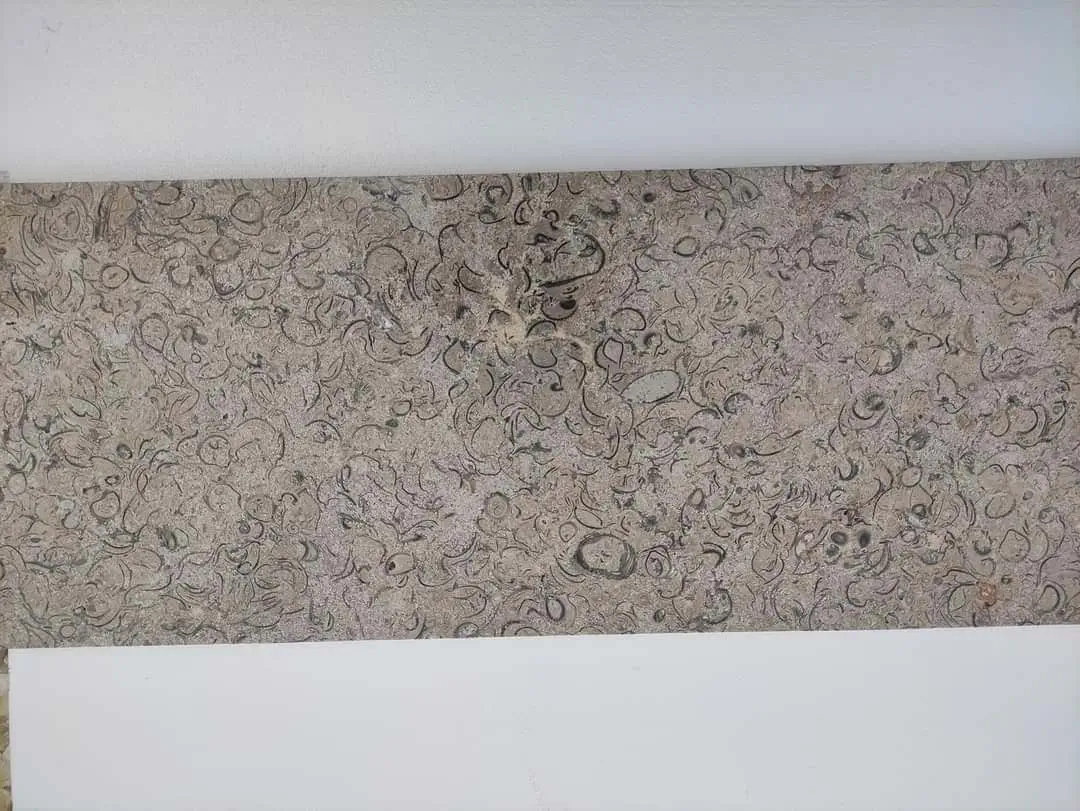
Maintenance isn’t just a surface-care practice — it’s a supply chain consideration. If your installation uses a specific lot of stone with distinctive veining, color variation, or finish, you’ll need replacement material from the same source for any repair work that involves stone replacement. Waiting until a stone fails to think about matching stock is a mistake that results in visible patches that undermine the whole installation’s appearance. Securing warehouse stock or at minimum documenting the specific material batch at the time of installation gives you a practical path to seamless repairs later.
At Citadel Stone, we advise clients to request that surplus material from the original order be retained in warehouse inventory for exactly this scenario — minor over-ordering at the outset is far less costly than a mismatched repair five years later. For projects where truck delivery timing is a constraint, coordinating your maintenance material orders with other scheduled deliveries to the site reduces per-unit logistics cost. The Citadel Stone maintenance resources section provides current inventory availability and lead time information for ongoing project support.
Long-Term Restoration and Professional Intervention
There’s a practical boundary between routine maintenance and professional restoration — and knowing where that line falls saves you from investing in DIY approaches that make the situation worse. Lippage correction, deep grinding, honing, and re-polishing of stone surfaces require diamond tooling and controlled abrasive sequences that can’t be replicated with consumer equipment. If your stone has developed deep scratches, surface warping from substrate movement, or significant coating buildup from years of incorrect topical sealant application, professional restoration is the right call, not an aggressive DIY intervention.
Grinding and re-honing natural stone pavers on exterior installations is a specialized skill — the risk of over-cutting edges, creating uneven surface profiles, or generating excessive heat that micro-fractures stone is real. For interior stone flooring with a polished finish, professional re-polishing using crystallization or diamond burnishing techniques can recover surfaces that appear permanently damaged. The investment in professional restoration is almost always less than replacement, and for distinctive or hard-to-source stone, it’s the only path that preserves material continuity across the entire installation.
- Surface lippage above 1/16 inch between adjacent stones typically warrants professional grinding rather than DIY correction
- Coating buildup from multiple applications of topical sealant requires chemical stripping before any restoration work — mechanical abrasion alone won’t remove it uniformly
- Re-grouting or re-pointing joints is a DIY-appropriate task for accessible areas, but matching the original mortar color requires careful product selection and a test batch before full application
- Document all professional restoration work including materials, methods, and technician contact — this record supports warranty claims and future maintenance planning
Final Considerations
Getting natural stone supply maintenance tips right comes down to matching your care protocol to the specific stone you’re working with — not applying a generic maintenance approach across every surface type. The variables that matter most are porosity, surface finish, installation method, and exposure conditions. A honed limestone threshold in an interior entry and a flamed granite patio in a wind-exposed garden require entirely different product chemistries, sealing schedules, and inspection priorities. Treating them identically will underperform on both. As you build out your maintenance program, factor in your regional weather exposure — including the mechanical stress of storm events on joint integrity and edge restraint — alongside the more commonly discussed chemical and sealing considerations.
Citadel Stone supplies natural stone nationally and maintains warehouse inventory across a broad product range, which makes it practical to source matching repair material from the same original lot when your maintenance work requires stone replacement. Your long-term maintenance success is also shaped by the quality of your initial material selection — stones with consistent density, minimal natural voids, and appropriate finish for the application need significantly less remedial attention over time. For buyers still in the planning stage, understanding what to look for in a reliable supply relationship is equally important — what buyers should know about stone suppliers covers the supplier evaluation process in useful detail. Surface restoration for travertine and limestone differs significantly from granite upkeep, and Citadel Stone outlines the distinctions so maintenance decisions stay stone-specific.
Related reading: stone supply company comparison · stone veneer siding · paving stone supply cost.