What Actually Drives Paving Stone Supply Cost
Paving stone supply cost doesn’t behave like commodity pricing — two seemingly identical granite paver orders can carry price differences of 30–40% based on variables most buyers never think to ask about. Understanding what’s underneath the quote requires you to look past the per-square-foot number and examine quarry origin, processing complexity, warehouse positioning, and freight geometry. Each of those variables compounds on the others, and missing even one of them will leave your project budget exposed at the worst possible time.
Quarry Origin and Raw Material Pricing
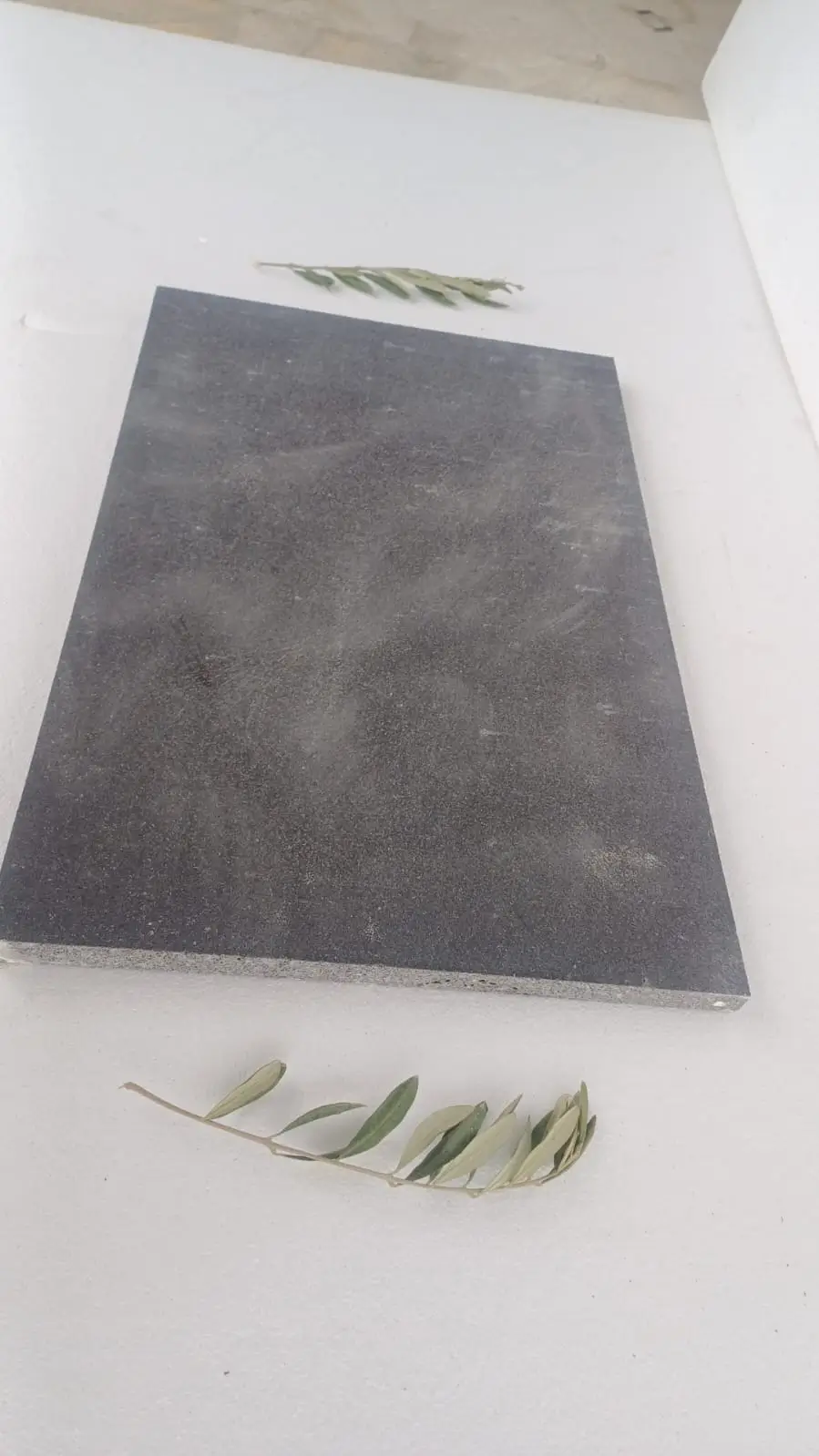
The single biggest cost variable in paving stone supply cost is quarry geography. Domestic quarries carry higher extraction labor costs but shorter supply chains. Imported material, particularly from Brazil, India, and Portugal, arrives at significantly lower per-unit raw cost but absorbs ocean freight, customs duties, and extended lead times of 8–14 weeks depending on port congestion.
Here’s what most buyers don’t account for: quarry yield directly affects cost. A granite seam producing 40% usable material at a consistent 2-inch nominal thickness will price out cheaper than a limestone quarry yielding 65% usable material in irregular thicknesses that require additional calibration. You’re not just paying for stone — you’re paying for the processing required to make that stone consistent enough to install. According to USGS dimension stone production data, domestic dimension stone output has been supplemented significantly by imports, with pricing pressure shifting as supply chains tighten.
- Granite from quarries with consistent seam depth prices more predictably than variable-seam limestone
- Calibrated thickness adds processing cost — expect 12–18% premium over split-face or uncalibrated stock
- Quarry proximity to domestic ports reduces transit cost and improves delivery reliability
- Material with lower quarry yield generates more waste — that cost gets passed forward in the pricing chain
Material Type and Processing Complexity
Your stone supply yard quote reflects not just the raw material but every processing step between the seam and your site. Natural stone pavers that require honing, calibration, tumbling, or thermal finishing carry labor multipliers that can add 20–35% to base material cost. Travertine that needs void filling before polishing adds another layer of cost that quarry-direct pricing typically doesn’t advertise upfront.
Basalt is a good example of processing cost variability. Split basalt pavers are relatively economical because they cleave naturally along thermal fracture lines. Honed basalt requires precision grinding to achieve the flat, matte surface — a time-intensive step that roughly doubles processing cost over split finish. The Natural Stone Institute technical variety specifications outline how finish type and processing requirements vary significantly across stone families, which directly explains why two seemingly similar pavers carry very different price tags at the stone granite supplies level.
- Tumbled finishes require mechanical processing — typically 8–12 hours of drum time per batch
- Thermal (flamed) finish requires propane flame application — energy-intensive and adds per-unit cost
- Sawn-top finish is the baseline for most granite pavers — lowest processing premium
- Fill-and-polish on travertine adds two separate processing passes before calibration
- Split-face limestone is the least processed option and typically the lowest cost per square foot in that stone family
Thickness, Format, and Order Volume
Paving stone supply cost scales non-linearly with thickness. Moving from a 1.25-inch to a 2-inch nominal thickness doesn’t double your cost — it typically adds 40–55% to material cost while simultaneously increasing freight weight, which compounds the delivered price. Your specification should match thickness to the actual load demand. Residential pedestrian areas rarely need more than 1.5 inches; vehicular driveways with regular car traffic need 2 inches minimum, and areas handling delivery trucks or heavy SUVs should be spec’d at 2.5 inches.
Format size also matters. Large-format pavers — anything above 24×24 inches — require specialized handling equipment at the stone supply yard, careful palletizing, and sometimes dedicated freight rather than standard LTL. The per-square-foot cost may look similar, but breakage rates during transit run higher for large formats, and suppliers typically factor a waste allowance into the quoted quantity. You should request the supplier’s standard transit breakage rate before finalizing your order quantity — it typically runs 2–5% on standard formats and 5–8% on large formats.
- Order volume significantly affects per-unit cost — crossing pallet minimums typically triggers 8–15% price breaks
- Mixed-SKU orders on a single pallet rarely receive volume pricing — consolidate formats where possible
- Half-pallet orders carry freight surcharges that erode the savings of buying less
- Full-truckload orders eliminate LTL surcharges and improve per-unit delivered cost by 10–18%
Freight Geometry and Delivery Logistics
Stone is dense, and freight math is unforgiving. A full pallet of 2-inch granite pavers weighs approximately 3,000–3,500 lbs depending on format and packaging. Your truck access conditions — driveway grade, overhead clearance, turning radius for a flatbed — determine whether standard delivery works or whether you need a smaller vehicle, a crane offload, or a staging area. Each of those deviations from standard delivery adds real cost.
LTL (less-than-truckload) freight is the most common delivery method for residential and mid-scale commercial paving stone supply, and it’s also where the most pricing surprises hide. Residential delivery surcharges, liftgate requirements, and inside-delivery fees are almost never included in the base freight quote. On a 4,000 lb order, those add-ons can run $150–$350 and are entirely avoidable if you receive at a commercial dock. At Citadel Stone, we flag all delivery surcharge scenarios before the order is confirmed so your budget reflects the actual delivered cost, not just the warehouse gate price.
- Flatbed delivery requires a forklift or rough-terrain equipment on your end — confirm before scheduling
- Liftgate delivery adds $75–$150 per shipment but eliminates the need for your own unloading equipment
- Inside delivery or carry-in is rarely practical for stone — pallets should stage as close to the work area as possible
- Truck access width below 10 feet typically requires a smaller vehicle and increases delivery cost
Seasonal Timing and Order Scheduling
Order scheduling interacts with paving stone supply cost in ways that aren’t always obvious. Spring and early summer represent peak demand for hardscape materials, and that demand pressure — combined with freight network congestion — pushes both material and delivery costs up. Placing your order in late winter for a spring installation, or in mid-fall for a project that can stage material and begin work in late summer, typically captures better pricing and more reliable warehouse availability.
Seasonal temperature windows also affect installation planning in ways that influence your total project cost. Setting natural stone pavers in adhesive or mortar beds requires ambient temperatures between 40°F and 90°F for reliable curing. Scheduling installation work during the middle of the day in peak summer often means the substrate temperature runs 20–30 degrees above ambient — which accelerates mortar set time and reduces your working window. Experienced crews shift to morning starts in warm months, completing adhesive work before 11 a.m. and reserving afternoon hours for cutting and dry-laying. That scheduling constraint affects labor cost, which feeds back into your total project budget even if material pricing stays flat.
- Off-peak ordering (late winter, mid-fall) typically yields better freight availability and fewer delivery delays
- Spring rush order surcharges from freight carriers can add 8–12% to shipping cost on short-notice orders
- Staging material under cover before installation reduces weather-related project delays and avoids re-ordering losses
- Coordinating your truck delivery window with your installation crew start date prevents double-handling of pallets
Supplier Structure and Stone Supplies Sourcing
The tier at which you source your stone supplies matters significantly. Retail landscape centers typically mark up material 35–60% over wholesale cost. Buying from a direct importer or national stone supply distributor eliminates one or two margin layers and brings your per-unit cost closer to the quarry-gate price. The trade-off is minimum order quantity — most wholesale suppliers require full pallet minimums, and some set container-level minimums for specialty materials.
For projects requiring less than a full pallet, blended pricing through a regional distributor often beats the apparent savings of buying wholesale directly. The overhead on small-quantity special orders from importers — including handling fees, partial-pallet surcharges, and extended lead times — frequently erases the per-unit price advantage. Your specification should align order quantity to the pricing tier that actually benefits your project scale. You can explore Citadel Stone paving materials for direct-supply options that structure pricing around your actual project volume rather than container minimums.
- Wholesale pricing typically requires 500+ sq ft minimum — confirm this threshold before requesting a quote
- Distributor pricing tiers often step at 250, 500, and 1,000 sq ft — know where your project lands
- Stone granite supplies sourced directly from importers require longer lead times but offer better unit economics at scale
- Blended orders across multiple stone types on one shipment can unlock volume pricing tiers even at lower per-SKU quantities
Waste Allowances and Quantity Calculation
Quantity estimation errors are one of the most consistent cost blowouts on stone paving projects. Ordering too little means a re-order — with all the freight duplication that implies. Ordering too much leaves you with material cost you can’t recover unless the supplier accepts returns, which most wholesale operations don’t. The standard waste allowance for natural stone pavers in a standard grid pattern is 7–10%; diagonal or herringbone patterns require 12–15% because of the additional cut pieces at borders.
Complex site geometry multiplies waste significantly. A circular pattern or radial fan design on a curved pool deck can push waste to 20–25%. Factor in the shape of your cutting losses before you finalize your order quantity — not after. The ASTM dimension stone testing standards provide the compressive strength and durability benchmarks that should inform your material specification, but quantity accuracy is a field calculation that requires you to map the actual cut geometry of your layout, not just multiply length by width.
- Standard grid pattern: add 10% waste to net area
- Diagonal 45° pattern: add 15% waste allowance
- Herringbone or basketweave: add 12–15% depending on border treatment
- Irregular or curved layouts: minimum 20% waste — consider 25% if radii are tight
- Always match your waste stone to the same batch and quarry run — color variation between batches is a real field problem
Quality Grading and Price Variation Within the Same Stone
The same material from the same quarry can carry a 25–40% price range depending on grade. First-quality stone meets tight dimensional tolerances, consistent color banding, and low void frequency. Second-quality (sometimes called commercial grade) carries wider thickness tolerances, more color variation, and higher void or inclusion rates. Third quality is typically sold for fill, gabion, or rustic applications where aesthetics and dimensional precision are secondary.
Specifying grade clearly in every quote request — and verifying it against the physical material when your shipment arrives — protects the finished result. Substituting commercial grade for first quality mid-project creates color banding across the finished surface that’s impossible to correct without pulling pavers. The Natural Stone Institute stone variety guidance provides the technical framework for understanding how grade classification affects performance expectations across different stone families. At Citadel Stone, our warehouse team inspects incoming shipments against the quoted grade specification before release — catching substitutions at the receiving stage rather than after installation.
- First quality: tight dimensional tolerance (±1/8 inch), consistent color, low void rate
- Commercial grade: ±3/16 inch tolerance, broader color range, higher void frequency
- Always request a physical sample from the same batch as your order — catalog photos don’t capture batch variation
- Batch number consistency matters more on large projects — verify with your supplier before the second delivery
Your Action Plan for Paving Stone Supply Cost
Paving stone supply cost is a multi-variable equation, and the buyers who manage it well treat every line item — material, processing, freight, and waste — as a separate optimization problem. Start with your thickness and format specification locked down before you request quotes, because changing those after initial pricing creates re-quoting delays that cost time more than money. Clarify your delivery conditions early — truck access, unloading capability, and staging space — so freight surprises don’t appear on the final invoice.
Order timing is worth more than most projects budget for. Placing your order 6–8 weeks ahead of your installation window gives you pricing stability, warehouse allocation, and the option to schedule installation during the morning temperature window that delivers better setting conditions for your crew. As you develop your full hardscape specification, related natural stone products can round out your project — stone veneer grades and supply formats covers how veneer material procurement works alongside paving stone orders for integrated project planning. Freight terms and minimum order quantities both influence final paving stone pricing, and Citadel Stone structures orders to give buyers clearer cost visibility upfront.
Related reading: stone supply company comparison.