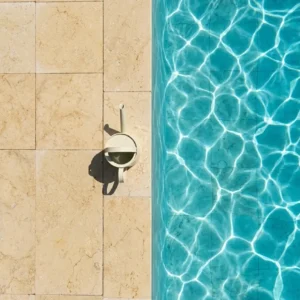
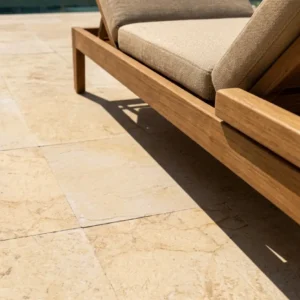
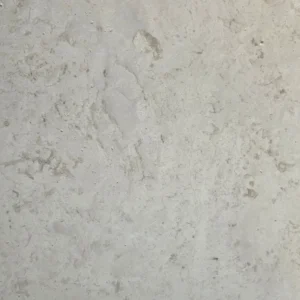
Gray limestone pavers perform best when your specification accounts for the material’s actual density range — not the rounded numbers that appear on generic data sheets. Most limestone quarried from Turkish and Middle Eastern formations falls between 140 and 160 pounds per cubic foot, and that variance directly affects your base depth calculation. Specify a 4-inch compacted aggregate base for pedestrian applications, but move to 6 inches minimum for any mixed or vehicular loading — the material’s flexural strength, typically 1,200 to 1,800 PSI for quality gray limestone pavers, depends entirely on uniform subgrade support to perform across a long service life.
What Makes Gray Limestone Pavers Distinctive
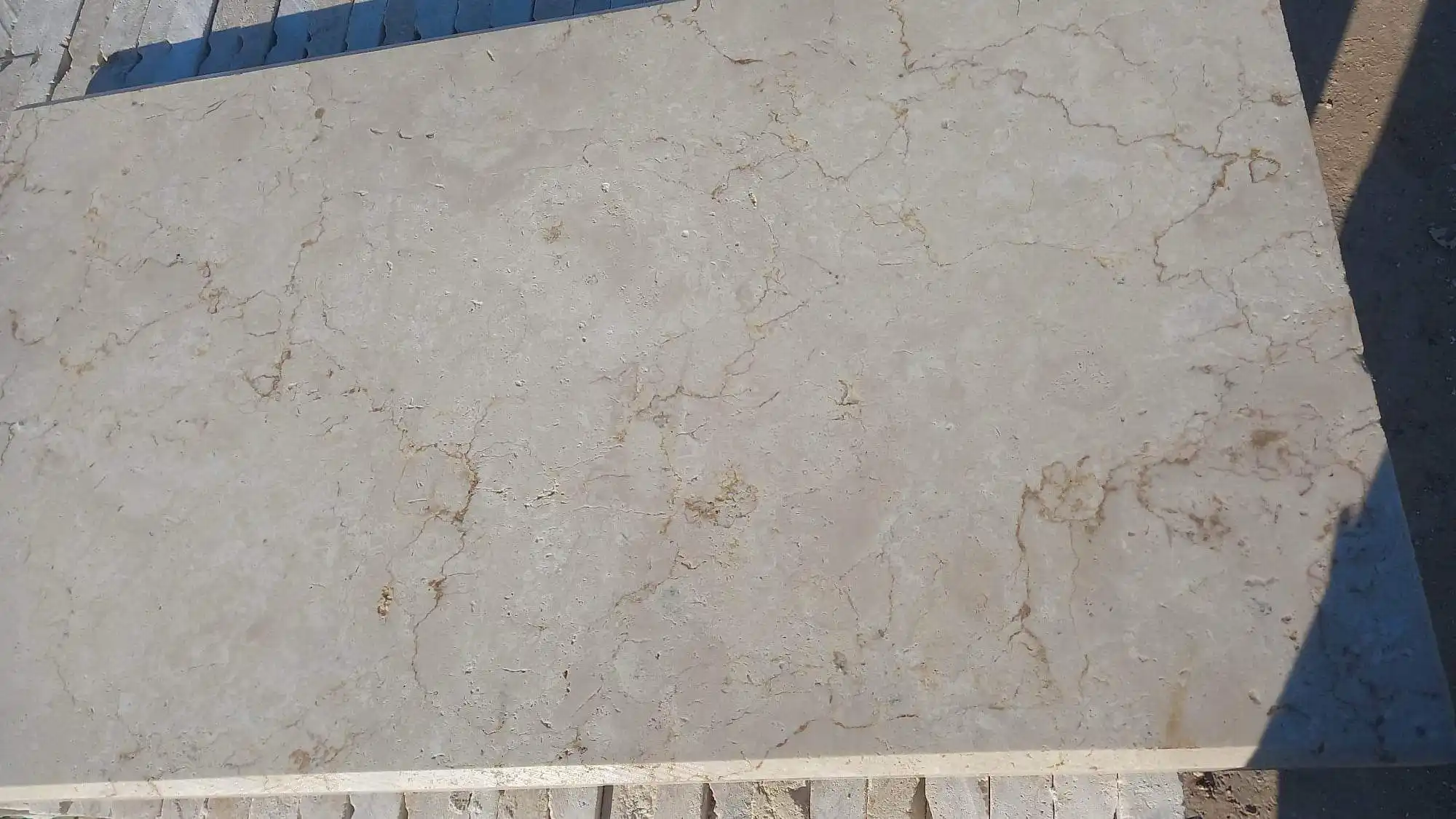
The gray tonal range in limestone comes from the concentration of clay minerals, iron compounds, and organic matter embedded during the sedimentary formation process. You’ll find that pavers quarried from deeper formations tend to produce more consistent, cooler gray hues, while near-surface material often carries warmer, buff-influenced tones. This variation isn’t a defect — it’s a characteristic you should plan for when matching batch lots across a large project area.
Field performance data on gray limestone pavers across varied climates shows consistent compressive strength above 8,000 PSI for commercial-grade material, with select quarry stock exceeding 12,000 PSI. According to Natural Stone Institute limestone technical data, limestone’s calcium carbonate matrix gives it a stable thermal expansion coefficient — roughly 4 to 5 × 10⁻⁶ per °F — which keeps joint movement manageable in most installation conditions. That stability is one reason gray limestone pavers remain a preferred specification for large-format patio and courtyard projects.
- Gray tones range from cool blue-gray through warm silver-pewter depending on quarry depth and mineral content
- Compressive strength varies by grade: standard residential stock typically reaches 8,000–10,000 PSI; commercial-grade material often exceeds 12,000 PSI
- Thermal expansion rates are lower than concrete, reducing joint stress over seasonal cycles
- Surface texture options include honed, sawn, bush-hammered, and sandblasted — each with distinct slip-resistance profiles
- Natural color variation between slabs is inherent to the material and consistent batch ordering helps manage it
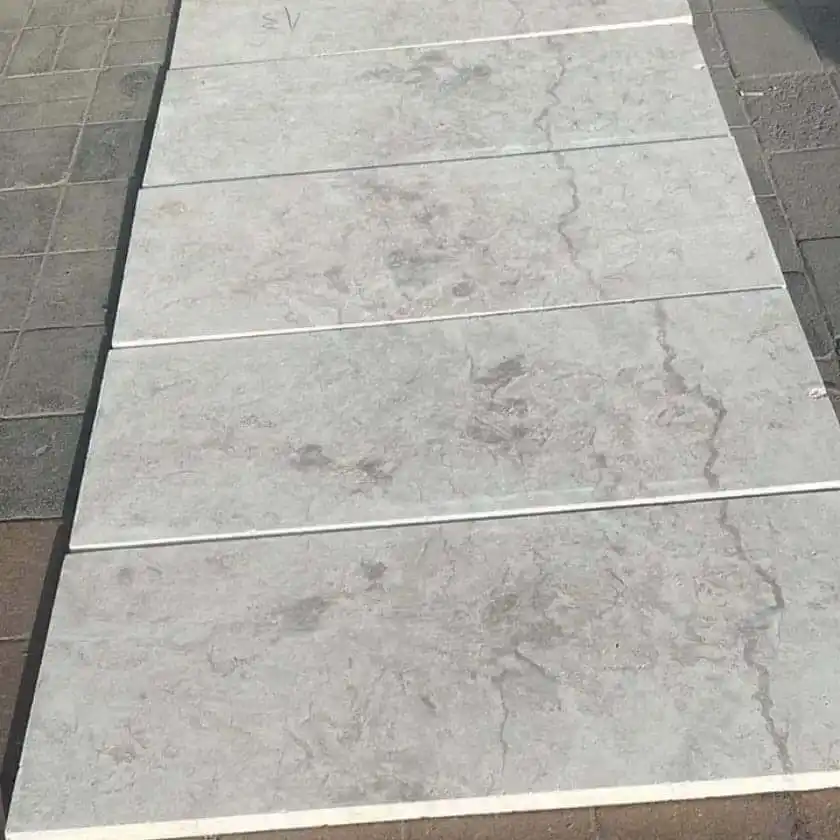
Understanding Pewter and Lueders Limestone Pavers
Two of the most specified gray-family limestone options deserve specific attention: pewter pavers and lueders limestone pavers. Both fall under the broader gray limestone category, but they behave differently under field conditions and carry distinct aesthetic properties worth clarifying before you finalize a specification.
Pewter pavers typically describe material with a medium-to-dark gray base and minimal veining — close-grained stone that tends to have lower porosity than lighter limestone varieties. The density that produces that deep pewter color also means these pavers resist surface absorption more effectively, which translates to easier maintenance in high-traffic outdoor environments. You’ll still want to apply a penetrating sealer, but reapplication intervals can often stretch to three years rather than the standard two.
Lueders limestone pavers originate from Texas Hill Country quarries and exhibit a distinctive layered, shell-fossil texture within a warm gray matrix. The geological layering that gives lueders its character also means you need to specify installation with the natural bedding plane oriented correctly — laying the stone against its natural bed increases the risk of delamination over time, particularly in freeze-thaw regions. Orient lueders limestone pavers with the bedding plane parallel to the surface for optimal long-term performance.
- Pewter pavers: denser, lower porosity, deeper gray tone — well suited for high-traffic patios and driveways
- Lueders limestone pavers: layered fossil texture, warm gray tone — requires correct bedding plane orientation during installation
- Both options accept honed and sawn finishes, though lueders responds better to bush-hammering for exterior grip
- Color consistency is higher in pewter stock; lueders carries more natural variation between individual pieces
Thickness Selection and Structural Load Requirements
Your thickness specification should follow the load category, not personal preference. The 1.25-inch (30mm) nominal thickness handles pedestrian-only applications cleanly when the base is properly prepared. Move to 1.5 inches for patios with occasional furniture point loading, and specify 2 inches minimum for driveways, access routes, or any application where vehicle tires may contact the surface.
The detail that matters most in gray limestone paver projects is edge support at transitions. Limestone’s flexural strength is adequate in the field of a slab but drops sharply at unsupported edges — particularly for larger formats like 24×24 or 18×36 pieces. Plan for concrete haunching or a mortared edging soldier course at all perimeter terminations and at any change-in-level detail. Skipping this step is the leading cause of corner chipping and edge cracking in the first two years of service.
Gray limestone pavers in the 2-inch nominal range handle the point loads typical of light vehicular and frequent pedestrian traffic without requiring a reinforced concrete slab beneath them, provided you’re working over well-compacted granular fill with less than 3% fines content. Beyond that fines threshold, drainage performance degrades and you’ll start seeing frost-related movement in regions with repeated freeze-thaw cycles.
Surface Finish Options and Slip Resistance
The finish you specify on gray limestone pavers controls both the visual character and the wet-traction performance of the installation. Honed finishes produce a smooth, even surface that reads beautifully in natural light but reduces the static coefficient of friction significantly — typically to the 0.4–0.5 range when wet, which approaches the lower threshold for safe pedestrian use in exposed outdoor settings.
Sawn finishes from the quarry give you a slightly textured surface without the visible saw marks of machine-cut stone. Bush-hammered or sandblasted finishes dramatically improve wet grip, typically reaching 0.6–0.7 SCOF, making them the preferred specification for pool surrounds, entry paths, and any surface that receives regular water exposure. Your finish selection for exterior applications should treat slip resistance as the primary driver, with aesthetics as the secondary consideration.
- Honed: elegant appearance, lower wet grip — limit to covered or interior-adjacent applications
- Sawn: moderate texture, adequate grip for most pedestrian paths and patios
- Bush-hammered: high wet grip, slightly rougher aesthetics — specify for pool decks and wet-zone applications
- Sandblasted: uniform open texture, strong grip — practical choice for high-traffic commercial exteriors
- Tumbled finish: softened edges, aged character — better suited to decorative garden paths than functional hardscape
Gray Limestone Pavers: Base Preparation and Installation
Proper base preparation determines the long-term performance of any gray limestone paver installation more than any other single variable. A minimum 4-inch compacted crushed aggregate layer (3/4-inch clean crushed stone works well) is required for standard residential patios. Allow a 1-inch bedding sand layer on top — use coarse concrete sand, not fine masonry sand, which compacts too densely and impedes drainage.
Slope the finished surface at a minimum of 1/8 inch per foot away from structures to manage drainage. Gray limestone is highly resistant to water penetration when properly sealed, but standing water at joints accelerates sand migration and can undermine the bedding layer over successive seasons. Maintaining a clean 3/16-inch joint packed with polymeric sand is the practical standard — wider joints collect debris faster, and narrower joints don’t allow adequate thermal movement.
Expanding joint spacing slightly in extreme-heat climates is worth factoring into your layout plan. At high ambient temperatures, limestone still expands measurably, and joints set at the standard 3/16 inch can show stress at the edges of larger format pavers during the hottest weeks of summer. Bump joint width to 1/4 inch for paver formats above 18×18 in climates where sustained high temperatures are common.
Seasonal Installation Timing for Gray Limestone Pavers
Scheduling matters more for limestone installations than most specifiers acknowledge. Mortar-set and adhesive-set applications for classic pavers in the gray limestone family carry specific temperature windows that genuinely affect long-term bond integrity — and those windows are narrower than the product data sheets imply in field conditions.
For dry-set sand applications, the practical installation window is broad: any day when ambient temperatures stay between 35°F and 100°F works safely. Mortar-set applications are more demanding. Cement-based setting beds cure through a hydration reaction, and temperatures below 40°F slow that reaction enough to compromise early strength gain. Above 90°F, rapid moisture loss from the bed becomes the problem — the mortar skins over before the pavers achieve full contact, leaving hollow spots that telegraph as rocking or popping within the first year.
One factor that often gets overlooked on hot-weather projects: afternoon direct sun on a dark aggregate base can raise surface temperature 20 to 30 degrees above ambient air temperature. Starting the day in comfortable working conditions is no guarantee — the base surface can hit 110°F by early afternoon, hot enough to trigger rapid mortar skin-over even when the air temperature reads acceptable. Scheduling mortar-set work in the early morning hours and wrapping the bedding layer with a damp burlap cover between lifts gives you consistent working conditions throughout the day.
- Optimal mortar-set window: ambient temperatures 50°F–85°F, minimal direct sun on the base
- Dry-set applications tolerate wider temperature ranges but should avoid frozen subgrade conditions
- Polymeric sand joint fill requires temperatures above 32°F and ideally above 40°F for complete activation
- Avoid sealer application in temperatures below 50°F or above 90°F — both extremes affect penetration depth and cure quality
- Morning installation scheduling reduces surface temperature variability on sun-exposed sites
- Allow newly installed gray limestone pavers 48–72 hours before foot traffic and 7–10 days before vehicle loading in mortar-set applications
Fall installations in freeze-thaw regions carry a separate timing consideration. Mortar-set work should be completed at least six weeks before the first hard freeze — that window allows sufficient cure strength to withstand frost-induced subgrade movement in the first season. Installations rushed into late-fall windows often show joint cracking and edge lifting the following spring.
Sealing, Maintenance, and Long-Term Care
Gray limestone’s porosity profile varies by quarry and formation depth. Dense, close-grained material from deeper formations may exhibit absorption rates below 3% — practically speaking, these pavers can go longer between sealing applications. Lighter, more porous gray limestone from near-surface quarries can absorb up to 8–10%, making a consistent sealing schedule genuinely important for outdoor performance.
The right sealer for exterior gray limestone pavers is a penetrating silane-siloxane formula, not a topical coating. Topical sealers trap moisture beneath the surface in outdoor applications, leading to spalling and finish loss in climates with temperature cycling. Penetrating sealers enter the pore structure and repel water from within, leaving the vapor permeability of the stone intact. Apply the first sealer coat within 30 days of installation — waiting longer allows environmental soiling to fix into the pores and reduces sealer penetration depth.
For long-term service, the maintenance schedule is straightforward: reseal every two to three years depending on traffic and climate exposure, clean with a pH-neutral stone cleaner twice annually, and repack joints with polymeric sand whenever you observe visible migration or gaps. Decades of service life are achievable from gray limestone pavers that receive this basic maintenance — the material’s natural calcium carbonate structure is exceptionally durable when protected from sustained acid exposure and freeze-thaw moisture infiltration. According to USGS geological data on limestone composition, the dense microcrystalline structure of quality limestone makes it one of the most stable sedimentary paving options available for exterior applications.
Ordering, Logistics, and Project Planning
Your project planning timeline should account for the reality of natural stone supply chains. Gray limestone pavers sourced from Middle East quarries typically carry a 4–6 week import lead time when ordered to specification. Warehouse-held inventory in common sizes — 12×12, 16×16, and 24×24 — is often available for faster fulfillment, but unusual formats or premium finishes like bush-hammered pewter stock should be ordered well ahead of your installation window.
Add a 10–12% overage to your square footage calculation to cover cuts, breakage during installation, and future replacement stock. Gray limestone’s natural color variation means that pavers produced in a later batch may not match your original delivery precisely — quarry color can shift between pulls from the same formation. Ordering your full quantity plus overage from a single batch is the safest approach for large, continuous surfaces where color consistency is critical.
Delivery logistics for paver projects often involve a truck with a liftgate or flatbed configuration depending on your site access. Confirm your truck access clearance before scheduling delivery — narrow driveways, low overhead branches, and weight-restricted roads all affect delivery method and cost. Citadel Stone coordinates nationwide delivery, and our team can advise on load configurations that minimize handling at the site to reduce breakage risk on thinner paver profiles.
Color variation across your layout is worth addressing before installation begins. Dry-lay the pavers from multiple pallets simultaneously, blending across the delivery lots as you set. This approach distributes any batch-to-batch tonal shifts naturally rather than creating visible banding across the finished surface. Explore the Citadel Stone paver color range to understand how different gray tones appear across format sizes before placing a final order.
Gray Limestone Versus Alternative Paving Materials
Specifiers frequently compare gray limestone pavers against porcelain tile, concrete pavers, and basalt when evaluating outdoor applications. Each material presents genuine trade-offs, and understanding where gray limestone sits in that comparison helps you make a defensible specification decision.
Porcelain pavers offer highly resistant surface performance against staining and moisture, and modern large-format porcelain can achieve strong slip-resistance ratings. The trade-off is thermal behavior — dense porcelain carries higher heat retention than limestone in direct sun exposure, which affects barefoot comfort on summer afternoons. Porcelain also carries zero ability to be re-sawn on site without specialized equipment, making field cuts more precise but more labor-intensive.
Concrete pavers are cost-competitive but exhibit higher porosity and are more susceptible to surface carbonation and color fade over time. Gray limestone pavers maintain their tonal character more consistently over decades because the color is intrinsic to the mineral composition, not a surface treatment or pigment. Basalt is denser and harder-wearing than limestone — it’s a better choice for heavy vehicular applications — but it offers a narrower color palette and less surface variation than gray limestone. The Britannica overview of limestone formation explains how the mineral and fossil content during formation directly determines the long-term color and density characteristics that make gray limestone a structurally stable option.
- Gray limestone vs. porcelain: limestone wins on thermal comfort and authentic character; porcelain wins on stain resistance
- Gray limestone vs. concrete pavers: limestone wins on color longevity and density; concrete wins on initial cost
- Gray limestone vs. basalt: basalt wins on compressive strength and abrasion; limestone wins on tonal variety and warmth
- Gray limestone vs. sandstone: limestone wins on compressive strength; sandstone offers more surface color variation
Final Recommendations for Gray Limestone Paver Specifications
Your gray limestone paver specification comes together correctly when you address base preparation, finish selection, joint width, and sealing schedule as a system rather than treating each as an isolated decision. The material’s natural performance characteristics — stable thermal expansion, high compressive strength, and genuine aesthetic character — reward thoughtful specification with installations that age well and require modest ongoing care.
Gray limestone pavers deliver the most consistent results when you order from a single production batch, install over a properly compacted granular base, specify a finish matched to the application’s wet-traction demands, and commit to a penetrating sealer schedule from the start. For projects involving vertical applications or limestone material used in facade contexts, limestone facade design and material guidance covers the additional specification considerations that exterior wall applications introduce. At Citadel Stone, we source gray limestone directly from quarries in Turkey and selected quarries from the Middle East, which lets our technical team provide precise material data — density, absorption rate, and finish availability — before you commit to a project specification. Pavers from Citadel Stone come from premium quarries in Turkey and the broader Middle East region, offering gray limestone shades with subtle natural veining.
Related reading: how limestone is made · french pattern limestone pavers · pavers with rocks between.