

When planning an outdoor space—whether it’s a pool deck, patio, or walkway—two factors often top the list: aesthetics and safety. At Citadel Stone, one question we hear frequently is: Are basalt pavers slippery? It’s a critical concern, especially for areas exposed to water, where a misstep could lead to injury.
In this detailed guide, we’ll explore the slip resistance of basalt pavers, focusing on their suitability for pool decks and other wet areas. We’ll unpack the science of slip resistance ratings, compare basalt to other materials, and share practical tips to ensure your outdoor space is both stunning and secure. By the end, you’ll know exactly whether basalt pavers are the right fit for your project—and how to make them work for you.
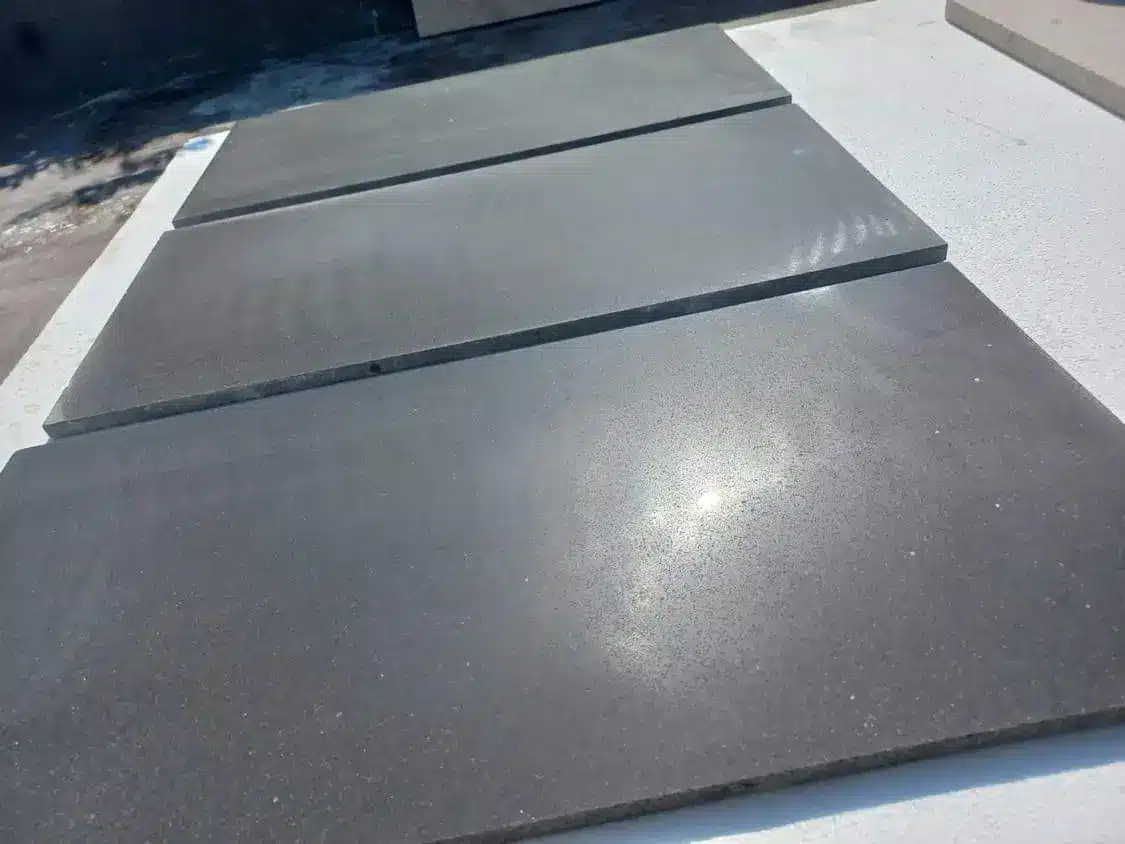
Why Slip Resistance Matters
Before we dive into basalt pavers, let’s establish why slip resistance is non-negotiable for outdoor surfaces.
Safety First
- Preventing Accidents: Slips and falls are among the top causes of outdoor injuries, especially near pools or in rainy regions.
- Reducing Liability: For homeowners and businesses alike, a slippery surface can lead to legal headaches if it doesn’t meet safety standards.
- Enjoyment Without Worry: A slip-resistant surface lets you relax and enjoy your space, rain or shine.
At Citadel Stone, we believe beauty shouldn’t come at the cost of safety. Our basalt pavers are crafted to deliver both.
What Makes a Surface Slippery?
To determine if basalt pavers are slippery, we need to understand the factors that influence slipperiness.
Key Contributors
- Texture: Smooth surfaces offer less grip, while rough, textured ones improve traction.
- Moisture: Water acts as a lubricant, reducing friction and increasing slip risk.
- Footwear: Bare feet or shoes with worn soles can worsen traction on any surface.
- Slope: Angled surfaces heighten the chance of slipping, especially when wet.
How Slip Resistance Is Measured
Slip resistance is evaluated using the Coefficient of Friction (COF), a metric that compares the force needed to move one surface over another to the weight pressing them together. A higher COF means better grip.
- Dry COF: Higher in dry conditions, where friction is naturally stronger.
- Wet COF: More relevant for pool decks, as it reflects performance when water is present.
The Americans with Disabilities Act (ADA) suggests a minimum COF of 0.6 for flat surfaces and 0.8 for ramps. For pool decks and wet areas, aiming above these thresholds is wise for added safety.
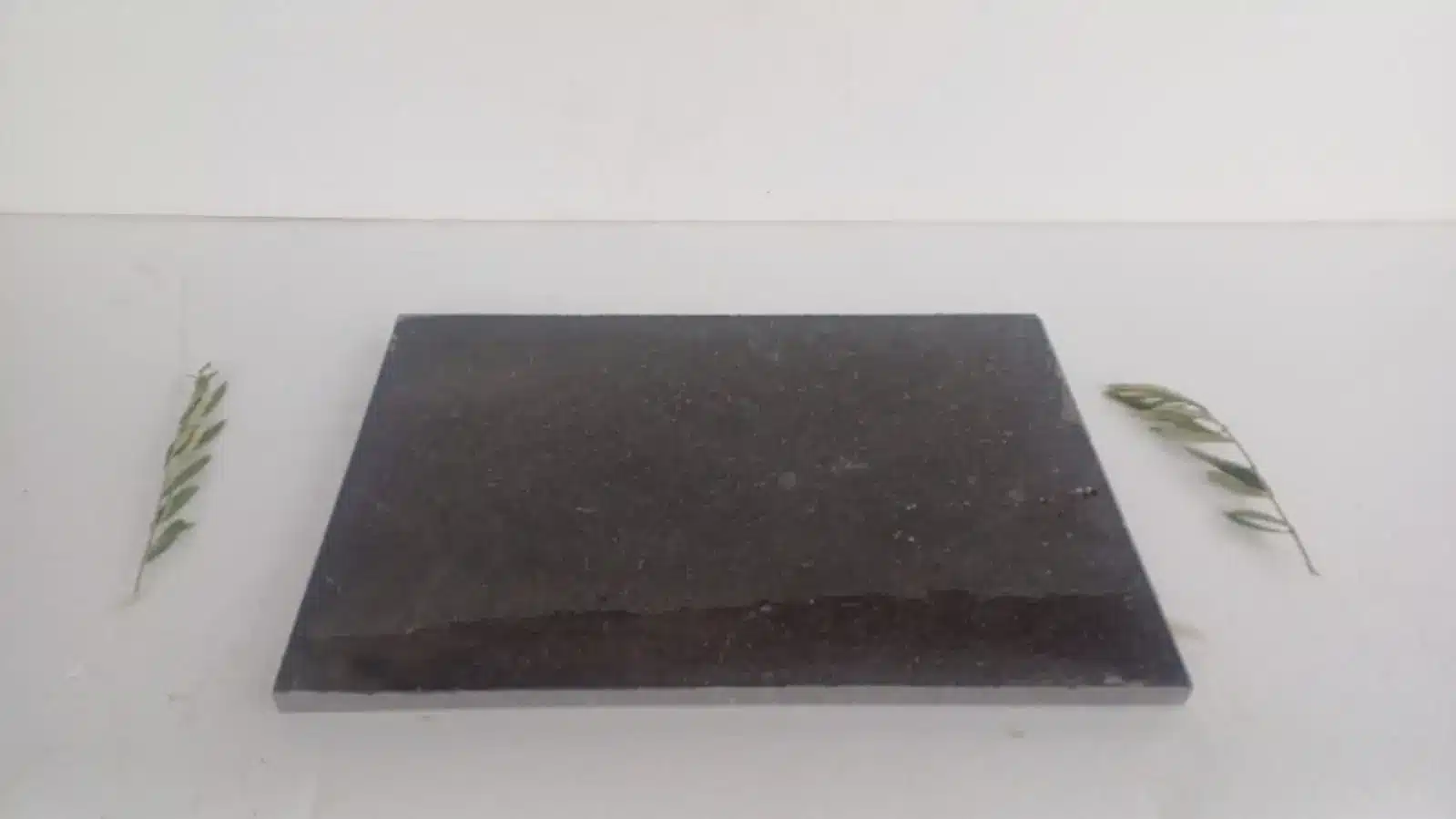
Basalt Pavers: A Closer Look
Now, let’s focus on basalt pavers and what makes them unique.
What Are Basalt Pavers?
Basalt is a volcanic rock prized for its strength and sophisticated dark tones. At Citadel Stone, we offer basalt pavers in several finishes:
- Honed: Smooth and matte, perfect for sleek, modern designs.
- Flamed: Rough and textured, created by heat treatment for enhanced grip.
- Bush-Hammered: Coarsely textured for maximum traction.
Natural Advantages
- Low Porosity: Basalt’s dense structure absorbs less water, reducing slipperiness in wet conditions.
- Durability: With a Mohs hardness of 6-7, basalt resists wear, preserving its texture over years of use.
These qualities position basalt as a top contender for outdoor applications—but how does it fare in terms of slip resistance?
Are Basalt Pavers Slippery?
The short answer: it depends on the finish and how they’re used. Let’s break it down.
Slip Resistance by Finish
- Honed Basalt: Its polished, smooth surface has a lower COF, making it ideal for dry or indoor spaces. In wet conditions, it can become slippery.
- Flamed Basalt: The flaming process roughens the surface, boosting slip resistance. This finish excels around pools and in wet climates.
- Bush-Hammered Basalt: Offering the roughest texture, this finish provides outstanding grip, even in heavy rain or poolside splash zones.
For wet areas, Citadel Stone recommends flamed or bush-hammered finishes to prioritize safety.
Practical Considerations
Numbers tell part of the story, but real-world factors matter too:
- Barefoot Traffic: Common around pools, bare feet interact differently with surfaces than shoes do.
- Surface Contaminants: Algae, dirt, or leaves can reduce traction, no matter the material.
Regular upkeep is essential to maintain safety—we’ll cover that later.
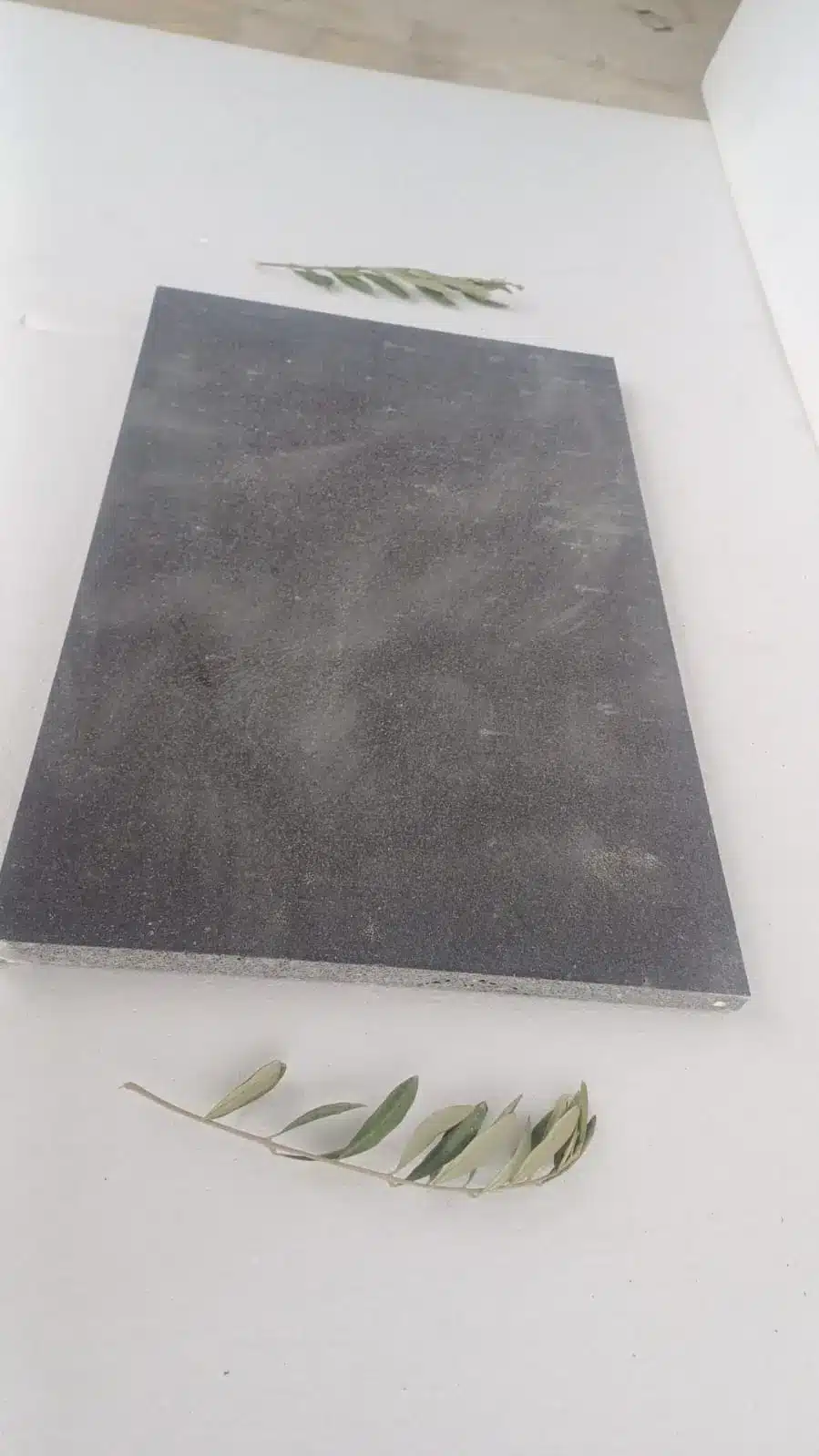
How Basalt Stacks Up Against Other Pavers
To see where basalt stands, let’s compare it to other common paver materials.
Concrete Pavers
- Advantages: Affordable and customizable with textures for grip.
- Drawbacks: Susceptible to stains and erosion; may need frequent sealing.
Brick Pavers
- Advantages: Naturally textured; timeless appeal.
- Drawbacks: Can get slippery when wet; wears down over time.
Other Natural Stones (e.g., Granite, Slate)
- Advantages: Long-lasting; variety of textures.
- Drawbacks: Polished finishes (like some granites) can be slick when wet.
Basalt Pavers
- Advantages: Tough, low-maintenance, and highly slip-resistant with flamed or bush-hammered finishes.
- Drawbacks: Honed basalt isn’t ideal for wet zones.
For pool decks and wet areas, flamed or bush-hammered basalt often outperforms these alternatives in both safety and longevity.
Slip Resistance Ratings for Basalt Pavers
Let’s get into the specifics: what do the numbers say about basalt’s slip resistance?
Typical COF Ranges
- Honed Basalt:
- Dry COF: 0.6-0.7
- Wet COF: 0.4-0.5
- Flamed Basalt:
- Dry COF: 0.8-0.9
- Wet COF: 0.6-0.7
- Bush-Hammered Basalt:
- Dry COF: 0.9-1.0
- Wet COF: 0.7-0.8
Flamed and bush-hammered basalt pavers consistently meet or exceed ADA guidelines, making them excellent choices for safety-conscious projects.
Beyond COF: Other Standards
Some regions use additional metrics:
- Pendulum Test Value (PTV): A PTV above 36 indicates low slip risk in wet conditions.
- R-Rating: R11 to R13 ratings are suitable for wet areas like pool decks.
At Citadel Stone, our flamed and bush-hammered basalt pavers typically achieve R11 or higher, aligning with industry benchmarks for wet-area safety.
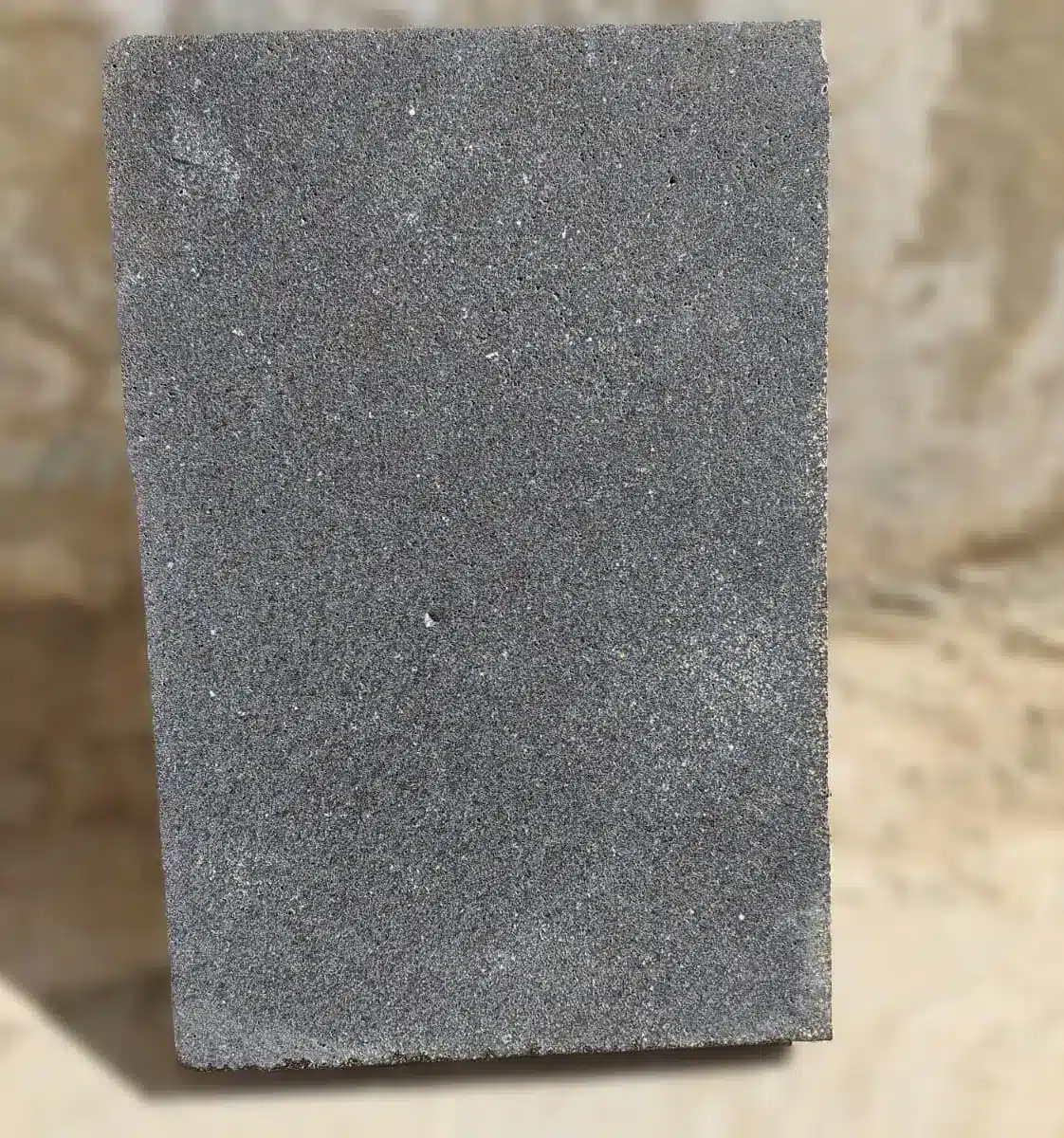
Boosting Slip Resistance: Practical Tips
Even with a slip-resistant finish, you can take steps to maximize safety.
Select the Right Finish
- Pool Decks: Stick to flamed or bush-hammered basalt for reliable traction.
- Avoid Honed: Reserve honed finishes for dry or covered areas.
Keep It Clean
- Sweep Regularly: Clear debris like leaves or dirt weekly with a broom or hose.
- Tackle Algae: Use a diluted bleach solution (1:10 with water) to remove algae, followed by a thorough rinse.
Add Extra Grip
- Mats or Rugs: Place anti-slip mats at key spots like pool exits.
- Gritty Sealants: Some sealants include grit for added traction—ask Citadel Stone for options.
Install Smartly
- Incorporate Slope: Design a slight incline (1-2%) to prevent water pooling.
- Tight Joints: Use narrow grout lines to avoid uneven surfaces or tripping hazards.
Maintaining Basalt Pavers for Safety and Style
Proper care ensures your basalt pavers stay safe and attractive for years.
Should You Seal?
- Benefits: Sealants guard against stains and can enhance grip.
- Frequency: Apply every 2-3 years, depending on exposure and wear.
- Method: Choose a penetrating sealant for natural stone; apply with a roller or sprayer for even coverage.
Routine Checks
- Monitor Texture: Look for smoothing or wear in high-traffic areas.
- Fix Issues Fast: Repair cracks or loose pavers promptly to maintain a level, safe surface.
At Citadel Stone, we offer maintenance support to keep your pavers performing at their best—reach out for more info.
Real Orders, Real Deliveries
We only publish projects we have actually supplied. See our Las Vegas white limestone delivery — two containers, 6,884 sq ft, 32 crates, shipped door to door — and how we supplied Creative Environments in Arizona with 21 containers across a 70,000+ sq ft installation: white limestone pavers and tiles, shellstone and Ocean Reef pavers.
Had Citadel Stone material installed on your project? Send us your photos and we will feature the work here, with your permission.
Conclusion: Are Basalt Pavers Right for Your Wet Area?
So, are basalt pavers slippery? It hinges on the finish. Honed basalt can be slick when wet, making it better for dry zones. Flamed and bush-hammered basalt, however, shine in wet conditions, boasting COF ratings that meet or surpass safety standards for pool decks and beyond.
At Citadel Stone, we’re dedicated to crafting outdoor spaces that blend elegance with security. Our basalt pavers come in finishes to match your vision, backed by expert guidance from our team. Whether it’s a poolside retreat, a patio, or a walkway, we’re here to help you build it right.
Ready to transform your space? Contact Citadel Stone today to browse our high-quality black basalt tiles for premium home exteriors options or book a consultation. Your safe, stylish outdoor oasis is within reach.