

Our resilient basalt tiles for extreme weather conditions are prized for their durability, low porosity, and modern, natural look. However, when it comes to safety—especially in high-traffic areas or spaces prone to moisture—slip resistance becomes a critical consideration. In this comprehensive guide, we delve into the question, “Are basalt tiles slippery?” by comparing the two most common finishes: flamed versus polished. We also offer practical recommendations for anti-slip treatments that further enhance safety. To provide real-world context, we include six case studies and recent projects from cities such as New Orleans (LA), Denver (CO), Salt Lake City (UT), Portland (OR), Columbus (OH), and Sacramento (CA).
1. Introduction
Basalt tiles, formed from cooled basaltic lava, naturally exhibit a rugged beauty that makes them a popular choice in both residential and commercial settings. While their inherent strength and durability are well-known, concerns about their slip resistance can arise—particularly when the tiles are installed in wet areas, around pool decks, or in high-traffic commercial spaces.
The finish applied to our stylish basalt tiles honed finish for modern outdoor designs significantly influences their slip resistance:
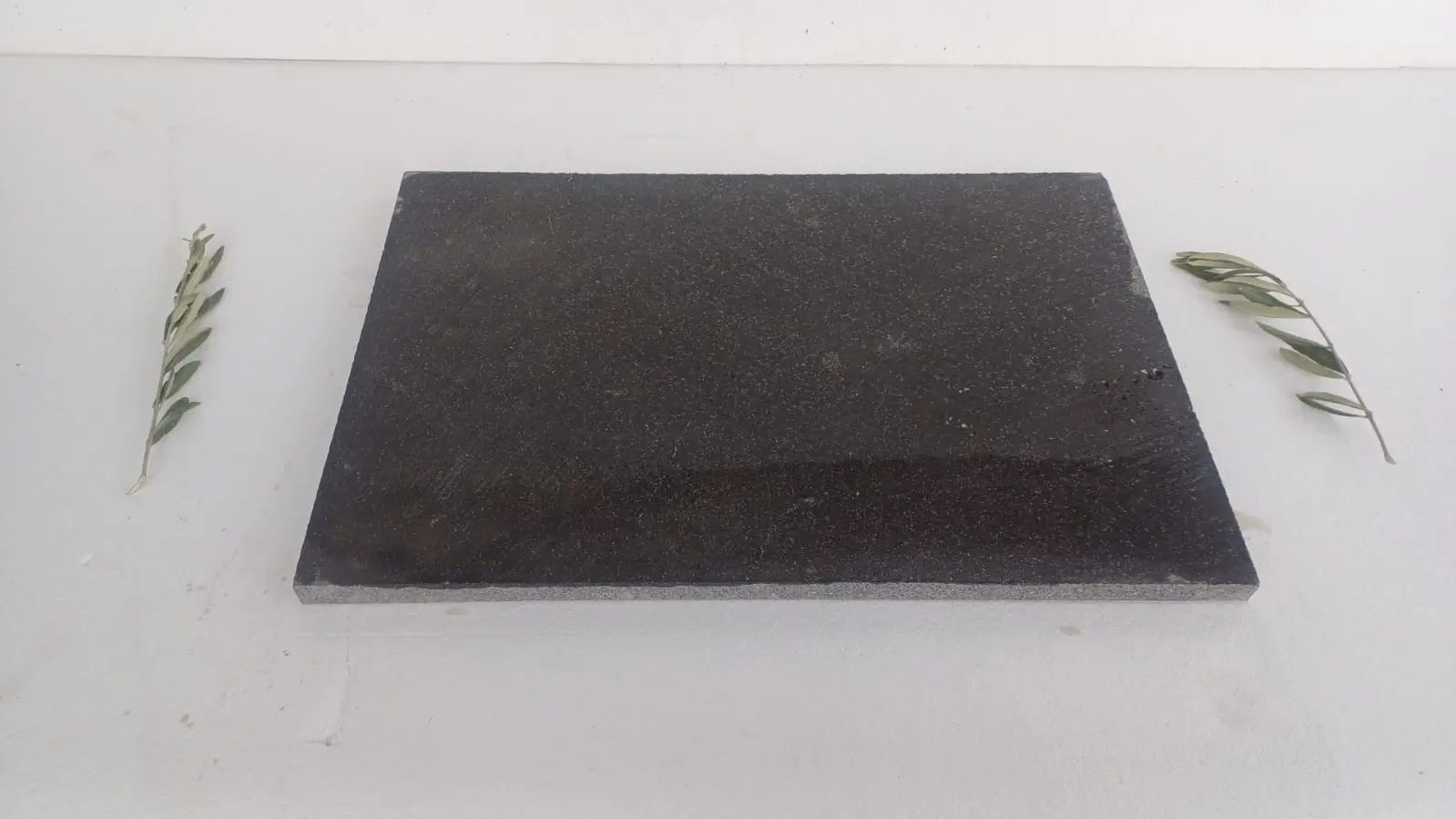
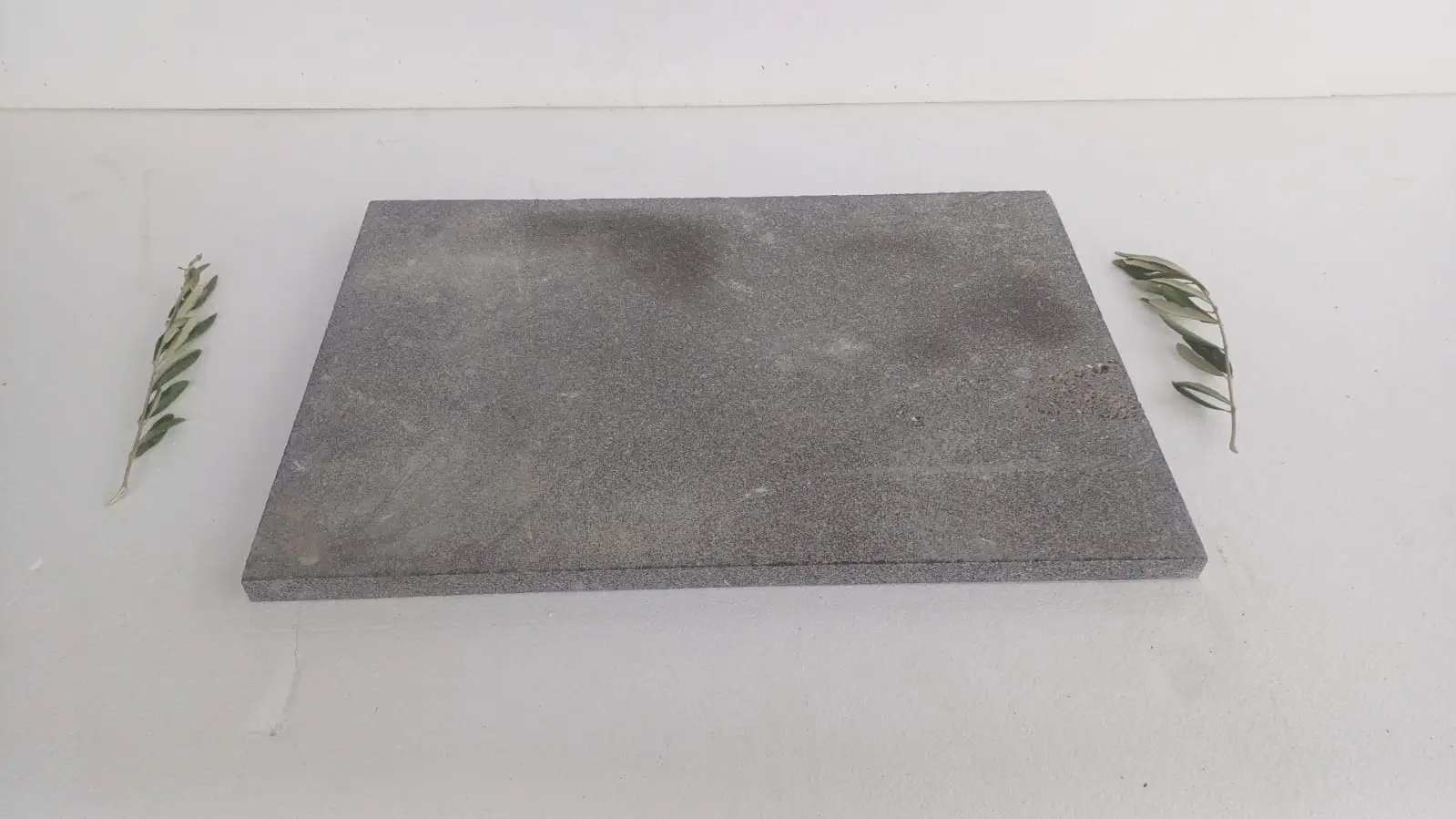
- Flamed Finish: Creates a rough, textured surface that naturally enhances traction.
- Polished Finish: Produces a smooth, glossy surface that, although aesthetically appealing, can be more slippery when wet.
In this article, we explore the technical aspects of each finish, discuss factors that affect slip resistance, and recommend anti-slip treatments to ensure safety without sacrificing style.
2. Understanding Slip Resistance in Basalt Tiles
2.1. The Role of Surface Texture
Slip resistance is primarily determined by the surface texture of the tile:
- Flamed Basalt Tiles: The flamed finish is achieved by exposing the tile surface to high temperatures, causing the minerals to burst and create a naturally rough texture. This roughness improves the coefficient of friction (COF), making the tile significantly less slippery, even when wet.
- Polished Basalt Tiles: In contrast, the polishing process smooths the surface to a high-gloss finish. While this can enhance the tile’s visual appeal, it often results in a lower COF, increasing the risk of slips—especially in wet conditions.
2.2. Technical Data: Coefficient of Friction
Laboratory tests often indicate that:
- Flamed finishes typically achieve a COF of 0.6 or higher under wet conditions.
- Polished finishes can have a COF as low as 0.4 to 0.5 when wet.
These values are crucial in environments where safety is paramount, such as commercial lobbies, public walkways, and pool decks.
3. Comparing Finishes: Flamed vs. Polished
3.1. Flamed Finish
- Advantages:
- Superior Traction: The naturally rough surface provides enhanced slip resistance.
- Durability: The process not only improves grip but also often increases resistance to wear and surface deterioration.
- Ideal for Outdoor Areas: Particularly beneficial for pool decks, driveways, and outdoor walkways.
- Disadvantages:
- Aesthetic Limitations: While modern and industrial in appeal, flamed finishes may not be suitable for designs requiring a sleek, ultra-modern look.
3.2. Polished Finish
- Advantages:
- Aesthetic Appeal: The smooth, reflective surface creates a luxurious and sophisticated look ideal for contemporary interiors.
- Ease of Cleaning: Polished surfaces tend to repel dirt, making routine cleaning easier.
- Disadvantages:
- Reduced Traction: The smooth finish can be slippery when wet, making it less suitable for areas with high moisture or heavy foot traffic without additional anti-slip treatments.
4. Enhancing Safety: Anti-Slip Treatments for Basalt Tiles
To mitigate the slipperiness of our elegant polished basalt tiles for outdoor applications—or even to boost the performance of flamed tiles—several anti-slip treatments can be applied:
4.1. Surface Coatings
- Anti-Slip Sealers: Specially formulated sealers can be applied over polished tiles to increase surface roughness without altering the tile’s aesthetic significantly. These sealers often contain fine abrasives that enhance grip.
- Textured Coatings: In some cases, applying a clear, textured coating can provide an additional layer of traction. This option is popular for areas like pool decks and commercial lobbies.
4.2. Mechanical Treatments
- Sandblasting: For our reliable polished basalt tiles for home improvements, gentle sandblasting can roughen the surface slightly, improving traction while maintaining an attractive finish.
- Abrasive Pads: Regular maintenance using fine abrasive pads can help maintain a balance between shine and grip, especially in areas with heavy usage.
4.3. Design Considerations
- Strategic Placement: In high-risk areas, consider using flamed basalt tiles in conjunction with polished tiles. For example, a polished finish might be used in the main design area, while flamed tiles are installed in transitional or wet areas.
- Complementary Materials: Pairing our smooth basalt tiles for artistic flooring solutions with other surfacing materials—such as textured concrete or anti-slip mats in high-risk zones—is a specification choice to review with your installer.
6. Conclusion
Our lightweight basalt tiles for easy handling are an exceptional choice for modern designs, but their safety in wet or high-traffic areas largely depends on the finish and any additional anti-slip treatments. While our elegant polished basalt tiles for upscale finishes offer a luxurious look, they may require anti-slip coatings or mechanical treatments to meet safety standards. In contrast, flamed basalt tiles naturally provide superior traction due to their rough, textured surface.
The case studies from New Orleans, Denver, Salt Lake City, Portland, Columbus, and Sacramento illustrate how designers have successfully combined different finishes and anti-slip treatments to create safe and stylish spaces. Whether for urban restaurants, luxury residences, community centers, or commercial lobbies, basalt tiles can be tailored to meet both aesthetic and safety requirements.
By understanding the properties of different finishes and applying targeted anti-slip treatments, you can ensure that your basalt tile installation remains both beautiful and secure. For expert guidance and premium basalt tile solutions, visit Citadel Stone: your foundation for inspired design and explore our range of products designed to deliver style, performance, and safety.