

Our formidable‑grade basalt tiles are admired for their strength, durability, and natural beauty. However, like all natural materials, they can develop issues over time. Homeowners and designers may encounter staining, cracking, or fading due to environmental exposure, installation challenges, or regular wear and tear. In this in-depth guide, we explore the common issues associated with basalt tiles and provide practical solutions—from DIY repair techniques to professional restoration methods—to help you restore and maintain the beauty and functionality of your basalt surfaces.
We also highlight six real-world case studies from diverse climates and regions, showcasing recent projects in Phoenix (AZ), Las Vegas (NV), Minneapolis (MN), Birmingham (AL), Anchorage (AK), and Honolulu (HI). These examples provide insight into how basalt tiles perform in various environments and how issues can be effectively addressed.
1. Introduction
Basalt, a volcanic rock formed from rapidly cooled lava, is naturally dense and low in porosity—qualities that make it a popular choice for driveways, pool decks, floors, and walls. Despite its inherent strength, basalt tiles can show signs of aging such as:
- Staining: Caused by exposure to pollutants, chemical spills, or prolonged moisture.
- Cracking: Often a result of freeze-thaw cycles, heavy impacts, or improper installation.
- Fading: Loss of color intensity due to prolonged exposure to UV rays and harsh weather.
Understanding these issues and learning how to address them can help extend the life of your venerable basalt tiles- Citadel Stone, ensuring they continue to perform safely and look beautiful.
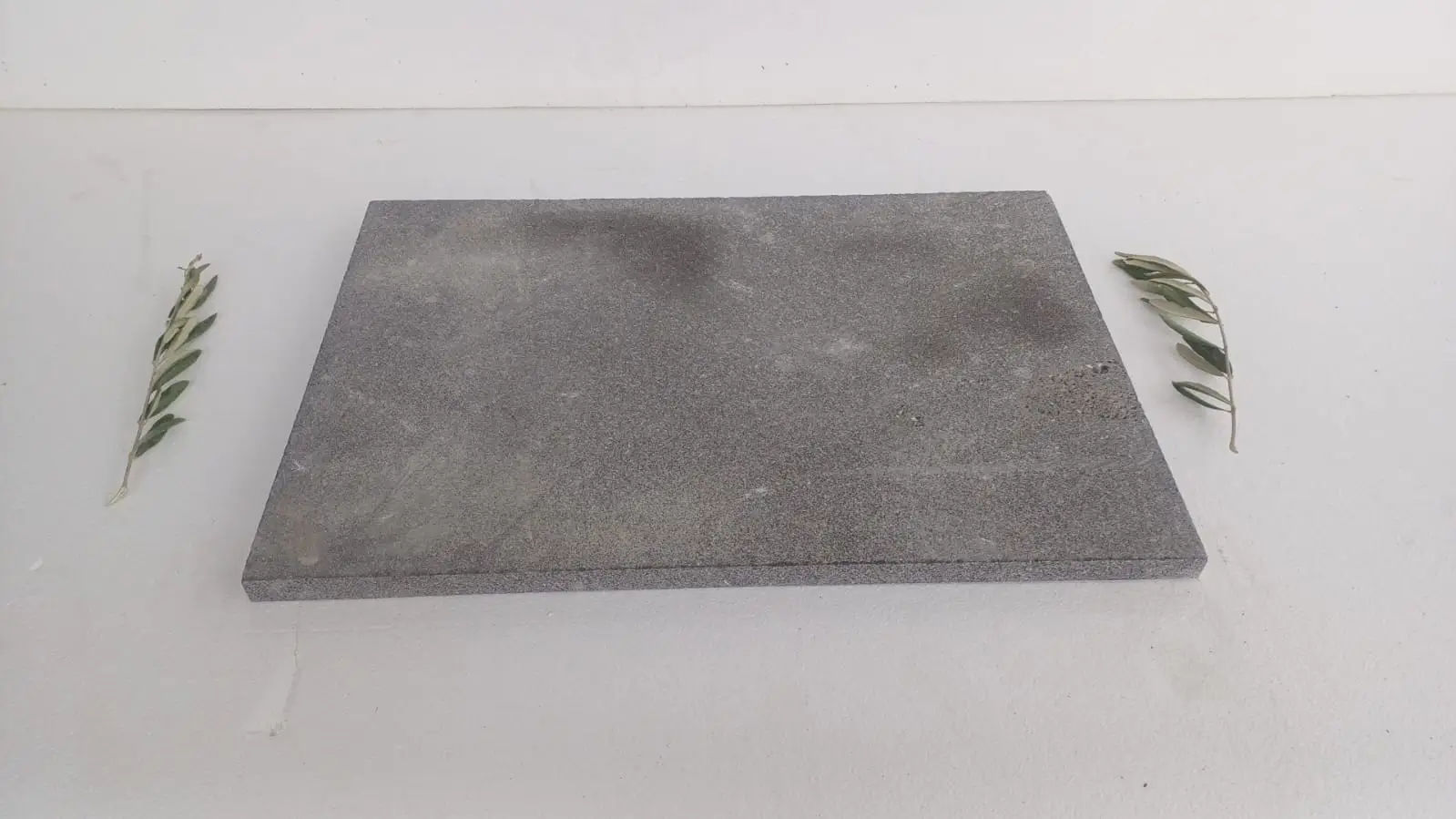
2. Common Issues with Basalt Tiles
2.1. Staining
Causes:
- Chemical Exposure: Spills from acidic or alkaline substances can leave stains.
- Environmental Pollutants: Dust, algae, or pollutants in urban and coastal areas can discolor the surface over time.
- Moisture Penetration: Even with low porosity, prolonged exposure to water can lead to subtle staining, particularly around grout lines.
Fixes:
- Deep Cleaning: Use a pH-neutral cleaner and soft brush to gently scrub the tiles.
- Sealant Application: A high-quality sealant can prevent future staining by creating a barrier against moisture and contaminants.
- Specialized Stain Removers: For stubborn stains, consider using a stone-specific stain remover following manufacturer guidelines.
2.2. Cracking
Causes:
- Freeze-Thaw Cycles: In colder climates, water can seep into tiny cracks, freeze, expand, and cause further damage.
- Heavy Impact: Dropped objects or heavy loads can induce cracks in the tiles.
- Improper Installation: Poor substrate preparation or inadequate adhesive can lead to stress points that cause cracking.
Fixes:
- Crack Filling: Use a high-quality epoxy or stone filler to repair minor cracks.
- Tile Replacement: Severely cracked or chipped tiles may need to be removed and replaced.
- Reinforcement: Ensure proper substrate leveling and use high-strength adhesive during reinstallation to minimize future cracking.
2.3. Fading
Causes:
- UV Exposure: Continuous exposure to sunlight can cause basalt’s dark hues to fade or lose vibrancy over time.
- Weathering: Harsh weather conditions may gradually wear down the finish of the tiles.
Fixes:
- Polishing: Light polishing with diamond abrasives can help restore the original luster.
- UV-Resistant Sealers: Applying a UV-resistant sealer can help protect the tiles from fading and maintain their rich color.
- Regular Maintenance: Periodic cleaning and reapplication of sealers can preserve the tile’s appearance for years.
3. Best Practices for Preventing Future Issues
Proper Installation:
Ensure that the substrate is properly prepared, and use the right adhesive and grouting techniques to prevent uneven stress and moisture ingress.Regular Maintenance:
Develop a maintenance routine that includes cleaning with pH-neutral solutions and periodic sealing to protect the tile surface.Environmental Considerations:
In harsh climates, consider using tiles with a textured or flamed finish to improve traction and reduce moisture retention.Prompt Repairs:
Address any minor issues immediately to prevent them from developing into larger, more expensive problems.
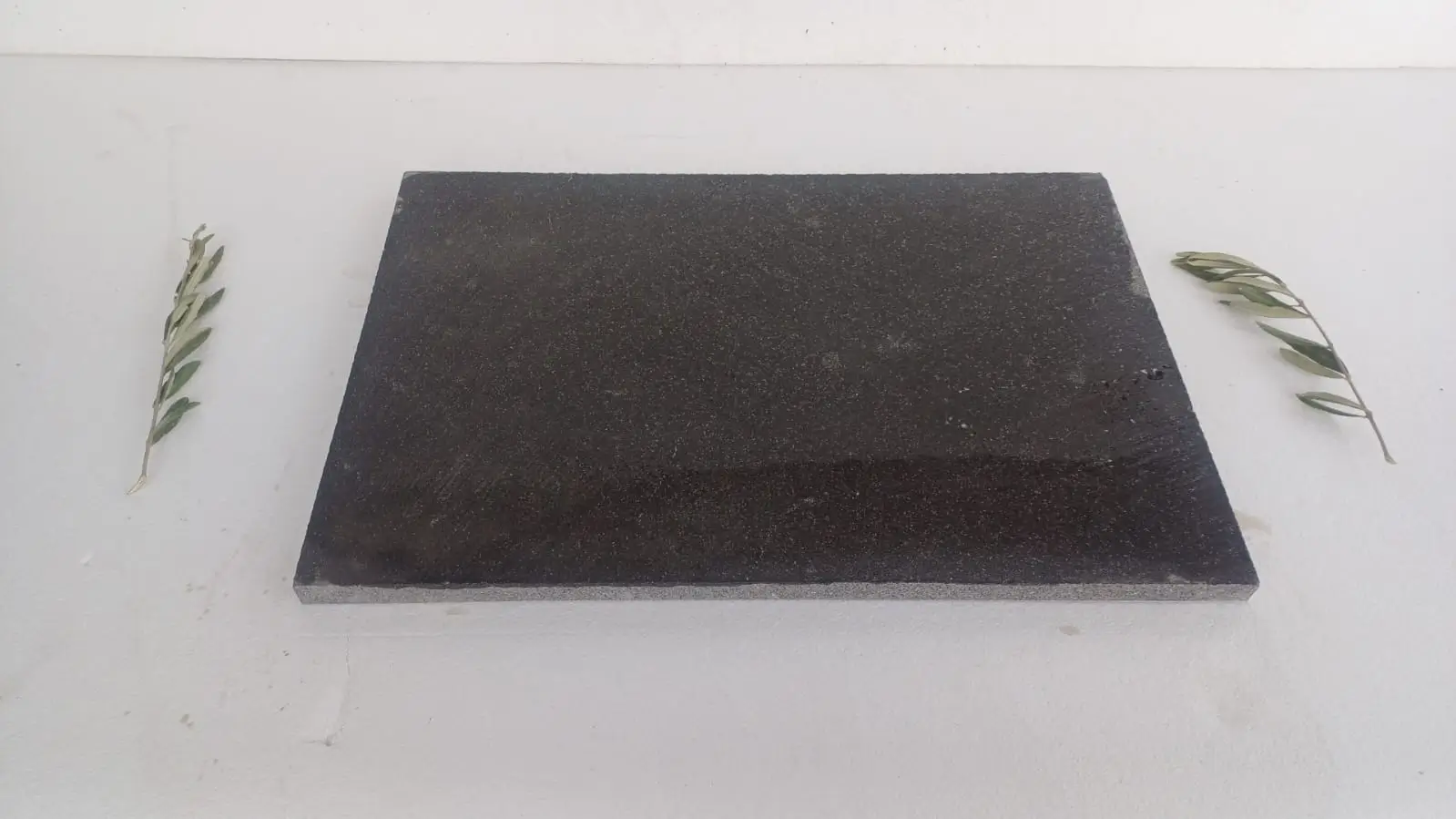
5. Conclusion
Common issues with our high-quality basalt tiles for residential applications—such as staining, cracking, and fading—can detract from their natural beauty and functionality. However, with the proper techniques and maintenance strategies, these problems are manageable and can be effectively resolved. Whether you’re tackling a DIY restoration or seeking professional assistance, understanding the causes and remedies for these issues is essential for preserving the long-term performance of your basalt surfaces.
The case studies from Phoenix, Las Vegas, Minneapolis, Birmingham, Anchorage, and Honolulu demonstrate that with tailored restoration methods—from deep cleaning and UV-resistant sealing to epoxy crack filling and selective tile replacement—Our textured basalt tiles for accent walls and flooring can be restored to their original luster and safety, ensuring they continue to perform beautifully in any environment.
By following the strategies outlined in this guide, you can extend the lifespan of your basalt tiles, enhance safety, and maintain the elegant aesthetics that make our rustic basalt tiles for cozy, traditional homes such a popular choice. For more expert advice and premium restoration materials, visit Citadel Stone: where innovation and tradition unite to explore our comprehensive range of solutions designed to help you keep your basalt tiles in top condition.
Many of the problems above trace back to stone quality rather than workmanship — if you are still choosing material, browse our basalt tiles to see what properly graded, dense stone looks like before you buy.